

P0301 on 2010-2015 Chevrolet Camaro 6.2L L99: Cylinder 1 Misfire Causes and Fixes
P0301 indicates a misfire in cylinder 1. For the 6.2L L99 V8, this is most often caused by a bad spark plug, ignition coil, or spark plug wire. However, a failed Active Fuel Management (AFM) lifter is a known, more serious possibility for this engine. Start by swapping the coil and plug from cylinder 1 to another cylinder to see if the misfire follows. If a ticking noise is present, suspect a mechanical issue like an AFM lifter or broken valve spring.
- P0301 is a misfire on cylinder 1, located at the front of the driver's side of the engine.
- Always start diagnosis with the simple, high-probability causes: spark plug, ignition coil, and spark plug wire.
- A simple diagnostic step is to swap the ignition coil from cylinder 1 to another cylinder and see if the misfire code follows.
- Be aware that the L99 V8 has a known issue with failing AFM lifters, which is a more serious and costly repair. A persistent P0301, especially with a ticking noise, points toward this issue.
- Do not drive if the check engine light is flashing, as this can quickly destroy the catalytic converter, turning a smaller repair into a very expensive one.
What's Unique About the 2010-2015 Chevrolet Camaro
The 2010-2015 Camaro SS with an automatic transmission uses the 6.2L L99 V8, which is equipped with Active Fuel Management (AFM). This system deactivates cylinders 1, 4, 6, and 7 to save fuel under light loads. The AFM lifters are a well-documented failure point and can become stuck, locked, or collapse, leading to a persistent misfire on an AFM cylinder. While standard ignition issues are common, a P0301 code on an L99 engine, especially if accompanied by a ticking or knocking noise, strongly suggests a potential AFM lifter problem, which is a more complex and expensive repair. Many owners on forums report this failure, often leading to a full AFM delete.
🎬 Watch: Real-world diagnosis of a Camaro SS Cylinder 1 misfire.Symptoms You May Notice
- Rough idle or engine shaking
- Hesitation or stumbling during acceleration
- Noticeable loss of engine power
- Solid or flashing Check Engine Light
- Smell of unburned fuel from the exhaust
- Decreased fuel economy
- Loud ticking or knocking noise from the engine bay, especially on the driver's side
- "Service StabiliTrak" message appearing on the dash along with the CEL
- Replacing only the spark plug without testing the ignition coil or inspecting the wire.
- Assuming a fuel system problem when the cause is a more common ignition system fault.
- Overlooking the possibility of a mechanical AFM lifter failure on L99 engines and repeatedly replacing ignition parts without success. The presence of a ticking noise is a key differentiator.
Most Likely Causes
- Worn or Fouled Spark Plug 🔴 High Probability Cylinder 1 is noted on forums to be susceptible to oil fouling from the PCV system, especially on startup after sitting. This can cause a temporary misfire that may clear as the engine warms up.
How to confirm: Remove the spark plug from cylinder 1. Inspect the electrode for wear, carbon buildup, or oil fouling. A cracked ceramic insulator is a definitive failure. Compare its condition to a new plug or one from a healthy cylinder.
Typical fix: Replace the spark plug. It is best practice to replace all 8 spark plugs at the same time to ensure even performance.
Est. part cost: $10-$25 per plug - Failed Ignition Coil 🔴 High Probability
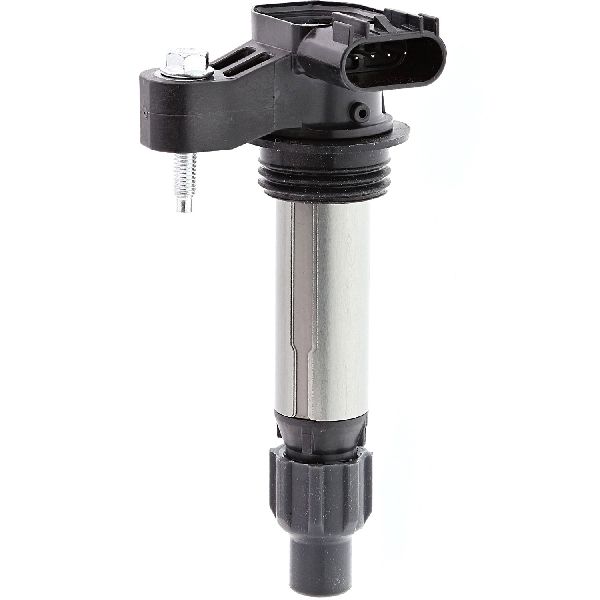
How to confirm: Swap the ignition coil from cylinder 1 with another cylinder (e.g., cylinder 3). Clear the codes and drive the vehicle. If the code changes to P0303, the ignition coil is faulty.
Typical fix: Replace the failed ignition coil. Coils can be replaced individually.
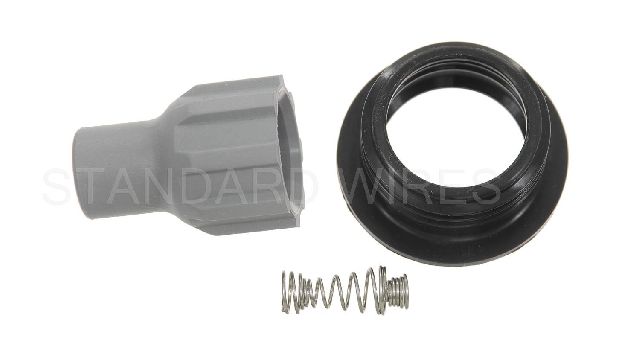
Est. part cost: $40-$80 - Damaged Spark Plug Wire 🟡 Medium Probability General Motors issued Technical Service Bulletin (TSB) #PIP4819A, which states that a loose spark plug wire at the ignition coil is a known cause for misfire codes (P0300-P0308) on many V8 models, including the L99 Camaro.
How to confirm: Visually inspect the spark plug wire for cylinder 1. Check for a secure connection at both the coil and the spark plug by pulling and reseating the boot. Look for any signs of physical damage, burns, or white marks indicating electrical arcing.
Typical fix: Replace the spark plug wire. It is recommended to replace the entire set of 8 wires for uniform resistance and performance.
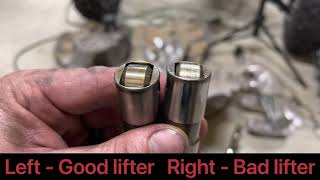
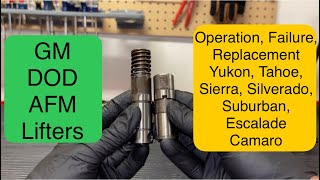
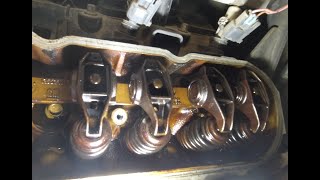
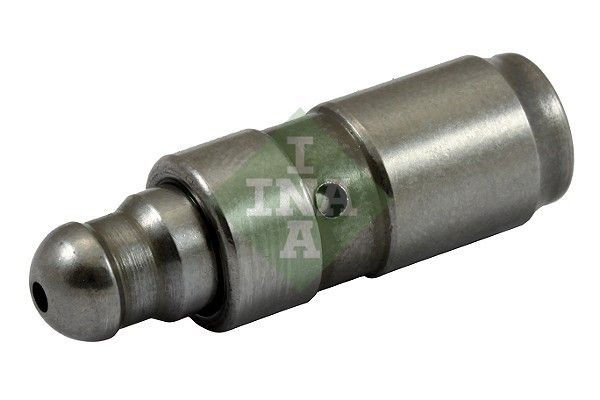
Est. part cost: $50-$100 for a set - Collapsed or Stuck AFM Lifter 🟡 Medium Probability The L99 engine's Active Fuel Management (AFM) system uses special hydraulic lifters on cylinders 1, 4, 6, and 7. These lifters are a very common and well-documented failure point. They can collapse, get stuck, or come apart, preventing the valve from opening and causing a dead misfire.
How to confirm: This is a more advanced diagnosis. A loud ticking or tapping noise from the driver's side of the engine is a strong indicator. 🎬 Listen to this video to hear what a bad lifter sounds like. A compression test on cylinder 1 will likely show very low or zero compression. Professional diagnosis is often required, involving removal of the valve cover to inspect the valvetrain for a pushrod that is not moving or a collapsed lifter.
Typical fix: Requires replacing the failed lifter(s) and lifter guide trays. The camshaft is often damaged by the failed lifter roller and should be inspected and replaced if necessary. Many owners opt to perform an 'AFM delete' at this time, replacing the AFM lifters, camshaft, and other components with standard, more reliable LS3 parts. This is a major engine repair.
Est. part cost: $400-$1500+ for parts, depending on whether performing a stock repair or a full AFM delete. - Clogged or Faulty Fuel Injector ⚪ Low Probability
How to confirm: Listen to the injector with an engine stethoscope; a healthy injector will have a consistent ticking sound. For a more definitive test, swap the fuel injector from cylinder 1 with another cylinder. If the misfire code follows the injector, it is faulty. A scanner with live data can also monitor fuel trims.
Typical fix: Replace the faulty fuel injector. It's good practice to replace the O-rings on surrounding injectors if the fuel rail is removed.
Est. part cost: $50-$90
Rare But Worth Checking
- Low Engine Compression: If all ignition and fuel system components check out, a mechanical problem like a worn piston ring, a leaking valve, or a damaged head gasket could be the cause. A compression test is required to diagnose this.
- Broken Valve Spring: While less common than a lifter failure, some owners on forums have reported discovering a broken valve spring as the root cause of a persistent single-cylinder misfire. This can happen even under light load and may be accompanied by a P0300 code. A compression or cylinder leakage test can help diagnose this.
Diagnosis Steps
- Read the code with an OBD-II scanner and check for any other stored codes, especially AFM-related codes like P3400.
- Note if the Check Engine Light is solid or flashing. A flashing light indicates a severe misfire that can damage the catalytic converter.
- Listen for any unusual engine noises. A distinct ticking or tapping from the driver's side valve cover area strongly points to a valvetrain issue like a failed lifter or broken spring.
- Swap the ignition coil from cylinder 1 (front driver's side) to cylinder 3 (second cylinder back on the driver's side). Clear the codes and run the engine. If the code changes to P0303, the coil is bad.
- If the misfire remains on cylinder 1, inspect the spark plug wire for a secure fit per TSB #PIP4819A. Then, swap the spark plug from cylinder 1 to another cylinder. If the misfire follows the plug, the plug is bad.
- While the plug is out, inspect it for wear, fouling, or damage. Oil on the plug can indicate PCV issues or more serious internal problems.
- If ignition components are good, test the fuel injector. Use a 'noid light' to check for an electrical pulse or listen for a steady clicking with a stethoscope. Swapping the injector with another cylinder is the most definitive DIY test.
- If ignition and fuel tests are inconclusive, perform a cylinder compression test. Significantly lower or zero compression in cylinder 1 points to a serious mechanical issue like a bad AFM lifter, broken valve spring, or damaged piston/rings.
Parts You'll Likely Need
- Iridium Spark Plug
(OEM #12621258)— Spark plugs are a routine maintenance item and the most common failure point for a single-cylinder misfire.
Trusted brands: ACDelco (41-110), NGK (TR55IX, TR6IX for modified engines)
OEM price range: $15-$25
Aftermarket price range: $10-$20 - Ignition Coil
(OEM #12611424)— Ignition coils are a frequent cause of misfires. Heat and vibration can cause them to fail over time.
Trusted brands: ACDelco (D510C), Delphi, Bosch, SKP (SKIC048)
OEM price range: $60-$90
Aftermarket price range: $40-$70 - AFM Lifter Kit
(OEM #12698946 (Superseded Lifter Part Number))— A known failure point on the L99 engine. If a lifter collapses, it must be replaced to resolve the misfire. This is a major repair. Kits often include lifters and guide trays.
Trusted brands: ACDelco, Delphi, Michigan Motorsports (Kit), Elgin Industries (HL-7011, HL-7025)
OEM price range: $200-$400 (for lifters only)
Aftermarket price range: $150-$300 (for lifters only) - Fuel Injector
(OEM #12613412)— Less common than ignition faults, but a clogged or failed injector will cause a misfire on its corresponding cylinder.
Trusted brands: ACDelco, Bosch
OEM price range: $70-$100
Aftermarket price range: $40-$80
Related Codes That Often Appear With This One
- P0300 — If the misfire is intermittent, severe enough to affect crankshaft speed erratically, or if other cylinders are also misfiring, a P0300 (Random/Multiple Cylinder Misfire) may be stored alongside P0301.
- P0171 or P0174 — If a vacuum leak near the cylinder 1 intake runner is the cause, the engine may run lean on one or both banks, triggering these codes.
- P3400, P3401 — These codes are specific to the Cylinder Deactivation System (AFM). P3400 indicates a general system fault, while P3401 is specific to Cylinder 1 Deactivation/Intake Valve Control Circuit. If you see these alongside P0301, an AFM system fault is almost certain.
Technical Service Bulletins (TSBs) & Recalls
- PIP4819A: Notes that a loose spark plug wire at the ignition coil can cause misfire codes on various V8 engines, including the L99.
- PIP5752A: Although for newer LT engines, it highlights that broken valve springs can cause misfires and is a known issue on GM V8s.
- 19-NA-218 / PIP5776G: Service bulletins related to AFM/DOD lifter failure diagnosis and replacement guidelines.
Platform-Specific Known Issues
- The Active Fuel Management (AFM) system on the L99 V8 is a significant point of failure. The specialized lifters for cylinders 1, 4, 6, and 7 can fail, causing misfires and potential camshaft damage. This is a well-documented issue in owner forums and TSBs.
Mechanic-Grade Diagnostic Values
- Ignition Coil Primary Resistance — expected: 0.4 - 2.0 ohms is a typical range for primary windings on similar coils.. Failure: A reading of infinity (open circuit) or zero ohms (short circuit) indicates a failed coil.
- Ignition Coil Secondary Resistance — expected: 9.5 - 11.1 kilohms (kΩ).. Failure: A reading significantly outside this range indicates a faulty secondary winding.
- Fuel Pressure (Key On, Engine Off) — expected: The stock fuel pump module is designed to deliver fuel at approximately 65 psi (450 kPa).. Failure: Significantly lower fuel pressure can indicate a weak fuel pump, clogged filter, or faulty pressure regulator, leading to lean misfires.
- Long-Term Fuel Trim (LTFT) — expected: Ideally within +/- 5% at idle and under load.. Failure: Values consistently exceeding +10% on Bank 1 (the driver's side) suggest the PCM is adding excessive fuel to compensate for a lean condition (like a vacuum leak or weak injector) affecting cylinder 1. Values exceeding -10% indicate a rich condition (leaking injector).
Scan Tool Commands That Help
- GM GDS2 (Global Diagnostic System 2): Cylinder Power Balance — After confirming a P0301, this test graphically displays the contribution of each cylinder, allowing a technician to visually confirm that cylinder 1 is underperforming compared to the others in real-time.
- GM GDS2 / Tech2: Misfire Graphic — To view current and historical misfire counts for each specific cylinder. This can help determine if the misfire is consistent or intermittent and if other cylinders are also experiencing minor misfires not yet sufficient to set a code.
- GM GDS2: Fuel Injector Balance Test — This function allows the technician to individually disable injectors and measure the corresponding drop in RPM for each cylinder. A smaller RPM drop when cylinder 1's injector is disabled indicates a problem with that injector or cylinder.
- GM GDS2: Cylinder Deactivation (AFM) System Test — This allows a technician to command the AFM system on and off to test the functionality of the VLOM solenoids and lifters. This is critical when an AFM-related failure is suspected.
Wiring & Ground Locations
- G102 — Located at the right rear of the engine (passenger side). Some diagrams show it at the left rear of the engine. It serves as the primary ground for all 8 ignition coils.. A loose or corroded G102 ground can cause weak or intermittent spark on one or more cylinders, including cylinder 1, leading to a misfire. Since it grounds all coils, it can also cause a random misfire (P0300).
- G107 / G108 — On the L99 V8, G107 is on the right rear of the engine and G108 is on the left rear of the engine.. These are major engine block grounds. Poor connection at these points can cause a host of electrical issues, including erratic sensor readings and misfires. A user on a forum noted there are grounds at the rear of each cylinder head.
- Engine Harness Chafe Point (Driver's Side) — The engine harness may chafe against the ECM/TCM bracket, the driver's side upper control arm, and/or a shock tower bolt.. A GM service bulletin addresses this issue. Chafing can damage the wiring for the cylinder 1 ignition coil or fuel injector, causing a short to ground and a persistent or intermittent P0301. The fix involves repositioning and protecting the harness with sleeves and tape.
- Engine Harness Clip (Passenger's Side) — A metal harness retaining clip located on the passenger side front cylinder head, below the oil filler cap.. Though on the opposite bank, forum users have discovered this clip can have a sharp internal edge that cuts into the wiring harness over time, potentially causing various intermittent electrical faults. While less likely to cause a P0301 specifically, it's a known wiring issue on this platform.
Real Owner Repair Stories
- GM-Trucks.com forum user (GM Truck with L99-family engine (5.3L)) — Initial cylinder 7 lifter failure at 55k miles. After replacement of all lifters (but not the VLOM), the truck felt like it was hesitating again and threw another misfire code after a hard acceleration.
❌ Tried (didn't work) Replacing all 16 lifters without replacing the Valve Lifter Oil Manifold (VLOM)., Replacing the single failed lifter a second time (misfire returned).
✅ What actually fixed it The misfire was only resolved after replacing the lifters for a third time *along with* a new VLOM. A GM engineer also reportedly 'tweeted some of the computer setting'. This highlights that a faulty VLOM can cause repeat lifter failure even if the lifters themselves are new.
OEM Part Supersession History
Various older AFM lifter part numbers→12698946 (current as of recent findings)— GM has updated the AFM lifter design multiple times to improve reliability and prevent collapse. Using the latest revision is critical for a lasting repair.
Heads up: It is crucial to replace AFM lifters as a set, or at least all lifters on the affected bank. Mismatched lifter designs can lead to valvetrain instability. Always use new lifter guide trays when replacing lifters.
Diagnostic Flowchart
Other Known Issues on This Vehicle
Issues unrelated to this code that are worth knowing about as an owner of this generation:
- Torque Converter Shudder 🟠 Medium — Common on automatic transmission models, often appearing between 25-80k miles. Can feel like driving over a rumble strip at low speeds. (Ref: Multiple TSBs exist for fluid flush procedures (e.g., TSB 18-NA-355 for newer models, but the issue is well-known for this generation).)
- Ignition Key Gets Stuck 🟡 Low — A common annoyance where the key cannot be removed from the ignition. Often related to a faulty shifter interlock solenoid or a weak battery. (Ref: Recall 14V346000 addressed related unintended key rotation, but the 'stuck key' issue is a separate common complaint.)
- Water Leak into Trunk 🟡 Low — Fairly common. Water often enters through failed tail light seals or the antenna grommet on the rear deck, pooling in the trunk floor where the battery is located.
- Premature Convertible Top Wear 🟠 Medium — On convertible models, the soft top can show significant wear, chafing, or develop holes at contact points, particularly near the side window glass. (Ref: Support Bulletin #12052 was issued for early models to address this.)
- Peeling/Cracked Interior Dash Panels 🟡 Low — The silver-painted plastic trim pieces on the dashboard and center console are known to peel or crack over time due to sun exposure and temperature changes.
Used vs. New Parts: Buying Guide for This Vehicle
When a used part is the smart pick: For this repair, used parts are generally only recommended for basic, external, bolt-on components. A used ignition coil or a fuel injector from a low-mileage donor vehicle can be a cost-effective option. Complete engine wiring harnesses can also be sourced used if the original is damaged beyond repair.
Donor-vehicle mileage cap: roughly under 60000 miles for the part to have meaningful remaining life.
What to inspect on the donor part:
- For ignition coils, check for cracks in the plastic housing or corrosion on the electrical connector.
- For fuel injectors, ensure the plastic connector isn't brittle or cracked and the O-rings are intact (though new O-rings should always be used on installation).
- For a wiring harness, inspect thoroughly for any signs of previous chafing, brittle conduit, or repaired/spliced wires.
OEM-only on this vehicle (don't cheap out):
- AFM Lifters: Due to high failure rates and multiple design revisions, only new OEM (or high-quality aftermarket replacements from reputable brands as part of a delete kit) should be used. Used AFM lifters are a major gamble.
- Valve Lifter Oil Manifold (VLOM): This is a complex electronic and hydraulic part. Given its role in lifter failure, installing a used one is not recommended.
- Camshaft: If the original camshaft is damaged by a failed lifter, a new OEM or aftermarket performance camshaft should be installed.
Aftermarket brands forum-validated for this vehicle:
- AFM Delete Kits: Texas Speed & Performance (TSP), Gwatney Performance (GPI), and Michigan Motorsports are frequently mentioned on forums for providing comprehensive and reliable AFM delete kits.
- Ignition Coils: ACDelco (OEM), Delphi, and MSD are reputable brands for replacement ignition coils.
- Spark Plug Wires: Taylor, MSD, and ACDelco are known for quality wire sets.
Brands owners have reported issues with on this vehicle:
- Unnamed/white-box AFM lifters or VLOMs from online marketplaces should be avoided due to the critical nature of these components and the high cost of labor to replace them if they fail.
Real Owner Stories
Aggregated from forums and TSBs cited above. Mileages and costs reflect what owners reported in those sources.
2015 Chevrolet Camaro L99 V8
Symptoms: P0301 code accompanied by an aggressive clicking/ticking noise from the engine.
What fixed it: The owner was advised to perform an AFM delete or replace the failed AFM lifter; forum members recommended using an independent shop to avoid high dealership costs.
Cost: $4,000-$8,800
Source hint: Camaro5.com thread titled 'P0301 Cylinder 1 Misfire - need advice'
2010-2015 Chevrolet Camaro L99 V8
Symptoms: Misfire on cylinder 7 (related AFM cylinder) that returned only 100 miles after a full lifter replacement.
What fixed it: The repair required addressing the root cause in the VLOM (Valve Lifter Oil Manifold) to prevent repeat lifter failure.
Cost: $3,700-$3,700
Source hint: Camaro5.com thread titled 'Just had all afm lifter replaced and failed again 3 days later'
2010-2015 Chevrolet Camaro L99 V8
Symptoms: P0301 code after the car sat for several days; symptoms disappeared once the engine reached operating temperature.
What fixed it: Cleaning or replacing the #1 spark plug fouled by PCV blow-by oil.
Source hint: Camaro5.com thread 'Misfire Code (P0301)'
Related OBD-II Codes
Frequently Asked Questions
Why does my L99 Camaro only misfire on cylinder 1 during a cold start?
Does GM have a technical service bulletin for loose spark plug wires on the V8 Camaro?
What is the 'Service StabiliTrak' message on my dash related to a P0301 code?
Which cylinders are most likely to have lifter failures on the L99 engine?
Is there a TSB for diagnosing AFM lifter failures on my 6.2L V8?
Can a broken valve spring cause a P0301 on my Camaro?
Helpful Videos
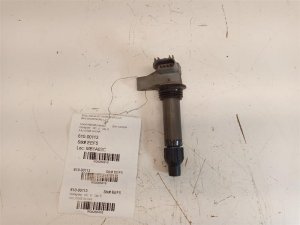
Used OEM Parts in Stock
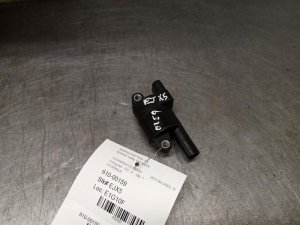

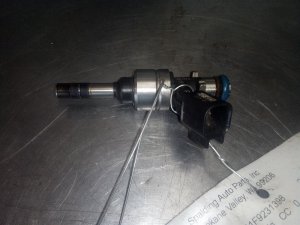
New Aftermarket Parts Available


The information in this article is provided for general reference and educational purposes only. Vehicle specifications, procedures, and part compatibility can vary by production date, trim level, and region. Always consult your vehicle's factory service manual and verify part numbers before purchasing or performing repairs. Safety-critical components such as airbags, seat belts, and braking systems should be installed by a qualified professional.
- Chevrolet Camaro:
- 🎬 Helpful Videos
- 🛍️ Shop This Part
- What's Unique About the 2010-2015 Chevrolet Camaro
- Symptoms You May Notice
- Most Likely Causes
- Rare But Worth Checking
- Diagnosis Steps
- Parts You'll Likely Need
- Related Codes That Often Appear With This One
- Technical Service Bulletins (TSBs) & Recalls
- Platform-Specific Known Issues
- Mechanic-Grade Diagnostic Values
- Scan Tool Commands That Help
- Wiring & Ground Locations
- Real Owner Repair Stories
- OEM Part Supersession History
- Diagnostic Flowchart
- Other Known Issues on This Vehicle
- Used vs. New Parts: Buying Guide for This Vehicle
- Real Owner Stories
- 2015 Chevrolet Camaro L99 V8
- 2010-2015 Chevrolet Camaro L99 V8
- 2010-2015 Chevrolet Camaro L99 V8
- Related OBD-II Codes
- Frequently Asked Questions
- 🎟️ Get 5% Off