

P0300 on 2014-2018 Toyota Highlander: Random Misfire Causes and Fixes
P0300 on a 2014-2018 Toyota Highlander indicates random cylinder misfires. The most common causes are worn spark plugs or failing ignition coils. A full set of OEM-spec spark plugs costs between $40-$100, while ignition coils are about $40-$80 each for aftermarket or $90-$150 for OEM. Both are common DIY repairs, though the rear spark plugs on the V6 are difficult to access.
- P0300 means the engine is misfiring on multiple cylinders, but the exact ones aren't specified.
- Start your diagnosis with the cheapest and most common culprits: worn spark plugs and failing ignition coils.
- A flashing check engine light is a serious warning that catalytic converter damage is imminent; avoid driving if possible.
- On this specific Highlander, be aware of the documented TSBs pointing to a rare but possible issue with corrosion in an ECM electrical connector.
- Always check for vacuum leaks, as old rubber hoses are a frequent and inexpensive-to-fix cause of random misfires.
What's Unique About the 2014-2018 Toyota HIGHLANDER

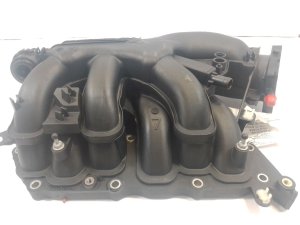
For the 2014-2018 Highlander, while standard ignition and fuel system issues are the primary culprits for a P0300, there's a notable and unusual issue documented by Toyota. Technical Service Bulletins (TSBs) point to corrosion and water intrusion in the main ECM connector (A43) causing a variety of drivability problems, including random misfires. TSB T-TT-0462-17 specifically notes that this water intrusion can be caused by poorly sealed aftermarket windshields, where water wicks down the de-icer harness into the ECM connector. Additionally, for 2017-2018 models with the 2GR-FKS engine, a broken internal flap (ACIS) in the plastic intake manifold is a known, non-obvious cause of misfires under load.
Diagnostic Flowchart
Tap your situation to follow the diagnostic path that matches what you're seeing on this vehicle.
Symptoms You May Notice
- Rough or shaky idle
- Hesitation or stumbling during acceleration
- Noticeable loss of engine power
- Flashing or solid Check Engine Light
- Vibrations felt through the vehicle
- Reduced fuel economy
- Engine stalling, sometimes followed by a normal restart
- Hissing sound from the engine bay, indicating a vacuum leak
- Replacing oxygen (O2) sensors. A faulty O2 sensor can cause a P0300, but it's more often a symptom of the misfire rather than the root cause. The misfire allows unburnt oxygen into the exhaust, which the O2 sensor correctly reports as a lean condition, but the sensor itself is not the problem.
Most Likely Causes

- Worn or Fouled Spark Plugs 🔴 High Probability Spark plugs are a regular maintenance item with a finite lifespan. Toyota specifies iridium-tipped plugs for a long service life (up to 100,000 miles), but they can fail earlier, causing misfires. Using counterfeit plugs from non-reputable sources is a known issue that can cause premature failure.
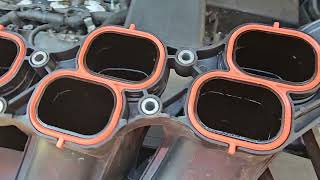
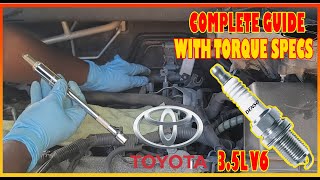
How to confirm: Remove and visually inspect the spark plugs for wear (rounded electrode), carbon buildup, or oil fouling. Check the electrode gap against manufacturer specifications. For the V6 engine, accessing the rear bank of plugs requires removing the upper intake manifold plenum. 🎬 Watch this step-by-step guide to accessing and replacing V6 spark plugs.
Typical fix: Replace all spark plugs as a set. It is highly recommended to use high-quality OEM-spec brands like Denso or NGK to ensure longevity and proper performance.
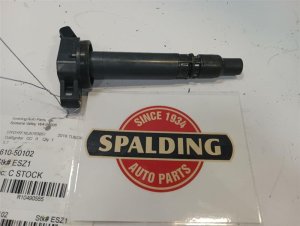
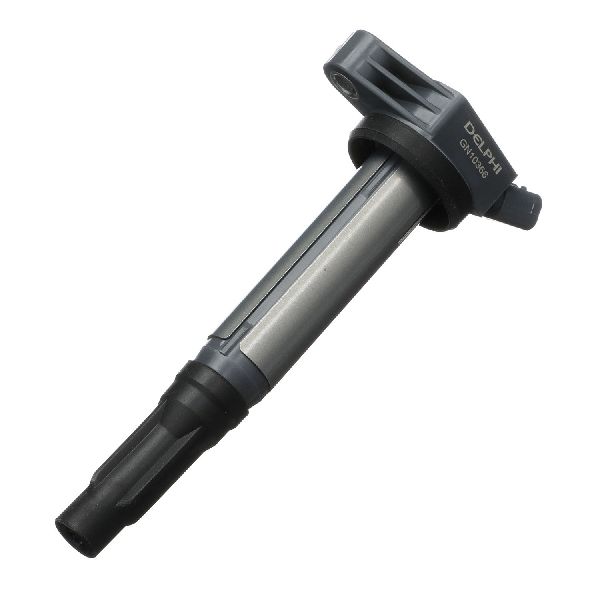
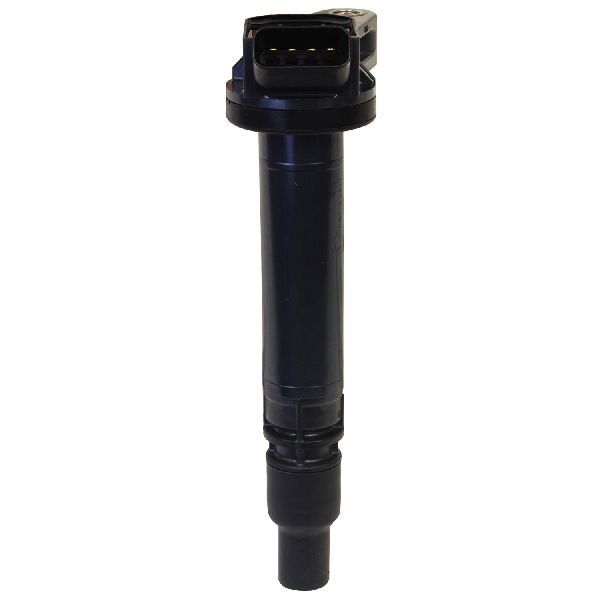
Est. part cost: $40-$100 - Failing Ignition Coil(s) 🔴 High Probability Ignition coils provide the high voltage needed to create a spark. Over time, engine heat and vibration can cause the internal windings to break down, leading to a weak or intermittent spark.
How to confirm: If a specific cylinder misfire code (e.g., P0301-P0306) is present, swap the ignition coil from the misfiring cylinder to a known good cylinder. Clear the codes and drive the vehicle. If the code follows the coil (e.g., P0301 becomes P0302 after swapping coils from cylinder 1 to 2), the coil is bad. For a random P0300, this may be less effective, but you can inspect coils for cracks or signs of arcing.
Typical fix: Replace the faulty ignition coil(s). Many owners choose to replace all coils at once if they are original and high-mileage, especially on the V6 where the rear coils are labor-intensive to access.
Est. part cost: $40-$80 per coil (aftermarket), $90-$150 per coil (OEM) - Vacuum Leak 🟡 Medium Probability Aging rubber vacuum hoses and intake manifold gaskets can crack and become brittle, allowing unmetered air to enter the engine. This disrupts the air-fuel ratio and causes a lean condition, leading to random misfires.
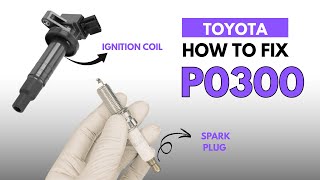
How to confirm: Visually inspect all vacuum lines for cracks or disconnections. Listen for a distinct hissing sound with the engine running. A common method is to spray short bursts of carburetor cleaner or smoke from a smoke machine around the intake manifold gasket and vacuum hose connections; a change in engine idle or smoke appearing indicates a leak. 🎬 See two effective methods for diagnosing and fixing P0300 codes.
Typical fix: Replace the cracked hose or leaking gasket. On the V6, the intake plenum gaskets are often replaced as a set 🎬 Watch a professional walkthrough of the 3.5L V6 spark plug service. when doing spark plugs.
Est. part cost: $5-$150 - Dirty or Clogged Fuel Injectors 🟡 Medium Probability Fuel deposits can build up over time, especially with lower-quality fuel. The 2GR-FKS engine (2017+) uses both port and direct injection (D-4S), and while this helps reduce carbon buildup on valves, the injectors themselves can still become restricted, causing a lean condition and misfires.
How to confirm: This is difficult to confirm without professional tools. A scan tool showing long-term fuel trims significantly positive can be an indicator. A professional can perform a fuel injector flow test to confirm.
Typical fix: Try a high-quality fuel system cleaner first. If the issue persists, professional off-car injector cleaning or replacement is the next step.
Est. part cost: $50-$200 per injector
Rare But Worth Checking
- Corrosion in ECM Connector: As cited in Toyota TSBs T-SB-0072-19 and T-TT-0462-17, water intrusion can cause corrosion in the A43 ECM connector, leading to various DTCs including P0300. The source is often a poorly sealed aftermarket windshield de-icer harness, which allows water to travel down the wiring into the connector. Inspection requires unplugging the connector and looking for green or white residue on the pins.
- Low Fuel Pressure: A weak fuel pump or clogged fuel filter can starve the engine of fuel, causing random misfires, particularly under load. This was also mentioned as a possible symptom related to the ECM connector corrosion in TSBs T-SB-0072-19 and T-TT-0462-17.
- Rodent Damage: A known issue on many modern cars with soy-based wire insulation. Rodents can build nests in the engine bay and chew on wiring for ignition coils or fuel injectors, causing intermittent shorts and misfires. This has been documented on the platform-mate Lexus RX350. A visual inspection of the engine wiring harness, especially under the engine cover, is necessary.
- Internal Engine Problems: Though rare on these reliable engines, issues like low compression from a worn piston ring, a failing head gasket, or other valve train problems can cause persistent misfires. A cylinder compression test and leak-down test are needed to diagnose this.
Diagnosis Steps

- Read all fault codes using an OBD-II scanner. Pay close attention to any other codes present (P030x, P0171/P0174, etc.) as they provide crucial clues.
- Use a scanner with live data capability to view freeze frame data and monitor individual cylinder misfire counts (Mode $06) and long-term/short-term fuel trims. High positive fuel trims suggest a vacuum leak or fuel delivery issue.
- Inspect the basics: Check the condition of the air filter and look for any obvious disconnected, cracked, or rodent-damaged vacuum hoses and wiring.
- Inspect ignition components. For the V6, this may require removing the intake plenum to access the rear bank. Examine all spark plugs for wear, damage, or fouling. Test ignition coils by swapping a suspected bad one with a known good one and seeing if the specific misfire code follows.
- Check for vacuum leaks. With the engine running, carefully listen for hissing sounds. Spray carburetor cleaner around the intake manifold gaskets and vacuum lines; if the engine idle changes, you've found a leak. A smoke test is a more definitive method.
- Test the fuel system. Check fuel pressure with a gauge to ensure the fuel pump is working correctly. Consider using a quality fuel injector cleaner as a first step.
- Inspect the ECM connector. If common causes are ruled out, disconnect the battery, then unplug the A43 ECM connector and inspect for any signs of green or white corrosion, as detailed in Toyota TSB T-TT-0462-17. Also check the windshield for signs of non-OEM replacement.
- If the problem persists, consider a professional diagnosis, which may include a compression test and a leak-down test to check for mechanical engine issues.
Parts You'll Likely Need

- Spark Plugs
(OEM #Denso FK20HR11 (for 2GR-FE) or Denso SK16HR11 (for 2GR-FKS). Toyota P/N: 90919-01247 or 90919-01259.)— This is the most common maintenance item that causes random misfires when worn.
Trusted brands: Denso, NGK
OEM price range: $80-$120 (set)
Aftermarket price range: $40-$80 (set) - Ignition Coil
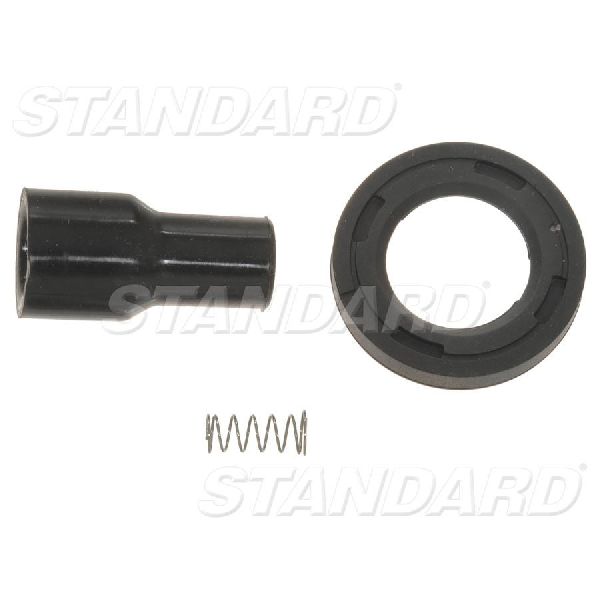
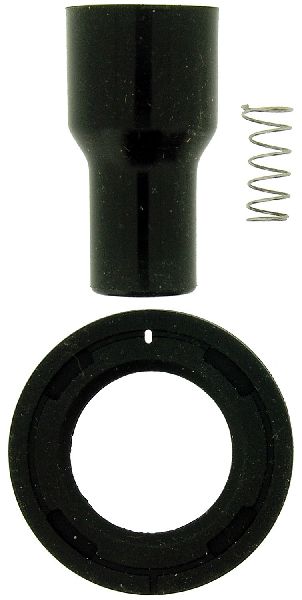
(OEM #Denso 673-1309 (for 2GR-FE) or Denso 673-1311 (for 2GR-FKS). Toyota P/N: 90919-A2007 or similar.)— Ignition coils are the second most common failure point for misfire codes. They provide the spark, and failure is common with age and heat.
Trusted brands: Denso, NGK, Bosch
OEM price range: $90-$150 (each)
Aftermarket price range: $40-$80 (each) - Intake Manifold Gasket
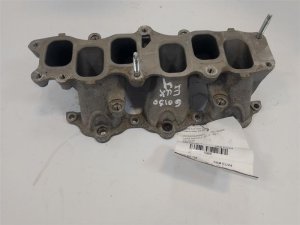
(OEM #Toyota P/N: 17176-0P021 (Plenum Gasket).)— These gaskets can fail and cause vacuum leaks, a common source of lean conditions and random misfires. Often replaced during a spark plug job on the V6.
Trusted brands: Fel-Pro, Mahle, Toyota (OEM)
OEM price range: $40-$70
Aftermarket price range: $20-$40
Related Codes That Often Appear With This One
- P0301-P0306 — These codes indicate a misfire on a specific cylinder (e.g., P0301 for Cylinder 1). They often accompany P0300 and are extremely helpful for pinpointing a failing component like a single coil, plug, or injector.
- P0171 / P0174 — These codes mean 'System Too Lean' for Bank 1 and Bank 2, respectively. They are often caused by vacuum leaks or fuel delivery issues, which are also common root causes of a P0300 misfire.
- P1603, P1604, P1605 — These Toyota-specific codes relate to engine stalling and startability malfunctions. They are explicitly mentioned alongside P0300 in NHTSA complaints and TSBs for this vehicle, often pointing to the more complex ECM connector corrosion issue. [ODI #11534554, TSB #T-SB-0072-19]
Technical Service Bulletins (TSBs) & Recalls
- T-SB-0072-19
- T-TT-0462-17
- T-TT-0465-17
Platform-Specific Known Issues

- Corrosion in ECM Connector: TSBs T-SB-0072-19 and T-TT-0462-17 highlight that water intrusion into the A43 ECM connector can cause corrosion, leading to P0300 and other electrical faults. This is often traced back to a poorly sealed aftermarket windshield allowing water into the de-icer wiring harness.
- V6 Rear Bank Access: On the 3.5L V6 engines (2GR-FE and 2GR-FKS), replacing the rear three spark plugs and ignition coils requires removing the entire upper intake manifold (plenum). This adds significant labor time and complexity compared to the easily accessible front three cylinders.
Mechanic-Grade Diagnostic Values
- Fuel Pressure (2014-2016 2GR-FE V6) — expected: 304 to 343 kPa (44 to 50 psi) at idle.. Failure: Pressure below this range indicates a weak fuel pump or clogged filter. Pressure above indicates a faulty regulator.
- Fuel Pressure (2017-2018 2GR-FKS V6, Low Pressure Side) — expected: 196 to 833 kPa (28 to 121 psi).. Failure: Pressure outside this range points to an issue with the in-tank low-pressure fuel pump.
- Fuel Pressure (2017-2018 2GR-FKS V6, High Pressure Side) — expected: 2,400 to 19,500 kPa (348 to 2828 psi) at 3000 rpm.. Failure: Incorrect pressure indicates a problem with the engine-mounted high-pressure fuel pump (HPFP).
- Ignition Coil Resistance (2GR-FE) — expected: Primary: 0.49 to 0.57 Ω. Secondary: 9.5 to 11.1 kΩ.. Failure: Readings outside of these ranges indicate a faulty coil winding.
- VVT Solenoid (Oil Control Valve) Resistance — expected: Typically between 7.0 to 12.0 Ω.. Failure: A reading outside this range, or an open/short circuit, indicates a failed solenoid.
- Spark Plug Torque (V6) — expected: 18 Nm (13 ft-lbs).. Failure: Incorrect torque can lead to sealing issues or damage to the cylinder head threads.
- Spark Plug Gap (2GR-FKS) — expected: 0.7 – 0.8 mm (0.028 – 0.031 in).. Failure: An incorrect gap can cause a weak spark and misfires.
Hidden / Shadow Codes Worth Checking
- Mode $06 Misfire Data: This function in a professional scan tool provides raw misfire counts per cylinder for the current and previous 10 drive cycles (often labeled EWMA - Exponentially Weighted Moving Average). It can reveal which cylinder is misfiring intermittently even before a specific P030x code is set. (see via Use a scan tool that supports Mode $06. In Toyota's Techstream software, this data is most accurately viewed under the 'Monitor' screen, as the live data list ('Datalist') may not count misfires correctly under load.)
- P030027 / P030085: These are sub-codes for P0300 seen on some Toyota models with dealer-level scanners. P030027 indicates 'Signal Rate of Change Above Threshold' and P030085 indicates 'Signal Above Allowable Range [Over Temperature]'. They can point towards specific conditions, like high-load misfires, that may be addressable with an ECM software update per a TSB. (see via Toyota Techstream or equivalent professional scan tool.)
Scan Tool Commands That Help
- Toyota Techstream: Misfire Monitor Screen — Use this instead of the standard Datalist for more accurate misfire diagnosis. The Datalist can stop counting misfires under load, while the Monitor screen provides a reliable snapshot of current 'Misfire Rate' and historical 'EWMA' counts.
- Toyota Techstream: Active Test: Control the Injection Mode — For 2017-2018 models with the 2GR-FKS engine, this test allows a technician to manually switch between port injection, direct injection, or both. This can help isolate whether a misfire is related to a specific set of injectors. Requires engine to be warm (coolant > 176°F) and idling.
- Toyota Techstream: Active Test: Fuel Pump / Spd — This allows you to command the fuel pump to run without the engine running. It's used to verify the pump is functional and to build pressure for a fuel pressure test.
Wiring & Ground Locations
- Engine Harness Grounds (2GR-FE) — There are two critical harness ground points on the cylinder heads. One is on the front head, underneath the throttle body. The other is on the rear head. Additionally, there are ground straps from each valve cover to the chassis, typically near the strut towers.. A loose or corroded engine ground can cause erratic sensor readings and weak ignition spark, leading to random misfires that are difficult to trace. Verifying these grounds are clean and tight is a crucial step when diagnosing electrical-related P0300 codes.
- Driver's Kick Panel Ground — Behind the driver's side kick panel, there is a factory ground point where multiple ring terminals are bolted to the chassis.. While not directly for the engine harness, this is a major body ground point. Issues here can cause a variety of difficult-to-diagnose electrical problems that could potentially manifest as ECM or sensor issues leading to a P0300.
Real Owner Repair Stories
- TacomaWorld Forum User (Toyota Tacoma with 2GR-FKS engine (same as 2017-2018 Highlander)) — Engine ran fine at low RPM, but would misfire, stutter, and enter limp mode when accelerating hard (above 4,000 RPM).
❌ Tried (didn't work) Swapping ignition coils between cylinders. The misfire code (P0303) did not move with the coil.
✅ What actually fixed it The plastic ACIS (Acoustic Control Induction System) flap inside the upper intake manifold had physically broken off its pivot. The loose flap was blocking the intake runner for cylinder #3 under high airflow, causing the misfire. The entire upper intake manifold (plenum) had to be replaced (P/N 17190-0P101).
"I Checked Everything" — The Actual Cause
- A broken ACIS flap inside the intake manifold on 2GR-FKS engines (2017-2018) can cause a severe misfire and limp mode under hard acceleration. The engine may run perfectly at idle and light load, and a smoke test for vacuum leaks will come back clean because the failure is an internal obstruction, not an external leak. The fix is to replace the upper intake manifold.
OEM Part Supersession History
90919-A2007→90919-A2013— Standard part revision and consolidation by the manufacturer.
Heads up: This is the OEM ignition coil for the 2GR-FE and 2GR-FKS V6. The new part number is a direct replacement for the old one. P/N 90919-A2007 also replaces older numbers 90919-A2002, 90919-02251, and 90919-A2004.
Model Year Variations Within This Range
- 2014-2016 (3.5L V6): Uses the 2GR-FE engine with port fuel injection only. Fuel pressure specification is 44-50 psi. Diagnosis focuses on traditional ignition, fuel, and vacuum systems.
- 2017-2018 (3.5L V6): Uses the 2GR-FKS engine with D-4S (port and direct) injection. This adds the high-pressure fuel pump and direct injectors as potential failure points. It also introduces unique failures like the broken ACIS intake flap. Low-side fuel pressure is 28-121 psi, while high-side pressure can reach over 2800 psi.
Helpful Videos
Used OEM Parts in Stock


New Aftermarket Parts Available


The information in this article is provided for general reference and educational purposes only. Vehicle specifications, procedures, and part compatibility can vary by production date, trim level, and region. Always consult your vehicle's factory service manual and verify part numbers before purchasing or performing repairs. Safety-critical components such as airbags, seat belts, and braking systems should be installed by a qualified professional.
- Toyota HIGHLANDER:
- 🎬 Helpful Videos
- 🛍️ Shop This Part
- What's Unique About the 2014-2018 Toyota HIGHLANDER
- Diagnostic Flowchart
- Symptoms You May Notice
- Most Likely Causes
- Rare But Worth Checking
- Diagnosis Steps
- Parts You'll Likely Need
- Related Codes That Often Appear With This One
- Technical Service Bulletins (TSBs) & Recalls
- Platform-Specific Known Issues
- Mechanic-Grade Diagnostic Values
- Hidden / Shadow Codes Worth Checking
- Scan Tool Commands That Help
- Wiring & Ground Locations
- Real Owner Repair Stories
- "I Checked Everything" — The Actual Cause
- OEM Part Supersession History
- Model Year Variations Within This Range
- 🎟️ Get 5% Off