

P0300 on 2015-2019 Lincoln MKC: Random Misfire Causes and Fixes
P0300 means random misfires. While this can be from simple issues like worn spark plugs or bad ignition coils, on the 2.0L EcoBoost engine it is a critical warning for coolant leaking into the cylinders. This is a known issue requiring an engine replacement. Always check for coolant loss immediately.
- On a 2015-2019 Lincoln MKC with a 2.0L EcoBoost engine, P0300 must be taken very seriously.
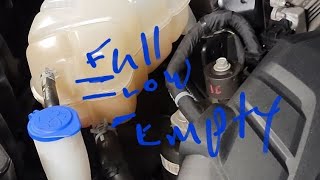
- Immediately check your engine coolant level. If it's low, suspect internal coolant intrusion.
- The most likely cause for the 2.0L engine is a known defect requiring engine replacement, as documented in multiple TSBs.
- While spark plugs and coils can cause P0300, they should be inspected for signs of coolant contamination before replacement.
- A flashing check engine light indicates a severe misfire that can quickly damage the catalytic converters; do not drive the vehicle.
What's Unique About the 2015-2019 Lincoln MKC

For the 2015-2019 Lincoln MKC with the 2.0L EcoBoost engine, P0300 is an exceptionally serious code. While it can indicate common tune-up needs, it is frequently a primary symptom of a well-documented engine design flaw causing coolant to leak into the cylinders. The issue stems from an 'open-deck' engine block design with a thin wall or slit between the cylinders that is prone to cracking. This allows coolant to seep directly into the combustion chamber, causing misfires. This defect is outlined in multiple Technical Service Bulletins (TSBs), and the official repair is a complete engine replacement with a redesigned long block. The 2.3L EcoBoost engine can also suffer from coolant intrusion, but the 2.0L is more commonly cited 🎬 Watch: A deep dive into Ford's EcoBoost coolant consumption issues for this specific failure mode in the MKC and its platform mates.
Diagnostic Flowchart

Tap your situation to follow the diagnostic path that matches what you're seeing on this vehicle.
Symptoms You May Notice
- Check Engine Light is on or flashing (a flashing light indicates a severe misfire)
- Rough or shaky idle
- Engine hesitation or stumbling during acceleration
- Loss of power
- Poor fuel economy
- White, sweet-smelling smoke from the exhaust, especially on a cold start (indicates burning coolant)
- Gradual loss of engine coolant with no visible external leaks
- Engine overheating or temperature gauge running high
- Replacing only spark plugs and ignition coils without checking for coolant intrusion. On the 2.0L EcoBoost, this often wastes money as the new plugs will quickly be fouled by coolant, and the underlying engine failure remains. One owner on a Reddit forum replaced plugs and a coil, only for the issue to return two days later, a classic sign of a deeper problem.
Most Likely Causes

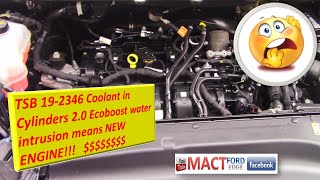
- Coolant Intrusion into Cylinders (2.0L EcoBoost Engine) 🔴 High Probability A known design flaw in the 'open-deck' engine block features a thin coolant passage between cylinders that can crack or fail, allowing coolant into the combustion chamber. This is officially documented by Ford/Lincoln in TSBs #SSM 47204, #TSB 19-2346, and the latest, #TSB 22-2229.
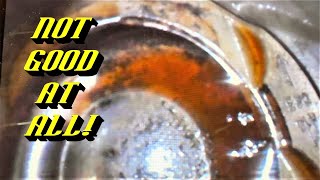
How to confirm: Perform a cooling system pressure test. A loss of more than 4 PSI over 5 hours is a specific indicator mentioned in Ford's diagnostic procedures. A borescope inspection of the cylinders (especially 2 and 3) may reveal coolant pooling on the pistons or an unusually clean, 'steam-cleaned' appearance.
Typical fix: Replacement of the engine long block assembly with an updated part that has a revised block design (small drilled holes instead of a long slit between cylinders). Using stop-leak products is not recommended and can cause further damage to the radiator and heater core.
Est. part cost: $4000-$8000 - Worn or Fouled Spark Plugs 🔴 High Probability Spark plugs are a standard maintenance item. Misfires will occur if they are worn past their service life. On this platform, it's critical to inspect the old plugs for signs of coolant fouling (white/greenish deposits), which would point back to the coolant intrusion issue.
How to confirm: Visually inspect the spark plugs. Look for worn electrodes, cracks in the porcelain, or white/greenish deposits that indicate coolant contamination.
Typical fix: Replace all four spark plugs. Use the OEM-specified Iridium plugs 🎬 Watch: Step-by-step spark plug replacement for the 2.0L EcoBoost for best performance and longevity.
Est. part cost: $40-$100 - Failing Ignition Coil(s) 🟡 Medium Probability Coil-on-plug ignition coils can fail from heat and age. While a single coil failure usually sets a specific cylinder code (e.g., P0301), multiple weak or intermittently failing coils can trigger a P0300. Oil leaks from the valve cover gasket can also damage the coil boots.
How to confirm: Use a scan tool with Mode 6 to view live misfire counts per cylinder. Swap a suspected bad coil with a known good one from another cylinder and see if the misfire follows the coil's new position.
Typical fix: Replace the faulty ignition coil(s). It is often recommended to replace them as a set, especially on higher mileage vehicles.
Est. part cost: $50-$150 per coil - Vacuum Leak ⚪ Low Probability Hoses can become brittle and crack over time, and gaskets can fail, allowing unmetered air to enter the engine and disrupt the air-fuel mixture. A faulty PCV valve is a potential source of a vacuum leak on these engines.
How to confirm: Use a smoke machine to introduce smoke into the intake system and look for leaks from hoses, the intake manifold gasket, or the PCV system.
Typical fix: Replace the leaking hose or gasket.
Est. part cost: $20-$200
Rare But Worth Checking
- Fuel Delivery Issues: A weak fuel pump or clogged fuel injectors can cause a lean condition and random misfires, though this is less common than ignition or engine block issues on this platform.
- Clogged Catalytic Converter: A restricted exhaust can create excessive backpressure, leading to random misfires. This is often a result of long-term misfiring (especially from coolant intrusion), not the initial cause.
- Sticking VCT Solenoids: While more likely to cause timing-specific codes like P0012 or P0024, dirty or failing Variable Camshaft Timing (VCT) solenoids can disrupt timing enough to cause misfires. Ford TSB SSM 50067 notes that debris in the oil can cause them to stick.
Diagnosis Steps
- Check the engine coolant level in the reservoir. If it is low, this is a major red flag for the known coolant intrusion issue. Do not proceed with other part replacements until this is ruled out.
- Scan for all DTCs. Note any other codes, especially cylinder-specific misfires (P0301-P0304) or overheat codes (P1299, P0217).
- Crucial Step for 2.0L EcoBoost: Perform a cooling system pressure test. Pressurize the system to the cap's rated pressure and let it sit for several hours. According to Ford's TSB, a pressure drop of more than 4 PSI in 5 hours confirms an internal coolant leak.
- If a coolant leak is confirmed, use a borescope to visually inspect the inside of the cylinders (especially 2 and 3) for coolant pooling on top of the pistons or a 'steam-cleaned' appearance.
- If no coolant leak is found, inspect spark plugs and ignition coils. Look for signs of wear, oil fouling (from a leaking valve cover gasket), or corrosion on the coil pack terminals.
- If ignition components are good and there are no coolant leaks, proceed with standard misfire diagnostics: check for vacuum leaks with a smoke machine, test fuel pressure, and check sensor data (MAF, O2 sensors).
Parts You'll Likely Need

- Engine Long Block Assembly
(OEM #Varies by VIN, refer to TSB 22-2229. Example: F2GZ-6009-E is a revised block.)— This is the official fix from Lincoln for the coolant intrusion issue on the 2.0L EcoBoost engine, as per TSB 19-2346 and TSB 22-2229. The replacement long block has a redesigned engine block to prevent the leak from recurring.
Trusted brands: Motorcraft
OEM price range: $5000-$7000
Aftermarket price range: $4000-$6000 - Ignition Coil
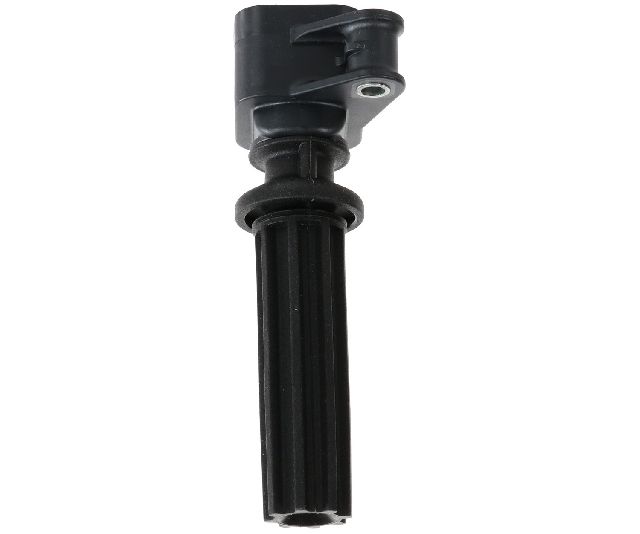
(OEM #DG-562 (Motorcraft))— Ignition coils are a common failure point that can cause misfires.
Trusted brands: Motorcraft, NGK, Bosch, Delphi
OEM price range: $60-$135
Aftermarket price range: $30-$80 - Spark Plug
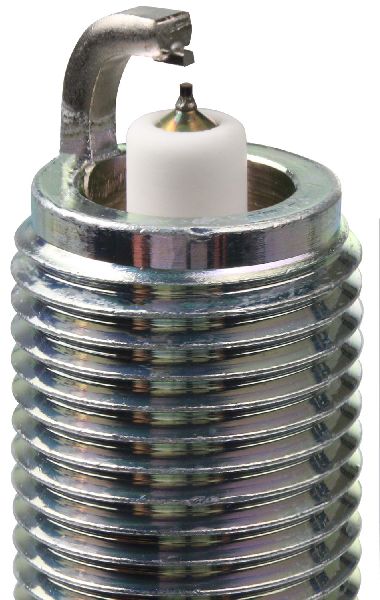
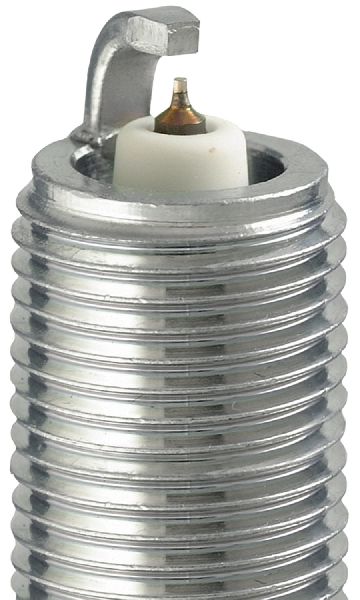
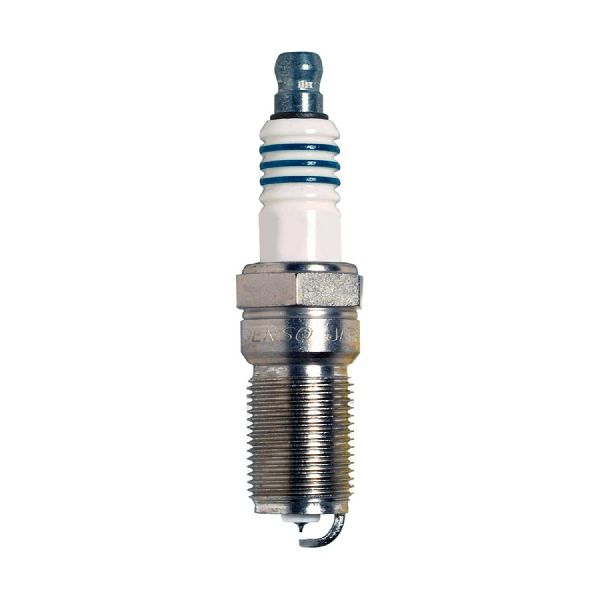
(OEM #SP-550 (Motorcraft CYFS-12Y-T3))— Worn spark plugs are a primary cause of misfires and are a routine maintenance item. It's critical to check them for coolant fouling.
Trusted brands: Motorcraft, NGK, Denso
OEM price range: $10-$20 per plug
Aftermarket price range: $7-$15
Related Codes That Often Appear With This One
- P0301, P0302, P0303, P0304 — These are cylinder-specific misfire codes. They may appear with P0300 if the misfire is frequent enough in certain cylinders for the PCM to identify them, which is common with coolant intrusion often affecting cylinders 2 and 3.
- P0316 — Misfire Detected on Startup (First 1000 Revolutions). This often accompanies P0300, especially when coolant has leaked into a cylinder overnight. It is specifically mentioned in TSB 22-2229 as a key symptom of coolant intrusion.
- P1299, P0217 — Cylinder Head Over-Temperature or Engine Overheat Condition. These codes are also cited in TSB 22-2229 and point directly to a cooling system failure that can cause misfires.
Technical Service Bulletins (TSBs) & Recalls

- TSB 22-2229: Supersedes earlier TSBs, addresses coolant intrusion on 2.0L EcoBoost engines causing rough running and codes P0300, P0301-P0304, P0316. Confirms long block replacement as the fix.
- TSB 19-2346: An earlier version of the coolant intrusion TSB, also listing P0300 as a key symptom and specifying long block replacement.
- SSM 47204: Specifically mentions 2015-2018 MKC with 2.0L EcoBoost exhibiting rough running and DTCs P0300-P0304 due to coolant intrusion from engine block corrosion.
Platform-Specific Known Issues
- The 2.0L EcoBoost engine in 2015-2019 MKC models is subject to coolant intrusion into the cylinders due to a flaw in the engine block design. This is officially recognized by Ford/Lincoln in TSB 22-2229. Symptoms include rough running, white exhaust smoke, and DTCs like P0300. The manufacturer's recommended repair is a complete long block engine replacement.
- An owner of a 2018 MKC reported a P0300 code shortly before a replacement engine failed from coolant intrusion, confirming the link between this code and the severe engine issue. (NHTSA ODI #11613319)
- A recall (NHTSA #23V378000) was issued for all 2015-2019 Lincoln MKC models for a fire risk unrelated to this code. A battery monitor sensor can short circuit, causing an underhood fire even when parked. Owners are advised to park outdoors until the repair (installing an in-line fuse) is completed.
Mechanic-Grade Diagnostic Values
- High-Pressure Fuel System Pressure (GDI) — expected: Varies by load, from 65 PSI up to 2,150 PSI or higher. Upgraded systems can reach 3,500+ PSI.. Failure: A reading consistently below specification, especially under load, may trigger code P0087 and cause misfires.
- Low-Pressure Fuel System Pressure — expected: Approximately 50-60 PSI.. Failure: Low pressure from the in-tank pump will starve the high-pressure pump, causing stumbling and misfires.
- Ignition Coil Primary Winding Resistance — expected: 0.4 to 2.0 ohms.. Failure: A reading outside of this range (e.g., OL for open loop or 0 for a short) indicates a faulty coil.
- Ignition Coil Secondary Winding Resistance — expected: 6,000 to 11,500 ohms (6k-11.5k Ω).. Failure: A reading significantly outside this range, especially an Open Loop (OL) reading, points to a failed secondary winding.
Hidden / Shadow Codes Worth Checking
- Mode 6 Misfire Counts: While not a 'shadow code,' professional scan tools like Ford's IDS or FORScan can access Mode 6 data, which provides raw misfire counts for each individual cylinder before they are high enough to set a specific P030x code. This is invaluable for seeing which cylinder(s) are contributing to the P0300 count. (see via Requires a scan tool with Mode 6 diagnostic capabilities, such as FORScan or a professional-grade scanner.)
Scan Tool Commands That Help
- Ford IDS / FORScan: Power Balance / Cylinder Contribution Test — This bidirectional test graphically displays the relative power contribution of each cylinder in real-time. It is used to identify a weak or misfiring cylinder that is causing the P0300 code, even if the misfire is intermittent.
- Ford IDS / FORScan: EVAP Purge Valve Command — During a smoke test for vacuum leaks, this command allows a technician to manually close the EVAP purge valve. This is critical for isolating the EVAP system and confirming if a stuck-open valve is the source of an unmetered vacuum leak causing the P0300.
Real Owner Repair Stories
- BobIsTheOilGuy forum user (2017 Ford Escape 2.0L EcoBoost (platform mate), 64,000 miles) — Intermittent stumbling, hesitation, and rough running. Misfire codes were present.
❌ Tried (didn't work) Initial diagnosis was unclear.
✅ What actually fixed it A dealership technician performed a borescope inspection and found coolant intrusion in cylinder #2. A subsequent pressure test confirmed a coolant loss. The final, correct repair was the replacement of the engine long block. - Reddit user in r/fordescape (Ford Escape with 2.0L engine) — P0300 and a misfire at startup code.
❌ Tried (didn't work) User was concerned about coolant intrusion.
✅ What actually fixed it Another user suggested that a sticking EVAP purge valve is a common cause for a P0300 code by disrupting the air/fuel mixture. A key symptom associated with this failure is the engine shuddering or running poorly immediately after refueling.
"I Checked Everything" — The Actual Cause
- A common scenario on the 2.0L EcoBoost is passing a smoke test (which checks for vacuum leaks) but still having a P0300 code. The actual cause can be severe carbon buildup on the back of the intake valves. Because this is a direct-injection engine, fuel does not wash over the valves to clean them. This internal airflow obstruction causes a rough idle and misfires that a smoke test cannot detect. Diagnosis requires removing the intake manifold and using a borescope to inspect the valve stems and ports.
OEM Part Supersession History
TSB 19-2346→TSB 22-2229— Updated the service procedure and parts list for the 2.0L EcoBoost coolant intrusion repair.
Heads up: TSB 22-2229 is the most current directive and contains the correct, most up-to-date part numbers for the replacement long block and associated components.BU5Z-9F972-A→CM-5226— Part revision for the fuel injector pressure sensor.
Model Year Variations Within This Range
- 2015-2019: The 2.0L EcoBoost engine used from 2015-onward is a second-generation, twin-scroll turbo design, different from the engine in pre-2015 models. This second-gen engine, specifically in models from 2015 to mid-2019, has the block design with a coolant slit between cylinders that is prone to cracking and causing coolant intrusion. TSB 22-2229 specifies the issue affects 2017-2019 MKC models built on or before April 18, 2019, indicating a running change was made during the 2019 model year. Engines produced for the 2020 model year and later have a revised block design to correct this flaw.
Helpful Videos
Used OEM Parts in Stock
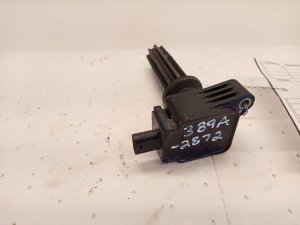
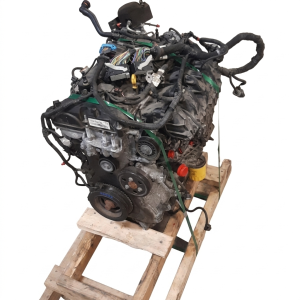
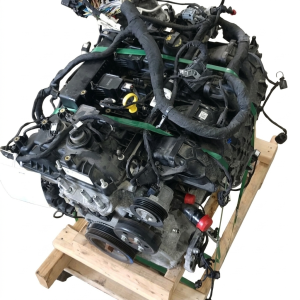
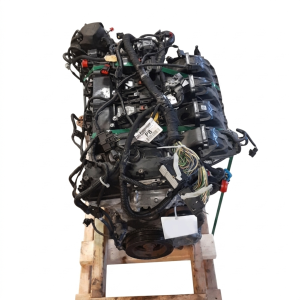
New Aftermarket Parts Available


The information in this article is provided for general reference and educational purposes only. Vehicle specifications, procedures, and part compatibility can vary by production date, trim level, and region. Always consult your vehicle's factory service manual and verify part numbers before purchasing or performing repairs. Safety-critical components such as airbags, seat belts, and braking systems should be installed by a qualified professional.
- Lincoln MKC:
- 🎬 Helpful Videos
- 🛍️ Shop This Part
- What's Unique About the 2015-2019 Lincoln MKC
- Diagnostic Flowchart
- Symptoms You May Notice
- Most Likely Causes
- Rare But Worth Checking
- Diagnosis Steps
- Parts You'll Likely Need
- Related Codes That Often Appear With This One
- Technical Service Bulletins (TSBs) & Recalls
- Platform-Specific Known Issues
- Mechanic-Grade Diagnostic Values
- Hidden / Shadow Codes Worth Checking
- Scan Tool Commands That Help
- Real Owner Repair Stories
- "I Checked Everything" — The Actual Cause
- OEM Part Supersession History
- Model Year Variations Within This Range
- 🎟️ Get 5% Off