

P0300 on 2011-2015 Kia Optima 2.4L: Random Misfire Causes and Fixes
For a 2011-2015 Kia Optima, a P0300 code is most often caused by worn spark plugs or failing ignition coils. If these basic parts are good, suspect carbon buildup on the intake valves, a known issue for this GDI engine. A DIY tune-up costs around $80-$150, while professional carbon cleaning can be $400-$700. Crucially, this code can also be an early symptom of the catastrophic engine failure these Theta II engines are known for, which was subject to a class-action lawsuit and recall (SC147).
- Always start with the basics: inspect and replace worn spark plugs and ignition coils first, as they are the most common and affordable fixes.
- Be highly aware of carbon buildup on the intake valves. This is a very common issue on the 2.4L GDI engine and a frequent cause of P0300.
- A flashing check engine light is a critical warning. Stop driving immediately to prevent catastrophic damage to your catalytic converter.
- This engine has a known history of severe mechanical failures. If basic tune-up parts don't solve the misfire, a compression test is essential to check the engine's health.
- Check with a Kia dealer using your VIN to see if your vehicle is eligible for any open recalls or warranty extensions, especially the lifetime engine warranty.
What's Unique About the 2011-2015 Kia Optima
The 2.4L Theta II engine in this Optima uses Gasoline Direct Injection (GDI). Unlike older port injection systems, GDI does not spray fuel over the intake valves, so they are not cleaned by fuel detergents. This design makes the engine highly susceptible to heavy carbon buildup on the intake valves, which restricts airflow and is a primary cause of random misfires, often starting around 60,000-100,000 miles. Additionally, these engines have a well-documented history of internal mechanical problems due to manufacturing defects (metal debris restricting oil flow), leading to premature connecting rod bearing wear and catastrophic failure. A P0300 misfire code can be an early symptom of this severe, warranty-covered failure.
Symptoms You May Notice
- Rough or shaky idle
- Engine hesitation or stumbling during acceleration
- Noticeable loss of power
- Solid or flashing Check Engine Light
- Reduced fuel economy
- Engine stalling
- Engine running hotter than usual
- Exhaust smells like gasoline
- Replacing oxygen (O2) sensors. While misfires can cause O2 sensor codes to appear due to the unburnt fuel in the exhaust, the sensors themselves are rarely the cause of a P0300 code. A bad O2 sensor is a possible but unlikely cause.
- Replacing only one spark plug or coil. If one plug is worn, the others are likely in similar condition. It's best practice to replace spark plugs as a set. Similarly, if coils are original and high-mileage, replacing them all can prevent future headaches.
Most Likely Causes
- Worn or Fouled Spark Plugs 🔴 High Probability Spark plugs are a standard maintenance item and a primary cause of misfires on any engine. The Theta II engine's tendency to consume oil can foul plugs prematurely, causing misfires long before their scheduled replacement interval.
How to confirm: Remove and inspect all four spark plugs. Look for worn electrodes, heavy black carbon deposits, or wet oil fouling. The service interval is typically every 45,000 miles for this GDI engine. An incorrect or overly large spark plug gap is a common cause of misfires.
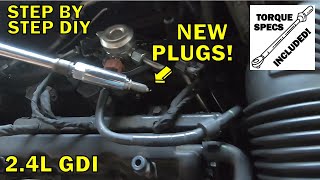
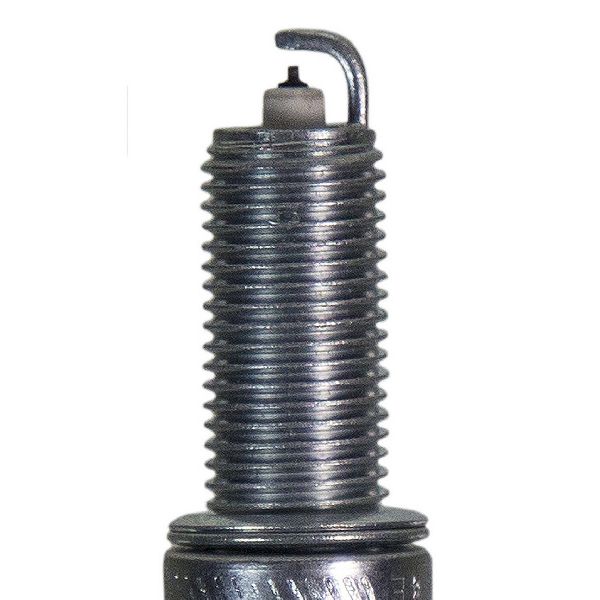
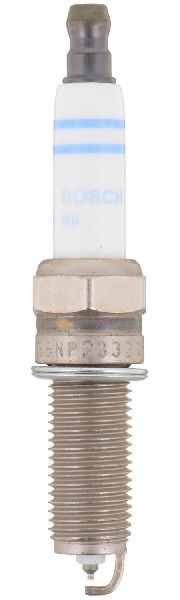
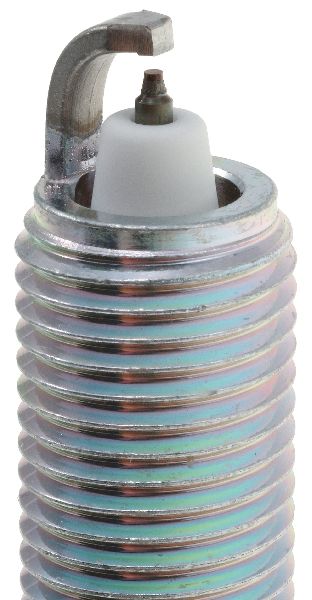
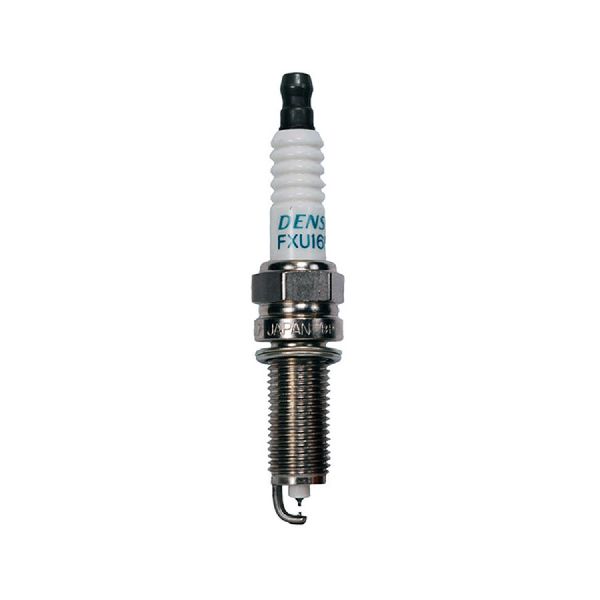
Typical fix: Replace all four spark plugs. 🎬 Watch: Step-by-step spark plug replacement for the 2.4L GDI engine. It is recommended to use OEM-spec Iridium plugs (e.g., NGK or Denso). Ensure they are gapped correctly.
Est. part cost: $40-$80 - Failing Ignition Coils 🔴 High Probability Ignition coils are a common failure point that leads directly to misfires. Heat and vibration cause them to degrade over time. While often failing one at a time (triggering a P030x code), multiple coils can fail in close succession on a high-mileage vehicle.
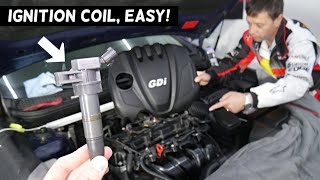
How to confirm: The best method is to use a scanner to view live misfire data. If a specific cylinder is misfiring more than others, swap that cylinder's coil with a known good one (e.g., swap coil from cylinder 1 to cylinder 2). Clear the codes and see if the misfire code changes to the new cylinder (e.g., from P0301 to P0302). If it does, the coil is bad.
Typical fix: Replace the faulty ignition coil(s). Many technicians recommend replacing all four at once if they are original and high-mileage, as the others are likely near the end of their service life.
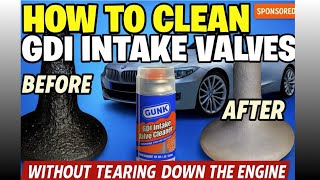
Est. part cost: $50-$100 per coil - Intake Valve Carbon Buildup 🔴 High Probability This is a very common problem on GDI engines like the Theta II because fuel is injected directly into the cylinder, bypassing the intake valves. Oil vapors from the PCV system bake onto the hot valves, restricting airflow and causing misfires, rough idle, and hesitation, especially when cold. Symptoms typically appear between 60,000 and 100,000 miles.
How to confirm: The most definitive method is to remove the intake manifold and visually inspect the valves, often with a borescope camera. A strong indicator is having misfire symptoms that are worst on a cold start and improve as the engine warms up.
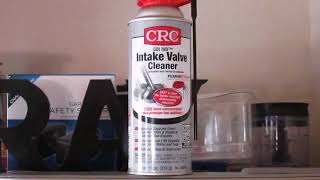
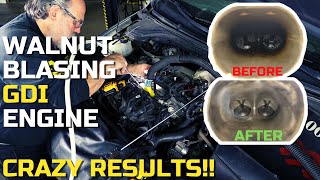
Typical fix: The intake valves need to be professionally cleaned. The most effective method is 'walnut blasting,' where crushed walnut shells are used as an abrasive media to scrub the valves clean without damaging the engine. 🎬 See how walnut blasting removes heavy carbon from intake valves. Chemical cleaning methods are often less effective for heavy buildup.
Est. part cost: $0 (service only, typically $400-$700) - Vacuum Leaks 🟡 Medium Probability Cracked vacuum hoses or a leaking intake manifold gasket can introduce unmetered air into the engine, leading to a lean air-fuel mixture and random misfires. A faulty or stuck PCV (Positive Crankcase Ventilation) valve is a common source of vacuum leaks on this engine and can also increase oil consumption, which fouls spark plugs.
How to confirm: Perform a smoke test to pressurize the intake system with smoke and visually identify where it escapes. Listening for hissing sounds around the engine bay at idle can also reveal leaks. The PCV valve can be removed and shaken; if it doesn't rattle, it's likely stuck and needs replacement.
Typical fix: Replace the cracked hose, failed gasket, or faulty PCV valve. The PCV valve is an inexpensive and easy part to replace as a preventative measure.
Est. part cost: $10-$150
Rare But Worth Checking
- Low Fuel Pressure: A weak low-pressure fuel pump (LPFP) in the tank or a clogged fuel filter can starve the high-pressure fuel pump (HPFP), causing misfires across all cylinders. A cracked low-pressure fuel hose was also the subject of recall 18V907000 for 2013-2014 models.
- Internal Engine Failure: The 2.4L Theta II engine is known for premature connecting rod bearing wear due to manufacturing debris blocking oil passages. This leads to loss of compression, engine knocking, and ultimately seizure. A P0300 misfire can be an early symptom. This issue prompted recall SC147 and a class-action lawsuit resulting in a lifetime warranty for the engine short block for affected vehicles.
- Faulty Crankshaft Position Sensor: A failing crankshaft position sensor can send erratic signals to the ECU, disrupting ignition and injection timing and causing random misfires. While less common than plugs or coils, it's a known failure point that can cause a P0300 code.
Diagnosis Steps
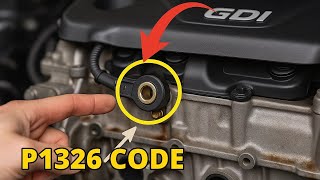
- Scan the ECU for any other accompanying codes. A specific cylinder code (P0301-P0304) can help isolate the problem to a specific coil or injector. A P1326 code indicates a serious engine issue requiring dealer inspection. 🎬 Watch: Understanding the P1326 code and Theta II bearing failure.
- Inspect and replace the spark plugs if they are worn, fouled with oil/carbon, or past their 45,000-mile service life. This is the most common and cost-effective first step.
- Inspect the ignition coils for cracks or damage. Use a scanner's live data to identify the misfiring cylinder(s) and swap the coil to another cylinder to see if the misfire follows.
- Check for vacuum leaks. Listen for hissing noises or perform a smoke test to find leaks from hoses or gaskets. Pay close attention to the PCV valve and its hose; replace the PCV valve if it's original or stuck.
- If the above steps do not resolve the issue, the next step is to inspect the intake valves for carbon buildup using a borescope. This is a known major issue on this GDI engine.
- Check fuel pressure for both the low-pressure and high-pressure systems to rule out a weak fuel pump or clogged filter.
- As a final, critical step for this specific engine, perform an engine compression test and a cylinder leak-down test. This will determine if there is a serious mechanical issue like worn piston rings or bad valves, which is a known and often warranty-covered concern for the Theta II engine.
Parts You'll Likely Need
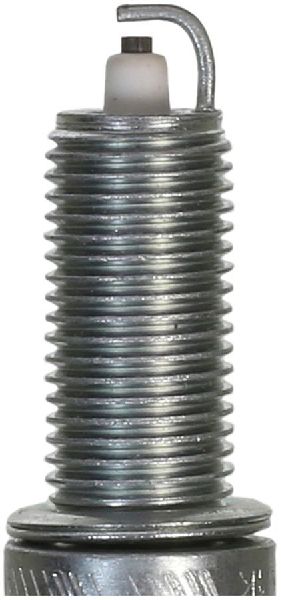
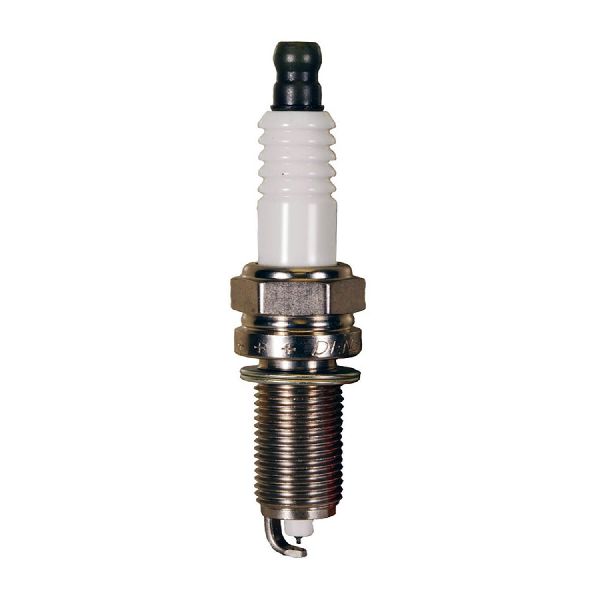
- Spark Plugs
(OEM #1884711160)— These are a routine maintenance item and the most common starting point for fixing any misfire code. Oil fouling is common on this engine, requiring more frequent changes.
Trusted brands: NGK (SILZKR7B11), Denso
Related Codes That Often Appear With This One
- P0301, P0302, P0303, P0304 — If the random misfire begins to occur more frequently in a specific cylinder, one of these codes will appear alongside P0300, helping to pinpoint a localized issue like a single bad coil or injector.
- P0171 — This code for 'System Too Lean' often appears with P0300 if the root cause is a significant vacuum leak, which allows unmetered air to enter the engine.
- P1326 — This code is specific to the Knock Sensor Detection System (KSDS) and is a strong indicator of the serious internal engine bearing wear that these engines are known for. A P0300 misfire can be an early symptom of the failure that P1326 is designed to detect. If you see P1326, the vehicle will enter limp mode and requires immediate dealer attention.
Technical Service Bulletins (TSBs) & Recalls
- SC147 - This is a major safety recall, not just a TSB, concerning premature engine bearing wear that can lead to engine seizure. The fix involves an engine inspection and, if necessary, a full engine long block replacement. It also resulted in a lifetime engine warranty for many owners.
- PI1805 - A product improvement campaign to update the ECU with a Knock Sensor Detection System (KSDS) designed to detect vibrations from bearing wear and put the car in limp mode (triggering code P1326) to prevent catastrophic failure.
- TSB ENG160R1 - An ECU software update for 2012-2015 models to fix overly sensitive logic that could trigger a false P0420 (catalyst efficiency) code, which can sometimes be related to misfire events.
- Bulletin #TSB-FUE025 - A manufacturer service bulletin notes a required ECM software upgrade for vehicles where the MIL is on with DTC P0300 and/or P0301, P0302, P0303, and P0304.
Platform-Specific Known Issues
- Theta II Engine Failure: These engines were subject to a major recall (SC147) and a class-action lawsuit for premature connecting rod bearing failure due to metal debris from manufacturing. A misfire code can be an early symptom. The settlement extended the warranty on the engine short block to a lifetime warranty for many owners, contingent on receiving the KSDS software update. Owners should contact a Kia dealer with their VIN to check eligibility.
- Carbon Buildup on Intake Valves: As a GDI engine, the intake valves are not cleaned by fuel spray, leading to heavy carbon deposits that restrict airflow and cause misfires. This is not a defect but a characteristic of the design that requires periodic maintenance (walnut blasting) every 60k-100k miles.
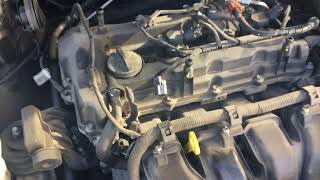
- Oil Consumption: Many owners report high oil consumption, which can foul spark plugs and lead to misfires. This is often linked to the same internal issues that cause engine failure. A YouTube video on a platform-mate Hyundai Sonata with the 2.4L GDI documents P0300 caused by severely oil-fouled plugs.
Mechanic-Grade Diagnostic Values
- GDI Fuel Injector Resistance — expected: 1-5 Ohms. Failure: A reading of infinite resistance (OL) or a value significantly different from other injectors points to a failed injector.
- Crankshaft Position Sensor (CKP) Resistance — expected: 500 Ω - 1,500 Ω. Failure: Readings outside this range, such as megaohms or an open circuit (OL), indicate a failed sensor coil.
- High-Pressure Fuel Pump Flow Rate — expected: 50-80 L/h at 0.5 MPa (72.5 PSI). Failure: Significantly lower flow under testing indicates a failing high-pressure pump.
- Crankshaft Position Sensor (CKP) Signal Voltage — expected: Signal voltage should stabilize at ~0.5V at idle and rise predictably to ~4.2V at 3,000 RPM.. Failure: An erratic or non-responsive voltage signal when monitored via a scan tool points to a failing sensor or wiring issue.
Scan Tool Commands That Help
- Kia GDS (Global Diagnostic System): Actuation Test - Injector Disable — To isolate a misfiring cylinder that isn't setting a specific P030x code. By disabling injectors one by one, a technician can listen for a change in engine rhythm. If disabling an injector causes no change, that cylinder was already not contributing, pointing to a problem with that specific injector, coil, or plug.
- Kia GDS (Global Diagnostic System): Resetting Adaptive Values — After significant repairs like carbon cleaning, replacing fuel injectors, or fixing a large vacuum leak, resetting the engine's long-term fuel trim and other learned values can help the ECU adapt to the new conditions faster and resolve lingering idle or performance issues.
- Kia GDS (Global Diagnostic System): Live Data - Misfire Counts — This is a primary step for a P0300. Instead of just seeing the code, the GDS can show the raw number of misfire events per cylinder in real-time. This can reveal if the 'random' misfire is actually biased towards one or two cylinders, guiding the diagnosis towards a specific coil or injector.
Wiring & Ground Locations
- Engine Ground Wiring Assembly (91860-2T011) — This harness provides critical ground paths for the engine block and associated components.. A corroded or loose engine ground can cause erratic behavior in sensors and actuators, including the ignition coils and crankshaft position sensor. This can lead to weak spark or incorrect timing data, resulting in random misfires. Verifying the integrity of this ground connection is a crucial step in diagnosing electrical-related P0300 codes.
- Crankshaft Position Sensor Connector — On the back of the engine block, behind the exhaust manifold and a heat shield.. This location exposes the sensor's wiring to extreme heat, which can melt insulation or make the connector brittle and cause intermittent signal loss. An erratic CKP signal is a direct cause of random misfires, as it disrupts the ECU's ability to time spark and fuel injection correctly.
Real Owner Repair Stories
- Reddit user in r/kia (2013 Kia Optima 2.4L GDI) — Car was running rough, showing signs of running lean on the spark plugs.
❌ Tried (didn't work) Initial diagnosis pointed towards common issues, but the problem persisted.
✅ What actually fixed it The root cause was extremely dirty GDI fuel injectors. The owner removed them, cleaned them with an injector tester tool, replaced the seals, and cleaned the intake valves as much as possible. The injectors were confirmed to be spraying a good pattern after cleaning.
OEM Part Supersession History
35320-2G730→35320-2G720— Part number revision for the high-pressure fuel pump (HPFP).
Heads up: The new part number (35320-2G720) replaces the older one. They are interchangeable for the specified model years.
Model Year Variations Within This Range
- 2014-2015: The Optima received a facelift for the 2014 model year, including revised front/rear styling, new seats, and updated tech like a new touchscreen and optional blind-spot monitoring. While the core 2.4L engine remained, all versions were standardized to 192 hp.
- 2011-2013: Early models in this generation had a 2.4L engine rated at 200 hp. The EX Turbo trim was discontinued in 2013.
Diagnostic Flowchart
Other Known Issues on This Vehicle
Issues unrelated to this code that are worth knowing about as an owner of this generation:
- Catastrophic Engine Failure (Rod Bearing) 🔴 High — Very common, affecting a large percentage of 2011-2015 models. Can occur at any mileage, but often cited between 60,000 and 120,000 miles. (Ref: Recall SC147; Class Action Settlement (Lifetime Engine Warranty))
- Worn Steering Coupler (MDPS) 🟠 Medium — Extremely common. Owners report a clicking or clunking noise in the steering column when turning, especially at low speeds. Typically occurs after 50,000 miles. (Ref: TSB CS1604 / CHA060; Warranty Extension (10yr/Unlimited Mileage))
- Excessive Oil Consumption 🔴 High — Widespread issue, often a precursor to engine failure. Many owners report needing to add a quart of oil every 1,000 miles or less. (Ref: Related to SC147 and engine settlement. Kia has an oil consumption test procedure (TSB ENG222).)
- Cracked/Leaking Low-Pressure Fuel Hose 🔴 High — Common enough to warrant a recall for 2013-2014 models. The hose can deteriorate from engine heat, crack, and leak fuel, creating a fire risk. (Ref: Recall 18V907000)
- Peeling Exterior Paint 🟡 Low — Frequently reported by owners, particularly on white and pearl-colored vehicles. The paint can chip and peel in large sections.
Used vs. New Parts: Buying Guide for This Vehicle
When a used part is the smart pick: For this vehicle, given the high failure rate of certain components, buying used parts is generally risky. However, simple, non-electronic components like the intake manifold or valve cover from a low-mileage donor could be a cost-effective choice if inspected for cracks or warping.
Donor-vehicle mileage cap: roughly under 60000 miles for the part to have meaningful remaining life.
What to inspect on the donor part:
- Check for a clean CarFax, specifically avoiding vehicles with reported engine or electrical problems.
- Visually inspect plastic parts for heat-related brittleness or cracking.
- For engine components, look for signs of heavy oil leaking or sludge, which indicates poor maintenance.
OEM-only on this vehicle (don't cheap out):
- Engine Short Block (due to the recall and specific manufacturing updates)
- High-Pressure Fuel Pump (HPFP)
- Crankshaft Position Sensor
- Ignition Coils
Aftermarket brands forum-validated for this vehicle:
- NGK or Denso for Spark Plugs
- Bosch for Fuel Injectors
Brands owners have reported issues with on this vehicle:
- Unbranded or 'white box' ignition coils and sensors from online marketplaces are frequently cited as causing persistent issues or failing shortly after installation.
Real Owner Stories
Aggregated from forums and TSBs cited above. Mileages and costs reflect what owners reported in those sources.
2013 Kia Optima 2.4L GDI
Symptoms: Cylinder-specific misfires (P0301-P0304) causing rough running.
What fixed it: Diagnosed using live data and swapping ignition coils to identify the faulty unit, then replacing the failed coil.
Source hint: YouTube video by 'World Mechanics' showing how to diagnose and fix cylinder-specific misfires (P0301-P0304) on a 2013 Optima
2017 Hyundai Sonata 2.4L GDI — ~85000 miles
Symptoms: P0300 code accompanied by oil-fouled spark plugs and a suspect PCV system.
What fixed it: Replacement of oil-fouled spark plugs and inspection of the PCV system.
Source hint: YouTube video showing a 2017 Hyundai Sonata with the same 2.4L GDI engine, diagnosing a P0300 code caused by oil-fouled spark plugs and a suspect PCV system.
Related OBD-II Codes
Frequently Asked Questions
Does the SC147 recall apply to my 2011-2015 Kia Optima with a P0300 code?
What is the KSDS software update mentioned in PI1805, and why does it matter for misfires?
How often should I replace spark plugs on my 2.4L GDI engine to prevent misfires?
Why does my Optima misfire more on cold starts than when the engine is warm?
Is there a specific software update for false codes on 2012-2015 models?
What type of spark plugs should I use for the 2.4L Theta II engine?
Helpful Videos
We Have This Part in Stock

The information in this article is provided for general reference and educational purposes only. Vehicle specifications, procedures, and part compatibility can vary by production date, trim level, and region. Always consult your vehicle's factory service manual and verify part numbers before purchasing or performing repairs. Safety-critical components such as airbags, seat belts, and braking systems should be installed by a qualified professional.
- Kia Optima:
- 🎬 Helpful Videos
- 🛍️ Shop This Part
- What's Unique About the 2011-2015 Kia Optima
- Symptoms You May Notice
- Most Likely Causes
- Rare But Worth Checking
- Diagnosis Steps
- Parts You'll Likely Need
- Related Codes That Often Appear With This One
- Technical Service Bulletins (TSBs) & Recalls
- Platform-Specific Known Issues
- Mechanic-Grade Diagnostic Values
- Scan Tool Commands That Help
- Wiring & Ground Locations
- Real Owner Repair Stories
- OEM Part Supersession History
- Model Year Variations Within This Range
- Diagnostic Flowchart
- Other Known Issues on This Vehicle
- Used vs. New Parts: Buying Guide for This Vehicle
- Real Owner Stories
- 2013 Kia Optima 2.4L GDI
- 2017 Hyundai Sonata 2.4L GDI — ~85000 miles
- Related OBD-II Codes
- Frequently Asked Questions
- 🎟️ Get 5% Off