

P0300 on 2014-2019 Ford Fusion: Random Misfire Causes and Fixes
P0300 on a 2014-2019 Ford Fusion indicates a random misfire. While it can be caused by basic issues like worn spark plugs or ignition coils, it is frequently a symptom of a serious, well-documented coolant intrusion problem in the 1.5L and 2.0L EcoBoost engines. This major issue, confirmed by multiple Ford TSBs, often requires engine replacement.
- P0300 on a 2014-2019 Fusion with an EcoBoost engine is a serious code that should be investigated immediately.
- Always check the coolant level first. Unexplained coolant loss is a major red flag for the known engine block defect.
- While spark plugs and ignition coils are possible causes, do not rule out the more severe coolant intrusion issue.
- Do NOT use liquid head gasket sealers or stop-leak additives; they will not fix the underlying problem and can cause further damage to the cooling system.
- If you suspect coolant intrusion, refer to Ford TSBs 22-2229 (for 2.0L) or 19-2139/20-2100 (for 1.5L) with your mechanic.
What's Unique About the 2014-2019 Ford FUSION

For the 2014-2019 Ford Fusion, particularly models with the 1.5L and 2.0L EcoBoost engines, code P0300 is a significant warning sign. It is strongly associated with a known engine block design flaw that allows coolant to leak directly into the cylinders. This issue, known as coolant intrusion, is documented in multiple Ford Technical Service Bulletins (TSBs) like 19-2139 (for 1.5L) and 22-2229 (for 2.0L) and can lead to catastrophic engine failure if not addressed. Ford also initiated Customer Satisfaction Program 21N12 🎬 Watch: Diagnosing 1.5L EcoBoost misfires and coolant loss symptoms. to extend warranty coverage for this specific failure on some 1.5L models. While standard ignition or fuel problems can cause P0300, the high probability of coolant intrusion on this specific platform makes diagnosis more critical. The 2.5L Duratec engine is not affected by this design flaw.
Diagnostic Flowchart

Tap your situation to follow the diagnostic path that matches what you're seeing on this vehicle.
Symptoms You May Notice

- Flashing or solid check engine light
- Rough or shaky idle
- Engine hesitation or stumbling during acceleration
- Noticeable loss of power
- Reduced fuel economy
- Sweet-smelling white smoke from the exhaust (a key sign of coolant intrusion).
- Unexplained loss of engine coolant with no visible leaks on the ground.
- Replacing only oxygen sensors without addressing the root cause of the misfire.
- Using stop-leak products to address coolant loss. These products can clog the radiator and heater core, causing more expensive problems and will not fix the engine block flaw.
Most Likely Causes

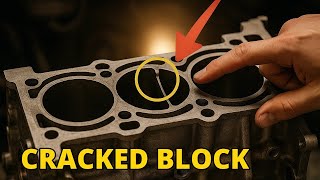
- Coolant Intrusion into Cylinders (1.5L & 2.0L EcoBoost) 🔴 High Probability A design flaw in the open-deck engine block creates a weak point between cylinders, which can crack and allow coolant to leak into the combustion chamber. This is a widely documented issue for these specific engines. Ford has issued multiple TSBs (e.g., 22-2229 for 2.0L, 19-2139 for 1.5L) and a customer satisfaction program (21N12 for 1.5L) to address this.
How to confirm: Check for a consistently dropping coolant level in the reservoir without visible external leaks. Perform a cooling system pressure test; the system should not lose significant pressure over several hours. A borescope inspection of the cylinders (with spark plugs removed) may reveal coolant pooling on top of the pistons. A DIY method involves placing a white paper towel over the spark plug hole and cranking the engine to see if coolant splatters onto it.
Typical fix: The only permanent fix is to replace the engine with a redesigned short block (for 1.5L) or long block (for 2.0L) assembly as specified by Ford's TSBs. The new blocks have revised cooling passages to prevent the cracking.
Est. part cost: $3000-$7000+ - Worn or Fouled Spark Plugs 🟡 Medium Probability Spark plugs are a standard wear item. On EcoBoost engines, they can become fouled by carbon due to direct injection or by coolant from the intrusion issue, which leaves a distinct white or greenish deposit.
How to confirm: Remove and inspect the spark plugs. Look for worn electrodes, oil fouling, or white/greenish deposits, which can indicate coolant contamination. Compare the plugs from all cylinders.
Typical fix: Replace all spark plugs. It is recommended to use high-quality OEM (Motorcraft) or equivalent plugs. This is often the first and most affordable step in diagnosing a misfire.
Est. part cost: $40-$100 - Faulty Ignition Coils 🟡 Medium Probability
How to confirm: If you have a scanner that can show misfire counts per cylinder (e.g., FORScan), identify the misfiring cylinders. Swap an ignition coil from a misfiring cylinder with one from a properly firing cylinder. If the misfire code follows the coil (e.g., P0300 is replaced by P0302 after moving a coil to cylinder 2), the coil is bad.
Typical fix: Replace the faulty ignition coil. It is often recommended to replace all coils at the same time, especially on higher-mileage vehicles.
Est. part cost: $50-$150 per coil - Vacuum Leak ⚪ Low Probability Hoses can become brittle over time. Common leak points on these engines include the PCV system hoses and the intake manifold gaskets.
How to confirm: Listen for hissing sounds around the engine bay. A smoke test is the most effective method, where a mechanic pumps smoke into the intake system to reveal leaks from cracked hoses or bad gaskets.
Typical fix: Replace the leaking hose or gasket.
Est. part cost: $10-$200
Rare But Worth Checking
- Clogged Fuel Injectors: Dirty or failing fuel injectors can disrupt the fuel spray pattern, leading to a lean mixture and misfires. This is more common on higher mileage vehicles.
- Low Fuel Pressure: A weak fuel pump or clogged fuel filter can starve the engine of fuel, causing random misfires under load.
- Faulty Powertrain Control Module (PCM): In very rare cases, the PCM itself can fail, causing misfire codes. This should only be considered after all other possibilities have been exhausted.
Diagnosis Steps
- Read all stored DTCs with an OBD-II scanner. Note any codes accompanying P0300, especially P0316 or specific cylinder misfires (P0301-P0304).
- Check the engine coolant level. If it is low, and there are no visible leaks on the ground, immediately suspect coolant intrusion, especially on a 1.5L or 2.0L EcoBoost engine.
- Inspect the spark plugs. Their condition provides vital clues. Coolant-fouled plugs will have a white, ashy, or greenish deposit. This is a strong indicator.
- If coolant intrusion is suspected, perform a cooling system pressure test. Pressurize the system to 15-20 psi and let it sit for several hours (or overnight). A significant drop in pressure indicates a leak.
- With pressure still on the cooling system, use a borescope to visually inspect the inside of the cylinders for coolant pooling on the piston tops. This is the definitive confirmation.
- If no coolant issue is found, proceed with standard misfire diagnostics. Test the ignition coils by swapping them between cylinders to see if a specific misfire code appears.
- If coils and plugs are good, check for vacuum leaks using a smoke machine, focusing on the intake manifold and PCV system.
- If all else fails, consult a professional for advanced diagnostics on fuel injectors or the PCM.
Parts You'll Likely Need
- Engine Short Block Assembly (1.5L EcoBoost)
(OEM #DS7Z-6009-J)— This is the official Ford-recommended repair for the coolant intrusion issue on the 1.5L engine, as per TSB 19-2139. It is a redesigned block to prevent future failure.
Trusted brands: Motorcraft
OEM price range: $3000-$5000 - Engine Long Block Assembly (2.0L EcoBoost) — This is the official Ford-recommended repair for the coolant intrusion issue on the 2.0L engine, as per TSB 22-2229.
Trusted brands: Motorcraft
OEM price range: $4000-$7000 - Spark Plugs
(OEM #Motorcraft SP-537 (1.5L), SP-550 (2.0L), SP-520 (2.5L))— Worn spark plugs are a common cause of misfires and are a standard maintenance item. They should always be inspected or replaced first for any misfire code.
Trusted brands: Motorcraft, NGK
OEM price range: $60-$100
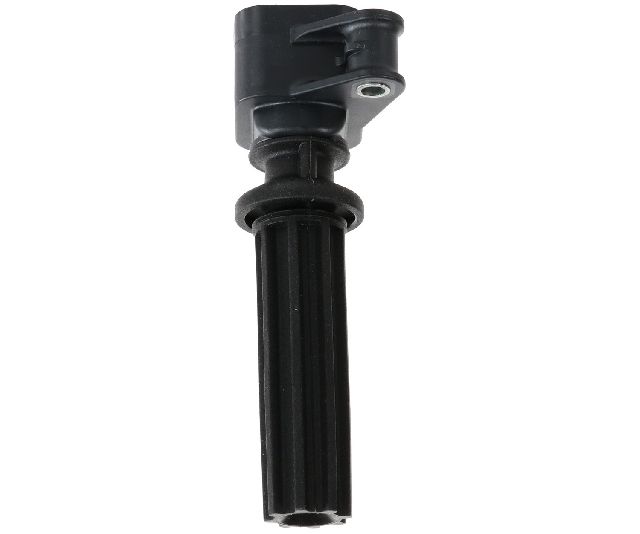
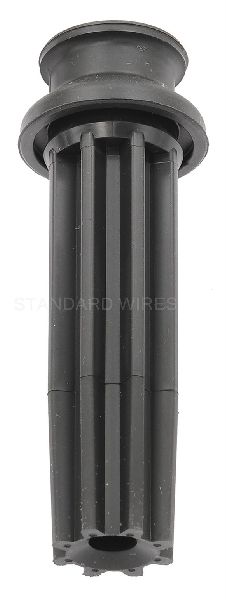
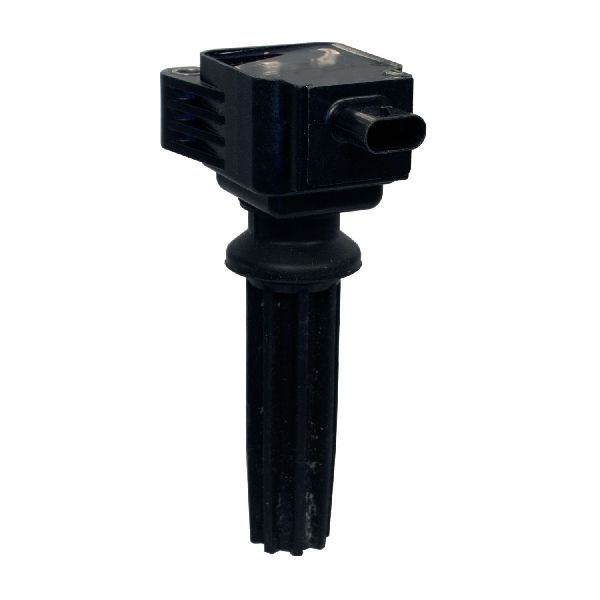
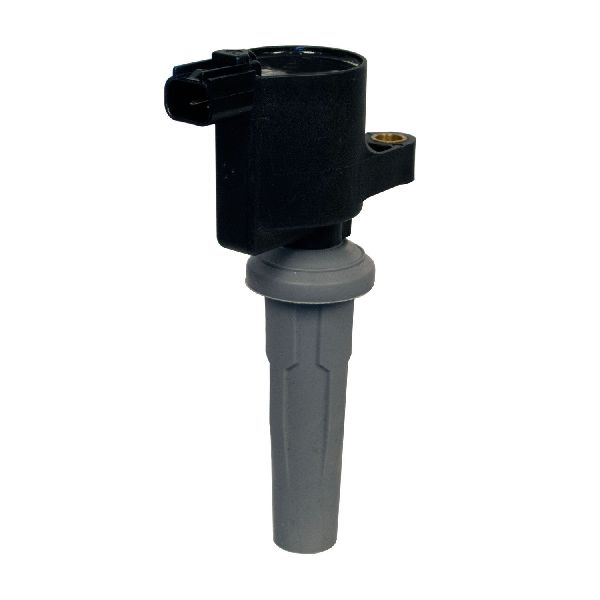
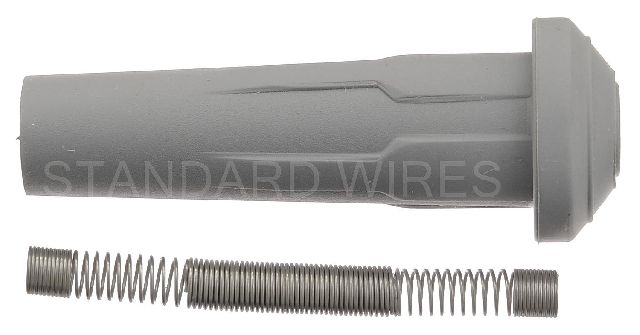
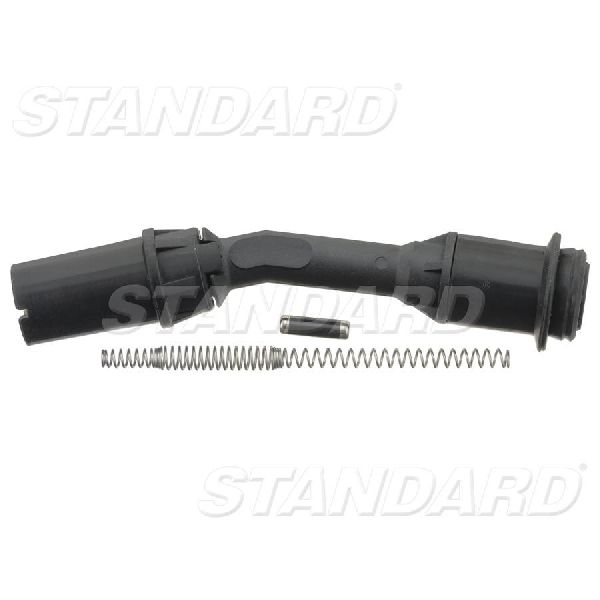
Aftermarket price range: $40-$80 - Ignition Coil
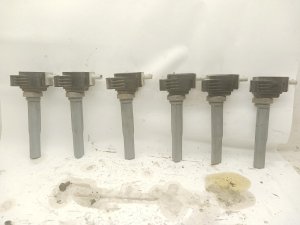
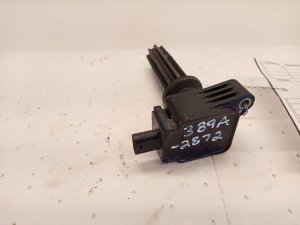
(OEM #CM5Z-12029-K)— Ignition coils deliver the spark to the plugs. A failing coil can cause intermittent or random misfires.
Trusted brands: Motorcraft, Delphi, NGK
OEM price range: $80-$120
Aftermarket price range: $50-$90
Related Codes That Often Appear With This One
- P0301, P0302, P0303, P0304 — These codes indicate a misfire on a specific cylinder. They often accompany P0300 as the PCM identifies both random and specific cylinder misfires. They are explicitly listed in the coolant intrusion TSBs.
- P0316 — Indicates Misfire Detected on Startup (First 1000 Revolutions). This is commonly seen with the coolant intrusion issue as coolant that has pooled in a cylinder overnight causes a severe misfire upon starting.
- P1299 — Cylinder Head Over Temperature Protection Active. This code can be triggered when coolant intrusion leads to low coolant levels and subsequent overheating conditions.
Technical Service Bulletins (TSBs) & Recalls
- TSB 22-2229: Covers coolant intrusion for the 2.0L EcoBoost engine, recommending a long block replacement.
- TSB 19-2139: Covers coolant intrusion for the 1.5L EcoBoost engine, recommending a short block replacement.
- Customer Satisfaction Program 21N12: Extends warranty coverage for the 1.5L EcoBoost coolant intrusion issue for up to 7 years/84,000 miles.
Platform-Specific Known Issues
- 1.5L & 2.0L EcoBoost Coolant Intrusion: This is the most critical issue for this vehicle and code. An engine block design with an open deck and thin passages between cylinders is prone to cracking, allowing coolant to leak directly into the cylinders. This causes misfires, white smoke, and eventual engine failure. Ford's official fix is a redesigned engine block.
- 2.5L Duratec I4 Reliability: It is crucial to
Mechanic-Grade Diagnostic Values
- Ignition Coil Primary Resistance — expected: 0.4 to 2.0 ohms (typical for many Ford coil-on-plug systems). Failure: A reading outside of this range indicates a faulty primary winding in the coil.
- Ignition Coil Secondary Resistance — expected: 6,000 to 10,000 ohms (6kΩ - 10kΩ). Failure: A reading outside of this range, or an open circuit (infinite resistance), points to a failure in the secondary windings.
- Low-Side Fuel Pressure (GTDI EcoBoost Engines) — expected: 35 to 65 PSI (at idle). Failure: Significant pressure drops under load can indicate a weak in-tank fuel pump, even if idle pressure seems normal. This is a common failure point on EcoBoost Fusions.
- High-Side Fuel Pressure (GTDI EcoBoost Engines) — expected: 500 to 2,500+ PSI (varies with engine load). Failure: Readings that don't respond correctly to engine demand, viewable on a capable scan tool, can indicate a failing high-pressure fuel pump (HPFP).
Hidden / Shadow Codes Worth Checking
- Mode 6, TID $A2-$AB, CID $0C: Ford uses Mode 6 data to store misfire counts for each cylinder over the current and last 10 driving cycles. Even if a specific P030x code hasn't been set, these counters can reveal which cylinder(s) are misfiring the most, helping to pinpoint the source of a P0300. For example, TID $A2 tracks Cylinder 1, $A3 tracks Cylinder 2, and so on. (see via A capable OBD-II scanner that can access Mode $06 data. FORScan is a popular tool for Ford vehicles that can display this information clearly.)
Scan Tool Commands That Help
- FORScan, Ford IDS, or high-end Snap-on/Autel scanners: Power Balance Test — This is a critical bidirectional test for diagnosing a P0300. The tool sequentially disables one fuel injector at a time and displays a graph of the RPM drop for each cylinder. A cylinder with little to no RPM drop when its injector is disabled is not contributing power, confirming it as a source of the misfire. This helps distinguish a fuel/spark issue from a base engine compression problem.
- FORScan, Ford IDS: Relative Injector Flow Test — This test can help identify a clogged or failing fuel injector that might be causing a random misfire. The PCM measures the pressure drop during each injection event to assess flow. This is useful after confirming spark and compression are good.
Wiring & Ground Locations
- Engine Compartment Fuse Box — Located in the engine bay, typically near the battery.. This box contains the fuses and relays for critical components that can cause a P0300, including the PCM Power Relay (Fuse 9 for 2017 models) and the Ignition Coils fuse (Fuse 11 for 2017 models). A poor connection or failing relay here can cause a random misfire.
- C175B — This is one of the main electrical connectors for the Powertrain Control Module (PCM).. This connector houses the circuits that control the ignition coils. Damage, corrosion, or a loose pin in this connector can interrupt the signal to one or more coils, leading to misfires. Technicians may need to reference pinout diagrams for C175B to test for voltage and continuity from the PCM to the coils.
Real Owner Repair Stories
- Reddit user in r/fordfusion (2017 Ford Fusion Sport (2.7L EcoBoost), 18,000 miles) — Rough idle, engine hitching/hesitating on acceleration. Codes P0300 (Random/Multiple Misfire) and P0316 (Misfire on Startup) were present.
❌ Tried (didn't work) Initial user suspicion was a major engine issue.
✅ What actually fixed it The Ford dealer diagnosed and replaced a faulty (plugged up) EVAP purge valve. A stuck-open purge valve can allow un-metered fuel vapors into the intake manifold, disrupting the air/fuel ratio and causing random misfires. - Reddit user in r/fordfusion (2014 Ford Fusion Titanium) — Loss of power, hesitation to shift at high RPM, P0300 code. One ignition coil plug was found covered in oil.
❌ Tried (didn't work) Cleaning the oil off the single affected coil did not resolve the underlying issue.
✅ What actually fixed it The problem was a leaking valve cover gasket and spark plug tube seals. Oil was leaking into the spark plug wells, fouling the spark plug and shorting out the ignition coil. The final fix was replacing the valve cover gasket, all associated seals, and the spark plugs.
"I Checked Everything" — The Actual Cause
- A common scenario for a P0300 on EcoBoost engines is a faulty EVAP canister purge valve that is stuck open. A standard smoke test performed with the engine off may not reveal this leak, as the valve is supposed to be closed. However, when the engine is running, the valve can fail to operate correctly, creating a vacuum leak that leans out the air-fuel mixture and causes random misfires. Technicians often diagnose this by commanding the valve closed with a scan tool and monitoring fuel trims, or by temporarily blocking the vacuum line from the valve to the intake manifold to see if the misfire disappears.
Model Year Variations Within This Range
- 2017-2019 (2.0L EcoBoost): The 2.0L EcoBoost engine was updated for the 2017 model year to a 'twin-scroll' design. Unfortunately, these 2017-2019 models are the primary group affected by the coolant intrusion issue due to the specific block design with coolant passages between the cylinders. Earlier 2013-2016 2.0L engines have a different block design and are not typically associated with this failure mode, though they can have other issues.
- 2014-2019 (1.5L EcoBoost): The 1.5L EcoBoost, introduced for the 2014 model year, is based on the older 1.6L but with design changes including an integrated exhaust manifold. All versions of this 1.5L engine within this year range are susceptible to the coolant intrusion problem.
Helpful Videos
Used OEM Parts in Stock




New Aftermarket Parts Available

The information in this article is provided for general reference and educational purposes only. Vehicle specifications, procedures, and part compatibility can vary by production date, trim level, and region. Always consult your vehicle's factory service manual and verify part numbers before purchasing or performing repairs. Safety-critical components such as airbags, seat belts, and braking systems should be installed by a qualified professional.
- Ford FUSION:
- 🎬 Helpful Videos
- 🛍️ Shop This Part
- What's Unique About the 2014-2019 Ford FUSION
- Diagnostic Flowchart
- Symptoms You May Notice
- Most Likely Causes
- Rare But Worth Checking
- Diagnosis Steps
- Parts You'll Likely Need
- Related Codes That Often Appear With This One
- Technical Service Bulletins (TSBs) & Recalls
- Platform-Specific Known Issues
- Mechanic-Grade Diagnostic Values
- Hidden / Shadow Codes Worth Checking
- Scan Tool Commands That Help
- Wiring & Ground Locations
- Real Owner Repair Stories
- "I Checked Everything" — The Actual Cause
- Model Year Variations Within This Range
- 🎟️ Get 5% Off