

P0300 on 2002-2005 Ford Explorer 4.0L: Random Misfire Causes and Fixes
On a 2002-2005 Explorer with the 4.0L SOHC V6, a P0300 code is most often caused by a vacuum leak from failed intake manifold gaskets or a rotted PCV hose elbow. These are relatively inexpensive parts, so check for vacuum leaks before replacing more expensive ignition components. The presence of lean codes P0171 and P0174 strongly points to a vacuum leak as the root cause.
- A P0300 code on a 2002-2005 Explorer 4.0L is most likely a vacuum leak.
- Before buying expensive parts like a coil pack, thoroughly inspect for cracked rubber hoses (especially the PCV elbow) and perform a smoke test to check the intake manifold gaskets.
- If you hear a rattling sound along with the misfire, stop driving and investigate the timing chain system immediately to prevent catastrophic engine failure.
- If you also have P0171 and P0174 lean codes, it's almost certainly a vacuum leak.
- Always use double platinum spark plugs on this engine due to its waste-spark ignition system.
What's Unique About the 2002-2005 Ford Explorer
The 4.0L SOHC V6 engine in this generation of Explorer is well-known for two specific issues that can cause a P0300 code. The most common is vacuum leaks from deteriorating plastic and rubber components, especially the intake manifold gaskets (which are large O-ring style seals) and various vacuum elbows. This issue is so common that it frequently triggers lean codes (P0171/P0174) alongside the P0300. A more severe, though less common, cause is failure of the timing chain guides and tensioners, a notorious weak point for this engine that can lead to misfires and catastrophic engine damage if ignored. The 8th character of the VIN will be an 'E' for the SOHC engine.
Symptoms You May Notice
- Rough or shaking idle
- Hesitation or stumbling during acceleration
- Flashing Check Engine Light (indicates a severe misfire)
- Reduced engine power
- Poor fuel economy
- Engine stalling
- Smell of raw fuel from the exhaust
- Hissing sound from the engine bay, indicating a vacuum leak
- Replacing oxygen (O2) sensors. O2 sensors report the air/fuel mixture. While a bad sensor can cause issues, it's more likely that they are correctly reporting a lean condition (P0171/P0174) caused by a vacuum leak, which in turn causes the misfire.
- Replacing the ignition coil pack without checking for vacuum leaks first. A vacuum leak from intake gaskets or PCV hoses is a cheaper and often more likely cause for a random misfire on this specific engine.
Most Likely Causes
- Vacuum Leak (Intake Manifold Gaskets) 🔴 High Probability The original intake manifold gaskets on the 4.0L SOHC engine are O-ring style seals that seal the upper plenum directly to the cylinder heads. Over time, these rubber/plastic gaskets become hard and brittle from heat cycles, allowing unmetered air to enter the engine and causing a lean condition. This is a very common failure point and often presents with P0171 and P0174 codes.
How to confirm: Perform a smoke test on the intake system. Smoke will be seen escaping from the area where the intake manifold meets the cylinder heads. Alternatively, you can carefully spray short bursts of brake cleaner or an unlit propane torch around the gasket area; a change in engine idle speed indicates a leak. A hissing noise is often audible.
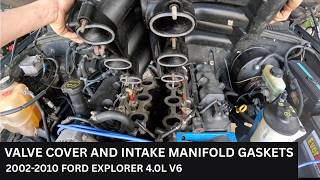
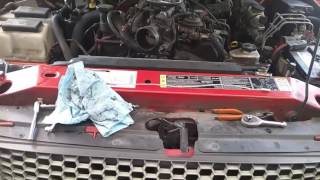
Typical fix: Replace the upper intake manifold gaskets. 🎬 Watch: Step-by-step guide to replacing intake and valve cover gaskets. On the 4.0L SOHC, there is no lower intake manifold in the traditional sense; the upper plenum seals directly to the heads. Many owners recommend replacing the valve cover gaskets at the same time since they must be removed for access.
Est. part cost: $30-$80 - Vacuum Leak (PCV Hoses and Elbows) 🔴 High Probability Rubber hoses and elbows, particularly the PCV hose elbow located at the rear of the intake manifold, are exposed to constant heat and oil vapors. This causes them to soften, collapse, or crack, creating a significant vacuum leak.
How to confirm: Visually and physically inspect all vacuum hoses for cracks, swelling, or collapse. The PCV elbow is often found completely rotted or split. Pay close attention to all connections on the intake air boot between the MAF sensor and the throttle body.
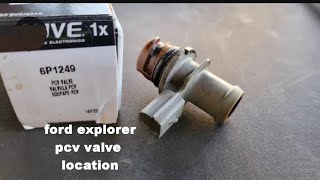
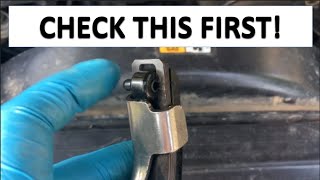
Typical fix: Replace the damaged rubber hoses and elbows. It is often recommended to replace the entire PCV hose assembly 🎬 See these helpful tips for replacing the PCV assembly. rather than just the elbow.
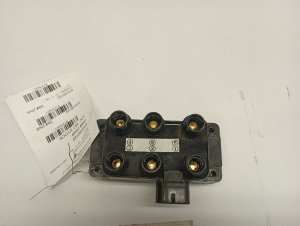
Est. part cost: $15-$50 - Worn Ignition Components (Plugs, Wires, Coil Pack) 🟡 Medium Probability These are standard wear-and-tear items. The 4.0L SOHC uses a single coil pack, and if it develops a weak output or cracks from heat exposure, it can cause misfires on multiple cylinders. Worn spark plugs or faulty spark plug wires with high resistance are also common culprits. NHTSA ODI #11614991 describes a case where an owner replaced the coil pack and spark plugs after a mechanic retrieved code P0300, though the misfire persisted.
How to confirm: Inspect spark plugs for wear, fouling, or incorrect gap. Check spark plug wires for cracks, burns, or high resistance using a multimeter. Test the ignition coil pack for proper output. A simple diagnostic step is to swap the coil with a known good one if available.
Typical fix: Replace spark plugs, spark plug wires, and/or the ignition coil pack as needed. It's best practice to replace plugs and wires together as a set.
Est. part cost: $100-$250 - Dirty or Failing Mass Airflow (MAF) Sensor ⚪ Low Probability Oil from aftermarket oiled air filters can contaminate the sensor, or it can simply get dirty over time, causing it to send incorrect airflow data to the PCM. This leads to an improper air/fuel mixture.
How to confirm: A MAF sensor that is under-reporting airflow can cause a lean condition and misfires. Unplugging the sensor to see if the engine runs better can be a quick test (this forces the engine into a default fuel map). The best method is to remove and clean the sensor's hot wires with a dedicated MAF sensor cleaner.
Typical fix: Clean the MAF sensor with a specialized cleaner. Do not touch the delicate wires. If cleaning doesn't work, the sensor must be replaced.
Est. part cost: $15 (cleaner) - $120 (new sensor) - Fuel Delivery Issue (Clogged Filter or Weak Pump) ⚪ Low Probability The fuel filter is a maintenance item that is often neglected. A weak fuel pump can also fail to provide adequate pressure, especially under load.
How to confirm: Connect a fuel pressure gauge to the fuel rail's Schrader valve. The pressure should be within the manufacturer's specification (typically 64 +/- 8 PSI for this engine). A clogged fuel filter is a common cause of low pressure. If pressure drops intermittently, the fuel pump may be failing.
Typical fix: Replace the fuel filter first, as it's an inexpensive routine maintenance item. If pressure is still low, the fuel pump likely needs to be replaced.
Est. part cost: $20-$50 (filter), $200-$400 (pump)
Rare But Worth Checking
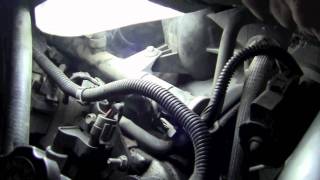
- Failing Timing Chain Cassettes/Tensioners: This is a catastrophic and expensive failure specific to the 4.0L SOHC engine. This engine uses three timing chains, with the rear cassette being particularly prone to failure. It typically presents with a plastic-on-plastic rattling or chain slapping noise, especially on a cold start or at specific RPMs (around 2400-3000). This is often called the 'death rattle'. If you hear this noise along with a P0300, this is a strong possibility and should be investigated immediately to prevent the guides from breaking, allowing the chain to jump time and cause severe engine damage. NHTSA ODI #10220462 reports a case of engine failure where the timing chain was damaged and cylinders 4, 5, and 6 showed weak compression alongside code P0300.
- Clogged Catalytic Converter: A restricted exhaust can cause excessive backpressure, leading to misfires and a lack of power. This is often a secondary failure, caused by a long-term misfire condition that has allowed unburned fuel to enter the exhaust and melt the converter's internal structure.
- Low Engine Compression: Internal engine problems like a failing head gasket, worn piston rings, or bad valves can cause a loss of compression and misfires. A compression test can confirm this issue. A leak-down test can further pinpoint the source of the compression loss.
Diagnosis Steps
- Read all stored diagnostic trouble codes (DTCs). Pay close attention to any lean codes (P0171, P0174) or specific cylinder misfire codes, as they provide critical clues.
- Perform a thorough visual inspection of the engine bay. Look for cracked, disconnected, or collapsed vacuum hoses, especially the PCV lines and elbow at the back of the intake manifold.
- Listen for an audible hissing noise at idle, which points directly to a vacuum leak.
- If a vacuum leak is suspected, perform a smoke test. This is the most effective way to find leaks from the intake manifold gaskets or other hard-to-see areas.
- Inspect the ignition system. Check the condition of the spark plugs, spark plug wires, and the coil pack. Look for signs of wear, carbon tracking, or damage.
- If no vacuum leaks or ignition problems are found, clean the Mass Airflow (MAF) sensor using a dedicated electronic parts cleaner.
- Check fuel pressure using a fuel pressure gauge attached to the fuel rail to rule out a weak fuel pump or clogged fuel filter. Pressure should be stable and within spec (around 64 PSI
Parts You'll Likely Need
- Intake Manifold Gasket Set
(OEM #1L2Z-9439-AA (Upper), 1L2Z-9461-AA (Lower))— These gaskets are a very common failure point on the 4.0L SOHC, leading to vacuum leaks that cause random misfires. The original design is prone to hardening and cracking.
Trusted brands: Motorcraft, Fel-Pro (MS 96123 is a common part number)
OEM price range: $50-$90
Aftermarket price range: $30-$60 - PCV Hose Elbow — The rubber elbow connecting the PCV system to the back of the intake manifold is notorious for rotting, collapsing, and causing a massive vacuum leak.
Trusted brands: Motorcraft, Dorman
OEM price range: $20-$40
Aftermarket price range: $10-$25 - Ignition Coil Pack
(OEM #1L2U-12A366-AA)— The single coil pack is a common failure item due to heat exposure, leading to weak or inconsistent spark across multiple cylinders.
Trusted brands: Motorcraft, NGK, Denso
OEM price range: $80-$120
Aftermarket price range: $50-$90 - Spark Plugs and Wires Set — Basic tune-up items that wear out over time. Worn plugs or high-resistance wires are a frequent cause of misfires.
Trusted brands: Motorcraft, NGK
OEM price range: $70-$110
Aftermarket price range: $50-$80
Related Codes That Often Appear With This One
- P0171 — System Too Lean (Bank 1). This code, along with P0174, strongly indicates a vacuum leak (intake gaskets, PCV hoses) or a faulty MAF sensor is the root cause of the misfire.
- P0174 — System Too Lean (Bank 2). This code, along with P0171, strongly indicates a vacuum leak (intake gaskets, PCV hoses) or a faulty MAF sensor is the root cause of the misfire.
- P0301-P0306 — Cylinder-specific misfire codes. Sometimes the PCM will log a P0300 before or alongside codes that pinpoint the misfire to one or more specific cylinders. NHTSA ODI #11681823 notes a diagnostic scan that retrieved P0300 alongside P0304, P0305, P0306, and P0352.
- P0316 — Misfire Detected on Startup (First 1000 Revolutions). This code is common on Fords and often appears with other misfire codes, especially if the issue is more pronounced when the engine is cold, like a leaking intake gasket.
Technical Service Bulletins (TSBs) & Recalls
- TSB 04-15-4: Addresses a rattle noise from the primary timing chain drive area between 2000-3000 RPM. The fix involves replacing the tensioner, guide, jackshaft, and sprockets with an improved kit. Affects 1999-2002 Explorer/Mountaineer and 2001-2002 Ranger/Sport Trac.
- TSB 02-3-2: Pertains to a P0300 or P0301 misfire that occurs only at high engine speeds (above 4800 RPM) due to exhaust valves hanging open slightly. Requires updated valve train parts.
- TSB 00M12: A recall campaign for 1997-2000 models concerning leaking intake manifold gaskets on the 4.0L SOHC engine. While outside the target vehicle year, it establishes a history of this specific failure.
- TSB 10-7-1: For 2009 4.0L engines with specific build dates, addresses misfire codes (P0300, P030x) caused by defective fuel injectors with a missing orifice plate.
Platform-Specific Known Issues
- The plastic upper and lower intake manifold gaskets are a known weak point and are a primary cause of vacuum leaks and lean codes on high-mileage 4.0L SOHC engines.
- The 4.0L SOHC engine is infamous for its complex timing chain system with plastic guides and hydraulic tensioners that can fail, causing a 'death rattle' and eventually catastrophic engine failure if not addressed. A P0300 can be an early symptom if the timing has started to slip.
Mechanic-Grade Diagnostic Values
- Fuel Pressure (Key On, Engine Off) — expected: 64 +/- 8 PSI. Failure: Pressure below ~56 PSI can indicate a weak fuel pump or clogged filter. Pressure that drops quickly after the pump primes can indicate a leak or faulty check valve.
- Fuel Injector Resistance — expected: 11 - 18 Ohms. Failure: A reading outside this range, or a significant deviation between injectors, indicates a faulty injector coil. A reading of 0 or OL (Open Loop) signifies a failed injector.
- Ignition Coil Pack Primary Resistance — expected: 0.3 - 1.0 Ohms. Failure: Readings outside this range indicate a problem with the primary windings of the coil.
- Ignition Coil Pack Secondary Resistance — expected: 6.5 - 11.5 kOhms. Failure: A reading outside this range suggests a failure in the secondary windings, which will result in a weak or no spark.
- Mass Airflow (MAF) Sensor Reading at Idle — expected: ~4.0 grams/second. Failure: A general rule is that the g/s reading should approximate the engine displacement in liters. Significantly lower readings can indicate a post-MAF vacuum leak, while significantly higher readings could indicate a faulty sensor.
Hidden / Shadow Codes Worth Checking
- Mode 6, Test ID $A2-$AC: These Test IDs correspond to cylinder misfire data for cylinders 1 through 6. A scan tool can read the raw misfire counts for each cylinder during the current and last 10 driving cycles, even if the count is not high enough to set a P030x code. (see via A professional scan tool with Mode 6 capability is required. For the data to be valid, the test must show as 'complete' and the 'maximum limit' value must be a number other than zero.)
Scan Tool Commands That Help
- Ford IDS (or equivalent high-end scanner): Power Balance Test — This function graphically displays the RPM contribution of each cylinder in real-time. A cylinder that shows a significant drop compared to others is misfiring. It's used to pinpoint which cylinder(s) are causing a P0300 without having to swap components.
- Ford IDS (or equivalent high-end scanner): Relative Compression Test — This is a quick, non-invasive way to check for a potential mechanical cause of a misfire (like a bad valve or head gasket). It measures the relative speed of the crankshaft as each cylinder passes through its compression stroke. A cylinder with low compression will show a variance.
- Ford IDS (or equivalent high-end scanner): Keep Alive Memory (KAM) Reset — This should be performed after a repair, especially if the misfire monitor profile needs to be relearned. Failing to reset the KAM can sometimes cause the PCM to rely on old adaptive learning values, potentially masking the success of a repair or causing the misfire monitor to run incorrectly.
Wiring & Ground Locations
- G101 — Located at the left front of the engine compartment, on the fender apron near the battery.. This is a primary ground point for multiple critical components in the engine bay, including circuits for the Powertrain Control Module (PCM) and Mass Airflow (MAF) sensor. A corroded or loose G101 can cause erratic sensor readings and intermittent misfires that are difficult to diagnose.
- G100 — Located at the center rear of the engine compartment on the Sport Trac model, or left front on the standard Explorer.. This is another main engine compartment ground. Verifying all major grounds are clean and tight is a crucial step before replacing expensive components like the PCM.
- PCM (Powertrain Control Module) — Typically located in the engine bay on the passenger side firewall or inside the cabin to the left of the steering column near the firewall.. Knowing the PCM location is necessary for inspecting its connectors for corrosion or damage and for performing pin-out tests on sensor and actuator circuits if a wiring issue is suspected.
Real Owner Repair Stories
- Reddit user on r/4thGen4Runner (for a Toyota, but with identical codes and symptoms) (2005 V6 (similar P0300, P0171, P0174 issue)) — Started with a single cylinder misfire, then progressed to P0300, P0171, P0174. Rough/rumbling idle, shuttering on acceleration. Bubbling noise behind the dash.
❌ Tried (didn't work) Replaced spark plugs and ignition coils, Cleaned MAF sensor, Cleaned injectors
✅ What actually fixed it The root cause was a failed head gasket. During the repair, it was also discovered that the timing components needed replacement. - NHTSA ODI #11635503 — An owner reported that the check engine light came on and the car began running as if there were no problem, but a diagnostic check revealed code P0300, indicating a random misfire had been detected.
"I Checked Everything" — The Actual Cause
- In cases where a smoke test reveals no vacuum leaks, but P0300 is present with lean codes (P0171/P0174), the cause can be a weak fuel pump that provides adequate pressure at idle but insufficient volume under load. A fuel pressure test should be performed while driving to confirm. Another possibility is a stuck-open EGR valve, which introduces exhaust gas at idle, leaning out the mixture and causing misfires, but may not show up on a standard smoke test.
OEM Part Supersession History
Pre-2002 timing chain cassettes and tensioners→Updated cassette and tensioner designs— The original plastic timing chain guides and hydraulic tensioners were prone to premature failure, causing the infamous 'death rattle' and leading to jumped timing and engine damage.
Heads up: Engines manufactured after 2002 came with the updated, more durable components from the factory. When repairing an earlier engine, it is critical to use the updated parts.
Model Year Variations Within This Range
- Post-2002: Ford installed updated, more durable timing chain cassettes and tensioners from the factory starting sometime after the 2002 model year to address the widespread failure of the original components. While a 2002-2005 model is less likely to have the original faulty parts than a 1997-2001 model, early production 2002 models could still be affected.
Diagnostic Flowchart
Real Owner Stories
Aggregated from forums and TSBs cited above. Mileages and costs reflect what owners reported in those sources.
2002 Ford Explorer 4.0L SOHC
Symptoms: Suspected a leaking intake manifold gasket causing running issues.
What fixed it: Diagnosed the leak via a smoke test and replaced the upper intake manifold gaskets, noting that the SOHC engine has no lower manifold and the job is relatively straightforward.
Source hint: ExplorerForum.com thread titled '2002 Ford Explorer 4.0 intake manifold gasket'
Ford 4.0L SOHC
Symptoms: Engine stalling accompanied by lean codes P0171 and P0174.
What fixed it: Checked for and repaired vacuum leaks from the intake gaskets, rather than immediately replacing the O2 sensors as initially suspected.
Source hint: Ford-Trucks.com thread titled 'p0171-p0174'
Ford Ranger 4.0L SOHC
Symptoms: Classic 4.0L SOHC timing chain rattle occurring under acceleration around 2400-2800 RPM, but never on startup.
What fixed it: Applied the official fix outlined in TSB 04-15-4, which involves replacing the tensioner, guide, jackshaft, and sprockets.
Source hint: Reddit r/fordranger thread titled 'Timing chain rattle while driving never on startup'
Related OBD-II Codes
Frequently Asked Questions
Does the infamous timing chain 'death rattle' cause a P0300 code on the 4.0L SOHC engine?
Does TSB 04-15-4 apply to my 2002 Ford Explorer?
I have a P0300 and hear a hissing sound from the engine bay. What is the most likely cause?
My 2002 Explorer has a P0300 misfire only at high RPMs (above 4800 RPM). Is there a known issue for this?
Are leaking intake manifold gaskets covered under a recall for the 2002-2005 Explorer?
How do I test fuel pressure on the 4.0L SOHC, and what should it be?
Helpful Videos
Used OEM Parts in Stock
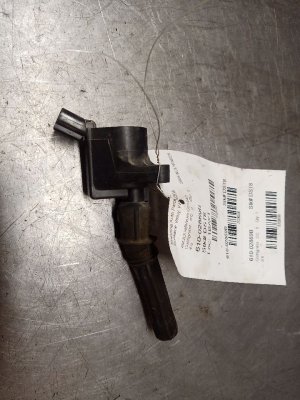
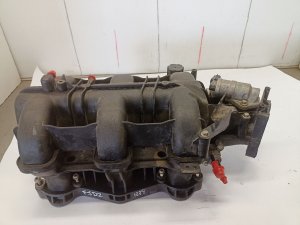
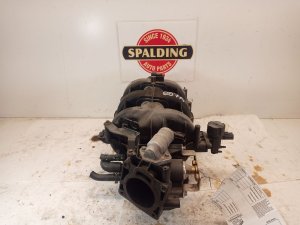
New Aftermarket Parts Available
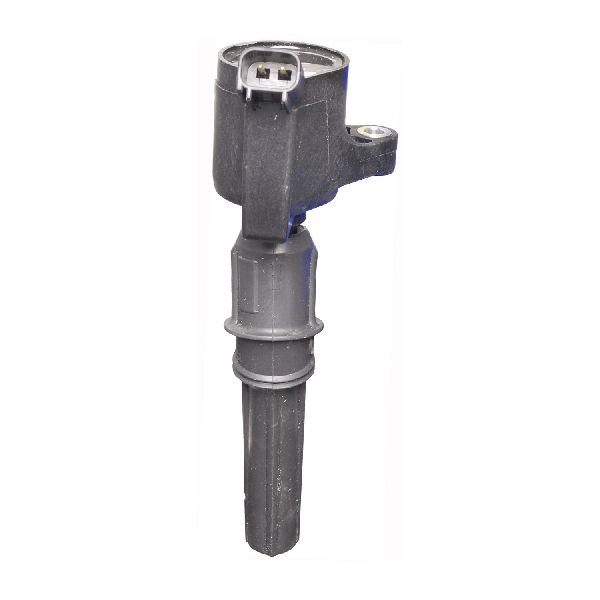


The information in this article is provided for general reference and educational purposes only. Vehicle specifications, procedures, and part compatibility can vary by production date, trim level, and region. Always consult your vehicle's factory service manual and verify part numbers before purchasing or performing repairs. Safety-critical components such as airbags, seat belts, and braking systems should be installed by a qualified professional.
- Ford Explorer:
- 🎬 Helpful Videos
- 🛍️ Shop This Part
- What's Unique About the 2002-2005 Ford Explorer
- Symptoms You May Notice
- Most Likely Causes
- Rare But Worth Checking
- Diagnosis Steps
- Parts You'll Likely Need
- Related Codes That Often Appear With This One
- Technical Service Bulletins (TSBs) & Recalls
- Platform-Specific Known Issues
- Mechanic-Grade Diagnostic Values
- Hidden / Shadow Codes Worth Checking
- Scan Tool Commands That Help
- Wiring & Ground Locations
- Real Owner Repair Stories
- "I Checked Everything" — The Actual Cause
- OEM Part Supersession History
- Model Year Variations Within This Range
- Diagnostic Flowchart
- Real Owner Stories
- 2002 Ford Explorer 4.0L SOHC
- Ford 4.0L SOHC
- Ford Ranger 4.0L SOHC
- Related OBD-II Codes
- Frequently Asked Questions
- 🎟️ Get 5% Off