

P0299 on Chevrolet 1.4L Turbo (LUJ/LUV): Underboost Causes & Fixes for Cruze, Sonic, Trax & Encore
On a Chevy 1.4L Turbo engine (found in the Cruze, Sonic, Trax, and Encore, but not the 2009-2011 Aveo), code P0299 is most often caused by a failed PCV system, specifically a ruptured diaphragm in the valve cover or a bad check valve in the intake manifold. These are much more common and cheaper to fix than a bad turbocharger. A missing wastegate actuator clip is another simple, common cause.
- This guide is for the 1.4L Turbo engine in the Chevy Cruze and Sonic, not the 2009-2011 Aveo.
- P0299 is almost always caused by the PCV system, not a bad turbo. Check the valve cover and intake manifold first.
- A hissing noise at idle is a tell-tale sign of a ruptured valve cover diaphragm.
- Before suspecting major issues, check for the small, cheap retaining clip on the turbo wastegate actuator; it often falls off.
- If you see codes P0171 or P1101 along with P0299, it is a very strong indication of a PCV system failure.
What's Unique About the 2009-2011 Chevrolet Aveo

The GM 1.4L Turbo (LUJ/LUV) engine is notorious for P0299, but rarely because the turbo itself fails. The issue is almost always rooted in a uniquely designed and failure-prone PCV (Positive Crankcase Ventilation) system. A small check valve inside the plastic intake manifold is known to fail or get ingested by the engine. This allows high-pressure boost to enter the crankcase, which then ruptures a thin rubber diaphragm in the valve cover, creating a massive vacuum and boost leak. This systemic weakness is so common that GM has issued multiple service bulletins (e.g., PIP5495N) to prevent technicians from mistakenly replacing expensive turbochargers when the real fault lies in these cheaper plastic components.
Symptoms You May Notice
- Significant loss of engine power and poor acceleration
- Check Engine Light is on
- Hissing or whistling sound from the engine bay, especially at idle (indicates a ruptured valve cover diaphragm)
- Reduced fuel economy
- Rough idle
- In some cases, a high-pitched chirp from the engine's belt area at idle (indicates a blown crankshaft seal from high crankcase pressure)
- Oil consumption or oil leaks that suddenly appear or worsen
- Replacing the entire turbocharger assembly without first inspecting the PCV system (intake manifold check valve, valve cover) and the wastegate actuator clip. This is a very expensive and often unnecessary repair. 🎬 Watch: This video explains why the PCV system causes underboost.
Most Likely Causes


- Failed PCV Check Valve in Intake Manifold 🔴 High Probability The small, orange check valve inside the plastic intake manifold is known to degrade, break, or get sucked into the engine. This creates a direct internal path for boost pressure to leak back to the turbo inlet instead of entering the cylinders, creating an internal boost leak.
How to confirm: Remove the PCV tube from the port on the driver's side of the intake manifold. Shine a light inside the port. If the small, orange, nipple-like valve is missing, damaged, or you can see straight through, it has failed.
Typical fix: The official fix is to replace the entire intake manifold (OEM P/N: 25200449, Dorman OE FIX: 615-380). A popular, less expensive aftermarket solution is to install an external check valve kit (e.g., CruzeKits PCV Fix Kit) to bypass the failed internal one.
Est. part cost: $75 for an external kit, $150-$300 for a new manifold. - Ruptured PCV Diaphragm in Valve Cover 🔴 High Probability When the intake manifold check valve fails, it causes high pressure in the crankcase, which then ruptures the thin rubber diaphragm inside the non-serviceable PCV regulator on the valve cover. This creates a large unmetered air (vacuum) leak.
How to confirm: With the engine running, listen for a distinct hissing or sucking sound from the top of the engine cover. You can also try to remove the oil filler cap; if there is very strong suction holding it down, the diaphragm is likely torn.
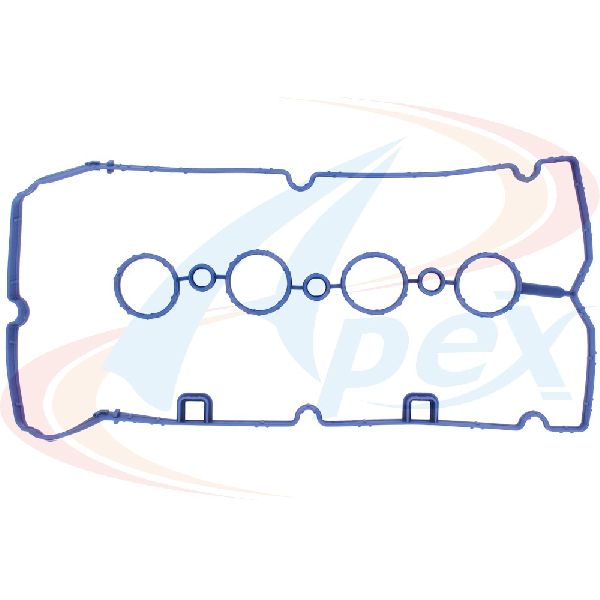
Typical fix: The entire valve cover assembly must be replaced, as the diaphragm is integrated into it. It is recommended to use an OEM or high-quality ACDelco part (P/N: 25198874). Aftermarket options like the Dorman 264-968 are also available but have mixed reviews regarding fit.
Est. part cost: $50-$120 - Missing Wastegate Actuator Retaining Clip 🟡 Medium Probability The small metal E-clip that connects the wastegate actuator rod to the wastegate arm on the turbocharger can rust and fall off. This leaves the wastegate flap open, preventing the turbo from ever building boost.
How to confirm: Visually inspect the turbocharger's wastegate arm (located on the hot side of the turbo, may require removing a heat shield). Check if the actuator rod is disconnected from the arm it's supposed to control. If it's loose, the clip is missing.
Typical fix: Install a new retaining clip. This is a very inexpensive part available from GM dealers or online (OEM P/N: 55589103).
Est. part cost: $5-$15 - Failing Turbocharger Bypass/Diverter Valve 🟡 Medium Probability This electronic solenoid valve releases boost pressure when you lift off the throttle. It can get stuck open due to contamination or electronic failure, causing a constant boost leak.
How to confirm: The valve is located on the turbocharger. It can be removed and tested for proper operation. Sometimes they fail electronically, requiring a scan tool to command it open and closed. A common failure mode is the solenoid sticking.
Typical fix: Replace the bypass/diverter valve solenoid. Upgraded aftermarket valves (e.g., Go Fast Bits DV+) are available.
Est. part cost: $40-$80 for OEM style, $150+ for upgraded. - Boost/Vacuum Leak ⚪ Low Probability Cracked plastic or rubber hoses in the intake system, particularly the corrugated PCV hose that becomes brittle, can cause boost pressure to escape before it reaches the engine. A manufacturer service bulletin, Bulletin #PIP5927D, also notes that reduced power and P0299 can occur due to a damaged Charge Air Inlet Pipe connection at the Turbocharger.
How to confirm: A smoke test is the most effective method. This involves filling the intake system with pressurized smoke and looking for where it leaks out.
Typical fix: Replace the cracked hose or faulty clamp.
Est. part cost: $20-$100 depending on the hose
Rare But Worth Checking
- Failed Turbocharger: While often suspected first, an actual mechanical failure of the turbo (e.g., seized turbine, cracked wastegate port) is less common than the PCV or wastegate issues. GM TSB PIP5495N specifically warns against replacing the turbo before ruling out all other causes.
- Charge Air Cooler (Intercooler) Icing: In very cold climates, moisture can freeze inside the intercooler or related plumbing, creating a blockage that restricts airflow and triggers P0299. This is mentioned in GM service bulletins like PIP5812C and is a known issue for owners in cold regions.
- Restricted Vacuum Supply Line: Bulletin #PIP5978 communicates the possibility of DTC P0299 setting as a result of the vacuum supply line from the vacuum pump to the wastegate solenoid being restricted with adhesive bonding material.
- Wastegate Binding: Bulletin #PIP6058A communicates the possibility of DTC P0299 setting due to wastegate binding.
Diagnosis Steps

- Verify the complaint: Confirm symptoms of low power.
- Scan for codes: Check for P0299 and any accompanying codes like P0171 or P1101, which strongly point to a PCV system failure.
- Inspect the PCV System (Engine running at idle): Listen for a loud hissing from the valve cover. Try to remove the oil cap; extreme suction indicates a torn diaphragm. If so, replace the valve cover.
- Inspect the Intake Manifold Check Valve (Engine off): Remove the PCV hose from the intake manifold and look inside the port. If the orange check valve is missing or damaged, the intake manifold must be replaced or an external kit installed.
- Inspect Wastegate Linkage (Engine off and cool): Remove the turbo heat shield. Check if the wastegate actuator rod is securely attached to the wastegate arm with a clip. If the clip is missing, replace it (P/N 55589103). Also check for wastegate binding as noted in Bulletin #PIP6058A.
- Perform a Smoke Test: If the PCV system and wastegate linkage are intact, perform a smoke test on the entire intake and charge air system to check for cracked hoses, a leaking intercooler, or bad gaskets.
- Inspect Turbocharger: If all other tests pass, inspect the turbocharger itself for shaft play, damaged fins, or a seized wastegate mechanism. 🎬 See these diagnostic tips for troubleshooting low turbo boost. A crack in the wastegate port area of the turbine housing is also a known failure point.
Parts You'll Likely Need

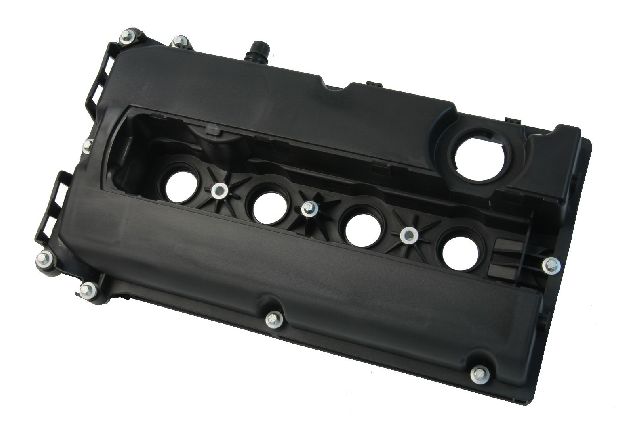
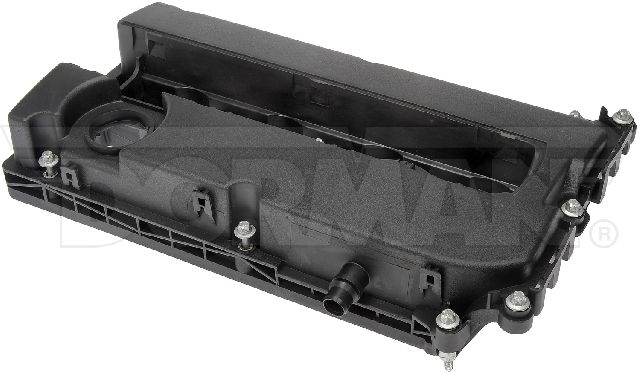
- Engine Valve Cover
(OEM #25198874 (ACDelco))— The integrated PCV diaphragm ruptures due to high crankcase pressure from a failed intake manifold check valve. This is a primary cause of the vacuum leak. Aftermarket: Dorman 264-968. - Intake Manifold
(OEM #25200449)— The internal PCV check valve fails/disappears, requiring manifold replacement. Aftermarket: Dorman 615-380 (redesigned to prevent failure). - PCV Fix Kit (External Check Valve)
(OEM #N/A (Aftermarket))— An alternative to replacing the entire intake manifold. Reroutes the PCV system to use a serviceable external check valve. A popular brand is CruzeKits. - Wastegate Actuator Retaining Clip
(OEM #55589103)— This small clip often rusts and falls off, disconnecting the wastegate actuator rod and leaving the wastegate open.
Related Codes That Often Appear With This One
- P0171 — System Too Lean. This code is very common with P0299 because a ruptured valve cover diaphragm creates a massive vacuum leak, allowing unmetered air into the engine and causing a lean fuel mixture.
- P1101 — Intake Air Flow System Performance. This GM-specific code is also triggered by the large vacuum leak from the PCV system, as the airflow measured by the MAF sensor doesn't match what the engine is actually ingesting.
Technical Service Bulletins (TSBs) & Recalls
- PIP5495N: Warns technicians that P0299 is often misdiagnosed as a bad turbo and to check other causes first, like the PCV system.
- PIP5812C: Notes that in cold weather, P0299 on some models can be caused by a freezing Turbocharger Wastegate Regulator Solenoid Valve or ice in the charge air cooler system.
- PI1366: Addresses P0299 caused by a loss of wastegate preload due to wear in the actuator rod end, and provides diagnostic steps.
- Special Coverage N232395330: A GM program that may cover turbo replacement for some 2017-2018 models experiencing P0299.
- Bulletin #PIP5978: Notes that P0299 can set if the vacuum supply line from the vacuum pump to the wastegate solenoid is restricted with adhesive bonding material.
- Bulletin #PIP5927D: Communicates that P0299 can be caused by a damaged Charge Air Inlet Pipe connection at the Turbocharger.
- Bulletin #PIP6058A: Informs dealers that P0299 may set due to wastegate binding.
Platform-Specific Known Issues
- The 'PCV Domino Effect': A failed check valve in the intake manifold leads to a ruptured diaphragm in the valve cover, which can then cause high crankcase pressure to blow out engine seals, most commonly the front crankshaft seal.
Mechanic-Grade Diagnostic Values
- Desired Boost vs. Actual Boost Pressure (Scan Tool Live Data) — expected: Actual boost should closely track desired boost under acceleration.. Failure: A significant and consistent difference where actual boost is much lower than desired. For example, a desired reading of 31.2 PSI with an actual reading of only 17.9 PSI under load clearly indicates an underboost condition.
- Wastegate Actuator Preload Adjustment — expected: For many aftermarket actuators, the rod is adjusted until it slips onto the wastegate arm pin easily, then tightened by 1.5 full turns (or three half-turns) to apply preload.. Failure: Incorrect preload can cause the wastegate to not close fully (causing underboost) or not open correctly (risking overboost). No preload or a loose rod will almost certainly cause P0299.
- MAP Sensor Reference Voltage — expected: Approximately 5.0 Volts DC (Key On, Engine Off) between the reference and ground wires at the sensor connector.. Failure: Voltage significantly lower or higher than 5.0V points to a problem with the ECM or the wiring harness, not necessarily the sensor itself.
- Mass Air Flow (MAF) Sensor Reading at Wide-Open Throttle — expected: On a healthy engine, peak airflow can exceed 100 g/s.. Failure: A peak reading significantly lower, such as 80-85 g/s, can indicate a restriction in the intake path, such as a clogged air filter, which contributes to underboost.
Scan Tool Commands That Help
- GDS2 / Tech2 / High-End Scan Tool: Graphing Live Data: 'Desired Boost Pressure' vs. 'Boost Pressure' (Actual) — This is the primary diagnostic function for P0299. During a test drive, command wide-open throttle and observe if the actual boost pressure PID fails to meet the desired boost pressure PID. This confirms the underboost condition in real-time.
- GDS2 / Tech2 / High-End Scan Tool: Turbocharger Bypass Valve Control — This bidirectional command allows the technician to manually command the electronic diverter/bypass valve open and closed with the engine running. An audible click should be heard. If the valve doesn't respond or the engine idle changes when it shouldn't, the valve or its control circuit is faulty.
Wiring & Ground Locations
- G105 — On the left frame rail, located under the battery tray.. This is a critical ground for the Engine Control Module (ECM). A poor connection here due to corrosion or paint can cause erratic sensor readings and false codes. A GM service bulletin advises checking this ground for various electrical issues.
- G107 — On the lower left rear of the engine block.. This is a primary engine block ground. The ECM and its sensors, including the MAP and boost sensors, rely on a solid engine ground path. A loose or corroded connection here can cause incorrect sensor readings, leading to a misdiagnosis of P0299.
- MAP Sensor Connector — On the intake manifold. It is a 3-pin connector.. Allows for testing of the sensor's power, ground, and signal circuits. The pins are typically 5V reference, ground, and the signal wire that sends pressure data to the ECM.
Real Owner Repair Stories
- Summit Racing Reviewer (2012 Chevrolet Cruze 1.4T) — Persistent P0299 underboost code.
❌ Tried (didn't work) Replacing the turbocharger with a Dorman unit., Replacing the valve cover with a GM unit., Replacing the PCV hose.
✅ What actually fixed it The new Dorman 615-380 intake manifold had a vacuum port for the turbo bypass valve solenoid that was obstructed with casting flash from manufacturing. Clearing the obstruction with a small drill bit by hand restored proper bypass valve operation and fixed the underboost code. - Reddit r/Justrolledintotheshop user discussion (Chevrolet Cruze 1.4T (multiple instances)) — P0299 underboost code.
❌ Tried (didn't work) Initial diagnosis focusing only on PCV system or external boost leaks.
✅ What actually fixed it The problem was a physical crack in the cast iron turbine housing of the turbocharger, typically originating from the wastegate port. A GM technician in the thread noted that GM has a bulletin stating minor cracks are 'normal' and may not cause underboost, but other users confirmed these cracks can and do cause the P0299 code. NHTSA ODI #11389578 similarly describes a turbocharger found to have a crack in the housing. - NHTSA ODI #11509405 — An owner reported a dangerous loss of power on the highway. The dealer found code P0299 and initially cleaned the throttle body, though they also tested the crankcase pressure.
"I Checked Everything" — The Actual Cause
- A smoke test of the intake system came back clean, but the P0299 code persisted. The actual cause was a hairline crack in the turbocharger's exhaust (turbine) housing, typically near the wastegate port. This is an exhaust-side leak that allows exhaust gas to bypass the turbine wheel, preventing it from spinning fast enough to make boost, and it is not detectable with an intake smoke test.
- The intake system passed a smoke test, but the root cause was found to be an internal obstruction in a brand new aftermarket intake manifold. Casting flash was blocking a vacuum port that controls the turbo bypass valve, causing boost to be bled off. This is a quality control issue, not a leak.
OEM Part Supersession History
55581014→25200449— Part number consolidation and potential minor revisions by the manufacturer.25200449→28289977— Further part number update by General Motors.
Heads up: This is the latest number in the supersession chain for the intake manifold.
Diagnostic Flowchart
Other Known Issues on This Vehicle
Issues unrelated to this code that are worth knowing about as an owner of this generation:
- Premature Timing Belt Failure 🔴 High — The recommended replacement interval is 60,000 miles, but failures have been reported before this point. The engine is an interference design, meaning a belt failure will cause catastrophic engine damage.
- Ignition Coil Pack Failure 🟠 Medium — Often occurs around 40,000-60,000 miles, causing misfires, power loss, and stalling. Some owners report repeated failures.
- Cracked Plastic Thermostat Housing 🟠 Medium — The plastic housing is prone to cracking with age and heat cycles, leading to significant coolant leaks and potential engine overheating.
- Ignition Key Stuck in Ignition 🟡 Low — A common issue caused by a failed shifter assembly or related interlock components, preventing the key from being removed.
- Faulty Turn Signal Switch 🟡 Low — The multifunction switch in the steering column can fail, causing turn signals to stop working intermittently or completely.
Used vs. New Parts: Buying Guide for This Vehicle
When a used part is the smart pick: A complete turbocharger assembly from a verified low-mileage donor vehicle (e.g., from a rear-end collision) can be a cost-effective option. Other simple mechanical parts like brackets or heat shields are also good candidates for used purchase.
Donor-vehicle mileage cap: roughly under 70000 miles for the part to have meaningful remaining life.
What to inspect on the donor part:
- For a turbocharger, check for zero in-and-out shaft play and minimal side-to-side play.
- Thoroughly inspect the cast iron turbine housing for any cracks, especially around the wastegate port.
- If possible, obtain the VIN of the donor car to check its service history.
- Avoid parts from engines that show signs of heavy oil sludge or coolant contamination.
OEM-only on this vehicle (don't cheap out):
- Engine Valve Cover: Due to reports of poor fitment and leaks from some aftermarket brands like Dorman, using an OEM/ACDelco valve cover (25198874) is strongly recommended to ensure a proper seal.
Aftermarket brands forum-validated for this vehicle:
- Intake Manifold: The Dorman OE FIX 615-380 is often recommended because it was redesigned with a retaining pin to prevent the internal check valve from dislodging, addressing the original design flaw.
- PCV Fix Kit: CruzeKits is a widely cited and reputable aftermarket brand that provides an external check valve solution to bypass the faulty internal one in the intake manifold.
Brands owners have reported issues with on this vehicle:
- Dorman Valve Cover (264-968): Some owners and mechanics have reported significant fitment issues, particularly a gap on one side leading to persistent oil leaks, making the OEM part a safer choice.
Real Owner Stories
Aggregated from forums and TSBs cited above. Mileages and costs reflect what owners reported in those sources.
2019 Chevrolet Trax 1.4L Turbo
Symptoms: Underboost condition; owner seeking advice on how likely the issue is to return after initial check.
What fixed it: Discussion of common PCV and wastegate failures as primary diagnostic targets.
Source hint: https://www.cruzetalk.com/threads/p0299-underboost-on-2019-trax-%E2%80%94-getting-it-checked-but-how-likely-is-this-to-come-back.203567/
2012 Chevrolet Cruze 1.4L Turbo
Symptoms: P0299 error returned only one month after installing a PCV fix kit.
What fixed it: Detailed investigation into the PCV system 'domino effect' where one failure leads to another (e.g., intake manifold to valve cover to crankshaft seal).
Source hint: https://www.reddit.com/r/cruze/comments/149i47z/p0299_error_month_after_pcv_fix_kit_on_2012/
Chevrolet Cruze 1.4L Turbo
Symptoms: Persistent P0299 code even after the intake manifold was replaced.
What fixed it: Diagnostic discussion pointing toward the turbocharger itself as the remaining failure point.
Source hint: https://www.reddit.com/r/cruze/comments/gwhq3a/p0299_still_persistent_after_intake_manifold/
2017 Buick Encore 1.4L Turbo
Symptoms: Chasing a persistent P0299 code, highlighting the difficulty of diagnosis on this platform.
What fixed it: Diagnostic process involving checking the intake and turbo components.
Source hint: https://www.reddit.com/r/BuickEncore/comments/15v2ssx/2017_p0299/
Related OBD-II Codes
Frequently Asked Questions
I hear a loud hissing sound from my engine cover at idle. Is this related to the P0299 code?
Can I just replace the rubber diaphragm in the valve cover to fix the P0299 code?
My mechanic says I need a new turbo, but I saw TSB PIP5495N. What does it say?
Is there a cheaper alternative to replacing the entire intake manifold (P/N: 25200449)?
Could cold weather be causing my P0299 underboost code?
What is the 'E-clip' issue mentioned for this engine?
Helpful Videos

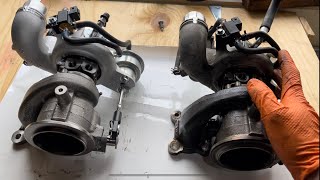
Used OEM Parts in Stock

New Aftermarket Parts Available



The information in this article is provided for general reference and educational purposes only. Vehicle specifications, procedures, and part compatibility can vary by production date, trim level, and region. Always consult your vehicle's factory service manual and verify part numbers before purchasing or performing repairs. Safety-critical components such as airbags, seat belts, and braking systems should be installed by a qualified professional.
- Chevrolet Aveo:
- 🎬 Helpful Videos
- 🛍️ Shop This Part
- What's Unique About the 2009-2011 Chevrolet Aveo
- Symptoms You May Notice
- Most Likely Causes
- Rare But Worth Checking
- Diagnosis Steps
- Parts You'll Likely Need
- Related Codes That Often Appear With This One
- Technical Service Bulletins (TSBs) & Recalls
- Platform-Specific Known Issues
- Mechanic-Grade Diagnostic Values
- Scan Tool Commands That Help
- Wiring & Ground Locations
- Real Owner Repair Stories
- "I Checked Everything" — The Actual Cause
- OEM Part Supersession History
- Diagnostic Flowchart
- Other Known Issues on This Vehicle
- Used vs. New Parts: Buying Guide for This Vehicle
- Real Owner Stories
- 2019 Chevrolet Trax 1.4L Turbo
- 2012 Chevrolet Cruze 1.4L Turbo
- Chevrolet Cruze 1.4L Turbo
- 2017 Buick Encore 1.4L Turbo
- Related OBD-II Codes
- Frequently Asked Questions
- 🎟️ Get 5% Off