

P0217 on 2011-2016 Chevrolet Cruze 1.4L: Engine Overheating Causes and Fixes
P0217 means your Cruze's engine is overheating. This is most often caused by a coolant leak from a failed water pump or a cracked plastic thermostat housing/water outlet. Driving is not recommended. Expect repair costs to range from $200 to $800 depending on the failed part.
- P0217 on a 1.4L Cruze is a critical code indicating a real overheating problem. Stop driving immediately.
- The most likely cause is a coolant leak. Thoroughly inspect the water pump, plastic thermostat housing, and plastic water outlet.
- When replacing failed plastic parts like the thermostat housing or water outlet, use aftermarket aluminum versions for a more durable, long-term repair.
- Due to a known defect, check if your vehicle had the water pump replaced under GM's Special Coverage 14371B. Even if it did, the replacement may have failed again.
- Always use a cooling system pressure tester to confirm the location of a leak before replacing parts.
What's Unique About the 2011-2016 Chevrolet Cruze

The 1.4L turbo engine in the first-generation Cruze is known for having several weak points in its cooling system. The water pump has a high failure rate, leading to leaks and overheating, a problem so common that General Motors issued a special coverage adjustment (14371B) extending the warranty for this part. Additionally, key cooling components like the thermostat housing and water outlet are made of plastic, which can become brittle over time, crack, and cause significant coolant leaks. Aftermarket companies have responded by offering more durable aluminum versions of these parts.
Generation note: This guide covers the first-generation Chevrolet Cruze (2011-2015). In 2016, Chevrolet sold both the first-generation model, rebranded as the 'Cruze Limited', and the all-new second-generation Cruze. The issues described here are specific to the first-generation platform and its 1.4L LUJ/LUV engine.
Symptoms You May Notice
- Temperature gauge reading in the red or very high
- "Engine Hot, A/C Off" message on the driver information center
- Steam coming from the engine bay
- Sweet smell of burning coolant
- Reduced engine power or 'limp mode'
- Cooling fan running constantly at high speed
- Visible coolant leaks under the vehicle (pink/orange Dex-Cool)
- Loud boiling or gurgling sounds from the engine area after shutdown
- Replacing only the coolant temperature sensor without checking for mechanical faults. A P0217 code on this car is almost always due to a real overheating event caused by a leak or lack of circulation, not a bad sensor.
- Repeatedly refilling the coolant without finding and fixing the source of the leak. This will lead to recurring overheating and potential engine damage.
Most Likely Causes

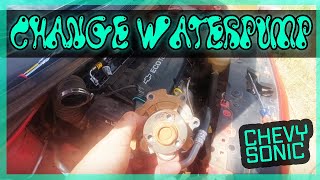
- Leaking Water Pump 🔴 High Probability The water pump is a well-documented failure point on this engine, often leaking from the shaft seal or weep hole. GM acknowledged this with Special Coverage 14371B, extending the warranty to 10 years/150,000 miles for this specific issue on 2011-2014 Cruze and 2012-2014 Sonic models.
How to confirm: Visually inspect the area around the water pump (located on the passenger side of the engine, behind the serpentine belt pulley) for signs of coolant residue (typically pink/orange Dex-Cool). A cooling system pressure test will often confirm the leak.
Typical fix: Replace the water pump and gasket. It is often recommended to replace the thermostat at the same time. The repair should use new torque-to-yield bolts as specified by GM.
Est. part cost: $40-$150 - Cracked Thermostat Housing or Water Outlet 🔴 High Probability The original thermostat housing and the coolant water outlet are made of plastic that becomes brittle with age and heat cycles, leading to cracks and leaks. The water outlet (GM Part No. 25193922) is particularly notorious for developing hairline cracks.
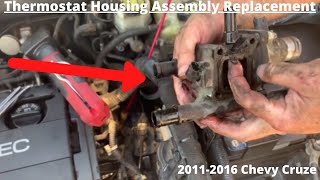
How to confirm: Inspect the thermostat housing (top of the engine, driver's side) and the water outlet (back of the cylinder head, passenger side) for cracks and coolant stains. Leaks may be more apparent when the system is hot and pressurized.
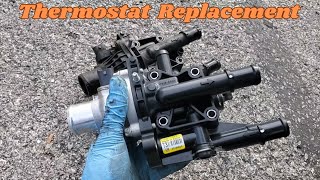
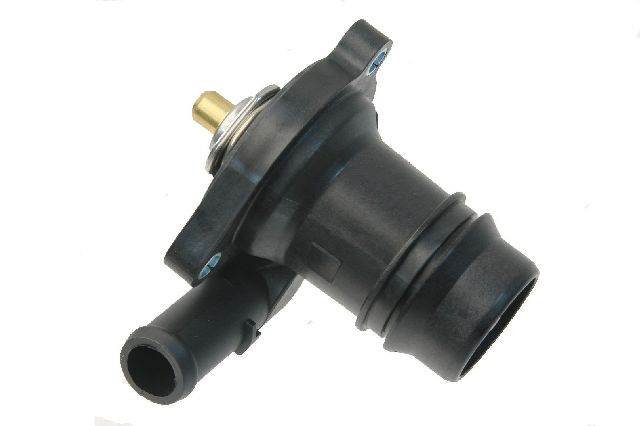
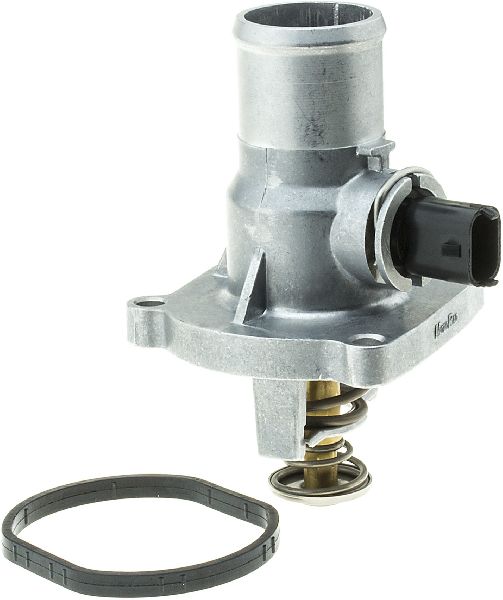
Typical fix: Replace the failed component. Upgraded aluminum versions of both the thermostat housing and water outlet are widely available and highly recommended over the OEM plastic parts to prevent future failures.
Est. part cost: $30-$100 - Low Coolant Level 🔴 High Probability This is a direct result of a leak from one of the other common failure points (water pump, thermostat housing, hoses, radiator). The system is losing coolant, leading to insufficient volume to cool the engine.
How to confirm: Check the coolant level in the coolant reservoir (degas bottle) when the engine is cold. If it is below the 'MIN' line, there is a leak somewhere in the system.
Typical fix: Find and repair the source of the leak, then refill the system with the correct Dex-Cool coolant and bleed any trapped air.
Est. part cost: $20-$30 for coolant - Failed Cooling Fan Assembly 🟡 Medium Probability The electric cooling fan motor or its control module can fail, preventing the fan from turning on to pull air through the radiator at low speeds or while stopped.
How to confirm: With the engine running and getting hot (approaching 218°F), observe if the cooling fan activates. You can also try turning on the A/C, which should command the fan to run. If the fan does not spin, check fuses (underhood fuse block) and relays first.
Typical fix: Replace the cooling fan motor and shroud assembly. Check related fuses and relays first.
Est. part cost: $100-$250 - Stuck-Closed Thermostat 🟡 Medium Probability The thermostat can fail in the closed position, preventing coolant from circulating to the radiator. The electronically-assisted heater in the thermostat can also fail, triggering codes P0597-P0599 and causing improper operation.
How to confirm: After the engine has warmed up, carefully feel the upper and lower radiator hoses. If the upper hose is hot and the lower hose is cool, it indicates coolant is not circulating through the radiator, likely due to a stuck thermostat.
Typical fix: Replace the thermostat and housing assembly. Upgrading to a full aluminum housing is recommended.
Est. part cost: $30-$100
Rare But Worth Checking
- Blown Head Gasket: Severe overheating can cause the head gasket to fail, but a pre-existing head gasket failure can also cause overheating by forcing combustion gases into the cooling system. Check for milky oil, gurgling sounds in the coolant reservoir, or white, sweet-smelling smoke from the exhaust.
- Clogged Radiator: Internal passages can become clogged from contaminated coolant or degraded internal hose material, or external fins can be blocked by debris, reducing cooling efficiency. This is less common than leaks or component failure.
- Faulty Engine Coolant Temperature (ECT) Sensor: Rarely, the ECT sensor itself can fail and send an incorrect high-temperature reading to the ECM, triggering the P0217 code even if the engine isn't actually overheating. This is more likely to be accompanied by erratic temperature gauge behavior or other ECT-related codes like P0117.
Diagnosis Steps

- DO NOT open the coolant reservoir cap when the engine is hot. Wait for it to cool completely.
- Check the coolant level in the reservoir. If it's low, you have a leak.
- Visually inspect the engine bay for obvious signs of coolant leaks. Pay close attention to the water pump (passenger side), thermostat housing (top-driver's side), and the plastic water outlet (back of the head). Look for chalky pink or orange residue.
- If no leak is obvious, use a cooling system pressure tester to pressurize the system (when cold) to reveal slow or hidden leaks.
- Start the engine and monitor the temperature gauge. Turn on the A/C to see if the radiator cooling fan engages. If it does not, investigate the fan circuit (fuses, relays, motor).
- If the fan works and there are no leaks, but the engine still overheats, check if the thermostat is opening by carefully feeling the radiator hoses. A hot upper hose and a cold lower hose suggest a stuck thermostat.
- If all else fails, perform a block test (combustion leak test) to check for combustion gases in the coolant, which would indicate a failed head gasket.
Parts You'll Likely Need

- Water Pump Kit
(OEM #25192709)— This is the most common failure point leading to coolant loss and overheating on the 1.4L Cruze engine, covered under GM Special Coverage 14371B.
Trusted brands: ACDelco (GM Original), Gates
OEM price range: $80-$150
Aftermarket price range: $40-$90 - Thermostat Housing Assembly (Aluminum Upgrade)
(OEM #55579010 (OEM Plastic), 902-809 (Dorman Aluminum))— The OEM plastic housing is prone to cracking. Aftermarket aluminum housings are a permanent solution.
Trusted brands: Dorman, ZZP Performance, ACDelco (OEM)
OEM price range: $60-$110
Aftermarket price range: $40-$90 - Coolant Water Outlet
(OEM #25193922 (replaces 55565334))— This plastic part on the back of the cylinder head is another common source of leaks due to cracking.
Trusted brands: ACDelco (GM Original), Dorman
OEM price range: $55-$95
Aftermarket price range: $20-$50 - Engine Coolant (Dex-Cool) — Required to refill the system after any cooling system repair.
Related Codes That Often Appear With This One
- P0128 — Coolant Thermostat (Coolant Temperature Below Thermostat Regulating Temperature). This code can appear if the thermostat is stuck open or failing, which can sometimes precede a complete failure that leads to overheating.
- P0597 / P0598 / P0599 — Thermostat Heater Control Circuit codes. The thermostat on this engine is electronically heated. A fault in this circuit will cause the thermostat to not open correctly, leading to overheating.
Technical Service Bulletins (TSBs) & Recalls
- 14371B: Special Coverage Adjustment – Engine Coolant Leak from the Water Pump. Covers 2011-2014 Cruze and 2012-2014 Sonic with 1.4L engine. Extends warranty for this specific leak to 10 years or 150,000 miles.
- 14311B: Special Coverage Adjustment – Negative Battery Cable Loose. Covers 2011-2015 Cruze. Addresses a poor crimp on the negative battery terminal causing various electrical issues. Extends warranty to 10 years or 120,000 miles.
Platform-Specific Known Issues
- {'title': 'Plastic Component Degradation', 'description': 'The primary issue with the 1.4L cooling system is GM\'s extensive use of plastic for critical components like the thermostat housing, water outlet, and even parts of the radiator. These parts are subjected to thousands of heat cycles, which makes the plastic brittle and inevitably leads to cracks and leaks. The aftermarket has responded with robust aluminum replacements that are considered a permanent fix.'}
- {'title': 'Owner Experience: The Overheating Cascade', 'description': 'Many owners on forums like CruzeTalk report a similar story: The first sign is often a faint smell of coolant. Then, the temperature gauge starts to fluctuate before finally spiking, triggering the P0217 code and the \'Engine Hot, A/C Off\' message. The culprit is almost always a hairline crack in the thermostat housing or water outlet that has finally given way under pressure.'}
Mechanic-Grade Diagnostic Values
- Engine Coolant Temperature (ECT) Sensor Resistance — expected: Approx. 2,000-3,000 Ω at 20°C (68°F), dropping to approx. 200-300 Ω at 90°C (194°F).. Failure: An open circuit (infinite resistance) or a value that doesn't change with temperature indicates a failed sensor.
- Engine Coolant Temperature (ECT) Sensor Signal Voltage — expected: Approx. 2.0-3.0 V with a cold engine, dropping to approx. 0.5 V at normal operating temperature.. Failure: Voltage that is stuck high (e.g., 5V) or low (e.g., 0V) points to a wiring or sensor fault.
- Thermostat Heater Element Resistance — expected: Approx. 15-16 Ω between the two pins on the thermostat housing connector.. Failure: A reading of infinite resistance (Open Loop / OL) indicates the internal heater has burned out, which will prevent the thermostat from opening correctly and often sets codes P0597-P0599.
Scan Tool Commands That Help
- GDS2 / Tech2 (or capable aftermarket scanner): Cooling Fan Relay Command — To manually activate the high and low-speed cooling fans to verify the functionality of the fan motor, control module, relays, and wiring, independent of the ECT sensor input.
- GDS2 / Tech2 (or capable aftermarket scanner): Cooling System Bleed Procedure — After replacing cooling system components, this automated procedure guides the technician or cycles engine RPM and the thermostat heater to properly purge air from the system, which is critical on these engines to prevent air pockets that cause overheating.
Wiring & Ground Locations
- ECM Connector X1, Pin 35 — On the main Engine Control Module (ECM).. This is the signal pin for the primary Engine Coolant Temperature (ECT) sensor. A wiring issue (short/open) on this circuit (Dark Blue wire) can cause false overheating signals or other ECT codes.
- Ground G114 — Located on the left rear of the engine block.. This is a primary engine ground. A poor connection here can affect the reference for various sensors, including the ECT sensor, potentially causing incorrect readings.
Real Owner Repair Stories
- Car Talk Community Forum (2012 Chevy Cruze 1.4L) — Engine overheated, alarm on dash. Coolant in reservoir was discolored, described as brownish/black.
❌ Tried (didn't work) Initial focus was on common cooling system parts.
✅ What actually fixed it The consensus diagnosis was a breached head gasket, causing engine oil to mix with the coolant. This is a severe failure requiring major engine repair. - Reddit user /u/Jolly_Ad7520 (2014 Cruze) — Persistent 'A/C off due to engine temp too hot' message. Temperature gauge needle goes past the halfway mark and then comes back down.
❌ Tried (didn't work) Replaced the radiator, Replaced both temperature sensors, Replaced the coolant reservoir, Replaced the thermostat with a (likely aftermarket) part
✅ What actually fixed it The final fix was not posted by the owner, but a highly-rated comment from another user diagnosed the issue as a faulty aftermarket thermostat. The recommendation was to verify the thermostat heater resistance (should be 16 Ohms) and to use only an OEM thermostat, as aftermarket units are a common cause of this specific symptom.
"I Checked Everything" — The Actual Cause
- A cooling system pressure test may hold pressure perfectly, indicating no leaks, but the engine still overheats. In several documented cases, the actual cause was an internally clogged radiator. This happens when debris from other failing components (like deteriorating hoses) or sludge from old coolant blocks the small passages inside the radiator core. This prevents coolant from circulating and cooling effectively, even though the system is sealed. It is diagnosed by using an infrared thermometer to find significant cold spots on the radiator surface while the engine is hot.
OEM Part Supersession History
55565334→25193922— The original plastic water outlet was prone to cracking and leaking. The superseding part is a revised design to improve durability, though it is still plastic.
Model Year Variations Within This Range
- 2011-2016: The LUJ and LUV engine designations were used during this period, but they are mechanically very similar with the same fundamental cooling system design and weaknesses (plastic components, water pump failure). No significant variations in diagnosing P0217 exist across the first generation. The 2016 'Cruze Limited' is a first-generation model and is subject to all the same issues.
Diagnostic Flowchart
Other Known Issues on This Vehicle
Issues unrelated to this code that are worth knowing about as an owner of this generation:
- PCV System Failure / Ruptured Valve Cover Diaphragm 🔴 High — Extremely common on 1.4L turbo models. The integrated PCV diaphragm in the valve cover tears, and a check valve in the intake manifold fails, causing a large vacuum leak, hissing noises, rough idle, and oil leaks. (Ref: No recall, but it is a well-documented design flaw.)
- Faulty Negative Battery Cable 🟠 Medium — Common on 2011-2015 models. An insufficient crimp on the cable terminal causes high resistance, leading to flickering lights, random warning messages (Service Stabilitrak), intermittent no-start conditions, and loss of power steering. (Ref: Special Coverage 14311B (extends warranty to 10 years/120,000 miles).)
- Oil Cooler Leaks 🟠 Medium — The seals for the oil cooler assembly are known to degrade and leak both oil and coolant, sometimes mixing them. This is a common source of oil leaks on the 1.4L engine.
- Transmission 6T30/6T40 Failures 🟠 Medium — Early first-generation models (approx. 2011-2012) were prone to issues with the automatic transmission, including failed wave plates and leaking seals, leading to harsh shifting or failure.
Used vs. New Parts: Buying Guide for This Vehicle
When a used part is the smart pick: For components that are not common, high-failure wear items. A cooling fan and shroud assembly from a low-mileage, front-end collision donor vehicle is often a cost-effective and reliable choice. A radiator can also be considered if thoroughly inspected.
Donor-vehicle mileage cap: roughly under 60000 miles for the part to have meaningful remaining life.
What to inspect on the donor part:
- For a radiator, inspect for any chalky pink/orange residue, which indicates a slow leak.
- Check radiator fins to ensure they are straight and not blocked with debris.
- Examine all plastic parts (like radiator end tanks or fan shroud) for hairline cracks or discoloration from excessive heat.
- Ensure all electrical connectors are intact with no broken clips or corroded pins.
OEM-only on this vehicle (don't cheap out):
- Water Pump: This is a high-failure part; a used one has no reliable remaining lifespan. Always install new.
- Thermostat Housing: The OEM plastic is failure-prone. A used plastic part is likely to fail soon. A new aluminum aftermarket version is the recommended repair.
- Coolant Water Outlet: Same as the thermostat housing; the OEM plastic cracks. Do not use a salvaged part.
- Coolant Reservoir Cap: This is a critical pressure-regulating valve that costs very little. Always replace with a new, quality OEM part to ensure the system can pressurize correctly.
Aftermarket brands forum-validated for this vehicle:
- Dorman (especially their aluminum 'OE FIX' thermostat housings)
- Gates (for water pumps and belts)
- ZZP Performance (for aluminum thermostat housings)
- ACDelco (for OEM-spec replacement parts)
Brands owners have reported issues with on this vehicle:
- Unbranded, low-cost thermostat assemblies. Forum users and technicians report that cheap aftermarket thermostats often do not regulate temperature correctly, leading to persistent overheating symptoms or temperature gauge fluctuations even after replacement.
Real Owner Stories
Aggregated from forums and TSBs cited above. Mileages and costs reflect what owners reported in those sources.
2012 Chevrolet Cruze 1.4L Turbo
Symptoms: Faint smell of coolant followed by the temperature gauge fluctuating and eventually spiking, triggering the 'Engine Hot, A/C Off' message.
What fixed it: Replacement of the thermostat housing which had developed a hairline crack.
Source hint: vehicle_specific_issues: 'Owner Experience: The Overheating Cascade'
2014 Chevrolet Cruze 1.4L Turbo — ~145000 miles
Symptoms: Visible coolant residue and leaks from the water pump area on the passenger side of the engine.
What fixed it: Water pump replacement performed under Special Coverage 14371B.
Source hint: Sonic Owners Forum - TSB# 14371A: Water Pump special coverage
Related OBD-II Codes
Frequently Asked Questions
Is there a special warranty for the water pump on my 2013 Chevrolet Cruze?
My Cruze displays 'Engine Hot, A/C Off' and the temperature gauge is in the red. What is the most likely cause?
Should I replace my plastic thermostat housing with another OEM plastic one?
Can a bad battery cable cause cooling system issues on the 2011-2016 Cruze?
How can I tell if my thermostat is stuck closed versus having a leak?
What color coolant should I see if my 1.4L Turbo engine is leaking?
Helpful Videos
![How To Replace Water Pump [Chevrolet Cruze 2011-2016 1.8L 1st Gen]](https://img.youtube.com/vi/TXxe2Ljnm60/mqdefault.jpg)
Used OEM Parts in Stock
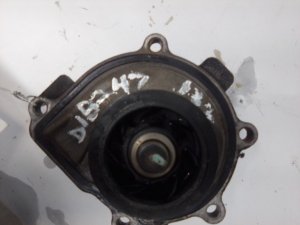
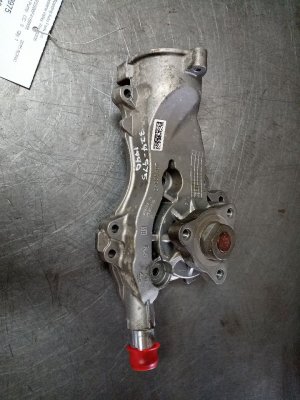

New Aftermarket Parts Available
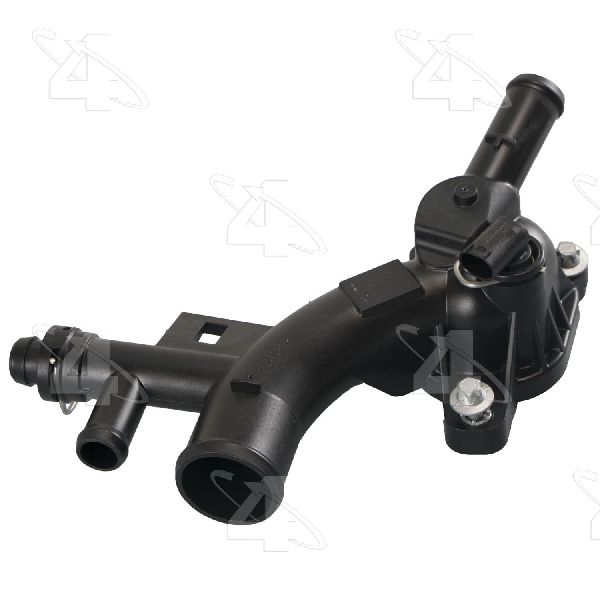
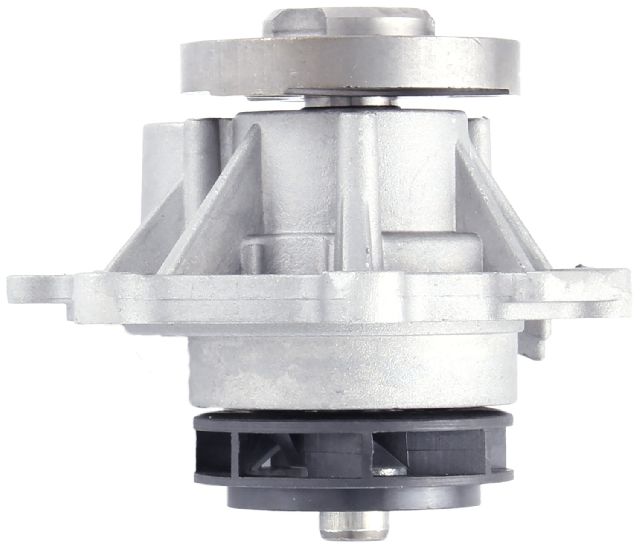


The information in this article is provided for general reference and educational purposes only. Vehicle specifications, procedures, and part compatibility can vary by production date, trim level, and region. Always consult your vehicle's factory service manual and verify part numbers before purchasing or performing repairs. Safety-critical components such as airbags, seat belts, and braking systems should be installed by a qualified professional.
- Chevrolet Cruze:
- 🎬 Helpful Videos
- 🛍️ Shop This Part
- What's Unique About the 2011-2016 Chevrolet Cruze
- Symptoms You May Notice
- Most Likely Causes
- Rare But Worth Checking
- Diagnosis Steps
- Parts You'll Likely Need
- Related Codes That Often Appear With This One
- Technical Service Bulletins (TSBs) & Recalls
- Platform-Specific Known Issues
- Mechanic-Grade Diagnostic Values
- Scan Tool Commands That Help
- Wiring & Ground Locations
- Real Owner Repair Stories
- "I Checked Everything" — The Actual Cause
- OEM Part Supersession History
- Model Year Variations Within This Range
- Diagnostic Flowchart
- Other Known Issues on This Vehicle
- Used vs. New Parts: Buying Guide for This Vehicle
- Real Owner Stories
- 2012 Chevrolet Cruze 1.4L Turbo
- 2014 Chevrolet Cruze 1.4L Turbo — ~145000 miles
- Related OBD-II Codes
- Frequently Asked Questions
- 🎟️ Get 5% Off