

P0204 on 2007-2013 Chevrolet Silverado 1500: Injector Circuit Fixes
This code means there's an electrical problem with the fuel injector circuit for cylinder #4. The most common fix is replacing the faulty fuel injector itself. A less common but possible cause is a damaged wire or a bad connection at the injector, particularly where the harness can rub near the transmission bell housing.
- P0204 points to an electrical issue with the cylinder 4 injector circuit, not a spark or compression problem.
- The most likely culprit is a failed fuel injector. A simple resistance test or swapping the injector to another cylinder can confirm this.
- Before buying parts, always check the wiring and connector at the injector for obvious damage, and inspect the harness at the back of the engine near the bell housing for chafing.
- Cylinder #4 is the second cylinder from the front on the passenger side of the engine.
- Driving with this code can lead to catalytic converter damage, so it's best to address it promptly.
What's Unique About the 2007-2013 Chevrolet Silverado 1500
For the GMT900 generation of Silverado (2007-2013), the V8 engines are known for their reliability, but electrical issues can still occur. While newer GM trucks are notorious for wiring harness chafing issues covered by multiple TSBs, on this specific platform, the P0204 code most often points directly to a failed injector due to age or internal coil failure. However, a known issue on these and similar GM trucks is the wiring harness getting pinched or rubbing through against the transmission bell housing at the back of the engine, which can cause an intermittent open or short. The key to diagnosis on this truck is identifying the correct cylinder—cylinder #4 is the second one back on the passenger side.
Generation note: The 2007-2013 year range covers the second generation (GMT900) of the Chevrolet Silverado. The 2007 model year is a bit unique as Chevrolet also sold the first-generation 'Classic' (GMT800) body style alongside the new GMT900. This guide is specific to the GMT900 trucks, which is the predominant platform for these years.
Symptoms You May Notice
- Check Engine Light is on
- Rough or shaking idle
- Engine misfire or stumble, sometimes felt as a shudder
- Hesitation or lack of power during acceleration
- Reduced fuel economy
- Noticeable smell of unburnt fuel from the exhaust
- Illumination of "Service ESC" or traction control disabled warnings, as noted in NHTSA ODI #11633257
- Replacing the spark plug or ignition coil for cylinder 4. While these parts can cause a misfire code (P0304), they do not cause an injector circuit code like P0204. A circuit code points specifically to an electrical fault in the fuel injector's control circuit.
Most Likely Causes
- Faulty Cylinder 4 Fuel Injector 🔴 High Probability After many years and miles, the internal coil windings of the injector can fail, creating an open or short circuit. This is the most common point of failure for this code on the GMT900 platform.
How to confirm: Check the injector's resistance with a multimeter; it should be between 11-14 ohms (specifically around 12.5 ohms for the common Flex Fuel injectors). An infinite reading means it's open, and a very low reading means it's shorted. The most definitive test is to swap the #4 injector with another one (e.g., #2). Clear the codes. If the code changes to P0202, the injector is faulty.
Typical fix: Replace the faulty fuel injector. Manufacturer Bulletin #22-NA-087 confirms that replacing the fuel injector and the wiring harness is the standard procedure to correct a Malfunction Indicator Lamp (MIL) illuminated with DTC P0204.
Est. part cost: $40-$90 - Damaged Wiring or Loose Connector 🟡 Medium Probability Engine vibration and heat can cause wires to break or the pins in the connector to lose tension over time. A specific weak point is the harness that runs to the injectors at the back of the engine, where it can be pinched or rub against the transmission bell housing or firewall.
How to confirm: Visually inspect the wiring harness and connector for cylinder #4 for any signs of damage, melting, or corrosion. Manufacturer Bulletin #PIT5751C specifically instructs technicians to inspect the engine wiring harness for damage when P0204 is set. Wiggling the connector and the harness (especially at the rear of the engine) while the engine is running may reveal an intermittent connection, causing the misfire to appear or disappear.
Typical fix: Repair the damaged section of wire or replace the injector connector pigtail. If chafing is found at the bell housing, repair the wires and re-route or protect the harness with loom.
Est. part cost: $15-$30 - Failed ECM Injector Driver ⚪ Low Probability
How to confirm: This is diagnosed by exclusion. If the injector, wiring, and connector have all been tested and confirmed to be good (using a noid light, multimeter, and injector swap), the fault may lie within the ECM. This is a rare failure.
Typical fix: Replace and reprogram the Engine Control Module (ECM).
Est. part cost: $200-$500
Diagnosis Steps
- Verify code P0204 is present using an OBD-II scanner and check for any other codes, especially P0304 or P0300.
- Locate cylinder #4. On these GM V8 engines, the cylinders are numbered 1-3-5-7 on the driver's side (front to back) and 2-4-6-8 on the passenger's side (front to back). Cylinder #4 is the second one from the front on the passenger side.
- Visually inspect the wiring harness and electrical connector for the cylinder 4 fuel injector. Look for any obvious damage, corrosion, or loose connections. Pay close attention to the plastic locking tab on the connector.
- Perform a 'wiggle test' by gently moving the connector and harness section near the injector with the engine running to see if it causes a change in the idle.
- Disconnect the injector and plug in a 'noid light'. Crank or start the engine. The light should flash steadily, indicating the ECM is sending a pulse signal. If it doesn't flash, the problem is in the wiring or ECM. If it does flash, the problem is likely the injector itself.
- If the noid light flashes, test the fuel injector. Disconnect the battery, unplug the injector, and measure its resistance with a multimeter set to ohms. A reading between 11-14 ohms is typical for the OEM injectors on this platform. An infinite reading (OL) means it's open, and a very low reading (near zero) means it's shorted.
- As a final confirmation, swap the cylinder #4 fuel injector with the injector from another cylinder (e.g., cylinder #2, the front cylinder on the passenger side). Clear the codes, run the engine, and see which code returns. If the trouble code changes to P0202, you have confirmed the fuel injector is the faulty part.
- If the code remains P0204 after swapping injectors, the fault is in the wiring harness or the ECM. At this point, a detailed inspection of the harness is required, especially at the rear of the engine near the bell housing where chafing is known to occur.
Parts You'll Likely Need
- Fuel Injector
(OEM #12613412)— This is the most common failure point for a P0204 code on this vehicle, typically due to internal electrical failure from age. This part number is for the common Flex Fuel (E85 compatible) engines.
Trusted brands: ACDelco (OEM), Delphi, Bosch
OEM price range: $60-$90
Aftermarket price range: $30-$50 - Fuel Injector Connector Pigtail
(OEM #ACDelco PT2160)— If the wiring or connector at the injector is found to be damaged, corroded, or the locking tab is broken, replacing the pigtail is the standard repair.
Trusted brands: ACDelco, Dorman
OEM price range: $20-$35
Aftermarket price range: $10-$20
Related Codes That Often Appear With This One
- P0304 — P0304 means 'Cylinder 4 Misfire Detected.' Since P0204 causes a fuel delivery problem to cylinder 4, a misfire is a direct and expected consequence.
- P0300 — This code for 'Random/Multiple Cylinder Misfire' can appear if the P0204 fault is intermittent or if the resulting engine imbalance causes other cylinders to misfire sympathetically. It is often seen when the wiring harness is chafing intermittently.
Platform-Specific Known Issues
- source — A user on the TahoeYukonForum with a 2015 model (similar L83 engine and wiring layout) experienced intermittent P0204 and P0300 codes that would temporarily clear after restarting the engine. After replacing the injector twice with no success, the issue was finally traced to the injector wiring harness being pinched and chafed against the transmission bell housing at the rear of the engine. Repairing the exposed wires resolved the issue permanently.
Technical Service Bulletins (TSBs) & Recalls
- Bulletin #22-NA-087 — This bulletin addresses customer concerns regarding the Malfunction Indicator Lamp (MIL) being illuminated with DTC P0204. It recommends replacing both the fuel injector and the wiring harness to ensure a complete repair.
- Bulletin #PIT5751C — This preliminary information bulletin communicates an issue with the SES MIL setting DTC P0204 and instructs dealership technicians to specifically inspect the engine wiring harness for damage.
Mechanic-Grade Diagnostic Values
- Fuel Injector Resistance — expected: 11.7-13.5 ohms. Failure: A reading of infinite ohms (Open Loop) or near-zero ohms (short circuit). A reading significantly outside the expected range indicates a failing internal coil.
- Injector Connector Voltage (Key On, Engine Off) — expected: ~12V (Battery Voltage). Failure: No voltage or very low voltage on the power supply wire (typically pink) indicates a break in the power feed from the fuse block.
- Injector Pulse Width (Scan Tool Live Data at Idle) — expected: Approximately 2-4 milliseconds (ms). Failure: A value of 0 ms for cylinder 4 while other cylinders show normal readings indicates the ECM is not commanding the injector due to a detected circuit fault.
Scan Tool Commands That Help
- GDS2 (GM Dealer Tool) or high-end aftermarket scanner: Fuel Injector Balance Test / Cylinder Power Balance — This bidirectional test allows the technician to disable one cylinder at a time. If disabling cylinder #4 causes no change in engine idle quality, it confirms that cylinder was not contributing power, pointing to a fault in that cylinder's fuel or ignition system.
- GDS2 (GM Dealer Tool) or high-end aftermarket scanner: Injector Test (Output Control) — With the engine off, this function commands a single injector to click repeatedly. By listening for an audible click from the #4 injector, a technician can quickly verify that the ECM driver, wiring, and injector solenoid are electrically functional. No click points to a hard electrical failure.
Wiring & Ground Locations
- Injector Power Feed (Pink Wire) — At the fuel injector connector for each of the 8 injectors.. On many GM V8s of this era, a single pink wire provides 12V power to all injectors on a bank. While a P0204 is specific to cylinder 4, if this power wire is compromised upstream, it could affect multiple cylinders. Verifying 12V on this wire at the #4 injector connector is a key first step.
- Injector Control Wire (ECM to Injector) — Runs from a specific pin on the ECM connector to the non-pink wire on the #4 fuel injector connector.. This is the ground-side control wire that the ECM pulses to fire the injector. An open (break) or short to ground in this specific wire is a primary cause of P0204. Testing continuity from the ECM pin to the injector connector pin is the definitive test for the wiring itself.
- Harness Chafing Point — Rear of the engine, where the main engine harness passes near the transmission bell housing and firewall.. This is a known weak spot where engine movement and vibration can cause the harness loom to rub through, exposing and damaging wires inside, including the injector control wires. An intermittent P0204 that changes with engine movement often points to a problem in this area.
Real Owner Repair Stories
- tahoeyukonforum.com user (2015 Model with similar engine/wiring (L83)) — Intermittent P0204 and P0300, engine shake/skip that would clear after restarting.
❌ Tried (didn't work) Replacing the fuel injector (twice)
✅ What actually fixed it The injector wiring harness was found to be pinched and chafed against the transmission bell housing at the rear of the engine. Repairing the exposed wires resolved the issue permanently. - NHTSA ODI #11633257 — An owner reported the check engine light came on with "Service ESC" and traction control disabled. Diagnostics revealed P0300, P0304, and P0204 relating to cylinder 4 misfire and injector issues.
OEM Part Supersession History
12613412→12738849— Standard part lifecycle update by the manufacturer.
Heads up: No known incompatibilities; the new part number is the official service replacement for the original.
Model Year Variations Within This Range
- 2007-2013: The primary variation was the increasing prevalence of Flex Fuel (E85) compatible engines, which use specific injectors like the 12613412. Non-Flex Fuel engines may use a different injector. It is critical to verify the vehicle's RPO code or VIN to ensure the correct injector is ordered.
- 2007: As noted in Pass 2, 2007 was a transition year. This guide applies to the 'new' GMT900 body style. A 2007 'Silverado Classic' is a GMT800 truck and while the engine architecture is similar, some wiring and component locations may differ.
Diagnostic Flowchart
Other Known Issues on This Vehicle
Issues unrelated to this code that are worth knowing about as an owner of this generation:
- Active Fuel Management (AFM) Lifter Failure 🔴 High — Common, especially on vehicles over 80,000 miles. Affects cylinders 1, 4, 6, and 7. Can lead to camshaft damage if not addressed. (Ref: Multiple TSBs exist, but no universal recall. Repair often involves replacing all lifters, and sometimes the camshaft.)
- Excessive Oil Consumption 🟠 Medium — Widespread issue, particularly on 5.3L engines. Often related to the AFM system and piston ring design. GM considers consumption of 1 quart per 2,000 miles to be 'acceptable' under TSB 01-06-01-011M. (Ref: Several TSBs (e.g., 19-NA-036, PIP5382J) address diagnosis and potential piston/ring replacement.)
- Cracked Dashboard 🟡 Low — Extremely common across the entire GMT900 lineup. Cracks typically form near the passenger airbag and around the instrument cluster surround, regardless of sun exposure or mileage. (Ref: No recall was ever issued. A class-action lawsuit was filed, but it only covered 2009-2014 models, leaving earlier years out.)
- Rear Wheel Well / Cab Corner Rust 🟠 Medium — Very common, especially in the rust belt. The design of the rear fender allows moisture and debris to become trapped, causing rust from the inside out. (Ref: null)
Used vs. New Parts: Buying Guide for This Vehicle
When a used part is the smart pick: For this repair, buying a used fuel injector is generally not recommended due to the risk of receiving a part with similar age and wear as the one that failed. However, sourcing a used engine wiring harness from a low-mileage donor vehicle can be a cost-effective solution if a widespread harness issue is diagnosed, as a new harness is extremely expensive.
Donor-vehicle mileage cap: roughly under 80000 miles for the part to have meaningful remaining life.
What to inspect on the donor part:
- For a wiring harness, inspect for any signs of previous repair (splices, electrical tape).
- Check for brittleness or cracking in the plastic loom and connectors.
- Ensure there is no visible rodent damage or chewing.
- Verify the donor vehicle was not in a front-end collision that could have stressed the harness.
OEM-only on this vehicle (don't cheap out):
- Engine Control Module (ECM) - Used ECMs often require expensive dealer-level programming to work with the vehicle's security system, negating any initial cost savings.
Aftermarket brands forum-validated for this vehicle:
- ACDelco (OEM)
- Delphi
- Bosch
Brands owners have reported issues with on this vehicle:
- No-name, unbranded injectors sold on marketplaces are a significant risk. They often have inconsistent flow rates and high failure rates, even if they are advertised as direct replacements.
Real Owner Stories
Aggregated from forums and TSBs cited above. Mileages and costs reflect what owners reported in those sources.
2015 Chevrolet Tahoe (L83 Engine)
Symptoms: Intermittent P0204 and P0300 codes that would temporarily clear after restarting the engine.
What fixed it: The issue was traced to the injector wiring harness being pinched and chafed against the transmission bell housing at the rear of the engine. Repairing the exposed wires resolved it.
Source hint: tahoeyukonforum.com thread titled 'injector p0204 and misfire p0300 help needed 2015'
2007-2013 Chevrolet Silverado 1500 V8
Symptoms: P0204 and P0300 codes affecting the entire passenger bank (cylinders 2, 4, 6, and 8).
What fixed it: The cause was identified as a bad ground or power supply wire for that specific bank of ignition coils.
Source hint: tahoeyukonforum.com citation regarding passenger bank (2,4,6,8) faults
GMC Sierra / Chevrolet Silverado V8
Symptoms: P0204 code appearing intermittently in the morning.
What fixed it: The fault was attributed to a loose connector or a chafing wire in the harness rather than a failed injector.
Source hint: DuramaxDiesels.com forum citation regarding intermittent morning electrical faults
Silverado Owner Report (NHTSA ODI #11633257)
Symptoms: An owner reported the check engine light came on along with "Service ESC" and traction control being disabled. Diagnostics found P0300, P0304, and P0204 codes.
What fixed it: The report notes these codes related to cylinder 4 misfire and injector issues on a vehicle with just over 47,000 miles.
Related OBD-II Codes
Frequently Asked Questions
Where is the cylinder #4 fuel injector located on my Silverado's V8 engine?
I have a P0204 and a P0300 code; could this be related to the Active Fuel Management (AFM) system?
What is the correct resistance for a replacement Flex Fuel injector on my 2007-2013 Silverado?
Is there a specific wiring harness location I should check for my P0204 code?
Does GM have a policy on the oil consumption I'm noticing along with my engine codes?
Helpful Videos
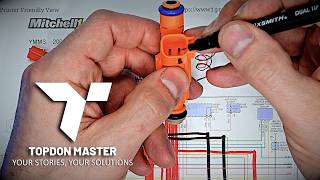
Used OEM Parts in Stock
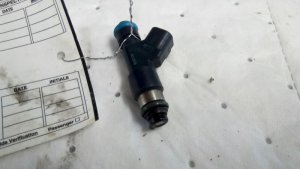
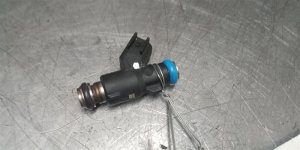

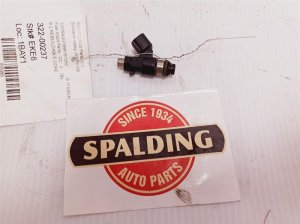


New Aftermarket Parts Available


The information in this article is provided for general reference and educational purposes only. Vehicle specifications, procedures, and part compatibility can vary by production date, trim level, and region. Always consult your vehicle's factory service manual and verify part numbers before purchasing or performing repairs. Safety-critical components such as airbags, seat belts, and braking systems should be installed by a qualified professional.
- Chevrolet Silverado 1500:
- 🎬 Helpful Videos
- 🛍️ Shop This Part
- What's Unique About the 2007-2013 Chevrolet Silverado 1500
- Symptoms You May Notice
- Most Likely Causes
- Diagnosis Steps
- Parts You'll Likely Need
- Related Codes That Often Appear With This One
- Platform-Specific Known Issues
- Technical Service Bulletins (TSBs) & Recalls
- Mechanic-Grade Diagnostic Values
- Scan Tool Commands That Help
- Wiring & Ground Locations
- Real Owner Repair Stories
- OEM Part Supersession History
- Model Year Variations Within This Range
- Diagnostic Flowchart
- Other Known Issues on This Vehicle
- Used vs. New Parts: Buying Guide for This Vehicle
- Real Owner Stories
- 2015 Chevrolet Tahoe (L83 Engine)
- 2007-2013 Chevrolet Silverado 1500 V8
- GMC Sierra / Chevrolet Silverado V8
- Silverado Owner Report (NHTSA ODI #11633257)
- Related OBD-II Codes
- Frequently Asked Questions
- 🎟️ Get 5% Off