

P0201 on 2011-2020 Kia Optima: Injector Circuit Malfunction Causes and Fixes
On a 2011-2020 Kia Optima, code P0201 almost always means the cylinder 1 fuel injector has failed or its wiring is damaged. A replacement GDI injector costs between $60 and $150, and diagnosis involves checking the wiring before replacing the part. Rodent damage to the soy-based wire insulation is also a known, albeit less common, cause.
- P0201 is an electrical fault for the cylinder 1 injector; do not confuse it with a spark or compression issue.
- The most effective diagnostic step is to swap the cylinder 1 injector with an adjacent one to see if the fault code follows the injector.
- Because these are GDI engines, replacing an injector requires removing the intake manifold and replacing single-use Teflon seals.
- Always check for wiring damage between the PCM and the injector before spending money on a new injector.
- Be aware of the significant engine recalls (SC147) for 2011-2014 models, as other engine issues can be present.
What's Unique About the 2011-2020 Kia Optima
The 2.4L and 2.0L GDI (Gasoline Direct Injection) engines in these Kia Optimas have a high-pressure fuel system. Unlike older port injection systems, the injectors are located directly in the cylinder head and are exposed to more intense heat and pressure, which can contribute to a higher failure rate from internal coil failure or carbon buildup. While there are no specific recalls for P0201, many of these vehicles were part of the massive Theta II engine recall (SC147) for premature bearing wear, making any engine-related code a cause for careful inspection. Additionally, some Kia vehicles use soy-based wire insulation, which has been reported by owners to attract rodents, potentially leading to chewed wires and circuit faults like P0201.
Generation note: This range covers two Optima generations: the 3rd Gen (TF, 2011-2015) and the 4th Gen (JF, 2016-2020). While the causes for P0201 are the same, the fuel injector part numbers differ between these generations and engine sizes. The 3rd generation, in particular, is widely cited for engine reliability issues.
Symptoms You May Notice
- Check Engine Light is on
- Rough, shaking, or vibrating idle
- Engine misfire
- Poor or hesitant acceleration
- Reduced fuel economy
- Engine may stall
- Hard starting
- Replacing the spark plug or ignition coil on cylinder 1 without first diagnosing the fuel injector circuit. A P0201 code is specifically an electrical circuit fault, not a general misfire code like P0301 (though P0201 will cause a P0301).
Most Likely Causes
- Failed Cylinder 1 Fuel Injector 🔴 High Probability The GDI injectors operate under high pressure and are exposed to intense cylinder temperatures, which can lead to internal coil failure or clogging over time. The internal solenoid coil can burn out, creating an open circuit that the PCM detects.
How to confirm: Check the injector's resistance with a multimeter (typically 11-15 ohms). An 'OL' or infinite resistance reading indicates an open coil. The most definitive test is to swap the cylinder 1 injector with another cylinder (e.g., cylinder 2). If the code changes to P0202, the injector is faulty.
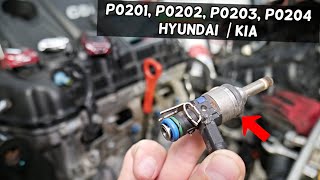
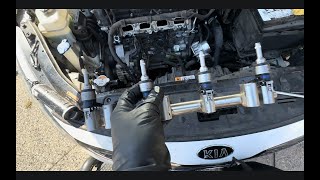
Typical fix: Replace the failed fuel injector and its single-use seals. Since these are GDI injectors, it's critical to replace the Teflon seal at the tip and the upper O-ring to prevent high-pressure fuel leaks. 🎬 See this walkthrough on how to change the injectors.
Est. part cost: $60-$150 - Wiring Harness or Connector Issue 🟡 Medium Probability The engine wiring harness can become brittle from heat cycles. The injector connector itself is a common failure point; the locking clip can break or not be fully seated, causing a loose connection. Corrosion can also form on the connector pins, interrupting the signal.
How to confirm: Visually inspect the wiring going to the cylinder 1 injector for any breaks, melting, or chafing. Wiggle the connector while the engine is running to see if it affects the misfire. Check for power (12V) at the connector with the key on. Use a 'noid light' to verify the PCM is sending a pulse signal to the injector. If it doesn't flash, the problem is in the wiring or PCM.
Typical fix: Repair the broken wire or replace the damaged connector pigtail. Pigtail kits like Standard Motor Products S2860 or Carquest PT2318 are available. Ensure the locking clip on the new connector is fully seated. In one documented case, a missing or improperly installed metal retaining clip on the connector was the sole cause of the fault.
Est. part cost: $10-$30 - Faulty Powertrain Control Module (PCM) ⚪ Low Probability Not a common issue, but the internal driver circuit in the PCM that controls the injector can fail, which would stop the pulsing ground signal.
How to confirm: This is a diagnosis of exclusion. If the injector and wiring have been proven to be good (via swapping injectors and testing the harness continuity back to the PCM), the PCM is the likely culprit. This should be confirmed by a professional with advanced diagnostic tools.
Typical fix: The PCM must be repaired or replaced and will require programming to the vehicle's VIN and security system.
Est. part cost: $200-$800
Rare But Worth Checking
- Rodent Damage to Wiring:
Diagnosis Steps
- Read the codes with an OBD-II scanner to confirm P0201 and note any other codes, like P0301.
- Locate fuel injector #1, which is on the cylinder closest to the front of the engine (belt side).
- Visually inspect the electrical connector and wiring harness for any obvious signs of damage, corrosion, loose connections, or rodent damage. Pay close attention to the connector's locking tab and retaining clip.
- Disconnect the connector and use a multimeter to check for 12-volt power at one of the pins with the ignition on.
- Use a 'noid light' plugged into the injector connector to verify the PCM is sending a pulsing ground signal while cranking the engine. If the light flashes, the wiring and PCM driver are likely okay, pointing towards the injector itself.
- If the noid light does not flash, check for continuity on the ground (control) wire between the injector connector and the PCM connector. Also check for a short to ground or power on this wire.
- If the wiring and signal are good, test the fuel injector itself. Measure the resistance across the two pins of the injector. Compare it to the manufacturer's specification (typically 11-15 ohms). An open circuit (infinite resistance) or very low resistance indicates a failed injector.
- For a definitive test, swap the cylinder 1 fuel injector with the cylinder 2 injector. Clear the codes and run the engine. If the code returns as P0202, the injector is confirmed to be the faulty part. If P0201 returns, the problem is in the wiring or PCM.
Parts You'll Likely Need
- GDI Fuel Injector
(OEM #35310-2G710 (2011-2015 2.4L), 35310-2GGA1 (2016-2020 2.4L), 35310-2G720 (2011-2015 2.0L Turbo))— This is the most common failure point for a P0201 code due to internal electrical failure of the injector's solenoid coil.
Trusted brands: Bosch, Standard Motor Products, Genuine Kia/Hyundai
OEM price range: $120-$180
Aftermarket price range: $60-$110 - Fuel Injector Seal Kit — GDI injectors use Teflon seals and O-rings that are single-use and must be replaced whenever an injector is removed or replaced to prevent high-pressure fuel leaks.
Trusted brands: Mahle, Elring, Genuine Kia/Hyundai
OEM price range: $15-$25
Aftermarket price range: $10-$20 - Fuel Injector Connector Pigtail
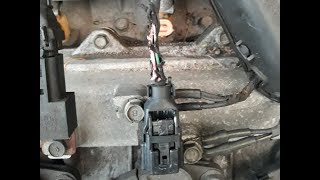
(OEM #35341-2B100 (Verify by VIN))— If the connector housing, locking clip, or terminals are damaged, replacing the pigtail is the standard repair. 🎬 Watch: How to properly replace a damaged injector connector. This avoids replacing the entire engine harness.
Trusted brands: Standard Motor Products (S2860), Carquest (PT2318), Wells
OEM price range: $20-$40
Aftermarket price range: $10-$25
Related Codes That Often Appear With This One
- P0301 — P0301 means 'Cylinder 1 Misfire Detected'. Since P0201 indicates the cylinder 1 injector isn't working due to an electrical fault, that cylinder cannot fire correctly, which directly causes a misfire.
- P0200 — P0200 means 'Injector Circuit/Open'. This is a more general code that may appear alongside P0201 if the PCM detects a fault in the injector circuit but cannot isolate it to a single cylinder, or if there's a problem with the power or ground feed common to all injectors.
Technical Service Bulletins (TSBs) & Recalls
- PI1802: This Product Improvement Campaign relates
Platform-Specific Known Issues
- The Theta II GDI engines in 2011-2014 models were subject to Safety Recall SC147 due to potential engine bearing failure. While not a direct cause of P0201, any drivability issue on these engines warrants careful inspection.
- A software update campaign (PI1802) was issued for many of these models to install a Knock Sensor Detection System (KSDS) to help detect early signs of engine failure related to the bearing issue.
- Some owners have reported issues with rodents chewing on the soy-based wiring insulation used in the engine bay, leading to various electrical problems, including injector circuit faults.
Mechanic-Grade Diagnostic Values
- Injector Circuit Voltage Spike (Oscilloscope) — expected: Approx. 50-60 volts. Failure: If the PCM does not see this voltage spike when the injector's ground is released, it can trigger code P0201.
- Injector Resistance — expected: 12.0 Ohms to 14.5 Ohms (typical for GDI). Failure: A reading of 'OL' (Open Loop/infinite resistance) or a reading near zero indicates a failed injector coil.
Scan Tool Commands That Help
- Kia GDS (or advanced aftermarket like Autel): Injector Actuator Test / Bidirectional Control — To manually command the cylinder 1 injector to switch on and off while the engine is running. A lack of change in engine RPM or smoothness when the injector is deactivated confirms it was not contributing, pointing to a problem with that cylinder's fuel delivery or circuit.
Wiring & Ground Locations
- Interior Ground Bolt — On the side of the interior fuse panel (driver's side kick panel area), there is often a main grounding bolt with multiple ground wires attached.. While not the primary engine ground, a poor interior ground can cause a wide range of bizarre electrical issues, including problems with the PCM which controls the injectors. Verifying all major grounds are clean and tight is a crucial step in diagnosing elusive electrical faults.
OEM Part Supersession History
35310-2G710→N/A - This part number is specific to the 2011-2015 generation.— Part for TF (3rd Gen) Optima models.
Heads up: This injector is for the 3rd Generation (TF) Optima (2011-2015) and is not compatible with the 4th Generation (JF) models.35310-2GGA1→N/A - This part number is specific to the 2016-2020 generation.— Part for JF (4th Gen) Optima models.
Heads up: This injector is for the 4th Generation (JF) Optima (2016-2020) and is not compatible with the 3rd Generation (TF) models.
Model Year Variations Within This Range
- 2011-2015 (TF Generation): Uses GDI fuel injector part number 35310-2G710 for the 2.4L and 2.0L engines.
- 2016-2020 (JF Generation): Uses GDI fuel injector part number 35310-2GGA1 for the 2.4L engine.
Diagnostic Flowchart
Used vs. New Parts: Buying Guide for This Vehicle
When a used part is the smart pick: A used wiring harness connector pigtail from a junkyard is a perfectly viable and cost-effective repair if the original is damaged. Professionally remanufactured OEM injectors that have been ultrasonically cleaned, flow-matched, and come with a warranty are a good alternative to expensive new OEM parts.
Donor-vehicle mileage cap: roughly under 120000 miles for the part to have meaningful remaining life.
What to inspect on the donor part:
- For a wiring pigtail, ensure the plastic isn't brittle and the locking clip is intact.
- For remanufactured injectors, buy from a reputable seller that provides flow-testing results and includes new seals.
- Avoid buying un-tested, as-is used GDI injectors, as they are prone to carbon clogging and seal failure.
OEM-only on this vehicle (don't cheap out):
- Powertrain Control Module (PCM) - A used PCM is very difficult to use as it requires special procedures to 'neutralize' it from the donor vehicle's VIN and reprogram it to the new vehicle. It's best to use a new OEM part or a specialized service that provides a plug-and-play programmed unit.
Aftermarket brands forum-validated for this vehicle:
- Standard Motor Products (SMP) for electrical connectors and sensors.
- Bosch, Denso, Delphi for fuel system components.
Brands owners have reported issues with on this vehicle:
- Unbranded, low-cost injector sets from online marketplaces. While tempting, they often have inconsistent flow rates and poor longevity, potentially causing more issues.
Real Owner Stories
Aggregated from forums and TSBs cited above. Mileages and costs reflect what owners reported in those sources.
2017 Kia Optima Hybrid
Symptoms: A user reported needing a full harness replacement due to rodent damage.
What fixed it: The entire wiring harness had to be replaced to fix the electrical faults caused by the damage.
Source hint: Car Talk Community - "Rodent damage - 2017 Kia Optima Hybrid"
2018 Kia Optima 2.4L
Symptoms: Rodents had chewed through the engine wiring harness, likely causing a check engine light and misfires.
What fixed it: The chewed section of the wiring harness had to be repaired.
Cost: $1000-$1000
Source hint: reddit.com/r/kia - "Rodents chewed through wiring"
2016 Kia Optima 2.0L
Symptoms: The check engine light was on for an injector circuit malfunction code.
What fixed it: The issue was a loose electrical connector at the fuel injector. The metal retaining clip was not properly secured, causing an intermittent connection.
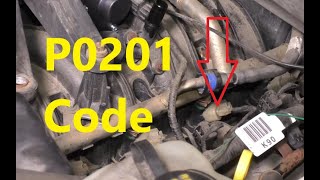
Source hint: YouTube - "How to Fix P0201 P0202 P0203 P0204 Injector Circuit Malfunction | Engine Light Code"
Related OBD-II Codes
Frequently Asked Questions
My 2013 Optima has a P0201 code. Are there any major engine recalls I should be aware of?
What is the KSDS update or PI1802 campaign, and does it relate to the P0201 code?
I found chewed wires near my fuel injector. Is this a common problem on the Kia Optima?
What is the most definitive way to confirm a bad fuel injector on my Optima without special tools?
My injector connector is broken. Does the article suggest a specific replacement part?
I have a 2015 Hyundai Sonata with a P0201 code. Is this article relevant to my car?
What is the expected resistance for a good fuel injector on this engine?
Helpful Videos
Used OEM Parts in Stock


New Aftermarket Parts Available


The information in this article is provided for general reference and educational purposes only. Vehicle specifications, procedures, and part compatibility can vary by production date, trim level, and region. Always consult your vehicle's factory service manual and verify part numbers before purchasing or performing repairs. Safety-critical components such as airbags, seat belts, and braking systems should be installed by a qualified professional.
- Kia Optima:
- 🎬 Helpful Videos
- 🛍️ Shop This Part
- What's Unique About the 2011-2020 Kia Optima
- Symptoms You May Notice
- Most Likely Causes
- Rare But Worth Checking
- Diagnosis Steps
- Parts You'll Likely Need
- Related Codes That Often Appear With This One
- Technical Service Bulletins (TSBs) & Recalls
- Platform-Specific Known Issues
- Mechanic-Grade Diagnostic Values
- Scan Tool Commands That Help
- Wiring & Ground Locations
- OEM Part Supersession History
- Model Year Variations Within This Range
- Diagnostic Flowchart
- Used vs. New Parts: Buying Guide for This Vehicle
- Real Owner Stories
- 2017 Kia Optima Hybrid
- 2018 Kia Optima 2.4L
- 2016 Kia Optima 2.0L
- Related OBD-II Codes
- Frequently Asked Questions
- 🎟️ Get 5% Off