

P0196 on 2016-2019 Volkswagen Jetta: Engine Oil Temperature Sensor Fixes
On a 2016-2019 VW Jetta, code P0196 usually points to a faulty engine oil level/temperature sensor located in the oil pan. Expect to pay $40-$100 for an aftermarket sensor and plan on an oil change at the same time. Before replacing, check the wiring connector for damage and ensure no related fuses are blown.
- P0196 on a 2016-2019 Jetta points to a problem with the engine oil temperature sensor circuit.
- The most common fix is replacing the oil level/temperature sensor located on the bottom of the oil pan.
- This repair requires a full oil and filter change.
- Before replacing parts, always inspect the sensor's electrical connector for damage or looseness, as this is a frequent and simple fix.
- For 2019 models, check for TSB 01-21-01, as an ECM software update may be the required solution.
What's Unique About the 2016-2019 Volkswagen JETTA

For this generation of Volkswagen Jetta, the engine oil temperature sensor is integrated into the oil level sensor, which is mounted at the bottom of the oil pan. This means replacing the sensor requires draining the engine oil. This combined sensor (VW internal designation G266) is a common failure point across many VW and Audi models. The issue is common enough that manufacturer Technical Service Bulletins (TSBs) for 2016-2017 Jettas link P0196 with a yellow oil warning light, confirming its connection to the oil monitoring system. [Bulletin #VIN-4-A-PIN-2018] Furthermore, a software update TSB (01-21-01) was issued for some 2019 models to address spurious P0196 faults, among others.
Diagnostic Flowchart
Tap your situation to follow the diagnostic path that matches what you're seeing on this vehicle.
Generation note: This range covers the end of the A6 (Mark 6, 2016-2018) and the start of the A7 (Mark 7, 2019) generations. While the engines differ (e.g., 1.4T EA211, 1.8T/2.0T EA888), the P0196 code consistently relates to the combined oil level/temperature sensor located in the oil pan across these powerplants. A TSB specifically mentions a software update for 2019 models that can resolve this code, indicating it affects the A7 generation as well.
Symptoms You May Notice

- Check Engine Light is on
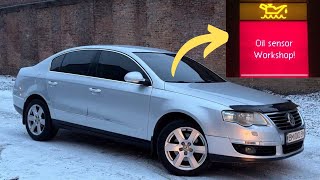
- Yellow oil warning light may illuminate on the dashboard, sometimes with a message like "Oil Sensor: Workshop!". 🎬 See what the 'Oil Sensor Workshop' warning looks like on your dash.
- Incorrect or no oil temperature reading on the instrument cluster (if equipped)
- Engine may run rough, hesitate, or have trouble starting, especially when cold.
- Potentially reduced fuel economy.
- In some cases, the engine may enter a reduced power "limp mode".
- Replacing the coolant temperature sensor instead of the oil temperature sensor.
- Assuming the engine is actually overheating without verifying with a scan tool or checking other cooling system components.
- Immediately replacing the sensor without first inspecting the wiring connector for looseness or damage, which is a common and cheaper fix.
Most Likely Causes

- Faulty Engine Oil Level / Temperature Sensor 🔴 High Probability The sensor is located at the bottom of the engine, exposed to heat cycles and potential road debris. Internal failure of the thermistor or the level-sensing components is a very common wear item on VW/Audi vehicles. An internal short can sometimes cause the connector to melt.
How to confirm: After draining the oil, the sensor is accessible at the bottom of the oil pan. It is held in by three 10mm fasteners. Visually inspect the sensor and connector for damage. Testing resistance is difficult as it requires significant, controlled heat and service manuals often don't provide a clear testing procedure. Replacement is the most common confirmation. A new sensor from a reputable brand like Hella is recommended over budget options.
Typical fix: Replace the oil level/temperature sensor and its gasket. This requires a full oil change. Torque for the fasteners is low, around 8 ft-lbs, as the oil pan and sensor housing are plastic and can crack easily.
Est. part cost: $40-$150 - Damaged Wiring or Connector 🟡 Medium Probability The wiring to the oil pan can be damaged by road debris or become brittle from heat. A common failure point is the connector's locking tab breaking, causing it to back off the sensor and create a poor connection.
How to confirm: Visually inspect the wiring harness leading to the sensor for any signs of fraying, melting, or breaks. Check the connector for corrosion, melted plastic, or bent pins. A user on a Ross-Tech forum fixed their P0196/P0198 codes by finding the connector was halfway off; pushing it back on and securing it solved the issue. Use a multimeter to check for continuity and proper voltage at the connector. You should have ground, battery voltage (12V), and a signal wire.
Typical fix: Repair the damaged section of wiring or replace the connector pigtail. If the locking tab is broken, secure the connector with a zip tie or safety wire as a temporary fix.
Est. part cost: $15-$50 - Low, Old, or Incorrect Engine Oil ⚪ Low Probability Not specific to this vehicle, but a universal cause. If the oil level is too low or the oil is severely degraded or contaminated, it can cause temperature fluctuations that the sensor may interpret as a fault.
How to confirm: Check the engine oil level and condition using the dipstick (if equipped) or electronic monitor. If the oil is low, black, or sludgy, it needs to be changed.
Typical fix: Perform an oil and filter change using the manufacturer-specified oil viscosity and type.
Est. part cost: $60-$100
Rare But Worth Checking
- Blown Fuse: A video for a related VW/Audi platform showed that a shorted sensor can blow the corresponding fuse, typically a 5-amp fuse located in the dashboard fuse panel. If a new sensor doesn't work and there's no power at the connector, check the fuses before suspecting larger issues.
- Faulty Engine Control Module (ECM) or Software: This is extremely rare. However, VW has issued a Technical Service Bulletin (01-21-01) for 2019 models where a software update for the ECM is the specified fix for a P0196 code, among others. Before considering ECM replacement, all other possibilities should be exhausted and TSBs should be checked.
Diagnosis Steps
- Check the engine oil level and condition. If low or dirty, correct this first.
- Scan the vehicle for all fault codes. Note if P0198, 00562, or other related codes are present.
- Check for any applicable Technical Service Bulletins (TSBs), especially software update TSB 01-21-01 for 2019 models.
- Safely raise and support the vehicle.
- Locate the oil level/temperature sensor on the bottom of the oil pan. It is a plastic sensor held by three 10mm fasteners.
- Inspect the sensor's wiring harness and connector for any signs of damage, melting, corrosion, or looseness. Ensure the connector is fully seated and its locking tab is intact.
- If wiring looks good, the most likely cause is the sensor itself. Plan to replace it, which requires draining the engine oil.
- After draining the oil, remove the three 10mm fasteners and the old sensor. Be prepared for some residual oil to spill.
- Install the new sensor with a new gasket. Lubricate the new gasket with clean engine oil. Do not overtighten the fasteners (torque is approx. 8 ft-lbs).
- Refill the engine with the correct type and amount of oil.
- Clear the fault codes with an OBD-II scanner and start the vehicle. Allow the engine to warm up and check if the code returns.
Parts You'll Likely Need
- Engine Oil Level / Temperature Sensor
(OEM #04E907660 (for 1.4T EA211), 06L907660B (for 1.8T/2.0T EA888 Gen3) - verify by VIN)— This is the component that generates the signal for oil temperature and level. Internal failure is the most common cause of P0196.
Trusted brands: Hella, Bosch, Febi Bilstein, VDO
OEM price range: $120-$180
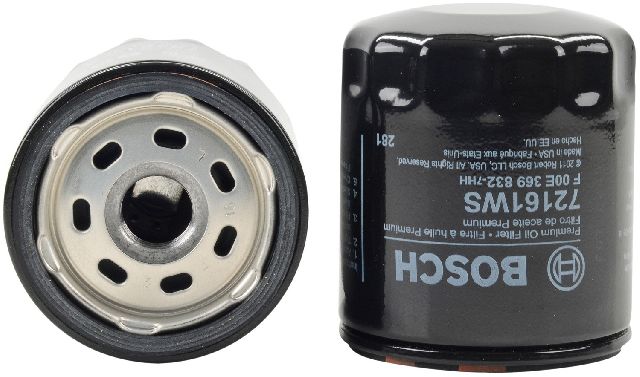
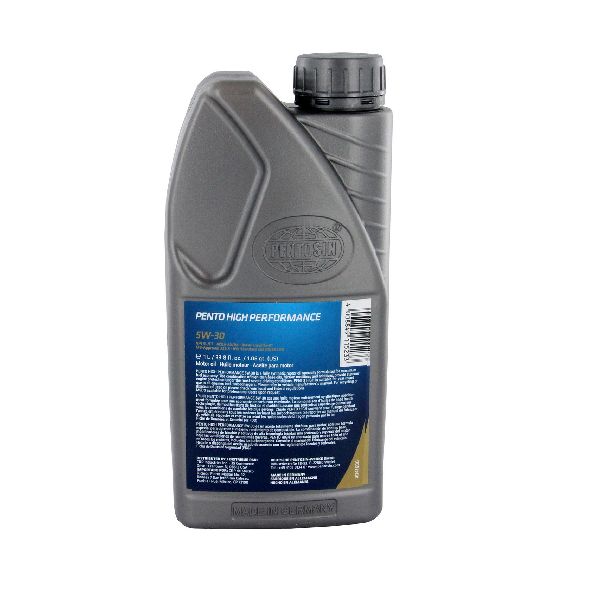
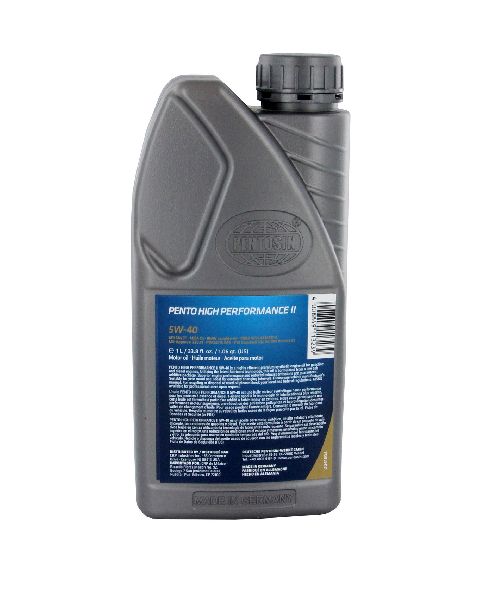
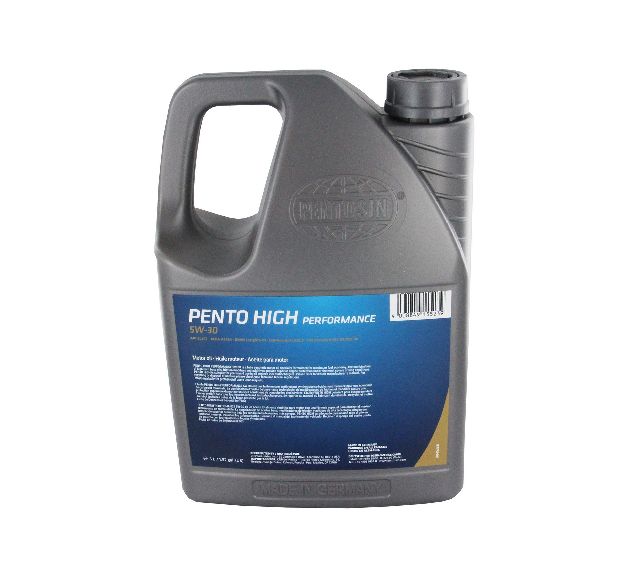
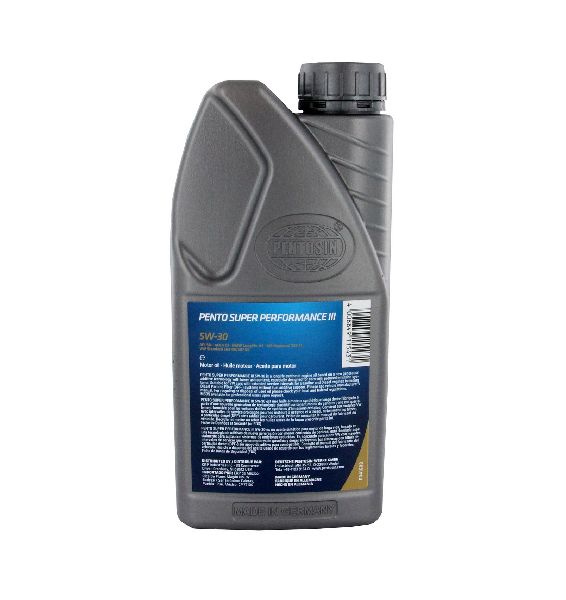
Aftermarket price range: $40-$100 - Engine Oil and Filter — Replacing the sensor requires draining the engine oil, so an oil and filter change is mandatory for this repair.
Trusted brands: Liqui Moly, Castrol, Mobil 1, Mann-Filter
OEM price range: $80-$120
Aftermarket price range: $60-$90
Related Codes That Often Appear With This One
- P0198 — P0198 (Engine Oil Temperature Sensor Circuit High) is often seen with P0196. The provided TSBs explicitly group P0196 and P0198 together as faults related to the yellow oil warning light. [Bulletin #VIN-4-A-PIN-2018] Forum posts also show these codes appearing together when the sensor or its wiring fails.
- 00562 — This is a VW-specific fault code for 'Sensor for Oil Level/Temperature (G266)'. It directly points to an open or short circuit in the sensor, confirming the issue is with the oil level/temp sensor itself.
Technical Service Bulletins (TSBs) & Recalls
- VIN-4-A-PIN-2018 - Mentions 'Yellow oil warning light on with any of the following faults P0196 P0198' for 2016 and 2017 Jetta models.
- 01-21-01 / NHTSA ID: 10187802 - Advises an ECM software update for various fault codes, including P0196, on certain 2019 models. States 'DO NOT diagnose or replace components' for this fault before performing the update.
Platform-Specific Known Issues
- A Technical Service Bulletin (TSB) for 2016-2017 models explicitly links a 'Yellow oil warning light on' with fault code P0196, confirming the connection between this code and the oil monitoring system. [Bulletin #VIN-4-A-PIN-2018]
- TSB 01-21-01 (NHTSA ID: 10187802) issued for 2019 Jettas specifies an ECM software update to correct false P0196 faults, indicating a known software glitch on the A7 platform.
- Owners on forums frequently report that the wiring connector becomes loose or its locking tab breaks, causing intermittent faults. Securing the connector often resolves the code without replacing the sensor.
Mechanic-Grade Diagnostic Values
- Sensor Connector Voltage - Pin 1 to Ground — expected: 12V (Battery Voltage) with ignition on.. Failure: No voltage suggests a blown fuse or wiring issue.
- Sensor Connector Voltage - Pin 2 to Ground — expected: Good continuity to ground (<1 Ω).. Failure: High resistance indicates a bad ground connection.
- Sensor Connector Voltage - Pin 3 (Signal Wire) — expected: A complex oscillating or PWM signal visible on an oscilloscope. A simple multimeter may show around 5V.. Failure: A flat 12V or 0V signal indicates a failed sensor or open/shorted signal wire.
- Scan Tool Live Data - Cold Engine — expected: Engine Oil Temperature should be very close to the Ambient Air and Engine Coolant Temperature readings.. Failure: A significant difference (e.g., oil temp reads -48°C or 155°C) points to an open or shorted circuit.
Hidden / Shadow Codes Worth Checking
- 00562: Sensor for Oil Level/Temperature (G266): Open or Short to Plus / Implausible Signal. This is the manufacturer-specific code that directly identifies a fault in the G266 sensor circuit. (see via VCDS (VAG-COM), ODIS, or other advanced VW/Audi compatible scan tools.)
Wiring & Ground Locations

- G266 Sensor Connector — On the bottom of the engine oil pan, connecting to the oil level/temperature sensor.. This 3-pin connector is the primary interface for the sensor. Pin 1 is 12V power, Pin 2 is ground, and Pin 3 is the signal wire to the instrument cluster/ECM. Damage or a loose connection here is a direct cause of P0196.
- Engine Block / Transmission Ground — A main ground strap typically runs from the battery to the chassis and from the chassis to the engine block or transmission case.. A poor engine ground can cause a variety of sensor issues, including incorrect readings from the G266 sensor which relies on this ground path via Pin 2.
- Fuse SB7/ST3 (or similar) — In the fuse box located on the driver's side of the dashboard, accessible when the door is open.. On many VW platforms, a 5A or 7.5A fuse in this panel provides power to the G266 sensor via Pin 1. A shorted sensor can blow this fuse, resulting in an open circuit fault.
Real Owner Repair Stories
- Ross-Tech Forums user 'MrNomad105' (2015 VW Golf MKVII) — Check Engine Light with codes P0196 and P0198. Scan tool showed an oil temperature of 90°C and an oil fill level of 120mm even with the engine run only briefly.
❌ Tried (didn't work) The user was preparing to replace the sensor.
✅ What actually fixed it Upon inspection, the locking tab on the sensor's electrical connector was broken and the connector was halfway off. The user pushed the connector back on securely and retained it with safety wire. This resolved the fault codes immediately. - Ross-Tech Forums user 'VWTDI' (VW with cooling fan and oil level sensor issues.) — Fault codes P0196 and 00562 (Sensor for Oil Level/Temperature (G266), Open or Short to Plus).
❌ Tried (didn't work) Checking temperature sensors via VCDS measuring blocks.
✅ What actually fixed it The problem was a damaged pin in the G266 sensor connector. Repairing the connector pin resolved the issue.
OEM Part Supersession History
04E907660→04E907660C, 04E907660D— Standard part revision and improvement by the manufacturer.
Heads up: These parts are generally interchangeable for the 1.4T EA211 engine, but it is always best to verify by VIN.06L907660B→06L907660C— Standard part revision and improvement by the manufacturer.
Heads up: Part 06L907660C is the common replacement for the 1.8T/2.0T EA888 Gen3 engines and is generally backward compatible.3D0973703 / 1J0973803→N/A— This is the part number for the 3-pin female connector pigtail that attaches to the sensor.
Heads up: This connector is widely used across VAG models for the G266 sensor. If the original is melted or the locking tab is broken, this pigtail is required for a proper repair.
Helpful Videos

Used OEM Parts in Stock


New Aftermarket Parts Available

The information in this article is provided for general reference and educational purposes only. Vehicle specifications, procedures, and part compatibility can vary by production date, trim level, and region. Always consult your vehicle's factory service manual and verify part numbers before purchasing or performing repairs. Safety-critical components such as airbags, seat belts, and braking systems should be installed by a qualified professional.
- Volkswagen JETTA:
- 🎬 Helpful Videos
- 🛍️ Shop This Part
- What's Unique About the 2016-2019 Volkswagen JETTA
- Diagnostic Flowchart
- Symptoms You May Notice
- Most Likely Causes
- Rare But Worth Checking
- Diagnosis Steps
- Parts You'll Likely Need
- Related Codes That Often Appear With This One
- Technical Service Bulletins (TSBs) & Recalls
- Platform-Specific Known Issues
- Mechanic-Grade Diagnostic Values
- Hidden / Shadow Codes Worth Checking
- Wiring & Ground Locations
- Real Owner Repair Stories
- OEM Part Supersession History
- 🎟️ Get 5% Off