

P0192 on 2020-2024 Hyundai Palisade: Fuel Rail Pressure Sensor Low Causes and Fixes
For the 2020-2024 Hyundai Palisade and its platform-mate, the Kia Telluride, code P0192 almost always indicates a faulty Fuel Rail Pressure Sensor (FRPS) or a problem in its wiring. This is an electrical fault code, not a confirmation of low fuel pressure. The ECM sets this code when the sensor's signal voltage drops below a specific threshold (approx. 0.25V). A replacement OEM sensor costs between $125-$180.
- P0192 on a Palisade points to an electrical fault with the Fuel Rail Pressure Sensor or its wiring, not necessarily a bad fuel pump.
- The most common fix is replacing the Fuel Rail Pressure Sensor itself.
- Symptoms include hard starting, hesitation, power loss, and potential stalling.
- Diagnosis involves checking the sensor's circuit for power, ground, and signal integrity before replacing parts.
- While DIY is possible, it requires removing the intake manifold to access the sensor and safely depressurizing the high-pressure fuel system.
What's Unique About the 2020-2024 Hyundai Palisade
The Hyundai Palisade's 3.8L V6 uses a high-pressure Gasoline Direct Injection (GDI) fuel system that operates at pressures sometimes exceeding 2,000 PSI. Unlike older port injection systems, GDI requires precise, real-time monitoring. The P0192 code is critical because the ECM relies on an accurate pressure reading to control fuel delivery and injection timing. An invalid signal forces the ECM into a fail-safe mode, where it may limit engine power, alter transmission shifts, and disable features like cruise control to prevent potential engine damage. While the sensor itself is a common failure point, the complexity of the GDI system means diagnosis must be precise to avoid misdiagnosing other expensive components like the high-pressure fuel pump.
Symptoms You May Notice
- Check Engine Light is on
- Engine is hard to start or requires longer cranking
- Hesitation or stumbling during acceleration
- Noticeable loss of engine power (limp mode)
- Engine may stall, especially at idle or low speeds
- Rough idling
- Poor fuel economy
- Inability to use cruise control
- Replacing the high-pressure fuel pump (HPFP) before verifying the fuel rail pressure sensor and its circuit are functioning correctly. The HPFP is a common failure for code P0087, but not for the electrical circuit code P0192.
- Replacing the in-tank low-pressure fuel pump when the issue is in the high-pressure side of the GDI system.
- Replacing the fuel rail pressure sensor without first testing the wiring harness for shorts or opens, leading to the new sensor not fixing the problem.
Most Likely Causes
- Faulty Fuel Rail Pressure Sensor (FRPS) 🔴 High Probability The sensor operates in a high-heat, high-vibration environment on the engine's fuel rail, located under the intake manifold. Internal electronics can fail over time, causing the signal voltage to drop below the minimum threshold, triggering the P0192 code. This is the most common failure for this specific code on this platform.
How to confirm: With the key on and engine off, use a scan tool to read the fuel rail pressure live data. If it shows a reading near zero, a fixed incorrect value, or a voltage below ~0.5V, the sensor is suspect. Confirm the sensor is receiving a 5V reference and has a good ground at the connector. If the wiring is good, the sensor is bad.
Typical fix: Replace the fuel rail pressure sensor. The high-pressure fuel system must be de-pressurized before removing the old sensor.
Est. part cost: $125-$180 - Wiring or Connector Issue 🟡 Medium Probability The wiring harness to the sensor is routed under the intake manifold, where it's exposed to significant heat and vibration. Wires can chafe against the engine block or other components, or pins in the connector can become corroded or loose. This can cause a short to ground or an open circuit in the signal, reference, or ground wires.
How to confirm: Visually inspect the sensor connector and the visible portions of the wiring harness for any signs of damage, melting, or corrosion. Unplug the sensor and the ECM to perform a continuity test on the signal, ground, and 5V reference wires between the two connectors to check for opens or shorts.
Typical fix: Repair the damaged section of the wiring harness or clean/replace the connector. This can involve soldering, using butt connectors with heat shrink, or replacing a connector pigtail.
Est. part cost: $5-$50 - Low Fuel Pressure (from HPFP or LPFP) ⚪ Low Probability While P0192 is an electrical code, a severe mechanical failure of the high-pressure fuel pump (HPFP) or the in-tank low-pressure fuel pump (LPFP) could theoretically cause erratic sensor behavior. However, this is rare. A mechanical pressure issue is much more likely to set code P0087 ('Fuel Rail/System Pressure - Too Low'). If P0087 is also present, the likelihood of a pump issue increases.
How to confirm: This is diagnosed by exclusion. If the sensor and its wiring circuit are confirmed to be good, mechanical fuel pressure testing of both the low-pressure (in-tank) and high-pressure systems is required using appropriate gauges.
Typical fix: Replace the failing high-pressure or low-pressure fuel pump.
Est. part cost: $300-$1000+
Rare But Worth Checking
- Faulty Powertrain Control Module (PCM): This is extremely rare. The PCM should only be considered after all other possibilities, including the sensor, wiring, and mechanical fuel system components, have been exhaustively tested and ruled out. A failed driver circuit inside the PCM could mimic a sensor or wiring fault.
Diagnosis Steps
- Scan for Codes: Use an OBD-II scanner to confirm P0192 is present and check for any other related codes like P0193, P0191, or P0087.
- Check Live Data: Monitor the 'Fuel Rail Pressure' and 'Fuel Rail Pressure Sensor Voltage' PIDs with the scanner. With Key On, Engine Off (KOEO), the pressure should be low but not zero (typically 50-100 PSI). The voltage should be around 0.5V. If it reads 0 PSI or the voltage is near zero (<0.25V), it strongly indicates a circuit low fault.
- Visual Inspection: Carefully inspect the fuel rail pressure sensor, its electrical connector, and the surrounding wiring harness for any signs of damage, melting, or corrosion. The sensor is located on one of the engine's fuel rails, which requires removal of the upper intake manifold for access.
- Test the Circuit: Disconnect the sensor. With the key on, use a multimeter to check the connector terminals. You should find a 5-volt reference signal on one pin, a good ground (near 0 ohms to chassis ground) on another, and the third is the signal wire. If either 5V reference or ground is missing, there is a wiring problem between the connector and the ECM.
- Test for Shorts: With the sensor still disconnected, check for continuity between the signal wire terminal at the connector and a good chassis ground. There should be no continuity (infinite resistance). If there is continuity, the signal wire is shorted to ground somewhere in the harness.
- Depressurize the Fuel System: Before replacing the sensor, the high-pressure fuel system must be safely depressurized. This is typically done by removing the fuel pump fuse/relay and running the engine until it stalls.
- Replace the Sensor: Once the system is depressurized, remove the upper intake manifold to access the sensor. Remove the old sensor from the fuel rail, install the new one (lubricating the O-ring with clean engine oil), and torque it to the manufacturer's specification. Reassemble the intake manifold.
- Clear Codes and Test Drive: Reconnect all components, clear the trouble codes with the scanner, and start the vehicle. Let it idle and then perform a test drive, monitoring the fuel rail pressure live data to ensure it is reading correctly and the code does not return.
Parts You'll Likely Need
- Fuel Rail Pressure Sensor
(OEM #31435-3T000)— This sensor is the most common failure point for code P0192, as it directly measures the pressure in the fuel rail and its internal electronics can fail, causing a short or open in the signal circuit.
Trusted brands: Hyundai / Kia (OEM)
OEM price range: $125-$180
Aftermarket price range: $80-$150
Related Codes That Often Appear With This One
- P0193 — P0193 is 'Fuel Rail Pressure Sensor Circuit High'. Seeing it intermittently with P0192 strongly points to a failing sensor or a wiring issue causing erratic voltage signals that swing from one extreme to the other.
- P0087 — P0087 is 'Fuel Rail/System Pressure - Too Low'. If this code is present with P0192, it may indicate an actual low-pressure problem from a failing pump, which is causing the sensor's readings to be flagged as both mechanically low and electrically out of range.
- P0191 — P0191 is 'Fuel Rail Pressure Sensor Circuit Range/Performance'. This code indicates the sensor's signal is not rational or behaving as expected. Seeing it with P0192 can point to an intermittent wiring problem or a sensor that is failing but has not completely shorted out.
- P0171 — P0171 is 'System Too Lean (Bank 1)'. An incorrect low-pressure reading from the sensor can cause the ECM to miscalculate fuel delivery, leading to a lean condition.
Technical Service Bulletins (TSBs) & Recalls
- While no TSB specifically for P0192 on the Palisade was found, Ford TSB 14-0216 for a similar GDI engine with P0192 advises checking the wiring and then co
Platform-Specific Known Issues
- No specific forum threads detailing a P0192 repair on a Palisade were found in the search. However, the issue is well-documented on other Hyundai/Kia vehicles with GDI engines, where the fuel rail pressure sensor is the primary culprit for this code. The diagnostic logic is directly transferable.
Mechanic-Grade Diagnostic Values
- Fuel Rail Pressure Sensor (FRPS) Signal Voltage Threshold — expected: Normal operation is between 0.5V and 4.5V. At idle, it is typically 0.5V to 1.0V.. Failure: Code P0192 is set if the voltage drops below 0.254V (254mV) for more than 0.14 - 0.2 seconds.
- FRPS Connector - 5V Reference — expected: 5 Volts with Key On, Engine Off (KOEO).. Failure: No voltage or significant deviation points to a wiring issue between the sensor and the ECM.
- Low-Side Fuel Pressure (In-tank pump) — expected: 50 to 75 PSI.. Failure: Pressure below this range indicates a weak in-tank pump or clogged filter, which is not a direct cause of P0192 but is important system context.
- Scan Tool Live Data (KOEO) — expected: Around 0.5V.. Failure: A reading below 0.254V indicates a circuit low fault.
Scan Tool Commands That Help
- Hyundai GDS (or equivalent professional scanner): Component Change Routine — This procedure must be performed after replacing the Fuel Rail Pressure Sensor (FRPS) to allow the ECM to learn and calibrate to the new component. Failure to do so may result in continued performance issues or incorrect fuel pressure control.
Wiring & Ground Locations
- Fuel Rail Pressure Sensor (FRPS) Connector — Screwed into the high-pressure fuel rail, which is located under the upper intake manifold on the 3.8L V6.. This is the main connector to test for 5V reference, ground, and the signal wire voltage. Damage or corrosion here is a common cause of the code.
Real Owner Repair Stories
- Carly community forum (2018 Hyundai Palisade (Note: Palisade was launched in 2020, this is likely a typo in the source for a similar Hyundai/Kia model, but the symptom and fix are directly relevant)) — Check engine light, occasional stalling at idle, loss of power, more pronounced when the engine is warm.
❌ Tried (didn't work) Clearing the code (it kept coming back).
✅ What actually fixed it Replacing the fuel rail pressure sensor immediately resolved all symptoms. The quoted cost for the sensor and labor was approximately 240€.
OEM Part Supersession History
31435-3T000→31435-3T000 (current)— This part number remains current and fits a wide range of Hyundai/Kia vehicles from 2011 to 2024, including the Palisade.
Heads up: While the part number is widely used, it is also listed under different descriptions like 'Vapor Hose' or 'Vapor Pressure Sensor' by some vendors, which can cause confusion. Ensure you are purchasing the 'Fuel Rail Pressure Sensor'.
Model Year Variations Within This Range
- 2020-2024: There are no significant changes to the engine, fuel system, or related electronics for the P0192 code within the 2020-2024 model years, including the 2023 refresh. The powertrain remains the same 3.8L V6 across all years.
Diagnostic Flowchart
Other Known Issues on This Vehicle
Issues unrelated to this code that are worth knowing about as an owner of this generation:
- Wind/Whistling Noise from Doors/Mirrors 🟡 Low — Very common on 2020-2022 models, less so on later years. Occurs at highway speeds. (Ref: Multiple TSBs exist, including 19-BD-010H, 21-01-003H, and T5P, which detail procedures for adding foam pads and replacing door/mirror seals.)
- Musty or Foul A/C Odor 🟡 Low — Commonly reported across all model years. Caused by microbial growth on the A/C evaporator core. (Ref: No recall, but dealers perform evaporator cleaning procedures. A class-action lawsuit was filed over this issue.)
- Excessive Engine Oil Consumption 🟠 Medium — Reported by a notable number of owners, but not universal. Can lead to low oil levels between changes. (Ref: TSB 23-EM-005H provides guidelines for dealers to perform oil consumption tests.)
- Tow Hitch Wiring Harness Fire Risk 🔴 High — Affects 2020-2022 models equipped with the genuine Hyundai accessory tow hitch. (Ref: NHTSA Recall 22V-633 (Hyundai Recall 235). Moisture can short the module, causing a fire even when parked.)
- Foul Interior Odor ('Smelly Headrests') 🟡 Low — Primarily affected 2020-2021 Limited and Calligraphy trims with Nappa leather headrests. (Ref: A TSB was issued for dealers to neutralize the odor or replace the headrests. The cause was a flaw in the manufacturing of the imitation leather.)
- Shift-by-Wire Logic Faults 🟠 Medium — Affects 2020-2021 models produced before August 25, 2020. (Ref: TSB 21-AT-008H-1 provides a software update for the Shift Control Unit (SCU) to fix logic errors that could cause various DTCs.)
Used vs. New Parts: Buying Guide for This Vehicle
When a used part is the smart pick: A used part is a reasonable choice only for the sensor's electrical connector pigtail if the original is damaged. For the sensor itself, buying a new OEM or reputable aftermarket part is strongly recommended due to the precision required and high-stress environment.
Donor-vehicle mileage cap: roughly under 80000 miles for the part to have meaningful remaining life.
What to inspect on the donor part:
- For a pigtail, inspect for brittle plastic, cracked wire insulation, or corrosion on the pins.
- Ensure there is at least 4-6 inches of wire attached to the connector for splicing.
- Check the donor vehicle's history for front-end collisions which could have damaged the engine harness.
OEM-only on this vehicle (don't cheap out):
- Fuel Rail Pressure Sensor (FRPS): Given the high pressures and precise readings required for a GDI system, an OEM or OEM-supplier sensor is strongly recommended to avoid repeat failures and performance issues.
Aftermarket brands forum-validated for this vehicle:
- Bosch
- Delphi
Brands owners have reported issues with on this vehicle:
- Unbranded, no-name sensors from online marketplaces like AliExpress or eBay are a significant gamble and often fail prematurely or are out-of-spec from the factory.
Related OBD-II Codes
Frequently Asked Questions
Where is the fuel rail pressure sensor located on the 3.8L Lambda II GDI V6 engine?
Is there a specific TSB for P0192 on the Hyundai Palisade?
Could my Palisade's P0192 code be related to the tow hitch recall?
Does the Kia Telluride experience this same P0192 issue?
What should the fuel rail pressure voltage look like on a scan tool for a healthy Palisade?
Can I just swap the sensor, or is there a safety procedure I need to follow?
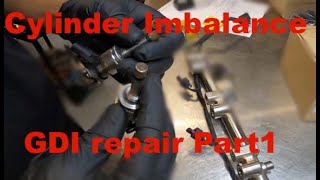
Helpful Videos
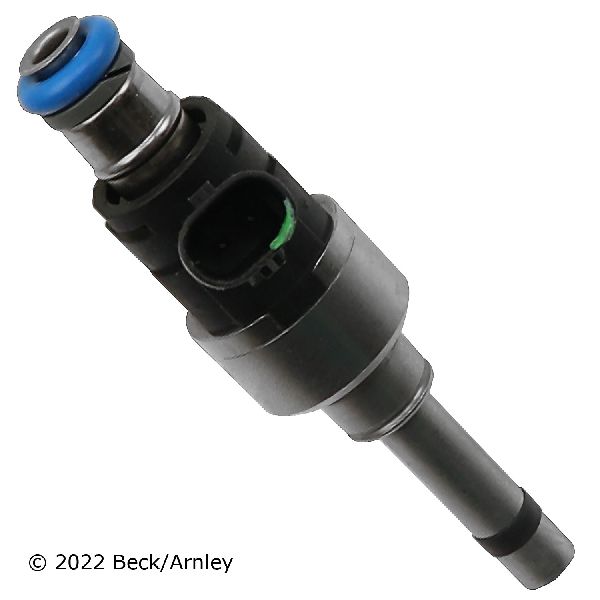
We Have This Part in Stock


The information in this article is provided for general reference and educational purposes only. Vehicle specifications, procedures, and part compatibility can vary by production date, trim level, and region. Always consult your vehicle's factory service manual and verify part numbers before purchasing or performing repairs. Safety-critical components such as airbags, seat belts, and braking systems should be installed by a qualified professional.
- Hyundai Palisade:
- 🎬 Helpful Videos
- 🛍️ Shop This Part
- What's Unique About the 2020-2024 Hyundai Palisade
- Symptoms You May Notice
- Most Likely Causes
- Rare But Worth Checking
- Diagnosis Steps
- Parts You'll Likely Need
- Related Codes That Often Appear With This One
- Technical Service Bulletins (TSBs) & Recalls
- Platform-Specific Known Issues
- Mechanic-Grade Diagnostic Values
- Scan Tool Commands That Help
- Wiring & Ground Locations
- Real Owner Repair Stories
- OEM Part Supersession History
- Model Year Variations Within This Range
- Diagnostic Flowchart
- Other Known Issues on This Vehicle
- Used vs. New Parts: Buying Guide for This Vehicle
- Related OBD-II Codes
- Frequently Asked Questions
- 🎟️ Get 5% Off