

P0191 on 2014-2018 Subaru Forester XT: Fuel Rail Pressure Sensor Causes and Fixes
On a 2014-2018 Forester XT, P0191 usually points to a faulty high-pressure fuel rail sensor or its electrical connector. This can cause stalling and power loss. Expect to pay $100-$250 for a replacement sensor, with DIY replacement being difficult due to sensor location and the risks of working with a high-pressure fuel system.
- P0191 on your Forester XT indicates a problem with the high-pressure fuel system, most likely the fuel rail pressure sensor or its wiring.
- Symptoms are serious and include stalling and major power loss, which can be a safety risk.
- Do not attempt to test fuel pressure yourself. The direct injection system operates at dangerously high pressures. This job is best left to a professional.
- A safe first step for a DIYer is to locate the sensor on the passenger side fuel rail and inspect its electrical connector for obvious damage or corrosion.
- If you replace the sensor, using an OEM or high-quality aftermarket brand like Denso or Standard Motor Products is recommended for longevity.
What's Unique About the 2014-2018 Subaru Forester XT
The Forester XT's FA20F is a Direct Injection Turbo (DIT) engine, which uses a very high-pressure fuel system to inject fuel directly into the cylinders. This system has two fuel pumps: a low-pressure pump in the tank and a high-pressure fuel pump (HPFP) driven by the camshaft. Code P0191 relates to the sensor on this high-pressure side, where pressures can exceed 2,000 PSI. This makes diagnosis more complex and dangerous than on a traditional port-injected engine. The code can also be triggered on tuned vehicles where increased performance demands exceed the stock fuel system's capacity, a known issue in the related Subaru WRX platform.
Symptoms You May Notice
- Check Engine Light is on
- Sudden loss of engine power
- Engine hesitation or stumbling during acceleration
- Rough or unstable idle
- Engine stalling, sometimes refusing to restart immediately, but may run normally after a cool-down period.
- Reduced fuel economy
- Hard starting
- Replacing the fuel pump without first confirming if the issue is the sensor or wiring.
- Replacing the sensor without checking the connector and wiring for damage or corrosion first.
Most Likely Causes
- Faulty High-Pressure Fuel Rail Sensor 🔴 High Probability The sensor operates in a high-heat, high-vibration environment and can fail electrically over time, sending erratic or intermittent signals. Forum users report sudden stalls that resolve after waiting, which points to an intermittent sensor failure. 🎬 Watch: How to fix a Subaru that stalls at every stop
How to confirm: The primary method is to compare the fuel pressure value from a scan tool with a reading from a mechanical gauge. If the mechanical gauge shows stable, correct pressure but the scan tool shows erratic or incorrect readings, the sensor is bad. This test should be performed by a professional due to the extreme pressures involved.
Typical fix: Replace the high-pressure fuel rail sensor.
Est. part cost: $80-$250 - Wiring or Connector Issue 🟡 Medium Probability The sensor's wiring harness is located in the engine bay and is subject to heat and vibration, which can lead to corrosion, loose pins, or frayed wires over time. An intermittent connection can cause the exact symptoms of stalling and then running fine later.
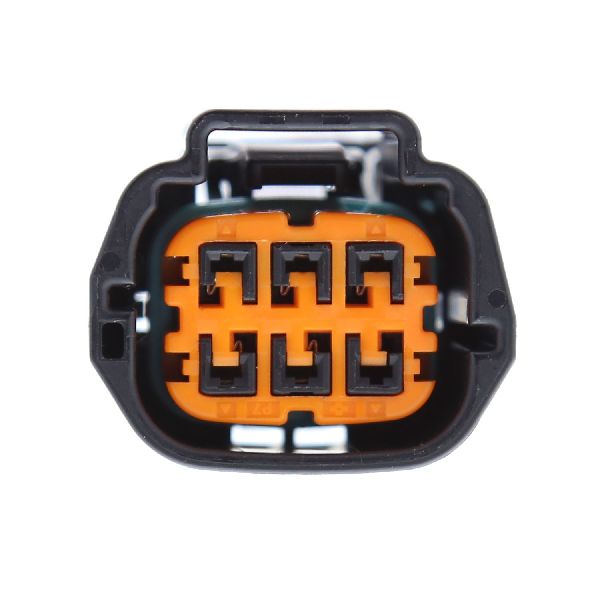
How to confirm: Visually inspect the fuel rail pressure sensor's electrical connector and nearby wiring for any signs of damage, corrosion (green or white crust), or loose pins. Unplug and re-seat the connector. Use a multimeter to check for proper voltage, ground, and signal integrity at the connector.
Typical fix: Clean the connector terminals with electrical contact cleaner and apply dielectric grease. If the connector or wiring is damaged, it will need to be repaired or replaced.
Est. part cost: $5-$50 - Failing High-Pressure Fuel Pump (HPFP) ⚪ Low Probability The HPFP is a mechanical component driven by the camshaft that can wear out over time, leading to an inability to generate the pressure commanded by the ECM.
How to confirm: This is diagnosed by monitoring commanded vs. actual fuel rail pressure with a professional scan tool, especially under load. If the actual pressure consistently fails to meet the commanded pressure, and the low-pressure side is healthy, the HPFP is suspect.
Typical fix: Replacement of the high-pressure fuel pump.
Est. part cost: $400-$800 - Failing Low-Pressure Fuel Pump (In-Tank) ⚪ Low Probability The HPFP cannot function correctly if it is not being supplied with adequate fuel from the in-tank low-pressure pump. A weak in-tank pump will starve the HPFP, causing a drop in high-side pressure under demand.
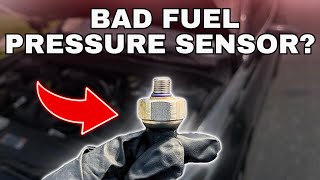
How to confirm: A technician will test the fuel pressure from the low-pressure pump at the engine bay to ensure it meets specifications (typically 40-60 PSI) before it enters the HPFP. 🎬 Watch: The right way to replace a fuel pressure sensor
Typical fix: Replacement of the in-tank fuel pump assembly.
Est. part cost: $200-$400
Rare But Worth Checking
- Clogged Fuel Filter: The fuel filter is part of the in-tank pump assembly and is not typically a separate service item. While rare to cause this specific code without other symptoms, a severely clogged filter could restrict flow to the HPFP.
- Faulty Engine Control Module (ECM): This is extremely rare. The ECM should only be considered after all other possibilities, including wiring, sensors, and mechanical components, have been exhaustively tested and ruled out.
Diagnosis Steps
- Retrieve all stored DTCs with an OBD-II scanner and record the freeze frame data to see the engine conditions when the code was set.
- Visually inspect the fuel rail pressure sensor, its connector, and the surrounding wiring harness. Look for any signs of corrosion, damage, or loose connections. The sensor is located on the passenger side fuel rail.
- Unplug the connector and inspect the pins for cleanliness and integrity. Clean with electrical contact cleaner and apply a small amount of dielectric grease before reconnecting securely.
- Using a professional scan tool, monitor the 'Fuel Rail Pressure' reading. Observe if the reading is erratic at idle or if it drops out unexpectedly, which could correspond with stumbles or hesitation.
- (Professional Step) Compare the scan tool's pressure reading to a mechanical fuel pressure gauge connected to the high-pressure fuel rail. This is the definitive test to determine if the sensor is faulty or if there is a true pressure problem. Warning: This system is under extreme pressure and this step should only be performed by a qualified technician.
- (Professional Step) If the sensor is good, test the low-pressure fuel pump's output to ensure it is supplying the HPFP correctly.
- (Professional Step) If the low-pressure side is good and the actual high-side pressure is incorrect, further diagnosis of the high-pressure fuel pump is required.
Parts You'll Likely Need
- High-Pressure Fuel Rail Sensor
(OEM #16628AA020)— This sensor is the most common failure point for P0191, either through internal electrical failure or a poor connection. Part number 16628AA020 is specified for the Forester and WRX with the turbo engine. The similar part 16628AA030 is for other non-turbo models and is a common point of confusion.
Trusted brands: Subaru (OEM), Standard Motor Products, Denso
OEM price range: $150-$250
Aftermarket price range: $80-$150
Related Codes That Often Appear With This One
- P0190 — P0190 is 'Fuel Rail Pressure Sensor Circuit Malfunction'. It often appears with P0191 as it indicates a general electrical fault in the same circuit, as seen in owner reports.
- P0087 — P0087 is 'Fuel Rail/System Pressure - Too Low'. If the root cause is a failing pump or major leak, this code may be set alongside P0191, which indicates the sensor's reading is out of its performance range.
Platform-Specific Known Issues
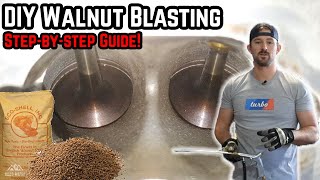
- As a Direct Injection Turbo (DIT) engine, the FA20F is highly susceptible to carbon buildup on the intake valves over time. While not a direct cause of P0191, severe buildup can cause symptoms like rough idle and lack of power, which could complicate diagnosis. A manual (walnut blast) cleaning is often required around 80,000 miles. 🎬 See how to walnut blast your intake valves to remove carbon
Mechanic-Grade Diagnostic Values
- Fuel Rail Pressure Sensor Signal Voltage (Key On, Engine Off) — expected: Approximately 0.5V to 1.8V.. Failure: A reading close to 5V (e.g., 4.8V) or 0V suggests a bad sensor or an open/short in the signal wire.
- Fuel Rail Pressure Sensor Signal Voltage (Engine at Idle) — expected: Around 2.2V, fluctuating with engine load.. Failure: A static voltage that does not change when the engine is running or revved indicates a failed sensor.
- Fuel Rail Pressure Sensor Reference Voltage (Sensor Unplugged, Key On) — expected: 5V DC on the reference wire from the ECM.. Failure: Significantly lower or no voltage indicates a problem with the ECM or the wiring between the ECM and the sensor.
- Fuel Rail Pressure Sensor Ground Wire Resistance — expected: Less than 0.1 volts (when performing a voltage drop test) or very low resistance to chassis ground.. Failure: High resistance or voltage drop points to a poor ground connection, which can cause erratic sensor readings.
Wiring & Ground Locations
- ECU Grounds — On Subaru boxer engines, the primary ECU grounds are located on the top of the intake manifold.. A poor ground connection at the intake manifold can cause a wide range of strange electrical issues and sensor-related codes, including P0191, because the ECU itself is not properly grounded. This is a known issue, especially if TGV deletes or spacers have been installed, which can interrupt the ground path.
- Engine Block to Chassis Ground — A key ground strap connects the engine block to the vehicle's chassis, often near the starter or alternator.. The fuel rail pressure sensor is mounted to the engine, and its readings can be affected by electrical noise if the engine block itself is not well-grounded to the chassis and battery negative terminal. Deterioration of this ground can lead to high resistance and erratic sensor behavior.
Real Owner Repair Stories
- Reddit user on r/subaru (2016 Subaru STI (Similar EJ engine platform, but grounding principle is identical to FA20F)) — Multiple weird Check Engine Lights, including TGV (Tumble Generator Valve) codes, with valves sticking open or closed and a feeling of misfiring.
❌ Tried (didn't work) Initial diagnosis pointed towards faulty TGV motors.
✅ What actually fixed it The owner had forgotten to reconnect a grounding strap between the chassis and the engine manifold after installing an aftermarket exhaust header. Re-attaching the ground strap instantly solved all the TGV problems.
Model Year Variations Within This Range
- 2014: The 2014 model year was the first for this generation and the introduction of the FA20F DIT engine in the Forester platform. While no specific part differences are noted for the fuel pressure sensor within the 2014-2018 range, first-year models of any new platform can sometimes exhibit unique issues that are resolved in later years through minor running changes or software updates.
Diagnostic Flowchart
Other Known Issues on This Vehicle
Issues unrelated to this code that are worth knowing about as an owner of this generation:
- Intake Valve Carbon Buildup 🟠 Medium — Very common on all FA20F DIT engines, typically becoming noticeable after 60,000-80,000 miles. Worsened by short trips and low-RPM driving. Owners report needing a cleaning service (walnut blasting) every 50,000-100,000 miles to restore performance. (Ref: Subaru offers a chemical cleaning procedure (Part No. SOA868V9165), but the most effective fix is a manual or walnut-blast cleaning of the valves.)
- Lineartronic CVT Shudder or Failure 🔴 High — A widely reported problem, with symptoms like shuddering, jerking, or hesitation appearing anywhere from 40,000 to over 100,000 miles. Failures can be catastrophic, requiring a full transmission replacement. (Ref: Subaru has issued multiple TSBs and recalls for CVTs. TSB 16-132-20R provides diagnostic info for chain slip. Recall WRK-21/22R addresses a TCM programming error that could cause chain slip and guide breakage on related platforms. Subaru also extended the CVT warranty for many vehicles due to a class-action lawsuit.)
- Premature Wheel Bearing Failure 🟠 Medium — A high-frequency complaint, with owners reporting noisy rear wheel bearings that require replacement, sometimes as early as 40,000-60,000 miles. The noise is a constant humming or droning that increases with speed. It's speculated that the Forester's weight on the shared Impreza platform contributes to the accelerated wear.
- Cam Carrier / Cam Tower Oil Leaks 🟠 Medium — While valve cover gaskets can leak, a more serious and expensive leak can develop from the cam carrier seals. This is a known issue on Subaru boxer engines and can be costly to repair as it requires significant labor.
Used vs. New Parts: Buying Guide for This Vehicle
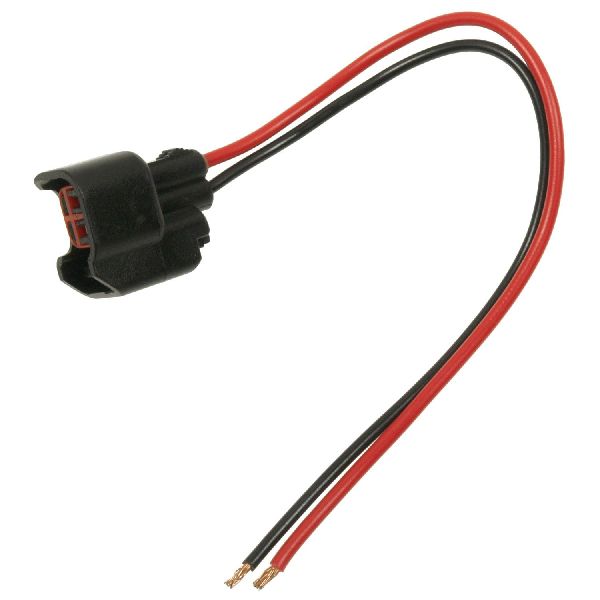
When a used part is the smart pick: For this repair, a used part is only advisable for the electrical pigtail connector if it is damaged. Due to the critical nature and high pressure of the fuel system, using used sensors or pumps is not recommended.
Donor-vehicle mileage cap: roughly under 60000 miles for the part to have meaningful remaining life.
What to inspect on the donor part:
- For a pigtail connector, ensure the wiring is not brittle or frayed.
- Check that the locking tab on the connector is intact.
- Look for any signs of corrosion (green or white powder) on the pins.
OEM-only on this vehicle (don't cheap out):
- High-Pressure Fuel Rail Sensor
- High-Pressure Fuel Pump (HPFP)
Aftermarket brands forum-validated for this vehicle:
- Denso (often the OEM manufacturer for Subaru)
Brands owners have reported issues with on this vehicle:
- Unknown, no-name brands from online marketplaces should be avoided as sensor accuracy is critical for DIT engines.
Real Owner Stories
Aggregated from forums and TSBs cited above. Mileages and costs reflect what owners reported in those sources.
2015-2021 Subaru WRX FA20F
Symptoms: The car sputters and stalls, and is hard to restart immediately, but then runs perfectly fine after a 30-40 minute wait.
What fixed it: This pattern suggests an intermittent electrical fault in the sensor or its connector.
Source hint: r/WRX - 'Throwing Code P0191 & P0190'
2014-2018 Subaru Forester XT FA20F — ~80000 miles
Symptoms: Rough idle and lack of power, complicating the diagnosis of fuel system codes.
What fixed it: Manual (walnut blast) cleaning of the intake valves.
Source hint: vehicle_specific_issues
Subaru WRX (VB platform)
Symptoms: Code P0191 triggered after aggressive driving with a JB4 piggyback tuner.
What fixed it: The code indicated the pump could not maintain commanded pressure because performance demands exceeded the stock fuel system's limits.
Source hint: r/wrx_vb - 'Sigh….'
Subaru Forester
Symptoms: An owner reported that the vehicle was barely drivable and resulted in being rear-ended. Diagnostic trouble codes included P0191 along with P26A6, P2004, P2005, P060B, P24B9, P2200, and P2400.
Source hint: NHTSA ODI #11505090
Related OBD-II Codes
Frequently Asked Questions
My 2014-2018 Forester XT stalls but then runs fine after sitting for 30 minutes; is this a known issue?
Is there a specific cleaning procedure for the carbon buildup mentioned for the FA20F engine?
Could my Forester XT's CVT issues be related to the P0191 code?
Where is the fuel rail pressure sensor located on my 2.0L DIT engine?
Can a performance tuner cause a P0191 code on this platform?
What should the low-pressure fuel pump be outputting before it reaches the HPFP?
Helpful Videos

We Have This Part in Stock


The information in this article is provided for general reference and educational purposes only. Vehicle specifications, procedures, and part compatibility can vary by production date, trim level, and region. Always consult your vehicle's factory service manual and verify part numbers before purchasing or performing repairs. Safety-critical components such as airbags, seat belts, and braking systems should be installed by a qualified professional.
- Subaru Forester XT:
- 🎬 Helpful Videos
- 🛍️ Shop This Part
- What's Unique About the 2014-2018 Subaru Forester XT
- Symptoms You May Notice
- Most Likely Causes
- Rare But Worth Checking
- Diagnosis Steps
- Parts You'll Likely Need
- Related Codes That Often Appear With This One
- Platform-Specific Known Issues
- Mechanic-Grade Diagnostic Values
- Wiring & Ground Locations
- Real Owner Repair Stories
- Model Year Variations Within This Range
- Diagnostic Flowchart
- Other Known Issues on This Vehicle
- Used vs. New Parts: Buying Guide for This Vehicle
- Real Owner Stories
- 2015-2021 Subaru WRX FA20F
- 2014-2018 Subaru Forester XT FA20F — ~80000 miles
- Subaru WRX (VB platform)
- Subaru Forester
- Related OBD-II Codes
- Frequently Asked Questions
- 🎟️ Get 5% Off