

P0191 on 2011-2017 Buick Regal 2.0L Turbo: Fuel Pressure Sensor & Pump Guide
P0191 on a 2.0L Turbo Regal is most often caused by a failing high-pressure fuel pump (HPFP). Before buying parts, check your oil dipstick for a strong gasoline smell. If it smells like gas, the HPFP is leaking and must be replaced, along with an oil change. Expect to pay $250-$500 for an OEM pump. Using cheaper aftermarket pumps is known to cause a quick return of the code.
- Before buying any parts for a P0191 code, check the engine oil for a gasoline smell. This is the most important diagnostic step.
- If the oil smells like fuel, the high-pressure fuel pump (HPFP) has failed and needs to be replaced along with the engine oil and filter.
- If the oil is clean, the problem is more likely the fuel rail pressure sensor or its wiring.
- Only use a genuine GM or ACDelco high-pressure fuel pump. Aftermarket pumps are known to cause issues.
- Do not ignore this code. A stalling engine is a safety risk, and fuel-diluted oil can destroy your engine.
What's Unique About the 2011-2017 Buick Regal

The 2.0L Turbo Ecotec engine in the Regal uses a Gasoline Direct Injection (GDI) system, which requires extremely high fuel pressure. This system has two fuel pumps: a low-pressure pump in the tank and a high-pressure fuel pump (HPFP) on the engine. The HPFP is a known weak point on this platform. It can fail mechanically, causing pressure deviations, or its internal seals can leak fuel directly into the engine oil, leading to other codes like P0172 (System Too Rich) alongside P0191. Many owners and technicians report that using aftermarket HPFPs often leads to a quick return of the P0191 code, making the use of OEM ACDelco parts highly recommended.
Generation note: This guide covers the fifth-generation Buick Regal. Note that a facelift occurred in 2014, which included an update from the LHU 2.0L engine (2011-2013) to the LTG 2.0L engine (2014-2017). While both are 2.0L turbo engines with similar fuel system designs, some part numbers differ. The high-pressure fuel pump and sensor are common failure points on both engine versions.
Symptoms You May Notice

- Check Engine Light is on
- "Reduced Engine Power" message and limp mode activation
- Engine stalling or hesitating, especially when coming to a stop or during acceleration
- Hard starting or long crank times
- Rough or unstable idle
- Strong smell of gasoline in the engine oil (a key indicator of a leaking HPFP)
- Noticeable decrease in fuel economy
- Engine sputtering or surging at highway speeds
- Replacing the fuel rail pressure sensor when the high-pressure fuel pump is the actual cause. Always check for fuel in the oil first.
- Replacing the HPFP with a cheap aftermarket unit, which often fails again quickly and can cause the same P0191 code.
Most Likely Causes

- Failing High-Pressure Fuel Pump (HPFP) 🔴 High Probability The HPFP on the 2.0L Turbo Ecotec engine is a well-documented failure item. The internal seals can degrade, leaking fuel into the crankcase, or the internal regulator can fail, causing pressure to deviate from the ECM's command.
How to confirm: The most definitive check is to pull the engine oil dipstick and smell it for gasoline. A strong fuel smell almost certainly confirms a leaking HPFP. Additionally, use a scan tool to monitor 'Desired Fuel Rail Pressure' vs. 'Actual Fuel Rail Pressure'. A key test is to watch these values during deceleration; the ECM will command near-zero pressure, and if the actual pressure remains high, the pump's internal regulator has failed. A large, persistent difference between the two values points to a faulty pump or sensor.
Typical fix: Replace the high-pressure fuel pump and the small, bucket-style cam follower that it rides on. 🎬 See this step-by-step Buick HPFP replacement walkthrough An engine oil and filter change is mandatory to remove the fuel-contaminated oil. It is strongly recommended to use a genuine GM or ACDelco replacement pump, as aftermarket units are notorious for failing quickly.
Est. part cost: $250-$500 - Faulty Fuel Rail Pressure Sensor 🟡 Medium Probability The sensor operates in a high-heat, high-pressure environment and can fail electrically, sending incorrect signals to the ECM.
How to confirm: If the oil does NOT smell of fuel, the sensor is a more likely culprit. Diagnosis involves using a scan tool to watch for erratic 'Actual Fuel Rail Pressure' readings that don't correspond to engine load or are stuck at one value. You can also test the sensor's voltage output and check the wiring harness for damage. On this engine, the sensor is located on the fuel rail behind the intake manifold, making a visual inspection of the connector difficult without some disassembly.
Typical fix: Replace the fuel rail pressure sensor. This requires removing the intake manifold to gain access, which is often described by DIYers as a difficult job.
Est. part cost: $60-$150 - Wiring or Connector Issue ⚪ Low Probability GM TSB #21-NA-149 specifically calls out the potential for the engine wiring harness to chafe against the ECM bracket or shock tower, causing shorts or open circuits that can trigger P0191. General corrosion at the sensor connector is also possible due to its location.
How to confirm: Visually inspect the wiring harnesses and connectors for the fuel rail pressure sensor and the high-pressure fuel pump. Per TSB #21-NA-149, pay close attention to the harness routing near the ECM and engine brackets for any signs of rubbing or chafing. TSB #PIP5094A advises checking for poor pin fitment inside the connectors before replacing parts.
Typical fix: Repair the damaged wiring or clean/replace the affected connector. Add protective conduit to prevent future chafing.
Est. part cost: $5-$50
Rare But Worth Checking
- Failing In-Tank (Low-Pressure) Fuel Pump: The high-pressure pump can't do its job if it's being starved of fuel. If high-side pressure is consistently low (and the HPFP is good), the low-pressure pump in the gas tank could be weak.
- Worn Camshaft Lobe or HPFP Follower: The HPFP is driven by a dedicated lobe on the camshaft, with a small 'bucket' style follower in between. If the lobe or follower wears down, the pump's plunger won't get its full stroke, resulting in insufficient pressure and a P0191 or P0087 code. This should be suspected in high-mileage vehicles where pumps and sensors have been replaced without success.
- Fuel Contamination: Per GM TSB #PIP5151F, contaminants like water, debris, or incorrect fluids in the fuel system can affect pressure regulation and trigger a P0191 code. This may require flushing the entire fuel system.
- Faulty Engine Control Module (ECM): In very rare cases, the ECM itself can be the source of the problem, misinterpreting the sensor data or failing to control the pump correctly.
Diagnosis Steps
- Check for other stored DTCs to get a complete picture of the issue.
- CRITICAL STEP: Turn the engine off, remove the oil dipstick, and smell the oil. If it has a strong odor of raw gasoline, the High-Pressure Fuel Pump (HPFP) is almost certainly leaking and needs replacement. Proceed to step 8.
- If the oil smells normal, connect a scan tool with live data capability.
- Monitor the 'Desired Fuel Rail Pressure' and 'Actual Fuel Rail Pressure' PIDs. At idle, they should be very close (around 40 bar or ~580 PSI is typical for these engines).
- CRITICAL TEST: While driving, perform a hard deceleration from a higher RPM. The 'Desired' pressure should drop to a very low value. If the 'Actual' pressure stays high or drops slowly, the HPFP's internal regulator is faulty, and the pump needs replacement.
- If the 'Actual' pressure reading is erratic, jumps around wildly, is stuck, or is clearly illogical (e.g., reads 0 PSI with the engine running), suspect a faulty Fuel Rail Pressure Sensor or its wiring.
- Inspect the wiring and connectors for both the HPFP and the fuel rail pressure sensor. Pay special attention to the harness routing near engine and ECM brackets for signs of chafing, as detailed in TSB 21-NA-149.
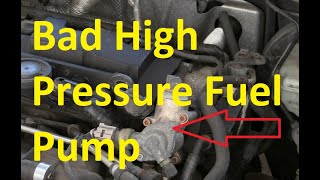
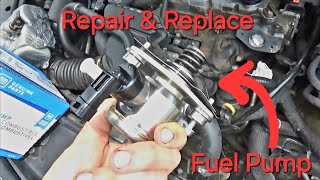
- Based on the findings, replace the faulty component. If replacing the HPFP, it is best practice to also replace the cam follower (lifter) it rides on. If the pump was leaking fuel into the oil, an oil and filter change is mandatory. 🎬 Watch: How to properly replace the high pressure fuel pump
Parts You'll Likely Need

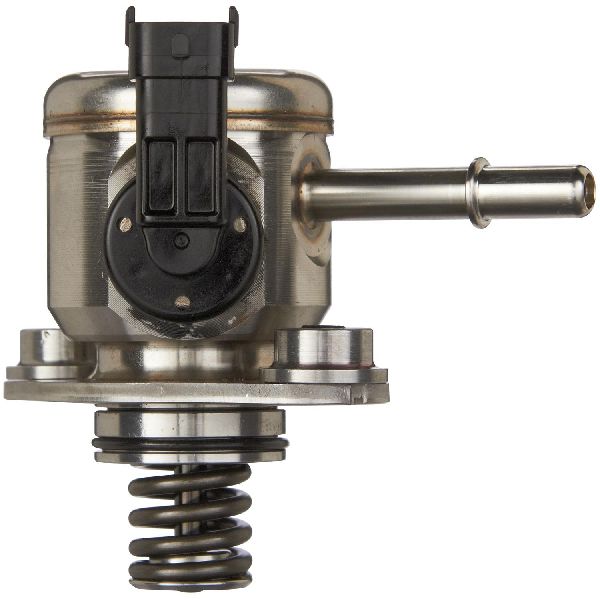
- High-Pressure Fuel Pump (HPFP)
(OEM #ACDelco EP1028 (for 2011-2013 LHU) or ACDelco HPM1006 (for 2014-2017 LTG))— This is the most common cause of P0191 on this engine, either due to mechanical failure or internal seals leaking fuel into the oil.
Trusted brands: ACDelco (GM Genuine), Bosch
OEM price range: $250-$500
Aftermarket price range: $150-$300 - Fuel Rail Pressure Sensor
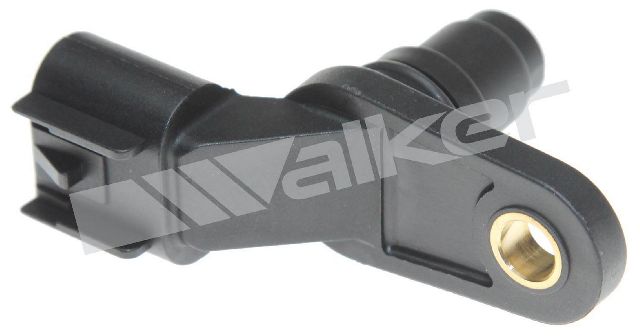
(OEM #ACDelco 12635273 or Bosch 0261545078)— The second most likely cause, this sensor can fail and send incorrect readings to the ECM. It is located under the intake manifold.
Trusted brands: ACDelco, Bosch, Standard Motor Products
OEM price range: $100-$150
Aftermarket price range: $60-$120 - HPFP Camshaft Follower (Lifter)
(OEM #ACDelco 12590679)— This small mechanical part sits between the camshaft lobe and the HPFP plunger. It is considered a wear item and best practice is to replace it with the HPFP to prevent premature failure of the new pump.
Trusted brands: ACDelco, INA
OEM price range: $20-$40
Aftermarket price range: $15-$30
Related Codes That Often Appear With This One
- P0172 — System Too Rich (Bank 1). This code is very common with P0191 because a failing HPFP often leaks fuel into the engine oil. The fuel vapors are then pulled into the intake via the PCV system, creating a rich condition.
- P0087 — Fuel Rail/System Pressure - Too Low. This can appear if the HPFP is failing to build enough pressure or if the low-pressure pump is weak.
- P0300 — Random/Multiple Cylinder Misfire. Incorrect fuel pressure can disrupt the air/fuel mixture enough to cause misfires across multiple cylinders.
Technical Service Bulletins (TSBs) & Recalls
- PIP5094A: A general GM bulletin advising technicians to check for proper terminal pin fit and tension in connectors before replacing any components. This is relevant for diagnosing intermittent electrical faults that could cause P0191.
- PIP5151F: This TSB addresses issues caused by fuel system contamination (water, debris, etc.) which can lead to codes P0191, P0087, and P0088. It recommends inspecting for and cleaning out contamination as a diagnostic step.
- 21-NA-149: Identifies a specific issue where the engine wiring harness can chafe against the ECM bracket, shock tower, or other components. This can cause shorts or open circuits, triggering P0191 and a host of other DTCs.
Platform-Specific Known Issues
- A known issue on the 2.0L Turbo Ecotec engine is the failure of the high-pressure fuel pump, which can leak fuel into the engine oil. This dilutes the oil, reducing its lubricating properties and risking catastrophic engine damage if not addressed.
- Owners and mechanics strongly advise against using non-OEM (aftermarket) high-pressure fuel pumps, as they are frequently reported to fail quickly or cause P0191 codes right after installation.
Mechanic-Grade Diagnostic Values
- Low-Pressure Fuel System (In-Tank Pump) — expected: 43-58 PSI (300-400 kPa) at idle.. Failure: Pressure below 43 PSI at idle indicates a weak in-tank pump, clogged filter, or a faulty Fuel Pump Control Module (FPCM).
- High-Pressure Fuel System (HPFP) — expected: Approx. 500-600 PSI (3.4 - 4.1 MPa) at idle. Can rise to over 2,000 PSI (150 bar) under load.. Failure: Pressure that fails to meet the 'Desired Fuel Rail Pressure' PID on a scan tool, especially a pressure reading that stays high during deceleration when desired pressure drops to near zero.
- Fuel Rail Pressure Sensor Signal Voltage — expected: Approx. 1.5 - 1.8 Volts with Key On, Engine Off (KOEO). Voltage should fluctuate with engine RPM and load when running.. Failure: A signal voltage that is stuck (e.g., stuck at 4.8V) or does not change with engine conditions points to a failed sensor.
- ECM Ground Circuit Resistance — expected: Less than 1.0 Ohm from the ground pin at the ECM connector to the negative battery terminal.. Failure: Resistance higher than 1.0 Ohm indicates a poor ground connection, which can cause erratic sensor readings and false codes.
Scan Tool Commands That Help
- GDS2 / Professional Scan Tool: Fuel Pump Enable ON / Fuel Pump Control — This bidirectional command allows you to turn on the low-pressure in-tank fuel pump without the engine running. It is used to isolate and test the low-pressure side of the fuel system by checking its pressure output with a mechanical gauge.
Wiring & Ground Locations
- G101 — On the lower portion of the engine block.. This is a primary engine ground. A poor connection here can cause voltage drops and electrical noise, affecting the ECM's ability to get accurate readings from the fuel rail pressure sensor.
- G102 — Located at the left rear of the engine.. Another critical engine ground. Like G101, corrosion or a loose connection can lead to various phantom electrical issues, including sensor performance codes like P0191.
- ECM Connector X1 — The main 73-pin connector at the Engine Control Module, located in the engine bay.. This is where the fuel rail pressure sensor circuit terminates. Testing for 5V reference, signal voltage, and ground integrity should be done here to confirm if a wiring issue exists between the sensor and the ECM.
Real Owner Repair Stories
- Technician video report (2015 Buick Regal 2.4L (similar GDI system)) — Misfiring and sputtering, especially when coming to a stop. Codes P0191 and P0172 present.
❌ Tried (didn't work) The vehicle had been to another shop that spent over $2,000 and replaced the high-pressure fuel pump with an aftermarket unit.
✅ What actually fixed it The technician states that aftermarket high-pressure fuel pumps are a common cause of repeat failures for this code. The definitive fix is to replace the faulty pump with a genuine GM/ACDelco original part. - Technician video diagnosis (Chevrolet with 2.4L Ecotec (shared architecture)) — P0191 code present.
❌ Tried (didn't work) Initial assumption was a fault with the high-pressure fuel pump or sensor.
✅ What actually fixed it Diagnosis revealed the fault was with the low-pressure side of the fuel system. The technician determined the in-tank low-pressure fuel pump was failing to provide adequate pressure to the HPFP, which triggered the P0191 code. The fix was to replace the low-pressure fuel pump.
When the Usual Fixes Don't Work
- While the high-pressure fuel pump (HPFP) is the most common cause, P0191 is not exclusively a high-pressure side failure. In one documented case on a similar GM engine, the code was triggered because the low-pressure in-tank fuel pump was failing. It could not supply enough fuel to the HPFP, causing the entire system's performance to be out of range. This highlights the need to test the low-pressure system (target 43-58 PSI at idle) before condemning the more expensive HPFP.
- Multiple technicians strongly advise against using aftermarket (non-OEM) high-pressure fuel pumps on these engines. A common repair story involves a vehicle returning with the same P0191 code shortly after an aftermarket HPFP was installed. The problem is only resolved by replacing the new aftermarket pump with a genuine GM/ACDelco unit. This serves as strong evidence against choosing cheaper parts for this specific repair.
OEM Part Supersession History
ACDelco GM Original Equipment (OE)→GM Genuine Parts (in ACDelco packaging)— Branding and packaging update by General Motors.
Heads up: Parts are the same; this is a branding change. For example, the HPM1006 pump may be found in boxes with either label, but it is the same validated OEM part.
Model Year Variations Within This Range
- 2011-2017: The key difference is the engine change during the 2014 model year facelift. 2011-2013 models use the 2.0L LHU engine, while 2014-2017 models use the 2.0L LTG engine. As noted in Pass 2, they use different high-pressure fuel pumps (LHU: EP1028, LTG: HPM1006). It is critical to verify the engine RPO code before ordering fuel system parts.
Diagnostic Flowchart
Real Owner Stories
Aggregated from forums and TSBs cited above. Mileages and costs reflect what owners reported in those sources.
2013 Buick Regal 2.0T
Symptoms: Code P0191 triggers at around 30 mph, showing a fuel pressure drop to 70 PSI.
What fixed it: Unresolved in the cited thread; the owner replaced both the fuel rail pressure sensor and the HPFP, but the code persisted, highlighting that the issue can sometimes be more complex than the two most common parts.
Source hint: GM Forum: P0191 code help please!
2016 Chevy Malibu Ltd 2.0L Turbo — ~150000 miles
Symptoms: Persistent P0191 code and low fuel pressure issues despite replacing the HPFP three times, the pressure sensor, and the low-pressure pump with OEM parts.
What fixed it: Diagnosed as camshaft wear affecting the HPFP lifter/follower, serving as a cautionary tale to check mechanical wear when electrical and fuel components test fine.
Source hint: Reddit r/AskMechanics: 2016 Chevy Malibu Ltd - Low Fuel Pressure Issue
Buick Regal 2.0L Turbo
Symptoms: On deceleration, the desired fuel pressure dropped to near zero on the scan tool, but the actual pressure stayed high.
What fixed it: Replaced the High-Pressure Fuel Pump due to a faulty internal regulator.
Source hint: YouTube: Buick Regal High Pressure Fuel Pump Fault
Related OBD-II Codes
Frequently Asked Questions
Does TSB 21-NA-149 apply to my 2.0L Turbo Regal?
Why does my engine oil smell like gasoline?
Can I use an aftermarket high-pressure fuel pump to fix P0191?
How do I test if the HPFP regulator is bad on my Regal?
Is the fuel rail pressure sensor easy to replace on the 2.0L Turbo?
What does TSB PIP5151F mean for my P0191 code?
Helpful Videos
Used OEM Parts in Stock


New Aftermarket Parts Available


The information in this article is provided for general reference and educational purposes only. Vehicle specifications, procedures, and part compatibility can vary by production date, trim level, and region. Always consult your vehicle's factory service manual and verify part numbers before purchasing or performing repairs. Safety-critical components such as airbags, seat belts, and braking systems should be installed by a qualified professional.
- Buick Regal:
- 🎬 Helpful Videos
- 🛍️ Shop This Part
- What's Unique About the 2011-2017 Buick Regal
- Symptoms You May Notice
- Most Likely Causes
- Rare But Worth Checking
- Diagnosis Steps
- Parts You'll Likely Need
- Related Codes That Often Appear With This One
- Technical Service Bulletins (TSBs) & Recalls
- Platform-Specific Known Issues
- Mechanic-Grade Diagnostic Values
- Scan Tool Commands That Help
- Wiring & Ground Locations
- Real Owner Repair Stories
- When the Usual Fixes Don't Work
- OEM Part Supersession History
- Model Year Variations Within This Range
- Diagnostic Flowchart
- Real Owner Stories
- 2013 Buick Regal 2.0T
- 2016 Chevy Malibu Ltd 2.0L Turbo — ~150000 miles
- Buick Regal 2.0L Turbo
- Related OBD-II Codes
- Frequently Asked Questions
- 🎟️ Get 5% Off