

P0175 on 2011-2020 Dodge Journey 3.6L: System Too Rich Bank 2 Causes and Fixes
P0175 on a 3.6L Dodge Journey means the engine is running too rich on Bank 2. The most common causes are a faulty upstream oxygen (O2) sensor or a leaking fuel injector. Expect to pay $50-$150 for an O2 sensor or $60-$120 per fuel injector, plus labor if not doing it yourself. Bank 2 is the cylinder bank closer to the front of the vehicle.
- P0175 means your engine's Bank 2 (front side) is getting too much fuel.
- Start your diagnosis by checking the Bank 2 upstream O2 sensor and looking for signs of leaking fuel injectors.
- Use a scan tool to check fuel trims; large negative numbers confirm the rich condition.
- If replacing fuel injectors, use OEM Mopar or a trusted OEM supplier like Bosch to avoid further issues.
- Do not ignore this code, as it can lead to reduced fuel efficiency and costly damage to your catalytic converter over time.
What's Unique About the 2011-2020 Dodge Journey
The 3.6L Pentastar V6 is a widely used engine across the Dodge, Chrysler, and Jeep lineup. For this P0175 code, the primary culprits are often the same across platforms: O2 sensors and fuel injectors. A notable issue for the Pentastar engine is its sensitivity to aftermarket fuel injectors; using non-OEM parts can sometimes cause rich-running codes like P0175 or P0172 right after installation. Therefore, sticking to OEM Mopar or reputable OEM-supplier parts (like Bosch) for fuel system components is highly recommended to avoid repeat issues. Additionally, a P0175 code appearing after a major repair like replacing the oil filter housing could indicate an intake manifold gasket was not seated correctly upon reassembly, creating a vacuum leak that throws off fuel trims.
Symptoms You May Notice
- Check Engine Light is on
- Poor fuel economy
- Rough idle or engine misfires.
- Sluggish acceleration.
- Strong smell of gasoline or unburnt fuel from the exhaust.
- Black smoke or soot from the tailpipe
- Engine hesitation or surging.
- Replacing the downstream (post-catalyst) O2 sensor. The downstream sensor (Sensor 2) primarily monitors catalytic converter efficiency and has minimal impact on fuel trim adjustments. The upstream sensor (Sensor 1) is the one that controls the air-fuel ratio.
- Replacing spark plugs and ignition coils. While important for general maintenance and preventing misfires (which can lead to other codes), they are not a primary cause of a P0175 rich code unless a persistent misfire is causing unburnt fuel to enter the exhaust.
Most Likely Causes
- Faulty Upstream Oxygen (O2) Sensor 🔴 High Probability O2 sensors are wear-and-tear items that degrade over time, exposed to extreme exhaust temperatures. A failing sensor can send incorrect voltage signals, tricking the PCM into thinking the engine is rich when it isn't, or failing to correct a genuinely rich condition.
How to confirm: Use a scan tool to monitor the live data from the Bank 2, Sensor 1 O2 sensor. A healthy sensor will show rapidly fluctuating voltage between approximately 0.1V and 0.9V. A sensor that is stuck high (above 0.8V) or is very slow to respond is likely faulty.
Typical fix: Replace the Bank 2, Sensor 1 (upstream) oxygen sensor. Bank 2 is the cylinder bank at the front of the engine bay, making this sensor relatively accessible.
Est. part cost: $50-$150 - Leaking or Clogged Fuel Injector(s) 🔴 High Probability Fuel injectors can become clogged with deposits over time or fail internally, causing them to leak fuel into a cylinder even when closed. This directly creates a rich condition on that specific bank.
How to confirm: Perform a fuel pressure test; if the pressure drops quickly after turning the engine off, it could indicate a leak. To isolate the specific injector, you can pull the spark plugs on Bank 2 (cylinders 2, 4, 6) and look for one that is wet with fuel or covered in black soot. A mechanic can also perform a fuel injector balance test.
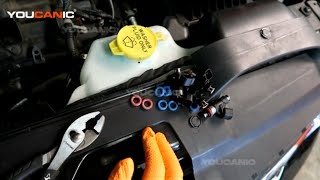
Typical fix: Replace the faulty fuel injector(s) on Bank 2. While accessing Bank 2 injectors does not require removing the upper intake manifold like Bank 1 does, it is still often recommended to replace all three injectors on that bank at the same time for consistency.
Est. part cost: $60-$120 per injector - Faulty Fuel Pressure Regulator 🟡 Medium Probability The fuel pressure regulator maintains the correct pressure in the fuel rail. If it fails and allows pressure to become too high, all injectors will deliver more fuel than commanded, leading to a rich condition on both banks (P0172 and P0175).
How to confirm: Connect a fuel pressure gauge to the fuel rail's test port. If the pressure is significantly above the specification (typically around 58 psi for this engine), the regulator is likely faulty.
Typical fix: The fuel pressure regulator is part of the fuel pump module located in the gas tank. Replacement requires dropping the fuel tank and replacing the entire module.
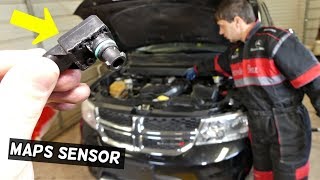
Est. part cost: $200-$400 for the fuel pump module - Faulty MAP Sensor ⚪ Low Probability The Manifold Absolute Pressure (MAP) sensor measures engine load. If it provides an inaccurate reading suggesting a higher load than actual, the PCM will command more fuel, leading to a rich mixture. For some 2011-2012 models, a PCM software update (TSB #18-031-12 REV. A) was issued to correct false MAP sensor codes, which could be related.
How to confirm: Use a scan tool to compare the MAP sensor reading to a known good value (barometric pressure) with the key on, engine off. The reading should be close to your local atmospheric pressure.
Typical fix: Replace the MAP sensor. It is easily accessible on top of the intake manifold.
Est. part cost: $40-$80
Rare But Worth Checking
- PCV System Failure: While less common for causing a rich code (more often lean), a stuck-closed PCV valve can affect crankcase pressures and indirectly impact the air-fuel mixture. It's an easy and inexpensive part to check.
- Engine Coolant Temperature (ECT) Sensor Fault: If the ECT sensor is stuck reading very cold, the PCM will enrich the fuel mixture as if for a cold start, even when the engine is warm. This can be checked with a scan tool by comparing the ECT reading to the actual engine temperature.
- PCM Software Issue: On related platforms, Chrysler has issued TSBs for PCM software updates (reflashes) to correct overly sensitive logic that could falsely trigger rich condition codes like P2097. While no specific TSB for P0175 on the Journey is widely cited, it remains a possibility, especially if no mechanical faults can be found.
Diagnosis Steps
- Read the code with an OBD-II scanner and check for any other pending or active codes.
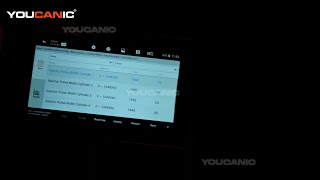
- Using the scanner's live data function, monitor the short-term and long-term fuel trims for Bank 2. For a P0175 code, you will see highly negative numbers (e.g., -15% to -30%), indicating the PCM is trying to remove fuel.
- Inspect the Bank 2, Sensor 1 (upstream) O2 sensor's voltage. It will likely be stuck high (above 0.8V) or be very slow to switch.
- Inspect the air filter and intake tract for any blockages or restrictions.
- Perform a fuel pressure test. Check for pressure that is too high while running (spec is ~58 PSI) and check if the pressure holds after the engine is off. A rapid drop indicates a potential leaking injector.
- If a leaking injector is suspected, remove the spark plugs from Bank 2 (cylinders 2, 4, 6) and inspect them. A plug that is black, sooty, or wet with fuel points to the leaking injector's cylinder.
- Test the MAP sensor by comparing its reading to barometric pressure with the key on, engine off.
- Inspect for exhaust leaks before the Bank 2 O2 sensor, as this can sometimes skew sensor readings.
- If all else fails, consider a potential issue with the PCM, though this is rare.
Parts You'll Likely Need
- Upstream Oxygen Sensor (Bank 2, Sensor 1)
(OEM #5149171AA)— This sensor is a primary input for fuel control and is a common failure item. A faulty sensor sending incorrect rich signals is a frequent cause of P0175.
Trusted brands: Mopar, NTK, Denso
OEM price range: $80-$150
Aftermarket price range: $50-$100 - Fuel Injector
(OEM #05184085AC)— A leaking fuel injector is a direct cause of a rich condition on a specific bank. The 3.6L Pentastar is known to be sensitive to injector quality.
Trusted brands: Mopar, Bosch, Standard Motor Products (SMP)
OEM price range: $90-$150
Aftermarket price range: $60-$120
Related Codes That Often Appear With This One
- P0172 — System Too Rich (Bank 1). If both P0172 and P0175 are present, it points to a problem common to both cylinder banks, such as a faulty fuel pressure regulator, MAP sensor, or a major issue in the fuel delivery system.
- P0300, P0302, P0304, P0306 — Misfire codes for cylinders on Bank 2 (Cylinders 2, 4, 6). A very rich mixture can foul spark plugs and cause incomplete combustion, leading to misfires on the affected cylinders.
Technical Service Bulletins (TSBs) & Recalls
- TSB #18-031-12 REV. A: While for code P0108 on 2011-2012 models, it involves a PCM reflash related to the MAP sensor, which can be a cause fo
Mechanic-Grade Diagnostic Values
- Fuel Pressure (Key-On, Engine-Running) — expected: ~58 PSI (400 kPa). Failure: Pressure significantly above 60 PSI indicates a potential regulator issue. Pressure that drops rapidly after engine shutoff indicates a leak (e.g., injector).
- Long-Term Fuel Trim (Bank 2) — expected: -10% to +10%. Failure: A reading of -15% to -30% or more negative indicates the PCM is aggressively removing fuel to compensate for a rich condition, triggering the P0175 code.
- Fuel Rail Bolt Torque — expected: 62 in-lbs (7 N-m). Failure: N/A - This is a specification for reassembly.
- Engine Oil Pressure (Warmed Up, At Idle) — expected: ~25-35 PSI. Failure: While not a direct cause of P0175, abnormally low oil pressure (below 20 PSI at idle) can indicate severe internal engine wear or oil dilution from excessive fuel.
Scan Tool Commands That Help
- wiTECH (Dealer) or high-end bidirectional scanner: Fuel Injector Balance Test — This function allows the technician to individually disable each injector on Bank 2. If disabling one injector causes the fuel trims to return to normal (near 0%), that injector is the one that is leaking or stuck open.
- wiTECH (Dealer) or high-end bidirectional scanner: O2 Sensor Heater Test — This command activates the heater circuit for the Bank 2 O2 sensor. The technician can monitor the sensor's response time to see if it comes up to operating temperature correctly. A slow response can cause incorrect readings during warm-up, leading to rich conditions.
- wiTECH (Dealer) or high-end bidirectional scanner: EVAP Purge Solenoid Command — Allows the technician to command the purge solenoid open and closed while monitoring fuel trims. If commanding the valve closed causes a significant change in fuel trims, it indicates the valve was stuck open or leaking, introducing unwanted fuel vapors.
Wiring & Ground Locations
- G903 (3.6L) — Top of the transmission housing.. This is a primary engine/transmission ground. A loose or corroded connection here can affect various engine sensors, including the crankshaft position sensor, which can indirectly impact fuel and ignition timing.
- Engine to Chassis Ground (Passenger Side) — A 4-gauge wire running from the passenger side engine mount to the ground studs on the passenger strut tower.. Forum veterans report this and other grounds on the Journey are undersized from the factory. Poor grounding can create voltage offsets and electrical noise, potentially causing the PCM to receive inaccurate data from the O2 sensors or MAP sensor, leading to incorrect fuel calculations.
- Bank 2 O2 Sensor Connector — Located near the front of the engine, tracing the wire up from the upstream O2 sensor on the front exhaust manifold.. This connector is the primary interface for the sensor. Checking for voltage, ground, and signal integrity at the connector's pins is a key diagnostic step. A wiring diagram is needed to identify the specific pins for the heater circuit and the sensor signal.
Real Owner Repair Stories
- Dodge Journey Forum user 'Dean H' (2016 Dodge Journey 3.6L with 130k miles) — General electrical issues, including no-crank conditions, which are often tied to poor grounding that can also affect sensor readings.
❌ Tried (didn't work) The user preemptively addressed the issue rather than waiting for failure, but noted that many owners chase individual component failures without success.
✅ What actually fixed it The user identified the factory 4-gauge battery and ground cables as undersized. They performed an upgrade by adding a 2-gauge cable from the engine block to the chassis ground stud on the driver's strut tower and another ground cable on the passenger side. They noted this provides a more stable electrical system, which is critical for the 12-14+ electronic modules on the vehicle. - NHTSA ODI #11534233 — An owner of a related 3.6L Pentastar vehicle reported that the engine started shaking and codes P0172 and P0175 remained on for nearly two months despite replacing spark plugs, O2 sensors, fuel injectors, and ignition coils.
- NHTSA ODI #11415608 — A driver experienced the engine bucking and skipping with a combination of codes including P0175 and misfire codes P0302, P0304, and P0306; the issue sometimes cleared after driving a short distance.
"I Checked Everything" — The Actual Cause
- A faulty EVAP purge control valve/solenoid. While a smoke test checks for vacuum leaks (unmetered air), it won't typically identify a faulty purge valve that is intermittently sticking or leaking fuel vapors into the intake manifold at the wrong time. This introduces unmetered *fuel*, causing the PCM to command negative fuel trims and potentially trigger a P0175. This is often missed because purge valves are more commonly associated with lean codes (P0442, etc.) when they stick open and create a vacuum leak.
OEM Part Supersession History
5149171AA→5149171AB— Standard revision and update by the manufacturer.
Heads up: The new part number (5149171AB) is the correct replacement for the original. Using the old number may result in receiving old stock.05184085AC→05184085AD— Standard revision and update by the manufacturer.
Heads up: 05184085AD is the current OEM replacement. Both are specified for the 3.6L Pentastar engine.
Model Year Variations Within This Range
- 2011-2019: The 3.6L Pentastar V6 was introduced in 2011 as part of a major vehicle refresh, replacing the older 3.5L V6. It was discontinued for the final 2020 model year, which only featured the 2.4L I4.
- 2011-2015 vs 2016-2019: Early Pentastar engines (pre-2016) typically specify 5W-20 or 5W-30 motor oil, while updated versions (2016+) often specify 0W-20 synthetic oil to improve fuel economy and performance of systems like VVT. Using the wrong viscosity can affect performance, though it is not a direct cause of P0175.
Diagnostic Flowchart
Other Known Issues on This Vehicle
Issues unrelated to this code that are worth knowing about as an owner of this generation:
- Cracked Oil Filter Housing / Cooler Assembly 🔴 High — Extremely common across all 3.6L Pentastar applications, often occurring after 60,000 miles. The original plastic part warps and cracks, causing significant oil and/or coolant leaks into the engine valley.
- Rocker Arm / Lifter Failure ('Pentastar Tick') 🔴 High — Widespread issue due to needle bearing failure in the rocker arms. Causes a distinct ticking sound that, if ignored, leads to camshaft damage. Can occur at various mileages, some as early as 10,000 miles on early models, but more common after 100,000 miles. (Ref: A class-action lawsuit was filed regarding this issue.)
- Left Cylinder Head Defect 🔴 High — Affected early models from 2011-2013. A manufacturing defect caused excessive valve guide wear, leading to misfires on the left bank (cylinders 2, 4, 6). (Ref: Chrysler issued an extended warranty (X56) for 10 years/150,000 miles. TSB 09-002-14 REV. A is related.)
- 62TE Transmission Problems 🟠 Medium — The 62TE automatic transmission can suffer from shuddering, slipping between gears, or harsh shifts. These issues are often traced to the valve body, solenoid pack, or torque converter.
- Water Pump Failure 🟠 Medium — Failure of the water pump is a common cause of overheating, particularly noted in earlier models.
Used vs. New Parts: Buying Guide for This Vehicle
When a used part is the smart pick: For this specific code, buying used parts is generally not recommended for the most common causes (sensors, injectors). A used part may be considered for larger, non-electronic components if other repairs lead to their replacement (e.g., an intake manifold or fuel rail), but the cost savings are often minimal compared to the risk.
Donor-vehicle mileage cap: roughly under 70000 miles for the part to have meaningful remaining life.
What to inspect on the donor part:
- For any used part, ensure it comes from a vehicle that was not in a front-end collision.
- Check electrical connectors for signs of corrosion, melting, or brittle plastic.
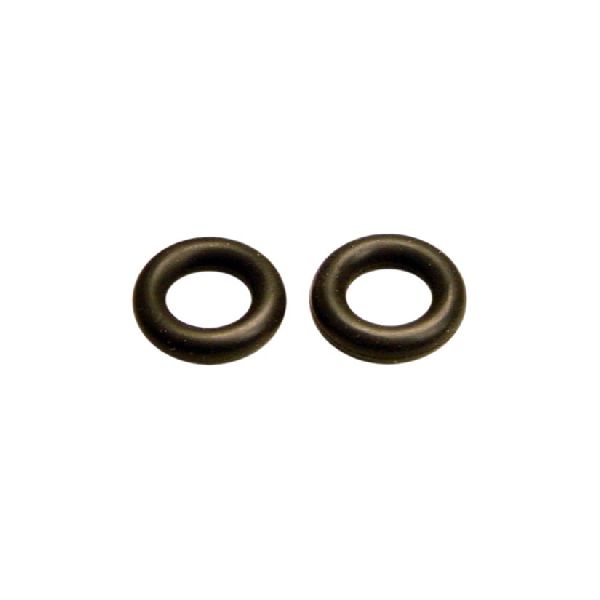
- If considering a used injector, look for intact O-rings and no signs of rust or heavy carbon buildup on the tip.
OEM-only on this vehicle (don't cheap out):
- Fuel Injectors: The 3.6L Pentastar is notoriously sensitive to injector flow rates. Aftermarket injectors, even from reputable brands, can sometimes cause rich or lean codes if not perfectly matched. OEM Mopar or a direct OEM supplier like Bosch is strongly advised.
- Oxygen (O2) Sensors: While some aftermarket brands are excellent, many owners report chasing codes after installing cheap, unbranded sensors. Sticking to OEM Mopar or the original equipment supplier (like NTK/NGK or Denso) is the safest bet.
Aftermarket brands forum-validated for this vehicle:
- NTK (part of NGK) - Often the Original Equipment supplier for Chrysler oxygen sensors.
- Denso - A top-tier OEM supplier for oxygen sensors, known for quality and reliability.
- Bosch - Inventor of the O2 sensor and a known OEM supplier for fuel injectors for many brands.
Brands owners have reported issues with on this vehicle:
- Unbranded, low-cost sensors and injectors from online marketplaces. Forum users frequently report that these parts fail quickly or are dead-on-arrival, causing the same or new codes to appear.
Real Owner Stories
Aggregated from forums and TSBs cited above. Mileages and costs reflect what owners reported in those sources.
2014 Dodge Journey 3.6L Pentastar — 200000 miles
Symptoms: Owner detailed a hallmark issue of the 3.6L Pentastar involving a leaking oil filter housing.
What fixed it: Replacement of the leaking oil filter housing/cooler assembly.
Source hint: Dodge Journey Forum - '2014 Dodge Journey Oil Filter Housing'
2014 Dodge Journey 3.6L V6
Symptoms: Engine misfire and rich condition symptoms.
What fixed it: Replacement of fuel injectors on the 3.6L V6 engine.
Source hint: YouTube - 'Dodge Journey How to replace fuel injectors, engine misfire'
2014 Dodge Journey 3.6L — ~65000 miles
Symptoms: Oil leak from the engine valley, potentially leading to fuel trim codes if handled improperly.
What fixed it: Repair of the oil filter housing leak.
Source hint: DodgeForum.com - '2014 3.6L oil leak'
NHTSA ODI #11534233
Symptoms: The vehicle started shaking on a trip and codes P0172 and P0175 remained active for nearly two months.
What fixed it: Despite replacing spark plugs, O2 sensors, fuel injectors, and ignition coils, the owner reported persistent issues.
NHTSA ODI #11415608
Symptoms: The engine bucks and skips, throwing a series of codes including P0175 and misfire codes P0302, P0304, and P0306.
What fixed it: The owner noted the event occurred in the driveway but the vehicle ran fine after driving about a half mile.
Related OBD-II Codes
Frequently Asked Questions
Is there a PCM update for my 2011-2012 Dodge Journey that might fix sensor-related codes?
Where is Bank 2 located on the 3.6L Pentastar engine in my Journey?
Could a recent repair for an oil filter housing leak cause a P0175 code?
What is the correct fuel pressure for a 2011-2020 Dodge Journey 3.6L?
If I have a leaking injector on Bank 2, do I have to remove the intake manifold?
Helpful Videos

![How to Fix P0175 Engine Code in 2 Minutes [2 DIY Methods / Only $8.99]](https://img.youtube.com/vi/pxuKkkqqvSs/mqdefault.jpg)
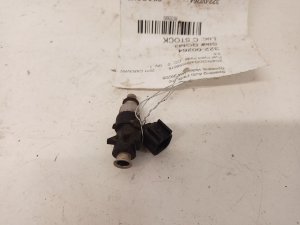
Used OEM Parts in Stock

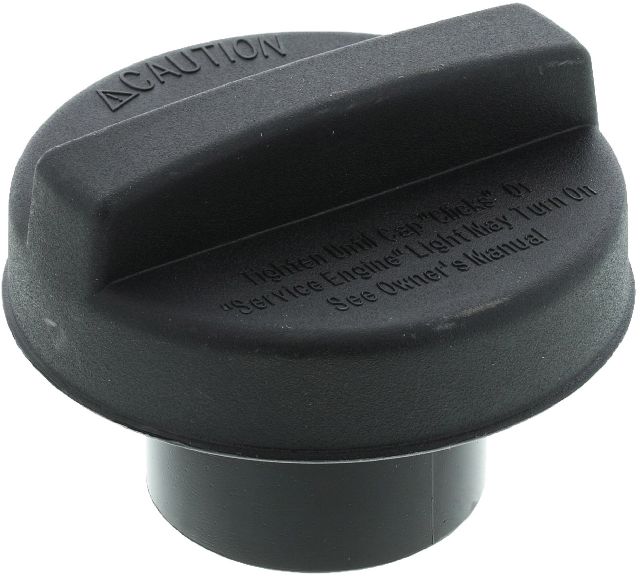
New Aftermarket Parts Available


The information in this article is provided for general reference and educational purposes only. Vehicle specifications, procedures, and part compatibility can vary by production date, trim level, and region. Always consult your vehicle's factory service manual and verify part numbers before purchasing or performing repairs. Safety-critical components such as airbags, seat belts, and braking systems should be installed by a qualified professional.
- Dodge Journey:
- 🎬 Helpful Videos
- 🛍️ Shop This Part
- What's Unique About the 2011-2020 Dodge Journey
- Symptoms You May Notice
- Most Likely Causes
- Rare But Worth Checking
- Diagnosis Steps
- Parts You'll Likely Need
- Related Codes That Often Appear With This One
- Technical Service Bulletins (TSBs) & Recalls
- Mechanic-Grade Diagnostic Values
- Scan Tool Commands That Help
- Wiring & Ground Locations
- Real Owner Repair Stories
- "I Checked Everything" — The Actual Cause
- OEM Part Supersession History
- Model Year Variations Within This Range
- Diagnostic Flowchart
- Other Known Issues on This Vehicle
- Used vs. New Parts: Buying Guide for This Vehicle
- Real Owner Stories
- 2014 Dodge Journey 3.6L Pentastar — 200000 miles
- 2014 Dodge Journey 3.6L V6
- 2014 Dodge Journey 3.6L — ~65000 miles
- NHTSA ODI #11534233
- NHTSA ODI #11415608
- Related OBD-II Codes
- Frequently Asked Questions
- 🎟️ Get 5% Off