

P0174 on 1995-2003 Oldsmobile Aurora: Lean Condition Causes and Fixes
On the 1995-2003 Oldsmobile Aurora, especially V8 models, the P0174 code is most often caused by a vacuum leak from a cracked intake plenum boot or failed intake manifold gaskets. A smoke test is the best way to confirm before replacing parts.
- P0174 on an Oldsmobile Aurora almost always points to unmetered air entering the engine, not a bad sensor.
- The most likely culprit, especially on the V8, is a cracked intake plenum boot or failed intake manifold gaskets.
- Always perform a smoke test to confirm the location of a vacuum leak before starting repairs.
- If both P0174 (Bank 2) and P0171 (Bank 1) are present, it confirms the problem affects the whole engine, making a central vacuum leak or a bad MAF sensor highly probable.
- Do not replace the oxygen sensor as a first step; it is typically just doing its job by reporting the lean condition.
What's Unique About the 1995-2003 Oldsmobile Aurora
The Oldsmobile Aurora uses engines derived from the Cadillac Northstar family (4.0L V8 and 3.5L V6). These engines are notoriously prone to vacuum leaks from brittle intake manifold gaskets and, specifically on the V8, a rubber plenum boot that cracks with age. While many cars can get a P0174 code, on the Aurora, these specific intake leaks are so common that they should be the first suspicion, often before considering a faulty sensor. This issue is shared with its engine platform mates, the Cadillac DeVille and Seville.
Generation note: This covers both generations of the Aurora. The first generation (1995-1999) exclusively used the 4.0L V8. The second generation (2001-2003) used both the 4.0L V8 and a 3.5L V6. The most common cause, a vacuum leak at the intake, is prevalent on both engines but especially well-documented on the V8's plenum boot.
Symptoms You May Notice
- Check Engine Light is on
- Rough or surging idle
- Hesitation or lack of power during acceleration
- Engine stalling, especially at idle
- Reduced fuel economy
- A whistling or hissing sound from the engine bay at idle, especially from the V8's intake boot area
- Replacing the oxygen (O2) sensor first. The O2 sensor is usually accurately reporting the lean condition, not causing it. On the Aurora, vacuum leaks are a much more probable cause for P0174 and should be ruled out completely before suspecting a sensor.
Most Likely Causes
- Vacuum Leak (Intake Manifold Gaskets / Plenum Boot) 🔴 High Probability The intake manifold gaskets and the V8's rubber plenum boot are known weak points that become hard and crack from age and heat cycles. This is the most cited repair for P0174 in owner forums.
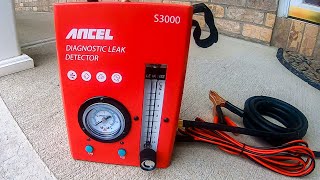
How to confirm: Perform a smoke test to see if smoke escapes from the intake manifold area. Alternatively, carefully spray short bursts of brake cleaner near the intake gaskets and plenum boot with the engine running; a change in idle RPM indicates a leak. 🎬 See the easiest way to find a vacuum leak yourself.
Typical fix: Replace the intake manifold gaskets and/or the plenum boot. This is a labor-intensive job that involves removing the intake manifold.
Est. part cost: $50-$100 - Dirty or Faulty Mass Airflow (MAF) Sensor 🟡 Medium Probability
How to confirm: Inspect the sensor for contamination. Clean it using only dedicated MAF sensor cleaner. If cleaning doesn't resolve the issue, monitor MAF readings with a scan tool to see if they are erratic or out of specification.
Typical fix: Clean the MAF sensor. If the problem persists, replace the sensor.
Est. part cost: $60-$150 - Cracked or Disconnected Vacuum Hoses 🟡 Medium Probability Rubber and plastic hoses become brittle over time and can easily crack or break. The PCV hose system is a particularly common failure point, as the hoses can become oil-soaked and soft or dry and cracked.
How to confirm: Visually inspect all vacuum lines, paying close attention to the PCV valve and its connecting hoses, for cracks, splits, or loose connections. Listen for a hissing sound with the engine running.
Typical fix: Replace the damaged hose section or PCV valve.
Est. part cost: $5-$30 - Low Fuel Pressure ⚪ Low Probability While not specific to this car, a weak fuel pump or clogged fuel filter will starve the engine of fuel, causing a lean condition.
How to confirm: Connect a fuel pressure gauge to the fuel rail's test port (Schrader valve). With the key on and engine off, the pressure should be 48-55 psi. If pressure is low, suspect the fuel filter or pump.
Typical fix: Replace the clogged fuel filter first. If pressure is still low, the fuel pump likely needs to be replaced.
Est. part cost: $20-$250
Rare But Worth Checking
- Leaking Fuel Rail (Recall 04014C): On 1995-1997 models, a safety recall (GM #04014C, NHTSA #04V110) was issued for cracking nylon fuel rails that could leak fuel, causing a loss of pressure and a fire risk. The remedy was to replace the nylon rail with a stainless steel version. It is critical to verify this recall was performed.
- Clogged Fuel Injectors on Bank 2: If the lean condition is isolated to Bank 2 and all vacuum leaks have been ruled out, one or more fuel injectors on that bank may be clogged and not delivering enough fuel.
- Exhaust Leak Before the Oxygen Sensor: A crack in the exhaust manifold or a leaking flange gasket before the upstream O2 sensor can allow outside air into the exhaust stream, fooling the sensor into reporting a false lean condition.
Diagnosis Steps
- Check for other stored trouble codes. If P0171 is also present, focus on causes that affect both banks, especially the intake plenum boot on V8s.
- Visually inspect the entire air intake system from the air filter to the throttle body for cracks or loose connections.
- Thoroughly inspect all accessible vacuum hoses, especially the PCV valve and its connecting lines, for cracks, brittleness, or disconnection.
- With the engine running, listen for hissing or whistling sounds that indicate a vacuum leak.
- Perform a smoke test. This is the most effective way to find hard-to-see vacuum leaks around the intake manifold gaskets and plenum boot.
- If no vacuum leaks are found, clean the Mass Airflow (MAF) sensor using a dedicated MAF sensor cleaner. Do not touch the sensor wires.
- Check fuel pressure using a gauge connected to the fuel rail test port. With the key on, engine off, pressure should be within the 48-55 psi specification. A pressure drop of more than 5 psi in 10 minutes indicates a leak in the system.
- Using a scan tool, observe the live data for the Bank 2, Sensor 1 oxygen sensor. It should fluctuate rapidly. A slow or stuck reading may indicate a faulty sensor, but this is less common.
- If all else fails, investigate the possibility of clogged fuel injectors on Bank 2 or an exhaust leak before the O2 sensor.
Parts You'll Likely Need
- Intake Manifold Gasket Set
(OEM #For 4.0L V8, aftermarket is common (e.g., Fel-Pro MS95825). For 3.5L V6, use Fel-Pro MS96454.)— This is a very common failure point on both the V8 and V6 engines, causing vacuum leaks that trigger lean codes.
Trusted brands: ACDelco, Fel-Pro, Victor Reinz
OEM price range: $60-$100
Aftermarket price range: $30-$60 - Intake Plenum Boot (V8 Only)
(OEM #GM 24505325 (ACDelco 219-196))— The rubber boot connecting the throttle body to the intake manifold on the 4.0L V8 is a notorious source of vacuum leaks as it cracks with age.
Trusted brands: ACDelco, Dorman
OEM price range: $40-$70
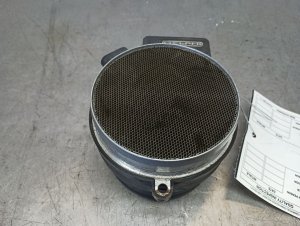
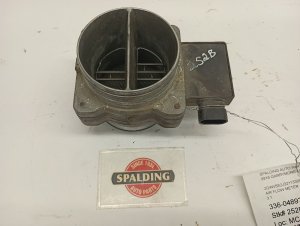
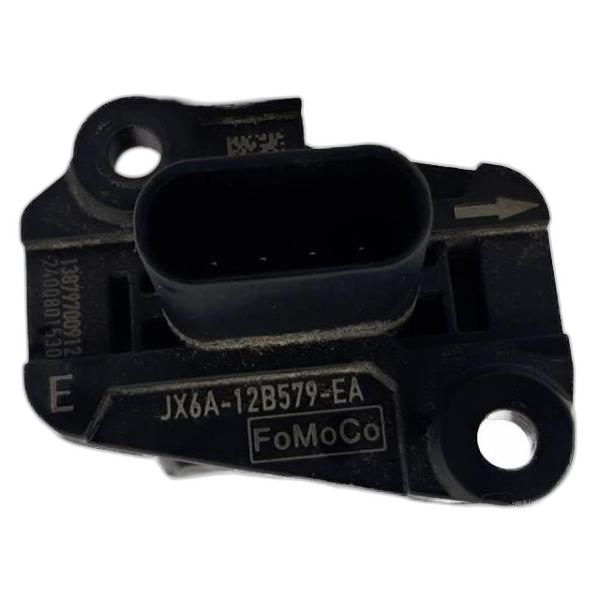
Aftermarket price range: $20-$40 - Mass Airflow (MAF) Sensor — A dirty or failing MAF sensor provides incorrect airflow data to the computer, leading to an improper fuel mixture.
Trusted brands: ACDelco, Delphi, Bosch
OEM price range: $120-$200
Aftermarket price range: $60-$150 - PCV Valve and Hoses — A simple cracked vacuum line or stuck PCV valve is a frequent and inexpensive cause of unmetered air entering the engine.
OEM price range: $10-$30
Aftermarket price range: $5-$20
Related Codes That Often Appear With This One
- P0171 — P0171 is the same 'System Too Lean' code but for Bank 1. When both P0171 and P0174 appear together, it strongly suggests a problem affecting the entire engine, such as a major vacuum leak (like the intake manifold gaskets or V8 plenum boot), a faulty MAF sensor, or low fuel pressure.
- P0300 — P0300 indicates a random/multiple cylinder misfire. A severe lean condition can prevent proper combustion, leading to misfires across one or both banks.
Technical Service Bulletins (TSBs) & Recalls
- 04014C - Safety Recall for engine fuel rail replacement on 1995-1997 models due to cracking and potential fuel leaks.
Platform-Specific Known Issues
- The intake manifold gaskets on both the 4.0L V8 and 3.5L V6 are a known weak point that will eventually fail and cause vacuum and/or coolant leaks.
- The rubber plenum boot on the 4.0L V8 is a high-failure item that causes simultaneous P0171 and P0174 codes when it cracks.
- The PCV hose assembly, particularly the rubber elbows, are prone to deteriorating from oil and heat, creating hard-to-spot vacuum leaks.
Mechanic-Grade Diagnostic Values
- Long-Term Fuel Trim (LTFT) at Idle — expected: Between -10% and +10%. Ideally close to 0%.. Failure: Sustained positive values of +20% or higher, especially when combined with P0171, indicate a significant vacuum leak or under-reported airflow. The PCM will trigger the P0174 code when LTFT exceeds its maximum corrective ability, often around +25%.
- Mass Airflow (MAF) Sensor Reading at Idle — expected: For the 4.0L V8, a typical reading at a stable, warm idle (around 650-750 RPM) should be approximately 4.0 to 6.0 grams/second (g/s).. Failure: A significantly lower reading (e.g., 2.5 g/s) at idle suggests the sensor is dirty or failing, causing the PCM to calculate a lower fuel need than is actually required, leading to a lean condition.
- Fuel Injector Resistance — expected: Approximately 12 to 17 Ohms for the stock injectors when measured with a multimeter.. Failure: A reading that is significantly higher, lower, or open (infinite resistance) indicates a failed injector coil.
- Fuel Pressure Regulator Vacuum Line Check — expected: The vacuum line connected to the fuel pressure regulator should be completely dry and have no smell of gasoline.. Failure: Presence of raw fuel or a strong fuel smell in the vacuum line indicates a ruptured internal diaphragm in the regulator.
Scan Tool Commands That Help
- GM Tech 2: Fuel Injector Balance Test — Use this function when a single-bank lean code (P0174) persists after vacuum and exhaust leaks have been ruled out. The test individually fires each injector while monitoring fuel pressure drop on the rail. An injector with a significantly smaller pressure drop than the others is likely clogged or partially failing.
- GM Tech 2: Cylinder Power Balance Test — This test deactivates one cylinder at a time (by cutting fuel or spark) and measures the corresponding drop in RPM. If disabling a cylinder on Bank 2 causes little or no change in RPM, it confirms that cylinder was not contributing properly, pointing to a potential injector, spark, or compression issue on that specific cylinder.
- GM Tech 2 / Professional Scan Tool: Reset Fuel Trims — This command should be used immediately after a repair (e.g., replacing a leaking gasket or faulty sensor). It forces the PCM to erase the learned long-term fuel trim corrections and start learning new values from scratch. Failing to do this can result in the vehicle continuing to run poorly until it re-adapts over many drive cycles.
Wiring & Ground Locations
- G101 / G104 — On the Gen 2 Aurora (2001-2003), G101 is on the lower front side of the engine on the generator bracket, and G104 is on the transmission housing. On the Gen 1 (1995-1999), G101 is on the right lower frame rail.. Ground G101 on Gen 2 models is a ground point for the Powertrain Control Module (PCM) and the Mass Air Flow (MAF) sensor. A corroded or loose connection here can cause erratic MAF sensor readings, leading the PCM to miscalculate the air-fuel ratio and potentially set a lean code.
- MAF Sensor Connector — The connector is on the Mass Airflow sensor, located on the air intake tube between the air filter housing and the throttle body.. The pins and terminals in this connector can become corroded or loose over time. Shaking the harness near the connector while the engine is running can help identify a poor connection; if the engine stumbles or stalls, the connector or its terminals need to be inspected and cleaned or replaced.
- Bank 2 Oxygen Sensor Harness — The harness runs from the upstream O2 sensor on the Bank 2 exhaust manifold (the bank closer to the firewall) to the main engine harness.. This harness can be damaged by contact with hot exhaust components or become brittle from heat. A damaged wire can cause a false lean signal to be sent to the PCM, even if the air-fuel mixture is correct. A visual inspection for melted or frayed wiring is crucial if other causes have been eliminated.
Real Owner Repair Stories
- iATN (International Automotive Technicians Network) post (1998 Oldsmobile Aurora 4.0L V8) — Check Engine Light with codes P0171 and P0174. Long Term Fuel Trims were very high (+37%). A loud whistling sound was heard from the front of the intake manifold.
❌ Tried (didn't work) Initial inspection.
✅ What actually fixed it The technician sprayed carburetor cleaner at the "trap door" at the front of the intake manifold (the plenum boot) and observed the fuel trims correct immediately, confirming a massive vacuum leak. The final fix was replacing the cracked intake plenum boot. - ScannerDanner Forum user (Vehicle not specified, but GM engine with P0174 only.) — P0174 code without P0171. Long term fuel trim on Bank 2 was +29.7%.
❌ Tried (didn't work) Initial smoke test, replacing IAC and PCV elbow.
✅ What actually fixed it A second, more thorough smoke test revealed a leak from the Idle Air Control (IAC) valve housing itself, which was introducing unmetered air primarily affecting one bank. Replacing the faulty IAC and ensuring a good seal fixed the isolated lean code.
"I Checked Everything" — The Actual Cause
- A technician reported a case on a Northstar-family engine where multiple smoke tests showed no vacuum leaks. The P0171/P0174 codes persisted. The actual cause was found to be a faulty Fuel Pressure Regulator (FPR). While a ruptured FPR diaphragm typically causes a rich condition by leaking fuel into the vacuum line, a slight, intermittent failure can disrupt the vacuum signal the PCM uses for fuel calculations, leading it to incorrectly perceive a lean condition.
Model Year Variations Within This Range
- 1995-1997: These early first-generation models were equipped with nylon fuel rails that were subject to a safety recall (GM #04014C) for cracking and leaking fuel. Later models and recall-remedied cars have stainless steel rails. A fuel leak can cause a loss of pressure, triggering a lean code.
- 2001-2003 (Gen 2) vs 1995-1999 (Gen 1): The PCV system plumbing and valve location differ slightly between generations. On a 2001 4.0L V8, the PCV valve is located on the cam cover, accessible after removing the engine cover. While the principle is the same, the specific hoses and their routing change, meaning a leak point on a Gen 1 may be in a different physical location than on a Gen 2.
Diagnostic Flowchart
Used vs. New Parts: Buying Guide for This Vehicle
When a used part is the smart pick: For a P0174 repair, sourcing used parts is generally not recommended for the most common failure items. However, hard parts like a throttle body, fuel rail (the metal part, not injectors or regulator), or an entire intake manifold (if inspected for cracks/warping) can be viable junkyard finds if the new cost is prohibitive.
Donor-vehicle mileage cap: roughly under 75000 miles for the part to have meaningful remaining life.
What to inspect on the donor part:
- For electronic sensors like a MAF, look for a donor vehicle with low mileage and no signs of front-end collision damage.
- Inspect any plastic or rubber components on the donor part for brittleness, cracking, or oil saturation. Do not pull rubber hoses or boots to reuse them.
- Check the pins on any electrical connectors to ensure they are straight and free of corrosion.
OEM-only on this vehicle (don't cheap out):
- Mass Airflow (MAF) Sensor: While aftermarket is available, ACDelco or Delphi (OEM suppliers) are strongly recommended. Cheap aftermarket MAF sensors are a very common source of persistent, difficult-to-diagnose running issues.
- Fuel Pressure Regulator: Given the fire risk associated with fuel system failures, using a quality OEM or top-tier aftermarket part is critical.
Aftermarket brands forum-validated for this vehicle:
- Fel-Pro: Widely regarded as the standard for intake manifold gaskets (MS95825 for V8, MS96454 for V6).
- Dorman: Offers a commonly used replacement for the V8's high-failure intake plenum boot.
- ACDelco, Delphi: The primary OEM suppliers for sensors and electronic components.
Brands owners have reported issues with on this vehicle:
- Unbranded or 'white-box' sensors from online marketplaces. These frequently have high failure rates out of the box or do not perform to the correct specifications, leading to a repeat of the original code or new, different codes.
Real Owner Stories
Aggregated from forums and TSBs cited above. Mileages and costs reflect what owners reported in those sources.
2001 Oldsmobile Aurora 4.0
Symptoms: Check engine light with codes P0171 and P0174, rough/surging idle, poor acceleration, and a slight decrease in fuel mileage.
What fixed it: Replacing the intake plenum boot resolved all symptoms.
Cost: $65
Source hint: Aurora Club of North America (ACNA) Forum - ProBoards
1999 Oldsmobile Aurora
Symptoms: Check engine light on with codes P0171 and P0174, accompanied by an audible whistling from the engine bay.
What fixed it: Replaced the broken 90-degree PCV hose cover and the PCV valve itself.
Cost: $25
Source hint: YouTube comment from 'edtheoldtechguy'
Oldsmobile Aurora V8
Symptoms: P0171 and P0174 codes were present. The engine idle surged when brake cleaner was sprayed on the intake plenum boot.
What fixed it: Repairing a split in the intake plenum boot.
Source hint: aurorah.proboards.com thread titled 'P0171/P0174 error code'
Related OBD-II Codes
Frequently Asked Questions
I have both P0174 and P0171 codes on my V8 Aurora. What's the most likely cause?
I hear a whistling sound from the engine bay. Is this related to my P0174 code?
Is a 'smoke test' really necessary to diagnose this code on my Aurora?
I have a 1996 Aurora. Is there a recall I should know about related to the fuel system?
My car is an Oldsmobile Intrigue with the 3.5L V6. Does it suffer from the same intake gasket issues that cause P0174?
What is the correct fuel pressure I should see when testing my Aurora for a P0174 fault?
Helpful Videos
Used OEM Parts in Stock

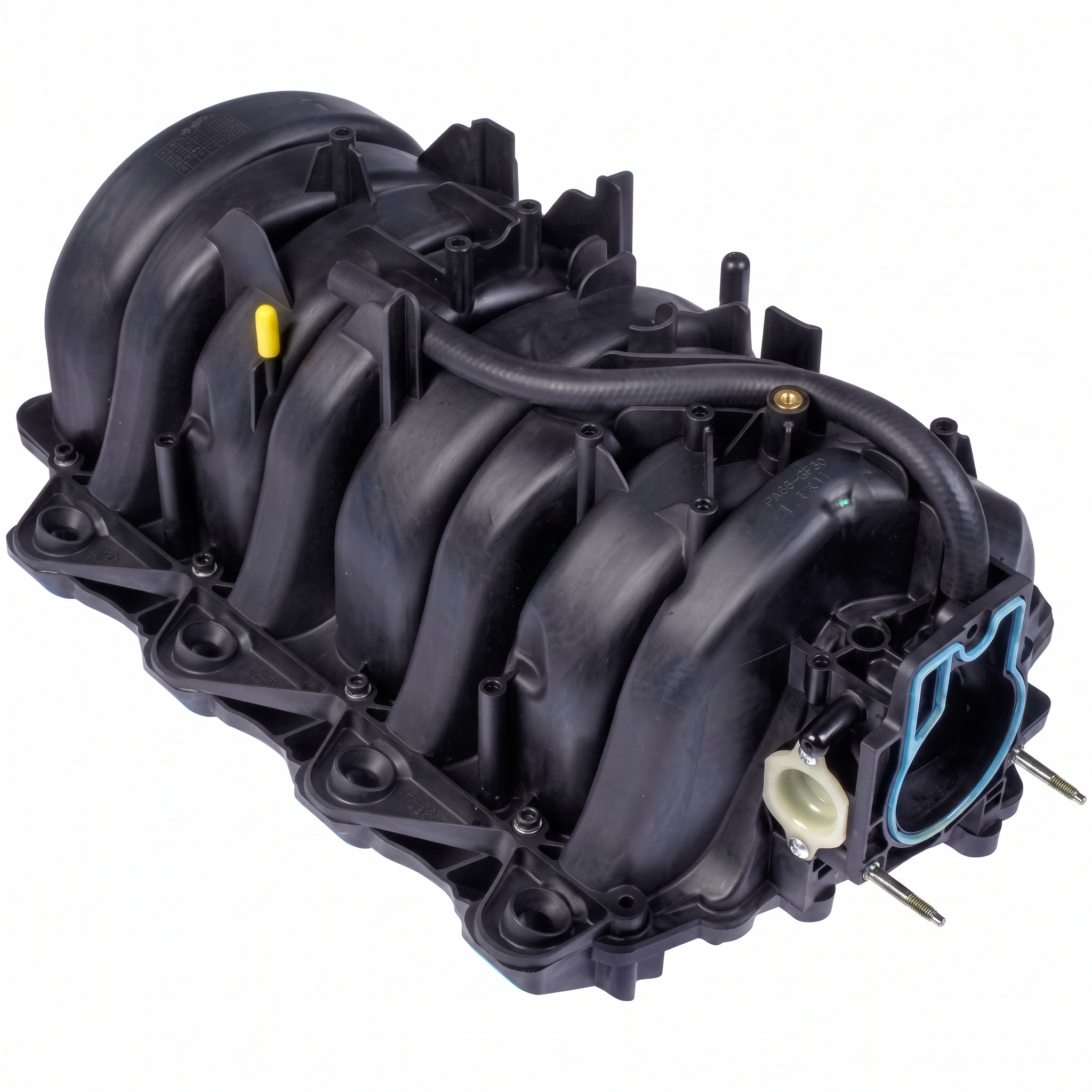
New Aftermarket Parts Available



The information in this article is provided for general reference and educational purposes only. Vehicle specifications, procedures, and part compatibility can vary by production date, trim level, and region. Always consult your vehicle's factory service manual and verify part numbers before purchasing or performing repairs. Safety-critical components such as airbags, seat belts, and braking systems should be installed by a qualified professional.
- Oldsmobile Aurora:
- 🎬 Helpful Videos
- 🛍️ Shop This Part
- What's Unique About the 1995-2003 Oldsmobile Aurora
- Symptoms You May Notice
- Most Likely Causes
- Rare But Worth Checking
- Diagnosis Steps
- Parts You'll Likely Need
- Related Codes That Often Appear With This One
- Technical Service Bulletins (TSBs) & Recalls
- Platform-Specific Known Issues
- Mechanic-Grade Diagnostic Values
- Scan Tool Commands That Help
- Wiring & Ground Locations
- Real Owner Repair Stories
- "I Checked Everything" — The Actual Cause
- Model Year Variations Within This Range
- Diagnostic Flowchart
- Used vs. New Parts: Buying Guide for This Vehicle
- Real Owner Stories
- 2001 Oldsmobile Aurora 4.0
- 1999 Oldsmobile Aurora
- Oldsmobile Aurora V8
- Related OBD-II Codes
- Frequently Asked Questions
- 🎟️ Get 5% Off