

P0174 on 2011-2014 Ford F-150 3.5L EcoBoost: Lean Bank 2 Causes and Fixes
P0174 on a 3.5L EcoBoost F-150 most often means there's a vacuum leak from a cracked plastic hose or a dirty Mass Airflow (MAF) sensor. Start by inspecting all intake and PCV hoses for cracks, especially the driver-side PCV tube, and cleaning the MAF sensor before replacing any parts. If both P0171 and P0174 are present, the issue is engine-wide.
- P0174 indicates a lean condition (too much air) on the driver's side of your 3.5L EcoBoost engine.
- Do not immediately replace the O2 sensor. The most common causes are vacuum leaks from cracked hoses or a dirty MAF sensor.
- A simple and cheap first step is to clean the MAF sensor with dedicated cleaner.
- Use a scan tool to watch fuel trims. If they are very high at idle but improve with more throttle, you almost certainly have a vacuum leak.
- If you also have a P0171 code, the problem is affecting both sides of the engine, pointing strongly toward the MAF sensor or a large vacuum leak near the throttle body.
What's Unique About the 2011-2014 Ford F-150
The 3.5L EcoBoost's twin-turbocharged induction system has extensive plumbing for the intercooler and blow-off valves, creating more potential locations for air leaks compared to a naturally aspirated engine. These leaks can be difficult to find and are a common cause of lean codes. Furthermore, the direct injection system means fuel does not clean the intake valves, making carbon buildup a long-term concern that can affect airflow. The plastic components in the PCV and intake system are also known to become brittle and crack from heat and age, creating vacuum leaks.
Symptoms You May Notice
- Check Engine Light is on
- Rough or unstable idle
- Hesitation or stumbling during acceleration
- Reduced engine power
- Poor fuel economy
- Engine misfires, which may feel like a shudder
- Hissing or whistling noises from the engine bay
- Replacing the oxygen sensor without first checking for vacuum leaks. The O2 sensor is often correctly reporting a problem caused by something else, making it the 'messenger' not the culprit.
Most Likely Causes
- Vacuum Leak (Cracked PCV Hoses/Intake Gaskets) 🔴 High Probability The engine bay contains numerous plastic and rubber vacuum lines, especially in the PCV system, which become brittle and crack from heat and age. A leak allows unmetered air to enter the engine after the MAF sensor, causing a lean condition. The intake manifold gaskets can also fail.
How to confirm: Visually inspect all hoses connected to the intake manifold and turbo piping, particularly the PCV lines on the valve covers. Listen for a hissing sound at idle. The most effective method is to use a smoke machine to introduce smoke into the intake system and watch for where it escapes. A key diagnostic clue is watching fuel trims with a scan tool; if long-term fuel trims are very high at idle but decrease significantly when you raise RPMs to ~2500, a vacuum leak is almost certain.
Typical fix: Replace the cracked hose or faulty gasket. A very common failure point is the driver-side PCV tube assembly. In some cases, the entire intake manifold may need to be replaced if it is cracked.
Est. part cost: $30-$200 - Dirty or Faulty Mass Airflow (MAF) Sensor 🔴 High Probability Oil vapors from the PCV system or fine dust that gets past an improperly seated air filter can coat the MAF sensor's delicate sensing wire. This contamination causes the sensor to under-report the amount of air entering the engine, leading the PCM to inject too little fuel.
How to confirm: Remove the sensor and visually inspect it for contamination. Cleaning it is a low-cost first step. Monitoring fuel trims with a scan tool can also help; if cleaning the MAF causes a significant positive change in how the engine runs and fuel trim values start to normalize, the sensor was likely the problem.
Typical fix: Clean the sensor using only dedicated MAF sensor cleaner spray. Do not touch the sensor wires. If cleaning doesn't resolve the issue, the sensor may need to be replaced. Using cheap aftermarket sensors is not recommended as they can be poorly calibrated.
Est. part cost: $10 (cleaner) - $150 (new sensor) - Failing Upstream Oxygen (O2) Sensor 🟡 Medium Probability The O2 sensor is what detects the lean condition. While often just reporting the problem, an aging sensor can become slow or biased, sending incorrect lean signals to the PCM. However, it's more common for the O2 sensor to be correctly identifying a problem elsewhere.
How to confirm: Use a scan tool to graph the voltage of the Bank 2, Sensor 1 O2 sensor. A healthy sensor will show rapidly fluctuating voltage between approximately 0.1V and 0.9V. A sensor that is stuck low, has a lazy waveform, or doesn't respond to induced rich/lean conditions is likely faulty.
Typical fix: Replace the Bank 2 (driver's side) upstream (pre-catalytic converter) O2 sensor.
Est. part cost: $50-$120 - Low Fuel Pressure / Fuel Delivery Issue ⚪ Low Probability The 3.5L EcoBoost has both a low-pressure in-tank fuel pump and a high-pressure mechanical fuel pump (HPFP) driven by the camshaft. A failure in either pump, a clogged fuel filter, or clogged injectors can restrict fuel flow. A forum user with a similar EcoBoost engine ultimately fixed their P0171/P0174 issue by replacing all six clogged fuel injectors after trying many other parts.
How to confirm: Use a scan tool to monitor both low-side and high-side fuel pressure PIDs. Desired vs. actual pressure should be compared. Low-side pressure should be stable, and high-side pressure should respond quickly to engine load. A code like P0087 often accompanies a fuel pressure problem.
Typical fix: Replace the failing fuel pump (low or high pressure), or have the fuel injectors professionally cleaned or replaced.
Est. part cost: $200-$1500+
Rare But Worth Checking
- Exhaust Leak: An exhaust leak from a cracked exhaust manifold or a bad gasket before the upstream O2 sensor can draw in outside air. This 'false air' tricks the O2 sensor into reporting a lean condition, causing the PCM to add unnecessary fuel. This often creates an audible ticking sound, especially on a cold start.
- PCM Software Issue: Ford has issued Technical Service Bulletins (TSBs) for other F-150 engines (like the 5.0L) where lean codes were caused by PCM software logic needing an update. If all mechanical and sensor checks pass, it's worth investigating if a PCM reflash is available for your specific vehicle and calibration.
Diagnosis Steps
- Use a scan tool to confirm P0174 and check for any other codes. Note if P0171 is also present, as this points to a global engine issue.
- Monitor long-term fuel trim (LTFT) and short-term fuel trim (STFT) for Bank 2. High positive numbers (e.g., LTFT >15-20%) confirm the PCM is adding significant fuel to correct a lean condition.
- Perform a thorough visual inspection of the entire air intake system, from the air filter box to the turbochargers and intake manifold. Look for cracked, disconnected, or collapsed hoses, especially the PCV lines on the valve covers.
- If fuel trims are high at idle but improve (move closer to zero) when you raise the RPMs to 2,000-2,500, a vacuum leak is the most likely cause.
- If a visual inspection reveals no obvious leaks, perform a smoke test to pinpoint the source of the unmetered air. Pay close attention to the intake manifold gaskets and PCV hose connections.
- If no vacuum leaks are found, locate and remove the MAF sensor. Clean it carefully with a dedicated MAF sensor cleaner spray and reinstall. Clear codes and re-test.
- Listen for an exhaust tick when the engine is cold, which could indicate a cracked exhaust manifold or leaking gasket upstream of the O2 sensor.
- If the code returns, test the Bank 2, Sensor 1 (upstream) oxygen sensor's function using a scan tool's graphing feature to check for a lazy or biased sensor.
- As a final step, check low-side and high-side fuel pressure using scan tool data to rule out a fuel delivery problem.
Parts You'll Likely Need
- PCV Valve / Hose Assembly
(OEM #BL3Z-6758-A (Driver Side), GB5Z-6758-C (Updated design, may require adaptation for older models))— The plastic hoses in the PCV system are notoriously prone to cracking, creating a significant vacuum leak. The driver-side tube is a very common failure point.
Trusted brands: Motorcraft, Dorman
OEM price range: $50-$120
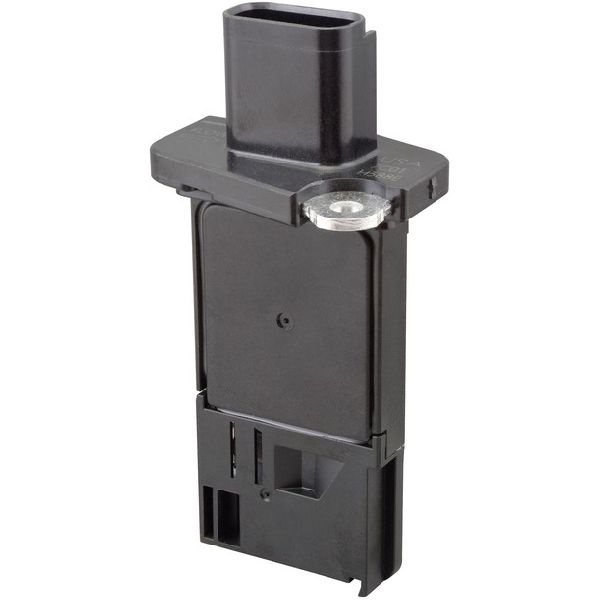
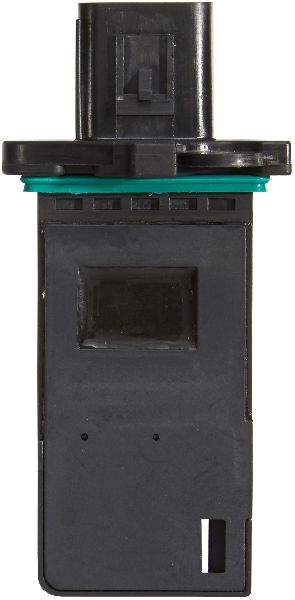
Aftermarket price range: $30-$70 - Mass Airflow (MAF) Sensor
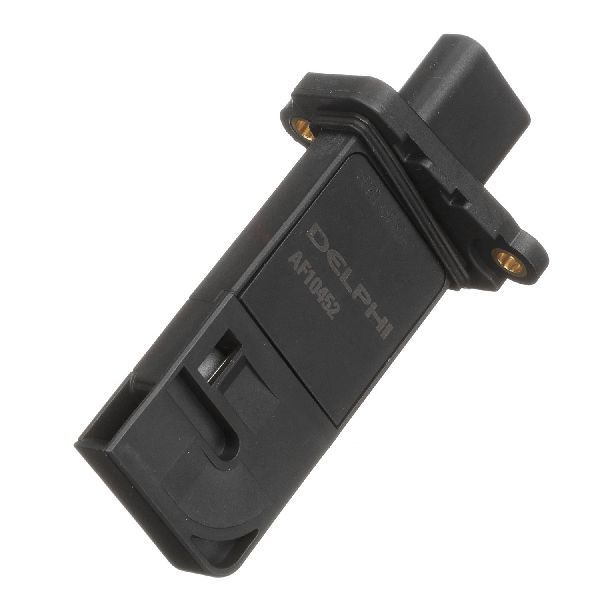
(OEM #Motorcraft AFLS158 (verify by VIN))— A dirty MAF sensor is a very common cause of lean codes on Ford vehicles by under-reporting airflow.
Trusted brands: Motorcraft, Bosch, Hitachi
OEM price range: $120-$180
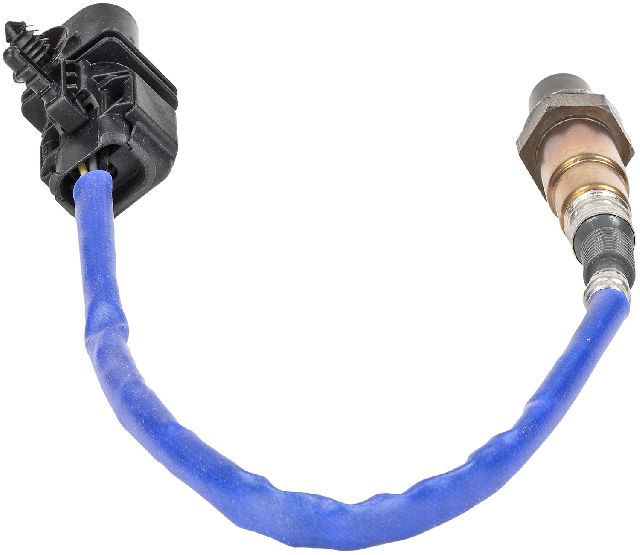
Aftermarket price range: $50-$100 - Upstream Oxygen Sensor (Bank 2, Sensor 1)
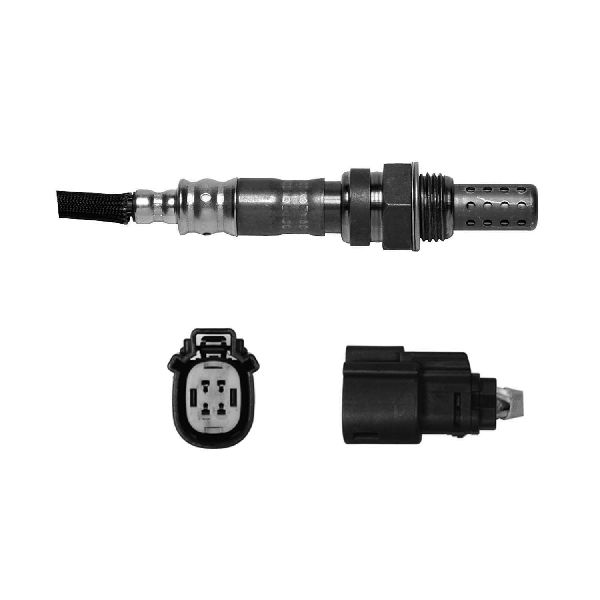
(OEM #Motorcraft DY1162 (verify by VIN))— If the sensor itself fails, it can send false lean readings to the computer. It is the primary sensor for detecting this fault.
Trusted brands: Motorcraft, Bosch, Denso, NTK
OEM price range: $80-$150
Aftermarket price range: $40-$90
Related Codes That Often Appear With This One
- P0171 — System Too Lean (Bank 1). If both P0171 and P0174 are present, it points to a problem affecting the whole engine, like a faulty MAF sensor, a major vacuum leak common to both banks (e.g., intake boot), or a fuel delivery issue.
- P0087 — Fuel Rail/System Pressure - Too Low. This code specifically points towards a fuel delivery problem, such as a failing high-pressure fuel pump, and can appear alongside a lean code as the root cause.
- P0300-P0306 — Random or specific cylinder misfire codes. A severe lean condition can prevent proper combustion, leading to misfires on the affected bank.
Technical Service Bulletins (TSBs) & Recalls
- TSB 22-2393: Mentions P0174 on 2021 5.0L F-150s related to various engine issues.
- TSB 21-2443: Cites P0174 on 2018-2020 5.0L F-150s as potentially being caused by PCM software, requiring a reflash.
- TSB 20-2324: Lists P0174 among many codes for 2018-2020 5.0L F-150s that may be due to PCM software.
Platform-Specific Known Issues
- The complex intake plumbing of the twin-turbo 3.5L EcoBoost provides many potential failure points for vacuum or boost leaks that can trigger this code.
- Carbon buildup on the intake valves, a known issue with direct-injection engines like the EcoBoost, can affect airflow and contribute to fuel mixture problems, although it's less likely to be the primary cause of a P0174 code.
Mechanic-Grade Diagnostic Values
- Long Term Fuel Trim (LTFT) — expected: Ideally within +/- 5%. Values consistently above +15% indicate a significant lean condition.. Failure: Sustained positive values (e.g., +20% or higher) mean the PCM is adding excessive fuel to compensate for unmetered air or lack of fuel.
- Upstream O2 Sensor Voltage (Bank 2, Sensor 1) — expected: Rapidly fluctuating between ~0.1V (lean) and ~0.9V (rich) on a warm, running engine.. Failure: Voltage is stuck low (below 0.45V), shows a slow/lazy switching pattern, or does not respond to throttle changes.
- High-Pressure Fuel System (Direct Injection) — expected: Can exceed 2,175 psi (15,000 kPa) under load. Monitored with a scan tool, the actual pressure should closely match the desired pressure requested by the PCM.. Failure: Actual pressure is significantly lower than desired pressure, especially during acceleration. This may be accompanied by code P0087.
- Low-Pressure Fuel System (In-Tank Pump) — expected: Generally stable in a range of 30-45 psi, though some sources for aftermarket pumps note ratings at 40 psi. This pressure feeds the high-pressure pump.. Failure: Pressure is low, unstable, or drops off under load, indicating a weak in-tank pump or clogged filter.
Scan Tool Commands That Help
- Ford IDS / FORScan / Capable OBD-II Scanners: Clear Keep Alive Memory (KAM) — After replacing a component like a MAF sensor or fixing a vacuum leak, clearing the KAM forces the PCM to erase its long-term adaptive fuel adjustments and start a new learning process. This is more thorough than just clearing DTCs.
- Ford IDS / FORScan / Capable OBD-II Scanners: Transmission Adaptive Tables Reset — While not directly for a P0174 code, if the KAM is reset, performing a transmission relearn procedure is often recommended for overall vehicle driveability, as this data is also cleared.
Wiring & Ground Locations
- G103 / G104 — Located on the firewall and right-hand fender behind the battery in the engine compartment.. These are primary engine and PCM ground points. A poor or corroded ground connection here can cause erratic sensor readings and incorrect PCM calculations, potentially leading to false lean codes. A visual inspection and cleaning of these grounds is a wise step in any electrical diagnosis.
- PCM Connector — The Powertrain Control Module (PCM) is located on the right-rear of the engine compartment (passenger side firewall).. All sensor data (MAF, O2, etc.) is processed here. When diagnosing persistent issues, inspecting the PCM connector for corrosion or pushed-out pins is a necessary step to rule out a bad connection between a sensor and the computer.
Real Owner Repair Stories
- f150ecoboost.net forum user (2012 F-150 3.5L EcoBoost) — P0171 and P0174 codes present, indicating both banks running lean.
❌ Tried (didn't work) Replaced O2 sensors, Replaced EVAP purge valve, Cleaned MAF sensors
✅ What actually fixed it The owner performed a smoke test and found no leaks. Upon closer inspection of the plastic intake manifold, a hairline crack was discovered on the underside, near a seam. This crack would only open under specific vacuum/temperature conditions, making it very difficult to find. Replacing the entire intake manifold resolved the codes.
"I Checked Everything" — The Actual Cause
- In one documented case, a 2012 F-150 with both P0171 and P0174 passed a smoke test multiple times. The actual cause was a hairline crack on the underside of the plastic intake manifold that was not visible and did not leak smoke under standard test pressure, but would open up under engine vacuum and temperature, causing the lean condition. The final fix was replacing the entire intake manifold.
OEM Part Supersession History
BL3Z-6758-A→BL3Z-6758-B— Updated design for the driver-side PCV tube assembly for the 3.5L V6 engine.
Heads up: BL3Z-6758-A is also listed for the 5.0L V8, so ensure the correct part ('B' revision) is sourced for the 3.5L EcoBoost to guarantee fitment.
Model Year Variations Within This Range
- 2013-2014: Starting in 2013, Ford updated the 3.5L EcoBoost with slightly larger turbochargers, an electronic blow-off valve (BOV), and switched from a Hitachi to a Bosch high-pressure fuel system. While the P0174 diagnosis is similar, be aware of different part numbers for fuel system components and turbos on these later models compared to 2011-2012 trucks.
Diagnostic Flowchart
Other Known Issues on This Vehicle
Issues unrelated to this code that are worth knowing about as an owner of this generation:
- Timing Chain Stretch and Phaser Rattle 🔴 High — Common, especially on earlier 2011-2013 models. Often presents as a distinct rattling noise on cold starts. Can occur as early as 60,000 miles but more common closer to 100,000. (Ref: Multiple TSBs exist for related cam phaser issues.)
- Intercooler Condensation 🟠 Medium — Primarily affects 2011-2012 models, especially in humid climates. Causes stumbling or misfiring during hard acceleration after a long cruise. Ford later issued a TSB (13-8-1) and redesigned parts to mitigate this. (Ref: TSB 13-8-1)
- Intake Valve Carbon Buildup 🟠 Medium — A known side effect of direct injection engines. Fuel doesn't wash over the intake valves, allowing oil vapors from the PCV system to bake on. Can cause rough idle and performance loss over 50,000-70,000 miles.
- Cracked Exhaust Manifolds 🟠 Medium — The cast iron manifolds can crack due to thermal cycles, causing an exhaust leak. This often presents as a ticking noise when the engine is cold that may disappear as the metal expands.
Used vs. New Parts: Buying Guide for This Vehicle
When a used part is the smart pick: Used parts are generally not recommended for fixing a P0174 code on this engine due to the nature of the common failures. Hard parts like a used intake manifold could be considered if inspected meticulously for cracks, but the risk is high.
Donor-vehicle mileage cap: roughly under 60000 miles for the part to have meaningful remaining life.
What to inspect on the donor part:
- For an intake manifold, check all seams and mounting points for hairline cracks.
- For any hose, squeeze it to ensure it is still pliable and not hard or brittle.
- Avoid parts from vehicles in regions with extreme heat or cold, which accelerates plastic and rubber degradation.
OEM-only on this vehicle (don't cheap out):
- Mass Airflow (MAF) Sensor: Aftermarket MAF sensors are frequently poorly calibrated and can cause persistent or new performance issues.
- PCV Hoses/Assemblies: Given that the original plastic becomes brittle with age, a used part is likely near the end of its life. New OEM or high-quality aftermarket parts are a much safer investment.
Aftermarket brands forum-validated for this vehicle:
- O2 Sensors: NTK or Denso are widely regarded as reliable alternatives to OEM Motorcraft.
- Fuel Pumps: DeatschWerks is a known performance aftermarket brand offering upgraded in-tank fuel pumps.
Brands owners have reported issues with on this vehicle:
- Unbranded or 'white-box' electronic sensors (MAF, O2) from online marketplaces are a significant gamble and often fail quickly or are dead-on-arrival.
Real Owner Stories
Aggregated from forums and TSBs cited above. Mileages and costs reflect what owners reported in those sources.
2013-2019 Ford Explorer Sport 3.5L EcoBoost
Symptoms: Persistent P0171 and P0174 codes. The owner performed extensive troubleshooting including smoke tests and replaced the MAP and O2 sensors without success.
What fixed it: Replacing all six clogged fuel injectors.
Source hint: ScannerDanner Forum: Ford Explorer Ecoboost 3.5 P0171/P0174
2011-2014 Ford F-150 3.5L EcoBoost
Symptoms: Check engine light on with dual lean codes (P0171 and P0174).
What fixed it: The discussion emphasized diagnosing the issue by checking fuel trims at different RPMs to distinguish between a vacuum leak and a MAF sensor issue.
Source hint: F150forum.com: Check engine light on with P0171 and P0174 codes
2011-2014 Ford F-150 3.5L EcoBoost
Symptoms: Bank 1 and Bank 2 lean codes (P0171 and P0174) along with a Check Engine Light.
What fixed it: Cleaning the MAF sensor and performing a visual inspection of all vacuum and PCV hoses for dry rot.
Source hint: Reddit r/MechanicAdvice: p0171 and p0174 (bank 1 and 2 leans) + CEL
Related OBD-II Codes
Frequently Asked Questions
I have a 2012 F-150 3.5L EcoBoost; how can I tell if my P0174 is a vacuum leak or a bad MAF sensor?
Is there a specific vacuum line on the 3.5L EcoBoost known for causing this lean code?
Does TSB 22-2393, 21-2443, or 20-2324 apply to my 2011-2014 3.5L EcoBoost?
Can I use any spray to clean the MAF sensor on my F-150?
Could the P0174 code be related to the turbochargers on my 3.5L engine?
Is carbon buildup a likely cause for P0174 on my EcoBoost?
Helpful Videos
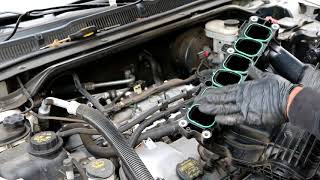
Used OEM Parts in Stock
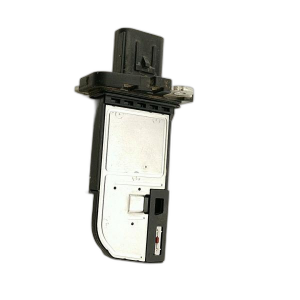
New Aftermarket Parts Available


The information in this article is provided for general reference and educational purposes only. Vehicle specifications, procedures, and part compatibility can vary by production date, trim level, and region. Always consult your vehicle's factory service manual and verify part numbers before purchasing or performing repairs. Safety-critical components such as airbags, seat belts, and braking systems should be installed by a qualified professional.
- Ford F-150:
- 🎬 Helpful Videos
- 🛍️ Shop This Part
- What's Unique About the 2011-2014 Ford F-150
- Symptoms You May Notice
- Most Likely Causes
- Rare But Worth Checking
- Diagnosis Steps
- Parts You'll Likely Need
- Related Codes That Often Appear With This One
- Technical Service Bulletins (TSBs) & Recalls
- Platform-Specific Known Issues
- Mechanic-Grade Diagnostic Values
- Scan Tool Commands That Help
- Wiring & Ground Locations
- Real Owner Repair Stories
- "I Checked Everything" — The Actual Cause
- OEM Part Supersession History
- Model Year Variations Within This Range
- Diagnostic Flowchart
- Other Known Issues on This Vehicle
- Used vs. New Parts: Buying Guide for This Vehicle
- Real Owner Stories
- 2013-2019 Ford Explorer Sport 3.5L EcoBoost
- 2011-2014 Ford F-150 3.5L EcoBoost
- 2011-2014 Ford F-150 3.5L EcoBoost
- Related OBD-II Codes
- Frequently Asked Questions
- 🎟️ Get 5% Off