

P0174 on 2002-2008 Dodge Ram 1500 4.7L: Lean Condition Causes and Fixes
For the 2002-2008 Ram 1500 with the 4.7L V8, code P0174 is most often caused by a vacuum leak from failed intake manifold gaskets. This is a very common issue for this engine. Expect to pay around $100-$200 for gaskets and tackle it as a DIY job, or $400-$600 at a shop.
- P0174 on a 4.7L Ram almost always points to a vacuum leak.
- The most likely culprit is a failed intake manifold gasket, a very common issue on this engine.
- Before replacing any parts, especially the O2 sensor, perform a thorough vacuum leak test around the intake manifold.
- If you are replacing the intake gaskets, it's wise to also replace the 'belly pan' gasket on the bottom of the manifold at the same time.
- Driving for an extended period with this code can lead to more expensive catalytic converter damage.
What's Unique About the 2002-2008 Dodge Ram 1500

The 4.7L Magnum V8 in this generation of Ram is well-known for intake manifold issues. The manifold is made of a composite plastic that can become brittle and crack from years of heat cycles. More commonly, the rubberized intake manifold gaskets flatten and fail, creating significant vacuum leaks that are a primary cause for P0171 and P0174 codes on this specific engine. While other causes are possible, a vacuum leak at the intake is the first place to look on a 4.7L Ram and its platform mates like the Durango and Grand Cherokee. A significant engine update for the 2008 model year introduced a new intake manifold design, dual spark plugs, and improved cylinder heads, which can alter the diagnostic process compared to 2002-2007 models.
Symptoms You May Notice
- Check Engine Light is on
- Rough or unstable idle, especially when cold
- Hesitation or surging during acceleration
- Reduced engine power
- A whistling or hissing sound from the top of the engine
- Decreased fuel economy
- Engine stalling at idle
- Replacing the oxygen sensor first. The O2 sensor is often just doing its job by correctly reporting a lean condition caused by a vacuum leak or low fuel pressure. Always diagnose and rule out vacuum leaks before replacing sensors.
Most Likely Causes

- Leaking Intake Manifold Gaskets 🔴 High Probability The original rubberized gaskets on the 4.7L V8 flatten and harden over time due to constant heat cycles, losing their ability to seal properly. This is a widely documented failure point for this engine and its platform mates.
How to confirm: With the engine running, carefully spray short bursts of brake cleaner or a propane torch (unlit) around the edges of the intake manifold where it meets the cylinder heads. A change in engine idle (a stumble or increase in RPMs) indicates a leak. A smoke test is a more definitive method. High positive long-term fuel trims (LTFT), especially on Bank 2, that decrease as RPMs increase are a strong indicator of a vacuum leak.
Typical fix: Replace the intake manifold gaskets. It is also highly recommended to replace the plenum 'belly pan' gasket on the bottom of the manifold at the same time to prevent future oil consumption issues. Many owners opt for improved aftermarket gaskets like the Fel-Pro MS96124 set.
Est. part cost: $50-$150 - Cracked or Disconnected Vacuum Hoses 🟡 Medium Probability Rubber and plastic hoses become brittle and crack with age and exposure to engine heat. The PCV hose is a common culprit.
How to confirm: Visually inspect all vacuum lines, especially the PCV (Positive Crankcase Ventilation) hose and any lines connected to the intake manifold, for cracks, breaks, or loose connections. Listen for a hissing sound with the engine running.
Typical fix: Replace the damaged hose(s).
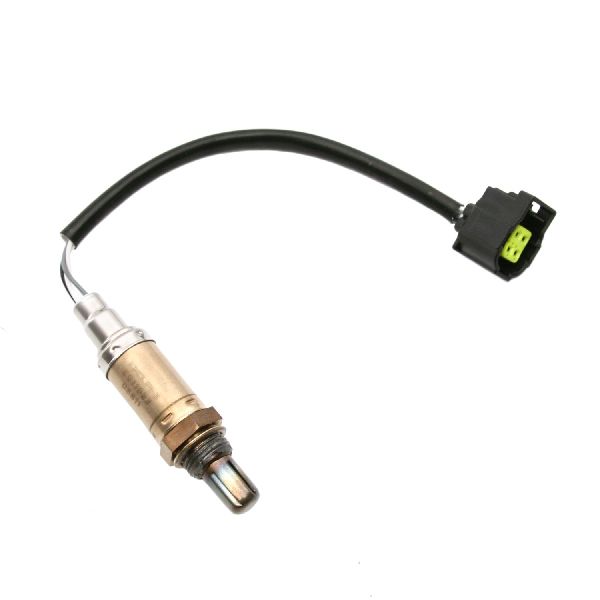
Est. part cost: $10-$50 - Faulty Upstream Oxygen (O2) Sensor ⚪ Low Probability O2 sensors are a normal wear item and have a finite lifespan. They can become 'lazy' or fail, sending incorrect data to the PCM.
How to confirm: Use a scan tool to monitor the live voltage data from the Bank 2, Sensor 1 O2 sensor. A healthy sensor will show rapidly fluctuating voltage. A sensor that is stuck at a low voltage or responds slowly may be faulty. However, this must be done after confirming there are no vacuum or exhaust leaks, as the sensor may be accurately reporting a lean condition caused by a leak.
Typical fix: Replace the Bank 2, Sensor 1 (upstream) oxygen sensor, located on the passenger side exhaust before the catalytic converter. 🎬 Watch: How to remove the Bank 2 Sensor 1 oxygen sensor.
Est. part cost: $40-$100 - Low Fuel Pressure ⚪ Low Probability
How to confirm: Connect a fuel pressure gauge to the fuel rail's Schrader valve. The pressure specification for the 4.7L engine is typically 49 PSI +/- 5 PSI at idle. Pressure should be stable. A weak fuel pump or clogged fuel filter can cause low pressure.
Typical fix: Replace the failing component, which could be the in-tank fuel pump module or the fuel filter.
Est. part cost: $20-$300
Rare But Worth Checking
- Cracked Intake Manifold: While less common than gasket failure, the composite plastic manifold itself can develop hairline cracks from heat and age, causing a vacuum leak.
- Dirty or Faulty Fuel Injector: A single clogged or failing injector on Bank 2 can cause a lean condition on that side of the engine. This would usually be accompanied by a misfire code for a specific cylinder.
- Exhaust Leak Before O2 Sensor: A crack in the passenger-side exhaust manifold or a failed manifold gasket can allow outside air to be drawn into the exhaust stream. The upstream O2 sensor will read this extra oxygen and incorrectly report a lean condition to the PCM.
- Corroded ECM Ground: On some GM trucks of a similar era, a corroded main engine wiring harness ground terminal (G103), often attached to the cylinder head, has been known to cause various drivability issues including lean codes. While not a primary Dodge issue, checking grounds is a valid diagnostic step for persistent, hard-to-trace electrical gremlins.
Diagnosis Steps

- Retrieve all stored trouble codes with an OBD-II scanner. Note if P0171 is also present, as this points to a global engine issue.
- Use a scan tool to observe the short-term (STFT) and long-term (LTFT) fuel trims for Bank 2 at idle. High positive numbers (e.g., > +15%) confirm the PCM is adding fuel to correct a lean condition. Note if trims improve (move closer to zero) when RPMs are raised to 2500; this strongly suggests a vacuum leak.
- Perform a vacuum leak test. A smoke test is most effective. Alternatively, carefully spray carburetor cleaner or use an unlit propane torch around the intake manifold gaskets, vacuum lines, and throttle body gasket. Any change in engine idle speed or sound points to the location of the leak.
- Visually inspect the engine bay for any obvious issues, such as disconnected vacuum hoses (especially the PCV line), cracked air intake tubes, or a loose oil dipstick/filler cap.
- If no vacuum leaks are found, inspect the exhaust manifold on Bank 2 (passenger side) for cracks or black soot trails indicating a gasket leak before the O2 sensor.
- If leaks are ruled out, test the fuel pressure at the fuel rail's Schrader valve. It should be approximately 49 PSI +/- 5 PSI at idle.
- Check the live data from the Bank 2, Sensor 1 (upstream) O2 sensor. Verify it is fluctuating correctly and not stuck lean. Consider swapping the upstream O2 sensors between Bank 1 and Bank 2 to see if the code follows to P0171.
- As a final step, consider testing the fuel injectors on Bank 2 for proper operation.
Parts You'll Likely Need

- Intake Manifold Gasket Set
(OEM #Mopar 53032891AA)— This is the most frequent cause of P0174 on the 4.7L V8 due to the original gaskets failing over time, creating a vacuum leak.
Trusted brands: Fel-Pro (P/N: MS96124), Victor Reinz, Mopar
OEM price range: $100-$180
Aftermarket price range: $50-$100 - PCV Valve
(OEM #Mopar 53032855AA)— The PCV system hoses can crack or the valve can get stuck, creating an unmetered air leak. This part is shared across many 4.7L Chrysler products.
Trusted brands: Mopar, Standard Motor Products (SMP)
OEM price range: $30-$60
Aftermarket price range: $15-$40 - Upstream Oxygen Sensor (Bank 2, Sensor 1)
(OEM #Mopar 56028584AA (verify with VIN))— If the sensor itself has failed, it can send false lean signals. It is located on the passenger side, before the catalytic converter.
Trusted brands: Denso, NTK, Bosch
OEM price range: $70-$120
Aftermarket price range: $40-$80
Related Codes That Often Appear With This One
- P0171 — System Too Lean (Bank 1). If both P0171 and P0174 are present, it strongly indicates a problem that affects the entire engine, such as a large vacuum leak from the intake manifold gaskets, a faulty MAP sensor, or low fuel pressure.
- P0300 — Random/Multiple Cylinder Misfire. A severe lean condition can prevent proper combustion, leading to misfires across multiple cylinders. This is often a symptom of a large intake leak.
- P2098 — Downstream Fuel Trim System 2 Lean. While this code points to the post-catalyst sensor, it can be triggered by a legitimate upstream lean condition (like a vacuum leak causing P0174) that the system is trying to correct for.
Platform-Specific Known Issues
- The composite intake manifold on the 4.7L V8 is a known weak point. The gaskets are the most common failure, but the manifold itself can also crack, leading to vacuum leaks that cause P0171 and P0174 codes.
- In some cases, the bolts for the intake manifold can become loose over time, creating a vacuum leak. Before replacing gaskets, it's worth checking if the bolts can be tightened to the proper torque specification, though retightening is often a temporary fix if the gaskets are already compressed and hardened.
Mechanic-Grade Diagnostic Values

- Long Term Fuel Trim (LTFT) — expected: Close to 0%, ideally within +/- 5%. Failure: Sustained positive values above +20% to +25% will trigger the P0174 code.
- Upstream O2 Sensor (Narrowband) Voltage — expected: Rapidly fluctuating between approximately 0.1V (lean) and 0.9V (rich).. Failure: Stuck low (e.g., < 0.2V) or very slow to respond. A reading that stays high (e.g., > 0.8V) would indicate a rich condition, not a lean one.
- Fuel Pressure (at fuel rail) — expected: 49.2 PSI ± 2 PSI for 2002-2003 models; 49 PSI +/- 5 PSI for later models.. Failure: Pressure significantly below specification, or pressure that drops under load.
- O2 Sensor Signal Circuit Voltage (disconnected) — expected: Approximately 5.0 volts (this is the PCM's reference voltage).. Failure: Voltage significantly different from 5.0V indicates a wiring or PCM issue.
Scan Tool Commands That Help
- DRB III / StarSCAN / wiTECH: Fuel Injector Actuator Test — To individually command each fuel injector on Bank 2 to 'click', verifying the PCM driver and wiring to the injector are functional. This helps isolate a single bad injector without swapping it.
- DRB III / StarSCAN / wiTECH: O2 Sensor Heater Test — To command the heater circuit for the Bank 2 O2 sensor on and monitor its effect on sensor voltage, helping to diagnose a faulty heater element which can cause slow sensor response.
- Bidirectional Scan Tool: Cooling Fan Relay Command — While not directly for P0174, it's an example of a common bidirectional test to confirm if the PCM can command outputs, which is a useful general health check of the module during complex diagnostics.
Wiring & Ground Locations
- G102 — Left front of the engine compartment, near the battery, connected to the chassis.. This is a primary chassis ground. A poor connection here can cause floating voltages and erratic behavior from sensors and the PCM.
- G103 — Left front of the engine compartment, often on the engine block or cylinder head.. This is a critical engine ground. Corrosion or a loose connection can directly impact sensor readings that rely on a clean ground reference, including the O2 sensors and MAP sensor, potentially causing false lean codes.
- O2 Sensor Connector — Bank 2 Sensor 1 is on the passenger side exhaust pipe, before the catalytic converter. The connector is typically clipped to the transmission or frame rail nearby.. This is the direct connection for the sensor reporting the lean condition. Checking for voltage, ground, and signal at this connector is a key diagnostic step. The sensor return (ground) circuit is as important as the signal wire.
Real Owner Repair Stories
- RamForumz.com user (2012 Ram 1500 5.7L (similar architecture, common issue)) — P0171 and P0174 codes, poor performance and mileage.
❌ Tried (didn't work) Replaced purge solenoid, Replaced Evap system detector, Replaced fuel vapor sensor, Replaced fuel pump, Performed a tune-up (spark plugs)
✅ What actually fixed it The user discovered that most of the intake manifold bolts were loose. Tightening the intake manifold bolts to the correct specification resolved the vacuum leak and cleared the codes.
"I Checked Everything" — The Actual Cause
- A hairline crack in the in-tank fuel pump module housing. This doesn't cause an external fuel leak, but it allows pressurized fuel to bleed back into the tank, causing low fuel pressure under load that might not be apparent during a simple key-on pressure test. This can cause lean codes P0171/P0174 without any visible vacuum leaks.
- An exhaust leak before the upstream O2 sensor. A cracked exhaust manifold or a bad manifold-to-head gasket on Bank 2 can suck in fresh air during the exhaust pulse cycle. The O2 sensor reads this extra oxygen and tells the PCM the system is lean, even though the actual combustion mixture in the cylinder was correct. This will not be found by a smoke test of the intake system.
OEM Part Supersession History
Unknown→53032855AA— This is the current part number for the PCV valve that fits the 4.7L FFV engine used from 2008-2013 in various Chrysler/Dodge platforms.
Heads up: Ensure this part number is correct for your specific year, as PCV systems can vary.
Model Year Variations Within This Range
- 2008 only: The 4.7L engine received a major update for the 2008 model year, increasing horsepower to 310 (up from ~235). Changes include new cylinder heads, two spark plugs per cylinder (16 total), and a completely redesigned and improved intake manifold. Therefore, intake manifolds and gaskets from 2002-2007 models are not compatible with the 2008 engine. While the new manifold is a better design, it is still plastic and can eventually crack or cause leaks.
- 2002-2003: Early models of the 4.7L engine specified a tighter fuel pressure range of 49.2 ± 2 PSI, compared to the wider 49 ± 5 PSI on later models.
- 2002-2007 vs 2008: The crankshaft reluctor ring changed from a 16-tooth design to a 32-tooth design around the 2002-2004 timeframe, and electronics were updated again for the 2008 engine. This is primarily relevant for engine swaps but highlights the electronic differences across the generation.
Diagnostic Flowchart
Related OBD-II Codes
Frequently Asked Questions
Why is my 4.7L V8 Dodge Ram throwing a P0174 code along with a whistling sound from the engine?
Should I just tighten the intake manifold bolts on my 2002-2008 Ram 1500 to fix the vacuum leak?
What replacement intake manifold gaskets are recommended for the 4.7L Magnum V8?
If I replace the intake manifold gaskets on my Ram 1500, is there anything else I should replace while the manifold is off?
How can I tell if the P0174 code on my Ram 4.7L is caused by a vacuum leak or a bad O2 sensor?
What should the fuel pressure be on my 2002-2008 Dodge Ram 4.7L if I suspect a fuel delivery issue?
Helpful Videos
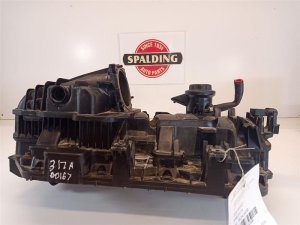
Used OEM Parts in Stock



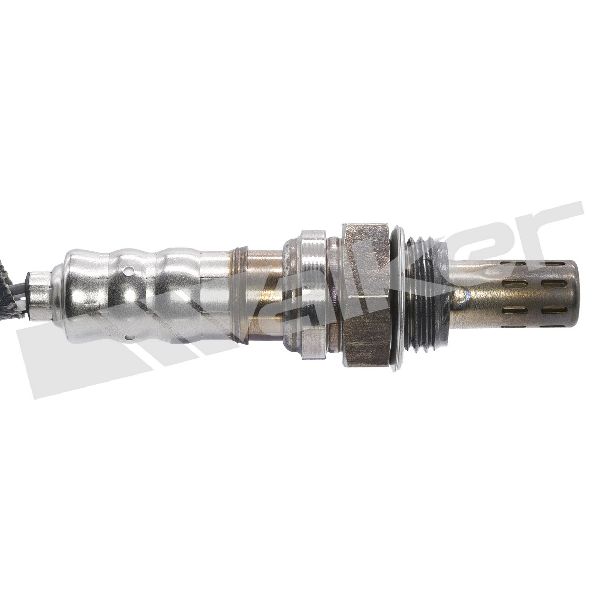
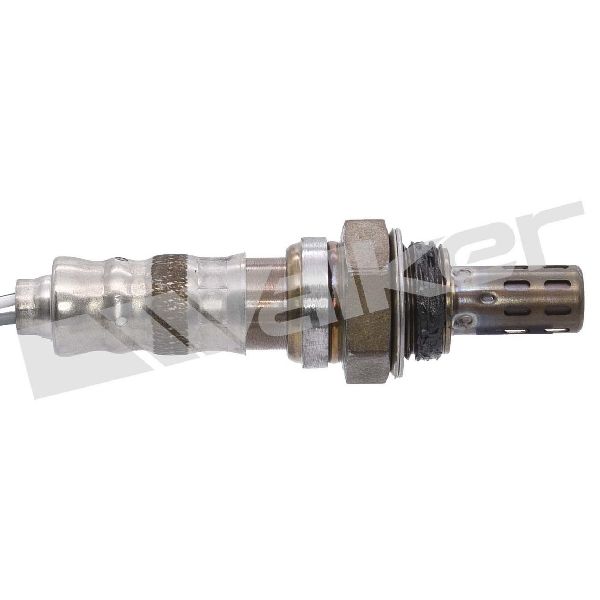
New Aftermarket Parts Available


The information in this article is provided for general reference and educational purposes only. Vehicle specifications, procedures, and part compatibility can vary by production date, trim level, and region. Always consult your vehicle's factory service manual and verify part numbers before purchasing or performing repairs. Safety-critical components such as airbags, seat belts, and braking systems should be installed by a qualified professional.
- Dodge Ram 1500:
- 🎬 Helpful Videos
- 🛍️ Shop This Part
- What's Unique About the 2002-2008 Dodge Ram 1500
- Symptoms You May Notice
- Most Likely Causes
- Rare But Worth Checking
- Diagnosis Steps
- Parts You'll Likely Need
- Related Codes That Often Appear With This One
- Platform-Specific Known Issues
- Mechanic-Grade Diagnostic Values
- Scan Tool Commands That Help
- Wiring & Ground Locations
- Real Owner Repair Stories
- "I Checked Everything" — The Actual Cause
- OEM Part Supersession History
- Model Year Variations Within This Range
- Diagnostic Flowchart
- Related OBD-II Codes
- Frequently Asked Questions
- 🎟️ Get 5% Off