

P0174 on 2000-2006 Chevrolet Suburban: System Too Lean (Bank 2) Causes and Fixes
On a 2000-2006 Suburban, P0174 is almost always caused by a vacuum leak from failed intake manifold gaskets. Replacing them with an upgraded metal-frame set (like Fel-Pro MS98016T) is the most common and permanent fix. Expect to pay $40-$80 for the parts.
- P0174 on your Suburban means the passenger side of the engine has too much air or not enough fuel.
- The most likely cause by a wide margin is a vacuum leak from failed intake manifold gaskets.
- Do not replace the O2 sensor first. It is almost always doing its job correctly by reporting the lean condition.
- A smoke test is the fastest and most accurate way to confirm a vacuum leak.
- If you also have a P0171 code, the problem is likely engine-wide. Start by cleaning the MAF sensor.
What's Unique About the 2000-2006 Chevrolet Suburban
The GMT800 platform Suburbans with Vortec V8 engines are famous for one specific failure that causes lean codes: the intake manifold gaskets. The original factory gaskets use a plastic frame that becomes brittle from heat and age, leading to cracks and vacuum leaks. This issue is so widespread that many owners and mechanics consider replacing the original gaskets with an upgraded metal-frame design a necessary reliability repair, not just a fix. The symptoms are often worse on a cold start and may seem to improve as the engine warms up and the parts expand, partially sealing the leak.
Symptoms You May Notice
- Check Engine Light is on
- Rough or unstable idle, especially when cold
- Hesitation or lack of power during acceleration
- Engine misfires, which may trigger a P0300 code
- Hissing or sucking sound from the engine bay
- Reduced fuel economy
- Code appears more frequently in cold weather, as the plastic gaskets shrink and leak more.
- Sputtering when applying throttle between 0 and 30%, as noted in manufacturer documentation regarding airflow issues.
- Replacing the oxygen sensor first. The O2 sensor is usually just the messenger, accurately reporting a lean condition caused by something else like a vacuum leak. Owners frequently replace the O2 sensor only to have the P0174 code return because the underlying vacuum leak was never addressed.
Most Likely Causes
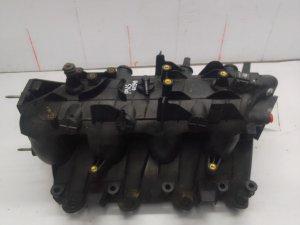
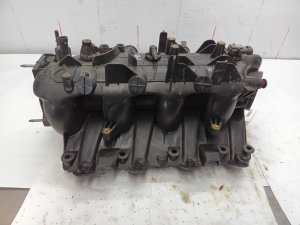
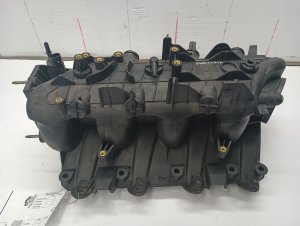
- Leaking Intake Manifold Gaskets 🔴 High Probability The original GM gaskets use a plastic frame that cracks after repeated heat cycles, a well-documented failure on 4.8L, 5.3L, and 6.0L Vortec engines. This is the most common cause of P0171 and P0174 on this platform.
How to confirm: The most definitive method is a smoke test, which will show smoke leaking from the area where the intake manifold meets the cylinder heads. A less precise but common DIY method is to spray carburetor cleaner or brake cleaner around the gasket area with the engine running; a noticeable change in engine idle (it will smooth out or rev up as the flammable spray is sucked in) confirms a leak.
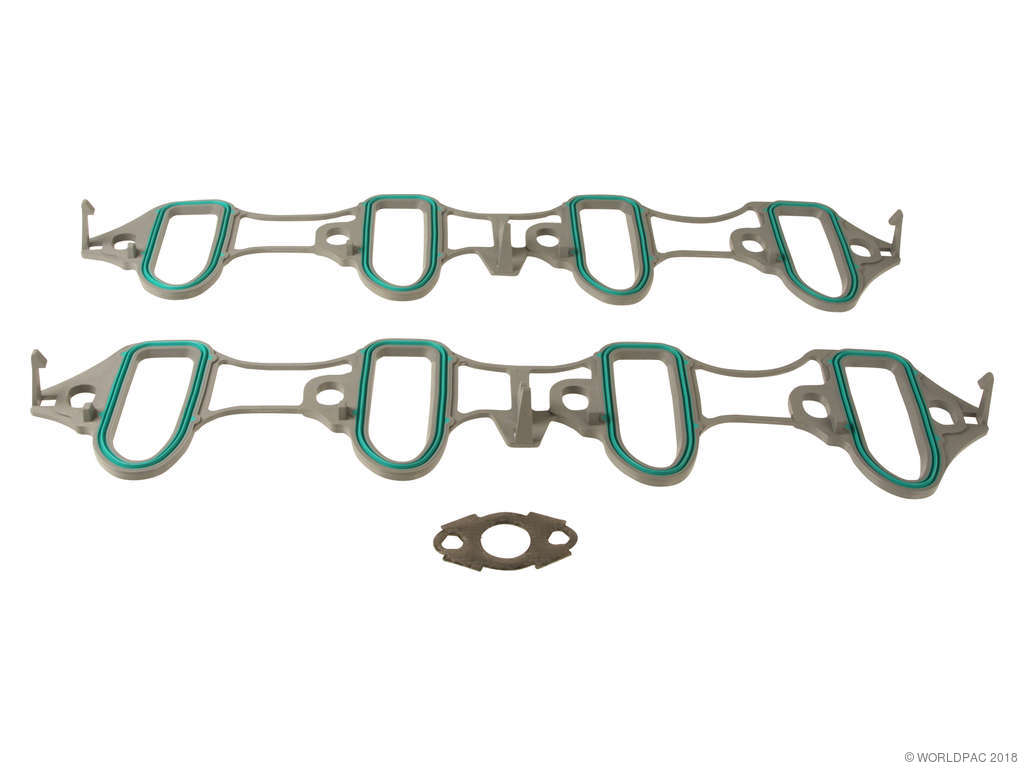
Typical fix: Replace the intake manifold gaskets. It is highly recommended to use an upgraded set with a metal carrier frame, such as the Fel-Pro MS98016T, for a permanent solution. The torque sequence is critical: first pass to 44 in-lbs, second pass to 89 in-lbs.
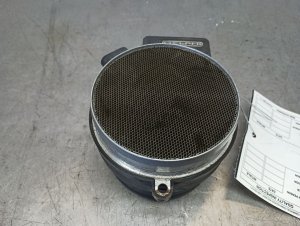
Est. part cost: $40 - $80 - Dirty or Failing Mass Airflow (MAF) Sensor 🟡 Medium Probability Oiled air filters can contaminate the sensor, and general dirt accumulation over many miles can cause it to under-report airflow, leading the ECU to provide too little fuel. Manufacturer Bulletin #PIP5446A notes that cast flashing near the MAF sensor can also cause rough idle and codes like P0101 and P0174.
How to confirm: If both P0171 (Bank 1) and P0174 (Bank 2) are present, the MAF is a strong suspect. Use a scan tool to monitor MAF readings at a warm, stable idle; a 5.3L engine should read approximately 5.3 g/s. A significantly lower reading (e.g., 4.0-4.5 g/s) indicates a problem. Visually inspect the sensor wires for dirt or debris.
Typical fix: Clean the sensor using only dedicated MAF sensor cleaner spray. Do not touch the delicate sensor wires. If cleaning doesn't resolve the issue or the fix is temporary, replace the sensor.
Est. part cost: $10 (cleaner) - $150 (new sensor) - Cracked or Disconnected Vacuum Hoses 🟡 Medium Probability Rubber and plastic hoses become brittle with age and heat. The PCV hose assembly on the driver's side valve cover and the brake booster vacuum hose are common failure points. TSB Bulletin #PIP5341 specifically instructs technicians to inspect the positive crankcase ventilation tube for vacuum leaks on the left side of the engine when P0174 is present.
How to confirm: Visually inspect all vacuum lines for cracks, especially at the ends and bends. The PCV hose often cracks on the underside where it's not easily visible. A smoke test is the most effective way to find hidden leaks.
Typical fix: Replace the cracked or broken hose. The PCV tube on the driver's side valve cover is a known issue and is often replaced as a complete assembly (OEM P/N 12590632).
Est. part cost: $15 - $75 - Low Fuel Pressure or Fuel Quality Issues ⚪ Low Probability Fuel pumps can weaken with age, and fuel filters can become clogged. Additionally, Bulletin #PIP5227 suggests checking ethanol content; fuel testing over 10% alcohol can trigger P0171 and P0174.
How to confirm: Connect a fuel pressure gauge to the Schrader valve on the fuel rail. With the key on and engine off (KOEO), pressure should be between 55-62 PSI. If pressure is low, or if it holds at KOEO but drops significantly while running (e.g., below 50 PSI), suspect a weak fuel pump or clogged filter.
Typical fix: Replace the fuel filter first, as it is inexpensive and a common maintenance item. If pressure is still low, the fuel pump likely needs to be replaced.
Est. part cost: $20 (filter) - $300 (fuel pump)
Rare But Worth Checking
- Exhaust Leak Before the O2 Sensor: A crack in the exhaust manifold or a leaking flange gasket on Bank 2 can allow outside air to be drawn into the exhaust stream, fooling the O2 sensor into reporting a false lean condition.
- Faulty Upstream Oxygen (O2) Sensor: While possible, the O2 sensor is more often correctly reporting a lean condition than causing it. It should only be replaced after all other potential causes, especially vacuum leaks, have been ruled out. A stuck or slow-responding sensor can cause issues, but it's an uncommon root cause for this specific code on this platform.
Diagnosis Steps
- Check for other stored trouble codes. If P0171 is also present, suspect a global issue like the MAF sensor or fuel pressure. If only P0174 is present, focus on issues specific to Bank 2, though a large intake leak can sometimes register on one bank first.
- Use a scan tool to observe Long Term Fuel Trims (LTFT) for both banks at idle. High positive numbers (e.g., +15% to +25%) confirm the lean condition.
- Visually inspect the entire air intake system from the air filter to the throttle body for cracks or loose connections. Per Bulletin #PIP5446A, check for cast flashing near the MAF sensor.
- Inspect all accessible vacuum hoses (PCV, brake booster, etc.) for cracks, brittleness, or disconnection. Pay close attention to the PCV tube assembly on the driver's valve cover as highlighted in Bulletin #PIP5341.
- With the engine idling, carefully spray brake cleaner or carb cleaner around the intake manifold gasket sealing surfaces. If the engine RPM changes or the short-term fuel trims on your scan tool dive into negative numbers, you've found your vacuum leak.
- Perform a smoke test to definitively identify vacuum leaks. This is the most reliable method and will show leaks that the spray test might miss.
- If no vacuum leaks are found, clean the Mass Airflow (MAF) sensor with dedicated MAF cleaner spray. Re-evaluate fuel trims after cleaning.
- If no leaks are found and cleaning the MAF has no effect, test the fuel pressure using a gauge. It should be within the 55-62 PSI range with the key on, engine off. Check pressure while running; a significant drop below 50 PSI indicates a problem.
- Inspect the Bank 2 exhaust manifold and connecting pipes for any cracks or gasket leaks that are upstream of the primary O2 sensor.
- As a final step, use a scan tool to monitor the Bank 2 Sensor 1 O2 sensor voltage to ensure it is functioning correctly and not stuck in a lean (low voltage) reading.
Parts You'll Likely Need
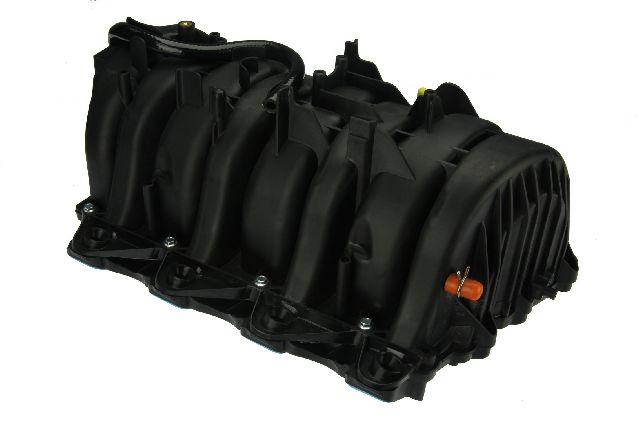
- Intake Manifold Gasket Set
(OEM #89017589)— This is the most common cause of P0174 on this platform due to the original plastic-framed gaskets cracking over time.
Trusted brands: Fel-Pro (MS98016T is the popular metal-frame upgrade), ACDelco
OEM price range: $60-$90
Aftermarket price range: $40-$80 - Mass Air Flow (MAF) Sensor
(OEM #ACDelco 213-4222 or 213-3428 (Verify by VIN))— A dirty or failing MAF sensor is a common cause of lean codes on both banks. Cleaning often works, but replacement is sometimes necessary.
Trusted brands: ACDelco, Delphi (AF10045), Bosch
OEM price range: $120-$180
Aftermarket price range: $60-$120 - PCV Vacuum Tube/Hose
(OEM #12590632 (Replaces 17113556))— The PCV system hoses can crack, creating a vacuum leak. A specific TSB points to this as a cause for lean codes.
Trusted brands: ACDelco, Dorman
OEM price range: $25-$50
Aftermarket price range: $15-$40
Related Codes That Often Appear With This One
- P0171 — This is the lean code for Bank 1 (driver's side). When both P0171 and P0174 appear together, it strongly points to a problem affecting the whole engine, like a bad MAF sensor, a major intake gasket leak, or low fuel pressure.
- P0300 — This code means 'Random/Multiple Cylinder Misfire'. A severe lean condition prevents proper combustion, which can lead to misfires across multiple cylinders.
- P0101 — This code relates to a MAF sensor circuit range/performance issue. It often appears with P0171/P0174 when a massive vacuum leak (like from intake gaskets) causes a major disagreement between the air measured by the MAF and the air detected by the O2 sensors.
Technical Service Bulletins (TSBs) & Recalls
- Bulletin #PIP5341: Provides information regarding vehicles where the engine runs and idles rough with P0171 and/or P0174; technicians are instructed to inspect the positive crankcase ventilation tube for a vacuum leak on the left side of the engine.
- Bulletin #PIP5446A: Discusses Diagnostic Trouble Codes P0101, P0171, P0172, P0174, and/or P0175 occurring with rough idle and sputtering between 0 and 30% throttle; technicians should inspect for cast flashing near the Mass Air Flow sensor.
- Bulletin #PIP5227: Advises technicians to check the ethanol content of the fuel if P0171 and P0174 are found; fuel testing over 10% alcohol may be the cause.
- GM TSB 04-06-04-040: While not found in full detail, this TSB is frequently referenced in forum discussions regarding P0171/P0174 codes and often points towards intake gasket issues or MAF sensor diagnostics on various GM V8 engines.
Platform-Specific Known Issues
- Intake Manifold Gasket Failure: The original plastic-carrier intake manifold gaskets are a known weak point and the primary cause of lean codes P0171 and P0174 on the GMT800 platform. The plastic becomes brittle and cracks, especially noticeable during cold starts. The universally recommended fix is the upgraded Fel-Pro MS98016T gasket set, which uses a metal carrier that resists cracking.
- Intake Manifold Bolt Torque Sequence: When replacing the intake manifold gaskets, following the correct torque procedure is critical to ensure a proper seal. The bolts must be tightened in a specific sequence, starting from the middle and working outwards. The process requires two passes: the first pass to 44 in-lbs (5 Nm) and the final pass to 89 in-lbs (10 Nm). Using an inch-pound torque wrench is essential.
- While-You're-In-There Repairs: Since replacing the intake gaskets requires significant disassembly, many owners elect to replace the two knock sensors and the knock sensor harness located in the valley under the manifold. These are known to fail from moisture intrusion, and access is difficult otherwise. It's also a good time to clean the throttle body.
Mechanic-Grade Diagnostic Values
- Long Term Fuel Trim (LTFT) at Idle — expected: Within +/- 10%. Failure: Sustained positive values of +20% to +25% trigger the code. High positive trims at idle that decrease significantly when RPM is raised to ~2500 RPM strongly suggest a vacuum leak.
- Mass Airflow (MAF) Sensor Reading — expected: Approximately 1 gram/second per liter of engine displacement at warm, stable idle (e.g., ~5.3 g/s for a 5.3L engine).. Failure: A significantly lower reading (e.g., 4.0-4.5 g/s on a 5.3L) indicates the sensor is under-reporting airflow, causing the ECM to command too little fuel.
- Fuel Pressure (Key On, Engine Off) — expected: 55-62 PSI.. Failure: Pressure below 55 PSI indicates a weak fuel pump or clogged filter. The pressure should also hold steady and not bleed off quickly.
- Fuel Pressure (Engine Running) — expected: ~50-58 PSI at idle.. Failure: Pressure dropping significantly below 50 PSI, especially under load, points to a weak fuel pump that cannot provide adequate volume. One documented failure showed a pump providing only ~30 PSI.
Scan Tool Commands That Help
- GM Tech 2 / GDS2: Reset Fuel Trims — This must be performed after replacing a component that affects the air/fuel mixture (e.g., intake gaskets, MAF sensor, fuel pump). It erases the old, learned high fuel trim values and forces the ECM to relearn immediately, confirming the fix and preventing the code from returning.
- GM Tech 2 / GDS2: Fuel Injector Balance Test — Use this bidirectional test to isolate a single clogged or faulty injector on Bank 2. The tool commands each injector to fire and measures the corresponding pressure drop, allowing you to compare injectors and find one that is underperforming.
- GM Tech 2 / GDS2: Engine Output Controls — This function allows a technician to command components like the EVAP purge or vent solenoids on and off to check their function and see if they are causing a hidden vacuum leak, which could contribute to a lean code.
Wiring & Ground Locations
- G103 / G104 — On the front of the left (driver's side) cylinder head. This is a primary engine-to-chassis and PCM ground point, often attached via the main negative battery cable harness.. A poor ground here can cause erratic readings from engine sensors, including the MAF, O2 sensors, and coolant temp sensor, all of which provide critical data for fuel calculations. Cleaning this ground is a crucial step in ruling out electrical issues.
- Engine Block to Firewall Ground Strap — Typically a braided strap running from the rear of the passenger side cylinder head to the firewall.. This is another main engine ground. Corrosion or a broken strap can create electrical noise and sensor signal problems, leading to incorrect fuel trims.
- PCM Connectors (C1/Blue & C2/Green) — At the Powertrain Control Module (PCM), located on the driver's side of the engine bay near the fender.. Corrosion or backed-out pins in these connectors can interrupt signals from the Bank 2 O2 sensor or other critical inputs to the PCM, leading to a false lean code.
Real Owner Repair Stories
- Tahoe Yukon Forum user (GMT800 Yukon) — P0171 and P0174 codes appeared when the temperature dropped into the teens for the first time in the year.
❌ Tried (didn't work) No other parts were tried first; owner went straight for the likely cause based on symptoms.
✅ What actually fixed it Replaced the intake manifold gaskets. The owner also replaced the oil pressure sensor and knock sensors at the same time since the intake was off. The truck was reported as 'running great' after the repair. - GM Square Body forum user (engine swap project) (Engine swap project using a 2004 5.3L Flex Fuel (L59, VIN Z) engine.) — Rough idle, smells rich, backfires, P0171 and P0174 codes with fuel trims maxed out at +25%.
❌ Tried (didn't work) Swapping the MAF sensor had no effect.
✅ What actually fixed it The cause was an engine component mismatch. The user installed the larger 5.3L Flex Fuel engine but retained the computer and smaller fuel injectors from the original 4.8L engine. The smaller injectors could not supply enough fuel for the larger engine, causing the severe lean condition. The fix requires installing the correct, larger L59 injectors and getting an appropriate ECU tune.
"I Checked Everything" — The Actual Cause
- A technician reported a case with both P0171 and P0174 where a smoke test for vacuum leaks would have come up clean. The actual cause was a weak or 'lazy' fuel pump. While a Key-On-Engine-Off test might show acceptable pressure, the pump couldn't deliver enough fuel volume while the engine was running, causing the pressure to drop to around 30 PSI (spec is 50+ PSI). This starved the engine for fuel, creating a lean condition that mimics a vacuum leak but isn't one.
OEM Part Supersession History
GM plastic-frame intake manifold gaskets→Fel-Pro MS98016T (upgraded design)— The original plastic carrier becomes brittle from heat cycles and cracks, causing vacuum leaks. The Fel-Pro upgrade uses a rigid aluminized steel carrier that is impervious to heat and corrosion, providing a permanent seal.12561847, 12562580, 12573108→ACDelco 12590632— Part consolidation and minor design updates for the PCV valve hose assembly that runs from the driver's side valve cover to the intake manifold.
Model Year Variations Within This Range
- 2002-2006: Availability of the L59 (VIN 'Z') Flex Fuel engine alongside the standard LM7 (VIN 'T'). The L59 has larger fuel injectors (~33-36 lb/hr) and different ECU programming to handle E85. Using LM7 injectors on an L59 engine (or vice-versa without a proper tune) will cause significant fuel trim issues and trigger lean or rich codes.
- 2003-2006: Transition from drive-by-cable throttle bodies to drive-by-wire (Electronic Throttle Control). This also involved an update to a more powerful P59 Powertrain Control Module (PCM). Diagnostic procedures involving the throttle body and related sensors differ between these two systems.
- 2004-2006: Change from a return-style fuel system to a returnless fuel system on most non-flex-fuel models. Return-style systems regulate pressure at the fuel rail, while returnless systems regulate pressure in the tank at the pump. This changes how fuel pressure is controlled and diagnosed.
Diagnostic Flowchart
Real Owner Stories
Aggregated from forums and TSBs cited above. Mileages and costs reflect what owners reported in those sources.
2004 Chevrolet Suburban 5.3L
Symptoms: Experienced lean codes P0171 and P0174 along with a P0300 random misfire code.
What fixed it: Replaced the leaking intake manifold gaskets.
Source hint: chevytrucks.org thread 'p0171-p0174-and-p0300-on-a-2004-suburban-5-3l.13945'
GMT800 Platform (Tahoe/Yukon/Suburban)
Symptoms: Persistent P0171 and P0174 lean codes.
What fixed it: Swapped the factory intake gaskets for upgraded replacements.
Source hint: tahoeyukonforum.com thread 'swapping-intake-gaskets-for-a-p0171-p0174.118943'
GMT800 Platform (Tahoe/Yukon/Suburban)
Symptoms: Engine vacuum leak causing P0171 and P0174 codes.
What fixed it: Traced and repaired engine vacuum leaks.
Source hint: tahoeyukonforum.com thread 'engine-vacuum-p0171-and-p0174-codes.60251'
Related OBD-II Codes
Frequently Asked Questions
What is the best replacement intake manifold gasket for my 5.3L Suburban to fix P0174 permanently?
What is the correct torque sequence and spec for the intake manifold bolts on the Vortec V8?
Are there any other parts I should replace while doing the intake manifold gaskets on my 2000-2006 Suburban?
Does GM TSB 04-06-04-040 apply to my vehicle?
Why does my Suburban only throw the P0174 code when it's cold outside?
What should the MAF sensor reading be at idle on my 5.3L Vortec?
Which PCV hose commonly causes a vacuum leak on this engine?
Used OEM Parts in Stock


New Aftermarket Parts Available


The information in this article is provided for general reference and educational purposes only. Vehicle specifications, procedures, and part compatibility can vary by production date, trim level, and region. Always consult your vehicle's factory service manual and verify part numbers before purchasing or performing repairs. Safety-critical components such as airbags, seat belts, and braking systems should be installed by a qualified professional.
- Chevrolet Suburban:
- 🛍️ Shop This Part
- What's Unique About the 2000-2006 Chevrolet Suburban
- Symptoms You May Notice
- Most Likely Causes
- Rare But Worth Checking
- Diagnosis Steps
- Parts You'll Likely Need
- Related Codes That Often Appear With This One
- Technical Service Bulletins (TSBs) & Recalls
- Platform-Specific Known Issues
- Mechanic-Grade Diagnostic Values
- Scan Tool Commands That Help
- Wiring & Ground Locations
- Real Owner Repair Stories
- "I Checked Everything" — The Actual Cause
- OEM Part Supersession History
- Model Year Variations Within This Range
- Diagnostic Flowchart
- Real Owner Stories
- 2004 Chevrolet Suburban 5.3L
- GMT800 Platform (Tahoe/Yukon/Suburban)
- GMT800 Platform (Tahoe/Yukon/Suburban)
- Related OBD-II Codes
- Frequently Asked Questions
- 🎟️ Get 5% Off