

P0172 on 2016-2021 Hyundai Tucson: System Too Rich Causes and Fixes
This code means your engine is running rich (too much fuel, not enough air). The most common causes are a dirty Mass Airflow (MAF) sensor that can be cleaned, a faulty upstream oxygen sensor, or a stuck-open EVAP purge valve. Start by cleaning the MAF sensor, which is a low-cost, high-success first step.
- P0172 means your Tucson's engine has too much fuel or too little air.
- Start your diagnosis with the easiest and cheapest fixes: check the air filter and clean the Mass Airflow (MAF) sensor.
- A faulty upstream oxygen sensor (Bank 1, Sensor 1) is a very common culprit for this code.
- A stuck-open EVAP purge valve is another likely cause and is relatively simple to test and replace.
- Do not ignore this code, as it will cause poor fuel economy and can lead to costly damage to your catalytic converter.
What's Unique About the 2016-2021 Hyundai Tucson

For these specific Hyundai Tucson models with Gasoline Direct Injection (GDI) engines, the fuel system operates under very high pressure. This makes components like the high-pressure fuel pump, fuel rail pressure sensor, and the fuel injectors themselves potential sources for a P0172 code that might be less common on older, non-GDI engines. A leaking GDI injector can quickly introduce a significant amount of excess fuel, making it a key component to consider during diagnosis. Additionally, these Theta II GDI engines are known for issues like oil consumption and carbon buildup, which can indirectly contribute to fuel trim problems. For example, oil blow-by can contaminate sensors like the MAF and O2 sensors, leading to inaccurate readings and a P0172 code.
Symptoms You May Notice
- Check Engine Light is on
- Decreased fuel economy
- Rough or unstable idle
- Strong smell of gasoline from the exhaust
- Black smoke coming from the tailpipe
- Engine hesitation or stumbling during acceleration
- Reduced engine power
- Possible engine misfires
- Engine stalling
- Replacing the downstream (post-catalyst) oxygen sensor instead of the upstream (pre-catalyst) sensor. The upstream sensor is the primary sensor for fuel control.
- Replacing fuel injectors without confirming a leak, which can be an expensive and unnecessary repair.
- Replacing the MAF sensor when it only needed cleaning.
Most Likely Causes


- Dirty or Faulty Mass Airflow (MAF) Sensor 🔴 High Probability The MAF sensor wire is sensitive and can become contaminated with dirt and oil over time, causing it to send inaccurate (low) airflow readings to the PCM. Oil blow-by from the PCV system, a known issue on some Hyundai engines, can accelerate this contamination.
How to confirm: Inspect the sensor for contamination. A common diagnostic step is to clean the sensor with a dedicated MAF sensor cleaner. If cleaning doesn't work, monitor the sensor's readings with a scan tool to see if they are logical for the engine speed. A faulty sensor might give erratic or fixed readings.
Typical fix: Clean the MAF sensor with a specialized cleaner. If cleaning does not resolve the issue, the sensor must be replaced.
Est. part cost: $10-$20 for cleaner, $70-$150 for a new sensor - Faulty Upstream Oxygen (O2) Sensor 🔴 High Probability The upstream O2 sensor (also called an air-fuel ratio sensor) is a common failure point on many vehicles. It can become slow, contaminated by oil or carbon, or biased with age, sending a false 'rich' signal to the computer.
How to confirm: Use a scan tool to monitor the live data from the Bank 1 Sensor 1 O2 sensor. A healthy sensor's voltage should fluctuate rapidly between approximately 0.1 and 0.9 volts. A sensor that is stuck high (e.g., above 0.8V) or has a slow response time is likely faulty.
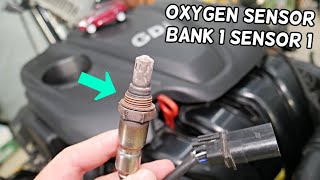
Typical fix: Replace the upstream (Bank 1, Sensor 1) oxygen sensor. 🎬 Watch: How to locate and replace the upstream oxygen sensor
Est. part cost: $70-$180 - Stuck-Open EVAP Purge Control Valve 🟡 Medium Probability This valve is a common failure item on many modern vehicles, including Hyundai. It can get stuck open, allowing un-metered fuel vapors from the charcoal canister to be drawn into the engine at idle, creating a rich condition.
How to confirm: With the engine off, remove the valve and try to blow through it. If air passes through, it is stuck open and faulty. You can also apply 12V to the terminals to see if it clicks open and closed. A classic symptom is difficulty starting the vehicle right after refueling.
Typical fix: Replace the EVAP purge control valve/solenoid.
Est. part cost: $30-$80 - Leaking Fuel Injector(s) 🟡 Medium Probability GDI engines have high-pressure injectors that can leak fuel directly into a cylinder even when closed. This adds uncommanded fuel and causes a rich mixture. Carbon buildup on the injector tips can also cause poor spray patterns and dripping.
How to confirm: This is more difficult to diagnose. A professional may perform a fuel injector balance test. A DIY method is to pull the spark plugs after the engine has sat; a plug that is wet with fuel may indicate a leaking injector in that cylinder. A misfire code for a specific cylinder (e.g., P0302) alongside P0172 points towards an injector issue in that cylinder.
Typical fix: Replace the faulty fuel injector and its seals.
Est. part cost: $50-$150 per injector - Severely Clogged Engine Air Filter ⚪ Low Probability Not a platform-specific issue, but a simple check. If the filter is extremely clogged, it can restrict airflow enough to cause the air-fuel ratio to become rich.
How to confirm: Visually inspect the engine air filter. If it is black, filled with debris, or you cannot see light through it, it needs to be replaced.
Typical fix: Replace the engine air filter.
Est. part cost: $15-$40
Rare But Worth Checking
- High Fuel Pressure: While less common, a failing fuel pressure regulator or an issue with the GDI high-pressure fuel pump can cause system-wide high fuel pressure, leading to a rich condition. This would require testing fuel pressure with a mechanical gauge and scan tool to confirm. A strong smell of fuel in the engine oil is a major red flag for a leaking high-pressure fuel pump (HPFP).
- Faulty Engine Coolant Temperature (ECT) Sensor: If the ECT sensor is faulty and tells the PCM the engine is always cold, the computer will command a richer fuel mixture, which can eventually trigger a P0172 code. This can be diagnosed by comparing the ECT reading on a scan tool to the actual engine temperature.
Diagnosis Steps
- Read all fault codes with an OBD-II scanner. Pay attention to any other codes that may be present, as they can help pinpoint the cause (e.g., P2196, P030x, P2188).
- Inspect the engine air filter. Replace if it is dirty or clogged.
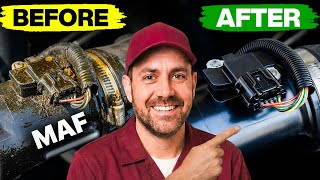
- Inspect the Mass Airflow (MAF) sensor, located in the intake tube after the air filter box. Disconnect it and clean it using a dedicated MAF sensor cleaner spray. Allow it to dry completely before reinstalling.
- Using a scan tool, monitor the Short-Term Fuel Trim (STFT) and Long-Term Fuel Trim (LTFT) for Bank 1. For a P0172 code, you will see highly negative numbers (e.g., -15% or more) as the PCM tries to remove fuel.
- Monitor the live voltage data for the upstream oxygen sensor (Bank 1, Sensor 1). The voltage should switch rapidly. If it is stuck high (e.g., >0.8V), the sensor is likely faulty.
- Test the EVAP purge valve. With the engine off, disconnect the valve and try to blow through it. If air passes, it's stuck open and needs replacement.
- Check the engine oil for a strong gasoline smell. This can indicate a leaking fuel injector or a failing high-pressure fuel pump (HPFP) diluting the oil.
- Inspect for leaking fuel injectors. This may require removing the fuel rail or having a professional perform a balance test.
- If the above steps do not reveal the cause, check fuel pressure to ensure the low-pressure and high-pressure fuel pumps are operating within specification.
Parts You'll Likely Need

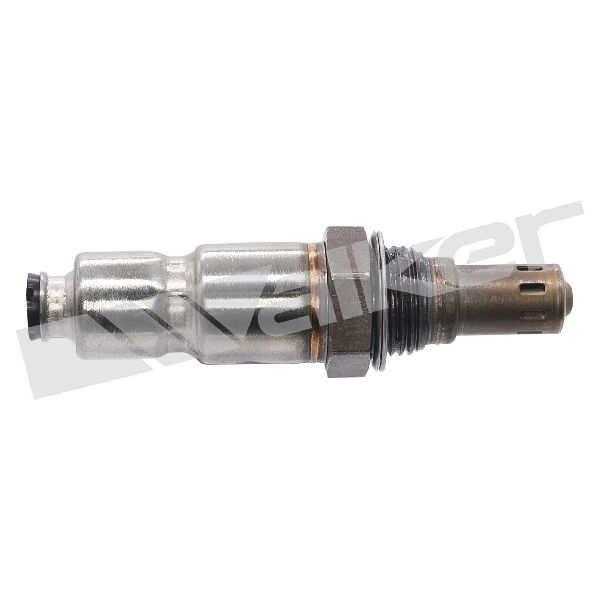
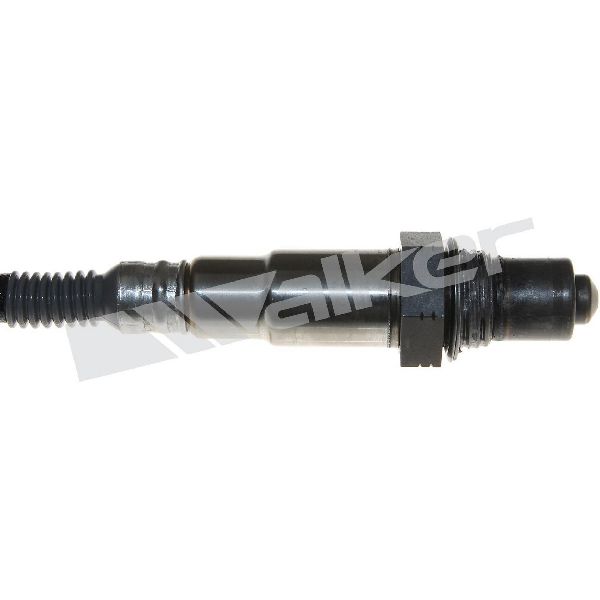
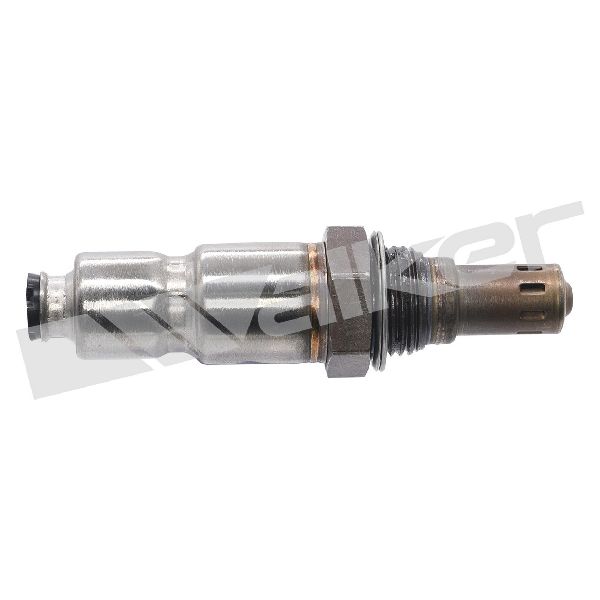
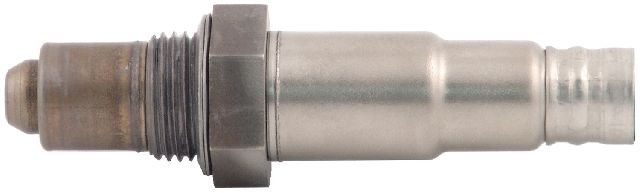
- Upstream Oxygen Sensor (Air/Fuel Ratio Sensor)
(OEM #39210-2E100 (Verification by VIN is critical, as this part number may fit other models like Elantra but not the specific Tucson).)— This is one of the most common failure points for a P0172 code. It directly measures the air-fuel ratio and is critical for fuel control.
Trusted brands: Hyundai (OEM), Bosch, Denso, NGK
OEM price range: $120-$200
Aftermarket price range: $70-$150 - EVAP Canister Purge Valve
(OEM #28910-2E000 (Verified to fit 2014-2016 Tucson 2.0L, likely fits others in the generation but VIN confirmation is essential).)— A frequently failing emissions component that gets stuck open, allowing un-metered fuel vapor into the engine.
Trusted brands: Hyundai (OEM), Dorman
OEM price range: $25-$40
Aftermarket price range: $20-$35
Related Codes That Often Appear With This One
- P2196 — This code means 'O2 Sensor Signal Biased/Stuck Rich (Bank 1, Sensor 1)'. It's a more specific code that directly points to the upstream O2 sensor as the likely cause of the P0172 condition.
- P0300, P0301, P0302, P0303, P0304 — These are random or specific cylinder misfire codes. A severe rich mixture can foul spark plugs, leading to incomplete combustion and misfires.
- P0441 — 'Evaporative Emission System Incorrect Purge Flow'. This code often appears if the cause of the rich condition is a stuck-open EVAP purge valve.
- P2188 — 'System Too Rich at Idle (Bank 1)'. This is a more specific version of P0172, indicating the problem is most prominent when the engine is idling. It often shares the same root causes.
Technical Service Bulletins (TSBs) & Recalls
- TSB 23-EM-008H / 21-EM-003H: These service bulletins provide the official dealer procedure for diagnosing and repairing excessive engine oil consumption. The process involves oil consumption tests and, if the failure is confirmed, may proceed to combustion chamber cleaning or engine replacement. This is relevant as oil blow-by can foul sensors and cause P0172.
- TSB 23-EM-007H: This bulletin details the specific procedure for combustion chamber cleaning, often performed as a step in addressing oil consumption issues on 4-cylinder gasoline engines.
Mechanic-Grade Diagnostic Values
- Long-Term Fuel Trim (LTFT) — expected: Around 0% to +/- 5%. Failure: A sustained negative value greater than -10% to -12% indicates the PCM is consistently removing fuel to correct a rich condition.
- GDI High-Pressure Fuel System — expected: 290 - 3,626 PSI (Varies with engine load). Failure: Pressure significantly above the specified range at idle or under load could indicate a faulty high-pressure pump or regulator. Some sources cite a narrower idle range of 550-650 PSI.
- Upstream Oxygen Sensor (A/F Sensor) Voltage — expected: Rapidly fluctuating between ~0.1V and ~0.9V. Failure: Voltage is stuck high (e.g., consistently above 0.7V or 0.8V) or responds very slowly to changes in throttle.
- Engine Coolant Temperature (ECT) Sensor Resistance — expected: ~2000-3000 Ω at 20°C (68°F); ~200-300 Ω at 90°C (194°F).. Failure: Resistance readings are significantly outside the expected range for a given temperature, which can cause the ECU to incorrectly enrich the fuel mixture.
Scan Tool Commands That Help

- Hyundai GDS-M (or equivalent advanced scanner): Reset Fuel Learning / Reset Adaptive Values — After replacing a major fuel system component like a MAF sensor, O2 sensor, or fuel injectors, this function should be used to clear the old learned fuel trim values. This forces the PCM to start fresh and learn the new parameters, preventing the old adjustments from interfering with the new parts.
- Hyundai GDS-M (or equivalent advanced scanner): Injector Balance Test / Actuation Test — This bidirectional command allows the technician to fire each injector individually while monitoring fuel pressure drop. It is a definitive way to identify a leaking or clogged injector that is flowing more or less fuel than the others, which can be a direct cause of P0172.
"I Checked Everything" — The Actual Cause
- In GDI engines, a P0172 code can persist even with a clean smoke test (no vacuum leaks). A common hidden cause is a leaking high-pressure fuel pump (HPFP) or a leaking fuel injector. These components leak fuel directly into the cylinder or crankcase, which is not detectable by a smoke test that checks for air leaks in the intake path.
OEM Part Supersession History
35320-2GGA0→35320-2E110— Part update/revision for the High-Pressure Fuel Pump on the 2.4L GDI engine.
Heads up: Always verify the correct part number by VIN. While they may be interchangeable in some cases, using the wrong revision could lead to performance issues.39210-2E100→39210-2E101— Revision for the upstream oxygen sensor.
Heads up: The interchange part number is listed as 39210-2E101, suggesting it is a compatible replacement for 39210-2E100.
Model Year Variations Within This Range
- 2016-2018: The primary engines were the 2.0L GDI and a 1.6L Turbo GDI. The 2.4L GDI was introduced later in the 2017/2018 model year.
- 2019-2021: For the 2019 model year refresh, Hyundai dropped the 1.6L Turbo engine and made the 2.0L GDI and the 2.4L GDI the main powertrain options. The high-pressure fuel pump for the 2.4L GDI is specific to 2018-2021 models.
Diagnostic Flowchart
Other Known Issues on This Vehicle
Issues unrelated to this code that are worth knowing about as an owner of this generation:
- Theta II Engine Failure (Connecting Rod Bearing) 🔴 High — Widespread across millions of Hyundai/Kia vehicles with 2.0L & 2.4L GDI engines, leading to major class-action lawsuits and recalls. Failure can occur suddenly at various mileages. (Ref: Multiple recalls (e.g., NHTSA 21V727000) and a major class-action settlement providing extended/lifetime warranties and a Knock Sensor Detection System (KSDS) software update for early warning.)
- Excessive Oil Consumption 🔴 High — Very common problem, often a precursor to engine failure. Many owners report needing to add a quart of oil every 1,000 miles or less. The issue is often linked to piston ring and cylinder wall issues. (Ref: Hyundai TSBs 23-EM-008H and 21-EM-003H outline the official oil consumption testing procedure for dealers.)
- Dual-Clutch Transmission (DCT) Hesitation and Failure 🟠 Medium — Primarily affects models with the 1.6L Turbo engine, but some 2.0L models also had DCTs. Owners report jerky shifting, hesitation from a stop, and premature failure. (Ref: Various TSBs for software updates have been issued to improve shift logic.)
- Carbon Buildup on Intake Valves 🟠 Medium — Inherent to GDI engines, as fuel is injected directly into the cylinder and does not wash over the intake valves. Over time (typically 60k-100k miles), buildup can restrict airflow, causing performance issues. (Ref: TSB 23-EM-007H provides a procedure for combustion chamber cleaning, which addresses carbon deposits.)
Used vs. New Parts: Buying Guide for This Vehicle
When a used part is the smart pick: Used parts can be a cost-effective option for mechanical components that are not high-wear items, such as an EVAP purge valve. For a GDI fuel injector, a low-mileage used OEM part can sometimes be a safer bet than a new, unbranded aftermarket part due to the tight tolerances required.
Donor-vehicle mileage cap: roughly under 60000 miles for the part to have meaningful remaining life.
What to inspect on the donor part:
- For electronic sensors (MAF, O2), check for physical damage, corrosion on the pins, or cut wires.
- For fuel injectors, verify the part number on the injector body itself matches the required part.
- Ask for the VIN or mileage of the donor vehicle to gauge the part's remaining service life.
- Avoid parts from vehicles that show signs of being in a major front-end collision or engine fire.
OEM-only on this vehicle (don't cheap out):
- High-Pressure Fuel Pump (HPFP): Due to the extremely high pressures and critical role in engine function, using an OEM (Bosch is an OE supplier) or a reputable OEM-quality replacement is highly recommended to avoid premature failure and potential engine damage.
- Mass Airflow (MAF) Sensor: While aftermarket options exist, they are notorious for causing fuel trim issues. Stick with OEM or a direct OE-supplier brand if replacement is necessary after cleaning fails.
Aftermarket brands forum-validated for this vehicle:
- Oxygen Sensors: Denso, Bosch, and NGK are often the original equipment manufacturers and are considered top-tier, reliable replacements.
- High-Pressure Fuel Pump: Bosch is an Original Equipment supplier for many GDI components and is a trusted brand for replacement.
Brands owners have reported issues with on this vehicle:
- Avoid unbranded, 'white-box' electronic sensors (O2, MAF) and fuel system components (injectors, pumps) from online marketplaces. These often use lower-quality materials, are not calibrated correctly, and can fail quickly or cause persistent performance issues.
Real Owner Stories
Aggregated from forums and TSBs cited above. Mileages and costs reflect what owners reported in those sources.
2018 Hyundai Tucson — 120000 miles
Symptoms: Significant oil consumption and power loss.
What fixed it: The owner discussed the issue in the context of the dealer diagnostic process for oil consumption, which can lead to engine replacement under TSB guidelines if failure is confirmed.
Source hint: https://www.hyundai-forums.com/threads/2018-tucson-oil-consumption.689690/
2016-2021 Hyundai Tucson (General) — ~1000 miles
Symptoms: Burning over a quart of oil in 1,000 miles.
What fixed it: Following the official Hyundai oil consumption TSB (23-EM-008H) dealer process for diagnosis and repair.
Source hint: https://www.reddit.com/r/Hyundai/comments/15j5fq5/oil_consumption_tsb/
Hyundai Owner Report — NHTSA ODI #11618243
Symptoms: The check engine light was on and blinking, indicating the vehicle was unsafe to drive. Diagnostic codes retrieved included P0172 (System Too Rich), P0140 (O2 Circuit), and P0126 (Knock Sensor Circuit).
What fixed it: While the report notes the knock sensor code was present, the P0172 rich condition was a primary diagnostic finding during the engine safety evaluation.
Related OBD-II Codes
Frequently Asked Questions
My 2018 Tucson is burning a lot of oil and now has a P0172 code. Are these related?
I have trouble starting my Tucson specifically after I fill up the gas tank. Could this be P0172?
Is there a specific cleaning procedure for the engine issues causing my rich code?
Could a bad fuel injector be causing my P0172 code on a GDI engine?
Is the P0172 issue covered under the Theta II engine settlement?
Helpful Videos
Used OEM Parts in Stock
New Aftermarket Parts Available

The information in this article is provided for general reference and educational purposes only. Vehicle specifications, procedures, and part compatibility can vary by production date, trim level, and region. Always consult your vehicle's factory service manual and verify part numbers before purchasing or performing repairs. Safety-critical components such as airbags, seat belts, and braking systems should be installed by a qualified professional.
- Hyundai Tucson:
- 🎬 Helpful Videos
- 🛍️ Shop This Part
- What's Unique About the 2016-2021 Hyundai Tucson
- Symptoms You May Notice
- Most Likely Causes
- Rare But Worth Checking
- Diagnosis Steps
- Parts You'll Likely Need
- Related Codes That Often Appear With This One
- Technical Service Bulletins (TSBs) & Recalls
- Mechanic-Grade Diagnostic Values
- Scan Tool Commands That Help
- "I Checked Everything" — The Actual Cause
- OEM Part Supersession History
- Model Year Variations Within This Range
- Diagnostic Flowchart
- Other Known Issues on This Vehicle
- Used vs. New Parts: Buying Guide for This Vehicle
- Real Owner Stories
- 2018 Hyundai Tucson — 120000 miles
- 2016-2021 Hyundai Tucson (General) — ~1000 miles
- Hyundai Owner Report — NHTSA ODI #11618243
- Related OBD-II Codes
- Frequently Asked Questions
- 🎟️ Get 5% Off