

P0172 on 2019-2023 Genesis G70 3.3T: Causes and Fixes for System Too Rich
For the Genesis G70 3.3T, a P0172 code is most often caused by a faulty Bank 1 upstream oxygen (A/F) sensor or a dirty Mass Airflow (MAF) sensor. Owners with aftermarket air intakes may also see this code if the intake is installed incorrectly or has oiled the MAF sensor. In some cases, issues with the high-pressure fuel pump (HPFP) can also lead to a rich condition.
- P0172 means your G70's engine is running rich (too much fuel, not enough air) on the passenger-side cylinder bank.
- If you have an aftermarket air filter, check it and the MAF sensor first. This is a very common cause.
- The most likely cause on a stock vehicle is a failing upstream oxygen sensor (Bank 1, Sensor 1).
- Driving with this code for an extended period can lead to costly damage to your catalytic converter.
- Diagnosing with an OBD-II scanner that can read live fuel trims is the fastest way to pinpoint the problem.
What's Unique About the 2019-2023 Genesis G70
The Genesis G70 and its corporate cousin, the Kia Stinger, share the 3.3T Lambda II engine. This direct-injected, twin-turbo V6 is generally reliable. However, the P0172 code on this platform is frequently linked to owner modifications, particularly aftermarket air intakes. Owners report that improperly installed intakes, or over-oiled reusable filters contaminating the MAF sensor, are common triggers for this code. In stock vehicles, the primary culprits are often the upstream oxygen sensors, which can degrade over time, or less commonly, issues with the high-pressure fuel pump (HPFP).
Symptoms You May Notice
- Check Engine Light is on
- Decreased fuel economy
- Rough or unstable idle
- Black smoke from the exhaust under acceleration
- A distinct smell of gasoline from the exhaust
- Hesitation when accelerating
- Replacing spark plugs first. While fouled plugs can be a symptom of a rich condition, they are almost never the root cause of a P0172 code. Tuned cars often use colder plugs like HKS M45IL, but this is a modification, not a fix for a stock car's P0172.
Most Likely Causes
- Faulty Upstream Oxygen (A/F) Sensor 🔴 High Probability Oxygen sensors are wear items that degrade over time, leading to slow or inaccurate readings. A sensor that incorrectly reads 'lean' will cause the ECU to add excess fuel. This is a common failure point leading to a rich condition.
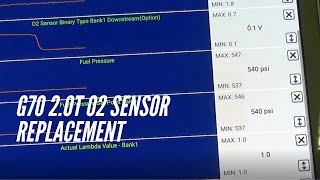
How to confirm: Use an OBD-II scanner to monitor live data for the Bank 1, Sensor 1 (A/F sensor). Its voltage should fluctuate rapidly. A lazy or stuck sensor is faulty. Also, check long-term and short-term fuel trims; a high negative number (e.g., -15% or more) on Bank 1 confirms the rich condition.
Typical fix: Replace the Bank 1 (passenger side) upstream oxygen sensor.
Est. part cost: $70-$150 - Dirty or Faulty Mass Airflow (MAF) Sensor 🟡 Medium Probability This is especially common on vehicles with aftermarket oiled air filters (like K&N). Excess oil can contaminate the MAF sensor's delicate wire, causing it to under-report the amount of air entering the engine. The ECU then injects too much fuel for the actual airflow. Forum users have confirmed this resolves the issue after cleaning the filter and sensor.
How to confirm: Remove and inspect the MAF sensor. If it's visibly dirty or oily, it's suspect. It can be cleaned with a dedicated MAF sensor cleaner spray. If cleaning doesn't resolve the issue, the sensor may need replacement. Check for loose connections on the intake tube as well.
Typical fix: Clean the MAF sensor with a dedicated cleaner. If the problem persists, replace the MAF sensor.
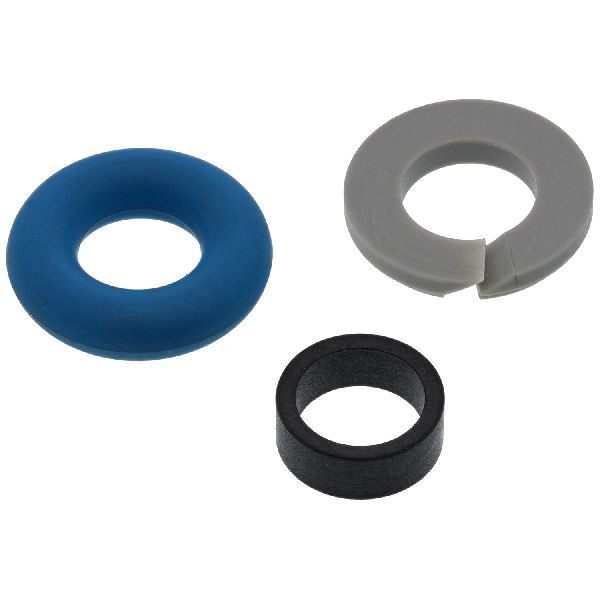
Est. part cost: $10-$20 (cleaner), $80-$200 (sensor) - Leaking Fuel Injector(s) ⚪ Low Probability While not extremely common on this platform, a fuel injector can become stuck partially open or leak fuel after the engine is shut off, leading to a rich condition in one or more cylinders of Bank 1. This is a known issue on other Hyundai engines.
How to confirm: This is more difficult to diagnose. A mechanic can perform a fuel pressure leak-down test or remove the fuel rail and injectors to have them professionally cleaned and flow-tested. A dropping fuel pressure after the engine is off can indicate a leak.
Typical fix: Replace the faulty fuel injector(s). It's often recommended to replace them as a set for the affected bank.
Est. part cost: $100-$250 per injector - High Fuel Pressure ⚪ Low Probability A failing fuel pressure regulator or a faulty high-pressure fuel pump (HPFP) can cause system-wide high fuel pressure, forcing too much fuel through the injectors. While this would typically affect both banks and throw a P0175 code as well, it can sometimes manifest on one bank first. There is a TSB for the 2.0T engine for a similar issue, suggesting the HPFP is a component to watch on the platform.
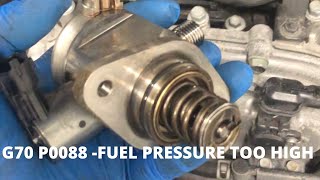
How to confirm: Connect a mechanical fuel pressure gauge to the fuel system and check if the pressure is within the manufacturer's specifications. An OBD-II scanner can also monitor fuel rail pressure. Look for related codes like P0088 (Fuel Rail/System Pressure - Too High).
Typical fix: Replace the high-pressure fuel pump or fuel pressure regulator.
Est. part cost: $50-$150 (regulator), $300-$500 (HPFP)
Rare But Worth Checking
- Stuck Open EVAP Purge Valve: An EVAP purge valve stuck open can allow un-metered fuel vapors from the charcoal canister to enter the intake manifold, creating a rich condition. This is a possibility if the code appears intermittently and can be diagnosed with a smoke test.
Diagnosis Steps
- Use an OBD-II scanner to confirm the P0172 code and check for any other related codes, like P0175 or P0088.
- Check the freeze frame data to see the engine conditions (RPM, load, speed, temperature) when the code was set.
- Inspect the air intake system, especially if an aftermarket intake is installed. Ensure all connections are tight and the filter is clean and properly seated. A loose connection is a common culprit.
- Inspect the MAF sensor for any signs of oil or contamination. If dirty, clean it with dedicated MAF sensor cleaner and re-evaluate. Do not touch the sensor wires.
- Use the scanner to monitor live data. Observe the Short-Term Fuel Trim (STFT) and Long-Term Fuel Trim (LTFT) for Bank 1. High negative values (e.g., below -10%) confirm the ECU is removing fuel to compensate for a rich condition.
- Observe the Bank 1, Sensor 1 (upstream O2/AF sensor) voltage. It should fluctuate rapidly. If it's slow, stuck, or biased, it is likely faulty.
- If fuel trims are highly negative on both banks, investigate common components. Check fuel rail pressure using the scanner. If it's significantly above the desired pressure, suspect a high-pressure fuel pump or regulator issue.
- If the above steps don't identify the issue, more advanced diagnostics like a fuel pressure leak-down test for injectors or a smoke test for the EVAP system may be necessary.
Parts You'll Likely Need
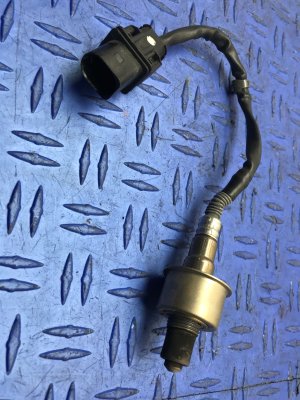
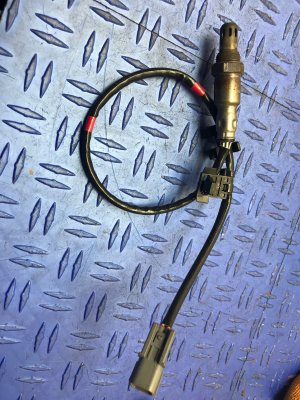
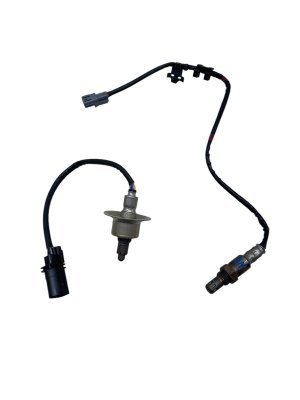
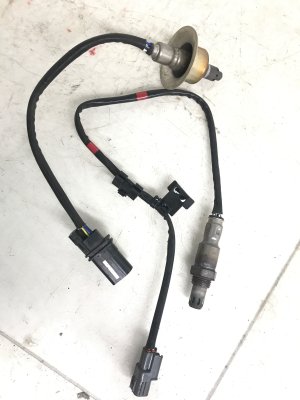
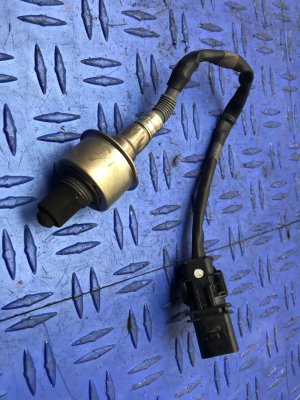
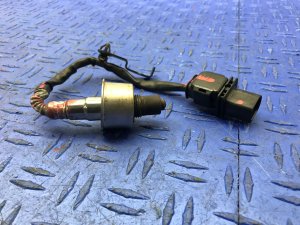
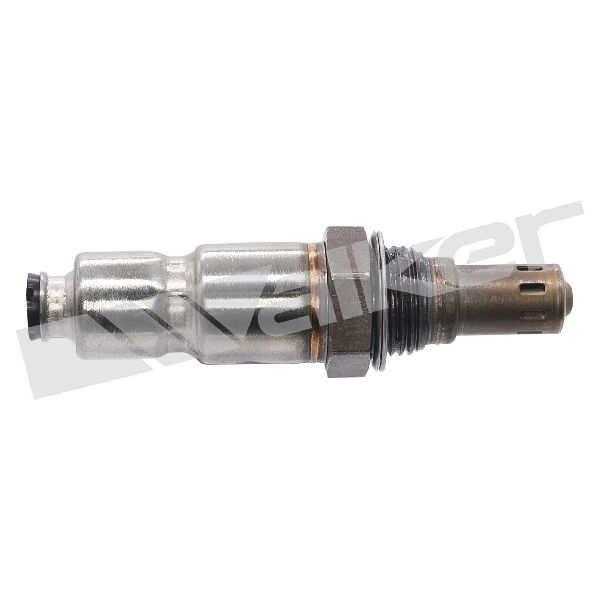
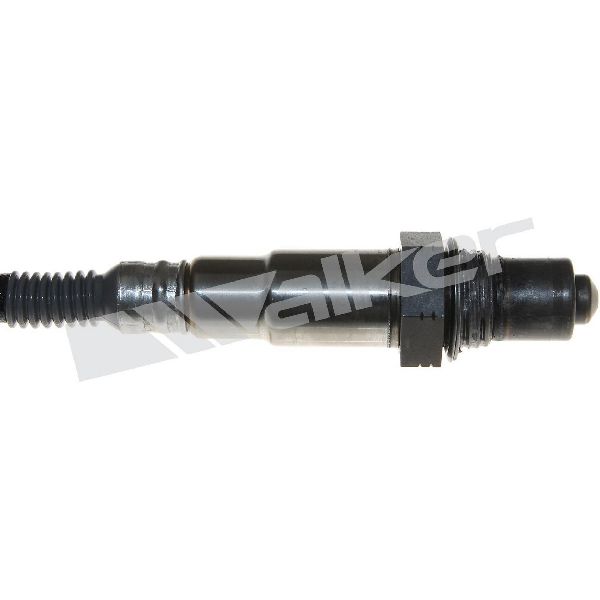
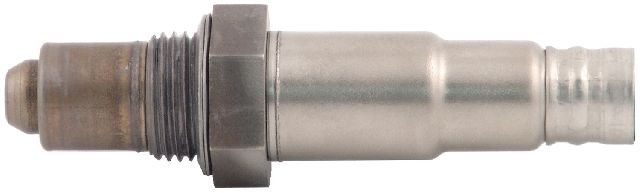
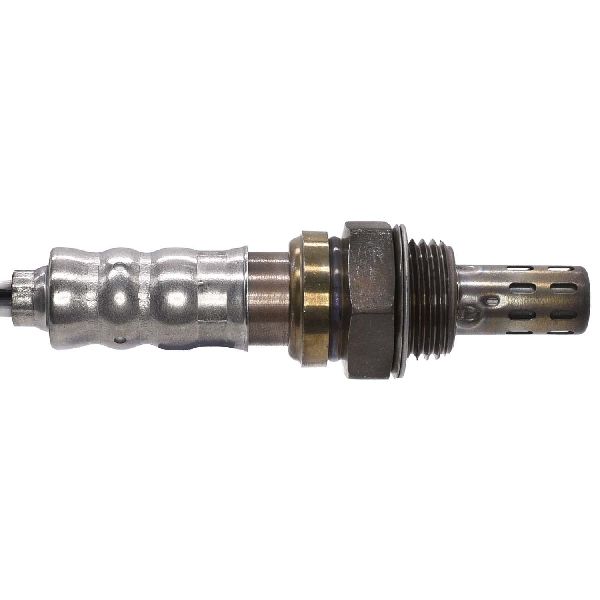
- Upstream Oxygen Sensor (Bank 1) — This sensor is a primary input for fuel control and a common failure point that directly causes a P0172 code.
Trusted brands: Denso, Bosch, NTK
OEM price range: $120-$200
Aftermarket price range: $70-$150 - Mass Airflow (MAF) Sensor
(OEM #28164-2C600 (Verify with VIN))— Often gets contaminated by aftermarket oiled air filters, causing it to misread airflow and trigger a rich condition.
Trusted brands: Bosch, Delphi, Hitachi
OEM price range: $150-$250
Aftermarket price range: $80-$200 - High-Pressure Fuel Pump (HPFP)
(OEM #35326-3L000 (Verify with VIN))— A less common but possible cause of high fuel pressure leading to a rich condition, sometimes accompanied by code P0088.
Trusted brands: Hyundai/Genesis Genuine
OEM price range: $300-$500 - MAF Sensor Cleaner — A cheap and effective first step to rule out MAF sensor contamination before replacing the part.
Trusted brands: CRC, WD-40
Aftermarket price range: $10-$20
Related Codes That Often Appear With This One
- P0175 — System Too Rich (Bank 2). If this code is present with P0172, it indicates a problem affecting both engine banks, pointing towards a common cause like a faulty MAF sensor or fuel pressure issue, rather than a component specific to Bank 1 like an O2 sensor or injector.
- P0088 — Fuel Rail/System Pressure - Too High. This code strongly suggests the root cause is related to the high-pressure fuel pump or its control system, leading to the rich condition.
Technical Service Bulletins (TSBs) & Recalls
- While no TSB is directly for P0172 on the 3.3T, TSB 23-01-042H-01 for the 2.0T G70 addresses a rich condition and loss of power due to a faulty High Pressure Fuel Pump (HPFP), which can set a P0088 code. This indicates that HPFP issues are a known possibility on the G70 platform and could be a potential, though less common, cause for a rich condition on the 3.3T as well.
Platform-Specific Known Issues
- Aftermarket Intakes: The most frequently cited cause for P0172 in online communities is the installation of aftermarket air intakes. Owners of both the G70 and its platform-mate, the Kia Stinger, report that oiled filters (like K&N) can contaminate the MAF sensor, and improper installation can cause air leaks, both leading to this code.
Mechanic-Grade Diagnostic Values
- Mass Airflow (MAF) Sensor Reading at Idle — expected: ~2.1 g/s (grams per second) when fully warmed up in Park.. Failure: A significantly lower reading may indicate a contaminated or faulty sensor, causing the ECU to under-report air and inject too much fuel. A higher reading could indicate a vacuum leak.
- Fuel Trim (Lambda Scale) — expected: Between 0.95 and 1.05.. Failure: A value below 0.95 indicates the ECU is removing a significant amount of fuel to compensate for a rich condition.
- Fuel Trim (Percentage) — expected: Close to 0%, with an acceptable range of +/- 5%.. Failure: Consistently negative values, such as -10% or more on STFT or LTFT for Bank 1, confirm the ECU is actively trying to correct a rich condition.
Scan Tool Commands That Help
- Genesis GDS (Global Diagnostic System): Reset Adaptive Values — This function can be used to reset the learned values for the engine and transmission control modules. While often used for transmission issues, resetting engine fuel trim adaptations can force the ECU to re-learn from scratch after a repair, which can be useful after cleaning a MAF or replacing an O2 sensor. This must be done with a dealer-grade tool; many consumer scanners cannot perform this function correctly on Genesis vehicles.
- Genesis GDS (Global Diagnostic System): Actuation Test — The GDS allows for individual component actuation, such as commanding the EVAP purge valve to open or close. This is useful for diagnosing a stuck-open purge valve without having to remove it from the vehicle first.
- Genesis GDS (Global Diagnostic System): Flight Record — For intermittent issues, the GDS can be put into a 'Flight Record' mode to capture data leading up to an event. If the P0172 code only sets under specific conditions (e.g., high boost), this function can help capture the sensor data at the exact moment the fault occurs.
Real Owner Repair Stories
- Reddit r/GenesisG70 user (2019 Genesis G70 2.0T (though another user confirmed the same fix on a 3.3T)) — P0172 Check Engine Light.
❌ Tried (didn't work) Initial diagnosis pointed towards sensors or other complex issues.
✅ What actually fixed it The user had an aftermarket AEM intake installed. The P0172 code was resolved by finding and tightening a loose connection on the intake assembly. This highlights the importance of checking for post-modification vacuum leaks. - Reddit r/GenesisG70 user (Genesis G70 (engine not specified)) — P0172 Check Engine Light.
❌ Tried (didn't work) Initial troubleshooting was inconclusive.
✅ What actually fixed it The user had a K&N oiled air filter that was extremely dirty ('black' instead of red). Cleaning the filter was the suggested fix. This is a common cause as a clogged filter restricts airflow, creating a rich condition.
OEM Part Supersession History
35320-3L000→35326-3L000— Part number update/revision for the high-pressure fuel pump (HPFP).
Model Year Variations Within This Range
- 2019-2021 vs 2022-2023: The Genesis G70 received a significant facelift for the 2022 model year. While the 3.3T Lambda II engine and 8-speed automatic transmission remained the core powertrain, the vehicle received updated exterior styling, a new dashboard design with a larger 10.25-inch infotainment screen, and an updated 8-inch LCD instrument cluster. These changes do not fundamentally alter the diagnosis for a P0172 code, as the key engine components (sensors, fuel system) are largely the same, but technicians should be aware of the different interior/exterior when servicing the vehicle.
Diagnostic Flowchart
Other Known Issues on This Vehicle
Issues unrelated to this code that are worth knowing about as an owner of this generation:
- Paint Peeling/Chipping 🟠 Medium — Commonly reported, especially on white and silver colored vehicles. Can occur within a few years of ownership. Class action lawsuits have been filed regarding this issue on Hyundai/Genesis vehicles.
- Interior Rattles (Sunroof/Hatch) 🟡 Low — Frequently mentioned by owners of both the G70 and its platform-mate, the Kia Stinger. Rattles often emanate from the sunroof assembly or, on the Stinger, the rear hatch area.
- Brake Judder / Warped Rotors 🟠 Medium — A common complaint on both the G70 and Stinger is a vibration or pulsing felt through the brake pedal during braking, often attributed to premature warping of the OEM brake rotors.
- Jerky Downshifts (8-Speed Automatic) 🟡 Low — Some owners report harsh or jerky downshifts from the 8-speed automatic transmission, particularly when coming to a stop (e.g., 3-2 and 2-1 shifts).
- Excessive Oil Consumption 🟠 Medium — While the 3.3T is generally considered reliable, Hyundai/Genesis has issued broad TSBs (e.g., 23-EM-008H) regarding procedures for diagnosing oil consumption, often linked to carbon buildup in GDI engines. It's a known concern across many of their GDI powerplants. (Ref: TSB 23-EM-008H)
Used vs. New Parts: Buying Guide for This Vehicle
When a used part is the smart pick: For this code, buying used parts is generally not recommended for the primary failure components. However, if a repair requires replacing a non-failed adjacent part (e.g., a bracket, a heat shield, or an intake pipe without integrated sensors), a used part from a reputable auto recycler is a cost-effective option.
Donor-vehicle mileage cap: roughly under 50000 miles for the part to have meaningful remaining life.
What to inspect on the donor part:
- For any electronic sensor, ensure connectors are free of corrosion or damage.
- For mechanical parts like intake piping, check for cracks, warping, or stripped mounting points.
- Verify the donor vehicle's VIN to ensure compatibility, especially for parts that may have changed during the 2022 facelift.
OEM-only on this vehicle (don't cheap out):
- High-Pressure Fuel Pump (HPFP): Given its critical role in a GDI system and the specific TSBs related to this component on the G70 platform, using a genuine Hyundai/Genesis OEM part is strongly advised to ensure reliability and correct fuel pressure.
- Mass Airflow (MAF) Sensor: While some aftermarket brands are reliable, the ECU is sensitive to MAF readings. Using a genuine OEM sensor (often made by Bosch or Hitachi for Hyundai) avoids potential compatibility or calibration issues.
Aftermarket brands forum-validated for this vehicle:
- Oxygen Sensors: Denso, Bosch, and NTK are original equipment suppliers to many manufacturers and are widely considered reliable replacements.
- Upgraded HPFP (for modified vehicles): Burger Motorsports (BMS) and Fuel-It! offer high-performance HPFP upgrades for owners running higher ethanol blends or increased boost, which are well-regarded in the tuning community.
Brands owners have reported issues with on this vehicle:
- Unbranded/No-name 'eBay' sensors: Avoid generic, unbranded electronic sensors (O2, MAF). They often have high failure rates, use lower-quality materials, and can provide inaccurate readings that make diagnosis even more difficult.
Real Owner Stories
Aggregated from forums and TSBs cited above. Mileages and costs reflect what owners reported in those sources.
2019-2023 Genesis G70 3.3T
Symptoms: The owner experienced a Check Engine Light (CEL) with code P0172 indicating the system was too rich.
What fixed it: The issue was resolved by finding and tightening a loose connection on the aftermarket AEM intake system.
Source hint: r/GenesisG70 - Thread 'CEL - P0172 - System to Rich'
Related OBD-II Codes
Frequently Asked Questions
Does TSB 23-01-042H-01 apply to my 3.3T G70 if I have a rich condition?
Can my aftermarket K&N air filter cause the P0172 code on my G70?
I have an AEM intake on my 3.3T and just got a P0172; what should I check first?
Which oxygen sensor should I replace for a P0172 code on the 3.3T engine?
Is the P0172 code common on other Genesis models with the same engine?
Helpful Videos

Used OEM Parts in Stock
New Aftermarket Parts Available

The information in this article is provided for general reference and educational purposes only. Vehicle specifications, procedures, and part compatibility can vary by production date, trim level, and region. Always consult your vehicle's factory service manual and verify part numbers before purchasing or performing repairs. Safety-critical components such as airbags, seat belts, and braking systems should be installed by a qualified professional.
- Genesis G70:
- 🎬 Helpful Videos
- 🛍️ Shop This Part
- What's Unique About the 2019-2023 Genesis G70
- Symptoms You May Notice
- Most Likely Causes
- Rare But Worth Checking
- Diagnosis Steps
- Parts You'll Likely Need
- Related Codes That Often Appear With This One
- Technical Service Bulletins (TSBs) & Recalls
- Platform-Specific Known Issues
- Mechanic-Grade Diagnostic Values
- Scan Tool Commands That Help
- Real Owner Repair Stories
- OEM Part Supersession History
- Model Year Variations Within This Range
- Diagnostic Flowchart
- Other Known Issues on This Vehicle
- Used vs. New Parts: Buying Guide for This Vehicle
- Real Owner Stories
- 2019-2023 Genesis G70 3.3T
- Related OBD-II Codes
- Frequently Asked Questions
- 🎟️ Get 5% Off