

P0172 on 2015-2019 Ford Transit: Causes and Fixes for a Rich Fuel Condition
On a 2015-2019 Ford Transit, code P0172 (System Too Rich) is very often caused by water leaking into the engine bay and soaking the air filter. This restricts airflow and creates a rich fuel mixture. Before replacing any sensors, inspect the air filter for moisture and check for signs of water intrusion around the cowl area, a design flaw addressed in Ford Technical Service Bulletins (TSBs) 19-2091, 18-2321, and 17-0014.
- For a 2015-2019 Ford Transit, P0172 is most likely caused by a water-soaked air filter due to a known cowl leak.
- Always inspect the air filter for moisture before spending money on sensors.
- The permanent fix involves not just replacing the filter, but sealing the cowl area as described in Ford TSB 18-2321.
- If the filter is dry, the next most likely causes are a dirty MAF sensor or a faulty upstream O2 sensor.
- If both P0172 and P0175 are present, the cause is almost certainly something that affects the entire engine's air intake, like the wet filter or MAF sensor.
What's Unique About the 2015-2019 Ford TRANSIT
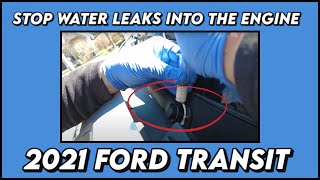
Unlike many vehicles where P0172 points to typical fuel system or sensor failures, the 2015-2019 Ford Transit has a well-documented and widespread issue with water intrusion. A design flaw in the cowl panel and windshield drainage area allows rainwater to drip directly onto the engine and, most critically, into the air filter housing. A water-saturated air filter severely restricts airflow, which is the most common vehicle-specific cause for this rich condition code on this platform. Ford has issued multiple Technical Service Bulletins (like TSB 19-2091) 🎬 Watch: How to fix water leaks and wet air filters to address this exact problem by sealing the cowl and adding water deflectors.
Diagnostic Flowchart
Tap your situation to follow the diagnostic path that matches what you're seeing on this vehicle.
Symptoms You May Notice
- Check Engine Light is on
- Poor fuel economy
- Rough or unstable idle
- Engine hesitation or lack of power during acceleration
- Strong smell of fuel or rotten eggs (sulfur) from the exhaust
- Black smoke from the exhaust pipe
- Engine stalling
- Difficulty starting
- Replacing the oxygen sensor first. While an O2 sensor can be the cause, it's often just correctly reporting the rich condition caused by another issue, like the wet air filter. On this vehicle, always check for water intrusion before replacing any sensors.
Most Likely Causes
- Water Intrusion Soaking the Air Filter 🔴 High Probability As documented in Ford TSBs 19-2091, 18-2321, and 17-0014, these Transit models are prone to water leaking from the cowl area directly onto the air filter housing. Forum users describe it as a 'designed in fault' where the drainage system is inadequate.
How to confirm: Open the air filter box and physically inspect the air filter element for dampness, water saturation, or disintegration. Look for water stains, rust, or debris on top of the engine and airbox.
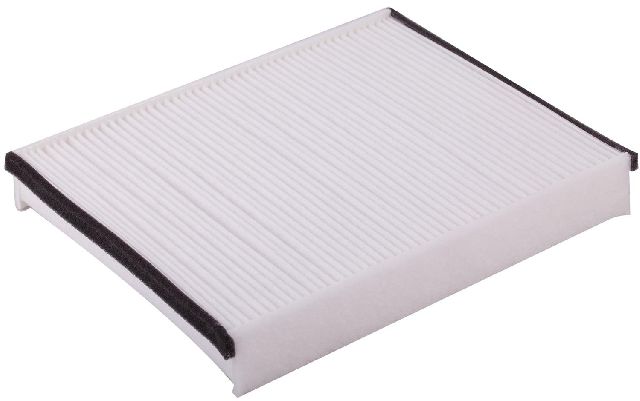
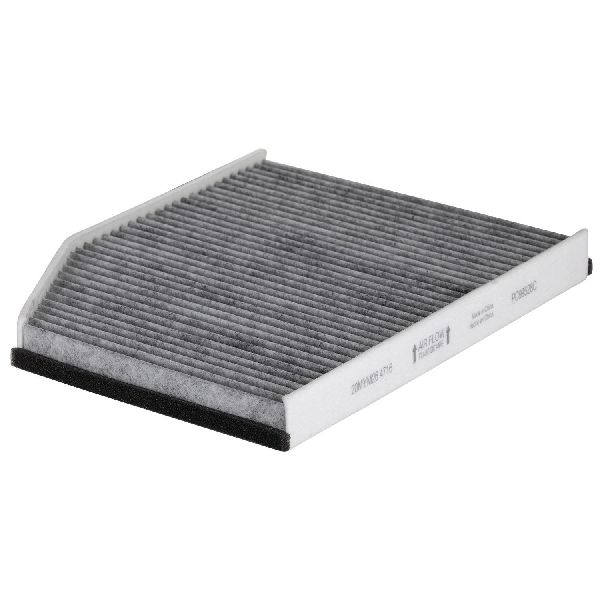
Typical fix: Replace the wet air filter (Motorcraft CK4Z-9601-A). More importantly, address the source of the leak. The TSB fix involves removing the cowl panel, cleaning the body joint, and applying a mastic patch (Part #4L3Z-18203A16-AA) and silicone sealant (Motorcraft TA-30). An updated water deflector (Part #CK4Z-6102408-AA) is also installed.
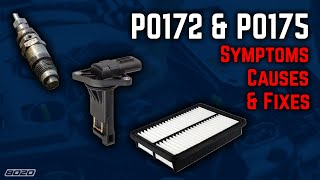
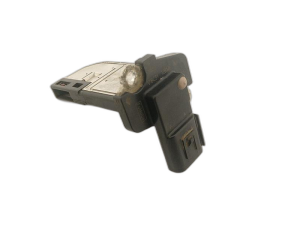
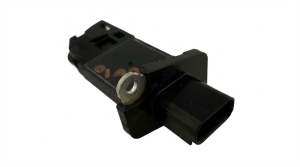
Est. part cost: $20-$50 for an air filter. Sealants and updated cowl parts may add $75-$150. - Dirty or Faulty Mass Airflow (MAF) Sensor 🟡 Medium Probability The MAF sensor measures the air entering the engine. It can get contaminated by dirt or damaged by the same water intrusion that soaks the filter, causing it to send incorrect data to the PCM. Using cheap aftermarket MAF sensors is known to cause issues, sometimes even triggering an opposite P0171 lean code.
How to confirm: Unplug and remove the MAF sensor. Inspect the delicate wires for contamination. You can try cleaning it with a dedicated MAF sensor cleaner. If cleaning doesn't work, it may need replacement. A scan tool should show a reading of around 3.5-3.7 grams/second at idle for a 3.5L/3.7L engine; incorrect values suggest a fault.
Typical fix: Clean the MAF sensor with a specialized spray cleaner. If the problem persists, replace the sensor. Using an OEM Motorcraft sensor is strongly recommended for best results.
Est. part cost: $10 for cleaner, $150-$250 for a new OEM sensor. - Leaking Fuel Injector(s) ⚪ Low Probability
How to confirm: This is more complex to diagnose. It may involve monitoring fuel trims with a scan tool or performing a fuel pressure leak-down test. An advanced diagnosis might involve scoping the injectors to observe their electrical waveform for signs of sticking. A professional may be needed to isolate a specific leaking injector.
Typical fix: Replace the faulty fuel injector(s).
Est. part cost: $50-$150 per injector. - Faulty Upstream Oxygen (O2) Sensor ⚪ Low Probability
How to confirm: A faulty O2 sensor can get 'stuck' reading lean, causing the PCM to incorrectly add too much fuel. This can be diagnosed by monitoring the O2 sensor voltage with a scan tool. A healthy upstream sensor will show rapidly fluctuating voltage between approximately 0.1 and 0.9 volts.
Typical fix: Replace the Bank 1, Sensor 1 (upstream) O2 sensor. Note that upstream and downstream sensors are not interchangeable.
Est. part cost: $50-$120.
Rare But Worth Checking
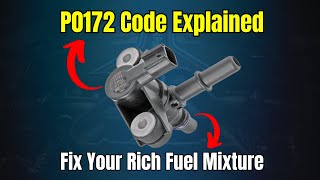
- Stuck Open EVAP Purge Valve: If the evaporative emissions purge valve sticks open, it can allow un-metered fuel vapors from the gas tank to enter the engine, creating a rich condition. This can be tested by removing the valve and blowing through it; if air passes, it's stuck open and needs replacement.
- High Fuel Pressure: A failing fuel pressure regulator can cause system-wide high fuel pressure, leading to rich conditions on both engine banks (P0172 & P0175). On some models, a ruptured regulator diaphragm can leak raw fuel into the vacuum line.
Diagnosis Steps
- Check for other stored trouble codes with an OBD-II scanner.
- Crucial First Step for this Vehicle: Open the air cleaner housing and inspect the air filter for any signs of moisture, water saturation, or physical disintegration.
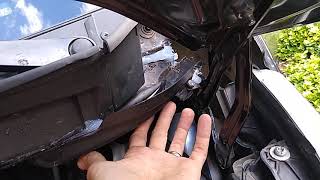
- Inspect the cowl panel area at the base of the windshield for gaps, debris in the drains, or damage that could allow water to leak onto the engine.
- If the filter is dry, inspect the MAF sensor located in the intake tube. Check for dirt, oil, or water damage on the sensor elements.
- If accessible, try cleaning the MAF sensor with a dedicated MAF sensor cleaner spray. Allow it to dry completely before reinstalling.
- Use a scan tool to observe short-term (STFT) and long-term (LTFT) fuel trims for Bank 1. A high negative percentage (e.g., -20% or more) confirms the PCM is subtracting fuel to correct a rich condition.
- Test fuel pressure to ensure it is within the manufacturer's specifications.
- If all else fails, investigate the EVAP purge valve for being stuck open and test the oxygen sensor's performance with a scan tool.
Parts You'll Likely Need
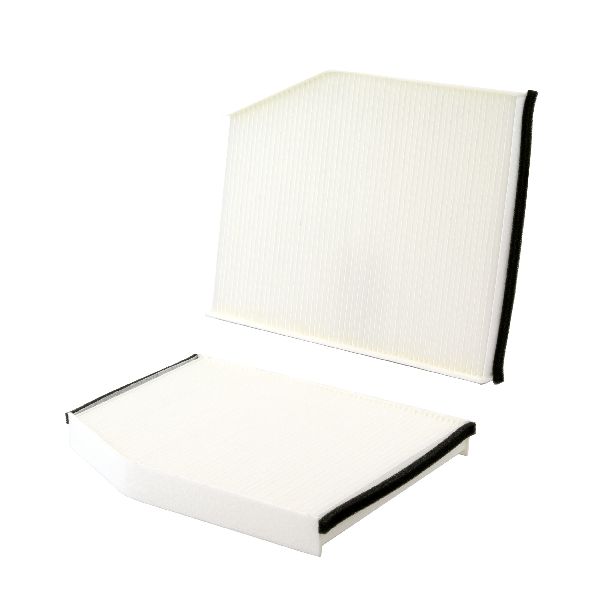
- Engine Air Filter
(OEM #CK4Z-9601-A)— This is the most common failure point due to the water intrusion issue specific to the Ford Transit. A saturated filter restricts airflow, causing the P0172 code.
Trusted brands: Motorcraft, WIX, Purolator
OEM price range: $30-$50
Aftermarket price range: $20-$40 - Mass Airflow (MAF) Sensor
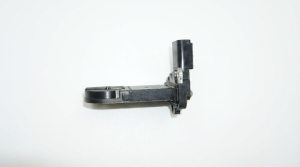
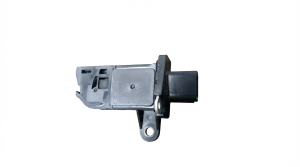
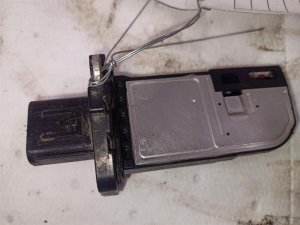
(OEM #CV2Z-9F479-A (Fits many Ford applications, including Transit with 3.5L/3.7L, but always verify with VIN))— Can become contaminated by dirt or damaged by water, leading it to misreport the amount of air entering the engine.
Trusted brands: Motorcraft, Bosch, Hitachi
OEM price range: $150-$250
Aftermarket price range: $70-$150 - Upstream Oxygen Sensor (Bank 1) — Though less common, a failing sensor can get stuck and send incorrect signals to the PCM, causing a rich condition.
Trusted brands: Motorcraft, Bosch, Denso
OEM price range: $80-$150
Aftermarket price range: $50-$100 - Cowl Repair Components
(OEM #Water Deflector: CK4Z-6102408-AA; Mastic Patch: 4L3Z-18203A16-AA; Sealant: TA-30)— These parts are required for the official TSB repair to prevent the water leak from recurring.
Trusted brands: Motorcraft
OEM price range: $75-$150 for all components
Aftermarket price range: N/A
Related Codes That Often Appear With This One
- P0175 — System Too Rich (Bank 2). This is the companion code for the other cylinder bank on V6 engines (3.5L and 3.7L). If both appear, it points to a problem affecting the entire engine, such as a wet air filter, MAF sensor issue, or high fuel pressure, making the water leak an even stronger possibility.
- P0171 — System Too Lean (Bank 1). While opposite, seeing this code can sometimes happen if a mechanic replaces a faulty MAF sensor with a cheap aftermarket one that reads incorrectly, as noted by a Transit Connect owner in a forum.
- P00BD — Mass or Volume Air Flow 'A' Circuit Range/Performance - Air Flow Too High. This code is listed alongside P0172 in Ford's TSBs related to water intrusion, indicating the water can cause erratic MAF sensor readings.
Technical Service Bulletins (TSBs) & Recalls
- TSB 19-2091: Mentions P0172 as a possible DTC resulting from undesired water entry into the engine compartment.
- TSB 17-0014: An earlier version of the same bulletin, also linking P0172 to water entry.
- TSB 18-2321: Supersedes TSB 17-0014 and provides a detailed service procedure for correcting the water leak, including part numbers for deflectors, seals, and updated air cleaner covers.
Platform-Specific Known Issues
- Water Intrusion from Cowl (TSB 19-2091): Ford TSBs 19-2091, 18-2321, and 17-0014 all address an issue where water enters the engine compartment from the cowl panel area. This water saturates the air filter, causing P0172/P0175, and can also damage electrical connectors. The official fix involves removing the cowl grille, cleaning the body seam between the inner fender and dash panel, and applying a mastic patch and silicone sealant. An updated water deflector is also installed.
Mechanic-Grade Diagnostic Values
- Fuel Pressure (3.7L V6 Engine) — expected: 58.7 PSI (minimum) to 64 PSI (maximum).. Failure: Pressure consistently above 64 PSI may indicate a faulty fuel pump or pressure regulator issue, contributing to a rich condition.
- Mass Airflow (MAF) Sensor Reading at Idle (Gasoline Engines) — expected: Approximately 4.5 to 7.5 grams/second (g/s) at stable idle. A general rule is ~2 g/s per liter of engine displacement, so a 3.7L should be around 7.4 g/s.. Failure: A significantly higher reading at idle (e.g., 9-10 g/s or more) suggests the sensor is misreporting airflow, causing the PCM to inject too much fuel. A reading that does not increase smoothly with RPM is also a sign of failure.
- MAF Sensor Connector Voltage Test (Key On, Engine Off) — expected: For a 4-pin connector: Pin 1 (Signal): ~4.0V; Pin 2 (5V Reference): 5.0V; Pin 3 (Ground): 0V; Pin 4 (IAT Signal): ~2.8V. Note: This Transit MAF uses a 5V reference, not 12V.. Failure: Missing 5V reference or ground indicates a wiring or PCM issue. Incorrect signal voltages point to a faulty sensor.
Scan Tool Commands That Help
- Ford IDS (Integrated Diagnostic System): Datalogger / Live Data — To monitor critical PIDs in real-time, such as Short-Term Fuel Trim (STFT), Long-Term Fuel Trim (LTFT), MAF (g/s), and O2 sensor voltages. This is essential for confirming the rich condition (high negative fuel trims) and observing sensor behavior.
- Ford IDS (Integrated Diagnostic System): Power Balance Test — To identify which specific cylinder is misfiring or contributing less power. If a single cylinder is weak, it can help pinpoint a leaking fuel injector on Bank 1 without having to remove the fuel rail initially.
- Ford IDS (Integrated Diagnostic System) or equivalent: EVAP System Test — To command the EVAP purge valve open and closed to verify its mechanical function. This is a definitive test to rule out a stuck-open purge valve as the cause of the rich condition.
Wiring & Ground Locations
- G104 — On the left side of the engine compartment.. Engine grounds are critical for all sensors to report accurate data to the PCM. A corroded or loose G104 ground can cause erratic readings from the MAF, O2 sensors, and others, potentially leading to an incorrect rich condition diagnosis.
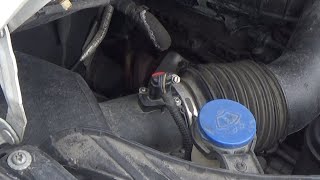
- MAF Sensor Connector — In the intake tube between the air filter housing and the throttle body.. Water intrusion from the cowl leak can directly hit this connector, causing corrosion on the pins. Testing for 5V reference, ground, and signal voltage directly at the connector is a key diagnostic step to differentiate a bad sensor from a wiring problem.
Model Year Variations Within This Range
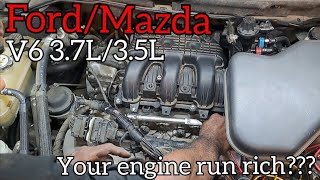
- 2015-2019: The core gasoline powertrain options, including the 3.7L Ti-VCT V6 and 3.5L EcoBoost V6, remained largely consistent throughout this period. While minor refinements were made, the fundamental causes for P0172, particularly the water intrusion issue, apply across this entire year range. No significant mid-cycle changes affecting this specific code have been noted.
Helpful Videos


Used OEM Parts in Stock
New Aftermarket Parts Available



The information in this article is provided for general reference and educational purposes only. Vehicle specifications, procedures, and part compatibility can vary by production date, trim level, and region. Always consult your vehicle's factory service manual and verify part numbers before purchasing or performing repairs. Safety-critical components such as airbags, seat belts, and braking systems should be installed by a qualified professional.
- Ford TRANSIT:
- 🎬 Helpful Videos
- 🛍️ Shop This Part
- What's Unique About the 2015-2019 Ford TRANSIT
- Diagnostic Flowchart
- Symptoms You May Notice
- Most Likely Causes
- Rare But Worth Checking
- Diagnosis Steps
- Parts You'll Likely Need
- Related Codes That Often Appear With This One
- Technical Service Bulletins (TSBs) & Recalls
- Platform-Specific Known Issues
- Mechanic-Grade Diagnostic Values
- Scan Tool Commands That Help
- Wiring & Ground Locations
- Model Year Variations Within This Range
- 🎟️ Get 5% Off