

P0172 on 1999-2004 Ford Mustang 4.6L V8: Causes and Fixes for Rich Fuel Condition
On a 1999-2004 Mustang GT, P0172 is most often caused by a dirty Mass Airflow (MAF) sensor, sometimes contaminated by an over-oiled aftermarket air filter. Cleaning the MAF sensor with a dedicated cleaner is a common, inexpensive first step that often resolves the issue. If cleaning fails, other common causes include a faulty O2 sensor, a leaking fuel pressure regulator, or a vacuum leak.
- Start by cleaning the Mass Airflow (MAF) sensor; it's the most likely and cheapest fix.
- If you have an aftermarket air filter, make sure it's not over-oiled, as this is a primary source of MAF contamination.
- Don't replace the O2 sensor blindly. Test it or swap it with the other side to confirm it's the problem.
- Check for the smell of gas in the vacuum line of the fuel pressure regulator; it's a quick and definitive test for a failed regulator.
- If the car has a Cold Air Intake, ensure it either doesn't require a tune or that the correct tune is loaded on the PCM.
What's Unique About the 1999-2004 Ford Mustang
The 4.6L 2V engine in the 'New Edge' Mustang is sensitive to intake modifications. A frequent cause for P0172 on these cars is an aftermarket Cold Air Intake (CAI) installed without a corresponding computer tune, which skews the Mass Airflow sensor readings. Additionally, early models (1999-2001) used an all-plastic intake manifold that is known to crack at the front coolant crossover. While this often causes coolant leaks and lean codes (P0171/P0174) from the resulting vacuum leak, it's a critical failure point on the intake system. An exhaust leak before the O2 sensor can also trick the sensor into reading lean, causing the PCM to add fuel and create a rich condition.
Symptoms You May Notice 🎬 Watch: A breakdown of P0172 symptoms and common causes
- Check Engine Light is on
- Strong smell of gasoline from the exhaust
- Black smoke coming from the tailpipe
- Reduced fuel economy
- Rough or high idle
- Sluggish acceleration or reduced engine power
- Possible engine misfires
- Hard starting when the engine is cold
- Immediately replacing the oxygen sensor. The O2 sensor is often accurately reporting a rich condition that is caused by another component. It's a reporter, not the cause. Always diagnose other potential causes first, especially the MAF sensor.
Most Likely Causes
- Dirty or Contaminated Mass Airflow (MAF) Sensor 🔴 High Probability Often caused by oil from aftermarket reusable air filters contaminating the sensor's hot wire, a very common modification on these cars. Sometimes the sensor itself can leak its internal silicone potting material, causing contamination.
How to confirm: Inspect the MAF sensor wires (located in the intake tube after the air filter) for dirt or film. A definitive test is to monitor MAF readings with a scan tool; however, cleaning is often the first step. One owner on MustangForums.com found a small pile of sand inside the MAF housing causing the code.
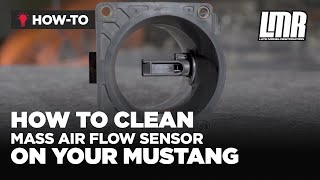
Typical fix: Clean the sensor using only dedicated MAF sensor cleaner spray. 🎬 See how to properly clean your Mustang's MAF sensor Let it dry completely before reinstalling. If cleaning doesn't work, the sensor may need to be replaced.
Est. part cost: $5-$15 for cleaner, $50-$150 for a new sensor - Faulty or Failing Upstream Oxygen (O2) Sensor 🟡 Medium Probability O2 sensors have a finite lifespan and can degrade, sending incorrect 'rich' signals to the PCM. An exhaust leak before the sensor can also cause it to give false readings.
How to confirm: Use a scan tool to observe the O2 sensor voltage. The Bank 1 Sensor 1 voltage should fluctuate rapidly. If it's stuck high (above 0.8V), it may be faulty. A good diagnostic step shared on StangNet is to swap the front O2 sensors from Bank 1 and Bank 2. If the trouble code changes to P0175 (Rich Bank 2), the sensor is confirmed to be the problem.
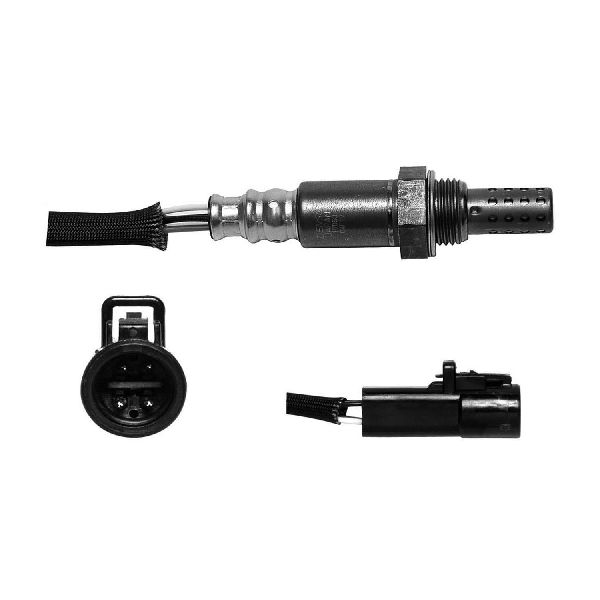
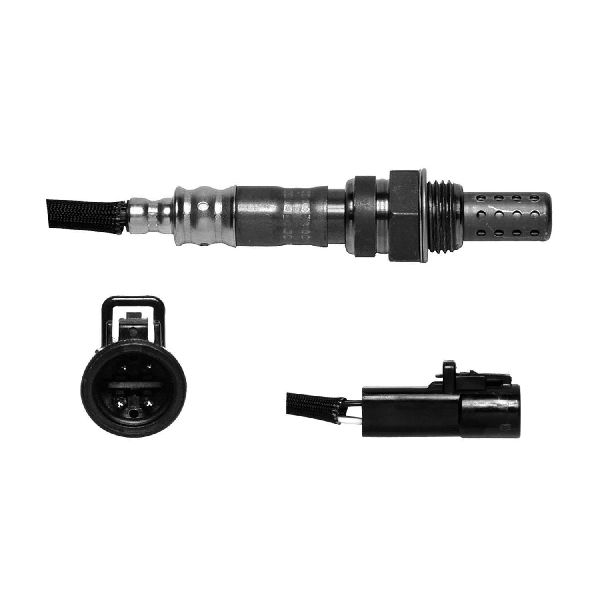
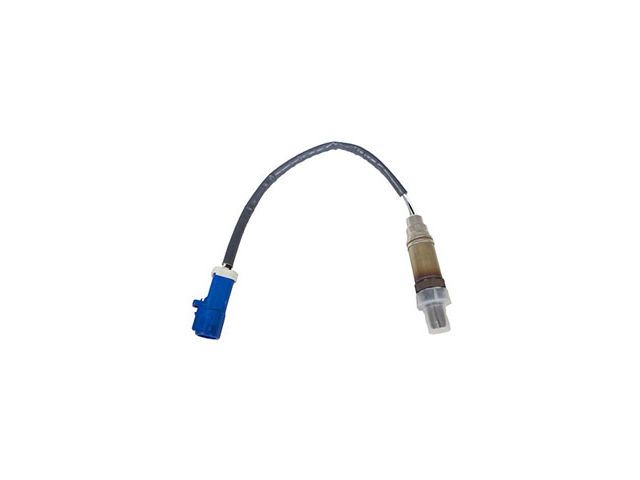
Typical fix: Replace the Bank 1 (passenger side) upstream O2 sensor. The Motorcraft 🎬 Watch: Step-by-step guide to replacing your Mustang's O2 sensors part number is often DY-1401 (cross-references to GU2Z-9G444-A).
Est. part cost: $40-$80 - Leaking Fuel Injector 🟡 Medium Probability Injectors can wear out or get stuck partially open over time, leaking excess fuel into a cylinder.
How to confirm: After the engine has been off for a while, check the fuel pressure. If it drops quickly, it could indicate a leaking injector. Another method is to pull the spark plugs on Bank 1 (passenger side) and check for one that is wet with fuel or significantly blacker than the others. You can also use a mechanic's stethoscope to listen to each injector; a faulty one may sound different.
Typical fix: Replace the faulty fuel injector on Bank 1.
Est. part cost: $50-$100 per injector - Failing Fuel Pressure Regulator ⚪ Low Probability The regulator's diaphragm can rupture, allowing raw fuel to be sucked into the intake manifold through its vacuum line, causing a severe rich condition across both banks. This applies mainly to early 1999 models with a return-style fuel system.
How to confirm: Disconnect the vacuum hose from the fuel pressure regulator (located on the fuel rail). If there is liquid gasoline present or a strong smell of fuel in the hose, the regulator has failed and must be replaced. This test is only valid for return-style fuel systems.
Typical fix: Replace the fuel pressure regulator.
Est. part cost: $40-$70 - Vacuum or Exhaust Leak ⚪ Low Probability Cracked plastic intake manifolds (99-01), old PCV hoses, or leaking intake gaskets can cause unmetered air issues. An exhaust leak before the O2 sensor can also introduce oxygen, tricking the sensor into thinking the engine is lean, causing the PCM to add fuel and trigger a rich code.
How to confirm: Perform a smoke test on the intake system to find leaks. For exhaust leaks, listen for ticking noises near the exhaust manifolds and visually inspect for black soot trails. The A/C drain can drip onto the passenger side manifold, causing rust and cracks over time.
Typical fix: Replace the leaking gasket, hose, or cracked intake manifold.
Est. part cost: $10-$300+
Rare But Worth Checking
- Incorrect PCM Tune for Aftermarket Parts: If a CAI or larger MAF sensor that requires a specific tune is installed with the stock PCM programming, it will often cause fuel trim issues like P0172 because the MAF sensor scaling is incorrect. One owner on StangNet chased P0172/P0175 for weeks, replacing many parts, only to find the tune file for his aftermarket MAF had become corrupted.
- Failing Fuel Pump: While a failing pump usually causes a lean condition, an intermittently failing one or one with a faulty check valve can sometimes contribute to pressure irregularities that result in a rich code.
- Leaking EVAP Purge Valve: If the EVAP purge valve sticks open, it can allow unmetered fuel vapors from the charcoal canister to enter the intake manifold, causing a rich condition.
- Environmental Contamination: Manufacturer service bulletin #TSB 19-2091 notes that undesired water entry into the engine compartment can lead to an illuminated MIL with P0172 and other fuel trim codes.
Diagnosis Steps
- Read all codes with an OBD-II scanner. Note any other codes present besides P0172, especially P0175.
- Visually inspect the engine bay. Look for disconnected vacuum hoses, especially around the PCV system and intake manifold.
- If an aftermarket 'oiled' air filter is installed, remove and clean the MAF sensor with dedicated MAF cleaner. Let it dry completely before reinstalling.
- Check the vacuum line on the fuel pressure regulator for the presence of raw fuel. If fuel is found, replace the regulator. (Note: This only applies to early '99 models with a return-style fuel system).
- Use a scan tool to monitor live data. Check the Long Term Fuel Trim (LTFT) for Bank 1. For a P0172, it will be highly negative (e.g., -15% to -25%). If both banks are highly negative, suspect a central cause like the MAF or fuel pressure.
- Monitor the Bank 1, Sensor 1 O2 sensor voltage. It should fluctuate rapidly between ~0.1V and ~0.9V. If it's stuck high or is slow to respond, it may be faulty.
- Perform a fuel pressure test to ensure it's within specification (typically a constant 39 PSI for the common returnless system).
- If other causes are ruled out, perform a smoke test to check for hard-to-find vacuum or intake manifold leaks.
Parts You'll Likely Need
- Mass Airflow (MAF) Sensor Cleaner — This is the most common and cheapest first step. A dirty MAF is a very frequent cause of P0172 on this platform.
Trusted brands: CRC, WD-40
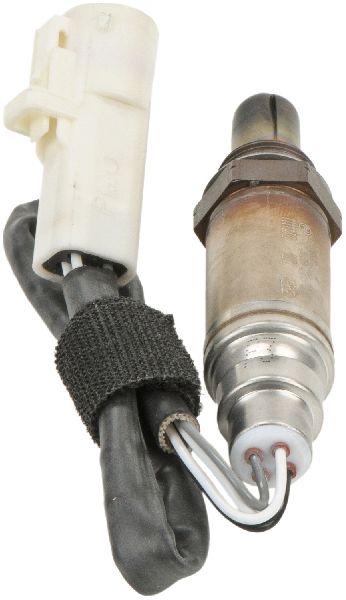
Aftermarket price range: $10-$15 - Upstream Oxygen Sensor (Bank 1)
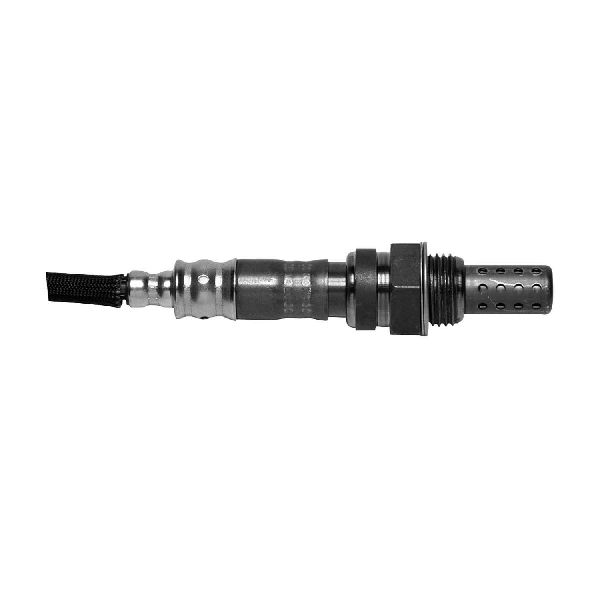
(OEM #Motorcraft DY-1401 (also GU2Z-9G444-A))— If the sensor itself has failed and is sending false rich signals, replacement is necessary. This part number fits the upstream position for this vehicle.
Trusted brands: Motorcraft, Bosch, Denso, NTK
OEM price range: $60-$100
Aftermarket price range: $40-$80 - Mass Airflow (MAF) Sensor
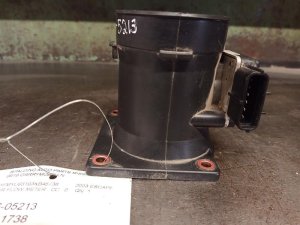
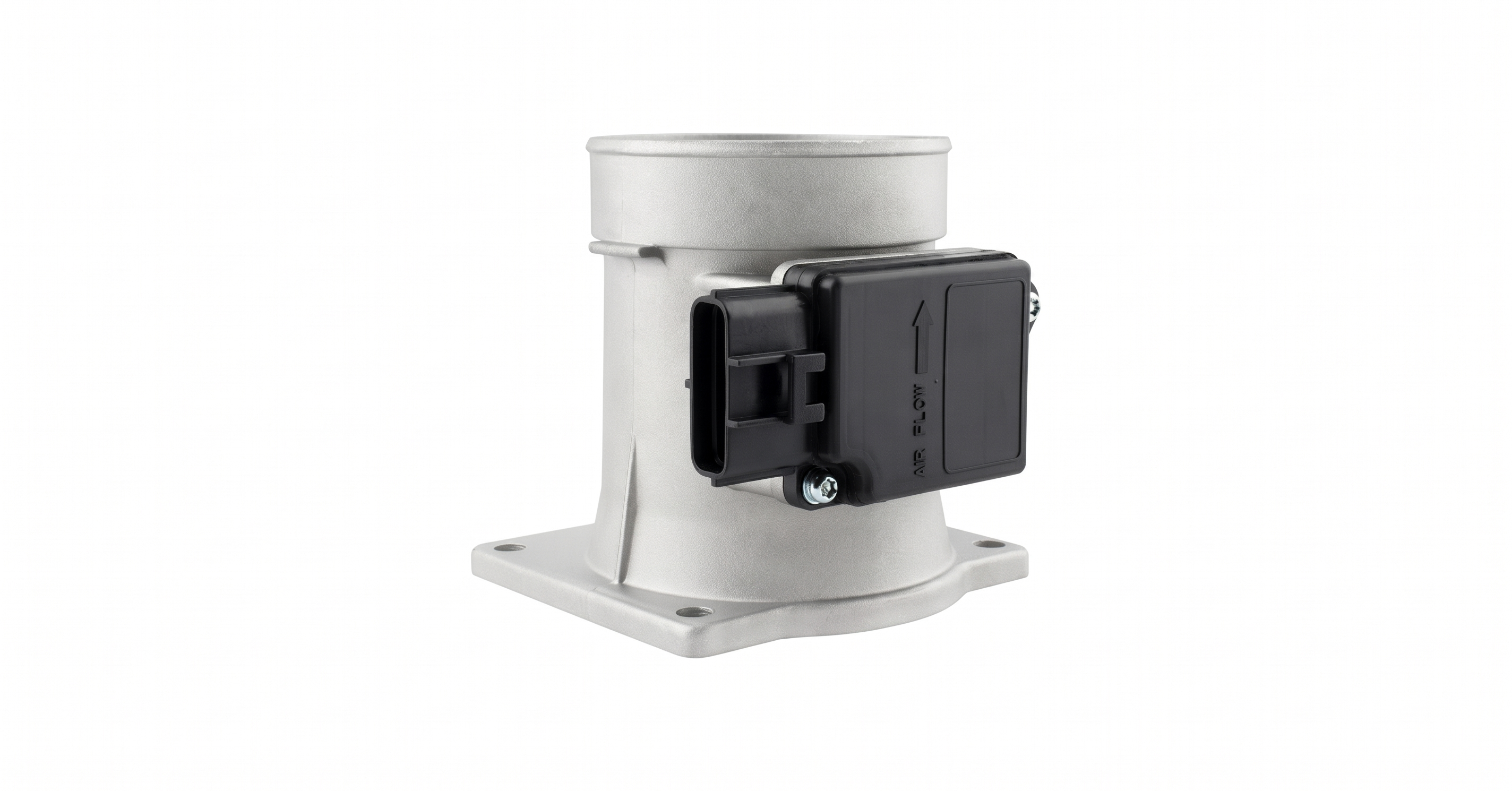
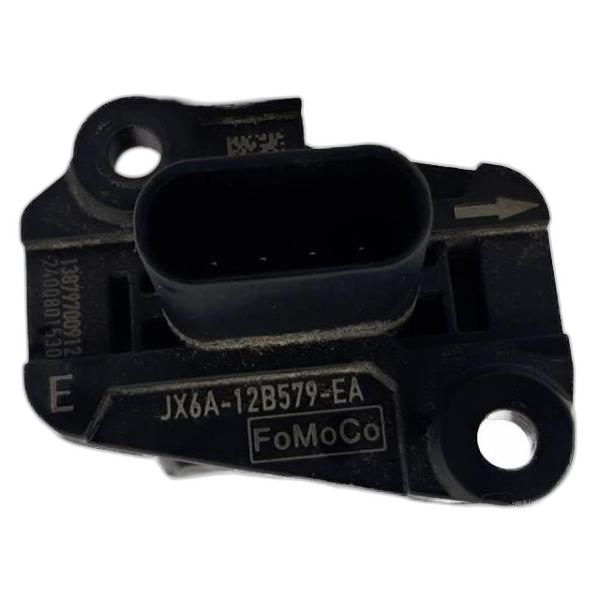
(OEM #Motorcraft AFLS-195 (cross-references to 8V2Z12B579A, 3W7A-12B579-AA))— If cleaning the sensor does not resolve the issue, the sensor itself may be faulty and require replacement.
Trusted brands: Motorcraft, Hitachi
OEM price range: $120-$180
Aftermarket price range: $50-$150
Related Codes That Often Appear With This One
- P0175 — System Too Rich (Bank 2). If both P0172 and P0175 are present, it points to a problem affecting the entire engine, such as the MAF sensor, fuel pressure regulator, or a mismatched tune, rather than a component specific to one bank like an injector or O2 sensor.
- P030x — Cylinder misfire codes (e.g., P0301, P0302). A severely rich condition can foul spark plugs, leading to misfires on the affected bank.
- P1131 — Lack of O2 Sensor Switch, Sensor Indicates Lean. This code can sometimes appear alongside P0172, creating a confusing diagnostic situation where the computer reports both lean and rich conditions for the same bank. This often points to a faulty O2 sensor or wiring issue.
Platform-Specific Known Issues
- 1999-2001 models with the original all-plastic intake manifold are prone to cracking, which can cause vacuum leaks. While this often causes lean codes, it can sometimes lead to rich codes as the PCM overcompensates.
- Aftermarket Cold Air Intakes installed without a proper tune are a very common cause of P0172 and P0175 codes on this platform.
Technical Service Bulletins (TSBs) & Recalls
- Bulletin #21L04: Notes that the use of E85 fuel in vehicles not rated for it may cause a Malfunction Indicator Lamp (MIL) and a P0172 Diagnostic Trouble Code. Continued driving may lead to drivability symptoms including hard starting, rough idle, stalling, and hesitation.
- Bulletin #SSM 49050: Describes how incorrect flex fuel learning, often caused by refueling habits when adding only small amounts of fuel, can result in an illuminated MIL with codes P0171, P0172, P0174, and/or P0175.
- Bulletin #TSB 22-2393: Reports that certain vehicles may experience an illuminated MIL and diagnostic trouble codes including P0171, P0172, P0174, and P0175 stored in the powertrain control module.
- Bulletin #TSB 20-2324: Indicates that software in the powertrain control module (PCM) or direct injection fuel issues can lead to several DTCs including P0172 and P0175.
Mechanic-Grade Diagnostic Values
- Fuel Pressure (Returnless System, 1999-2004) — expected: 39.15 PSI, constant.. Failure: Significantly higher or lower pressure. High pressure can be caused by a faulty Fuel Pump Driver Module (FPDM) or Fuel Rail Pressure Sensor (FRPS).
- Fuel Pressure (Return-Style System, early 1999) — expected: ~32 PSI at idle with vacuum line connected, ~42 PSI with vacuum line disconnected.. Failure: Pressure doesn't change when vacuum line is disconnected, or raw fuel is in the vacuum line (indicates ruptured regulator diaphragm).
- Mass Airflow (MAF) Sensor Reading at Idle — expected: Approx. 4.6 to 6.0 grams/second (g/s) at normal idle. A general rule is g/s should roughly equal engine displacement in liters.. Failure: Significantly higher reading (e.g., 9+ g/s) at idle suggests the MAF is over-reporting airflow, causing the PCM to inject too much fuel.
- Mass Airflow (MAF) Sensor Reading at 2500 RPM (No Load) — expected: Approx. 15 to 25 g/s.. Failure: A reading well outside this range indicates a potential sensor calibration issue.
- Fuel Injector Coil Resistance — expected: 11 to 18 Ohms. A more specific target mentioned by owners is around 14.4 Ohms.. Failure: A reading outside of the 11-18 Ohm range indicates a faulty injector coil.
- Upstream O2 Sensor (Bank 1, Sensor 1) Voltage — expected: Rapidly fluctuating between approx. 0.1V (lean) and 0.9V (rich).. Failure: Voltage is stuck high (e.g., >0.8V) or switches very slowly. This indicates the sensor may be faulty or is correctly seeing a constant rich mixture.
Hidden / Shadow Codes Worth Checking
- Mode $06, TID $53: Provides cylinder-specific misfire counts from the last drive cycle. This is not a DTC (trouble code) but raw monitor data. Component IDs (CID) $01 through $08 correspond to cylinders 1 through 8. (see via Requires a scan tool capable of reading Mode $06 data. This can help identify if the rich condition is causing misfires on specific cylinders before a P030x code is set.)
Scan Tool Commands That Help
- Ford IDS (or capable aftermarket scanner): Reset KAM (Keep Alive Memory) — After replacing a fuel system component like a MAF sensor, fuel injectors, or fuel pump. This command clears the PCM's learned adaptive fuel trim strategy, forcing it to relearn with the new parts, which can resolve persistent rich/lean conditions.
- Ford IDS (or capable aftermarket scanner): Power Balance Test — To identify which cylinder is not contributing correctly. The test disables one cylinder at a time and measures the RPM drop. A cylinder that is running excessively rich may show less of an RPM drop when disabled, helping to pinpoint a leaking injector.
Wiring & Ground Locations
- G101 — At the front of the engine, on the lower block.. This is a primary ground point for the Engine Control Module (ECM) and the Mass Air Flow (MAF) sensor. A poor connection here can cause erratic sensor readings and incorrect fuel calculations.
- Engine to Chassis Grounds — Main grounds are located on the studs of the driver's side motor mount. One strap goes to the chassis, another is part of the main harness from the battery.. Poor engine grounding can affect all sensor signals returning to the PCM, causing a host of issues including incorrect fuel trim adjustments.
- O2 Sensor Harness — The main harness for all four O2 sensors runs across the top of the transmission bellhousing.. This location is exposed to significant heat and vibration, making it a potential chafe point. Damaged wiring can cause incorrect O2 sensor signals, leading to false rich or lean codes.
- HEGO Ground — An orange wire with a ring terminal that comes out of the fuel injector wiring harness near the throttle body. It connects to a bolt on the intake manifold or cylinder head.. This is a dedicated ground for the O2 sensor heaters. If it's loose or corroded, it can set heater circuit codes and may affect sensor performance, contributing to fuel trim problems.
Real Owner Repair Stories
- StangNet Forums user 'Sonicstang0494' (2004 Mustang GT) — Car would not idle without throttle input, would start and die. After cleaning MAF, it would idle but then set rich codes (P0172/P0175).
❌ Tried (didn't work) Cleaning the MAF sensor (only worked temporarily), Replacing spark plugs, Resetting Keep Alive Memory (KAM)
✅ What actually fixed it The MAF sensor itself had failed. Data logging showed that with the faulty MAF plugged in, fuel pressure jumped to 50 PSI and O2 sensors were stuck at 0.94V (full rich). When the MAF was unplugged, the car ran better on its base tune, confirming the MAF was sending bad data and causing the rich condition. Replacing the MAF sensor was the final fix. - StangNet Forums user 'beerman1378' (2003 Mustang GT) — Car cranks but won't start, or starts and runs very poorly, sputtering and starving for fuel. Fuel pump seemed to cycle on and off erratically.
❌ Tried (didn't work) Replacing the fuel pump with an aftermarket unit., Replacing the aftermarket pump with an OEM Motorcraft pump.
✅ What actually fixed it The issue was a faulty Fuel Pump Driver Module (FPDM). The mechanic initially misdiagnosed the problem as a bad pump and then a 'relay', not understanding that the 99-04 returnless system uses an FPDM to control fuel pressure. The FPDM, located in the trunk, was the actual point of failure.
"I Checked Everything" — The Actual Cause
- A common scenario for P0172 on early '99 models with a return-style fuel system is a ruptured fuel pressure regulator diaphragm. A smoke test on the intake will show no leaks, but the ruptured diaphragm allows raw fuel to be sucked directly into the intake manifold through the regulator's vacuum line. The definitive test is to pull the vacuum line off the regulator; if gasoline is present, the regulator has failed.
Model Year Variations Within This Range
- 1999 (early models) vs. 1999-2004 (later models): The fuel delivery system. Early 1999 models could still have a 'return-style' fuel system with a vacuum-operated Fuel Pressure Regulator (FPR) on the fuel rail. Most 1999-2004 models use a 'returnless' system where fuel pressure is held constant at ~39 PSI by a Fuel Pump Driver Module (FPDM) that pulses the fuel pump. This is a critical diagnostic difference, as the cause of high fuel pressure is completely different between the two systems.
- 1999-2001 vs. 2002-2004: The intake manifold design. The 1999-2001 models used an all-plastic intake manifold that is notorious for cracking at the front coolant crossover passage. While this typically causes a vacuum leak leading to lean codes (P0171/P0174), any failure of the intake system is a key point of inspection for air/fuel mixture problems.
Diagnostic Flowchart
Other Known Issues on This Vehicle
Issues unrelated to this code that are worth knowing about as an owner of this generation:
- Cracked Plastic Intake Manifold 🔴 High — Very common on 1999-2001 models with the original all-plastic design. The plastic coolant crossover at the front of the manifold cracks, causing a severe coolant leak. (Ref: While not a formal recall, this is a widely acknowledged failure. Ford later produced a replacement manifold with a metal crossover (Dorman and other aftermarket companies also offer improved designs).)
- Spark Plug Ejection (Blowout) 🔴 High — A notorious issue with Ford 2-Valve modular engines of this era. The cylinder heads have insufficient thread engagement for the spark plugs, which can cause a plug to be violently ejected from the head, stripping the threads. It can happen at any mileage, often without warning.
- Heater Core Failure / Leaking Hoses 🟠 Medium — The heater core itself is a difficult job requiring dashboard removal. More commonly, the plastic quick-connect fittings and hoses leading to the heater core at the firewall become brittle and leak coolant. This is a frequent point of failure on higher-mileage cars.
- Worn Manual Transmission Synchronizers 🟡 Low — The T-45 (1999-early 2001) and T-3650 (mid-2001-2004) manual transmissions can develop grinding shifts, particularly into 2nd and 3rd gear, due to worn synchros. This is more common on cars that have been driven aggressively.
Used vs. New Parts: Buying Guide for This Vehicle
When a used part is the smart pick: Used parts are a smart choice for major mechanical components like an intake manifold (especially upgrading a 1999-2001 plastic manifold to the later design with the metal crossover) or stock fuel rails. These parts have no internal electronics and a low failure rate.
Donor-vehicle mileage cap: roughly under 120000 miles for the part to have meaningful remaining life.
What to inspect on the donor part:
- For an intake manifold, inspect carefully for any cracks, especially around the coolant crossover and thermostat housing.
- Ensure all threaded ports are clean and undamaged.
- Check for signs of heavy corrosion or warping on mating surfaces.
OEM-only on this vehicle (don't cheap out):
- Mass Airflow (MAF) Sensor: Unless using a specific aftermarket MAF required for a custom tune, it is highly recommended to use an OEM Motorcraft sensor. Many aftermarket MAFs are not calibrated correctly for the stock PCM and can cause persistent P0172/P0175 codes.
- Fuel Pump Driver Module (FPDM): Due to the high failure rate of the original design from corrosion, it is best to buy a new, updated replacement part rather than a used one of an unknown age.
Aftermarket brands forum-validated for this vehicle:
- O2 Sensors: NTK and Denso are the original equipment manufacturers for many Fords and are considered a top choice for replacement. Bosch is also a widely accepted and reliable alternative.
- Performance MAF (for tuned cars): PMAS and C&L are well-regarded brands in the Mustang community for aftermarket MAF sensors that require a custom tune.
Brands owners have reported issues with on this vehicle:
- Generic, unbranded MAF sensors from online marketplaces. These often have poor calibration and are a common cause of chasing fuel trim codes.
- Inexpensive, no-name fuel injectors. Stick with OEM, Ford Racing, or reputable performance brands like Bosch or Injector Dynamics, as poorly matched injectors can cause persistent rich/lean issues.
Real Owner Stories
Aggregated from forums and TSBs cited above. Mileages and costs reflect what owners reported in those sources.
2000 Mustang GT 4.6L V8
Symptoms: Described as a 'nightmare' diagnostic process involving P0172 and P0175 codes occurring simultaneously.
What fixed it: The owner was advised to monitor MAF readings and fuel trims to identify a central cause affecting both banks.
Source hint: StangNet thread titled 'engine 2000 gt p0172 p0175 nightmare'
1999-2004 Ford Mustang 4.6L V8
Symptoms: P0172 code present; owner found a small pile of sand inside the MAF housing.
What fixed it: Cleaning the MAF sensor and housing to remove the debris.
Source hint: MustangForums.com
1999-2004 Ford Mustang 4.6L V8
Symptoms: P0172 code on Bank 1; owner needed to verify if the O2 sensor was the culprit.
What fixed it: Swapping the front O2 sensors from Bank 1 to Bank 2 to see if the code changed to P0175.
Source hint: StangNet
Related OBD-II Codes
Frequently Asked Questions
Can I use any cleaner to fix the MAF sensor on my 4.6L V8 Mustang?
Is there a specific O2 sensor part number recommended for the 1999-2004 Mustang?
My 1999 Mustang GT has a P0172; could the fuel pressure regulator be the cause?
Why does my aftermarket cold air intake keep triggering a P0172 code?
Could my K&N or other oiled air filter be causing this rich condition?
Is the cracked plastic intake manifold on my 2001 Mustang related to P0172?
Helpful Videos
Used OEM Parts in Stock
New Aftermarket Parts Available


The information in this article is provided for general reference and educational purposes only. Vehicle specifications, procedures, and part compatibility can vary by production date, trim level, and region. Always consult your vehicle's factory service manual and verify part numbers before purchasing or performing repairs. Safety-critical components such as airbags, seat belts, and braking systems should be installed by a qualified professional.
- Ford Mustang:
- 🎬 Helpful Videos
- 🛍️ Shop This Part
- What's Unique About the 1999-2004 Ford Mustang
- Symptoms You May Notice
- Most Likely Causes
- Rare But Worth Checking
- Diagnosis Steps
- Parts You'll Likely Need
- Related Codes That Often Appear With This One
- Platform-Specific Known Issues
- Technical Service Bulletins (TSBs) & Recalls
- Mechanic-Grade Diagnostic Values
- Hidden / Shadow Codes Worth Checking
- Scan Tool Commands That Help
- Wiring & Ground Locations
- Real Owner Repair Stories
- "I Checked Everything" — The Actual Cause
- Model Year Variations Within This Range
- Diagnostic Flowchart
- Other Known Issues on This Vehicle
- Used vs. New Parts: Buying Guide for This Vehicle
- Real Owner Stories
- 2000 Mustang GT 4.6L V8
- 1999-2004 Ford Mustang 4.6L V8
- 1999-2004 Ford Mustang 4.6L V8
- Related OBD-II Codes
- Frequently Asked Questions
- 🎟️ Get 5% Off