

P0172 on 2012-2018 Ford Focus 2.0L: System Too Rich Causes and Fixes
On a 2012-2018 Ford Focus, code P0172 is most often caused by a failing canister purge valve, which is a simple and affordable DIY fix (around $50). Ford has acknowledged this with a 15-year Customer Satisfaction Program (24N07) for the part. Another serious, but less common, cause is a leaking high-pressure fuel pump which contaminates the engine oil with fuel, requiring immediate attention.
- First, check your engine oil for the smell of gasoline. If it smells like gas, your high-pressure fuel pump has failed and the vehicle should not be driven.
- If the oil is fine, the most likely cause is a faulty canister purge valve. This is a common problem and an easy part to test and replace.
- Check if your vehicle is covered under Ford's Customer Satisfaction Program 24N07 for a free purge valve replacement.
- Do not immediately replace the oxygen sensor; it is more often the messenger than the cause of the problem on this car.
What's Unique About the 2012-2018 Ford Focus

The 2012-2018 Focus uses a 2.0L Gasoline Direct Injection (GDI) engine. Two issues are particularly common for this platform. First, a failing canister purge valve is a very frequent cause for P0172, to the point that Ford issued Customer Satisfaction Program 24N07. This program provides a one-time replacement of the valve for up to 15 years from the vehicle's warranty start date, with unlimited mileage. Second, the high-pressure fuel pump (HPFP), a key component of the GDI system, can develop an internal leak, allowing gasoline to seep past a seal and directly into the engine oil. This causes a severe rich condition and can lead to catastrophic engine damage if not addressed.
Symptoms You May Notice
- Check Engine Light is on
- Rough or unstable idle
- Poor fuel economy
- Strong smell of gasoline from the exhaust or in the engine oil
- Engine hesitation or stalling, especially after refueling
- Black smoke from the exhaust
- Difficulty starting
- Replacing the oxygen sensor first. While an O2 sensor *can* cause P0172, it is far less likely on this vehicle than a faulty purge valve. Always diagnose the purge valve and check for fuel in the oil before replacing sensors. 🎬 Watch: How to properly diagnose and repair a P0172 rich condition.
Most Likely Causes

- Failing Canister Purge Valve (CPV) 🔴 High Probability This is a very common failure part on this and other Ford models. The valve is supposed to be normally closed, but it sticks open, allowing un-metered fuel vapor from the EVAP canister to be drawn into the engine at idle, creating a rich mixture. Ford's Customer Satisfaction Program (24N07) covers a one-time replacement for 15 years/unlimited miles due to the high failure rate.
How to confirm: With the engine idling, disconnect the vapor line from the purge valve. Place your finger over the port on the valve; if you feel any suction, it is stuck open and must be replaced. Another symptom is the engine stalling or running rough immediately after filling the gas tank. 🎬 See why your Focus runs poorly after refueling.
Typical fix: Replace the canister purge valve and associated tube assembly. 🎬 Watch: Step-by-step guide to replacing the purge valve and assembly.
Est. part cost: $40-$80 - Leaking High-Pressure Fuel Pump (HPFP) 🟡 Medium Probability The 2.0L GDI engine uses a camshaft-driven high-pressure fuel pump. The diaphragm or internal seal inside this pump can fail, allowing high-pressure gasoline to leak directly into the engine crankcase and mix with the oil. This fuel-contaminated oil is then drawn into the intake through the PCV system, causing a persistent and severe rich condition.
How to confirm: Remove the oil filler cap or pull the dipstick and smell for a strong odor of raw gasoline in the engine oil. The oil level may also appear to be over-full. This is a definitive sign of a leaking HPFP.
Typical fix: Replace the high-pressure fuel pump and change the engine oil and filter immediately. Driving with fuel-contaminated oil will cause rapid wear on engine bearings.
Est. part cost: $200-$450 - Dirty or Faulty Mass Airflow (MAF) Sensor ⚪ Low Probability Contamination from sources like aftermarket oiled air filters or dirt can coat the MAF sensor's delicate elements, causing it to under-report the amount of air entering the engine. The PCM, thinking there is less air, injects a corresponding amount of fuel, but the actual airflow is higher, resulting in a rich mixture.
How to confirm: Inspect the sensor for visible contamination. Try cleaning it with a dedicated MAF sensor cleaner spray. With a scan tool, monitor the MAF reading in grams per second (g/s) at idle. A typical reading for a 2.0L engine is around 2.0-3.0 g/s. A significantly higher reading at idle (e.g., 3.5+ g/s) could indicate a faulty sensor causing a rich condition.
Typical fix: Clean the MAF sensor with a dedicated cleaner. If the problem persists, replace the sensor.
Est. part cost: $10-$15 (cleaner), $70-$150 (sensor) - Faulty Upstream Oxygen (O2) Sensor ⚪ Low Probability An O2 sensor can become contaminated, slow, or biased over time, sending incorrect voltage signals to the PCM. If the sensor incorrectly reads a lean condition (low voltage) or gets stuck, the PCM will command more fuel to compensate, leading to an actual rich condition.
How to confirm: Use a scan tool to graph the Bank 1 Sensor 1 voltage. At a steady idle, it should switch rapidly between approximately 0.1V and 0.9V. If it is stuck high (above 0.8V) or is very slow to switch, it is likely faulty.
Typical fix: Replace the upstream (Bank 1, Sensor 1) oxygen sensor.
Est. part cost: $50-$140
Rare But Worth Checking
- Leaking Fuel Injectors: While less common, a GDI fuel injector can leak fuel directly into the cylinder after the engine is shut off or drip excessively while running. A manufacturer service bulletin, TSB #TSB 20-2324, notes that P0172 may be caused by direct injection fuel injectors or PCM software issues.
- Faulty Fuel Rail Pressure Sensor: The GDI system has a sensor on the high-pressure fuel rail (Part number CM5250 / BU5Z-9F972-B). If this sensor provides an inaccurate low-pressure reading to the PCM, the PCM may command the HPFP to increase pressure excessively, leading to a rich condition.
- Fuel Quality Issues: Manufacturer service bulletin #21L04 notes that the use of E85 fuel in vehicles not rated for it may cause a P0172 code along with drivability symptoms like hard starting, rough idle, and stalling. Similarly, SSM 49050 indicates that incorrect flex fuel learning, often caused by adding only small amounts of fuel during refueling, can trigger P0172.
Diagnosis Steps

- Read all fault codes with an OBD-II scanner. Note any other codes, especially P1450 or P144C, as they strongly point to the EVAP purge valve. Manufacturer bulletin TSB #TSB 22-2393 lists P0172 alongside several other powertrain codes that may be stored in the PCM.
- Check the engine oil. Remove the oil cap and dipstick and smell for a strong gasoline odor. If fuel is present, the high-pressure fuel pump is the cause. Stop driving and arrange for immediate repair.
- If no fuel is in the oil, locate the canister purge valve on the engine (a small black solenoid with two hoses and an electrical connector, near the throttle body). With the engine running at idle, disconnect the EVAP line connected to it.
- Place your finger over the port on the valve. If you feel a vacuum, the valve is stuck open and must be replaced. This is the most common fix.
- If the purge valve is not stuck open, check if you are eligible for Ford's Customer Satisfaction Program 24N07, which provides a one-time free replacement. Be aware that some dealers may charge a diagnostic fee if the valve is not the root cause.
- Inspect the air intake system between the MAF sensor and the throttle body for any cracks or loose connections.
- Inspect and clean the Mass Airflow (MAF) sensor using a dedicated MAF sensor cleaner. Do not touch the sensor wires.
- Using a scan tool, monitor the live data for the upstream O2 sensor (Bank 1, Sensor 1). The voltage should fluctuate rapidly between ~0.1V and ~0.9V. If it's stuck or slow, the sensor may be faulty.
- If all other steps fail, consider the possibility of a leaking fuel injector or a faulty fuel rail pressure sensor, which may require professional diagnosis.
Parts You'll Likely Need

- Canister Purge Valve
(OEM #BV6Z-9D653-B (Valve/Hose Assembly), Motorcraft CX2349)— This is the most frequent cause of P0172 on the 2012-2018 Focus. It's a known failure item covered by Ford's Customer Satisfaction Program 24N07.
Trusted brands: Motorcraft, Bosch, Dorman
OEM price range: $60-$90
Aftermarket price range: $30-$50 - High-Pressure Fuel Pump (HPFP)
(OEM #CM5Z-9350-A, Motorcraft M-9926-20)— This is the second most likely, and more severe, cause. The pump is specific to the GDI engine and can leak fuel into the crankcase.
Trusted brands: Motorcraft, Bosch
OEM price range: $350-$500
Aftermarket price range: $200-$350 - Upstream Oxygen Sensor
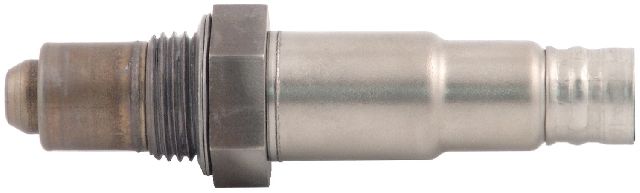
(OEM #8F9Z-9F472-H, Motorcraft DY1158)— A potential but less common cause. It's the primary sensor the PCM uses to determine the air-fuel ratio.
Trusted brands: Motorcraft, Bosch, Denso, NGK/NTK
OEM price range: $100-$150
Aftermarket price range: $50-$120
Related Codes That Often Appear With This One
- P1450 — This code for 'Unable to Bleed Up Fuel Tank Vacuum' is very common alongside a failing purge valve. A stuck-open purge valve constantly pulls vacuum on the fuel tank, preventing the system from equalizing pressure as designed.
- P144C — This code, 'Evaporative Emission System Purge Flow Performance', is also directly related to the canister purge valve. It often appears with P0172 and P1450 when the valve is stuck open or not functioning correctly.
- P0171 — If the purge valve is failing intermittently, you might see P0171 (System Too Lean) at times and P0172 (System Too Rich) at other times as the valve cycles between stuck open and stuck closed.
Technical Service Bulletins (TSBs) & Recalls
- Customer Satisfaction Program 24N07 - Canister Purge Valve Replacement: Ford issued this program for 2012-2018 Ford Focus models. It provides a one-time replacement of the canister purge valve (CPV) if it fails, for up to 15 years of service with unlimited miles. The program was initiated due to a high number of failures leading to rough idle, hesitation, stalling, and check engine lights (including code P0172). Owners who previously paid for this repair may be eligible for a refund.
- TSB #19-2091: This bulletin notes that P0172 and other codes may be triggered by undesired water entry into the engine compartment, which can lead to faulty starting, misfires, and an illuminated MIL.
Platform-Specific Known Issues
- source — A Reddit thread on r/FordFocus discusses the Customer Satisfaction Program 24N07. Owners report that dealers may charge a significant diagnostic fee (e.g., ~$200) if they inspect the car and find the issue is not the purge valve, even though the letter from Ford implies a free service. This has led many owners to diagnose and replace the part themselves.
- source — A user on the ScannerDanner forum with a 2015 Focus and a P0172 code provides scan tool data. Forum experts guide them through interpreting fuel trims and MAF sensor readings, advising on how to test the purge valve and warning that a vacuum leak would cause a lean (P0171) code, not a lean one.
- source — Multiple owner forums and repair videos confirm that a classic symptom of a stuck-open purge valve on this vehicle is the engine stumbling, running rough, or stalling immediately after filling up the fuel tank. This is because the open valve allows the rush of fuel vapors from the freshly filled tank to flood the intake manifold.
Mechanic-Grade Diagnostic Values

- Long-Term Fuel Trim (LTFT) — expected: Close to 0%, within +/- 10%. Failure: Sustained negative values beyond -10% to -25% will trigger the P0172 code.
- High-Pressure Fuel Rail Pressure (FRP) — expected: At idle, pressure should be around 330-450 PSI. Under load, it can rise to over 1,300 PSI.. Failure: Significantly higher than desired pressure at idle can indicate a faulty regulator or sensor. Significantly lower pressure (e.g., under 100 PSI) points to a failing HPFP.
- Canister Purge Valve (CPV) Solenoid Resistance — expected: Typically between 15 and 30 ohms for many Ford models.. Failure: A reading significantly outside this range (e.g., 10.5 ohms as reported by one user) or an open circuit (infinite resistance) indicates a faulty solenoid coil.
Hidden / Shadow Codes Worth Checking
- Mode 6 Misfire Counters: While not a specific DTC, Ford's diagnostic software (like FORScan) can access Mode 6 test results, which include misfire counts for each individual cylinder. This can help determine if the rich condition is isolated to one cylinder (suggesting a leaking injector) or affecting all cylinders. (see via Advanced OBD-II scanner with Mode 6 capability, such as FORScan.)
Scan Tool Commands That Help
- Ford IDS / FORScan: EVAPCP (EVAP Canister Purge) Duty Cycle — This bidirectional control allows a technician to command the purge valve open by a specific percentage. At idle, the command should be 0%. If you command it to 0% and still feel vacuum on the port, the valve is mechanically stuck open.
- Ford IDS / FORScan: Reset All Adaptations — After replacing a component like the HPFP, O2 sensor, or MAF sensor, it is critical to reset the PCM's learned fuel trim values. This forces the computer to relearn the fuel strategy with the new part, preventing it from continuing to use the old, incorrect adjustments.
Wiring & Ground Locations
- PCM Location — Located in the front of the driver's side wheel well, behind the fender liner and underneath the headlight assembly.. This location makes the PCM and its connectors susceptible to water intrusion and physical damage if the fender liner is missing or damaged, which can cause a host of engine management codes, including P0172.
- Main Engine/Transmission Ground — A key ground point is located on a transmission bell housing stud. Other important grounds are under the airbox.. Poor ground connections are a known issue on this platform and can cause erratic sensor readings and PCM behavior, leading to incorrect fuel calculations and codes like P0172. Cleaning these grounds is a crucial diagnostic step for any electrical gremlin.
- O2 Sensor Fuse (F32) — In the main fuse box located under the front hood. It is a 10A fuse.. The O2 sensors require power for their internal heater circuits to function correctly. A blown fuse will cause the sensor to operate improperly, potentially leading to incorrect air-fuel ratio readings and a P0172 code.
Real Owner Repair Stories
- YouTube user 'vinsmash.com' (2014 Ford Focus) — Transmission failsafe engagement, multiple codes including P0606 (PCM Processor Fault).
❌ Tried (didn't work) Looking for complex electronic failures before checking basic connections.
✅ What actually fixed it The ground cable on the transmission bell housing stud was loose. The user cleaned the contact surfaces and tightened the nut, which resolved all codes. This highlights the importance of checking grounds for seemingly unrelated issues.
OEM Part Supersession History
BV6Z-9D653-A, BV6Z-9D653-B, BV6Z-9D653-C→BV6Z-9D653-D— Part revision and improvement by the manufacturer to address high failure rates.CM5Z-9350-A, CM5Z-9350-CA, CP5Z-9350-C→CM5Z-9350-CB— Part revision for the high-pressure fuel pump.
Heads up: The part number CM5Z-9350-A is listed for the 1.0L engine in some catalogs, while CM5Z-9350-CB is listed for the 2.0L, indicating a potential for incorrect part lookup. Always verify with VIN.
Model Year Variations Within This Range
- 2012-2018: While the core components are the same, Ford issued recall 18S32 and Customer Satisfaction Program 24N07 related to the canister purge valve. Part of the recall involved a PCM software update. Vehicles that have had the recall performed have different software logic to help prevent fuel tank deformation if the purge valve sticks open.
Diagnostic Flowchart
Real Owner Stories
Aggregated from forums and TSBs cited above. Mileages and costs reflect what owners reported in those sources.
2014 Ford Focus
Symptoms: Received a letter for Customer Satisfaction Program 24N07 but was warned by the dealer about a potential ~$200 diagnostic fee if the purge valve wasn't the culprit.
What fixed it: Diagnosed and replaced the canister purge valve themselves to avoid the hefty dealer diagnostic fee.
Source hint: Reddit r/FordFocus - Discussion on CSP 24N07 and Dealer Fees
2015 Ford Focus
Symptoms: Triggered a P0172 code and needed help interpreting fuel trims and MAF sensor readings.
What fixed it: Guided by forum experts to test the purge valve and confirmed it was not a vacuum leak, as that would trigger a lean P0171 code instead.
Source hint: ScannerDanner Forum - P0172 Diagnosis on a 2015 Focus
2012-2018 Ford Focus
Symptoms: Engine stumbling, running rough, and stalling immediately after filling up the fuel tank.
What fixed it: Replaced the canister purge valve, which was stuck open and allowing fuel vapors to flood the intake manifold.
Source hint: YouTube - Ford Focus P1450 code fix for cheap Engine Stalling after refuelling
Related OBD-II Codes
Frequently Asked Questions
Is there a recall or extended warranty for the purge valve on the 2012-2018 Ford Focus?
Why does my Focus stall or run rough immediately after filling up the gas tank?
Will the dealership charge me to diagnose the P0172 code under the 24N07 program?
I smell gasoline in my engine oil. What does this mean for my 2.0L Duratec engine?
How can I test the canister purge valve myself on my Focus?
Can a vacuum leak cause the P0172 code on my 2.0L engine?
Helpful Videos



Used OEM Parts in Stock

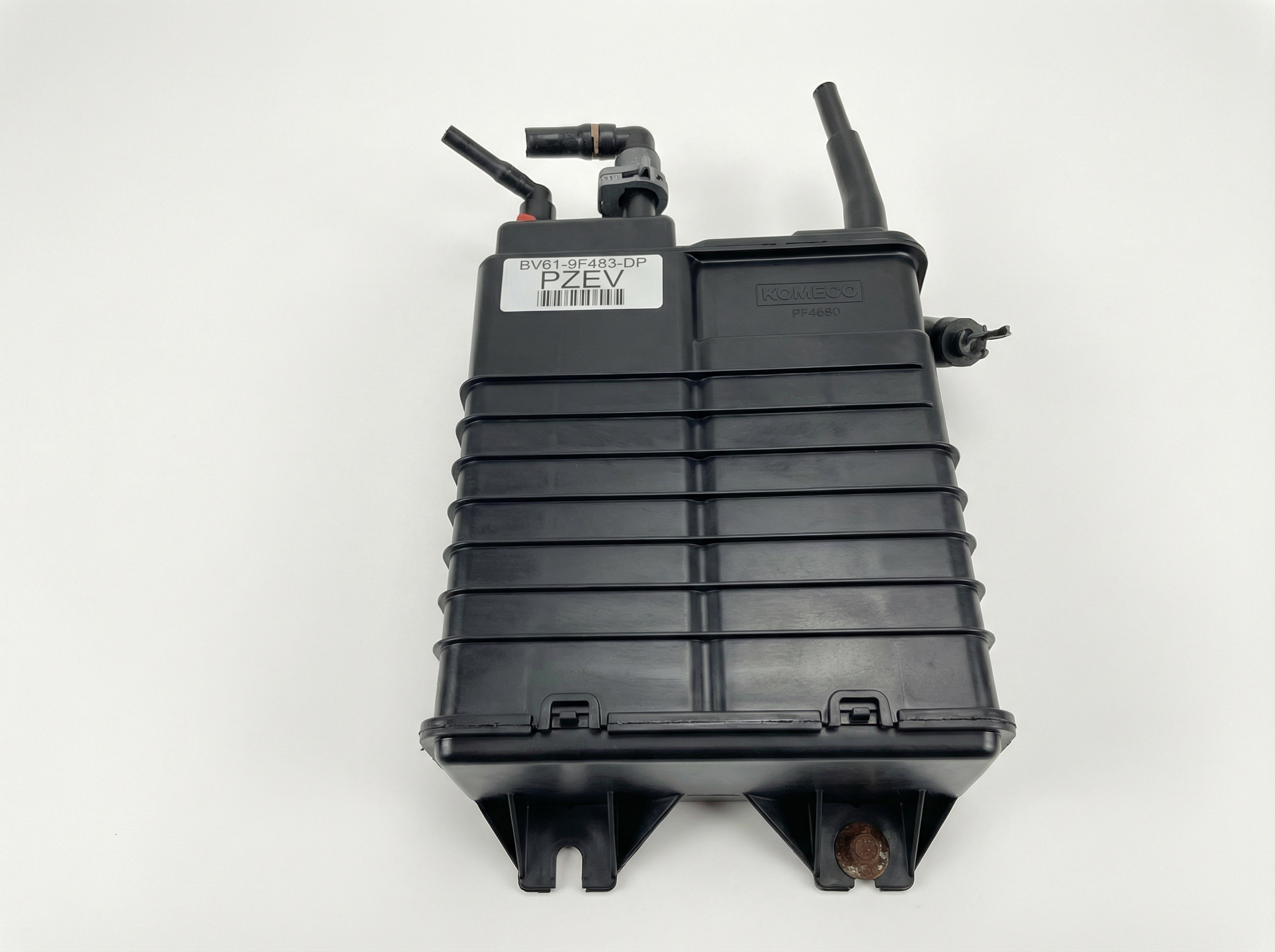
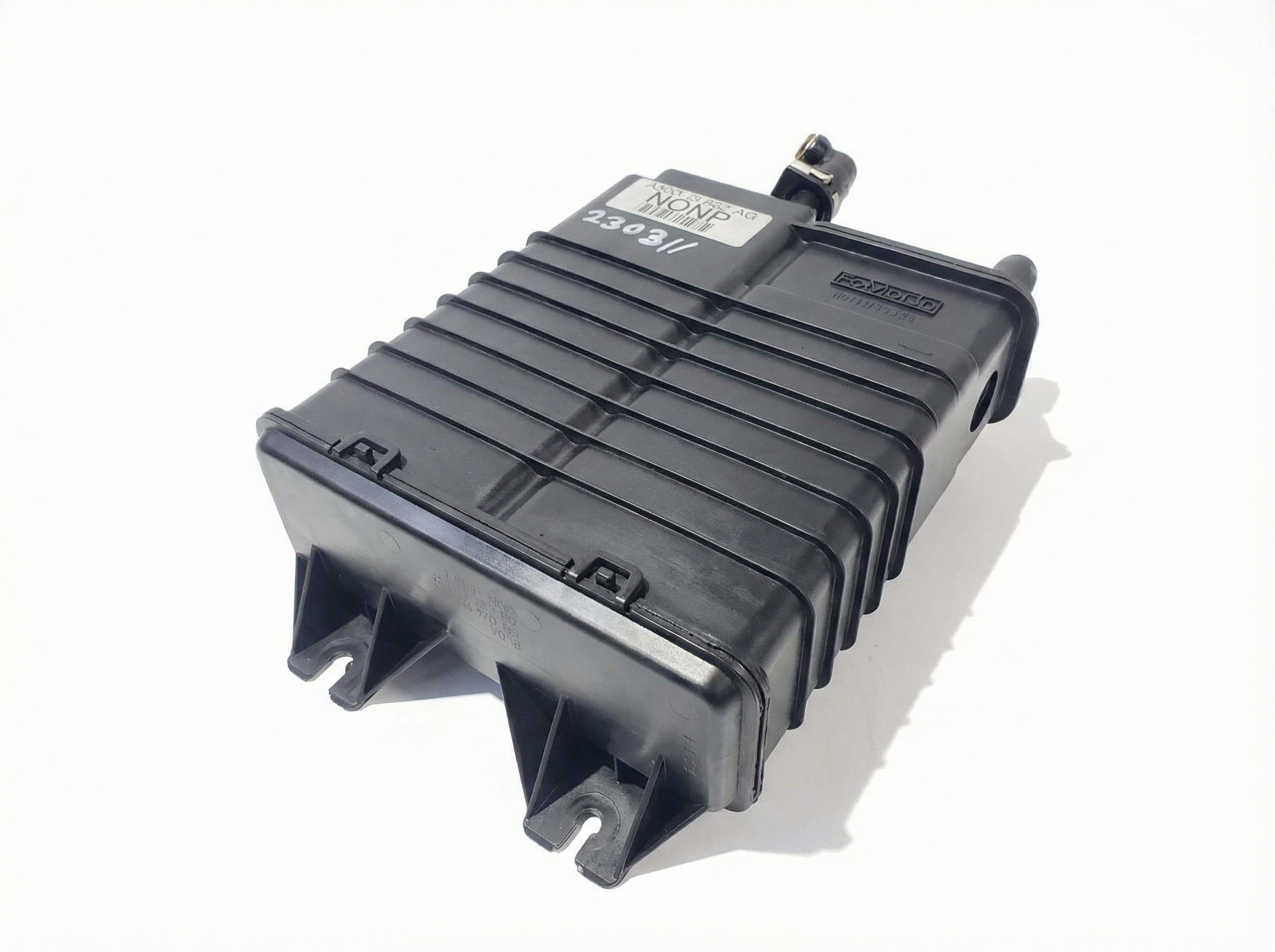
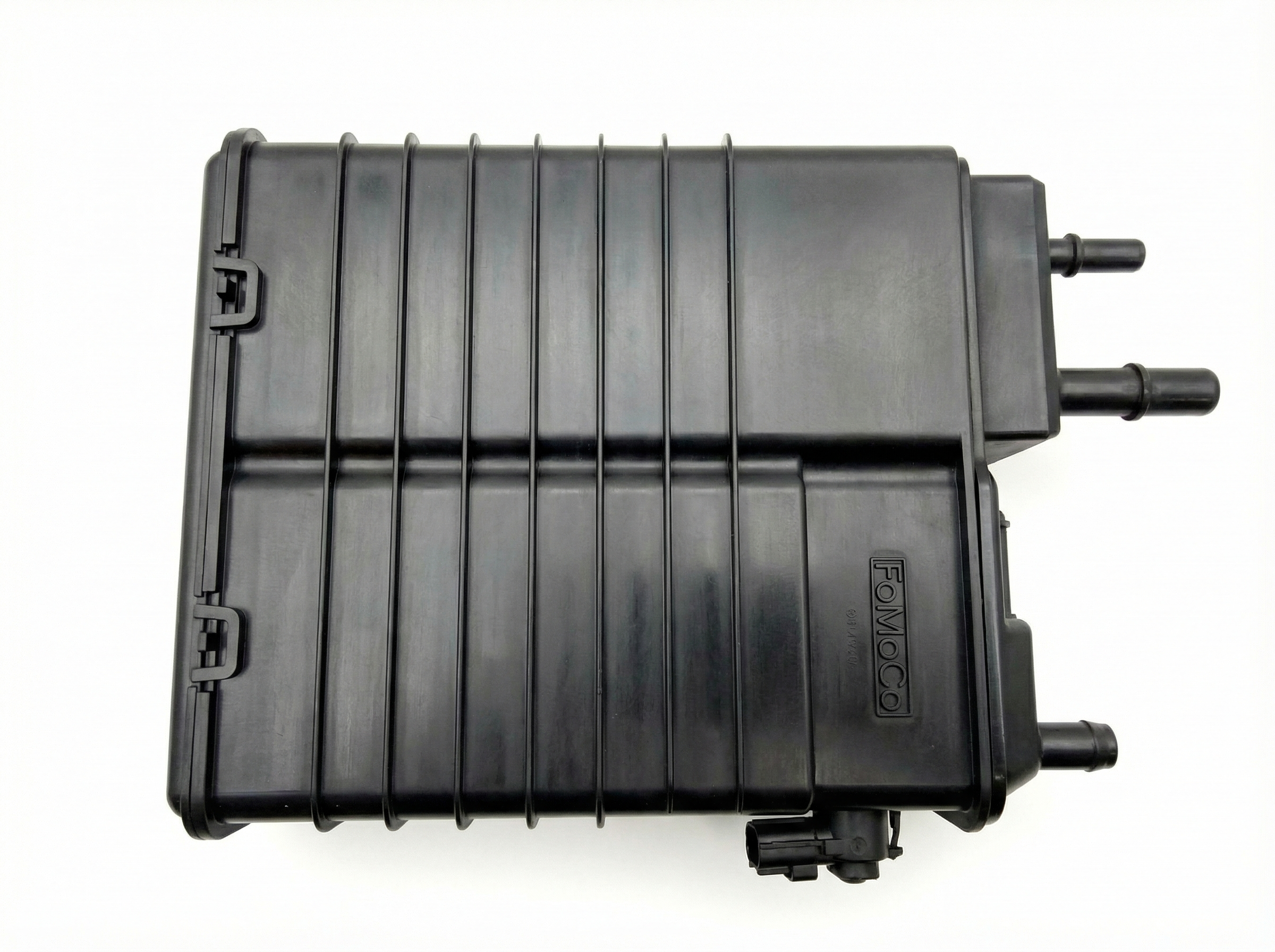
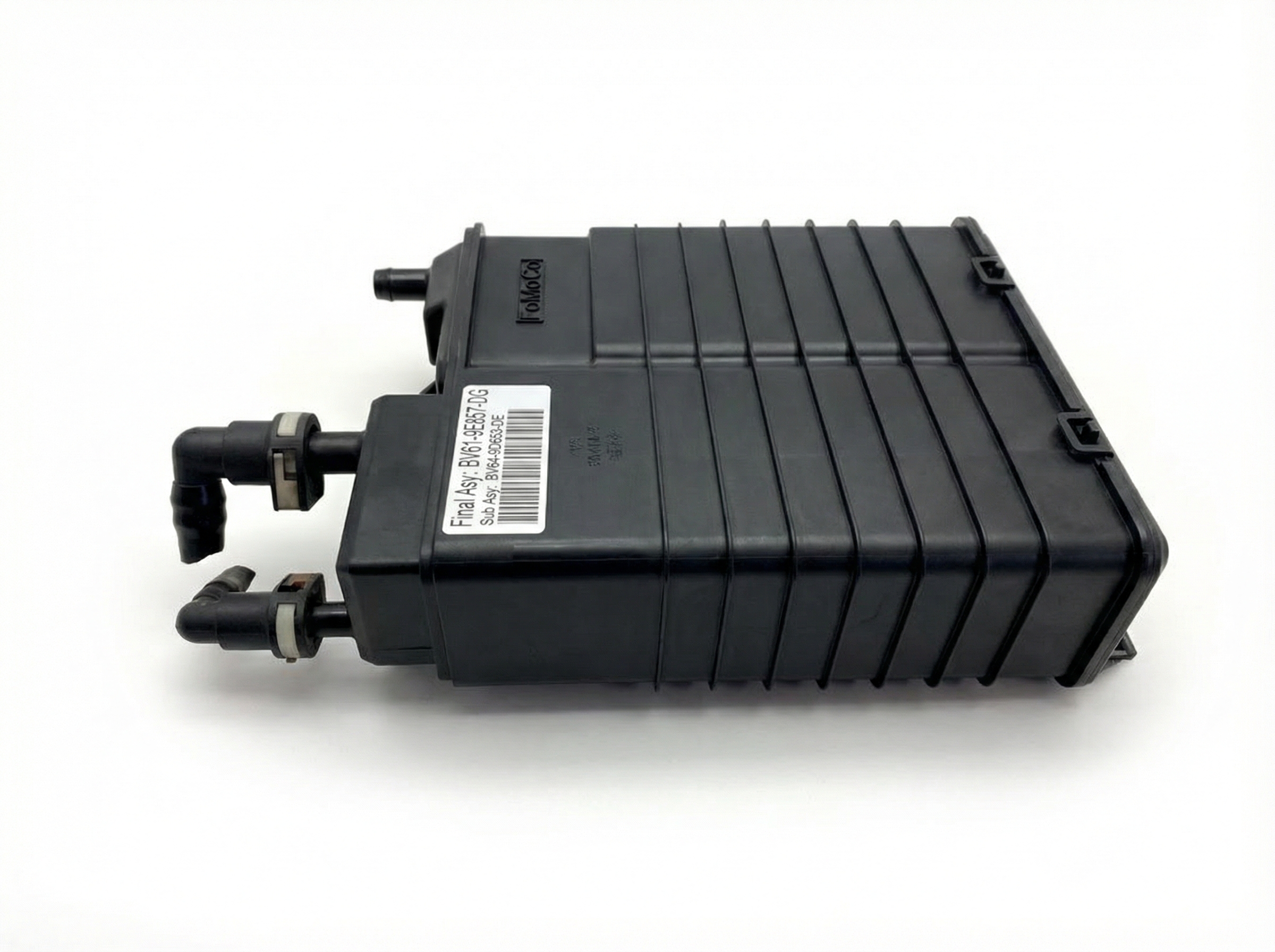
New Aftermarket Parts Available


The information in this article is provided for general reference and educational purposes only. Vehicle specifications, procedures, and part compatibility can vary by production date, trim level, and region. Always consult your vehicle's factory service manual and verify part numbers before purchasing or performing repairs. Safety-critical components such as airbags, seat belts, and braking systems should be installed by a qualified professional.
- Ford Focus:
- 🎬 Helpful Videos
- 🛍️ Shop This Part
- What's Unique About the 2012-2018 Ford Focus
- Symptoms You May Notice
- Most Likely Causes
- Rare But Worth Checking
- Diagnosis Steps
- Parts You'll Likely Need
- Related Codes That Often Appear With This One
- Technical Service Bulletins (TSBs) & Recalls
- Platform-Specific Known Issues
- Mechanic-Grade Diagnostic Values
- Hidden / Shadow Codes Worth Checking
- Scan Tool Commands That Help
- Wiring & Ground Locations
- Real Owner Repair Stories
- OEM Part Supersession History
- Model Year Variations Within This Range
- Diagnostic Flowchart
- Real Owner Stories
- 2014 Ford Focus
- 2015 Ford Focus
- 2012-2018 Ford Focus
- Related OBD-II Codes
- Frequently Asked Questions
- 🎟️ Get 5% Off