

P0171 on 2018-2024 Jeep Wrangler: Lean Code Causes and Fixes
On 2018-2024 Jeep Wranglers with both the 3.6L V6 and 2.0L Turbo engines, the P0171 code is very often caused by an oil leak from the Bank 1 (passenger side) valve cover gasket. This oil drips onto and contaminates the downstream O2 sensor, causing false lean readings. The definitive fix, confirmed by TSBs and numerous owner forums, requires replacing both the valve cover gasket and the affected O2 sensor.
- For a 2018-2024 Wrangler with code P0171, your first and most important check should be for an oil leak on the passenger side valve cover.
- If an oil leak is found dripping on the O2 sensor, you must replace both the valve cover gasket and the contaminated O2 sensor.
- If no oil leak is present, the next most likely cause is a vacuum leak, commonly from the intake manifold gaskets. A smoke test is the best way to find it.
- Ignoring a P0171 code can lead to poor performance, bad fuel mileage, and eventual damage to the catalytic converter.
What's Unique About the 2018-2024 Jeep WRANGLER

For the Jeep Wrangler JL generation (2018-2024), with either the 3.6L Pentastar V6 or 2.0L Turbo, there is a well-documented and highly specific cause for P0171. Manufacturer Technical Service Bulletins (TSBs) and extensive owner reports on forums like jlwranglerforums.com confirm that an oil leak from the Bank 1 (passenger side) valve cover gasket is a frequent culprit. This oil drips directly onto the downstream O2 sensor 🎬 See this walkthrough on replacing Jeep Wrangler O2 sensors., contaminating it and causing it to send false lean readings to the computer. One forum user noted that "any senior dealer tech could diagnose this from the repair order alone" due to its frequency. While traditional causes like vacuum leaks are possible, this specific oil leak issue should be the first thing you check.
Diagnostic Flowchart

Tap your situation to follow the diagnostic path that matches what you're seeing on this vehicle.
Generation note: The 2018 model year was an overlap year, with both the older JK and the new JL generations being sold. This guide primarily focuses on the 2018-2024 Jeep Wrangler JL. The TSBs provided specifically mention model years up to 2024, confirming their relevance to the JL platform.
Symptoms You May Notice
- Check Engine Light is on
- Rough or unstable idle
- Engine hesitation or loss of power, especially during acceleration
- Engine misfires (may be accompanied by a blinking Check Engine Light)
- Reduced fuel economy
- Hissing noise from the engine bay, indicating a vacuum leak
- Smell of burning oil if the valve cover is leaking onto hot exhaust components
- Vehicle enters a low-power 'limp mode'
- Replacing only the O2 sensor without fixing the oil leak that contaminated it. The new sensor will soon fail as well.
- Replacing the upstream O2 sensor when the downstream sensor is the one contaminated by oil. A forum user's mechanic did this, and the codes returned until the downstream sensor and valve cover gasket were addressed.
- Replacing fuel system components, spark plugs, or coil packs before thoroughly checking for the common valve cover gasket leak or other vacuum leaks.
Most Likely Causes

- Leaking Valve Cover Gasket Contaminating O2 Sensor 🔴 High Probability This is a widely documented issue for this platform, specifically cited in manufacturer TSBs S1918000008RevC, S1918000008 Rev., and S1918000008. The Bank 1 (passenger side) valve cover gasket can leak oil directly onto the downstream O2 sensor. Forum users on jlwranglerforums.com frequently confirm this is the cause for both 3.6L and 2.0L engines.
How to confirm: Visually inspect the passenger side of the engine. Look for signs of fresh or burnt oil leaking from the valve cover down onto the exhaust and the downstream (post-catalytic converter) oxygen sensor. A forum user described their dealer discovering the valve cover was leaking onto the O2 sensor after first replacing the sensor to no avail.
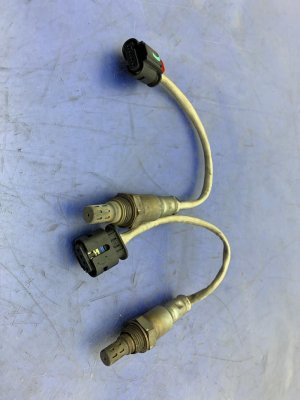
Typical fix: Replace the Bank 1 valve cover gasket and the oil-contaminated downstream O2 sensor. It is critical to replace both parts to resolve the issue. After replacement, it is recommended to reset the PCM's fuel trim adaptives.
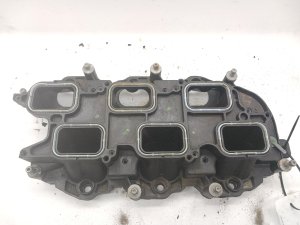
Est. part cost: $70-$150 - Vacuum Leak 🟡 Medium Probability Intake manifold gaskets on the 3.6L Pentastar V6 are a known failure point over time due to heat and vibration, leading to unmetered air entering the engine. Cracked PCV hoses or other vacuum lines can also cause this.
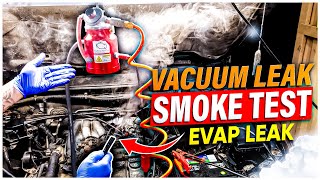
How to confirm: Listen for a hissing sound at idle. The most reliable method is to have a mechanic perform a smoke test, which forces smoke into the intake system to reveal the exact location of any leaks. One owner on a forum tried replacing multiple parts before a smoke test revealed the true issue.
Typical fix: Replace the leaking gasket or hose. If the intake manifold gaskets are the cause, it's common to replace both the upper and lower sets.
Est. part cost: $40-$100 - Faulty Upstream Oxygen (O2) Sensor ⚪ Low Probability
How to confirm: A failing upstream O2 sensor can become slow to respond or send incorrect data, tricking the PCM into thinking the engine is lean. This can be diagnosed by monitoring the O2 sensor voltage with a scan tool. A healthy sensor will show rapidly fluctuating voltage.
Typical fix: Replace the Bank 1, Sensor 1 (upstream) O2 sensor.
Est. part cost: $50-$120 - Low Fuel Pressure ⚪ Low Probability
How to confirm: A weak fuel pump or clogged fuel filter can starve the engine of fuel. A mechanic can test the fuel pressure at the fuel rail using a pressure gauge to see if it meets manufacturer specifications.
Typical fix: Replace the failing fuel pump module or clogged fuel filter.
Est. part cost: $200-$500
Rare But Worth Checking
- Exhaust Leak: An exhaust leak before the upstream O2 sensor can draw in outside air, causing the sensor to read a false lean condition. This can sometimes be heard as a ticking or puffing noise from the exhaust manifold area.
- Clogged Fuel Injector: A single clogged or dirty fuel injector on Bank 1 can prevent enough fuel from reaching a cylinder, leading to a lean condition on that bank.
- Leaking VVT Sensor O-ring: In a jlwranglerforums.com thread, a user noted that their upstream O2 sensor was ruined by oil from a leaking VVT sensor o-ring, while the downstream sensor was fouled by a PCV hose leak, both contributing to the codes.
Diagnosis Steps
- Scan for any other stored trouble codes to get a complete picture. Codes like P2096 strongly point towards the common oil leak issue.
- Perform a thorough visual inspection of the passenger side (Bank 1) of the engine. Look for an active oil leak from the valve cover dripping onto the downstream O2 sensor and exhaust. This is the most likely cause.
- If no oil leak is found, inspect all vacuum hoses connected to the intake manifold for cracks, disconnection, or brittleness. Check the PCV valve and its hoses.
- With the engine running, listen for any hissing sounds that would indicate a vacuum leak. For best results, perform a smoke test on the intake system.
- If no leaks are found, use a scan tool to monitor live data, specifically the Short-Term and Long-Term Fuel Trims for Bank 1. High positive numbers (e.g., >15%) confirm the PCM is adding fuel to correct a lean condition.
- Inspect the exhaust manifold and pipe leading to the upstream O2 sensor for any signs of cracks or gasket leaks.
- As a final step, test fuel pressure to rule out a weak fuel pump or clogged filter.
- After performing repairs, especially O2 sensor replacement, reset the PCM's fuel trim adaptives to allow the system to re-learn correctly.
Parts You'll Likely Need
- Valve Cover Gasket (Bank 1 / Passenger Side)
(OEM #68439312AA)— This is the source of the oil leak that is the most common cause of P0171 on this vehicle.
Trusted brands: Mopar, Fel-Pro, Mahle
OEM price range: $40-$60
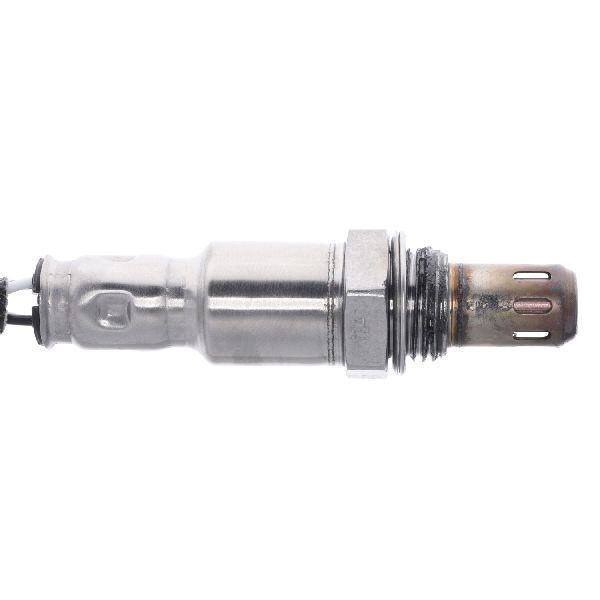
Aftermarket price range: $25-$45 - Downstream Oxygen Sensor (Bank 1, Sensor 2)
(OEM #68224424AA)— This sensor gets contaminated by the leaking valve cover gasket and must be replaced to restore correct readings.
Trusted brands: Mopar, NTK, Denso, Bosch
OEM price range: $60-$90
Aftermarket price range: $40-$70 - Intake Manifold Gasket Set (Upper & Lower)
(OEM #68292812AA)— A common source of vacuum leaks on the 3.6L engine that can cause a lean condition.
Trusted brands: Mopar, Victor Reinz, Fel-Pro
OEM price range: $50-$80
Aftermarket price range: $35-$60
Related Codes That Often Appear With This One
- P2096 — Post Catalyst Fuel Trim System Too Lean Bank 1. This code is often seen with P0171 and is specifically mentioned in TSB S1918000008, pointing to the downstream O2 sensor reading lean, consistent with oil contamination. Multiple forum threads show users reporting both codes simultaneously.
- P0300 — Random/Multiple Cylinder Misfire. A lean air-fuel mixture can fail to ignite properly, causing misfires. This is also cited in the TSBs and reported by owners experiencing the issue.
- P0137 — O2 Sensor Circuit Low Voltage (Bank 1 Sensor 2). This directly points to a problem with the downstream O2 sensor, which aligns with the oil contamination issue.
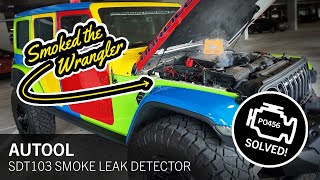
- P0456 — EVAP System Small Leak. TSB 18-036-21 notes that P0171 can appear alongside this EVAP code, suggesting a potential, though less common, link between the systems.
Technical Service Bulletins (TSBs) & Recalls
- S1918000008RevC
- S1918000008 Rev.
- S1918000008
- 18-036-21
- 18-026-25
- 1801420
Platform-Specific Known Issues
- TSB S1918000008RevC explicitly states that P0171 can be caused by an oil leak from the Bank 1 valve cover onto the downstream O2 sensor, and may be accompanied by codes P0133, P0137, P0300, and P2096.
- Real-world owner experience on jlwranglerforums.com confirms the TSB. One user's mechanic initially replaced the wrong parts (coils, plugs, upstream O2) before finding the true cause was the valve cover leak contaminating the downstream sensor.
Mechanic-Grade Diagnostic Values
- Upstream O2 Sensor Voltage (at idle) — expected: Rapidly fluctuating between 0.1V and 0.9V. Failure: Stuck at a specific voltage (e.g., high or low) or slow to respond.
- Downstream O2 Sensor Voltage (at idle, warm engine) — expected: Relatively stable voltage, typically around 0.4V to 0.6V.. Failure: Fluctuating similarly to the upstream sensor (indicates bad catalytic converter) or stuck high/low (indicates sensor or mixture problem).
- Long Term Fuel Trim (LTFT) — expected: Close to 0%, typically within +/- 10%.. Failure: Sustained positive value greater than +12.5% to +25% will trigger the P0171 code.
- Fuel Pressure (3.6L Pentastar) — expected: Rated at 58 psi at the fuel rail.. Failure: Pressure significantly below 58 psi indicates a weak fuel pump or clogged filter.
Scan Tool Commands That Help
- Advanced Scan Tool (e.g., wiTECH, Autel, Snap-on): Fuel Trim Reset / Clear Adaptive Memory — After replacing a component that affects the air/fuel mixture, such as an O2 sensor, fuel injector, or fixing a vacuum leak. This forces the PCM to relearn the fuel strategy immediately rather than slowly adapting over time.
- Advanced Scan Tool (e.g., wiTECH, Autel, Snap-on): O2 Sensor Heater Test — To verify the integrity of the oxygen sensor's internal heater circuit, which is crucial for the sensor to reach operating temperature quickly and provide accurate readings.
Wiring & Ground Locations
- Engine Bay Grounds (Passenger Side) — A set of three ground points is located near the battery on the passenger side, with another farther forward toward the air box.. The Bank 1 O2 sensors and other related engine sensors rely on these grounds. A poor or corroded ground connection can introduce electrical noise or incorrect voltage readings, potentially mimicking a sensor failure and contributing to a P0171 code.
- Engine Bay Grounds (Driver Side) — A ground point is located on the driver's side of the engine bay, near the brake booster.. Provides a grounding point for various components on the driver's side of the engine. While Bank 1 is on the passenger side, ensuring all engine grounds are clean and secure is a critical step in diagnosing any electrical fault.
- G914B / G927A (Injector Harness Grounds) — These grounds are part of the injector wiring harness for the 3.6L engine.. A fault in the fuel injector ground circuit could lead to improper injector function, causing a lean condition. Verifying these grounds is important if a fuel delivery issue is suspected.
- Interior Kick Panel Grounds — Ground points are located in the driver and passenger footwell kick panels.. These are main body grounds that the PCM and other interior modules may reference. While less likely to be the primary cause, a poor connection here can cause a variety of difficult-to-diagnose electrical issues.
Real Owner Repair Stories
- Tahoe Yukon Forum user 'Keiterburb' (GMC vehicle, but with analogous P0171 & P0174 codes) — Check engine light with P0171 and P0174 codes, especially after temperatures dropped.
❌ Tried (didn't work) Initial diagnostics were inconclusive as the engine ran fine in warmer weather.
✅ What actually fixed it Replacing the intake manifold gaskets resolved the lean codes. The owner noted the truck ran great after the replacement.
"I Checked Everything" — The Actual Cause
- In some cases reported on forums for other vehicles, a smoke test may not reveal a leak if it only occurs under specific temperature conditions (e.g., when the engine is cold, the gasket contracts and leaks). If a smoke test on a warm engine is clean, but symptoms persist on cold starts, the intake gaskets can still be the culprit.
- A user on Reddit mentioned fighting a P0171 code for a month after a smoke test came back clean. The final cause was a faulty, one-year-old aftermarket Mass Airflow (MAF) sensor. Replacing it with an OEM sensor fixed the issue.
When the Usual Fixes Don't Work
- While the valve cover leak is the most prominent issue for the Wrangler JL, it is not the only cause. If a thorough visual inspection shows no oil leak, technicians must revert to traditional diagnostics for vacuum leaks (smoke test), fuel delivery issues (pressure test), and sensor faults (live data analysis), as these are still potential causes.
OEM Part Supersession History
Unknown→68224424AA— Standard part lifecycle and potential design improvements.
Heads up: Part number 68224424AA is listed for a wide range of 2018-2024+ Jeep, Dodge, and Chrysler vehicles with the 2.0L Turbo and 3.6L V6 engines. It serves as both an upstream and downstream sensor depending on the specific application, so verifying the correct position is crucial when ordering.
Model Year Variations Within This Range
- 2018-2024: While the core 3.6L Pentastar V6 and 2.0L Turbo I4 engines remain largely the same, there have been powertrain variations like the introduction of the eTorque mild-hybrid system and the 4xe plug-in hybrid. The 2024 models received a facelift with a new grille and updated interior tech, but the underlying engines and common causes for P0171 are expected to be the same as earlier JL models.
Helpful Videos
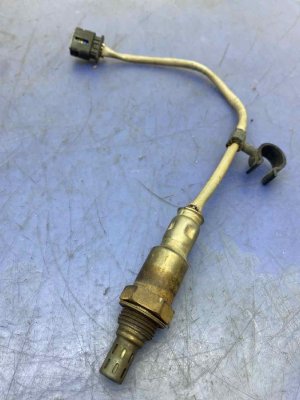
Used OEM Parts in Stock


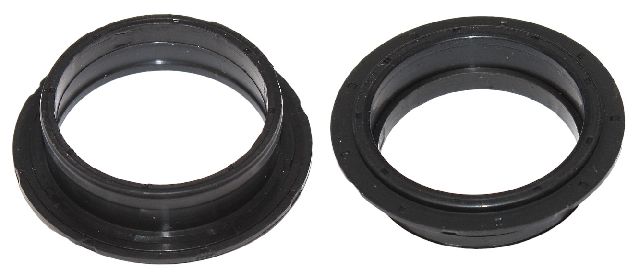
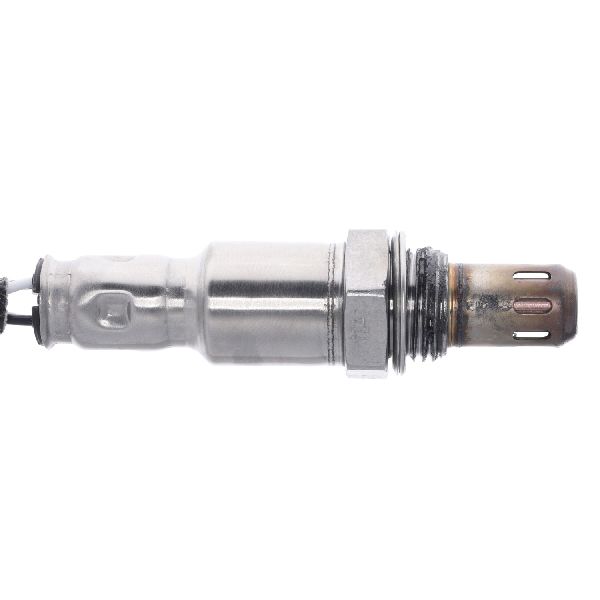
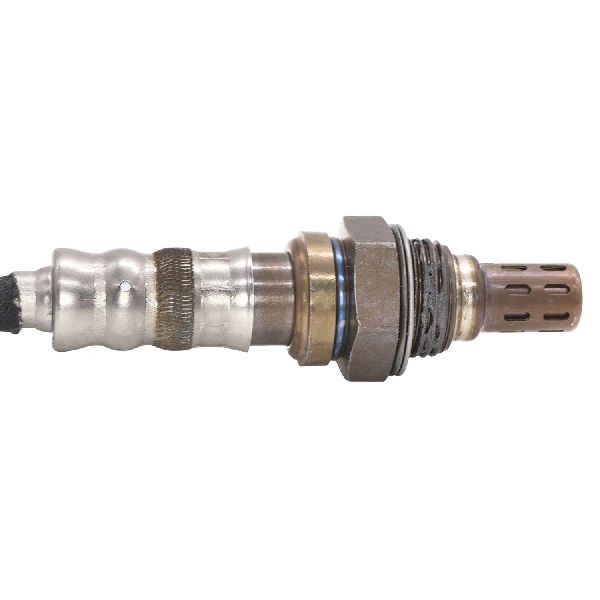
New Aftermarket Parts Available


The information in this article is provided for general reference and educational purposes only. Vehicle specifications, procedures, and part compatibility can vary by production date, trim level, and region. Always consult your vehicle's factory service manual and verify part numbers before purchasing or performing repairs. Safety-critical components such as airbags, seat belts, and braking systems should be installed by a qualified professional.
- Jeep WRANGLER:
- 🎬 Helpful Videos
- 🛍️ Shop This Part
- What's Unique About the 2018-2024 Jeep WRANGLER
- Diagnostic Flowchart
- Symptoms You May Notice
- Most Likely Causes
- Rare But Worth Checking
- Diagnosis Steps
- Parts You'll Likely Need
- Related Codes That Often Appear With This One
- Technical Service Bulletins (TSBs) & Recalls
- Platform-Specific Known Issues
- Mechanic-Grade Diagnostic Values
- Scan Tool Commands That Help
- Wiring & Ground Locations
- Real Owner Repair Stories
- "I Checked Everything" — The Actual Cause
- When the Usual Fixes Don't Work
- OEM Part Supersession History
- Model Year Variations Within This Range
- 🎟️ Get 5% Off