

P0171 on 2008-2023 Dodge Challenger: Lean Code Causes & Fixes
For a Dodge Challenger with code P0171, the most likely causes are a vacuum leak from a failed intake manifold gasket or a bad PCV valve. On V8 models, a dirty MAF sensor is also a high-probability culprit. Expect to spend $15 on MAF cleaner, or $100-$400 for gasket or PCV valve replacement. A smoke test is the most effective way to find vacuum leaks.
- P0171 on a Dodge Challenger means the passenger side of the engine is running lean (too much air or not enough fuel).
- The most common cause is a vacuum leak. Use a smoke machine to test the intake manifold gaskets and PCV system.
- For 5.7L and 6.4L HEMI engines, cleaning the MAF sensor with a dedicated cleaner is a simple and highly effective first diagnostic step.
- Do not replace the oxygen sensor unless you have confirmed it is faulty through testing; it is often just reporting the problem accurately.
- If P0171 appears with P0174 (Bank 2 Lean), the problem is likely affecting the whole engine, such as the MAF sensor or fuel pump.
What's Unique About the 2008-2023 Dodge Challenger
On the Dodge Challenger, the diagnostic approach for P0171 differs slightly between the 3.6L V6 and the 5.7L/6.4L HEMI V8s. The V8 engines use a Mass Airflow (MAF) sensor to measure incoming air, which can become dirty and cause incorrect readings. The 3.6L Pentastar V6, however, uses a Manifold Absolute Pressure (MAP) sensor, making vacuum leaks, particularly from the intake manifold gaskets and PCV system, more common culprits for this code. Broken exhaust manifold bolts are a known issue on HEMI engines, which can lead to pre-sensor exhaust leaks that also trigger a P0171 code by allowing unmetered oxygen into the exhaust stream. This often causes a ticking noise on cold starts that may disappear as the engine warms up.
Generation note: The 2008-2023 Dodge Challenger covers a single generation (LC) but with significant updates. The 3.6L Pentastar V6 was introduced in 2011, and the 6.4L HEMI V8 replaced the 6.1L. A major facelift occurred in 2015. While the core causes of P0171 are similar across these years, specific parts like intake gaskets or PCV valves may differ between pre- and post-facelift models and engine types. For example, the intake manifold gasket for a 2023 5.7L is part number 68545089AA, while earlier models may use 53022143AB. The fuel pump module also differs for cars with 18-gallon vs 19-gallon tanks.
Symptoms You May Notice
- Check Engine Light is on
- Rough or unstable idle
- Engine hesitation or stumbling during acceleration
- Reduced engine power
- Noticeable decrease in fuel economy
- Hissing or whistling noise from the engine bay, indicating a vacuum leak.
- Engine misfires, which may trigger additional codes like P0300.
- Ticking noise from the exhaust manifold area, especially on cold starts (HEMI engines).
- Replacing the oxygen sensor first without confirming it's faulty. The O2 sensor is often doing its job correctly by reporting the lean condition caused by another component.
Most Likely Causes
- Vacuum Leak (Intake Manifold Gasket, PCV System, Hoses) 🔴 High Probability Intake manifold gaskets on both the 3.6L and HEMI engines are made of rubber and can compress, harden, and fail over time from heat cycles, allowing unmetered air to enter the engine. This is a very common source of lean codes on these platforms. The PCV valve can also stick open, creating a significant vacuum leak.
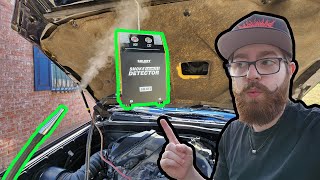
How to confirm: Perform a smoke test on the intake system. 🎬 Watch: How to perform a smoke test on your vehicle This is the most effective way to find the source of a vacuum leak. Alternatively, you can carefully spray short bursts of brake cleaner or an unlit propane torch around the intake manifold gasket and vacuum hoses with the engine running; a change in engine idle RPM will indicate the leak's location. A hissing sound from the engine bay at idle is also a strong indicator.
Typical fix: Replace the failed gasket(s) or hose. Gaskets should always be replaced when the intake manifold is removed. If the PCV valve is faulty, it should be replaced.
Est. part cost: $20-$100 - Dirty or Faulty Mass Airflow (MAF) Sensor (5.7L/6.4L HEMI only) 🟡 Medium Probability The MAF sensor's delicate wire or film can become contaminated with dirt, oil, or debris, especially if an aftermarket oiled air filter is used. This contamination causes the sensor to under-report the amount of air entering the engine, leading the PCM to inject insufficient fuel.
How to confirm: Remove the MAF sensor, located on the air intake tube after the air filter box. Visually inspect the small wires inside. If they appear dirty, cleaning is the first step.
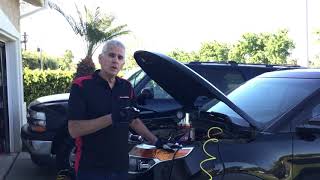
Typical fix: Clean the sensor using only a dedicated MAF sensor cleaner spray. 🎬 See these two simple DIY methods to fix code P0171 Do not use brake or carburetor cleaner, and do not touch the sensor wires. If cleaning doesn't resolve the issue, the sensor may need to be replaced.
Est. part cost: $10-$15 for cleaner, $70-$150 for a new sensor - Failed Upstream Oxygen (O2) Sensor 🟡 Medium Probability O2 sensors are a normal wear item and can become 'lazy' or biased over time, sending inaccurate (false lean) signals to the computer. However, the O2 sensor is often correctly reporting a lean condition caused by another issue.
How to confirm: Use a scan tool to monitor the live data from the Bank 1, Sensor 1 O2 sensor. A healthy sensor will show rapidly fluctuating voltage between approximately 0.1 and 0.9 volts. A sensor that is stuck at a low voltage or responds slowly is likely faulty.
Typical fix: Replace the Bank 1, Sensor 1 (upstream) oxygen sensor.
Est. part cost: $50-$120 - Weak Fuel Pump or Clogged Fuel Filter ⚪ Low Probability While less common, the fuel pump can weaken with age, failing to provide adequate pressure to the fuel rail, which starves the engine of fuel. The fuel filter is integrated into the pump module.
How to confirm: Connect a fuel pressure gauge to the fuel rail's test port. The pressure should be within the manufacturer's specified range at idle and under load. For many Challenger models, the target fuel pressure is around 58 psi (400 kPa). Many auto parts stores offer loaner tools for this test.
Typical fix: Replace the fuel pump module. The fuel filter is typically part of the fuel pump assembly on these vehicles and not serviced separately.
Est. part cost: $200-$500
Rare But Worth Checking
- Clogged Fuel Injector(s) on Bank 1: If the lean condition is isolated to one or two cylinders (confirmed with a scan tool showing misfires), a clogged injector could be the cause. This is less likely to cause a general Bank 1 code without other misfire codes present.
- Exhaust Leak Before the O2 Sensor: A crack in the exhaust manifold or a leaking manifold gasket can allow outside air to be drawn into the exhaust stream. This extra oxygen will cause the upstream O2 sensor to read a lean condition. This is a known issue on HEMI engines due to broken manifold bolts, often causing a ticking noise on cold starts that may disappear as the engine warms up.
- Cracked Air Intake Tube/Boot: The flexible rubber or plastic tube between the MAF sensor (on V8s) and the throttle body can develop cracks from age and heat. This allows unmetered air to enter the engine, causing a lean code. This is often missed in a visual inspection if the crack is on the underside of the tube.
Diagnosis Steps
- Read Codes: Use an OBD-II scanner to confirm P0171 and check for any other codes, especially P0174 or P0300-P0308.
- Check Fuel Trims: View live data and observe the Short-Term (STFT) and Long-Term (LTFT) fuel trims for Bank 1. High positive numbers (e.g., >15%) confirm the computer is adding fuel to compensate for a lean condition.
- Visual Inspection: Inspect the engine bay for obvious issues like cracked or disconnected vacuum hoses, or a loose air intake tube, especially the boot between the air filter box and throttle body.
- Check for Vacuum Leaks: Perform a smoke test to find leaks around the intake manifold, PCV system, and vacuum lines. This is the most reliable method. Listen for hissing sounds at idle.
- Clean MAF Sensor (V8 Engines): If you have a 5.7L or 6.4L HEMI, remove and clean the MAF sensor with dedicated cleaner as a primary, low-cost diagnostic step.
- Test Fuel System: If no vacuum leaks are found, check fuel pressure to rule out a weak fuel pump or clogged filter. The target pressure is typically around 58 psi.
- Test O2 Sensor: If fuel pressure is good, test the Bank 1 upstream O2 sensor for proper response using your scan tool's live data graph. A lazy or stuck sensor is faulty. Voltage should fluctuate rapidly between 0.1V and 0.9V.
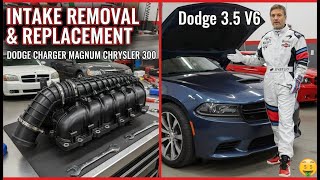
- Inspect Exhaust: Check for exhaust leaks between the cylinder head and the upstream O2 sensor, especially on HEMI engines. Listen for a ticking noise on a cold start. 🎬 Watch: Tech tips for testing intake and exhaust lean conditions
Parts You'll Likely Need
- Intake Manifold Gasket Set
(OEM #68545089AA (5.7L/6.4L, 2019+), 53022143AB (5.7L/6.4L, 2009-2023))— These gaskets are a very common failure point leading to vacuum leaks and a P0171 code on both V6 and V8 engines.
Trusted brands: Mopar, Fel-Pro, Mahle
OEM price range: $25-$80
Aftermarket price range: $20-$50 - PCV Valve
(OEM #68083202AC (for 3.6L, supersedes 68083202AB))— A stuck-open PCV valve acts as a major vacuum leak. It's an inexpensive part and a common cause for lean codes.
Trusted brands: Mopar, Standard Motor Products
OEM price range: $40-$75
Aftermarket price range: $15-$40 - Mass Airflow (MAF) Sensor — Specific to the 5.7L and 6.4L HEMI engines, a dirty or failed MAF sensor is a frequent cause. Cleaning often works, but replacement is sometimes necessary.
Trusted brands: Mopar, Bosch, Denso
OEM price range: $120-$200
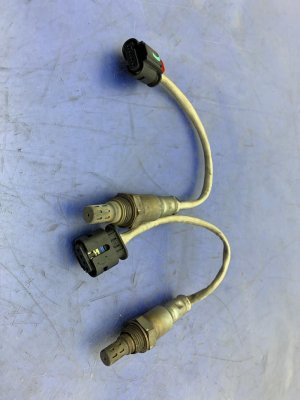
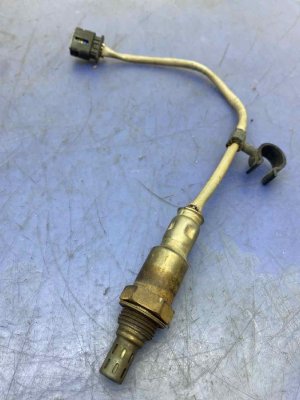
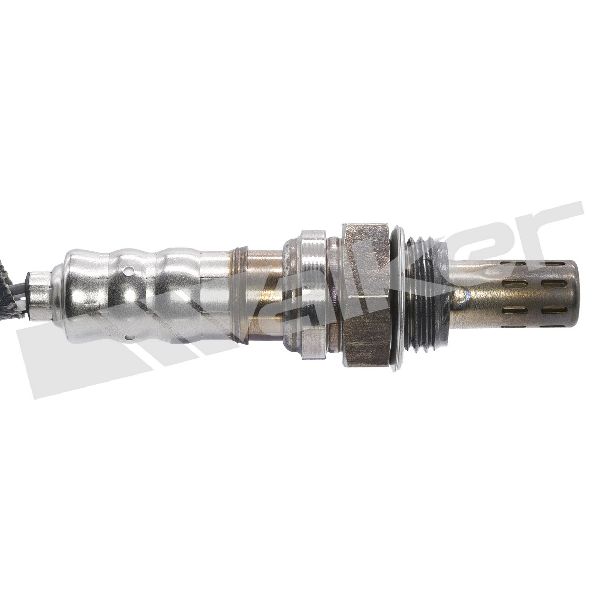
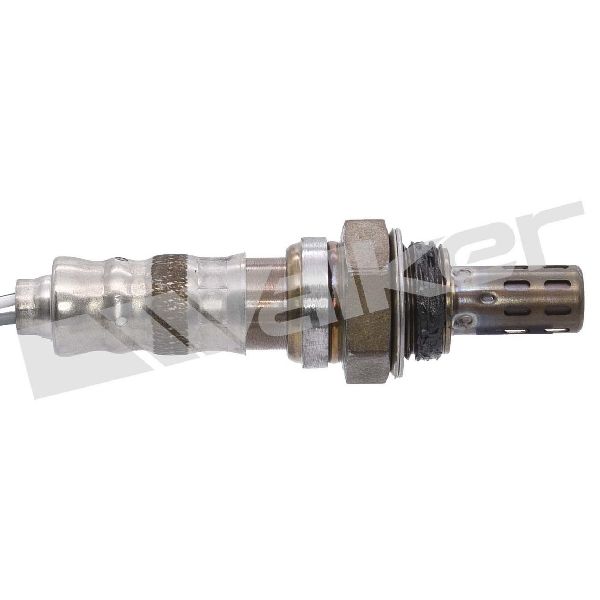
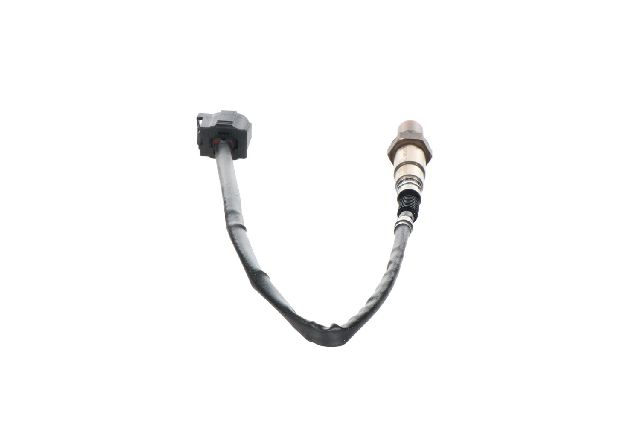
Aftermarket price range: $70-$150 - Upstream Oxygen Sensor — A faulty O2 sensor can send false lean signals. It's a wear item but should be tested before replacement, as it often correctly identifies a problem elsewhere.
Trusted brands: Mopar, NTK, Denso
OEM price range: $60-$130
Aftermarket price range: $50-$100
Related Codes That Often Appear With This One
- P0174 — System Too Lean (Bank 2). If both P0171 and P0174 are present, it indicates a problem affecting both engine banks, such as a large vacuum leak at the throttle body or intake manifold, a faulty MAF sensor, or low fuel pressure.
- P0300 — Random/Multiple Cylinder Misfire. A severe lean condition can prevent proper combustion, leading to misfires. This can also be a symptom of the infamous 'Hemi Tick' (lifter failure) which can also lead to lean conditions.
Technical Service Bulletins (TSBs) & Recalls
- TSB 09-011-25: While not directly for P0171, this TSB addresses a cam/rocker manufacturing issue in the 3.6L Pentastar engine, which can cause ticking and misfires—symptoms that can overlap or be misdiagnosed when a P0171 code is present.
Platform-Specific Known Issues
- The plastic intake manifold on the 3.6L Pentastar engine can warp from heat over time, preventing new gaskets from sealing properly and requiring the entire manifold to be replaced.
- HEMI (5.7L/6.4L) engines are known for exhaust manifold bolts breaking off at the cylinder head, causing an exhaust leak that can trigger a P0171 code.
Mechanic-Grade Diagnostic Values
- Fuel Pressure (All Engines) — expected: ~58 psi (400 kPa). Failure: Significantly lower pressure indicates a weak fuel pump or clogged filter.
- Upstream O2 Sensor (Bank 1 Sensor 1) Voltage — expected: Rapidly fluctuating between 0.1V and 0.9V at steady idle.. Failure: Voltage is stuck low (e.g., < 0.2V) or responds very slowly to throttle changes.
- Long Term Fuel Trim (LTFT) - Bank 1 — expected: As close to 0% as possible, ideally within +/- 5%.. Failure: Sustained positive values greater than +15% to +25% will trigger the P0171 code.
- Exhaust Manifold Bolt Torque (HEMI V8) — expected: 18 ft-lbs (25 Nm). Failure: Improper or uneven torque can cause the new gasket to fail prematurely or warp the manifold.
Scan Tool Commands That Help
- wiTECH (OEM Dealer Tool) or high-end bidirectional scanner: Fuel Pump Activation Test — To command the fuel pump to run without the engine operating. This allows for a clean fuel pressure test to isolate the pump's performance from other engine variables.
- wiTECH (OEM Dealer Tool) or high-end bidirectional scanner: Injector Kill / Cylinder Balance Test — To disable one injector at a time while monitoring engine RPM or fuel trims. If disabling an injector on Bank 1 causes little to no change in RPM, it suggests that injector was clogged or not firing correctly, helping to pinpoint a single-cylinder issue causing the bank-wide lean code.
Wiring & Ground Locations
- G304 — Typically located on the rear of the passenger side cylinder head on HEMI engines.. This is a primary engine ground. A loose or corroded G304 ground can cause erratic signals from sensors on that bank, including the oxygen sensor, potentially leading to false lean readings. Checking this ground is a crucial step if sensor data appears unreliable.
- O2 Sensor Connector (Bank 1, Sensor 1) — On the passenger side of the transmission bell housing area, usually clipped to a bracket. The sensor itself is in the exhaust manifold or downpipe.. This connector is the primary test point for checking voltage and resistance of the upstream O2 sensor circuit. It can be subject to heat damage, contamination, or physical damage, which could mimic a failed sensor.
Real Owner Repair Stories
- Challengertalk.com forum user (2013 Dodge Challenger R/T (5.7L HEMI)) — P0171 and P0174 codes, rough idle, hesitation.
❌ Tried (didn't work) Replaced MAP sensor, Replaced PCV valve, Cleaned throttle body
✅ What actually fixed it The intake manifold itself was found to have a crack, causing a significant vacuum leak. Replacing the entire intake manifold resolved the lean codes. - Challengerforumz.com forum user (2014 Dodge Challenger SXT (3.6L V6), 95,000 miles) — P0171 code, engine light on.
❌ Tried (didn't work) Initial diagnosis suggested O2 sensor or fuel pump.
✅ What actually fixed it The issue was a failed intake manifold gasket. The user noted that after replacement, the long-term fuel trim for Bank 1 returned to normal levels (around 2.3%).
"I Checked Everything" — The Actual Cause
- A cracked air intake boot (the flexible tube between the air filter housing and the throttle body) can sometimes pass a low-pressure smoke test if the crack only opens up under engine vacuum or when the engine torques during acceleration. Mechanics often find this by physically manipulating the intake tube with the engine running and listening for a change in idle.
- A failing fuel pump that provides borderline low pressure can cause a P0171 code without any other obvious symptoms. A smoke test will come back clean, and sensors will appear to function correctly. The issue is only found by performing a fuel pressure test under load (not just at idle) and seeing the pressure drop below specification.
OEM Part Supersession History
68083202AB→68083202AC— Standard part revision by the manufacturer, likely for improved durability or material changes.
Model Year Variations Within This Range
- 2008-2010: Pre-2011 V6 models used a 3.5L engine, not the 3.6L Pentastar. While causes are similar (vacuum leaks, sensors), specific part numbers for items like intake gaskets and PCV valves will be different. The 6.1L HEMI was also used, which was replaced by the 6.4L in 2011.
- 2015+: The 2015 model year facelift introduced significant interior and exterior changes, but the core engine architecture (3.6L, 5.7L, 6.4L) and common causes for P0171 remained largely the same. However, some part numbers for sensors and gaskets may have changed, as noted in the intake gasket example.
Diagnostic Flowchart
Other Known Issues on This Vehicle
Issues unrelated to this code that are worth knowing about as an owner of this generation:
- HEMI Lifter/Camshaft Failure ('Hemi Tick') 🔴 High — Common on 5.7L/6.4L HEMI, especially 2009-2016 models, but can occur at any mileage. Often appears between 70k-130k miles. Caused by lifter roller failure, leading to camshaft damage.
- 3.6L Pentastar Rocker Arm Failure 🔴 High — Prevalent across many model years, particularly 2011-2014. Needle bearings in the rocker arm fail, causing a ticking noise, misfires, and potential camshaft damage. (Ref: TSB 09-011-25 (related to cam/rocker issues))
- Uconnect Screen Delamination 🟡 Low — Very common on 2017 and newer models with the 8.4-inch screen. The screen bubbles and causes 'ghost touches' or becomes unresponsive. (Ref: Potential class-action lawsuits are active, but no official recall.)
- Broken Exhaust Manifold Bolts (HEMI) 🟠 Medium — Common on 5.7L HEMI engines. Bolts break, causing an exhaust leak and a ticking noise, especially on cold starts.
- Totally Integrated Power Module (TIPM) Failure 🟠 Medium — Reported on 2008-2021 models. Can cause a wide range of bizarre electrical issues, including no-start conditions, random horn activation, and fuel pump problems.
- Premature Water Pump Failure 🟠 Medium — Reported across all engines, sometimes failing as early as 30,000-50,000 miles. Symptoms include noise, leaks, and overheating.
Used vs. New Parts: Buying Guide for This Vehicle
When a used part is the smart pick: For this repair, obtaining a used intake manifold from a reputable salvage yard can be a cost-effective option, especially if the original is confirmed to be cracked. Body-related components like the air intake box and tubing are also generally safe to buy used.
Donor-vehicle mileage cap: roughly under 80000 miles for the part to have meaningful remaining life.
What to inspect on the donor part:
- For an intake manifold, ensure there are no visible cracks, especially around bolt holes and seams.
- Check that all threaded inserts are intact and not stripped.
- Verify the donor vehicle was not in a front-end collision that could have stressed the plastic components.
- Avoid parts from vehicles that show signs of overheating (e.g., melted plastic, discolored engine components).
OEM-only on this vehicle (don't cheap out):
- PCV Valve: While aftermarket options exist, the cost difference is minimal, and the OEM Mopar valve is validated for the specific crankcase pressures of these engines.
- Sensors (MAF/O2): While some aftermarket brands are reliable, many forum users report issues with off-brand sensors, particularly Bosch, on Dodge platforms, leading to repeat repairs. Sticking with OEM (Mopar) or OEM-supplier brands like NTK and Denso is highly recommended.
Aftermarket brands forum-validated for this vehicle:
- NTK (for O2 Sensors)
- Denso (for O2 Sensors and MAF Sensors)
- Fel-Pro (for Gaskets)
Brands owners have reported issues with on this vehicle:
- Bosch (for O2 Sensors): Many Dodge owners in forums report that Bosch O2 sensors, while a quality brand for other vehicles, can cause compatibility issues and incorrect readings on this platform.
- Unbranded/No-name sensors and fuel pumps from online marketplaces should be avoided as their quality and calibration are often poor, leading to persistent issues.
Real Owner Stories
Aggregated from forums and TSBs cited above. Mileages and costs reflect what owners reported in those sources.
2008-2023 Dodge Challenger HEMI (5.7L/6.4L)
Symptoms: Owner noticed a 'tick' noise that was initially mistaken for lifter noise, accompanied by a lean code.
What fixed it: Repairing broken exhaust manifold bolts at the cylinder head which were causing an exhaust leak.
Source hint: ChallengerTalk.com
2011-2023 Dodge Challenger 3.6L Pentastar — ~100000 miles
Symptoms: Ticking and misfires that accompanied fuel trim problems.
What fixed it: Addressing cam/rocker manufacturing issues as described in TSB 09-011-25.
Source hint: BobIsTheOilGuy.com
2009-2016 Dodge Challenger 5.7L/6.4L HEMI — ~100000 miles
Symptoms: Hemi Tick and misfires (P0300) related to lubrication issues and lifter roller failure.
What fixed it: Replacement of failed lifters and damaged camshaft.
Source hint: RamForum.com
Related OBD-II Codes
Frequently Asked Questions
Does TSB 09-011-25 apply to my 3.6L Pentastar Challenger if I have a P0171 code?
I have a 5.7L HEMI and hear a ticking noise on cold starts; could this be related to my P0171 code?
Can I use any cleaner to fix the MAF sensor on my 6.4L Challenger?
Is it common for the intake manifold itself to fail on the 3.6L Pentastar?
What is the target fuel pressure I should look for when diagnosing a lean condition on a Challenger?
Could an aftermarket air filter be causing the P0171 code on my HEMI?
Helpful Videos
![How to Fix P0171 Engine Code in 2 Minutes [2 DIY Methods / Only $8.37]](https://img.youtube.com/vi/nZPJGtZxzko/mqdefault.jpg)
Used OEM Parts in Stock


New Aftermarket Parts Available

The information in this article is provided for general reference and educational purposes only. Vehicle specifications, procedures, and part compatibility can vary by production date, trim level, and region. Always consult your vehicle's factory service manual and verify part numbers before purchasing or performing repairs. Safety-critical components such as airbags, seat belts, and braking systems should be installed by a qualified professional.
- Dodge Challenger:
- 🎬 Helpful Videos
- 🛍️ Shop This Part
- What's Unique About the 2008-2023 Dodge Challenger
- Symptoms You May Notice
- Most Likely Causes
- Rare But Worth Checking
- Diagnosis Steps
- Parts You'll Likely Need
- Related Codes That Often Appear With This One
- Technical Service Bulletins (TSBs) & Recalls
- Platform-Specific Known Issues
- Mechanic-Grade Diagnostic Values
- Scan Tool Commands That Help
- Wiring & Ground Locations
- Real Owner Repair Stories
- "I Checked Everything" — The Actual Cause
- OEM Part Supersession History
- Model Year Variations Within This Range
- Diagnostic Flowchart
- Other Known Issues on This Vehicle
- Used vs. New Parts: Buying Guide for This Vehicle
- Real Owner Stories
- 2008-2023 Dodge Challenger HEMI (5.7L/6.4L)
- 2011-2023 Dodge Challenger 3.6L Pentastar — ~100000 miles
- 2009-2016 Dodge Challenger 5.7L/6.4L HEMI — ~100000 miles
- Related OBD-II Codes
- Frequently Asked Questions
- 🎟️ Get 5% Off