

P0171 on 2010-2015 Chevrolet Camaro 3.6L V6: Causes and Fixes for System Too Lean
On a 5th Gen Camaro V6, P0171 is most often caused by a vacuum leak (from a cracked PCV hose or intake gasket), a dirty Mass Airflow (MAF) sensor, or a faulty EVAP purge solenoid. Before buying parts, perform a smoke test to find leaks, clean the MAF sensor, and check the EVAP purge valve for suction at idle. Also, check for a specific issue where a pad inside the air filter box comes loose (TSB PIP4813C).
- Start your diagnosis by checking for vacuum leaks; a smoke test is the most reliable method.
- Before replacing any parts, clean the Mass Airflow (MAF) sensor with dedicated cleaner.
- Specifically for this Camaro, open the airbox and check for a dislodged hydrocarbon pad in the lid, as noted in TSB PIP4813C.
- If you have an aftermarket cold air intake, ensure all connections, especially at the throttle body, are secure.
- Do not replace the Bank 1 oxygen sensor as a first step. It is almost always just reporting the problem, not causing it.
What's Unique About the 2010-2015 Chevrolet Camaro
The 2010-2015 Camaro V6 used two different engines: the LLT (2010-2011) and the LFX (2012-2015). While both can suffer from common vacuum leaks, their PCV systems and intake manifolds differ, which can lead to leaks in different places. The LLT uses an external PCV hose system that is notorious for becoming brittle and cracking. The LFX has a more integrated design but can still leak. More uniquely, this specific platform is subject to a Technical Service Bulletin (TSB PIP4813C) where a hydrocarbon-absorbing pad inside the air cleaner assembly can become dislodged, disrupting airflow and causing this exact code. Aftermarket cold air intakes are also a frequent source of P0171/P0174 codes on these cars if not installed perfectly or if they use an oiled filter that contaminates the MAF sensor.
Generation note: While the 2010-2015 Camaro is a single vehicle generation (5th), it spans two engine versions. The 2010-2011 models use the 3.6L LLT engine, and the 2012-2015 models use the updated 3.6L LFX engine. They have different intake manifolds (aluminum on LLT, composite on LFX), PCV system designs, and ECMs (Bosch on LLT, Delphi on LFX), which is critical when diagnosing issues and ordering parts like injectors or gaskets.
Symptoms You May Notice
- Check Engine Light is on
- Rough or surging idle, sometimes idling high (around 1800-2000 RPM) when rolling to a stop.
- Hesitation or stumbling during acceleration.
- Reduced engine power.
- Decreased fuel economy.
- A hissing sound from the engine bay, indicating a vacuum leak.
- Exhaust drone or a noise that sounds like an exhaust leak at certain RPMs.
- Replacing the upstream oxygen (O2) sensor. The P0171 code means the O2 sensor is correctly detecting a lean condition. It is the messenger, not the cause. Replacing it is unlikely to fix the problem unless all other possibilities have been ruled out.
Most Likely Causes
- Vacuum Leak 🔴 High Probability PCV hoses, especially on the LLT engine, can become brittle and crack over time, creating a significant vacuum leak. Aftermarket cold air intakes are common and can easily come loose from the throttle body. Intake manifold gaskets can also fail.
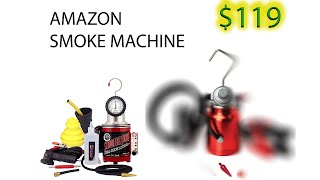
How to confirm: Perform a smoke test. 🎬 Watch: How to find a vacuum leak with a smoke machine. This is the most effective way to find the source of a vacuum leak. Visually inspect all vacuum lines, the PCV system (especially the hose running around the back of the engine on the LLT), and the intake air boot for cracks or loose connections. You can also spray carb cleaner or water around suspected areas and listen for a change in engine idle, but a smoke test is safer and more definitive.
Typical fix: Replace the cracked hose or leaking gasket. Tighten the clamps on the air intake tube. On LLT engines, the rear PCV hose is a common failure point.
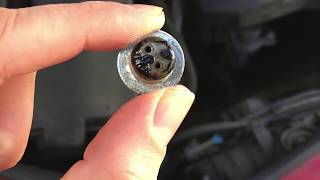
Est. part cost: $10-$100 - Dirty or Faulty Mass Airflow (MAF) Sensor 🔴 High Probability The sensor can become contaminated with dirt and oil over time, especially if an aftermarket oiled air filter (like K&N) is used. This causes it to inaccurately measure the amount of air entering the engine.
How to confirm: Remove the sensor and inspect it for contamination. With a scan tool, monitor the MAF reading at idle with the engine at operating temperature and accessories off. For the 3.6L engine, it should be around 3.6-4.3 g/s (approximately 1.0-1.2 x engine displacement in liters). A reading significantly lower than expected can indicate a vacuum leak, while a higher reading can point to a bad sensor.
Typical fix: Clean the sensor wires carefully using only dedicated MAF sensor cleaner. 🎬 See this in-depth guide on cleaning your MAF sensor correctly. Do not touch the wires. If cleaning doesn't work, the sensor must be replaced.
Est. part cost: $10 for cleaner, $70-$150 for a new sensor - Faulty EVAP Purge Solenoid Valve 🟡 Medium Probability This is an extremely common failure on the 3.6L V6 across many GM platforms. The valve can get stuck open, creating a constant vacuum leak that the ECM doesn't account for, leading to lean codes.
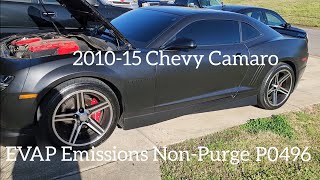
How to confirm: With the engine running, disconnect the electrical connector from the purge valve. Then, disconnect the hose and place your finger over the nipple on the valve. If you feel suction, the valve is stuck open and needs to be replaced. This often appears with EVAP codes like P0496.
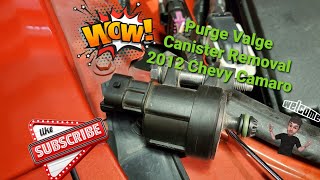
Typical fix: Replace the EVAP purge solenoid valve. It is typically located on top of the engine and is a relatively simple and inexpensive repair. 🎬 Watch: How to remove and replace the purge valve canister.
Est. part cost: $25-$50 - Dislodged Air Cleaner Hydrocarbon Pad 🟡 Medium Probability Per TSB #PIP4813C, the hydrocarbon absorber pad in the air cleaner assembly lid can get damaged or fall out, disturbing the airflow across the MAF sensor and causing false lean readings.
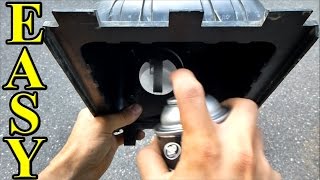
How to confirm: Open the air filter box and inspect the inside of the lid. Check if the fabric-like pad is present, secure, and not obstructing the air path to the MAF sensor.
Typical fix: If the pad is damaged or missing, the official fix is to replace the air cleaner lid assembly.
Est. part cost: $50-$120 - Low Fuel Pressure or Delivery Issue ⚪ Low Probability
How to confirm: Connect a fuel pressure gauge to the Schrader valve on the low-pressure fuel line. Check that the pressure is within the manufacturer's specification (typically around 58 PSI for these models). A clogged fuel filter or weak fuel pump can cause low pressure.
Typical fix: If pressure is low, the issue could be a weak fuel pump, a clogged fuel filter, or a faulty fuel pressure regulator. Diagnosis is required to pinpoint the failed component.
Est. part cost: $50-$400 - Exhaust Leak (before O2 Sensor) ⚪ Low Probability Forum members have reported finding loose exhaust manifold bolts, which can create a leak that allows outside air to be pulled into the exhaust stream.
How to confirm: Visually inspect the exhaust manifolds for black soot trails indicating a leak. Listen for a ticking or puffing sound from the engine bay, especially when the engine is cold. An exhaust leak can sometimes be heard as a drone inside the cabin.
Typical fix: Replace the leaking exhaust manifold gasket and tighten bolts to the correct torque specification.
Est. part cost: $20-$60
Diagnosis Steps
- Check for other stored trouble codes. If P0174 is also present, focus on causes that affect both engine banks (MAF, fuel pressure, EVAP purge valve, large vacuum leak). If P0496 is present, the EVAP purge valve is the primary suspect.
- Visually inspect the engine bay. Look for obvious issues like a disconnected air intake tube, cracked vacuum hoses, or a loose oil filler cap.
- Inspect the air filter housing lid for the dislodged hydrocarbon pad as described in TSB #PIP4813C.
- Test the EVAP purge solenoid. With the engine running, disconnect the electrical plug and check for vacuum at the valve's inlet port. If suction is present, the valve is faulty.
- Perform a smoke test to definitively identify any vacuum leaks. Pay close attention to the intake manifold gaskets, PCV hoses (especially the rear hose on LLT engines), and the brake booster line.
- If no vacuum leaks are found, remove and clean the Mass Airflow (MAF) sensor using a dedicated spray cleaner. Allow it to dry completely before reinstalling.
- If the code persists, check fuel pressure using a gauge to rule out a weak fuel pump or clogged filter.
- Inspect the exhaust manifolds and pipes leading to the upstream O2 sensors for any signs of a leak.
- As a final step, if all other tests are inconclusive, you may consider testing the upstream O2 sensor's function with a scan tool to ensure it is responding correctly, but it is rarely the root cause.
Parts You'll Likely Need
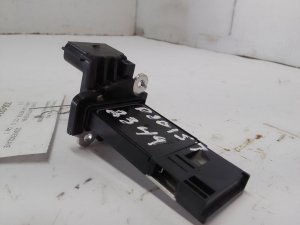
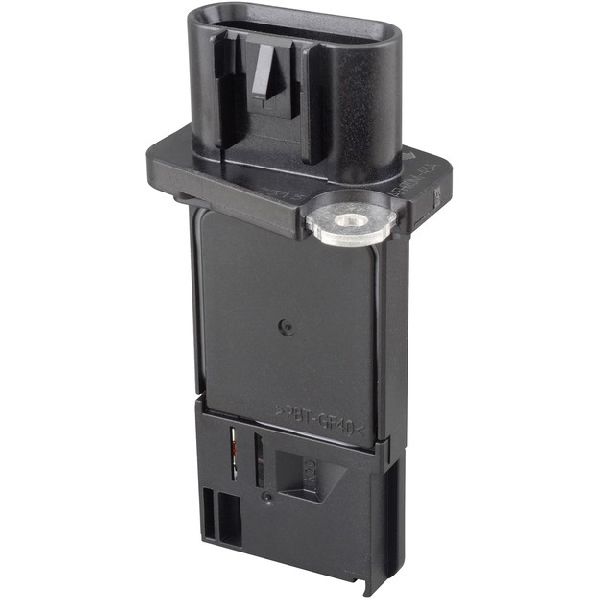
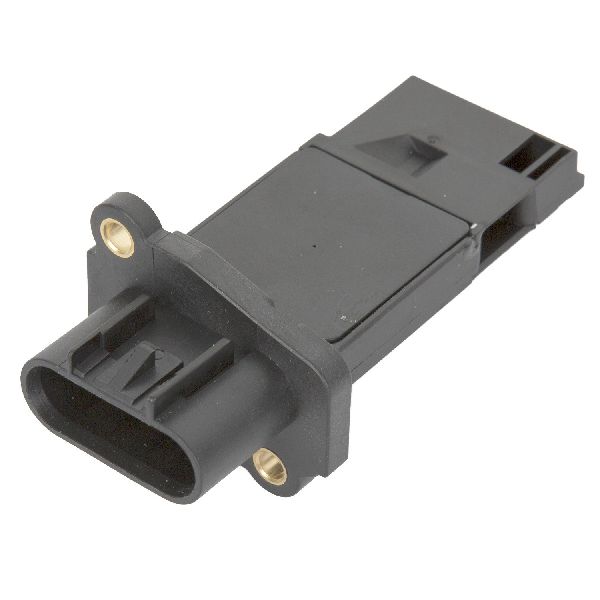
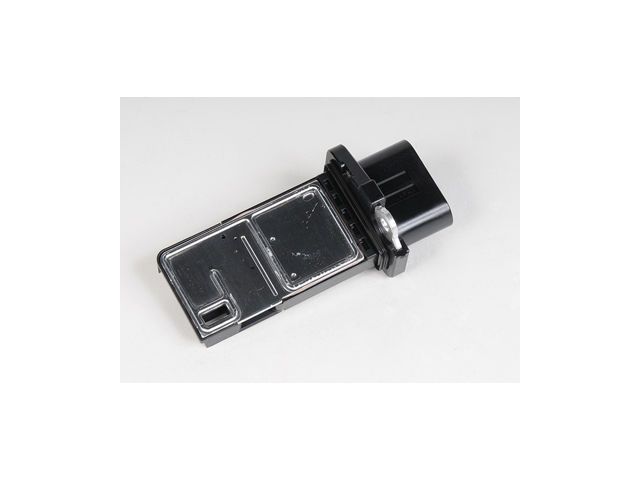
- Mass Airflow (MAF) Sensor
(OEM #ACDelco 23262343 (supercedes 12671624))— A dirty or failing MAF sensor is a very common cause for incorrect air measurement leading to this code. - EVAP Canister Purge Valve
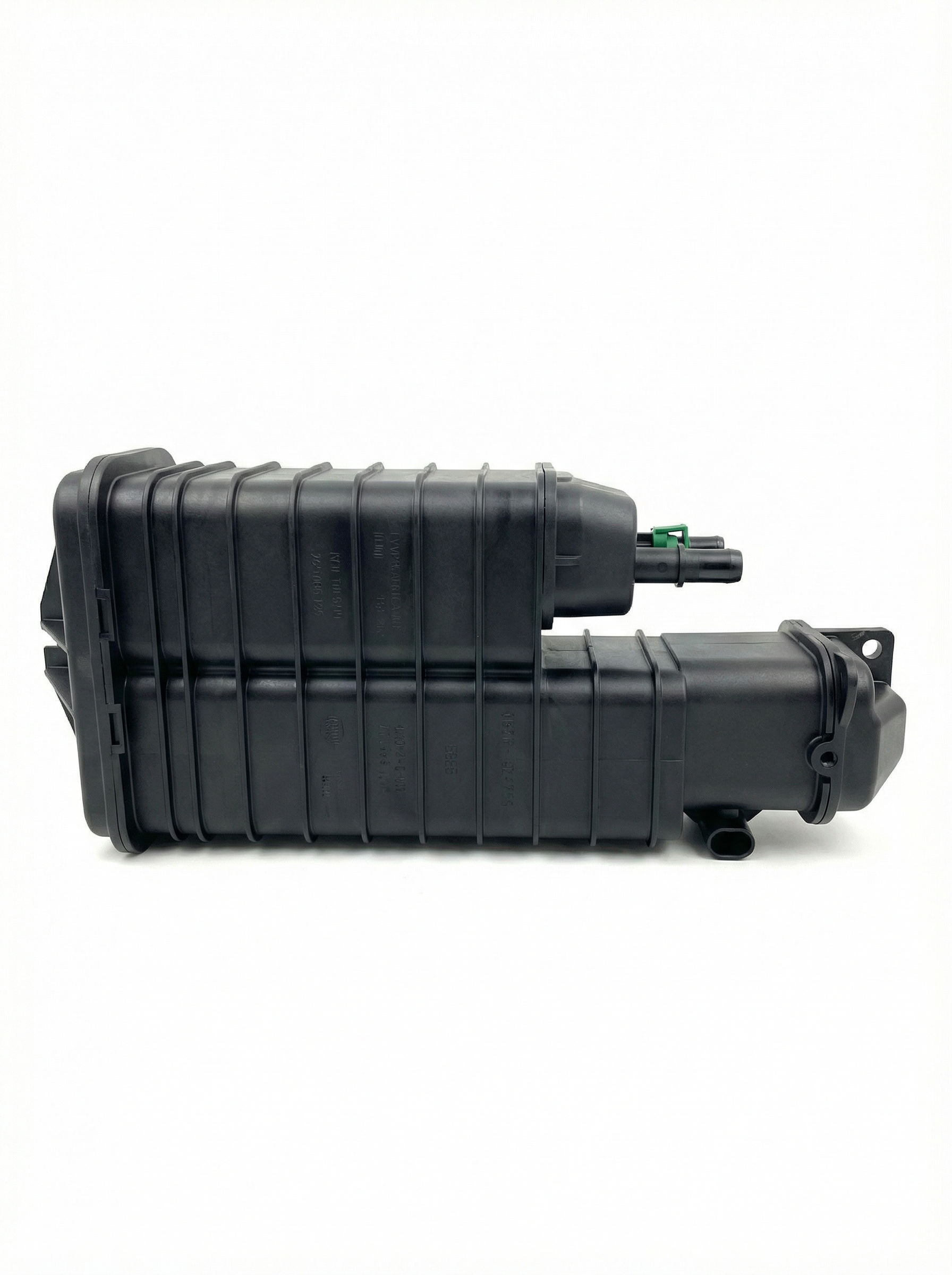
(OEM #ACDelco 214-2137 (check specific application))— Frequently fails by sticking open, creating a constant vacuum leak. - PCV Hose — Hoses become brittle and crack with age, especially the rear hose on the LLT engine, causing a major vacuum leak.
- Intake Manifold Gasket Set — Gaskets can shrink or crack over time, allowing unmetered air to enter the intake runners.
Related Codes That Often Appear With This One
- P0174 — System Too Lean (Bank 2). This indicates the same lean condition is happening on both sides of the engine, strongly pointing to a shared problem like the MAF sensor, a fuel delivery issue, a faulty EVAP purge valve, or a large vacuum leak after the MAF.
- P0101 — Mass Air Flow (MAF) Circuit Range/Performance. This code often appears with P0171 because a dirty MAF sensor or disrupted airflow (from a vacuum leak or the TSB issue) is a primary cause of the lean condition.
- P0300 — Random/Multiple Cylinder Misfire. A severe lean condition starves the cylinders of fuel, which can lead to incomplete combustion and misfires across one or more cylinders.
- P0496 — EVAP Flow During a Non-Purge Condition. This code is a strong indicator that the EVAP purge solenoid is stuck open, creating the vacuum leak that is also causing the P0171/P0174 codes.
Technical Service Bulletins (TSBs) & Recalls
- PIP4813C: Notes that a damaged or dislodged hydrocarbon absorber pad in the air cleaner assembly can be a cause for this code.
Platform-Specific Known Issues
- TSB #PIP4813C: On 2011-2015 models, a hydrocarbon absorber pad located in the air cleaner housing lid can become damaged or dislodged. This can disrupt airflow across the MAF sensor, leading to P0171 and/or P0174 codes. The fix is to inspect the pad and replace the air cleaner lid if necessary. Manufacturer TSB Bulletin #PIP4813C specifically notes that this issue can lead to a rough running condition and a lack of power.
Mechanic-Grade Diagnostic Values
- Long Term Fuel Trim (LTFT) at Idle — expected: Below +15%. Failure: Sustained values above +25%, with the code often setting when LTFT exceeds +35%. High trims at idle that decrease with RPM strongly suggest a vacuum leak.
- Mass Airflow (MAF) Sensor Reading at Idle — expected: Approximately 3.6 - 4.3 g/s (for 3.6L engine at operating temp, no accessories on).. Failure: A reading significantly lower than 3.6 g/s suggests unmetered air (vacuum leak) is entering after the sensor. A wildly high or erratic reading can indicate a faulty sensor.
- Low-Side Fuel Pressure (Key On, Engine Off) — expected: ~58 PSI (400 kPa).. Failure: Pressure significantly below specification indicates a weak fuel pump or clogged filter. Pressure that bleeds off quickly may indicate a faulty check valve in the pump assembly.
- Fuel Injector Resistance (2012-2015 LFX Engine) — expected: 1.2 - 1.8 Ohms.. Failure: A reading outside this range indicates a faulty injector coil. This is a low-impedance injector; do not confuse with the LLT spec.
- Fuel Injector Resistance (2010-2011 LLT Engine) — expected: ~11.8 - 13.5 Ohms.. Failure: A reading outside this range indicates a faulty injector coil. This is a high-impedance injector.
Scan Tool Commands That Help
- GDS2 / Tech2 / Professional Scan Tool: Live Data Monitoring: Fuel Trims (STFT & LTFT) — This is the primary diagnostic function. Monitor Bank 1 and Bank 2 fuel trims at idle and then at a steady 2500 RPM. If high positive trims at idle return to near zero at 2500 RPM, a vacuum leak is the most likely cause. If trims remain high across all RPMs, it points towards a MAF sensor or fuel delivery issue.
- GDS2 / Tech2 / Professional Scan Tool: Freeze Frame Data Analysis — Review the freeze frame data to see the exact engine conditions (RPM, load, coolant temp) when the P0171 code was triggered. This provides critical context; for example, if the code set at idle, it reinforces the vacuum leak theory.
- GDS2 / Tech2 / Professional Scan Tool: Fuel Trim Reset — After a repair is completed (e.g., fixing a vacuum leak or replacing a MAF sensor), use this function to reset the learned long-term fuel trim values to zero. This forces the ECM to relearn immediately and allows you to verify the fix by watching if the new fuel trims stay close to 0%.
Wiring & Ground Locations
- G103 — Located on the cowl in the left rear of the engine compartment, above the brake booster.. This is a major ground point for the Engine Control Module (ECM). A poor connection here can cause erratic ECM behavior and incorrect sensor readings, potentially leading to false lean codes.
- G105 / G106 — Located on the frame rails in the front of the engine bay, often behind the headlamps or cooling fan relays.. These are primary engine compartment grounds. The MAF sensor, O2 sensors, and fuel pump all rely on a clean ground path to function correctly. A corroded G105/G106 can cause sensor signals to be misinterpreted by the ECM.
- Cylinder Head Grounds — Ground wires are attached to the rear of both the driver's side and passenger's side cylinder heads.. These provide a primary ground path for the engine block and the sensors mounted to it. A loose or corroded head ground can cause issues that are difficult to trace, including sensor signal noise that could contribute to fuel trim problems.
Real Owner Repair Stories
- GMTNation forum user (2006 GM Vehicle with 4.2L engine (similar P0171 logic)) — Persistent P0171 code setting after 50 miles, despite numerous part replacements. LTFT was at +24.2% at idle.
❌ Tried (didn't work) Replaced air filter, Used fuel injector cleaner, Cleaned throttle body, Replaced front oxygen sensor (ACDelco), Replaced MAF Sensor (ACDelco), Replaced SAIS solenoid
✅ What actually fixed it The user noted they had re-used the old throttle body gasket when cleaning it. The final suspected cause, after all other parts failed to fix the issue, was a small vacuum leak at this re-used gasket, which is a classic example of a leak a smoke test might miss if not perfectly administered.
"I Checked Everything" — The Actual Cause
- A dirty MAF sensor can cause P0171/P0174 without any vacuum leaks. If the sensor is under-reporting airflow, the ECM will command insufficient fuel, creating a lean condition. A smoke test will come back clean because there is no unmetered air leak. Cleaning the MAF sensor is the fix.
- A weak fuel pump or clogged fuel filter can starve the engine for fuel, causing high positive fuel trims. A smoke test will be negative as the issue is on the fuel delivery side, not the air intake side. A fuel pressure test is required for diagnosis.
OEM Part Supersession History
12671624→ACDelco 23262343— Updated design or manufacturer change for the Mass Airflow (MAF) sensor.
Model Year Variations Within This Range
- 2010-2011 (LLT Engine): Uses an aluminum intake manifold, external/separate cast iron exhaust manifolds, a Bosch ECM, and high-impedance (~12 Ohm) fuel injectors. The PCV system uses more external, crack-prone rubber hoses.
- 2012-2015 (LFX Engine): Uses a lighter composite intake manifold, cylinder heads with integrated exhaust manifolds, a Delphi ECM, and low-impedance (~1.5 Ohm) fuel injectors. This makes diagnosing injectors with a multimeter critically different from the LLT.
Diagnostic Flowchart
Other Known Issues on This Vehicle
Issues unrelated to this code that are worth knowing about as an owner of this generation:
- Premature Timing Chain Stretch (LLT Engine) 🔴 High — Very common on 2010-2011 LLT engines, often before 100,000 miles. Exacerbated by long oil change intervals. (Ref: GM Special Coverage #11340C (expired) covered some models.)
- Intake Valve Carbon Buildup (Direct Injection) 🟠 Medium — A common issue on all direct injection engines (LLT/LFX), leading to misfires and rough running over time. Typically requires cleaning every 60k-100k miles. (Ref: TSB PIP5029G addresses misfires due to carbon buildup.)
- Ignition Key Stuck / Accidental Shutdown 🟠 Medium — Widespread issue on 2010-2014 models with a folding key, where a driver's knee could bump the key and turn off the engine. (Ref: Subject of a major GM recall.)
- Water Pump Failure 🟠 Medium — Some reports of water pumps developing coolant leaks before 100,000 miles.
- Faulty Passenger Seat Occupancy Sensor 🟡 Low — The sensor mat in the passenger seat can tear, causing the airbag warning light to illuminate constantly.
Used vs. New Parts: Buying Guide for This Vehicle
When a used part is the smart pick: For this repair, used parts are generally not recommended for sensors or fuel components. A used part may be a viable option for a purely structural component like an air cleaner housing/lid if it is confirmed to be intact, including the hydrocarbon pad.
Donor-vehicle mileage cap: roughly under 75000 miles for the part to have meaningful remaining life.
What to inspect on the donor part:
- For an airbox lid, ensure the hydrocarbon pad is present and fully intact.
- For an intake manifold, check for any hairline cracks, especially around mounting points and seams.
- Verify the donor vehicle was not in a front-end collision that could have stressed plastic components.
OEM-only on this vehicle (don't cheap out):
- Mass Airflow (MAF) Sensor: Aftermarket MAF sensors are notoriously problematic and a frequent cause of persistent or new lean/rich codes. Stick with ACDelco OEM.
- Fuel Injectors: Direct injection fuel injectors are precision components. To ensure correct flow rates and spray patterns, OEM parts are strongly recommended.
Aftermarket brands forum-validated for this vehicle:
- For sensors, ACDelco (OEM) or Denso are generally the most trusted brands.
Brands owners have reported issues with on this vehicle:
- Generic, no-name, or unbranded MAF sensors from online marketplaces. User reviews frequently report these parts being defective out of the box or failing shortly after installation.
Real Owner Stories
Aggregated from forums and TSBs cited above. Mileages and costs reflect what owners reported in those sources.
2010-2015 Chevrolet Camaro LLT/LFX 3.6L V6 — 115000 miles
Symptoms: Fought P0171 and P0174 codes for a significant period of time.
What fixed it: Replaced intake hoses, resealed EVAP hoses, replaced intake manifold seals, and replaced injector o-rings.
Source hint: Camaro5.com user report mentioned in vehicle_specific_issues
2015 Chevrolet Camaro RS 3.6L V6
Symptoms: Check engine light with P0171 code.
What fixed it: Diagnostic focus on MAF g/s readings and EVAP purge valve testing.
Source hint: Camaro5.com thread titled 'P0171 code on 2015 RS'
2010-2015 Chevrolet Camaro 3.6L V6
Symptoms: High idle when rolling to a stop; suspected exhaust leak.
What fixed it: Investigation of P0171/P0174 System too lean (bank 1 & 2).
Source hint: Camaro5.com thread titled 'P0171/P0174 - System too lean (bank 1 & 2)'
2010-2015 Chevrolet Camaro 3.6L V6
Symptoms: Exhaust drone symptom and lean codes.
What fixed it: Extensive diagnostics including cleaning the MAF sensor and replacing the PCV hose.
Source hint: Camaro5.com thread titled 'P0174 and P0171 Code Help'
Related OBD-II Codes
Frequently Asked Questions
What does TSB #PIP4813C say about my 2011-2015 Camaro's air box?
Why does my Camaro V6 idle at 1800-2000 RPM when I'm rolling to a stop?
Is there a specific PCV hose on the LLT engine known for causing P0171?
How can I tell if my EVAP purge solenoid is causing the lean code?
Can my aftermarket K&N air filter cause a P0171 code?
What should the MAF sensor reading be for my 3.6L V6 at idle?
Other Known Issues on This Vehicle
Issues unrelated to this code that are worth knowing about as an owner of this generation:
- Premature Timing Chain Stretch (LLT Engine) 🔴 High — Very common on 2010-2011 LLT engines, often before 100,000 miles. Exacerbated by long oil change intervals. (Ref: GM Special Coverage #11340C (expired) covered some models.)
- Intake Valve Carbon Buildup (Direct Injection) 🟠 Medium — A common issue on all direct injection engines (LLT/LFX), leading to misfires and rough running over time. Typically requires cleaning every 60k-100k miles. (Ref: TSB PIP5029G addresses misfires due to carbon buildup.)
- Ignition Key Stuck / Accidental Shutdown 🟠 Medium — Widespread issue on 2010-2014 models with a folding key, where a driver's knee could bump the key and turn off the engine. (Ref: Subject of a major GM recall.)
- Water Pump Failure 🟠 Medium — Some reports of water pumps developing coolant leaks before 100,000 miles.
- Faulty Passenger Seat Occupancy Sensor 🟡 Low — The sensor mat in the passenger seat can tear, causing the airbag warning light to illuminate constantly.
Used vs. New Parts: Buying Guide for This Vehicle
When a used part is the smart pick: For this repair, used parts are generally not recommended for sensors or fuel components. A used part may be a viable option for a purely structural component like an air cleaner housing/lid if it is confirmed to be intact, including the hydrocarbon pad.
Donor-vehicle mileage cap: roughly under 75000 miles for the part to have meaningful remaining life.
What to inspect on the donor part:
- For an airbox lid, ensure the hydrocarbon pad is present and fully intact.
- For an intake manifold, check for any hairline cracks, especially around mounting points and seams.
- Verify the donor vehicle was not in a front-end collision that could have stressed plastic components.
OEM-only on this vehicle (don't cheap out):
- Mass Airflow (MAF) Sensor: Aftermarket MAF sensors are notoriously problematic and a frequent cause of persistent or new lean/rich codes. Stick with ACDelco OEM.
- Fuel Injectors: Direct injection fuel injectors are precision components. To ensure correct flow rates and spray patterns, OEM parts are strongly recommended.
Aftermarket brands forum-validated for this vehicle:
- For sensors, ACDelco (OEM) or Denso are generally the most trusted brands.
Brands owners have reported issues with on this vehicle:
- Generic, no-name, or unbranded MAF sensors from online marketplaces. User reviews frequently report these parts being defective out of the box or failing shortly after installation.
Real Owner Stories
Aggregated from forums and TSBs cited above. Mileages and costs reflect what owners reported in those sources.
2010-2015 Chevrolet Camaro LLT/LFX 3.6L V6 — 115000 miles
Symptoms: Fought P0171 and P0174 codes for a significant period of time.
What fixed it: Replaced intake hoses, resealed EVAP hoses, replaced intake manifold seals, and replaced injector o-rings.
Source hint: Camaro5.com user report mentioned in vehicle_specific_issues
2015 Chevrolet Camaro RS 3.6L V6
Symptoms: Check engine light with P0171 code.
What fixed it: Diagnostic focus on MAF g/s readings and EVAP purge valve testing.
Source hint: Camaro5.com thread titled 'P0171 code on 2015 RS'
2010-2015 Chevrolet Camaro 3.6L V6
Symptoms: High idle when rolling to a stop; suspected exhaust leak.
What fixed it: Investigation of P0171/P0174 System too lean (bank 1 & 2).
Source hint: Camaro5.com thread titled 'P0171/P0174 - System too lean (bank 1 & 2)'
2010-2015 Chevrolet Camaro 3.6L V6
Symptoms: Exhaust drone symptom and lean codes.
What fixed it: Extensive diagnostics including cleaning the MAF sensor and replacing the PCV hose.
Source hint: Camaro5.com thread titled 'P0174 and P0171 Code Help'
Related OBD-II Codes
Frequently Asked Questions
What does TSB #PIP4813C say about my 2011-2015 Camaro's air box?
Why does my Camaro V6 idle at 1800-2000 RPM when I'm rolling to a stop?
Is there a specific PCV hose on the LLT engine known for causing P0171?
How can I tell if my EVAP purge solenoid is causing the lean code?
Can my aftermarket K&N air filter cause a P0171 code?
What should the MAF sensor reading be for my 3.6L V6 at idle?
Helpful Videos

Used OEM Parts in Stock



New Aftermarket Parts Available


The information in this article is provided for general reference and educational purposes only. Vehicle specifications, procedures, and part compatibility can vary by production date, trim level, and region. Always consult your vehicle's factory service manual and verify part numbers before purchasing or performing repairs. Safety-critical components such as airbags, seat belts, and braking systems should be installed by a qualified professional.
- Chevrolet Camaro:
- 🎬 Helpful Videos
- 🛍️ Shop This Part
- What's Unique About the 2010-2015 Chevrolet Camaro
- Symptoms You May Notice
- Most Likely Causes
- Diagnosis Steps
- Parts You'll Likely Need
- Related Codes That Often Appear With This One
- Technical Service Bulletins (TSBs) & Recalls
- Platform-Specific Known Issues
- Mechanic-Grade Diagnostic Values
- Scan Tool Commands That Help
- Wiring & Ground Locations
- Real Owner Repair Stories
- "I Checked Everything" — The Actual Cause
- OEM Part Supersession History
- Model Year Variations Within This Range
- Diagnostic Flowchart
- Other Known Issues on This Vehicle
- Used vs. New Parts: Buying Guide for This Vehicle
- Real Owner Stories
- 2010-2015 Chevrolet Camaro LLT/LFX 3.6L V6 — 115000 miles
- 2015 Chevrolet Camaro RS 3.6L V6
- 2010-2015 Chevrolet Camaro 3.6L V6
- 2010-2015 Chevrolet Camaro 3.6L V6
- Related OBD-II Codes
- Frequently Asked Questions
- Other Known Issues on This Vehicle
- Used vs. New Parts: Buying Guide for This Vehicle
- Real Owner Stories
- 2010-2015 Chevrolet Camaro LLT/LFX 3.6L V6 — 115000 miles
- 2015 Chevrolet Camaro RS 3.6L V6
- 2010-2015 Chevrolet Camaro 3.6L V6
- 2010-2015 Chevrolet Camaro 3.6L V6
- Related OBD-II Codes
- Frequently Asked Questions
- 🎟️ Get 5% Off