

P0158 on 2019-2021 Ram 1500: O2 Sensor 2/2 Circuit High Causes and Fixes
This code almost always points to a failed downstream oxygen sensor on Bank 2 (passenger side, after the catalytic converter). Expect to pay $50-$100 for an aftermarket sensor and $120-$200 for an OEM Mopar part (like P/N 68224424AA). It is a manageable DIY repair for those with basic tools, primarily an O2 sensor socket.
- P0158 on your Ram 1500 means the passenger-side, downstream O2 sensor is sending a high voltage signal.
- The most likely cause is a failed O2 sensor, which is a common wear item. The OEM Mopar part number is often 68224424AA.
- Before buying parts, check the sensor's wiring harness for any obvious damage like melting or chafing, as this is the second most likely cause.
- This is a DIY-friendly repair; you'll need a 22mm or 7/8" O2 sensor socket, a ratchet, and potentially some penetrating oil if the old sensor is rusted in place.
- Ignoring the code will lead to a failed emissions test and can harm your catalytic converter over time if the root cause is a rich fuel condition.
What's Unique About the 2019-2021 Ram 1500
For the 2019-2021 Ram 1500 (DT generation), this code is a relatively straightforward diagnostic. While wiring issues can occur on any vehicle, the most common cause is simply a failed sensor. A Technical Service Bulletin (TSB S2108000025 Rev. A) was issued specifically for the 2019 model year for this exact code, indicating that the manufacturer is aware of potential issues with the Bank 2, Sensor 2 O2 sensor and has a defined diagnostic and repair procedure. Unlike some other Stellantis platforms (like the Jeep Wrangler JL) where similar codes point to systemic electrical issues frying sensors, on the Ram 1500 it's more often a simple sensor failure.
Diagnostic Flowchart
Tap your situation to follow the diagnostic path that matches what you're seeing on this vehicle.
Symptoms You May Notice
- Check Engine Light is on
- Reduced fuel economy
- Engine may run rich, sometimes causing a fuel smell from the exhaust
- Rough idle or engine hesitation
- Replacing the catalytic converter. The P0158 code indicates a problem with the sensor monitoring the converter, not necessarily the converter itself.
- Replacing the wrong O2 sensor. It is crucial to identify Bank 2 (passenger side) and Sensor 2 (downstream/after-cat) correctly before replacing any parts.
- Using cheap aftermarket sensors. Some owners report chasing codes after installing a non-OEM or non-NTK sensor, only to solve the problem by installing a Mopar part.
Most Likely Causes
- Failed Oxygen Sensor (Bank 2, Sensor 2) 🔴 High Probability O2 sensors are wear-and-tear items that fail over time due to heat and contaminants. The existence of TSB S2108000025 Rev. A for the 2019 model year specifically for P0158 confirms a known failure pattern. Forum users on 5thgenrams.com and ramforum.com consistently report that replacing the sensor resolves the code.
How to confirm: Use an OBD-II scanner with live data to monitor the B2S2 voltage. If the voltage is stuck high (e.g., above 0.9V) and doesn't fluctuate, the sensor is likely bad. Another test is to unplug the sensor; if the voltage on the scan tool drops to a low, steady value, the sensor itself is confirmed to be the source of the high voltage signal.
Typical fix: Replace the Bank 2, Sensor 2 oxygen sensor. 🎬 Watch: How to diagnose and fix the P0158 code Many forum users recommend using OEM Mopar or NTK sensors, as some have reported that aftermarket brands like Bosch can cause new, different codes to appear.
Est. part cost: $50-$200 - Wiring or Connector Damage 🟡 Medium Probability The sensor wiring is located under the truck and is exposed to road debris, water, and extreme exhaust heat, which can cause corrosion or physical damage. A common failure point is the harness melting from contact with the hot exhaust pipe, causing a short circuit in the signal wire that results in a 'Circuit High' code.
How to confirm: Visually inspect the wiring harness and connector for the B2S2 sensor from the sensor all the way back to where it is secured to the chassis. Look for melted plastic, frayed wires, or green corrosion on the connector pins. Test for a short to voltage in the signal wire using a multimeter with the sensor disconnected.
Typical fix: Repair the damaged section of the wiring harness or clean/replace the connector.
Est. part cost: $10-$50 - Engine Running Rich ⚪ Low Probability Less common for this specific code to appear alone. A rich condition is usually caused by other issues like a leaking fuel injector, a faulty fuel pressure regulator, or even a failing upstream O2 sensor giving bad data.
How to confirm: This condition will almost always be accompanied by other trouble codes, such as P0175 (System Too Rich Bank 2). Check long-term and short-term fuel trim data on a scanner; consistently high negative values indicate the PCM is trying to compensate for a rich condition.
Typical fix: Diagnose and repair the root cause of the rich condition (e.g., replace leaking fuel injector).
Est. part cost: $100-$500+
Rare But Worth Checking
- Exhaust Leak: An exhaust leak before the O2 sensor can sometimes cause erratic readings, although it's less likely to cause a steady 'Circuit High' condition. A leak can draw in outside air, confusing the sensor.
- Faulty Powertrain Control Module (PCM): This is extremely rare and should only be considered after all other possibilities (sensor, wiring, rich condition) have been definitively ruled out through proper diagnostics. A forum user on DodgeForum.com went through extensive wiring checks before suspecting a faulty PCM driver.
Diagnosis Steps
- Connect an OBD-II scanner and confirm that P0158 is the active code.
- View live data on the scanner. Observe the voltage for 'O2S22' (or Bank 2 Sensor 2). A reading that is stuck high, around 0.9V to 1.0V or more, confirms the fault condition.
- Locate the Bank 2, Sensor 2 O2 sensor. It is on the passenger side of the vehicle, screwed into the exhaust pipe just after the catalytic converter.
- Thoroughly inspect the sensor's wiring harness and connector for any signs of melting, chafing, corrosion, or loose connections. Pay close attention to where the harness might contact the exhaust or driveshaft.
- If the wiring appears intact, disconnect the sensor's electrical connector. Observe the live data on the scanner again. If the voltage drops to near zero, the wiring to the PCM is likely good, and the sensor itself is faulty.
- If the voltage remains high after unplugging the sensor, there is a short to a voltage source in the wiring harness between the connector and the PCM. This will require further electrical diagnosis with a multimeter to trace the short.
- If all wiring checks out and the sensor is confirmed as the fault, replace the oxygen sensor. Using some penetrating oil on the threads before attempting removal can help, as they are often seized from heat and rust.
Parts You'll Likely Need
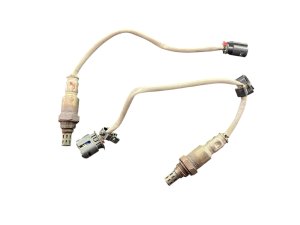
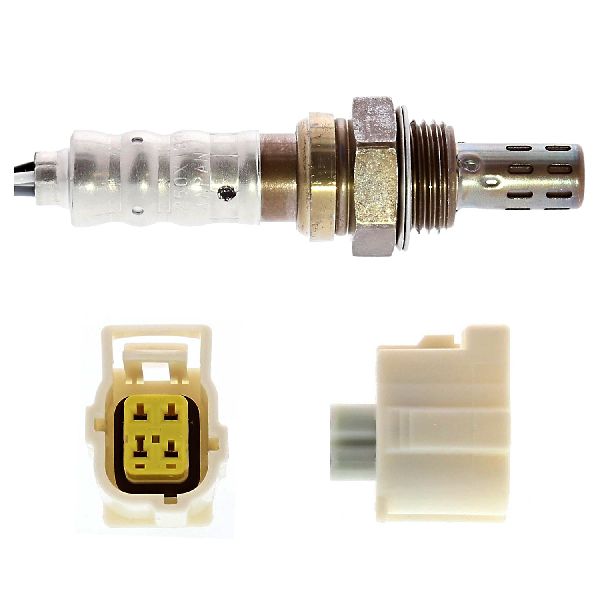
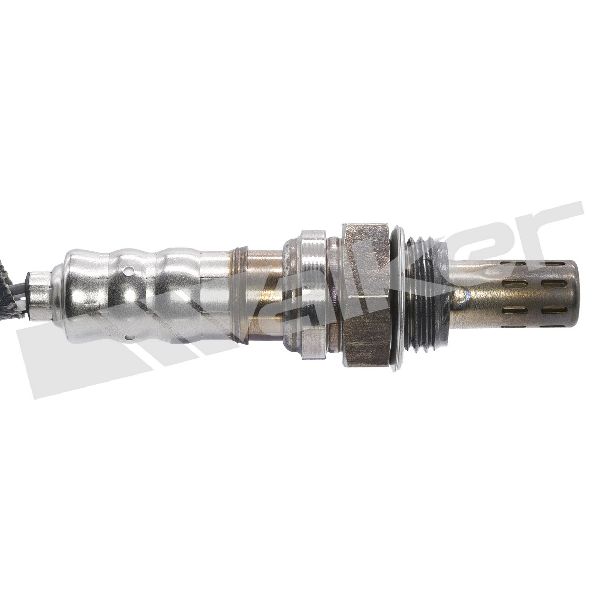
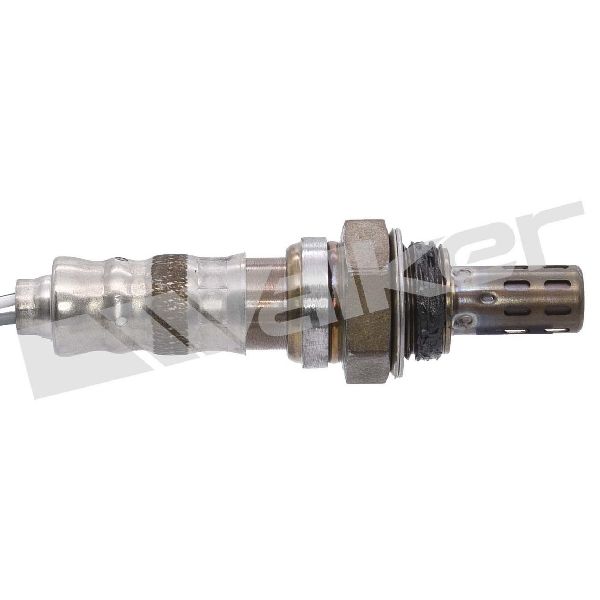
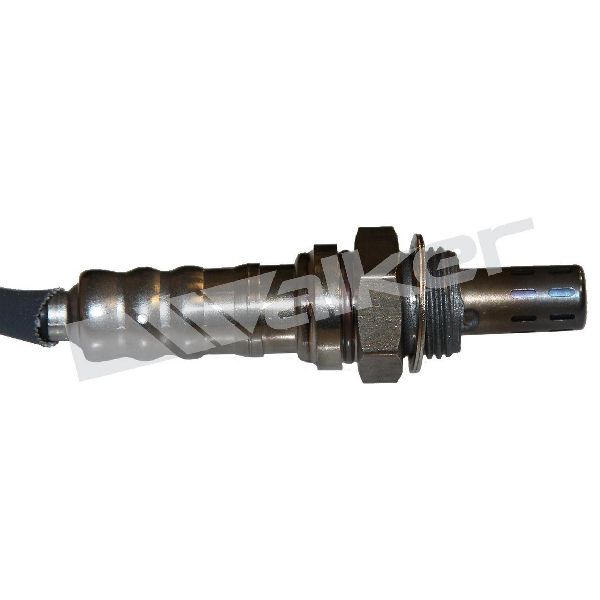
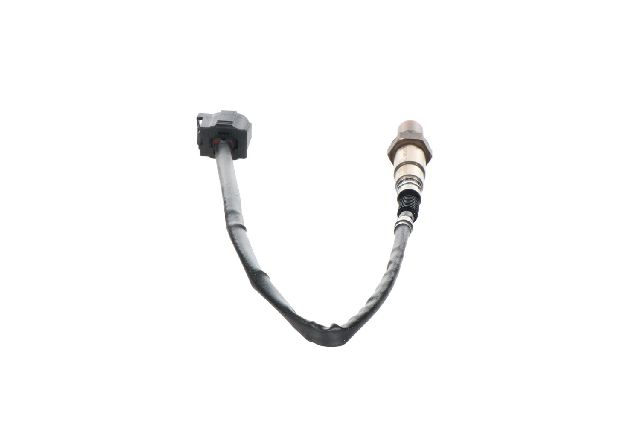
- Oxygen Sensor (Bank 2, Sensor 2)
(OEM #68224424AA)— This is the most common failure point for code P0158. The sensor's internal components wear out or get contaminated, leading to incorrect voltage signals. This part number appears to be a common sensor used for multiple positions on various Stellantis engines.
Trusted brands: Mopar, NTK, Denso
OEM price range: $120-$205
Aftermarket price range: $50-$100
Related Codes That Often Appear With This One
- P0175 — If the engine is genuinely running rich on Bank 2, you may also see a 'System Too Rich (Bank 2)' code along with P0158.
- P0138 — This is the equivalent code for Bank 1, Sensor 2 (driver's side). Seeing both P0138 and P0158 might suggest a systemic issue like high fuel pressure or a wiring problem common to both sensor harnesses, rather than two simultaneously failed sensors.
- P0157 — This code is for 'O2 Sensor Circuit Low Voltage (Bank 2, Sensor 2)'. Seeing both P0157 and P0158 intermittently could point to a severe wiring issue or a failing sensor that is fluctuating between open and shorted states.
Technical Service Bulletins (TSBs) & Recalls
- S2108000025 Rev. A: CEL Check Engine Lamp On, DTC P0158 O2 Sensor 2/2 Circuit High. This TSB confirms manufacturer awareness and provides a standard diagnostic procedure for dealers.
Platform-Specific Known Issues
- NHTSA Technical Service Bulletin #S2108000025 Rev. A was issued for 2019 Ram 1500s, directly addressing 'CEL Check Engine Lamp On, DTC P0158 O2 Sensor 2/2 Circuit High', confirming this is a known issue for the platform. The TSB outlines the diagnostic steps for a technician to confirm the failure.
- A user on 5thgenrams.com with a 2019 Ram 1500 Hemi experienced the P0158 code at 75,000 miles. The repair was a straightforward replacement of the passenger-side downstream O2 sensor, which solved the issue. This is a typical owner experience for this code.
- Multiple forum threads across Ram forums emphasize the importance of using OEM (Mopar) or NTK sensors. One user on RamForum.com described getting multiple new 'circuit high' codes immediately after replacing all four O2 sensors with non-OEM parts.
Mechanic-Grade Diagnostic Values
- O2 Sensor Heater Circuit Resistance — expected: 10 - 40 Ohms. Failure: A reading of 0 Ohms indicates a shorted element; an open circuit (infinite resistance) indicates a broken element.
- O2 Sensor Signal/Return Circuit Resistance — expected: Below 5.0 Ohms. Failure: Resistance above 5.0 Ohms indicates an open or high-resistance condition in the wiring between the sensor connector and the PCM.
- O2 Sensor Signal Wire Voltage (KOEO, Sensor Disconnected) — expected: ~0.45 Volts (PCM bias voltage). Failure: A reading significantly higher than 0.45V, especially above 0.9V, points to a short to voltage in the wiring harness.
- Live Data - Downstream O2 Sensor Voltage (Engine at operating temp) — expected: A relatively stable voltage, typically between 0.5V and 0.8V.. Failure: A voltage stuck high (above 0.9V) or fluctuating rapidly like an upstream sensor indicates a problem with the sensor or catalytic converter.
Scan Tool Commands That Help
- wiTECH 2.0 (Dealer Tool): View Flashes / TSBs — When diagnosing any code, the wiTECH tool can check if a PCM software update is available. It cross-references the update with a list of TSBs it resolves, allowing a technician to confirm if a known software bug is the cause of the P0158 code before replacing hardware.
- wiTECH 2.0 or high-level aftermarket scanner: O2 Sensor Heater Actuation — This bidirectional test allows the technician to command the O2 sensor's internal heater on and off while monitoring sensor voltage and response time. This helps verify the integrity of the heater circuit and power/ground supplies to the sensor.
Wiring & Ground Locations
- Main Cabin Grounds — Ring terminals located within the instrument panel, primarily on the driver's side, and between the front seats or under the front row center seat section.. The PCM and other modules rely on clean ground connections. A corroded or loose ground in the cabin can introduce electrical noise or voltage offsets, potentially affecting the O2 sensor return circuit and causing incorrect readings.
- Rear Frame Ground — A ground terminal is located at the rear of the vehicle on the frame, on the driver's side just rearward of the stabilizer link mount.. While less likely to directly affect the engine sensor circuits, this is a major chassis ground point. Corrosion here due to road salt and moisture can cause a wide range of difficult-to-diagnose electrical issues.
- O2 Sensor Connector — The 4-pin connector for the B2S2 sensor is located above the transmission, often requiring reaching up from the driver's side to access both bank's downstream sensor connectors.. This connector is a primary point of failure. Knowing its location is critical for testing the sensor vs. the harness. The 4 pins are typically for the heater power, heater ground, sensor signal, and sensor return/ground.
Real Owner Repair Stories
- DodgeForum.com user post (2005 Dodge Ram 1500 5.7L Hemi (similar diagnostic principles apply)) — Persistent P0158 code - O2 Sensor 2/2 Circuit High.
❌ Tried (didn't work) Replacing the O2 sensor., Checking the wiring harness for visible damage or shorts., Testing the signal wire resistance (Ohms), which showed the wire was good with no open spots.
✅ What actually fixed it The user measured the signal voltage at the PCM connector with the sensor unplugged and still found high voltage (4.17V). After confirming the wire wasn't shorted to another source externally, the final diagnosis pointed to an internal short within the Powertrain Control Module (PCM), which is a very rare but possible cause.
OEM Part Supersession History
68224424AA→68291423AA— Standard part evolution for improved reliability, material changes, or supplier changes.
Heads up: The new part number is the correct service replacement. Using old stock of the original part number is acceptable, but ordering a new replacement will yield the superseded part.
Helpful Videos

Used OEM Parts in Stock
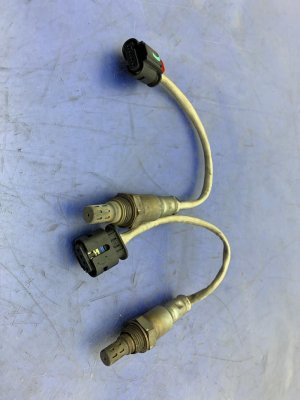

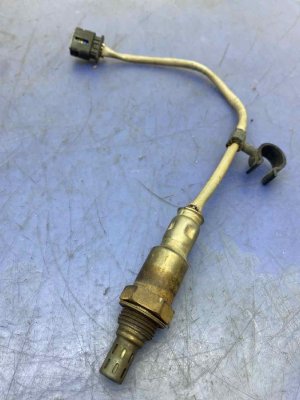
New Aftermarket Parts Available


The information in this article is provided for general reference and educational purposes only. Vehicle specifications, procedures, and part compatibility can vary by production date, trim level, and region. Always consult your vehicle's factory service manual and verify part numbers before purchasing or performing repairs. Safety-critical components such as airbags, seat belts, and braking systems should be installed by a qualified professional.
- Ram 1500:
- 🎬 Helpful Videos
- 🛍️ Shop This Part
- What's Unique About the 2019-2021 Ram 1500
- Diagnostic Flowchart
- Symptoms You May Notice
- Most Likely Causes
- Rare But Worth Checking
- Diagnosis Steps
- Parts You'll Likely Need
- Related Codes That Often Appear With This One
- Technical Service Bulletins (TSBs) & Recalls
- Platform-Specific Known Issues
- Mechanic-Grade Diagnostic Values
- Scan Tool Commands That Help
- Wiring & Ground Locations
- Real Owner Repair Stories
- OEM Part Supersession History
- 🎟️ Get 5% Off