

P0149 on 2012-2015 VW Passat 2.0L TDI: Fuel Timing Error Causes and Fixes
P0149 on a Passat TDI means 'Fuel Timing Error,' which almost always points to a failing High-Pressure Fuel Pump (HPFP). This is a critical code, often seen with P0087. The first step is checking for metal shavings in the fuel filter; if found, expect a catastrophic and expensive repair costing thousands, as the entire fuel system will need replacement.
- P0149 on your Passat TDI is a critical warning, not to be ignored.
- It is almost always accompanied by P0087, and together they point to a major issue with the High-Pressure Fuel Pump (HPFP).
- The absolute first step in diagnosis is to check for metal shavings ('glitter') in the fuel filter housing.
- If metal is found, the repair is a full fuel system replacement and will be very expensive. Do not let a shop replace only the pump.
- If no metal is found, the issue could be a less costly component like the fuel metering valve (N290) or the in-tank lift pump.
- Due to the high cost and complexity, diagnosis and repair by a VW TDI specialist are strongly recommended.
What's Unique About the 2012-2015 Volkswagen Passat
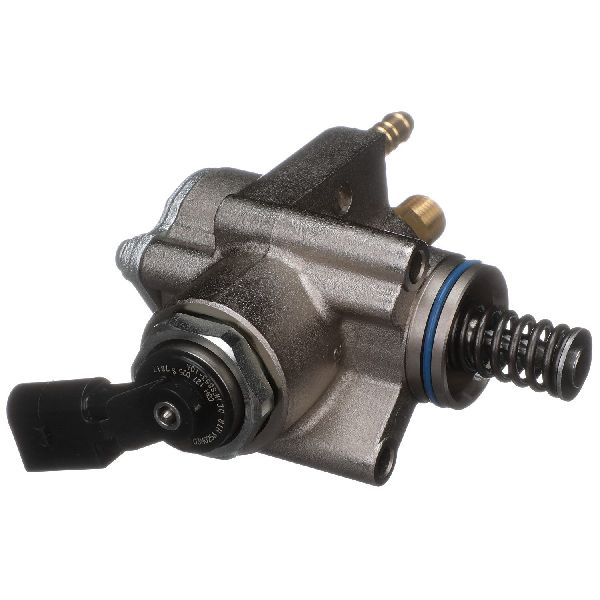
The 2012-2015 Passat TDI uses a Bosch CP4.1 high-pressure fuel pump (HPFP), which is notorious for a specific and catastrophic failure mode. Unlike many fuel system issues, a failure here can cause the pump to disintegrate internally, sending metallic fragments throughout the entire fuel system—from the tank to the injectors. This turns a single component failure into a full system contamination, making the P0149 code on this specific platform a much more severe warning than on other vehicles. The diagnostic process is therefore critically focused on checking for this metal contamination, as its presence dictates a multi-thousand dollar repair.
Symptoms You May Notice
- Check Engine Light illuminated
- Flashing glow plug light on the dashboard
- Engine stalls unexpectedly, especially under load
- Difficult or no-start condition, engine cranks but won't fire
- Noticeable loss of power and acceleration ('limp mode')
- Rough or uneven idle
- Increased engine noise or clatter
- Engine sputtering at highway speeds
- Replacing only the High-Pressure Fuel Pump (HPFP) when metal shavings are present. The debris left in the fuel lines, rail, and injectors will immediately destroy the new pump.
- Replacing fuel injectors first without confirming they are the root cause. Injector failure is usually a consequence of HPFP failure, not the cause of it.
- Condemning the HPFP without first verifying the in-tank low-pressure pump is supplying adequate fuel.
Most Likely Causes
- High-Pressure Fuel Pump (HPFP) Failure 🔴 High Probability The Bosch CP4.1 HPFP used on this engine is widely known for internal disintegration due to a lack of lubricity in US diesel fuel, which sends metal shavings through the fuel system. This is the most common and severe cause of P0149/P0087.
How to confirm: Carefully inspect the fuel filter housing for metallic glitter. A more definitive check is to remove the Fuel Metering Valve (N290) on top of the HPFP and inspect its small screens for metal particles. If any metal is found, the pump has failed. A user on r/tdi with a 2013 Passat at 119k miles experienced a no-start and P0149, with the community immediately pointing to this check as the definitive diagnosis.
Typical fix: If metal is present, the entire fuel system must be replaced. This includes the HPFP, all four fuel injectors, the fuel rail, high-pressure lines, the in-tank lift pump, and flushing or replacing the fuel tank. Simply replacing the pump will result in immediate contamination and failure of the new part. This is often covered under the 'Dieselgate' Extended Emissions Warranty, so check with a VW dealer first.
Est. part cost: $2000-$4000+ - Faulty Fuel Metering Valve (N290) 🟡 Medium Probability This valve, located on the HPFP, regulates fuel flow into the pump. It can fail electronically or get stuck without the pump itself having disintegrated.
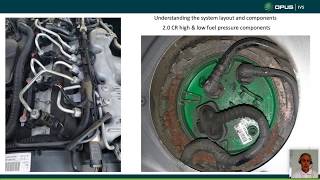
How to confirm: This is a likely cause ONLY if a thorough inspection for metal shavings comes back completely clean. Diagnosis would involve using a scan tool like VCDS to monitor commanded vs. actual fuel pressure while testing the valve's function. If pressure is erratic but no metal is found, the N290 is a primary suspect. 🎬 Watch: How to diagnose and fix low fuel rail pressure. A Ross-Tech forum user unsuccessfully tried swapping the N290 from an old pump to a new one, highlighting its role in the system.
Typical fix: Replace the Fuel Metering Valve (N290) on the HPFP. This is often available as a separate part from Bosch. The area must be perfectly clean before removal.
Est. part cost: $150-$300 - Weak In-Tank Lift Pump (LPFP) ⚪ Low Probability The low-pressure pump in the fuel tank can weaken over time, failing to supply enough fuel to the HPFP. This starves the HPFP, causing it to be unable to meet pressure targets, mimicking a high-pressure side failure.
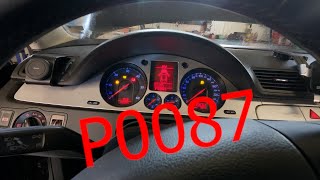
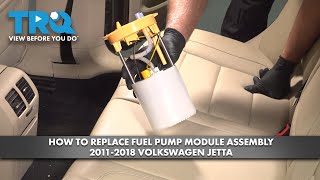
How to confirm: Test the low-pressure fuel supply to the HPFP. With a scan tool, you can activate the pump and measure its output pressure and flow to ensure it meets specifications. A technician on YouTube diagnosed a P0087 on a Passat TDI by activating the pump with VCDS, finding no response, and confirming no voltage at the pump, leading to a successful repair by replacing the LPFP. 🎬 Watch: Step-by-step walkthrough for replacing the fuel pump module.
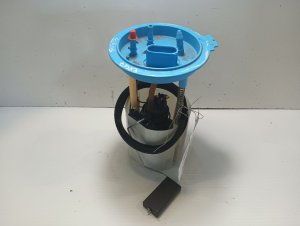
Typical fix: Replace the in-tank low-pressure fuel pump assembly.
Est. part cost: $200-$400
Rare But Worth Checking
- Incorrect Injection Pump Mechanical Timing: This is only a possibility if the code appeared immediately after a timing belt service. The pump gear may have been installed one tooth off.
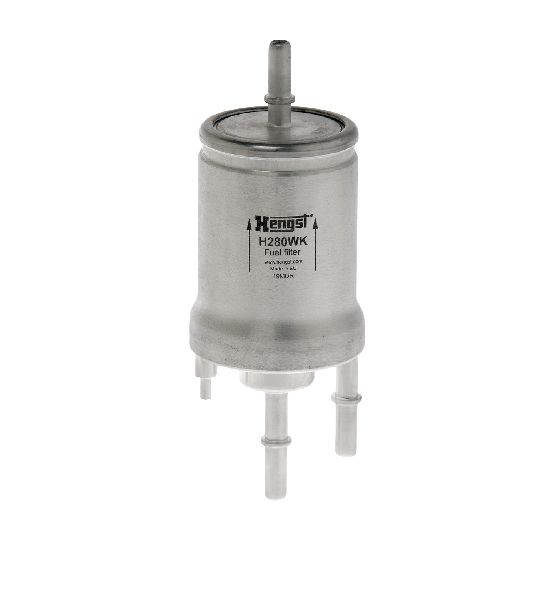
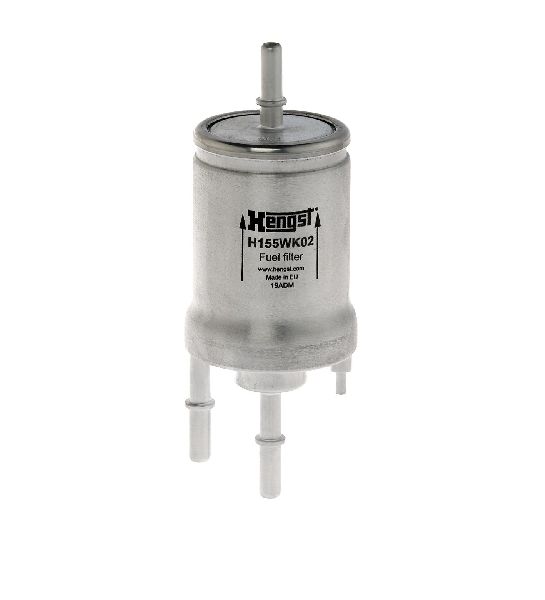
- Clogged Fuel Filter: A severely clogged fuel filter can restrict flow enough to starve the HPFP, causing low pressure codes. This is a basic maintenance item that should be checked first and is a key inspection point for HPFP failure.
- Faulty Fuel Rail Pressure Sensor (G247): While less common than pump failure, the sensor that reads the fuel pressure can fail, sending incorrect data to the ECM. A user on r/tdi reported a G247 code along with other pressure-related faults during their HPFP failure event.
Diagnosis Steps
- Scan for all DTCs. Confirm the presence of P0149 and note if P0087 and/or P053F are also present.
- CRITICAL STEP: Check for metal contamination. Open the fuel filter canister and swirl a magnet in the bottom. Inspect the filter pleats and the bottom of the housing for a metallic, glitter-like substance.
- If no metal is found in the filter, a more definitive check is to thoroughly clean the top of the HPFP, remove the two Torx bolts holding the Fuel Metering Valve (N290), and carefully inspect the small mesh screens on the valve for metal particles.
- IF METAL IS FOUND: Stop. The HPFP has failed. The only correct repair is a full fuel system replacement. Contact a VW dealer with your VIN to check for coverage under the Extended Emissions Warranty before authorizing repairs.
- IF NO METAL IS FOUND: Proceed with diagnosis. Use a scan tool (VCDS is preferred) to monitor specified vs. actual fuel rail pressure in the measuring blocks.
- Test the low-pressure fuel system. Verify the in-tank lift pump is providing adequate pressure and volume to the HPFP. This can be done by activating the pump via scan tool and checking for voltage/operation.
- If low-pressure supply is good and there is no metal, the fault is likely isolated to the HPFP (e.g., the N290 valve or the pump itself has failed without disintegrating) or a faulty sensor.
- Check for leaks at the injectors and pressure regulating valve.
Parts You'll Likely Need
- High-Pressure Fuel Pump (HPFP) System Kit
(OEM #03L130755L, 03L130755AB)— This is required if metal contamination is found. The kit typically includes the HPFP, injectors, fuel rail, lines, and filter, which is the only way to guarantee a lasting repair after a catastrophic failure. Part number 03L130755AB supersedes several older numbers including 03L130755AA and 03L130755D.
Trusted brands: Bosch, OEM Volkswagen
OEM price range: $2500-$4000
Aftermarket price range: $2000-$3500 - Fuel Metering Valve
(OEM #0928400706)— If no metal is found, the issue may be an electronically failed N290 valve. Replacing just this part can resolve the issue for a fraction of the cost of a full pump.
Trusted brands: Bosch
OEM price range: Not sold separately by VW
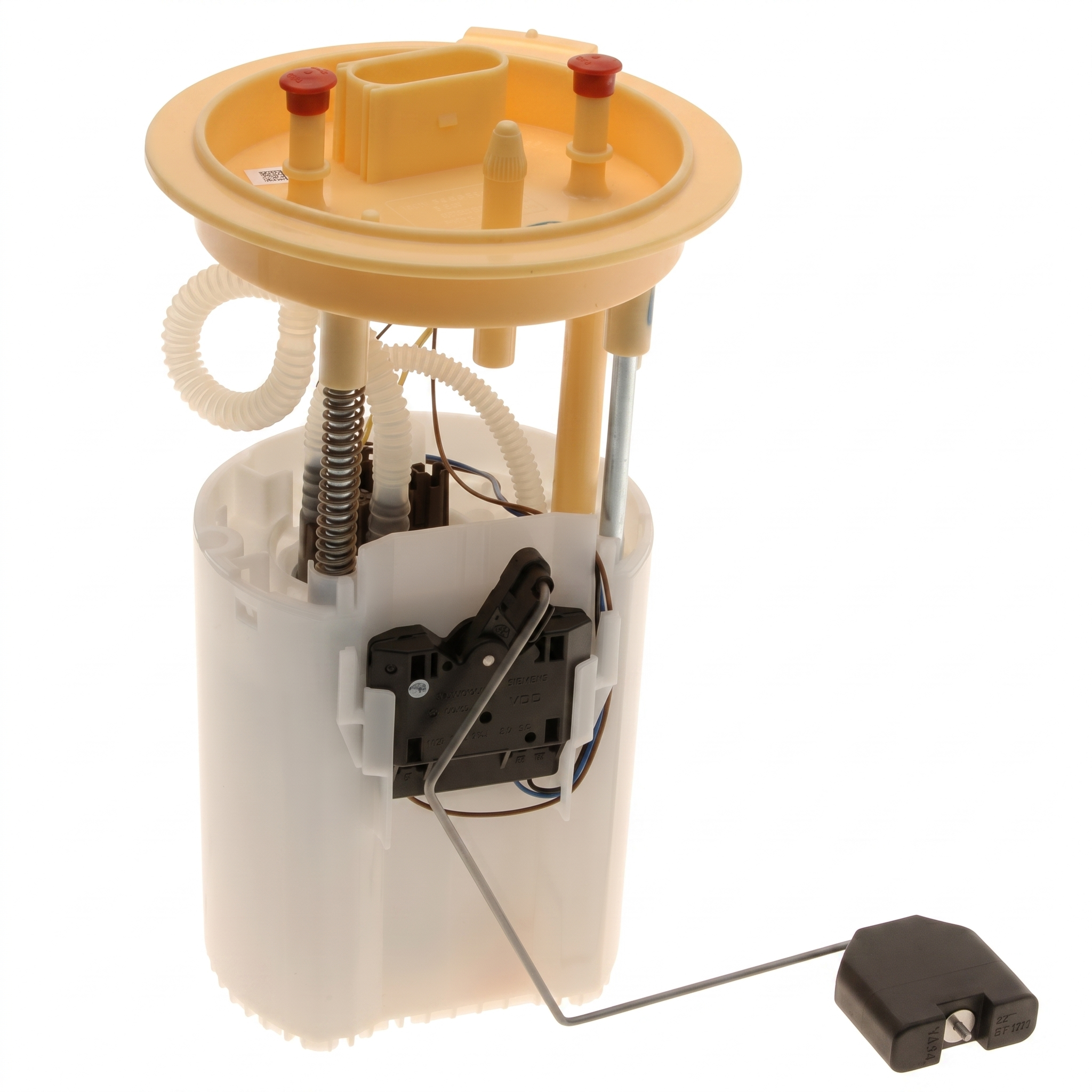
Aftermarket price range: $150-$300 - In-Tank Low-Pressure Fuel Pump — If tests show the low-pressure side is failing to supply the HPFP, this pump is the cause. It's a less common but possible failure point that leads to P0149.
Trusted brands: Bosch, VDO
OEM price range: $300-$450
Aftermarket price range: $150-$300
Related Codes That Often Appear With This One
- P0087 — Stands for 'Fuel Rail/System Pressure - Too Low'. This code is almost always seen with P0149, as the inability to maintain pressure (P0087) is what causes the timing error (P0149). VW TSBs and NHTSA documents consistently group these codes together.
- P053F — Stands for 'Cold Start Fuel Pressure Performance'. VW TSBs often group this code with P0149 and P0087, as a failing HPFP is often most noticeable during cold starts when higher pressures are commanded.
Technical Service Bulletins (TSBs) & Recalls
- NHTSA ID #10202587 / VIN4APIN20211026: Groups fault codes P0087, P0149, and P053F together, indicating a known pattern for a fuel system fault, strongly suggesting HPFP failure.
- VWP-15-06 (NHTSA ID: 10163335): Details the High-Pressure Fuel Pump Limited Warranty Extension for certain 2009-2012 TDI models, which may include some early Passats in this range.
- TSB Bulletin #VIN4APIN20211116: Notes that a customer may report the MIL-on with P0087, P0149, and P053F stored in the ECM.
- TSB Bulletin #VIN4APIN20210930: Confirms a pattern where the MIL is illuminated with the combination of P0087, P0149, and P053F in the ECM.
Platform-Specific Known Issues
- The Bosch CP4 HPFP on the CKRA engine is subject to a warranty extension in some cases. More importantly, vehicles that received the 'Dieselgate' emissions modification have a comprehensive Extended Emissions Warranty that covers the entire fuel system (including the HPFP) for an extende
Mechanic-Grade Diagnostic Values
- Low-Pressure Fuel Pump (LPFP) Output Pressure — expected: 4.0 to 7.0 Bar (~58 to 101 PSI) when tested with a mechanical gauge at the HPFP inlet. A Ross-Tech forum user measured 63-64 PSI on their Passat, which was considered borderline but likely acceptable.. Failure: Pressure significantly below 4.0 Bar (58 PSI) indicates a failing LPFP or a severe clog. Note: VCDS 'specified' low-pressure values can be unreliable; a mechanical gauge is recommended.
- High-Pressure Fuel Rail (G247 Sensor) Pressure — expected: Can exceed 1,800 Bar (~26,000 PSI) under load.. Failure: When monitoring with a scan tool, if the 'Actual' pressure consistently and significantly lags behind the 'Specified' or 'Requested' pressure, it points to a high-pressure side fault.
- Fuel Metering Valve (N290) Internal Resistance — expected: Approximately 450 to 1000 Ohms.. Failure: A reading outside this range indicates a faulty valve. This test should be performed if no metal is found in the fuel system.
- Fuel Rail Pressure Sensor (G247) Wiring Resistance — expected: Max 1.5 Ohms between the sensor connector and the ECM connector pins.. Failure: Higher resistance indicates a wiring problem (open circuit, corrosion) that could mimic a sensor or pump failure.
Scan Tool Commands That Help
- VCDS (VAG-COM): Engine -> Output Tests -> Fuel Pump Electronics — This command directly activates the in-tank low-pressure fuel pump (LPFP). It is essential for confirming if the pump runs when commanded, helping to distinguish between a failed pump and a wiring or control module issue.
- VCDS (VAG-COM): Engine -> Basic Settings -> Fuel Supply Pump Activation / Transfer Fuel Pump (FP) test — This function is used to run the in-tank fuel pump continuously for testing pressure/flow and for priming the entire fuel system after replacing a filter, pump, or other components to purge air.
- VCDS (VAG-COM): Engine -> Adv. Measuring Values -> Search for 'Fuel high-pressure: actual value' and 'High fuel pressure: specified value' — This is used to log and compare the requested versus actual fuel pressure from the high-pressure rail during idle, revving, and driving. A large, persistent deviation where the actual value is lower than specified is a key indicator of HPFP or related high-pressure system failure.
Wiring & Ground Locations
- Ground Point 15 — On the cylinder head.. A poor ground at this primary engine location can cause erratic behavior from engine-mounted sensors and actuators, including the HPFP's Fuel Metering Valve (N290) and the Fuel Rail Pressure Sensor (G247).
- Ground Point 652 — Engine/Gearbox ground strap.. This is the main ground path for the engine block to the chassis. Corrosion or looseness here can lead to a wide range of electrical issues, including intermittent sensor readings and control module communication problems that could potentially trigger fuel system codes.
- ECM Connector T60 — The 60-pin connector at the Engine Control Module (ECM/J623).. This is the termination point for wiring from the Fuel Metering Valve (N290) and Fuel Rail Pressure Sensor (G247). When testing for open circuits or shorts, checks are performed between the component connector and the pins at this ECM connector.
Real Owner Repair Stories
- Ross-Tech Forums user 'passdattdi' (2013 Passat TDI (CKRA), 224,079 km) — Glow plug light flashing, limp mode, engine eventually stalls. P0087 code present.
❌ Tried (didn't work) Confirmed good low-pressure fuel delivery (70 psi and ~1.5L/30s flow rate)., Swapped in a known-good in-tank lift pump with no change in results., Replaced the fuel pressure regulator (on the rail) but the P0087 code returned immediately.
✅ What actually fixed it The user's diagnostic journey pointed towards the High-Pressure Fuel Pump (HPFP) as the final likely culprit after systematically ruling out the entire low-pressure side and the rail pressure regulator. The thread concludes with the user preparing to replace the HPFP.
OEM Part Supersession History
03L130755L, 03L130755D, 03L130755AA→03L130755AB— Part revision and update by the manufacturer for the Bosch CP4.1 HPFP.06J906051B (Fuel Pressure Sensor G247)→06J906051D— Part revision by manufacturer.
Heads up: The sensor with the 'B' suffix (often black connector) and 'D' suffix (often orange connector) may not be interchangeable. Installing the wrong version for the vehicle's specific software can cause persistent faults. Always verify the correct part number by VIN.
Diagnostic Flowchart
Other Known Issues on This Vehicle
Issues unrelated to this code that are worth knowing about as an owner of this generation:
- Clogged Heater Core 🔴 High — Extremely common, often occurs after 60,000 miles. Symptoms include no heat on the passenger side vents. (Ref: VW extended the warranty for this issue on 2012-2014 models. Owners report repeated failures even after replacement.)
- Diesel Particulate Filter (DPF) Clogging 🟠 Medium — Common for vehicles used primarily for short trips, preventing passive regeneration. Often occurs after 80,000-100,000 miles. (Ref: Part of the 'Dieselgate' Extended Emissions Warranty, but can still be problematic. Symptoms include warning lights, limp mode, and frequent, failed regeneration cycles.)
- DSG Transmission Mechatronic Unit Failure 🔴 High — Can occur on vehicles equipped with the DSG automatic transmission. Symptoms include harsh/jerky shifting, getting stuck in gear, or a flashing gear indicator on the dash. (Ref: Multiple service campaigns and recalls have been issued over the years for DSG issues.)
- AdBlue (DEF) Heater Failure 🟠 Medium — Very common, especially in colder climates. The heater in the AdBlue tank fails, triggering a CEL (e.g., P202A) and a 'no-start in XXX miles' warning. (Ref: Covered under the 'Dieselgate' Extended Emissions Warranty.)
Used vs. New Parts: Buying Guide for This Vehicle
When a used part is the smart pick: For this specific repair, used parts are generally a very poor choice due to the nature of the HPFP failure. The only potentially acceptable used part would be the in-tank low-pressure fuel pump (LPFP) assembly, provided it's from a low-mileage, verified running vehicle with no history of fuel system codes.
Donor-vehicle mileage cap: roughly under 60000 miles for the part to have meaningful remaining life.
What to inspect on the donor part:
- For an LPFP, verify the donor car was running and driving with no fuel-related fault codes.
- Inspect the electrical connector for any signs of melting, corrosion, or heat damage.
- If possible, check the fuel tank of the donor car for any signs of debris or contamination.
OEM-only on this vehicle (don't cheap out):
- High-Pressure Fuel Pump (HPFP)
- Fuel Injectors
- Fuel Rail
- High-Pressure Fuel Lines
Aftermarket brands forum-validated for this vehicle:
- Bosch (for all fuel system components, as they are the original equipment manufacturer)
Brands owners have reported issues with on this vehicle:
- Unknown or unbranded 'remanufactured' HPFP kits from online marketplaces. The risk of receiving a poorly cleaned or improperly rebuilt pump is extremely high and can lead to immediate failure and re-contamination of the entire system.
Real Owner Stories
Aggregated from forums and TSBs cited above. Mileages and costs reflect what owners reported in those sources.
2013 Passat 2.0L TDI — 119000 miles
Symptoms: Sudden engine stall and a no-start condition with codes for fuel pressure (G247).
What fixed it: The community consensus for this specific case was a classic HPFP failure requiring a check for metal shavings in the fuel filter.
Source hint: Reddit r/tdi - 'possible hpfp failure?' (2023)
2012-2015 Passat 2.0L TDI (CKRA)
Symptoms: Confirmed HPFP failure.
What fixed it: Full fuel system repair covered under the Dieselgate Extended Emissions Warranty, which also provided a loaner vehicle.
Source hint: Reddit r/tdi - 'HPFP Failure. How fucked am I?' (2022)
2012-2015 Passat 2.0L TDI (CKRA)
Symptoms: P0087 code (related to P0149 fuel pressure issues).
What fixed it: Replacing the in-tank low-pressure fuel pump (LPFP) after finding no response when activated via VCDS and confirming no voltage at the pump.
Source hint: Technician diagnosis on YouTube cited in diagnosis_steps
Related OBD-II Codes
Frequently Asked Questions
Is the P0149 fuel system failure covered under the 'Dieselgate' warranty for my 2012-2015 Passat TDI?
What does TSB NHTSA ID #10202587 indicate for my Passat?
How can I tell if my Bosch CP4.1 pump has actually failed?
Can I just replace the HPFP if I find metal shavings in the system?
Does the HPFP warranty extension VWP-15-06 apply to my 2012 Passat?
If I have P0149 but no metal shavings are found, what else should be checked?
Helpful Videos
Used OEM Parts in Stock




New Aftermarket Parts Available

The information in this article is provided for general reference and educational purposes only. Vehicle specifications, procedures, and part compatibility can vary by production date, trim level, and region. Always consult your vehicle's factory service manual and verify part numbers before purchasing or performing repairs. Safety-critical components such as airbags, seat belts, and braking systems should be installed by a qualified professional.
- Volkswagen Passat:
- 🎬 Helpful Videos
- 🛍️ Shop This Part
- What's Unique About the 2012-2015 Volkswagen Passat
- Symptoms You May Notice
- Most Likely Causes
- Rare But Worth Checking
- Diagnosis Steps
- Parts You'll Likely Need
- Related Codes That Often Appear With This One
- Technical Service Bulletins (TSBs) & Recalls
- Platform-Specific Known Issues
- Mechanic-Grade Diagnostic Values
- Scan Tool Commands That Help
- Wiring & Ground Locations
- Real Owner Repair Stories
- OEM Part Supersession History
- Diagnostic Flowchart
- Other Known Issues on This Vehicle
- Used vs. New Parts: Buying Guide for This Vehicle
- Real Owner Stories
- 2013 Passat 2.0L TDI — 119000 miles
- 2012-2015 Passat 2.0L TDI (CKRA)
- 2012-2015 Passat 2.0L TDI (CKRA)
- Related OBD-II Codes
- Frequently Asked Questions
- 🎟️ Get 5% Off