

P0141 on 2008-2010 Porsche Cayenne 3.6L VR6: O2 Sensor Heater Fixes
On a 2008-2010 Porsche Cayenne with the 3.6L VR6 engine, code P0141 almost always means the downstream oxygen sensor (Bank 1, Sensor 2) has failed. Before replacing it, check fuse #18 (a 7.5A fuse) in the engine bay fuse box, as this is a common and simple fix. A new sensor from a brand like Bosch is the most common repair.
- P0141 on your Cayenne VR6 points to a problem with the heater in the passenger-side, post-catalytic converter O2 sensor.
- Always check the 7.5A fuse (#18) in the engine bay fuse box before buying any parts; it's a quick and cheap potential fix.
- The most likely cause is a failed O2 sensor. Replacing it is a manageable DIY job with the right tools (an O2 sensor socket is essential), but the sensor can be seized in the exhaust.
- Ensure you are replacing the correct sensor: Bank 1 is the front set of cylinders, and Sensor 2 is the one after the catalytic converter.
What's Unique About the 2008-2010 Porsche Cayenne
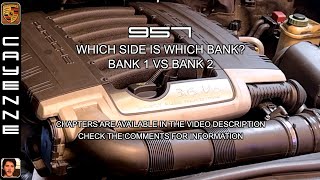
The 3.6L VR6 engine in the Cayenne has a unique layout where the cylinder banks are front and rear, not left and right. Bank 1 consists 🎬 Watch: Visualizing the unique VR6 bank layout and cylinder locations. of the front three cylinders (1-2-3), and its exhaust pipe runs down the passenger side of the vehicle (in LHD models). Therefore, the P0141 code on this specific vehicle points to the downstream O2 sensor on the passenger-side exhaust pipe. The diagnosis is straightforward and not typically prone to misinterpretation on this platform.
Symptoms You May Notice
- Check Engine Light is on
- Failing a vehicle emissions test
- Slight decrease in fuel economy.
- Engine may take longer to reach normal operating efficiency after a cold start.
- Replacing the wrong oxygen sensor (e.g., the upstream sensor or the sensor on Bank 2).
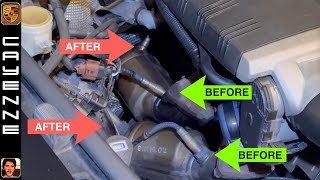
- Replacing the catalytic converter. A P0141 code specifically points to the sensor's heater circuit, not the performance of the converter itself. 🎬 See a breakdown of P0141 causes and common fixes.
Most Likely Causes
- Failed Bank 1, Sensor 2 Oxygen Sensor 🔴 High Probability The internal heater element is a common failure point in oxygen sensors due to constant heat cycles and age. The ceramic heater inside the sensor can burn out.
How to confirm: Disconnect the sensor and measure the resistance between the two heater wires (usually the same color, often white on Bosch sensors). An open circuit (infinite resistance) confirms the heater has failed. A good heater should have a low resistance, typically between 4 and 10 ohms when cold.
Typical fix: Replace the Bank 1, Sensor 2 oxygen sensor. It is located on the passenger side, after the catalytic converter. A 22mm or 7/8" oxygen sensor socket is required. Apply anti-seize compound to the threads of the new sensor before installation.
Est. part cost: $70-$200 - Blown Oxygen Sensor Fuse 🟡 Medium Probability
How to confirm: Check fuse #18 (a 7.5A fuse) in the fuse box located in the engine compartment on the driver's side. If it's blown, the heater circuit for both downstream sensors will not have power.
Typical fix: Replace the blown 7.5A fuse. If the new fuse blows immediately, it indicates a short circuit in the wiring to either the Bank 1 or Bank 2 downstream sensor that must be traced.
Est. part cost: $1-$5 - Damaged Wiring or Connector ⚪ Low Probability The sensor wiring is located under the vehicle and is exposed to road debris, moisture, and exhaust heat, which can cause it to become brittle or damaged over time. Moisture can also get into the connector and cause corrosion. A known issue on Cayennes is water ingress into the cabin from clogged drains, which can corrode main wiring harness splices under the carpet, potentially affecting various circuits.
How to confirm: Visually inspect the wiring harness leading to the sensor for any signs of fraying, melting, or breaks. Check the electrical connector for corrosion or backed-out pins. One owner found coolant had wicked into the connectors, causing a short.
Typical fix: Repair the damaged section of the wiring harness or clean/replace the connector. If corrosion is present, cleaning with an electrical contact cleaner may resolve the issue. In cases of widespread corrosion from water leaks, the affected harness section may need to be cut out and repaired with waterproof connectors.
Rare But Worth Checking
- Faulty Engine Control Module (ECM): This is extremely rare. The ECM's internal driver for the heater circuit can fail. Before condemning the ECM, all other possibilities (sensor, fuse, and wiring) must be exhaustively ruled out.
Diagnosis Steps
- Read the trouble codes with an OBD-II scanner to confirm P0141 is present.
- Open the hood and locate the fuse box in the engine compartment, on the driver's side.
- Inspect fuse #18, which is a 7.5A fuse for the downstream oxygen sensors. Replace it if it is blown.
- If the fuse is good, safely raise the vehicle to access the exhaust.
- Locate the Bank 1, Sensor 2 oxygen sensor. It is on the passenger-side exhaust pipe, downstream of the catalytic converter.
- Visually inspect the sensor's wiring and connector for any obvious damage, such as melted wires, corrosion, or fluid contamination.
- Disconnect the sensor. This may require carefully prying the connector from its plastic mounting bracket.
- Using a multimeter set to measure resistance (Ohms), test the two pins for the heater circuit on the sensor itself (typically the two same-colored wires). A reading of 'OL' or infinite resistance indicates the internal heater is broken and the sensor must be replaced. A good sensor will typically read between 4-10 Ohms.
- If the sensor's resistance is within spec, test the vehicle-side harness. With the ignition on (engine off), use a multimeter to check for battery voltage (approx. 12V) on one pin of the harness connector and a good ground on another to verify the integrity of the circuit from the ECM.
- If the sensor has failed, replace it. Use a 22mm or 7/8" O2 sensor socket. Apply anti-seize to the new sensor's threads. Clear the code with the scanner and perform a test drive to ensure the repair was successful.
Parts You'll Likely Need
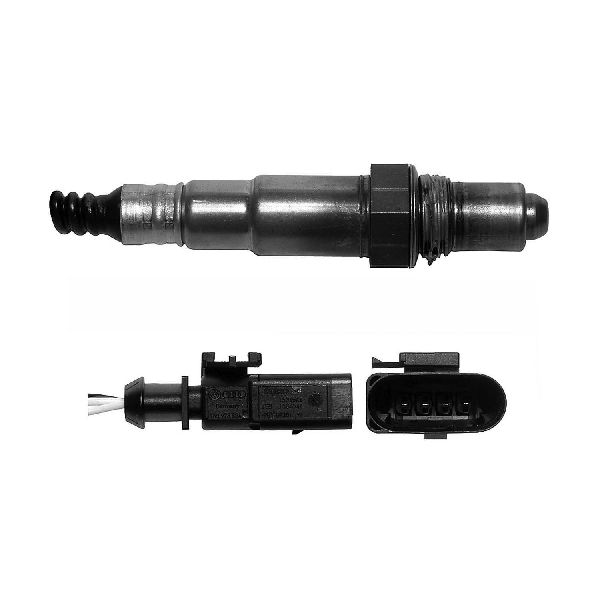
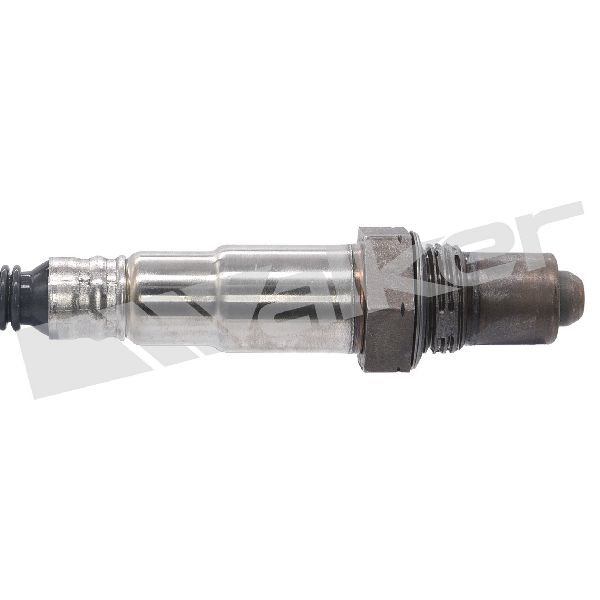
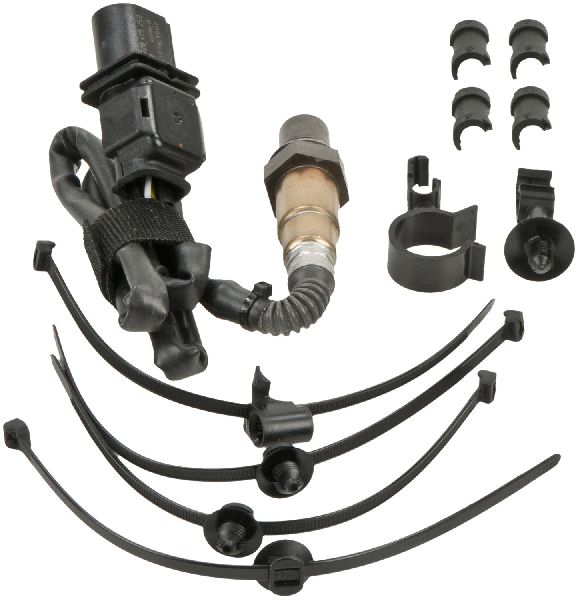
- Downstream Oxygen Sensor (Bank 1, Sensor 2)
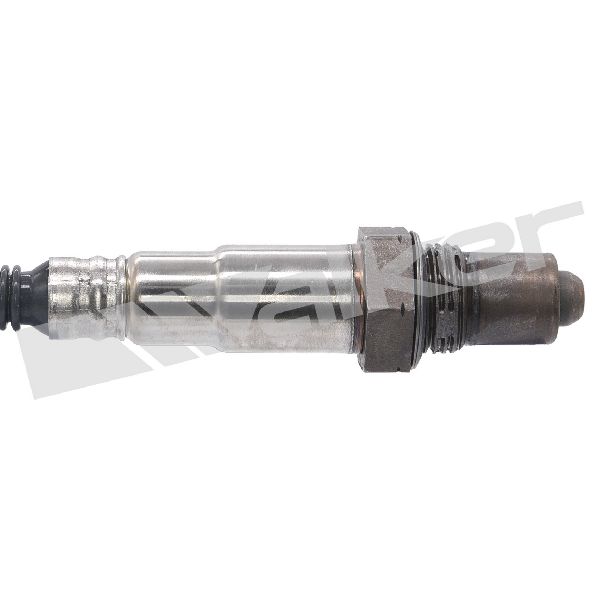
(OEM #95560613630)— This is the component that contains the heater element that most commonly fails, triggering code P0141.
Trusted brands: Bosch (often the OEM supplier), NTK, Denso
OEM price range: $150-$250
Aftermarket price range: $70-$150
Related Codes That Often Appear With This One
- P0036 — This code is for 'Heated O2 Sensor Heater Control Circuit (Bank 1 Sensor 2)'. It is very similar to P0141 and often appears alongside it, pointing directly to the same faulty component or circuit.
Platform-Specific Known Issues
- A Rennlist forum member reported chasing P0141 and related codes for months. After replacing the sensor twice, the root cause was found to be the wiring harness connector itself. They recommended thoroughly checking the vehicle-side harness for voltage and the sensor for resistance before assuming a new sensor is bad.
Mechanic-Grade Diagnostic Values
- O2 Sensor Heater Element Resistance — expected: 4-10 Ohms when cold. Failure: Infinite resistance (Open Loop / 'OL') or near zero resistance (short circuit).
- Voltage supply at harness connector for heater circuit — expected: ~12V (Battery Voltage) with Key On, Engine Off. Failure: Voltage below 9V or no voltage indicates a problem with the wiring, fuse, or ECM driver.
Wiring & Ground Locations
- Engine-to-Chassis Ground Strap (Underbody) — Underneath the engine in the front right corner, connecting the bottom of the engine to the frame.. Corrosion on this main ground strap can cause a variety of electrical issues, including insufficient or unstable ground for sensor circuits like the O2 sensor heater, leading to intermittent faults.
- Engine Bay Ground Strap — In the engine bay, connecting the engine to the strut tower.. Similar to the underbody strap, this ground point is critical for overall electrical stability. Cleaning the contact points for this strap can resolve hard-to-diagnose electrical faults.
- Main Harness Splices (Under Carpet) — In the wiring channel along the floor in the driver and passenger footwells, under the carpet.. Cayennes are notorious for water leaks from clogged drains corroding these splices. While not directly for the O2 sensor, corrosion here can introduce electrical noise and voltage issues throughout the car, potentially affecting sensor readings or power delivery.
Real Owner Repair Stories
- Rennlist user 'jdaniel' (Porsche Cayenne (year/engine not specified but in 955/957 forum)) — Persistent CEL with codes P2318, P0138, and P0141.
❌ Tried (didn't work) Replacing all four O2 sensors with new Bosch units., Replacing the Bank 1, Sensor 2 O2 sensor a second time., Checking fuses.
✅ What actually fixed it The user concluded it was a wiring harness problem after confirming the new sensor had correct resistance and the harness connector had correct voltage. The thread points towards tracing the harness for a break or short as the final, necessary step, though the user did not post the final wiring repair. This highlights that replacing the sensor is not always the fix, even when codes point directly to it.
OEM Part Supersession History
95560613630→No direct supersession found. This remains the current part number.— N/A
Heads up: Bosch is the OEM supplier for this part. The equivalent Bosch part number is often cited as 16136, which is a direct, compatible replacement.
Diagnostic Flowchart
Other Known Issues on This Vehicle
Issues unrelated to this code that are worth knowing about as an owner of this generation:
- Driveshaft Center Support Bearing Failure 🔴 High — Very common, often occurs between 80,000-140,000 miles. It is considered a maintenance item that will eventually fail on most Cayennes.
- Ignition Coil Failure 🟠 Medium — Common failure item due to heat cycles from sitting on top of the engine. Can occur at any mileage but more frequent on higher-mileage vehicles.
- Coolant Pipe & Housing Leaks 🔴 High — While the plastic pipe issue was more infamous on the V8 models, the VR6 is known for leaks from the thermostat housing and other plastic cooling components. Leaks from glued-in pipe connectors on the 957 are also a known issue. (Ref: A class-action lawsuit was filed regarding plastic coolant pipes on earlier V8 models, highlighting a known design weakness.)
- Leaking Valve Cover Gasket 🟡 Low — A common oil leak source on higher-mileage 3.6L VR6 engines as the gasket becomes hard and brittle.
Used vs. New Parts: Buying Guide for This Vehicle
When a used part is the smart pick: For an O2 sensor, a used part is almost never a smart choice. They are wear items with a finite lifespan determined by heat cycles and mileage. The cost savings are minimal compared to the labor involved and the high probability of premature failure. A used part should only be considered as a temporary diagnostic tool to see if a code clears, not as a permanent repair.
Donor-vehicle mileage cap: roughly under 50000 miles for the part to have meaningful remaining life.
What to inspect on the donor part:
- Connector is not cracked or full of dirt/grime.
- Wiring harness is not cut, frayed, or melted.
- Sensor tip is free of heavy, black soot (indicating a rich-running donor) or white deposits (indicating coolant/oil contamination).
OEM-only on this vehicle (don't cheap out):
- While not strictly 'OEM-only', using a reputable OEM supplier is critical. For this vehicle, that is Bosch.
Aftermarket brands forum-validated for this vehicle:
- Bosch (OEM supplier)
- NTK
- Denso
Brands owners have reported issues with on this vehicle:
- Unnamed, no-brand, or generic 'white-box' sensors from online marketplaces. These often have incorrect heater resistance values or slow response times that will cause the code to return or other performance issues to appear.
Real Owner Stories
Aggregated from forums and TSBs cited above. Mileages and costs reflect what owners reported in those sources.
2008-2010 Porsche Cayenne 3.6L VR6
Symptoms: Chasing P0141 and related codes for months; the Check Engine Light remained persistent even after replacing the sensor twice.
What fixed it: The root cause was found to be the wiring harness connector itself. The owner recommended thoroughly checking the vehicle-side harness for voltage and the sensor for resistance.
Source hint: Rennlist.com - Thread: 'P2318 P0138 P0141 Persistent CEL'
2008-2010 Porsche Cayenne 3.6L VR6
Symptoms: P0141 code triggered; found fluid contamination in the electrical system.
What fixed it: Coolant had wicked into the connectors, causing a short circuit in the oxygen sensor wiring.
Source hint: ARTICLE CONTEXT - Damaged Wiring or Connector section
Related OBD-II Codes
Frequently Asked Questions
Where is the fuse for the downstream oxygen sensors located on my 2008-2010 Cayenne 3.6L?
Which side of the VR6 engine is Bank 1 for the P0141 code?
What resistance should I see when testing the heater circuit on a Bosch sensor for this vehicle?
Can water leaks inside the cabin cause the P0141 code on a Cayenne?
I replaced the sensor but the P0141 code persists. What else should I check?
Is there a specific tool required to remove the Bank 1 Sensor 2 O2 sensor?
Helpful Videos

We Have This Part in Stock



The information in this article is provided for general reference and educational purposes only. Vehicle specifications, procedures, and part compatibility can vary by production date, trim level, and region. Always consult your vehicle's factory service manual and verify part numbers before purchasing or performing repairs. Safety-critical components such as airbags, seat belts, and braking systems should be installed by a qualified professional.
- Porsche Cayenne:
- 🎬 Helpful Videos
- 🛍️ Shop This Part
- What's Unique About the 2008-2010 Porsche Cayenne
- Symptoms You May Notice
- Most Likely Causes
- Rare But Worth Checking
- Diagnosis Steps
- Parts You'll Likely Need
- Related Codes That Often Appear With This One
- Platform-Specific Known Issues
- Mechanic-Grade Diagnostic Values
- Wiring & Ground Locations
- Real Owner Repair Stories
- OEM Part Supersession History
- Diagnostic Flowchart
- Other Known Issues on This Vehicle
- Used vs. New Parts: Buying Guide for This Vehicle
- Real Owner Stories
- 2008-2010 Porsche Cayenne 3.6L VR6
- 2008-2010 Porsche Cayenne 3.6L VR6
- Related OBD-II Codes
- Frequently Asked Questions
- 🎟️ Get 5% Off