

P0140 on 2000-2007 Ford Taurus: O2 Sensor 'No Activity' Causes and Fixes
On a 2000-2007 Ford Taurus, code P0140 almost always means the rear oxygen sensor on the firewall side (Bank 1, Sensor 2) has failed. Replacing the sensor is the most common fix, with the part costing between $50 and $120. Wiring damage is the second most likely cause.
- P0140 on this Taurus points directly to the downstream (post-catalytic converter) oxygen sensor on the firewall side (Bank 1, Sensor 2) or its circuit.
- The most common fix is replacing the sensor itself, but the wiring harness is a known weak point and should be inspected carefully for melting or corrosion.
- Accessing the sensor and its connector is difficult due to its location on the rear of the engine, often requiring work from underneath the car.
- This code will cause an automatic failure of an emissions test, so it must be resolved to keep the vehicle legally on the road in many jurisdictions.
What's Unique About the 2000-2007 Ford Taurus
For the V6 engines in the 2000-2007 Taurus, the most critical piece of information is that 'Bank 1' is the cylinder bank against the firewall (the rear bank). This makes accessing the sensor and its wiring more difficult than for Bank 2, which is on the radiator side. Technicians and DIYers often have to access the sensor's electrical connector from underneath the car, reaching up over the transmission, often by feel.
Symptoms You May Notice
- Check Engine Light is on
- Vehicle will fail an emissions/smog test.
- Potentially reduced fuel economy, though often not noticeable to the driver.
- Increased harmful tailpipe emissions.
- Replacing the wrong oxygen sensor. The code is specific to Bank 1 (firewall side) and Sensor 2 (downstream). Replacing the Bank 2 sensor (radiator side) or the upstream sensor (Sensor 1) will not fix this code.
- Replacing the catalytic converter. This code indicates a fault in the sensor's electrical circuit, not the efficiency of the converter itself. A P0420 code would indicate a converter problem.
Most Likely Causes
- Failed Downstream Oxygen Sensor (Bank 1, Sensor 2) 🔴 High Probability Oxygen sensors are wear-and-tear items that fail over time from constant exposure to heat and exhaust gases. The internal heating element, which is required for the sensor to activate quickly, is a common point of failure and can lead to inactivity codes.
How to confirm: Using a scan tool, observe the live data for the B1S2 voltage. If it is flat and unresponsive (e.g., stuck at 0.45V or 0V) while the engine is warm, the sensor has likely failed. You can also test the sensor's internal heater circuit with a multimeter; a reading outside of the manufacturer's specified ohm range indicates a failure.
Typical fix: Replace the Bank 1, Sensor 2 oxygen sensor. The sensor is located after the catalytic converter on the firewall side of the engine.
Est. part cost: $50-$120 - Damaged Wiring or Corroded Connector 🟡 Medium Probability The wiring harness for the downstream O2 sensor runs underneath the vehicle, making it vulnerable to road debris, heat damage from the exhaust, and corrosion from water and road salt. A melted or disconnected harness is a known issue.
How to confirm: Visually inspect the entire wiring harness from the O2 sensor to its connection point. Look for melted plastic, frayed or broken wires, and green or white corrosion inside the connector pins. Check that the connector is securely plugged in.
Typical fix: Repair the damaged section of wire or clean the connector pins with an electrical contact cleaner. If the connector itself is melted or damaged, it will need to be replaced. A pigtail connector can be spliced in.
Est. part cost: $10-$50 - Blown O2 Sensor Heater Fuse ⚪ Low Probability A short circuit in the wiring or within any of the vehicle's O2 sensors can cause the shared heater circuit fuse to blow. On this Taurus, the fuse for the O2 sensor heaters is often a 20A fuse in position #7 in the engine compartment fuse box.
How to confirm: Locate the fuse box in the engine compartment and check the fuse for the O2 sensor heaters (often labeled HO2S). If it is blown, the circuit has a short that must be found.
Typical fix: Replace the blown fuse after diagnosing and repairing the short circuit that caused it to blow. Simply replacing the fuse without finding the root cause will likely result in the new fuse blowing as well.
Est. part cost: $1-$5
Rare But Worth Checking
- Exhaust Leak: While more likely to cause a performance code (P0171/P0174) or a catalyst efficiency code (P0420), a significant exhaust leak near the sensor can introduce outside air, causing erratic or flatlined readings and potentially triggering a P0140.
- Faulty Powertrain Control Module (PCM): This is extremely rare. The PCM should only be considered after all other possibilities, including the sensor, wiring, and fuses, have been thoroughly tested and ruled out.
Diagnosis Steps
- Connect an OBD-II scanner and confirm P0140 is the only code present. Note any other codes, especially P0141, which points to a heater circuit issue in the same sensor.
- Visually inspect the Bank 1, Sensor 2 oxygen sensor and its wiring harness. The sensor is on the firewall side, after the catalytic converter. 🎬 Watch: Step-by-step Ford Taurus oxygen sensor replacement guide Look for obvious signs of damage, such as melted wires, chafing, or a disconnected/corroded connector.
- Check the fuse for the O2 sensor heater circuit. For this Taurus, it is often a 20A fuse in position #7 in the engine compartment fuse box.
- With the engine running, use the scan tool's live data function to monitor the voltage from the Bank 1, Sensor 2. A reading that is stuck and not fluctuating (e.g., at 0V or 0.45V) confirms the 'no activity' condition. A healthy downstream sensor should show a relatively stable voltage when the engine is warm and at a steady RPM.
- If the wiring appears intact, disconnect the sensor and test for 12-volt power and a good ground at the harness-side connector for the heater circuit (key on, engine off).
- If power and ground are present at the connector, the oxygen sensor itself is the most likely cause of the failure.
- If power or ground is missing, the wiring between the connector and the PCM/power source needs to be traced and repaired. Check for breaks or shorts in the signal wire to the PCM as well.
Parts You'll Likely Need
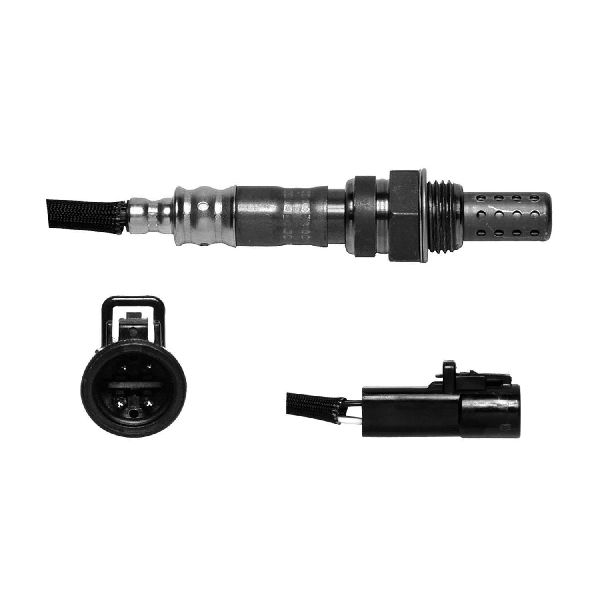
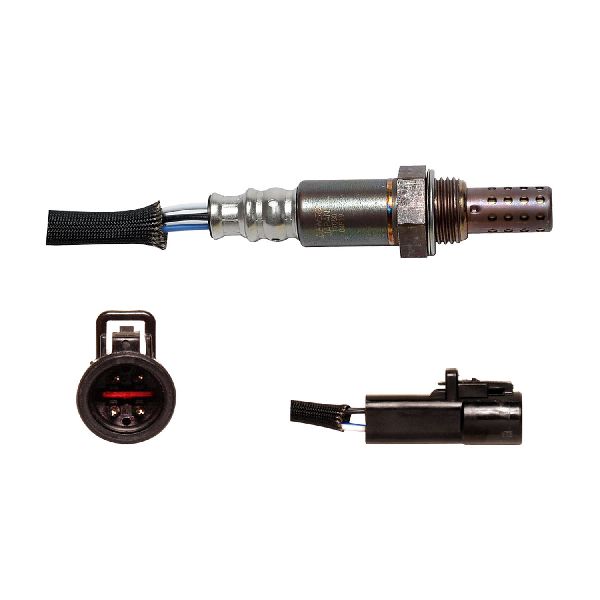
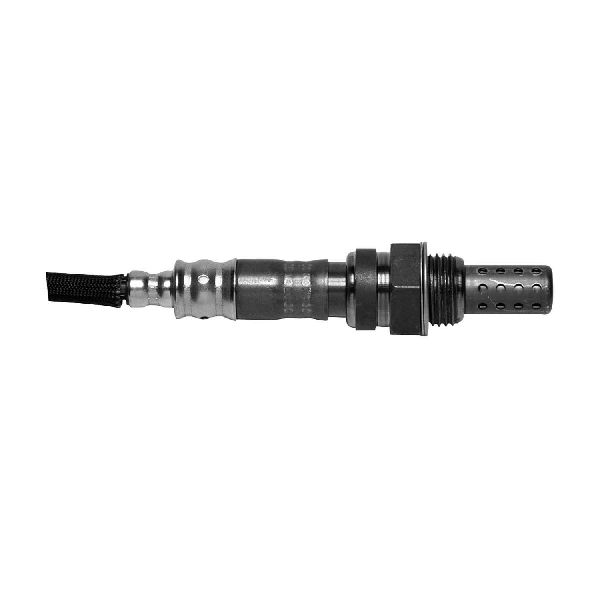
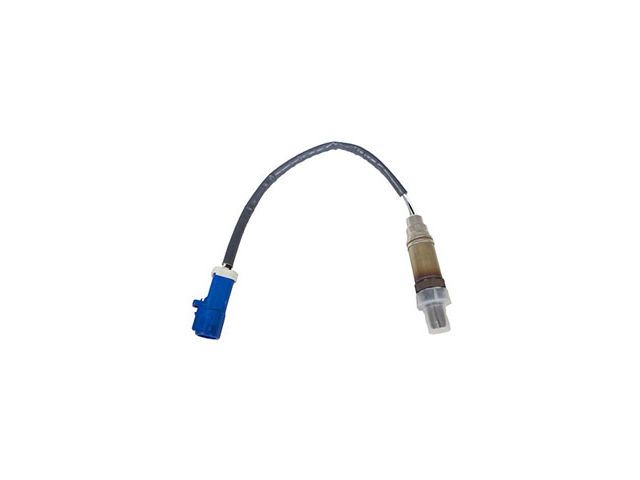
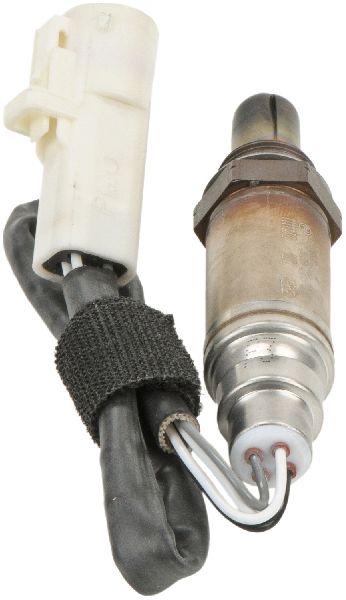
- Downstream Oxygen Sensor (Bank 1, Sensor 2)
(OEM #DY-1097)— This sensor is the component that has failed internally, either due to age or a faulty heater circuit, leading to the 'no activity' reading by the PCM. It is the most common resolution for this code.
Trusted brands: Motorcraft, Bosch, Denso, NTK, TRQ
OEM price range: $70-$120
Aftermarket price range: $50-$90
Related Codes That Often Appear With This One
- P0141 — P0141 indicates a malfunction in the heater circuit for the same sensor (Bank 1, Sensor 2). Since the heater is required for the sensor to become active, a heater fault will prevent the sensor from sending a signal, directly causing P0140. 🎬 See how to diagnose heater circuit malfunction codes They often appear together.
Platform-Specific Known Issues
- Bank 1 on the 3.0L V6 engines is the bank against the firewall, making access to this O2 sensor and its wiring significantly more difficult than Bank 2.
- The electrical connector for the B1S2 sensor is often best accessed from underneath the vehicle by reaching up and over the transmission tail shaft, which can be a blind procedure.
- A forum user on SmogTips.com with a Taurus reported codes P0140 and P0141 together, which ended up being a melted/defective harness, highlighting the vulnerability of the wiring on this vehicle.
Mechanic-Grade Diagnostic Values
- O2 Sensor Heater Circuit Resistance — expected: 2 - 25 Ohms (tighter ranges of 4-10 Ohms are common). Failure: Infinite resistance (open circuit) or 0 Ohms (short circuit).
- Downstream O2 Sensor (B1S2) Live Data Voltage (Warm Engine, Steady RPM) — expected: Relatively stable voltage, typically between 0.5V and 0.8V.. Failure: Signal is flatlined or stuck at 0V, ~0.45V, or a very high voltage (e.g., >2.4V), indicating no activity or a circuit fault.
- O2 Sensor Heater Circuit Voltage at Harness Connector — expected: Battery Voltage (~12V) with Key On, Engine Off.. Failure: 0V indicates a blown fuse or a break in the power supply wire.
Wiring & Ground Locations
- O2 Sensor Heater Wires — Within the 4-wire connector for the oxygen sensor.. On Ford sensors, the two same-colored wires (often both white) are for the heater circuit. These are the pins to test for resistance on the sensor side and for 12V power/ground on the harness side. This is critical for diagnosing P0140/P0141.
- G101 / G103 — Left front of engine compartment.. These are primary engine bay ground points. A corroded or loose ground at these locations can cause erratic behavior or failure in various sensor circuits, including the O2 sensor's reference or heater ground.
- O2 Sensor Signal Reference Ground Wire — One of the four wires in the O2 sensor connector harness, leading back to the PCM.. If this specific ground wire has an open circuit, the signal voltage can read abnormally high (over 2.4V), which the PCM will interpret as a fault, potentially setting a P0140.
Model Year Variations Within This Range
- 2000-2007: This generation of Taurus was available with two different 3.0L V6 engines: the OHV 'Vulcan' (VIN U) and the DOHC 'Duratec' (VIN S). While Bank 1 is the rear bank on both, access is vastly different. On the Duratec, the upper intake manifold often must be removed to gain access to the Bank 1 oxygen sensors, making the job significantly longer and more complex than on the Vulcan engine.
Diagnostic Flowchart
Other Known Issues on This Vehicle
Issues unrelated to this code that are worth knowing about as an owner of this generation:
- Automatic Transmission Failure (AX4N/AX4S) 🔴 High — Very common, especially in 2000-2003 models, often failing before 100,000 miles. Issues include delayed engagement, slipping, and complete failure.
- Camshaft Synchronizer Failure (3.0L Vulcan) 🟠 Medium — Common on the 3.0L Vulcan engine. The unit wears out, causing a characteristic 'chirping' or 'squeaking' noise. If ignored, it can fail completely, leading to engine damage.
- Cracked/Broken Front Coil Springs 🔴 High — Widespread on 1999-2003 models, particularly in salt-belt states. Corrosion causes the spring to fracture, which can puncture the tire. (Ref: NHTSA Recall 04V332000 (Ford Recall 04S17))
- Leaking Oil Pan Gasket 🟡 Low — A very common issue across the entire generation, leading to oil leaks onto the ground and potentially onto the hot exhaust.
- Failed Motor Mounts 🟠 Medium — The hydraulic-filled lower engine mounts frequently fail, causing the fluid to leak out and resulting in a clunking noise on acceleration and excessive engine vibration.
Used vs. New Parts: Buying Guide for This Vehicle
When a used part is the smart pick: For this repair, a used part is not recommended. Oxygen sensors are wear-and-tear items with a finite lifespan, similar to spark plugs. The cost savings of a used sensor are minimal and not worth the risk of premature failure and repeating the labor.
Donor-vehicle mileage cap: roughly under 50000 miles for the part to have meaningful remaining life.
What to inspect on the donor part:
- If forced to use one in an emergency, source from a vehicle with the lowest possible mileage.
- Ensure the electrical connector is not damaged and the sensor tip is not physically damaged or coated in oil/coolant.
OEM-only on this vehicle (don't cheap out):
- While not strictly OEM-only, using a quality brand is critical. Cheap, no-name online sensors are notorious for failing quickly or being dead on arrival.
Aftermarket brands forum-validated for this vehicle:
- NTK (a brand of NGK)
- Denso
- Bosch
Brands owners have reported issues with on this vehicle:
- Avoid unbranded, 'white-box' parts from online marketplaces, as their quality control is often poor.
Real Owner Stories
Aggregated from forums and TSBs cited above. Mileages and costs reflect what owners reported in those sources.
2000-2007 Ford Taurus
Symptoms: Check engine light on with codes P0140 and P0141 appearing together.
What fixed it: Repair of a melted/defective wiring harness.
Source hint: SmogTips.com: A post regarding a Ford Taurus with P0140 and P0141
2001 Ford Taurus
Symptoms: Owner seeking advice on an open recall (04S17) for front coil springs while dealing with older vehicle maintenance.
What fixed it: Attempted to address via dealer, though parts availability was cited as an issue for the recall repair.
Source hint: Reddit r/FordTaurus: A user with a 2001 Taurus discovered an open recall (04S17)
Related OBD-II Codes
Frequently Asked Questions
Where is the Bank 1, Sensor 2 oxygen sensor located on my 3.0L V6 Taurus?
Is there a recall for the front coil springs on my 2001 Taurus that might be related to undercarriage damage?
Which fuse should I check if I have a P0140 code on my Taurus?
Why is the Bank 1 sensor harder to replace than the Bank 2 sensor on this car?
Can a transmission issue be related to my O2 sensor codes?
Helpful Videos
We Have This Part in Stock


The information in this article is provided for general reference and educational purposes only. Vehicle specifications, procedures, and part compatibility can vary by production date, trim level, and region. Always consult your vehicle's factory service manual and verify part numbers before purchasing or performing repairs. Safety-critical components such as airbags, seat belts, and braking systems should be installed by a qualified professional.
- Ford Taurus:
- 🎬 Helpful Videos
- 🛍️ Shop This Part
- What's Unique About the 2000-2007 Ford Taurus
- Symptoms You May Notice
- Most Likely Causes
- Rare But Worth Checking
- Diagnosis Steps
- Parts You'll Likely Need
- Related Codes That Often Appear With This One
- Platform-Specific Known Issues
- Mechanic-Grade Diagnostic Values
- Wiring & Ground Locations
- Model Year Variations Within This Range
- Diagnostic Flowchart
- Other Known Issues on This Vehicle
- Used vs. New Parts: Buying Guide for This Vehicle
- Real Owner Stories
- 2000-2007 Ford Taurus
- 2001 Ford Taurus
- Related OBD-II Codes
- Frequently Asked Questions
- 🎟️ Get 5% Off