

P0139 on 2009-2012 Toyota RAV4 2.5L: Slow O2 Sensor Causes and Fixes
This code almost always means the downstream oxygen sensor (Bank 1, Sensor 2) has failed and is responding slowly. Replacing this sensor is the most common fix. Expect to pay around $60-$90 for an aftermarket sensor (like Denso) or $120-$180 for an OEM part. It's a straightforward DIY job for many.
- P0139 on your RAV4 means the downstream (post-catalytic converter) oxygen sensor is failing.
- You can continue to drive the vehicle, but you will fail an emissions test and should get it fixed to avoid potential long-term catalytic converter damage.
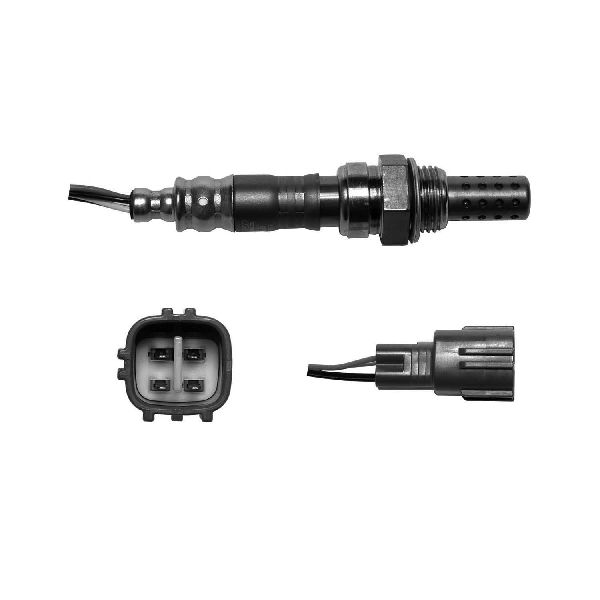
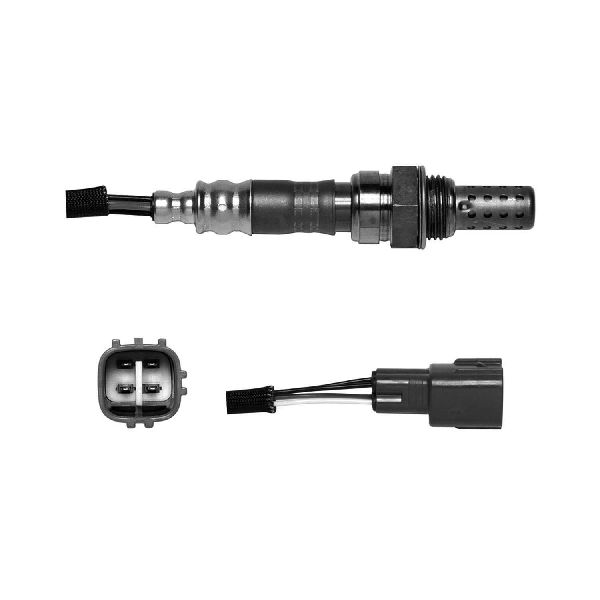
- The most likely fix is replacing the Bank 1, Sensor 2, with the Denso 234-4509 being the recommended direct-fit aftermarket part.
- Before replacing the sensor, perform a quick visual check for obvious exhaust leaks or damaged wiring.
What's Unique About the 2006-2012 Toyota RAV4
The 2006-2012 (XA30) RAV4 generation is straightforward regarding this code. A key point is that the specified 2.5L 2AR-FE engine was only available from the 2009-2012 model years. For these vehicles, like many Toyotas, the downstream oxygen sensor is a common failure item after 100,000 miles. There are no widespread, unique platform-specific issues like software glitches or unusual wiring problems that cause this code; it's typically just a worn-out sensor. However, the 2AR-FE can be prone to some oil consumption at very high mileage, which can foul the O2 sensor and accelerate its failure.
Generation note: The 2006-2012 year range covers the third generation (XA30) of the RAV4. However, the specified 2AR-FE 2.5L I4 engine was only used in the 2009, 2010, 2011, and 2012 model years. The 2006-2008 models used the 2.4L 2AZ-FE engine, which had a well-documented TSB for oil consumption (T-SB-0094-11). The diagnosis and repair for P0139 are virtually identical for both engines, as the cause is typically the same downstream O2 sensor.
Symptoms You May Notice
- Check Engine Light is on
- Failure to pass a state emissions/smog test
- Slight potential decrease in fuel economy over a long period
- Engine may hesitate upon acceleration, especially after a period of deceleration.
- Replacing the catalytic converter. A P0139 code points to the sensor that *monitors* the converter, not the converter itself. A bad sensor can sometimes trigger a false P0420 (catalyst efficiency) code, so it's crucial to diagnose P0139 first.
- Replacing the wrong O2 sensor. The 2AR-FE engine has two O2 sensors. P0139 is for Sensor 2 (downstream), not Sensor 1 (upstream/air-fuel ratio sensor).
Most Likely Causes
- Failing or Worn-Out O2 Sensor (Bank 1, Sensor 2) 🔴 High Probability Oxygen sensors are wear items with a finite lifespan, often failing due to age, heat cycles, and contamination after 80,000-100,000 miles. This is the most common cause by a wide margin.
How to confirm: Use a scan tool to graph the voltage of Bank 1 Sensor 2. A healthy downstream sensor shows a relatively stable, slow-switching voltage (typically between 0.45V and 0.8V). A failing sensor will appear lazy, with very slow or delayed reactions to engine speed changes, or its voltage will be erratic or flat.
Typical fix: Replace the Bank 1, Sensor 2 oxygen sensor. This is the downstream sensor, located in the exhaust pipe after the catalytic converter.
Est. part cost: $60 - $180 - Exhaust Leak 🟡 Medium Probability Gaskets and exhaust pipe flanges can corrode and degrade over time, especially in regions with road salt, leading to small leaks that introduce oxygen and confuse the sensor.
How to confirm: Visually inspect the exhaust system from the engine to behind the catalytic converter for black soot marks, which indicate a leak. Listen for a 'ticking' or hissing noise, especially when the engine is cold, as the noise may disappear when the metal expands from heat.
Typical fix: Repair the leak by replacing the faulty gasket or section of pipe.
Est. part cost: $10 - $100 - Damaged Wiring or Corroded Connector ⚪ Low Probability The sensor and its wiring are exposed to road debris, water, and high heat, which can cause damage over time. The harness can sometimes melt against the hot exhaust pipe if not properly secured.
How to confirm: Visually inspect the wiring harness and connector for the downstream O2 sensor. Look for any breaks, melting, chafing, or corrosion on the pins. Check for resistance in the wiring with a multimeter.
Typical fix: Repair the damaged section of wire or clean/replace the connector.
Est. part cost: $5 - $50
Rare But Worth Checking
- Leaking Fuel Injector: A leaking injector can cause a rich condition, leading to carbon fouling on the O2 sensor and making it respond slowly. This is rare and would typically be accompanied by other codes like P0172 (System Too Rich) and possibly rough running.
- Powertrain Control Module (PCM) Fault: In very rare cases, the PCM itself can have a processing delay or internal fault, misinterpreting a good sensor's signal. This should only be considered after all other possibilities, including wiring, have been exhaustively ruled out.
Diagnosis Steps
- Confirm the code P0139 is present using an OBD-II scanner.
- Check for any other accompanying codes (like P0141 or P0420) and prioritize diagnosis for codes related to misfires, fuel trim, or sensor heater circuits first.
- Perform a visual inspection of the exhaust system for any signs of leaks (soot, cracks, broken gaskets) between the engine and the downstream O2 sensor.
- Inspect the wiring and connector for Bank 1, Sensor 2. The sensor is located underneath the vehicle, in the exhaust pipe after the catalytic converter. Check for any signs of damage, melting, or corrosion.
- If you have a graphing scanner, observe the live data for the Bank 1 Sensor 2 voltage at operating temperature. It should be relatively steady, between 0.45V and 0.8V. Rev the engine to 2500 RPM and release; if the voltage response is very slow, flat, or erratic, the sensor is bad.
- If the exhaust and wiring are intact, the most probable cause is a failed sensor.
- Replace the Bank 1, Sensor 2 oxygen sensor. You will need a special 22mm (or 7/8") oxygen sensor socket and penetrating oil, as the sensor can be seized in the exhaust pipe. Disconnect the battery before starting work.
- After replacement, clear the code with the scanner and take a test drive of at least 10-15 minutes to ensure the Check Engine Light does not return.
Parts You'll Likely Need
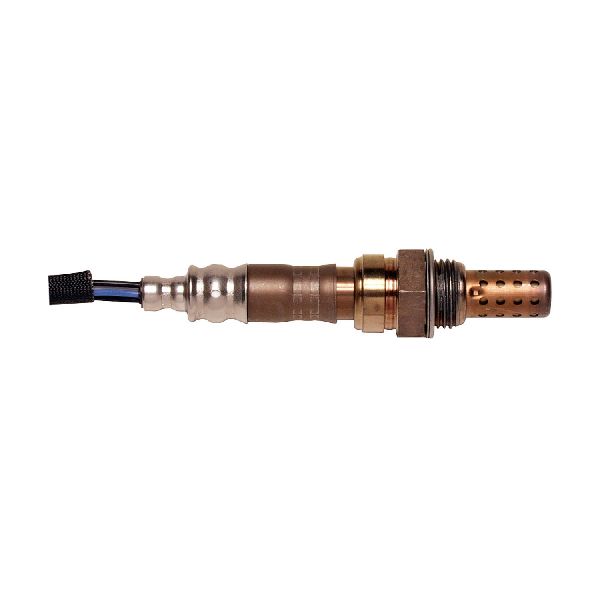
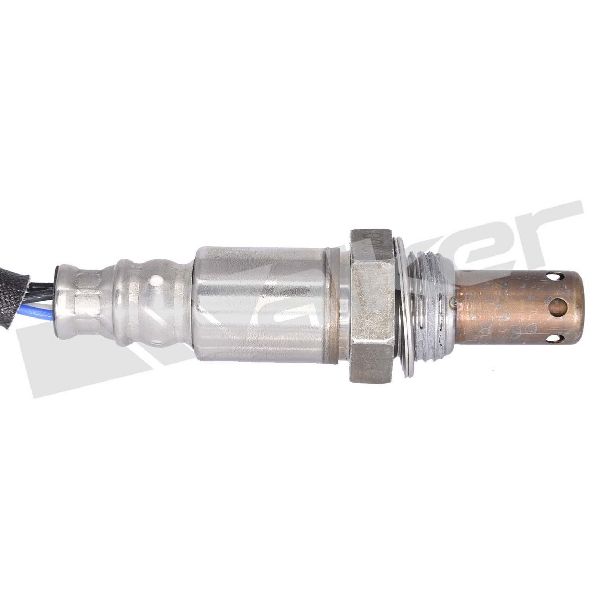
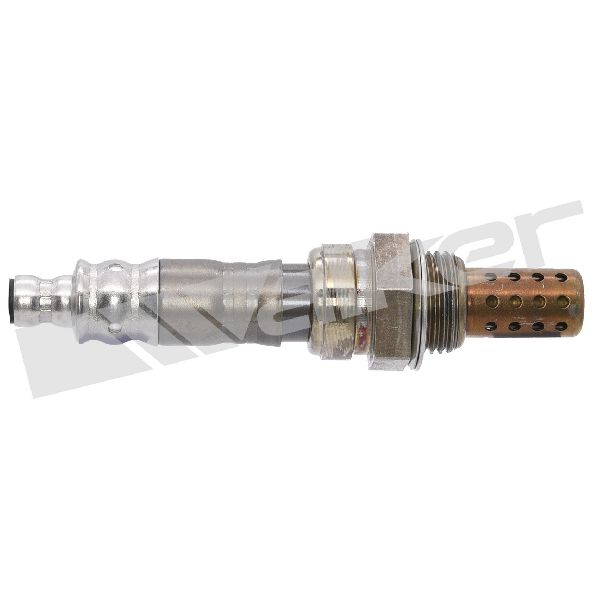
- Oxygen Sensor (Bank 1, Sensor 2 / Downstream)
(OEM #89465-0R040)— This is the component that the code directly identifies as having a slow response time. It is a common wear-and-tear item, and Denso is the original equipment manufacturer for Toyota.
Trusted brands: Denso (OEM), NGK/NTK, Bosch
OEM price range: $120-$180
Aftermarket price range: $60-$90
Related Codes That Often Appear With This One
- P0420 — A slow-responding Sensor 2 can fail to correctly monitor the catalytic converter, leading the ECM to mistakenly believe the converter is inefficient. Always fix P0139 first if both codes are present.
- P0141 — This code indicates a failure in the heater circuit for the same sensor (Bank 1, Sensor 2). The heater brings the sensor to operating temperature quickly. If the heater fails, the sensor will be slow to respond, directly causing P0139.
Technical Service Bulletins (TSBs) & Recalls
- T-SB-0094-11: While not for the 2AR-FE engine, this TSB addresses excessive oil consumption in the 2006-2008 RAV4's 2.4L 2AZ-FE engine, a major issue for the XA30 platform.
- T-SB-0318-08: Addresses a common clunking noise from the steering intermediate shaft on 2006-2008 RAV4s, another well-known issue for this vehicle generation.
Platform-Specific Known Issues
- Potential for Oil Fouling: While the 2AR-FE is more reliable than its 2AZ-FE predecessor, it can still consume oil at higher mileage (150k+ miles). This oil burning can contaminate the downstream O2 sensor, causing it to become 'lazy' and trigger a P0139 code prematurely. If the vehicle is known to consume oil, the new sensor may also fail sooner than expected.
Mechanic-Grade Diagnostic Values
- Downstream O2 Sensor (B1S2) Heater Circuit Resistance — expected: 2 to 30 Ohms. Failure: An open circuit (infinite resistance) or a value outside the specified range indicates a failed heater circuit within the sensor.
- Downstream O2 Sensor (B1S2) Voltage during Fuel Cut — expected: Voltage should drop below 0.2V.. Failure: If the voltage does not drop below 0.2V for 7 seconds or more during deceleration (fuel cut), the ECM determines the sensor response has deteriorated.
- Wiring Harness Resistance — expected: Below 5 Ohms. Failure: Resistance values above 5 Ohms from the sensor connector to the PCM pin suggest corrosion or a damaged wire, which can slow the signal.
Scan Tool Commands That Help
- Techstream: Active Test: Control the Injection Volume — This function allows a technician to manually alter the fuel injection volume and observe the O2 sensor's reaction on a graph (AFS Voltage B1S1 and O2S B1S2). If the downstream sensor's voltage (O2S B1S2) does not change or reacts very slowly to the commanded fuel changes, it confirms the sensor is faulty.
Wiring & Ground Locations
- Downstream O2 Sensor Connector — Inside the vehicle cabin, on the driver's side. The harness passes through a rubber grommet in the floor. The carpet must be pulled down near the center console/gas pedal area to access the connector.. Unlike many vehicles where the connector is under the car, this interior location protects it from road debris and corrosion. However, it requires interior disassembly to access for testing or replacement, which is an important diagnostic step.
- Engine and Body Grounds — Multiple ground points for the engine harness and body are located throughout the engine bay and chassis. Specific diagrams are needed for tracing the exact ground path for the O2 sensor circuit.. A compromised ground connection can introduce resistance and delay the sensor's signal, mimicking a slow sensor and causing a P0139 code.
Real Owner Repair Stories
- YouTube user 'Fix It Angel' (2011 Toyota RAV4 with 2AR-FE engine, 131,999 miles) — Check Engine Light on. Scanner showed a current, pending, and permanent P0137 code (O2 Sensor Circuit Low Voltage), which is closely related to P0139 and often indicates sensor failure.
❌ Tried (didn't work) The user went directly to diagnosis and replacement.
✅ What actually fixed it The downstream oxygen sensor (Bank 1, Sensor 2) was replaced. The video shows the location just past the oil drain pan and the difficult access, confirming it as the fix for the O2 sensor code.
OEM Part Supersession History
89465-42230→89465-0R040— Standard part number update/revision by the manufacturer.
Model Year Variations Within This Range
- 2009-2012: The 2.5L 2AR-FE engine replaced the 2.4L 2AZ-FE engine starting in the 2009 model year. While the P0139 diagnosis is similar, part numbers for the O2 sensors are specific to the engine type.
Diagnostic Flowchart
Other Known Issues on This Vehicle
Issues unrelated to this code that are worth knowing about as an owner of this generation:
- Excessive Oil Consumption 🟠 Medium — A widely documented issue for the earlier 2.4L 2AZ-FE engine (2006-2008 models), addressed by TSB T-SB-0094-11. The 2.5L 2AR-FE (2009-2012) is less prone but can still exhibit oil consumption at higher mileage (over 100k miles) due to piston ring design. (Ref: T-SB-0094-11 (for 2AZ-FE))
- Intermediate Steering Shaft Clunk/Noise 🟡 Low — A very common problem where a clunking or popping noise is heard when turning the steering wheel. It is caused by a worn intermediate steering shaft. Typically appears after 60,000-100,000 miles. (Ref: T-SB-0318-08)
- Water Pump Failure 🟠 Medium — Premature water pump leaks or failures are a known issue for this generation, affecting both 4-cylinder and V6 models. Failure can occur anywhere from 60,000 to 120,000 miles and can lead to overheating if not addressed.
- Unintended Acceleration Recalls 🔴 High — The 2009-2010 models were part of a massive Toyota recall concerning accelerator pedals getting stuck or trapped by floor mats. Most vehicles should have had the recall service performed. (Ref: Multiple Recalls (e.g., NHTSA 10V017000))
Used vs. New Parts: Buying Guide for This Vehicle
When a used part is the smart pick: It is strongly NOT recommended to buy a used oxygen sensor. O2 sensors are wear items with a limited lifespan, typically 80,000-100,000 miles. A used sensor from a salvage yard has unknown remaining life and is very likely to fail soon, if it works at all, causing the P0139 code to return.
Donor-vehicle mileage cap: roughly under 10000 miles for the part to have meaningful remaining life.
What to inspect on the donor part:
- Not applicable for this part. A new part is the only reliable option.
OEM-only on this vehicle (don't cheap out):
- While not strictly 'OEM-only', using the OEM supplier (Denso) is highly recommended. Some universal or budget aftermarket sensors can have incorrect heater resistances or slow response times out of the box, leading to persistent codes.
Aftermarket brands forum-validated for this vehicle:
- Denso (this is the Original Equipment Manufacturer, buying the Denso-branded part is identical to the Toyota part but often cheaper)
- NGK / NTK
- Bosch
Brands owners have reported issues with on this vehicle:
- Unnamed 'white box' or generic eBay/Amazon brands are frequently reported on forums to fail quickly or not meet the precise specifications required by the Toyota ECM, causing the code to return.
Real Owner Stories
Aggregated from forums and TSBs cited above. Mileages and costs reflect what owners reported in those sources.
2009-2012 Toyota RAV4 2.5L I4
Symptoms: The consensus among owners is that the downstream O2 sensor simply wears out, though some note difficulty removing the old sensor without proper tools.
What fixed it: Replacement of the downstream O2 sensor with a Denso-branded unit.
Source hint: RAV4World (rav4world.com) and Toyota Nation (toyotanation.com)
2006-2012 Toyota RAV4 — ~90000 miles
Symptoms: Check Engine Light on; sensor appearing 'lazy' with very slow or delayed reactions to engine speed changes during graphing.
What fixed it: Replace the Bank 1, Sensor 2 oxygen sensor.
Source hint: Article Context - Common Causes (Failing or Worn-Out O2 Sensor)
2010 Toyota RAV4 2.5L I4 — ~160000 miles
Symptoms: The sensor became 'lazy' and triggered a P0139 code prematurely due to oil burning contaminating the downstream sensor.
What fixed it: Replacement of the downstream O2 sensor, though the new sensor may fail sooner if oil consumption persists.
Source hint: Vehicle Specific Issues - Potential for Oil Fouling
Related OBD-II Codes
Frequently Asked Questions
Does T-SB-0094-11 regarding oil consumption apply to my 2010 RAV4 with the 2.5L 2AR-FE engine?
I'm seeing P0139 on my 2009 RAV4; should I buy a Toyota-branded sensor or an aftermarket one?
Can I use a used O2 sensor from a salvage yard to fix this code?
Where is the Bank 1 Sensor 2 located on my 2.5L RAV4?
Could a 'ticking' noise when my engine is cold be related to the P0139 code?
What tools do I need to replace the downstream O2 sensor myself?
Helpful Videos
We Have This Part in Stock


The information in this article is provided for general reference and educational purposes only. Vehicle specifications, procedures, and part compatibility can vary by production date, trim level, and region. Always consult your vehicle's factory service manual and verify part numbers before purchasing or performing repairs. Safety-critical components such as airbags, seat belts, and braking systems should be installed by a qualified professional.
- Toyota RAV4:
- 🎬 Helpful Videos
- 🛍️ Shop This Part
- What's Unique About the 2006-2012 Toyota RAV4
- Symptoms You May Notice
- Most Likely Causes
- Rare But Worth Checking
- Diagnosis Steps
- Parts You'll Likely Need
- Related Codes That Often Appear With This One
- Technical Service Bulletins (TSBs) & Recalls
- Platform-Specific Known Issues
- Mechanic-Grade Diagnostic Values
- Scan Tool Commands That Help
- Wiring & Ground Locations
- Real Owner Repair Stories
- OEM Part Supersession History
- Model Year Variations Within This Range
- Diagnostic Flowchart
- Other Known Issues on This Vehicle
- Used vs. New Parts: Buying Guide for This Vehicle
- Real Owner Stories
- 2009-2012 Toyota RAV4 2.5L I4
- 2006-2012 Toyota RAV4 — ~90000 miles
- 2010 Toyota RAV4 2.5L I4 — ~160000 miles
- Related OBD-II Codes
- Frequently Asked Questions
- 🎟️ Get 5% Off