

P0139 on 2005-2009 Subaru Legacy 2.5L: Slow O2 Sensor Response Causes and Fixes
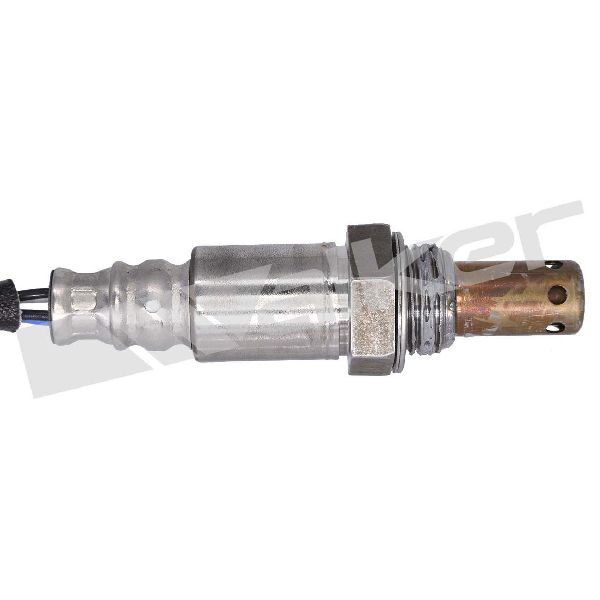
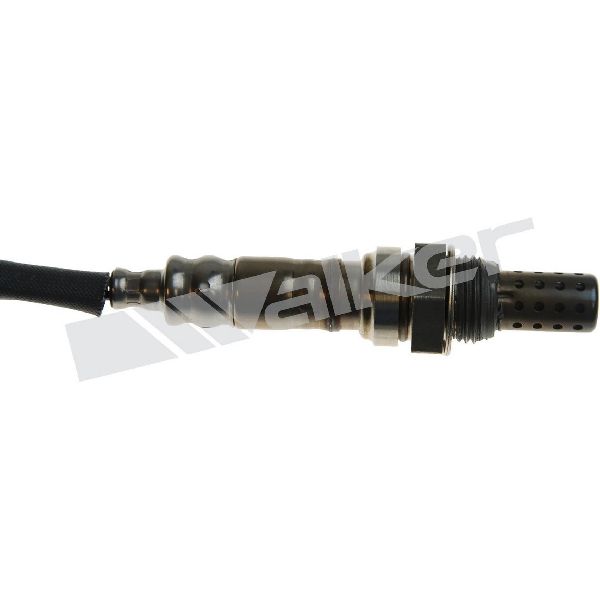
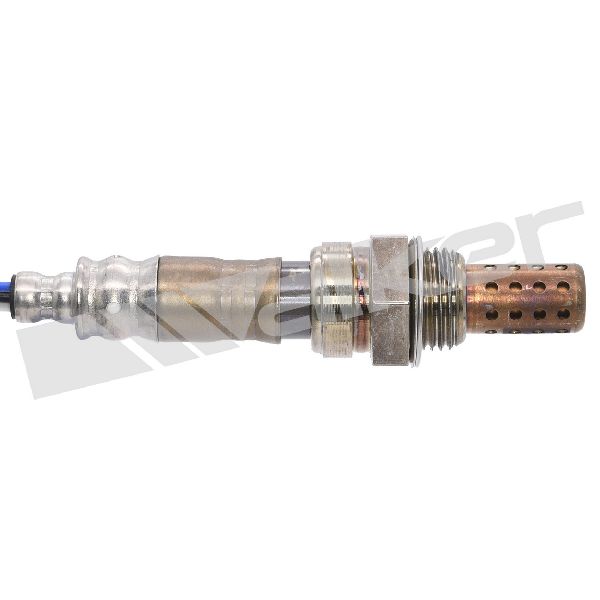
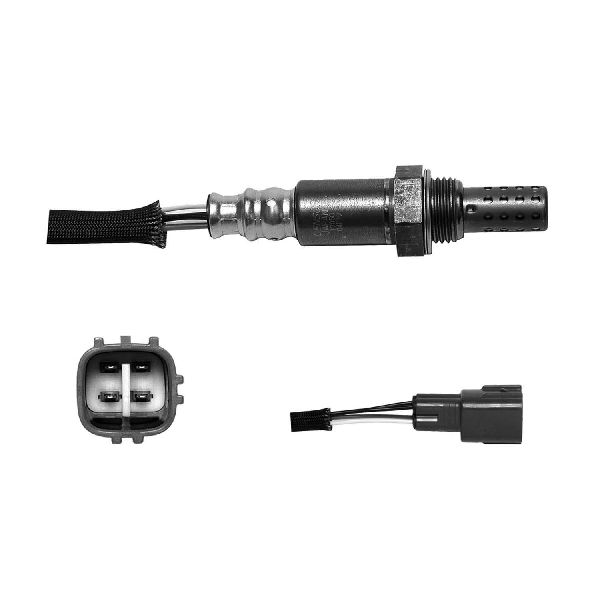
On a 2005-2009 Subaru Legacy with the 2.5L engine, code P0139 is almost always caused by a failing rear oxygen sensor. Before replacing it, check for exhaust leaks, a common secondary cause on these cars. A new OEM-quality Denso sensor costs around $75, and replacement is a common DIY job that requires a special 22mm O2 sensor socket and penetrating oil for the often-rusted original sensor.
- P0139 almost always points to the rear oxygen sensor (Sensor 2) on your Legacy.
- Before buying any parts, perform a thorough check for exhaust leaks, a very common issue on Subarus that can trigger this code. A 'ticking' noise on a cold start is a classic symptom.
- When replacing the sensor, use a high-quality brand like Denso (the OEM supplier, part #234-4445) for the best results and to avoid compatibility issues.
- This is a DIY-friendly repair for most home mechanics, but the old sensor can be rusted in place, so be prepared with penetrating oil and the correct 22mm O2 sensor socket.
What's Unique About the 2005-2009 Subaru Legacy
For this generation of Subaru Legacy, the P0139 code is a very common and straightforward issue. The boxer engine design, however, is known for developing exhaust leaks at the manifold and flange gaskets, particularly the donut gaskets. These leaks can introduce outside air that slows the sensor's response, mimicking a sensor failure. Owners often report that using an OEM or OEM-supplier (like Denso) oxygen sensor is critical, as these cars can be sensitive to aftermarket sensor brands which may not have the correct response characteristics. A persistent P0139, especially when paired with a P2096, can sometimes point to a failing front A/F sensor, even though the code specifies the rear sensor.
Symptoms You May Notice
- Check Engine Light is on
- Failure to pass an emissions test
- Slightly reduced fuel economy
- Occasional engine hesitation, though this is rare
- Cruise control may be disabled (a common Subaru feature when any CEL is active)
- Replacing the front oxygen sensor (Air/Fuel Ratio Sensor) instead of the rear one. The codes are specific, and P0139 points only to the rear (Bank 1, Sensor 2) sensor.
- Replacing the O2 sensor without first checking for exhaust leaks. An exhaust leak can make a perfectly good sensor appear to be slow.
- Using a cheap, universal aftermarket O2 sensor. These often lack the precise response characteristics the Subaru ECM expects and can cause the code to return.
Most Likely Causes
- Failing Rear (Downstream) Oxygen Sensor 🔴 High Probability Oxygen sensors are wear items that degrade over time from heat and contaminants like carbon and soot. After 100,000+ miles, the internal chemical components lose their ability to react quickly, making failure common.
How to confirm: Using a scan tool, observe the live data for Bank 1, Sensor 2. A healthy sensor shows a relatively stable, steady voltage (e.g., 0.6-0.8V). A slow sensor will have lazy, infrequent voltage fluctuations, may appear stuck at a certain voltage (like 0.3V), or will not respond quickly when the throttle is blipped.
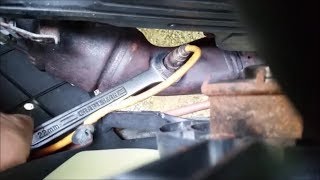
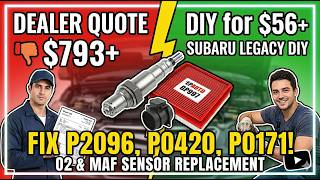
Typical fix: Replace the rear oxygen sensor. 🎬 Watch: A complete walkthrough for replacing both Subaru O2 sensors. Soak the old sensor's threads with penetrating oil (like PB Blaster) overnight. A special 22mm (7/8") slotted socket is required 🎬 Watch: How to remove and replace the rear O2 sensor. to remove it without damaging the wire.
Est. part cost: $70-$150 - Exhaust System Leak 🟡 Medium Probability Subaru boxer engines are known for developing leaks at exhaust manifold gaskets and pipe flanges, especially donut gaskets, which can let in outside air and skew sensor readings. The heat shields can make finding these leaks difficult.
How to confirm: Perform a cold start and listen for a 'ticking' or 'puffing' sound from the engine bay or under the car that may quiet down as the metal heats up and expands. Visually inspect all exhaust gaskets and flanges between the engine and the rear O2 sensor for black soot trails, which indicate a leak. A strong exhaust odor in the cabin can also be a sign.
Typical fix: Replace the leaking gasket or tighten the flange bolts. This can range from a simple fix to a more involved repair if bolts are rusted and break, which is a common concern for DIYers.
Est. part cost: $10-$50 - Damaged Sensor Wiring or Connector ⚪ Low Probability The wiring runs under the vehicle and is exposed to road debris, moisture, and heat, which can cause corrosion, chafing, or physical damage over time. Wires can also be damaged by contact with the hot exhaust pipe.
How to confirm: Visually inspect the entire length of the O2 sensor's wiring harness and the connector pins for any signs of melting, chafing, corrosion, or broken wires. Check for water or oil intrusion in the connector itself.
Typical fix: Repair the damaged section of wire or clean/replace the connector.
Est. part cost: $5-$30
Rare But Worth Checking
- Poor ECM/PCM Ground Connection: Some Subaru owners have traced persistent, hard-to-diagnose electrical and sensor codes to a poor main ground connection for the engine computer, often located on the intake manifold. If you've replaced the sensor and fixed all exhaust leaks with no success, cleaning and securing this ground is a worthwhile step.
- Failing Front Air/Fuel Ratio Sensor: In some cases, particularly when P0139 is paired with P2096, a failing front A/F sensor can cause erratic fuel trims that lead to the rear sensor appearing slow. A user on LegacyGT.com with a 2006 Legacy 2.5i ultimately solved both codes by replacing the front sensor after the rear sensor replacement didn't work.
Diagnosis Steps
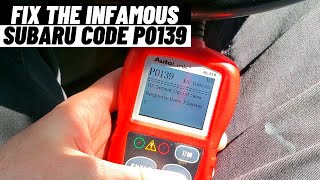
- Read the codes with an OBD-II scanner to confirm P0139 is the primary code. 🎬 See how to diagnose and fix P0139 on a Subaru. Address any other codes, like for the heater circuit (P0141) or misfires (P030x), first.
- With the engine cold, start the car and listen carefully for any ticking or puffing sounds that would indicate an exhaust leak. Check for an exhaust smell in the cabin.
- Visually inspect the exhaust system from the engine back to the rear O2 sensor. Look for soot marks around gaskets and flanges, especially the donut gaskets.
- Inspect the rear O2 sensor's wiring harness and connector for any signs of melting, corrosion, or physical damage. Ensure the connector is dry and free of contaminants.
- Use a scan tool to monitor the live voltage data from 'O2S B1S2' (Bank 1, Sensor 2). The voltage should be relatively stable (typically between 0.5V and 0.8V) on a warm engine at steady RPM. If the voltage is stuck, flatlined, or responds very slowly to changes in engine load (revving the engine), the sensor is likely bad.
- If exhaust leaks and wiring issues are ruled out, the most probable cause is the sensor itself. Replace with a quality OEM or Denso part.
Parts You'll Likely Need
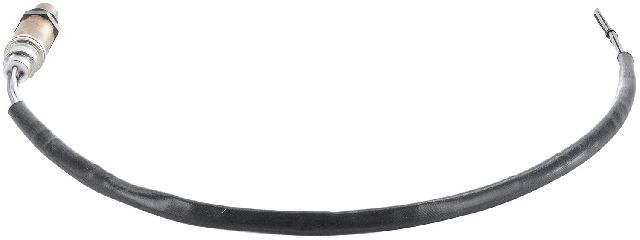
- Rear Oxygen Sensor (Bank 1, Sensor 2)
(OEM #22690AA81A)— This is the component that the code directly identifies as responding too slowly. It is a common wear-and-tear item that degrades after 100,000 miles.
Trusted brands: Denso (OEM supplier), NGK/NTK
OEM price range: $120-$180
Aftermarket price range: $70-$110
Related Codes That Often Appear With This One
- P2096 — P2096 ('Post Catalyst Fuel Trim System Too Lean Bank 1') can sometimes appear with P0139. Both codes relate to the rear O2 sensor's readings. This combination often points strongly to an exhaust leak upstream of the sensor, but can also be caused by a failing front A/F sensor.
- P0171 — P0171 ('System Too Lean Bank 1') can be triggered by a significant exhaust leak before the front O2 sensor, which would also affect the rear sensor's readings and potentially cause P0139.
- P0420 — P0420 ('Catalyst System Efficiency Below Threshold') relies on the rear O2 sensor. A lazy or failing sensor can't properly monitor the catalyst, sometimes triggering a P0420, though P0139 is the more direct code for a slow sensor.
Platform-Specific Known Issues
- Owner Experience: Code Persists After Sensor Replacement: In some forum discussions, owners report replacing the rear O2 sensor only for the P0139 code (sometimes with P2096) to return. This is almost always due to an underlying, unfixed issue. The most common culprits are a small, undetected exhaust leak or the use of a low-quality aftermarket sensor. In rarer cases, the front A/F sensor was the actual root cause.
Mechanic-Grade Diagnostic Values
- Rear O2 Sensor (B1S2) Live Data Voltage at Idle (Warm Engine) — expected: Relatively stable voltage between 0.6V and 0.8V.. Failure: Voltage is stuck low (below 0.2V), choppy, flatlined, or responds very slowly (over 100ms) to throttle input.
- Rear O2 Sensor Heater Circuit Resistance — expected: 5-8 Ohms between the two heater circuit pins on the sensor connector.. Failure: A reading over 50 Ohms, or an open/infinite resistance (OL), indicates a failed internal heater element.
- O2 Sensor Response Time — expected: A healthy sensor should respond to changes in less than 100 milliseconds.. Failure: The ECM flags P0139 when the response time exceeds the expected threshold.
- Circuit Resistance from Sensor Connector to PCM — expected: Less than 5 Ohms.. Failure: Values above 5 Ω suggest corrosion, a damaged wire, or a poor connection that can add enough resistance to delay the signal.
Hidden / Shadow Codes Worth Checking
- Mode $06, Test ID $41: This onboard diagnostic test specifically monitors the O2 Sensor Circuit for Bank 1, Sensor 2. The ECM checks the sensor's minimum and maximum output voltage against preset thresholds. (see via An advanced OBD-II scan tool that can access Mode $06 diagnostic data. A failure in this monitor can confirm a slow response issue, sometimes before it becomes a persistent CEL.)
Scan Tool Commands That Help
- Subaru Select Monitor (SSM) or equivalent: Current Data Display / Live Data Graphing — This is the primary function for diagnosing P0139. Graphing the 'Rear O2 Rich Signal' or 'O2S B1S2' voltage allows a technician to visually confirm if the sensor's signal is flat, stuck, or responding too slowly to throttle changes.
- Subaru Select Monitor (SSM): O2 Heater Diagnosis Check — While P0139 is a slow response code, not a heater code (like P0141), the SSM has a specific function to test the heater circuit. A faulty heater can prevent the sensor from reaching operating temperature quickly, contributing to slow response on startup.
Wiring & Ground Locations
- Rear O2 Sensor Connector — The wiring for the rear O2 sensor runs up through the floor pan. The connector itself is located inside the cabin, under the passenger side carpet near the center console area.. Technicians should check this connector for corrosion or damage, as it's a key failure point. Its location inside the cabin protects it from the elements, but it can be disturbed during interior work or subject to water intrusion if seals are bad.
- Main ECU/Engine Ground — A critical ground point for the ECU and its sensors is located on the back side of the driver's side intake manifold.. Multiple forum posts for this and similar Subaru models report that a corroded or loose connection at this specific ground point can cause intermittent and hard-to-diagnose sensor codes, including P0139. Cleaning this ground has resolved the code for some owners after sensor replacement failed.
- Engine Bay Grounds — There are several key braided ground straps in the engine bay: one from each cylinder head to the corresponding frame rail, and one from the transmission to the firewall near the pitch stop mount.. A poor ground connection anywhere in the system can create a difference in electrical potential, affecting the low-voltage signal from the O2 sensor. Ensuring these main grounds are clean and tight is a crucial step in resolving persistent electrical issues.
Real Owner Repair Stories
- LegacyGT.com user 'scottmcphee' (2006 Legacy 2.5i Wagon MT) — Persistent P0139 and P2096 codes.
❌ Tried (didn't work) Replacing the rear O2 sensor.
✅ What actually fixed it After using BtSSM software to confirm the ECM was seeing a flat 0.6V signal from the new sensor, the owner tested the sensor directly and found it was working. The final fix was cleaning all the engine block and chassis-to-battery ground points. After cleaning the grounds, the ECM began receiving the correct, fluctuating voltage from the rear O2 sensor and the codes were resolved.
OEM Part Supersession History
22690AA810→22690AA81A, then 22690AA93A— Standard part revisions and updates by the manufacturer.
Heads up: The parts are interchangeable for this application. The aftermarket Denso 234-4445 is a direct cross-reference to these OEM part numbers.
Model Year Variations Within This Range
- 2005: Some parts catalogs list a different rear O2 sensor for the 2005 model year compared to 2006-2009. While Denso 234-4445 is listed for 2006-2009, owners of 2005 models should double-check their specific part number before ordering, though in many cases the parts are functionally identical.
Diagnostic Flowchart
Other Known Issues on This Vehicle
Issues unrelated to this code that are worth knowing about as an owner of this generation:
- Head Gasket Failure (External Oil/Coolant Leaks) 🔴 High — Very common, typically between 80,000 and 150,000 miles. The SOHC EJ25 engine in the Legacy is notorious for external oil leaks from the head gaskets, often at the back of the passenger-side head.
- Clogged Banjo Bolt Filters (AVCS/Turbo Oil Starvation) 🔴 High — Common on turbocharged models (Legacy GT), but also present on NA models with AVCS. Small mesh filters in the oil feed banjo bolts can clog, starving the turbo or AVCS system of oil, leading to catastrophic failure. Many owners and shops proactively remove them. (Ref: Subaru issued TSBs advising removal in some cases, e.g., TSB #02-103-08R.)
- Wheel Bearing Failure 🟠 Medium — Common failure item, often starting after 60,000 miles. Owners report a loud humming or grinding noise that increases with speed and may change when turning. Both front and rear bearings can be affected.
- Catalytic Converter Failure 🟠 Medium — Occurs at higher mileage, often secondary to other issues like oil consumption or head gasket leaks which contaminate the catalyst. Can trigger code P0420.
Used vs. New Parts: Buying Guide for This Vehicle
When a used part is the smart pick: For this repair, buying a used oxygen sensor is never recommended. It is a wear item with a finite lifespan, and a used part has an unknown history and could fail quickly. Used exhaust components like pipes or catalytic converters from a low-mileage, rust-free donor may be considered if needed for a related exhaust leak repair, but not the sensor itself.
What to inspect on the donor part:
- Not applicable for the oxygen sensor.
OEM-only on this vehicle (don't cheap out):
- Oxygen Sensor: While not strictly 'OEM-only', using an OEM supplier brand like Denso or NTK is critical. The Subaru ECU is sensitive to the response characteristics of the sensor, and generic or budget brands frequently cause the P0139 code to return.
Aftermarket brands forum-validated for this vehicle:
- Denso (specifically part #234-4445 for 2006-2009 models)
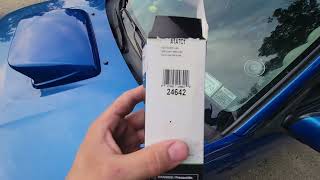
- NGK/NTK (specifically part #24642)
Brands owners have reported issues with on this vehicle:
- Generic, unbranded, or 'universal' oxygen sensors that require splicing wires.
Real Owner Stories
Aggregated from forums and TSBs cited above. Mileages and costs reflect what owners reported in those sources.
2006 Subaru Legacy 2.5i
Symptoms: P0139 and P2096 codes kept returning after several start cycles and a long drive. The ECM was seeing a constant 0.6v from the rear sensor despite the sensor actually outputting 0.1 to 0.8v when tested with a meter.
What fixed it: Replacing the front Air/Fuel ratio sensor allowed the new rear sensor to function correctly and cleared the codes.
Source hint: LegacyGT.com
2009 Subaru Legacy 2.5L
Symptoms: Check Engine Light with codes P0139 and P0171, accompanied by a strong exhaust odor in the cabin.
What fixed it: Repairing an exhaust leak; the owner noted difficulty inspecting the manifold area due to heat shielding and concerns about rusted bolts.
Source hint: Reddit r/subaru
Related OBD-II Codes
Frequently Asked Questions
Why is my cruise control not working on my 2007 Subaru Legacy now that the Check Engine Light is on?
I replaced the rear O2 sensor on my Legacy 2.5i but P0139 and P2096 keep coming back. What else could it be?
Is there a specific brand of sensor I should use for my EJ25 engine to avoid P0139 issues?
How can I check for exhaust leaks on my Subaru without taking everything apart?
Are there any TSBs related to oil starvation that I should know about while fixing my emissions codes?
Could my head gasket leak be related to my oxygen sensor failure?
Helpful Videos
We Have This Part in Stock


The information in this article is provided for general reference and educational purposes only. Vehicle specifications, procedures, and part compatibility can vary by production date, trim level, and region. Always consult your vehicle's factory service manual and verify part numbers before purchasing or performing repairs. Safety-critical components such as airbags, seat belts, and braking systems should be installed by a qualified professional.
- Subaru Legacy:
- 🎬 Helpful Videos
- 🛍️ Shop This Part
- What's Unique About the 2005-2009 Subaru Legacy
- Symptoms You May Notice
- Most Likely Causes
- Rare But Worth Checking
- Diagnosis Steps
- Parts You'll Likely Need
- Related Codes That Often Appear With This One
- Platform-Specific Known Issues
- Mechanic-Grade Diagnostic Values
- Hidden / Shadow Codes Worth Checking
- Scan Tool Commands That Help
- Wiring & Ground Locations
- Real Owner Repair Stories
- OEM Part Supersession History
- Model Year Variations Within This Range
- Diagnostic Flowchart
- Other Known Issues on This Vehicle
- Used vs. New Parts: Buying Guide for This Vehicle
- Real Owner Stories
- 2006 Subaru Legacy 2.5i
- 2009 Subaru Legacy 2.5L
- Related OBD-II Codes
- Frequently Asked Questions
- 🎟️ Get 5% Off