

P0139 on 1996-2004 Ford Mustang GT 4.6L: Slow O2 Sensor Response Causes and Fixes
This code means the passenger-side downstream oxygen sensor is responding too slowly. Most often, the fix is to simply replace the old sensor. An exhaust leak before the sensor is the second most likely cause. Expect to pay $40-$80 for an aftermarket sensor and about 30 minutes to an hour for DIY replacement.
- P0139 points to the passenger-side O2 sensor located after the catalytic converter.
- The most likely fix is replacing the sensor itself, which is a simple and affordable DIY job.
- Before buying a new sensor, check carefully for exhaust leaks (ticking noises) and damaged wiring, as these can also cause the code.
- If you also have a P0420 code, fix P0139 first. A lazy sensor can make a good catalytic converter seem bad.
- Always use a quality direct-fit sensor from a brand like Motorcraft, Bosch, or NTK to avoid issues.
What's Unique About the 1996-2004 Ford Mustang GT
On the SN95/New Edge Mustang GT, the P0139 code is a straightforward issue. The 4.6L V8 platform is durable, but after decades of heat cycles, the original oxygen sensors simply wear out. Exhaust manifold gasket leaks can also occur, creating a ticking sound on startup and introducing air that confuses the sensor. Because this is a common maintenance item, high-quality direct-fit sensors from brands like Motorcraft, Bosch, and NTK are widely available and affordable. The wiring for the downstream sensor is also somewhat exposed under the car and can be susceptible to damage from road debris or contact with hot exhaust components.
Generation note: This guide covers the 1996-2004 Ford Mustang GT, which includes the 1996-1998 SN95 models and the 1999-2004 'New Edge' refresh. The 4.6L 2V V8 engine and four-sensor oxygen sensor layout are consistent across this entire range, so the causes and fixes for P0139 are the same.
Symptoms You May Notice
- Check Engine Light is on
- Failing a state emissions inspection
- Slightly reduced fuel economy
- In rare cases, hesitation or rough idle during deceleration.
- A subtle exhaust 'ticking' noise, especially when cold, if an exhaust leak is the cause.
- Replacing the catalytic converter. If you also have a P0420 code ('Catalyst Efficiency Below Threshold'), the lazy P0139 sensor may be the actual cause. A slow-responding sensor can't accurately report on the catalytic converter's function, leading to a false P0420. Always fix P0139 first.
Most Likely Causes
- Failing Bank 1, Sensor 2 Oxygen Sensor 🔴 High Probability Oxygen sensors are wear items with a typical lifespan of 60,000-100,000 miles. On these older Mustangs, it's very likely the original sensor has reached the end of its service life due to age and contamination from carbon and other deposits.
How to confirm: After ruling out exhaust leaks and wiring issues, the most practical step is to replace the sensor. Advanced diagnosis involves using a scan tool to graph the sensor's voltage; a healthy downstream sensor shows slow, lazy switching, but a P0139 sensor may appear almost flat-lined or respond extremely slowly to throttle changes.
Typical fix: Replace the passenger-side, downstream (post-catalytic converter) oxygen sensor. It is highly recommended to use a quality OEM or direct-fit aftermarket sensor to avoid compatibility issues.
Est. part cost: $40-$90 - Exhaust System Leak 🟡 Medium Probability The gaskets on the 4.6L engine, particularly the exhaust manifold to cylinder head gaskets and the collector flange gaskets, can degrade and fail over time. This allows outside air to be sucked into the exhaust, skewing the O2 sensor's readings and making it appear slow to respond.
How to confirm: Listen for an audible ticking or hissing from the exhaust manifolds or mid-pipe, especially when the engine is cold. 🎬 Watch: Hear what a 4.6L exhaust manifold leak sounds like. The sound may diminish as the engine warms up and the metal expands. A visual inspection may reveal black soot trails around a leaking gasket or flange. A shop can use a smoke machine to pinpoint the leak.
Typical fix: Locate the leak and replace the faulty gasket (e.g., exhaust manifold gasket, collector gasket).
Est. part cost: $20-$50 - Damaged Wiring or Connector ⚪ Low Probability
How to confirm: Visually inspect the oxygen sensor's wiring harness from the sensor to where it connects to the main harness. On a Mustang, this harness runs under the car near the transmission. Look for any signs of melting from contact with the exhaust, chafing against the transmission or frame, or corrosion in the connector pins.
Typical fix: Repair the damaged section of wire or clean/replace the corroded connector. Ensure the harness is properly secured away from heat sources and moving parts.
Est. part cost: $5-$25
Rare But Worth Checking
- Aftermarket Long-Tube Headers: If the vehicle has long-tube headers, the O2 sensor bung is relocated much further downstream. This can cool the sensor and significantly slow its response time, triggering a P0139 code. The common fix is a custom PCM tune to either disable the rear O2 sensor monitoring (for off-road use) or adjust the PCM's expectations for sensor response time.
- PCM Software Issue: While uncommon for this specific model, some Ford vehicles with the 4.6L engine have had Technical Service Bulletins (TSBs) for false P0139/P0159 codes that require a PCM software update. For example, TSB 05-10-8 was issued for some 2004 F-150s with this issue. This should only be considered after all other physical causes have been ruled out.
- Leaking Fuel Injectors: A leaking fuel injector can cause a rich condition that continues even during deceleration fuel cut-off. This excess fuel in the exhaust can prevent the O2 sensor voltage from dropping as expected, making the sensor appear 'slow'. This is a rare cause and would typically be accompanied by other symptoms like rough idle, black smoke, or a rich code (P0172).
Diagnosis Steps
- Read all codes stored in the PCM with an OBD-II scanner. If any other codes are present, especially for misfires (P030x) or fuel mixture (P0171/P0174), diagnose and fix them first as they can affect O2 sensor readings.
- Perform a thorough visual inspection of the exhaust system from the passenger-side exhaust manifold to the mid-pipe. Look for black soot marks indicating a leak at gaskets or flanges.
- Start the engine when it's cold and listen for any ticking or puffing sounds that would confirm an exhaust leak. The noise is often most prominent near the passenger-side firewall.
- Inspect the wiring harness for the Bank 1, Sensor 2. Follow it from the sensor (located on the H-pipe after the catalytic converter 🎬 Watch: This video shows exactly where each sensor is located.) and check for any melted, frayed, or damaged sections, paying close attention to where it runs near the transmission and exhaust.
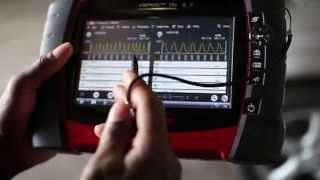
- If you have an advanced scan tool, graph the voltage for Bank 1 Sensor 1 and Bank 1 Sensor 2. The upstream sensor (B1S1) should fluctuate rapidly. The downstream sensor (B1S2) should switch slowly. If B1S2 is stuck at a certain voltage or barely changes, it confirms a lazy sensor.
- If no exhaust leaks or wiring damage are found, the oxygen sensor itself is the most likely cause.
- Replace the Bank 1, Sensor 2 oxygen sensor. Use a 22mm or 7/8" oxygen sensor socket for removal. Apply a small amount of anti-seize compound to the threads of the new sensor if it doesn't have it pre-applied.
- Clear the trouble codes with a scan tool and perform a drive cycle (including highway cruising and deceleration) to ensure the code does not return.
Parts You'll Likely Need
- Oxygen Sensor (Bank 1, Sensor 2)
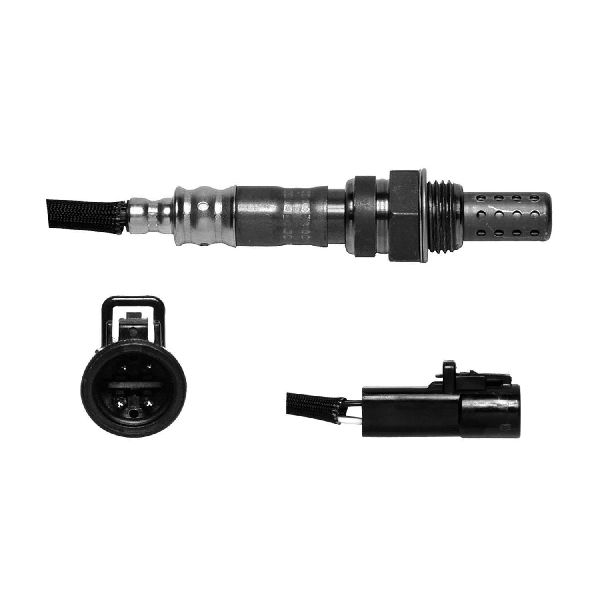
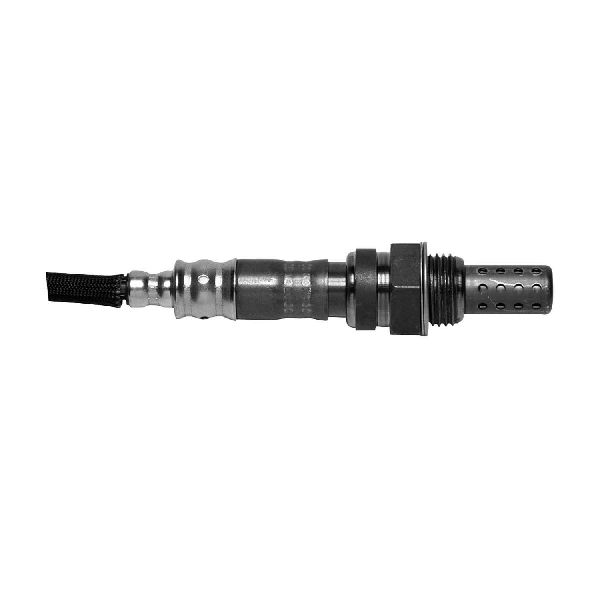
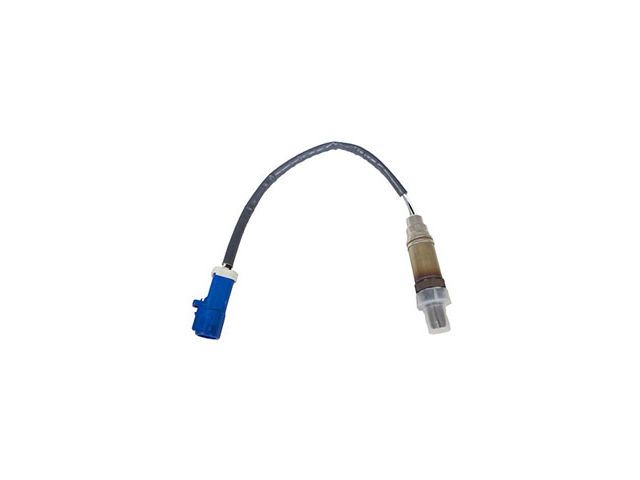
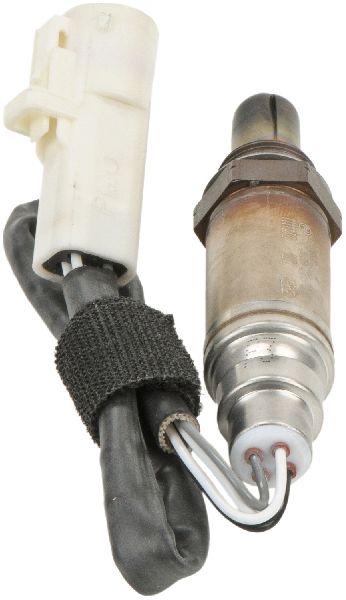
(OEM #DY1401)— This is the downstream, passenger-side oxygen sensor. It is the most common point of failure for a P0139 code due to age and wear.
Trusted brands: Motorcraft, Bosch, NTK, Denso
OEM price range: $70-$100
Aftermarket price range: $40-$80
Related Codes That Often Appear With This One
- P0420 — A slow-responding Sensor 2 (P0139) can fail to correctly monitor the catalytic converter, leading the PCM to incorrectly flag the converter as inefficient (P0420).
- P0141 — This code indicates a failure in the sensor's internal heater circuit. A sensor that can't heat up properly will be slow to respond, directly causing P0139. If you see both, the sensor is definitely bad and needs replacement.
- P0159 — This is the identical 'Slow Response' code but for Bank 2 (driver's side). Seeing both P0139 and P0159 at once could point to a common issue like a bad batch of fuel, or more likely, the sensors being the same age and failing together.
Technical Service Bulletins (TSBs) & Recalls
- TSB 05-10-8: While not for the Mustang specifically, this TSB was issued for some 2004 Ford F-150 trucks with the 4.6L engine experiencing P0139 and P0159 codes. The fix was a PCM recalibration, showing a precedent for software fixes for this code on the 4.6L platform.
Platform-Specific Known Issues
- source — A user on S197Forum.com with an off-road H-pipe (no catalytic converters) reported getting both P0139 and P0159 codes. This highlights that modifications removing catalytic converters or changing sensor location are a primary cause for these codes, often requiring a custom tune or MIL eliminators to resolve.
- Exhaust Leak as the Culprit: Multiple owners on forums like StangNet and MustangForums report that a persistent P0139 was ultimately traced back to a small exhaust leak from a warped exhaust manifold or a bad gasket at the collector, reinforcing the need to check for leaks before replacing the sensor.
Mechanic-Grade Diagnostic Values
- O2 Sensor Heater Resistance — expected: 3 to 30 Ω (Ohms). Failure: An open circuit (OL) or a reading outside the expected range indicates a failed heater element within the sensor. Some sources suggest a tighter range of 5-7 Ohms is typical for a good sensor.
- O2 Sensor Signal Voltage (at PCM) — expected: Should fluctuate between 0.1V and 0.9V at idle.. Failure: A sensor that is stuck, has a very slow or narrow voltage swing, or does not respond to changes in air/fuel mixture (like a throttle snap) is considered lazy or failed.
- O2 Sensor Heater Power Supply (at harness connector) — expected: 12V DC with key on, engine off.. Failure: No voltage indicates a problem with the fuse or wiring leading to the sensor, not the sensor itself.
- Wiring Harness Resistance — expected: Less than 1.5 Ohms from the sensor connector to the corresponding PCM pin.. Failure: Resistance higher than 5 Ohms suggests corrosion in a connector or a damaged wire, which can mimic a slow sensor.
Hidden / Shadow Codes Worth Checking
- P1127: Exhaust Not Warm, Downstream O2 Sensor Not Tested. This Ford-specific code indicates the PCM's test of the downstream sensor couldn't be completed because the exhaust didn't reach the required temperature. This can point to a faulty heater circuit in the O2 sensor, which is a direct cause of the slow response seen in P0139. (see via Visible with most standard OBD-II scanners; provides context that the issue is likely with the sensor's heating capability.)
Wiring & Ground Locations
- G101 (4.6L V8) — On the back of the driver's side cylinder head, connecting to the firewall.. This is a primary engine-to-chassis ground. A poor connection here can cause various electrical issues, including erratic sensor readings as the PCM may lack a stable ground reference.
- G201 — Located in the passenger side kick panel area, near the PCM.. This is a critical ground for the Powertrain Control Module (PCM). A faulty G201 ground can directly impact the PCM's ability to accurately interpret signals from all engine sensors, including the O2 sensors.
- G105 — Located on the bottom of the engine, near the starter motor.. This serves as a main engine block ground. Corrosion or a loose connection here can lead to unstable voltage and grounding for the entire engine management system.
- HEGO Ground (O2 Heater Ground) — An orange wire with a ring terminal in the fuel injector wiring harness, typically grounded to a bolt on the back of the intake manifold or cylinder head.. This is the specific ground circuit for the oxygen sensor heaters. A bad connection here will prevent the sensor from heating up properly, directly causing a slow response and triggering code P0139.
- Bank 1 Sensor 2 Connector Wires — The 4-wire connector for the passenger-side downstream O2 sensor.. Knowing the wire colors helps in testing. For 2005+ models (and likely similar for 99-04), the wires are: Red/Yellow (Heater Power), Grey/Red (Heater Ground), White/Black (Signal), and Red/Light Green (Signal Ground). Mixing up connectors during service is a possible cause of this code.
Real Owner Repair Stories
- S197Forum.com user (Ford Mustang (year not specified, but S197 platform is 2005+ though wiring is similar)) — Check Engine Light with O2 sensor codes after pulling the transmission.
❌ Tried (didn't work) Guessing which O2 sensor connector went where.
✅ What actually fixed it The user had mixed up the O2 sensor connectors during re-installation. The fix was to use a wiring diagram to correctly identify and reconnect the left and right side sensors to their proper harnesses. The wire colors for the signal and ground wires are unique to each sensor position.
OEM Part Supersession History
F85Z9G444AB, F85Z9G444BA, XC2Z9F472BA, etc.→DY1401 (Motorcraft)— Part consolidation and minor updates over the years.
Heads up: The Motorcraft DY1401 is a widely superseded part number that fits a huge range of Ford vehicles as a downstream sensor. While it is correct for the 1999-2004 GT, always verify fitment for your specific vehicle, as earlier 1996-1998 models may use a different part number.
Model Year Variations Within This Range
- 1996-1998 vs 1999-2004: While functionally similar, the specific oxygen sensor part numbers can differ between the SN95 (96-98) and New Edge (99-04) models. For example, one forum source indicates Bosch part #13127 fits 96-98, while #15716 is for 99-04. The physical connectors and wire lengths are the primary differences. Always buy a sensor specified for your exact year.
- 1996-2004: All 1996 and newer Mustangs are OBD-II compliant and feature a four-sensor layout: two upstream (for fuel control) and two downstream (for catalyst monitoring). This is a key difference from the 1995 and earlier models which only had two upstream sensors.
Diagnostic Flowchart
Other Known Issues on This Vehicle
Issues unrelated to this code that are worth knowing about as an owner of this generation:
- Cracked Plastic Intake Manifold 🔴 High — Extremely common on 1996-2001 models with the all-plastic manifold. Failure can occur anytime after 60,000 miles, leading to sudden, major coolant loss. (Ref: No active recall; a class-action lawsuit led to an extended warranty that has since expired.)
- Timing Chain Tensioner & Guide Wear 🟠 Medium — Common on higher-mileage (100,000+) engines. Often presents as a startup rattle that lasts for a few seconds. Caused by failing hydraulic tensioners or broken plastic guides.
- Idle Air Control (IAC) Valve Failure 🟡 Low — A very common failure item. Symptoms include erratic or surging idle, and stalling when coming to a stop. It's a simple part to replace.
- Heater Core Failure 🟠 Medium — Common on older vehicles. Symptoms are a coolant smell inside the cabin, fog on the inside of the windshield, and a wet passenger-side floorboard. The repair is very labor-intensive.
Used vs. New Parts: Buying Guide for This Vehicle
When a used part is the smart pick: For this repair, buying a used oxygen sensor is never recommended. They are wear items with a finite lifespan, and a used sensor is likely to have diminished performance or fail shortly after installation. Used parts are only a smart choice for the wiring harness pigtail if the connector is damaged and you can't find a new replacement.
What to inspect on the donor part:
- Not applicable for the sensor itself. For a used wiring pigtail, inspect for melted plastic, brittle wires, and clean, corrosion-free connector pins.
Aftermarket brands forum-validated for this vehicle:
- Motorcraft (OEM)
- NTK (often the original equipment manufacturer)
- Denso
- Bosch
Brands owners have reported issues with on this vehicle:
- Avoid unbranded, 'universal' sensors that require splicing wires. These often have incorrect resistance values for the heater circuit and can cause immediate or recurring codes. Stick to direct-fit sensors from reputable brands.
Real Owner Stories
Aggregated from forums and TSBs cited above. Mileages and costs reflect what owners reported in those sources.
2004 Ford Mustang GT 4.6L V8
Symptoms: The owner reported getting both P0139 and P0159 codes simultaneously.
What fixed it: The issue was caused by an off-road H-pipe (no catalytic converters), which required a custom tune or MIL eliminators to resolve.
Source hint: S197Forum.com thread titled 'Codes P0139 and P0159'
1996-2004 Ford Mustang GT 4.6L V8
Symptoms: Persistent P0139 code that would not go away.
What fixed it: The code was ultimately traced back to a small exhaust leak from a warped exhaust manifold or a bad gasket at the collector.
Source hint: StangNet and MustangForums reports
Related OBD-II Codes
Frequently Asked Questions
Does TSB 05-10-8 apply to my 1996-2004 Mustang GT with the 4.6L engine?
I have an off-road H-pipe on my Mustang; could this be causing the P0139 code?
Where is the Bank 1, Sensor 2 oxygen sensor located on my Mustang GT?
Could a ticking noise when the engine is cold be related to my P0139 code?
Is there a specific tool I need to replace the O2 sensor on my 4.6L V8?
Should I replace my O2 sensor if I also have misfire codes like P030x?
Helpful Videos

We Have This Part in Stock


The information in this article is provided for general reference and educational purposes only. Vehicle specifications, procedures, and part compatibility can vary by production date, trim level, and region. Always consult your vehicle's factory service manual and verify part numbers before purchasing or performing repairs. Safety-critical components such as airbags, seat belts, and braking systems should be installed by a qualified professional.
- Ford Mustang GT:
- 🎬 Helpful Videos
- 🛍️ Shop This Part
- What's Unique About the 1996-2004 Ford Mustang GT
- Symptoms You May Notice
- Most Likely Causes
- Rare But Worth Checking
- Diagnosis Steps
- Parts You'll Likely Need
- Related Codes That Often Appear With This One
- Technical Service Bulletins (TSBs) & Recalls
- Platform-Specific Known Issues
- Mechanic-Grade Diagnostic Values
- Hidden / Shadow Codes Worth Checking
- Wiring & Ground Locations
- Real Owner Repair Stories
- OEM Part Supersession History
- Model Year Variations Within This Range
- Diagnostic Flowchart
- Other Known Issues on This Vehicle
- Used vs. New Parts: Buying Guide for This Vehicle
- Real Owner Stories
- 2004 Ford Mustang GT 4.6L V8
- 1996-2004 Ford Mustang GT 4.6L V8
- Related OBD-II Codes
- Frequently Asked Questions
- 🎟️ Get 5% Off