

P0139 on 2006-2010 Dodge Charger 5.7L: Slow O2 Sensor Causes and Fixes
This code means the downstream oxygen sensor on the passenger side (Bank 1, Sensor 2) is responding too slowly. The most common fix is to replace the sensor itself, which is a relatively simple DIY job. Before replacing, check for relevant TSBs, as a PCM software update may resolve the issue on 2007-2008 models. Expect to pay between $25 for an aftermarket part and $80 for an OEM sensor from a recommended brand like NTK.
- P0139 specifically points to the downstream (post-catalytic converter) oxygen sensor on Bank 1 (passenger side) for the 5.7L Hemi.
- The most common cause by far is simply a worn-out O2 sensor that needs to be replaced. NTK brand sensors are highly recommended.
- Before replacing parts on a 2007-2008 model, check for TSB 18-037-08 REV. A, as a simple PCM flash might be the fix.
- Always perform a quick visual check of the exhaust for leaks (especially at manifold bolts) and the sensor wiring for damage before buying a new sensor.
What's Unique About the 2006-2010 Dodge Charger
On the 5.7L Hemi V8 engine in the first-generation Dodge Charger, Bank 1 is the passenger side of the engine, as this is the bank containing cylinder #1. This code specifically points to the downstream sensor on that side. While the cause is almost always a worn-out sensor, the wiring harness is routed near hot exhaust and transmission components and can sometimes be a contributing factor due to heat degradation. Owners on forums like ChargerForums.com and LXForums.com frequently recommend using OEM-equivalent sensor brands like NTK for a reliable fix, noting that some aftermarket brands, particularly Bosch, can cause compatibility issues on this platform.
Symptoms You May Notice
- Check Engine Light is on.
- Failure to pass an emissions test.
- Slightly reduced fuel economy.
- In rare cases, the engine may hesitate or run rough on deceleration.
- Replacing the catalytic converter. A P0139 code points to a sensor response issue, not necessarily a bad converter. A failing converter would typically trigger a P0420 (Catalyst System Efficiency Below Threshold) code.
- Replacing the wrong O2 sensor. Ensure you are replacing Bank 1, Sensor 2, which is the downstream (post-catalyst) sensor on the passenger side. Bank 2 is the driver's side.
Most Likely Causes
- Failing Bank 1, Sensor 2 Oxygen Sensor 🔴 High Probability Oxygen sensors are wear-and-tear items. The internal heating element or sensing ceramic can degrade over 80,000-100,000 miles, causing it to respond slowly to changes in exhaust gas composition. Contamination from oil or coolant can also cause premature failure.
How to confirm: Use a scan tool to monitor the live voltage data for the B1S2 O2 sensor. A healthy downstream sensor on a warm engine should show a relatively stable voltage, typically holding steady between 0.5V and 0.8V. If the voltage is flat, stuck, or responds very slowly (taking multiple seconds) to induced rich/lean conditions (like a quick throttle snap), the sensor is faulty. The sensor's internal heater element can also be tested with a multimeter; a typical resistance value is between 4 and 25 Ohms, though some sources cite 2-4 Ohms as a common range for Chrysler products.
Typical fix: Replace the Bank 1, Sensor 2 oxygen sensor. This sensor is located on the passenger side, after the catalytic converter. Using an O2 sensor socket is highly recommended to avoid stripping the old sensor.
Est. part cost: $25-$80 - Exhaust System Leak 🟡 Medium Probability Rust and corrosion can cause leaks at exhaust manifold gaskets or pipe flanges. The Hemi engines are also known for exhaust manifold bolts breaking, creating a leak at the head. A leak upstream of the sensor can introduce extra oxygen into the exhaust stream, confusing the sensor and causing it to produce slow or erratic readings.
How to confirm: Visually inspect the exhaust system from the engine manifold back to the sensor for any signs of black soot, cracks, or holes. Listen for ticking noises that are loudest on a cold start and may quiet down as the engine warms. A smoke machine can also be used to pressurize the exhaust and easily spot leaks.
Typical fix: Repair the leak by replacing the faulty gasket, broken manifold bolt, or affected section of exhaust pipe.
Est. part cost: $20-$300 - Damaged Wiring or Connector ⚪ Low Probability The sensor wiring is located under the vehicle and is exposed to heat, moisture, and road debris. The harness can melt on the exhaust or chafe against the transmission housing or chassis components, leading to shorts or open circuits.
How to confirm: Visually inspect the wiring harness and connector for the Bank 1, Sensor 2 O2 sensor. Look for any signs of melting, chafing, or corrosion on the pins. Perform a continuity and resistance check on the wiring between the sensor connector and the PCM. Resistance above 5 Ohms suggests a problem in the wiring.
Typical fix: Repair the damaged section of wire or clean/replace the connector. Use heat-resistant loom to protect the new repair.
Est. part cost: $10-$50
Rare But Worth Checking
- PCM Software Update Needed: Chrysler issued TSB 18-037-08 REV. A for some 2007-2008 models, which involves a PCM software flash to correct overly sensitive diagnostics that could falsely trigger P0139 and P0159 codes. This should be checked before replacing parts on applicable model years.
- Leaking Fuel Injector: A leaking fuel injector on Bank 1 can create a persistent rich condition that the O2 sensor struggles to read correctly, potentially mimicking a slow response. This is less common but worth considering if replacing the sensor doesn't fix the code.
- Powertrain Control Module (PCM) Fault: In very rare instances, the internal circuitry of the PCM that processes the O2 sensor signal can fail. This should only be considered after all other possibilities, including software updates, have been exhausted.
Diagnosis Steps
- Confirm the code P0139 is present using an OBD-II scanner.
- Check for any other stored trouble codes. If P0159 is also present, it points towards a common issue like sensor age rather than a bank-specific problem.
- For 2007-2008 models, check if TSB 18-037-08 REV. A is applicable. A PCM reflash may be the required fix.
- Perform a thorough visual inspection of the exhaust system from the passenger-side exhaust manifold to the B1S2 sensor. Look for soot trails indicating leaks, especially around manifold bolts and flange gaskets.
- Inspect the B1S2 oxygen sensor's wiring harness and connector for any signs of melting, corrosion, or physical damage.
- Use a scan tool with live data capabilities to observe the voltage of the Bank 1, Sensor 2 (B1S2). At a steady 2000 RPM on a fully warmed engine, the voltage should be relatively stable, typically above 0.5V. A sensor that is stuck, switching very slowly, or doesn't respond to a sharp throttle snap is likely faulty.
- If the wiring, exhaust, and PCM software are good, and the live data points to a lazy sensor, the sensor itself is the confirmed cause.
- Before installing a new sensor, clean the threads in the exhaust bung with a thread chaser (M18x1.5) to ensure proper installation and grounding. Apply anti-seize compound to the new sensor's threads if not pre-applied.
Parts You'll Likely Need
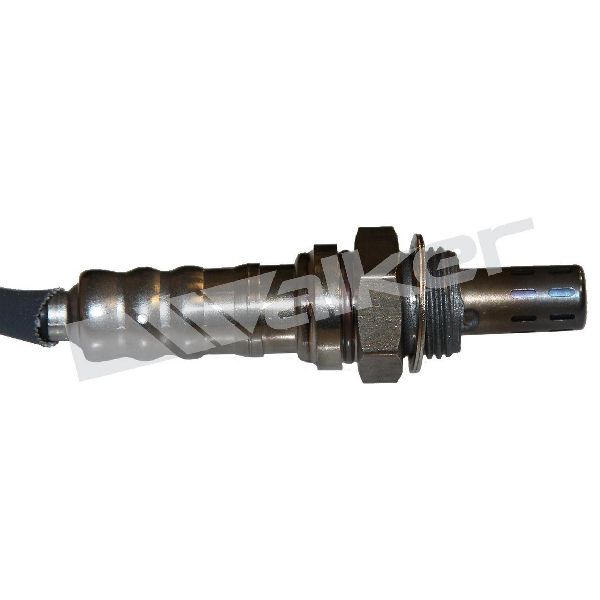
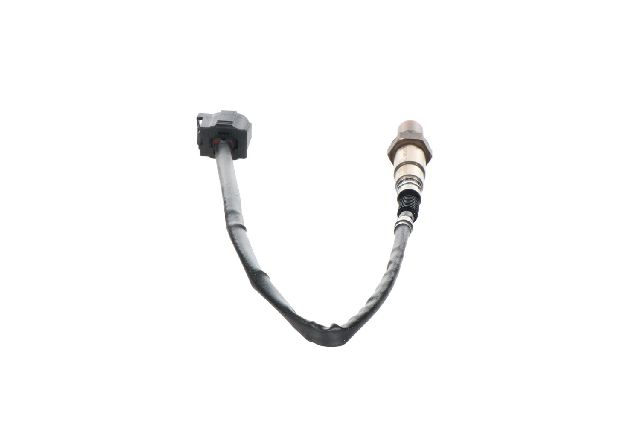
- Oxygen Sensor (Bank 1, Sensor 2)
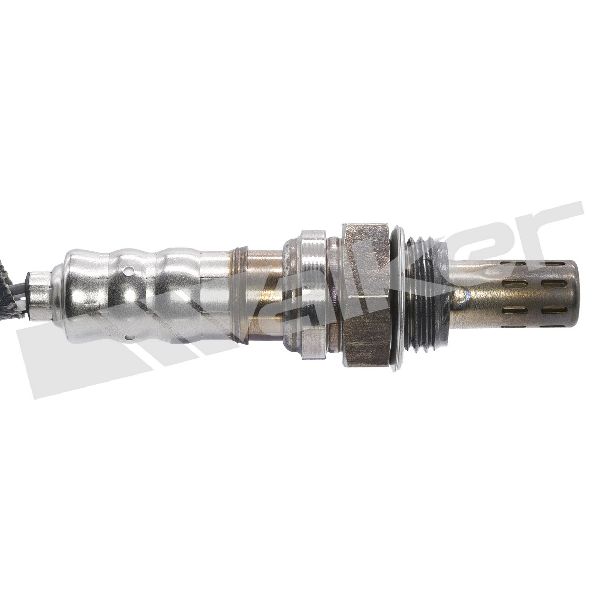
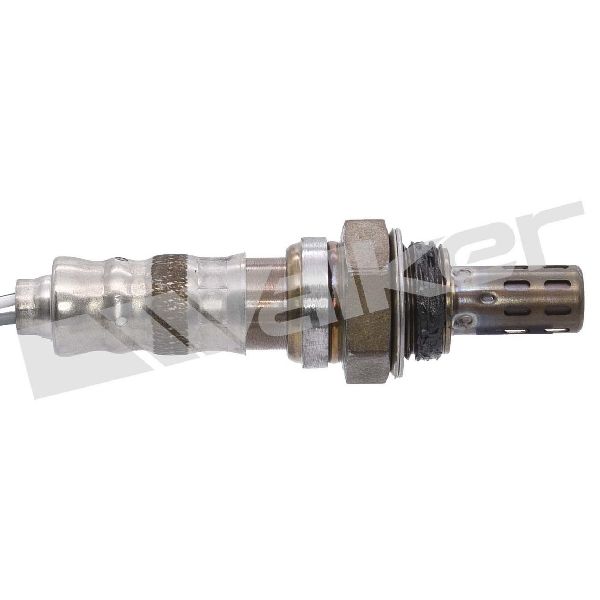
(OEM #56029049AA)— This is the component that directly measures exhaust oxygen content and is identified by the code as responding too slowly. It is a common wear item.
Trusted brands: NTK, Denso, Mopar
OEM price range: $70-$90
Aftermarket price range: $25-$60
Related Codes That Often Appear With This One
- P0159 (O2 Sensor Circuit Slow Response Bank 2, Sensor 2): If both downstream sensors are of a similar age, they may fail around the same time, causing both codes to appear together.
Technical Service Bulletins (TSBs) & Recalls
- 18-037-08 REV. A: Released for some 2007-2008 LX platform vehicles (Charger, 300, Magnum) with 2.7L, 3.5L, and 5.7L engines. Involves a PCM software flash to address false P0139 and P0159 diagnostic trouble codes.
Platform-Specific Known Issues
- PCM Software Update TSB: For 2007-2008 models, TSB 18-037-08 REV. A was released to address false P0139/P0159 codes by updating the PCM software with less sensitive diagnostic parameters. Always check for this before replacing hardware on affected model years.
Mechanic-Grade Diagnostic Values
- Downstream O2 Sensor (B1S2) Voltage — expected: Should hold relatively steady between 0.5V and 0.8V on a warm, running engine at steady RPM.. Failure: Voltage is stuck, flat, or responds very slowly (e.g., >100ms) to throttle changes. A P0139 may set if voltage does not drop below 0.2V within 7 seconds of deceleration fuel cut-off.
- O2 Sensor Heater Circuit Resistance — expected: Typically between 4 and 25 Ohms when measured across the two same-colored heater wires on the sensor connector. Some sources cite a tighter range of 2-4 Ohms.. Failure: An open circuit (infinite resistance) or a dead short (zero resistance) indicates a failed heater element.
- O2 Sensor Signal Circuit Resistance (to PCM) — expected: Less than 5 Ohms.. Failure: Resistance greater than 5 Ohms indicates corrosion or damage in the wiring harness between the sensor and the PCM.
- Mode $06, TID $05, CID $02 — expected: This Test ID and Component ID on Chrysler CAN-bus vehicles often corresponds to the 'Bank 1 Sensor 2 O2 Sensor Response Rate (Rich to Lean)'. The measured value should be below the maximum threshold specified by the PCM.. Failure: A test result value that exceeds the maximum limit indicates the sensor is responding too slowly, even if it hasn't yet set a DTC. This can be used to spot a borderline sensor.
Scan Tool Commands That Help
- Witech/Professional Scan Tool: O2 Sensor Heater Test — Some advanced scan tools can command the O2 sensor heater circuit on and off. This can be used to verify the integrity of the heater circuit, its power feed, and the PCM's control over the ground circuit without having to physically access the sensor connector.
Wiring & Ground Locations
- Engine to Chassis Ground — A primary ground strap connects from the rear of the passenger side cylinder head to the firewall.. A poor engine ground can introduce electrical noise and voltage offsets, affecting the sensitive readings of all engine sensors, including the O2 sensors. Ensuring this ground is clean and tight is a critical step in diagnosing any electrical fault.
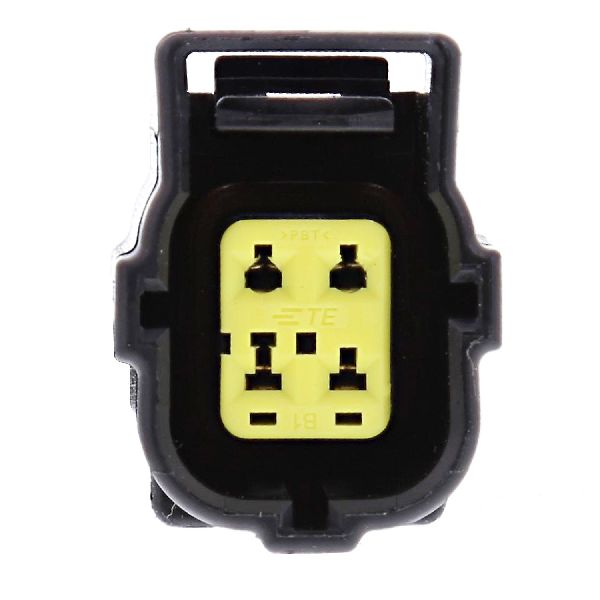
- B1S2 O2 Sensor Connector — Located on the passenger side of the vehicle, following the exhaust pipe downstream from the catalytic converter. The connector is typically clipped to the transmission or a chassis bracket.. This is the primary point of failure for wiring issues. It is exposed to heat from the exhaust and transmission, as well as road debris and moisture, which can cause corrosion on the pins or damage to the connector housing.
- PCM Connector C2 (NGC Controller) — The Powertrain Control Module is located in the engine bay. The B1S2 signal wire is typically a Dark Blue/White wire that goes to a specific pin on one of the main PCM connectors.. When diagnosing a persistent code with a known-good sensor, checking for continuity and voltage at the PCM pin itself is the final step to rule out a wiring issue or confirm a faulty PCM driver.
Real Owner Repair Stories
- LXForums.com member (2006 Dodge Magnum R/T (5.7L Hemi)) — Recurring P0139 and P0159 codes.
❌ Tried (didn't work) Replacing the downstream O2 sensors with aftermarket (non-NTK/Denso) brands.
✅ What actually fixed it The problem was only resolved after replacing both downstream O2 sensors with OEM or NTK-branded sensors. The forum consensus was that this platform is sensitive to the brand of O2 sensor used. - ChargerForums.com member (2006 Dodge Charger R/T (5.7L Hemi)) — P0139 and P0159 codes appeared together.
❌ Tried (didn't work) Initial diagnosis was uncertain.
✅ What actually fixed it Replacing both downstream O2 sensors resolved both codes simultaneously. The user noted the sensors were likely original and had failed due to age.
OEM Part Supersession History
56029049AA→56029049AA (current)— This part number has remained stable for a long time and fits a wide range of Chrysler, Dodge, and Jeep vehicles from roughly 2005 to 2012.
Heads up: While the part number is stable, forum users strongly caution against using certain aftermarket brands like Bosch, which have been reported to cause compatibility issues and repeat codes on this platform. Sticking to Mopar or the OEM supplier (NTK) is highly recommended.
Model Year Variations Within This Range
- 2007-2008: These model years are subject to TSB 18-037-08 REV. A, which addresses overly sensitive diagnostic parameters in the PCM. A software reflash from a dealer may be the only required fix, whereas on other years, the cause is almost always a hardware failure (sensor, wiring, exhaust leak).
Diagnostic Flowchart
Other Known Issues on This Vehicle
Issues unrelated to this code that are worth knowing about as an owner of this generation:
- MDS Lifter Failure ('Hemi Tick') 🔴 High — Common, especially on engines with over 75,000 miles, often exacerbated by extended idling or infrequent oil changes. Presents as a distinct ticking noise that gets worse as the engine warms up.
- Broken Shifter Interlock Lever ('Pink Thingy') 🟠 Medium — Very common on 2005-2007 models. The plastic lever inside the shifter assembly breaks, preventing the vehicle from being shifted out of Park. (Ref: A Mopar repair kit (P/N 68088259AB) was released to replace the plastic part without replacing the entire shifter assembly.)
- Premature Front Suspension Wear 🟠 Medium — Common failure item. The front tension struts (control arms) and outer tie rod ends wear out, causing clunking noises over bumps and imprecise steering.
- Alternator Failure 🟠 Medium — Alternators have a higher-than-average failure rate, sometimes attributed to their location and exposure to engine heat. Failure can be sudden.
- Dropped Valve Seats 🔴 High — A known, though less frequent, issue on early 5.7L Hemi engines where a valve seat can dislodge from the cylinder head, causing catastrophic engine failure.
Used vs. New Parts: Buying Guide for This Vehicle
When a used part is the smart pick: It is almost never a good idea to buy a used oxygen sensor. They are wear-and-tear items with a finite lifespan, and their remaining life is impossible to determine. The labor to install the part is the same, and the risk of premature failure and having to do the job again is very high. A used PCM could be a cost-effective option if the original is diagnosed as faulty, but it must be from an identical vehicle and will require programming.
Donor-vehicle mileage cap: roughly under 10000 miles for the part to have meaningful remaining life.
What to inspect on the donor part:
- For a used PCM, verify the part number matches exactly.
- Never buy a used O2 sensor. There are no reliable visual cues for its condition.
OEM-only on this vehicle (don't cheap out):
- Powertrain Control Module (PCM) - While a used one can work, it must be reprogrammed by a dealer or specialist with tools like Witech. An incorrect calibration can cause numerous issues.
- Oxygen Sensor - Strongly recommended to use OEM (Mopar) or the original equipment supplier (NTK). Aftermarket sensors, particularly from brands other than NTK or Denso, are frequently reported to cause persistent or new codes on this platform.
Aftermarket brands forum-validated for this vehicle:
- NTK (for Oxygen Sensors) - Widely cited as the OEM supplier and the most reliable aftermarket choice.
- Denso (for Oxygen Sensors) - Also a reputable OEM supplier with good reported compatibility.
Brands owners have reported issues with on this vehicle:
- Bosch (for Oxygen Sensors) - Frequently mentioned in forums as being problematic for this specific vehicle platform, often leading to immediate or recurring trouble codes.
Real Owner Stories
Aggregated from forums and TSBs cited above. Mileages and costs reflect what owners reported in those sources.
2006 Dodge Charger 5.7L Hemi
Symptoms: The vehicle was throwing both P0139 and P0159 codes simultaneously.
What fixed it: Replacing both downstream O2 sensors with NTK units resolved the issue.
Source hint: ChargerForums.com - 'P0139 and P0159'
2006 Dodge Magnum R/T 5.7L Hemi
Symptoms: Struggled with recurring P0139 and P0159 codes after installing aftermarket sensors.
What fixed it: Replacing the aftermarket sensors with OEM or NTK sensors.
Source hint: LXForums.com - 'P0139 and P0159 again'
Related OBD-II Codes
Frequently Asked Questions
I have a 2007 Dodge Charger 5.7L with code P0139. Is there a software fix for this?
Which brand of oxygen sensor should I use for my 2006 Charger 5.7L to fix P0139?
Where is the Bank 1, Sensor 2 oxygen sensor located on my 5.7L Hemi V8?
Could a ticking noise on cold starts be related to my P0139 code?
What should the voltage reading be for a healthy downstream O2 sensor on my Charger?
Is there a specific tool I need to replace the sensor myself?
Helpful Videos
We Have This Part in Stock


The information in this article is provided for general reference and educational purposes only. Vehicle specifications, procedures, and part compatibility can vary by production date, trim level, and region. Always consult your vehicle's factory service manual and verify part numbers before purchasing or performing repairs. Safety-critical components such as airbags, seat belts, and braking systems should be installed by a qualified professional.
- Dodge Charger:
- 🎬 Helpful Videos
- 🛍️ Shop This Part
- What's Unique About the 2006-2010 Dodge Charger
- Symptoms You May Notice
- Most Likely Causes
- Rare But Worth Checking
- Diagnosis Steps
- Parts You'll Likely Need
- Related Codes That Often Appear With This One
- Technical Service Bulletins (TSBs) & Recalls
- Platform-Specific Known Issues
- Mechanic-Grade Diagnostic Values
- Scan Tool Commands That Help
- Wiring & Ground Locations
- Real Owner Repair Stories
- OEM Part Supersession History
- Model Year Variations Within This Range
- Diagnostic Flowchart
- Other Known Issues on This Vehicle
- Used vs. New Parts: Buying Guide for This Vehicle
- Real Owner Stories
- 2006 Dodge Charger 5.7L Hemi
- 2006 Dodge Magnum R/T 5.7L Hemi
- Related OBD-II Codes
- Frequently Asked Questions
- 🎟️ Get 5% Off