

P0139 on 2005-2010 Chrysler 300 3.5L V6: Slow O2 Sensor Causes and Fixes
This code means the downstream oxygen sensor on the passenger side is responding too slowly. In most cases, the sensor itself has worn out and needs to be replaced. An aftermarket sensor costs around $40-$70, while an OEM part is closer to $100-$150. It's a manageable DIY job for those comfortable working under the car. Crucially, this platform is known to be sensitive to sensor brands; use Mopar, NTK, or Denso for a reliable fix.
- P0139 on a 2005-2010 Chrysler 300 3.5L almost always means the passenger-side, downstream O2 sensor has failed.
- Before replacing the sensor, perform a quick visual check for damaged wires and listen for obvious exhaust leaks.
- This is a very common and relatively simple DIY repair. The main difficulty can be breaking the old, rusted sensor loose from the exhaust.
- CRITICAL: Use an OEM (Mopar), NTK, or Denso replacement sensor. Other aftermarket brands are well-known to cause persistent problems on this platform.
What's Unique About the 2005-2010 Chrysler 300
On this first-generation Chrysler 300, the P0139 code is a straightforward fault, almost always pointing to the sensor itself. Unlike some newer vehicles that may have software-related issues causing this code, the 2005-2010 models typically suffer from simple wear-and-tear on the sensor. However, these engines are notoriously sensitive to the brand of oxygen sensor used. Owners widely report that using non-OEM brands (especially Bosch) often fails to resolve the code or introduces new ones. The biggest physical challenge is often not diagnosis, but removing the old sensor, which can be seized in the exhaust pipe due to age and rust.
🎬 Watch: Step-by-step guide to removing a stubborn downstream sensor.Symptoms You May Notice
- Check Engine Light is on
- Failing an emissions test
- Slightly reduced fuel economy
- Occasional engine hesitation or rough running on deceleration (rare)
- Replacing the wrong O2 sensor. The 3.5L V6 has four O2 sensors. P0139 is specifically for Bank 1 (passenger side), Sensor 2 (downstream, after the catalytic converter).
- Replacing the catalytic converter. A bad catalytic converter typically sets a P0420 code. P0139 points to the sensor itself, not the converter it monitors. Always fix O2 sensor codes first.
- Using a cheap or incompatible aftermarket O2 sensor. Many owners report that the code returns until an OEM (Mopar) or OEM-supplier (NTK, Denso) sensor is installed.
Most Likely Causes
- Failing Bank 1, Sensor 2 Oxygen Sensor 🔴 High Probability Oxygen sensors are wear-and-tear items. After 100,000+ miles, the sensing element becomes contaminated with carbon and exhaust deposits, which slows down its reaction time. This platform is also known to reject many aftermarket sensor brands, leading to repeat failures if not using a recommended brand.
How to confirm: After confirming no exhaust leaks or wiring issues, use a scan tool to watch the live voltage data for the B1S2 sensor. A healthy downstream sensor shows slow, lazy voltage fluctuations, typically between 0.5V and 0.8V. A faulty one might be extremely slow, have a nearly flat voltage reading, or take longer than the PCM's calibrated time (e.g., >100 milliseconds) to switch during a forced fuel cut event.
Typical fix: Replace the Bank 1, Sensor 2 (passenger side, downstream) oxygen sensor with a Mopar, NTK, or Denso branded part.
Est. part cost: $40-$150 - Exhaust System Leak 🟡 Medium Probability Exhaust components can develop leaks at gaskets (especially manifold gaskets) or from rust over time. A leak before the O2 sensor allows outside oxygen into the exhaust stream, which can confuse the sensor and cause a slow response code.
How to confirm: Perform a visual inspection of the exhaust system from the manifold to the sensor. Listen for audible hissing or ticking sounds that change with engine RPM, especially on a cold start. A smoke test is the most definitive way to find small leaks.
Typical fix: Repair the leak by replacing the faulty gasket or exhaust component.
Est. part cost: $10-$200 - Damaged Wiring or Connector ⚪ Low Probability The sensor wiring runs underneath the car and is exposed to road debris, moisture, and heat, which can lead to corrosion, chafing, or breaks over time. Valve cover or power steering fluid leaks can also drip onto the harness and contaminate the connector.
How to confirm: Visually inspect the wiring harness and connector for the Bank 1, Sensor 2 O2 sensor. Check for frayed wires, corrosion in the connector pins, or signs of melting from contact with the exhaust. Look for oil contamination from above.
Typical fix: Repair the damaged section of the wiring harness or replace the connector pigtail.
Est. part cost: $15-$50
Rare But Worth Checking
- Blown O2 Sensor Heater Fuse: The O2 sensor must be hot to work correctly. A blown fuse for the heater circuit will prevent it from reaching operating temperature, which can cause a slow response or no activity code.
- PCM Software Issue: In very rare instances, the PCM software calibration may be overly sensitive. While no TSB specifically targets P0139, TSB 18-031-05 was issued for other Chrysler vehicles to correct O2 sensor response issues via a PCM reflash. This should only be considered as a last resort after replacing the sensor with a quality part and verifying all wiring.
- Failing Powertrain Control Module (PCM): In very rare cases, the internal circuitry of the PCM that processes the sensor's signal can fail, mimicking a bad sensor. This should only be considered after all other possibilities have been exhausted.
Diagnosis Steps
- Scan for Codes: Read the OBD-II codes to confirm P0139 is the primary code. Note any other codes present.
- Visual Inspection: Safely raise and support the vehicle. Visually inspect the passenger side downstream O2 sensor, its wiring, and connector for any obvious damage, corrosion, oil contamination, or melting.
- Check for Exhaust Leaks: Start the engine and listen for any hissing or ticking sounds from the exhaust system, especially between the engine and the catalytic converter.
- Check Fuses: Locate the fuse box in the engine bay and the trunk. Check the fuses related to the O2 sensors and replace if blown.
- Analyze Live Data: Using a capable scan tool, monitor the voltage for 'O2S B1S2'. With the engine warm, the voltage should fluctuate slowly. If it's stuck or responds very sluggishly to throttle changes, the sensor is likely bad.
- Test the Circuit: If the sensor appears unresponsive, unplug it and check the harness connector for a reference voltage from the PCM and a good ground. This confirms the wiring to the sensor is intact.
- Replace the Sensor: If the wiring and fuses are good, the O2 sensor itself is the culprit. Replace the Bank 1, Sensor 2 (passenger side, downstream) sensor with a Mopar, NTK, or Denso part for best results. 🎬 Watch this walkthrough for replacing the downstream oxygen sensor.
Parts You'll Likely Need
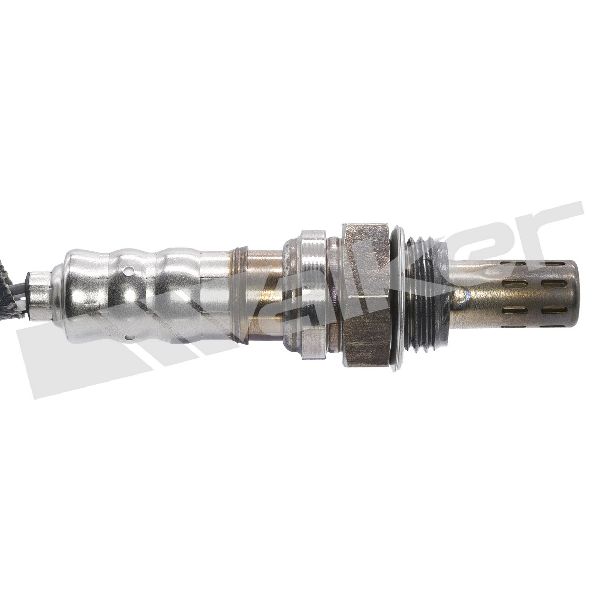
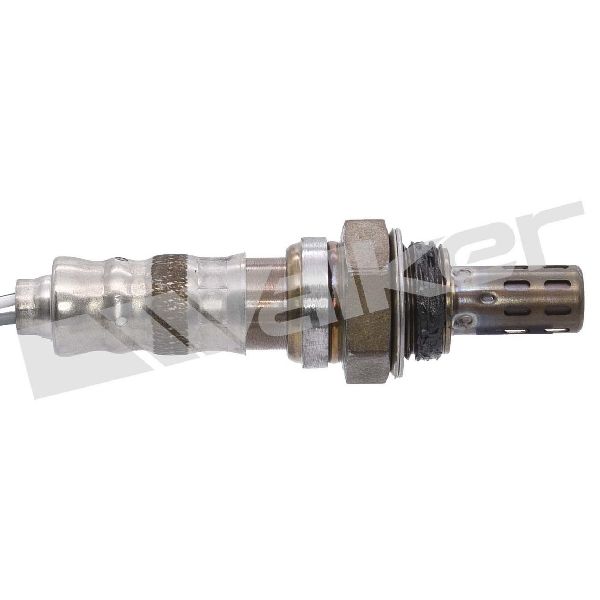
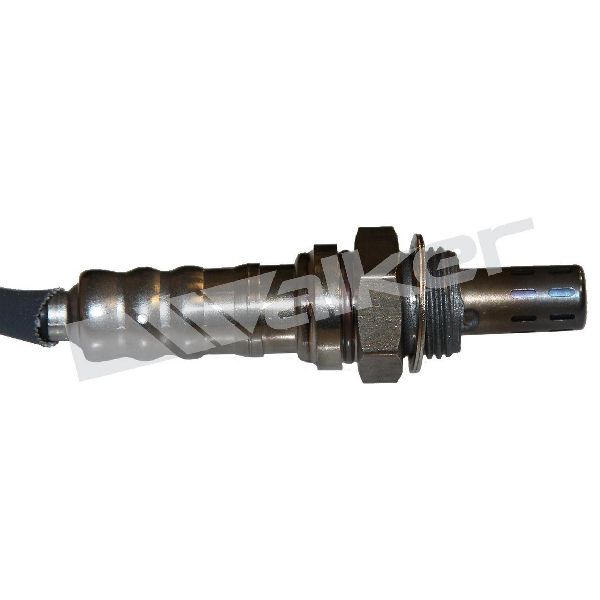
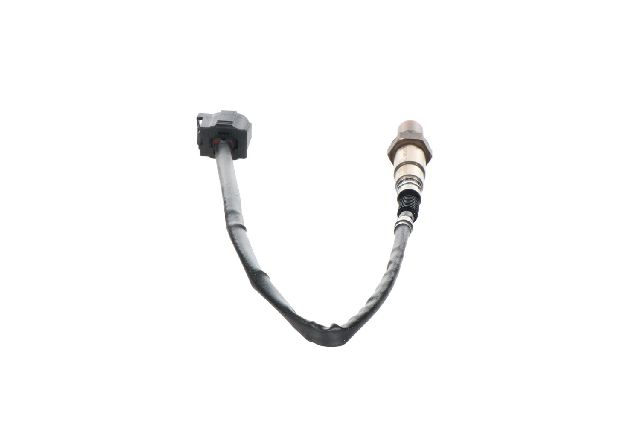
- Bank 1 Sensor 2 Oxygen Sensor (Passenger Side, Downstream)
(OEM #5149180AB (supersedes 5149180AA))— This is the most common failure point for code P0139. The sensor becomes 'lazy' with age and contamination.
Trusted brands: Mopar (OEM), NTK, Denso, Bosch
OEM price range: $115-$160
Aftermarket price range: $40-$70
Related Codes That Often Appear With This One
- P0138 — This code indicates 'O2 Sensor Circuit High Voltage' for the same sensor. It can appear if the sensor's internal failure causes erratic voltage readings.
- P0141 — This code indicates a malfunction in the heater circuit for the same sensor (Bank 1, Sensor 2). A faulty heater can cause the sensor to respond slowly, triggering P0139 as well.
Technical Service Bulletins (TSBs) & Recalls
- TSB 18-031-05: While not for P0139 specifically, this TSB involves a PCM software reflash for various powertrain enhancements on related Chrysler platforms, sometimes addressing other O2 sensor slow response codes (like P0133/P0153). It highlights that a software update can be a potential, though rare, factor in sensor performance issues.
Platform-Specific Known Issues
- A common owner complaint is that using non-OEM (especially Bosch) oxygen sensors on these Chrysler engines often fails to fix O2 sensor codes or causes new codes to appear shortly after installation. It is highly recommended to use Mopar, NTK, or Denso branded sensors to avoid repeat repairs.
Mechanic-Grade Diagnostic Values
- Downstream O2 Sensor (B1S2) Voltage at Idle (Warm Engine) — expected: Relatively stable voltage between 0.5V and 0.8V.. Failure: A flat-lined voltage (e.g., ~0.3V), or voltage that is extremely slow to change.
- O2 Sensor Heater Circuit Resistance — expected: Typically 3-10 Ohms when the sensor is cold.. Failure: A reading of infinity / OL (Open circuit) or near zero (Short circuit) indicates a failed heater element.
- O2 Sensor Response Time (Deceleration Fuel Cut-Off) — expected: Voltage should drop below 0.2V almost instantly (typically <100 milliseconds).. Failure: The PCM sets P0139 if the sensor takes too long (e.g., several seconds) to drop to a lean voltage reading after fuel is cut.
- Mode $06, Test ID $07, Component ID $20 — expected: The measured value for O2 Sensor Response Time should be below the maximum threshold set by the manufacturer.. Failure: If the scan tool shows the measured value for this test has exceeded the maximum limit, it confirms the PCM's reason for setting the P0139 code.
Scan Tool Commands That Help
- Chrysler wiTECH or equivalent professional scanner: O2 Sensor System Test — This function forces the PCM to run its internal O2 sensor diagnostic routines on demand. It is useful after a repair to verify the new sensor is responding correctly without needing a full, lengthy drive cycle to meet the code-setting criteria.
Wiring & Ground Locations
- G102 — On the rear of the passenger side cylinder head.. This is a primary engine harness ground point. Corrosion or a loose connection at G102 can create a poor ground reference for multiple sensors, including the oxygen sensors, leading to erratic or slow voltage readings.
- B1S2 Connector (C108) — On the passenger side of the vehicle, connected to the O2 sensor located after the catalytic converter.. This is the direct connection point for the sensor. The pins must be clean and free of corrosion or oil contamination. The key wires to test are the Signal (K141) and Sensor Ground/Return (K904).
Real Owner Repair Stories
- 300CForums.com member (2006 Chrysler 300 3.5L) — Check Engine Light with P0139.
❌ Tried (didn't work) Replacing the Bank 1 Sensor 2 oxygen sensor with a new Bosch brand sensor.
✅ What actually fixed it The code returned after installing the Bosch sensor. The problem was permanently resolved only after replacing the sensor again, this time with an NTK (an OEM supplier) branded sensor. This confirms the platform's sensitivity to sensor brands. - Mechanic forum discussion (2007 Chrysler 300 3.5L) — Persistent P0139 that would return shortly after clearing.
❌ Tried (didn't work) Replacing the B1S2 O2 sensor (brand not specified, but assumed good)., Performing a smoke test on the exhaust system while it was cold, which showed no leaks.
✅ What actually fixed it The mechanic re-tested the exhaust for leaks, but this time with the engine fully warmed up and running. A tiny wisp of smoke was then visible from a hairline crack in a weld on the catalytic converter, just before the sensor. The crack only opened when the metal expanded with heat. Repairing the crack fixed the code.
"I Checked Everything" — The Actual Cause
- A known pattern for this code is a negative smoke test when the exhaust is cold, but the actual cause is a hairline crack or bad gasket seal that only leaks when the exhaust system is fully heated and the metal has expanded. Re-testing on a hot system is a key pro-level step if the code persists after sensor replacement.
OEM Part Supersession History
5149180AA→5149180AB— Standard part revision by the manufacturer.
Heads up: No known incompatibility. 5149180AB is the correct and current replacement for 5149180AA.
Diagnostic Flowchart
Other Known Issues on This Vehicle
Issues unrelated to this code that are worth knowing about as an owner of this generation:
- Shifter Stuck in Park ('Pink Thingy' Failure) 🔴 High — Extremely common, especially on 2005-2007 models. A small plastic lever in the shifter assembly breaks, immobilizing the vehicle.
- Intake Manifold Runner Control (P1004) Failure 🟠 Medium — Very common on the 3.5L V6. The plastic actuator motor (SRV) on the intake manifold fails, causing a P1004 code, rough idle, and loss of power. (Ref: TSB 18-003-07 REV. A (for 2007 models, addresses overly sensitive software but the mechanical part is the usual culprit))
- Front Suspension Clunk/Rattle 🟠 Medium — Widespread issue. Owners report clunking or rattling noises over bumps. Common causes include worn tension strut bushings, sway bar bushings, and outer tie rod ends.
- NAG1 Transmission Vulnerabilities 🟠 Medium — Common as vehicles age. The 13-pin connector plug o-rings fail, leaking fluid into the wiring harness and causing erratic shifting. The internal conductor plate (with speed sensors) is also a frequent failure point. (Ref: TSB 21-002-05A (Addresses the leaking 13-pin connector plug))
Used vs. New Parts: Buying Guide for This Vehicle
When a used part is the smart pick: For this specific code, used parts are generally not recommended for the sensor itself. However, if the cause is a damaged exhaust pipe or a bad wiring connector pigtail, a part from a reputable auto recycler (junkyard) is a cost-effective and viable option.
Donor-vehicle mileage cap: roughly under 80000 miles for the part to have meaningful remaining life.
What to inspect on the donor part:
- For exhaust components, inspect for heavy rust, cracks (especially at welds), and dents. Ensure the donor vehicle is from a dry, non-salt-belt region if possible.
- For wiring connectors, check for brittle plastic, corroded pins, or any signs of melting or oil contamination.
OEM-only on this vehicle (don't cheap out):
- Powertrain Control Module (PCM)
Aftermarket brands forum-validated for this vehicle:
- NTK (for Oxygen Sensors)
- Denso (for Oxygen Sensors)
- Walker (for exhaust components)
- MagnaFlow (for exhaust components)
Brands owners have reported issues with on this vehicle:
- Bosch (for Oxygen Sensors on this specific platform, as widely reported by owners)
Real Owner Stories
Aggregated from forums and TSBs cited above. Mileages and costs reflect what owners reported in those sources.
2007 Chrysler 300 3.5L
Symptoms: Check engine light on; needed to identify the correct sensor location for replacement.
What fixed it: Replacement of the oxygen sensor on the passenger side (Bank 1) or driver side (Bank 2) as indicated by the code.
Source hint: YouTube - Auto Teacher
2005-2010 Chrysler 300 3.5L — ~115000 miles
Symptoms: Code P0139 persisted after installing a Bosch aftermarket sensor.
What fixed it: Replacing the Bosch sensor with a Mopar, NTK, or Denso branded part.
Source hint: Various LX Platform Forums (e.g., 300CForums, ChargerForumz)
Related OBD-II Codes
Frequently Asked Questions
Which brand of oxygen sensor should I use for my 2005-2010 Chrysler 300 3.5L?
Where is the Bank 1 Sensor 2 oxygen sensor located on my 3.5L V6?
Does TSB 18-031-05 apply to my P0139 slow response code?
Can an exhaust leak cause a P0139 code on this vehicle?
Are there any common non-emissions issues I should look out for on my 2005-2010 Chrysler 300?
What are the typical symptoms of P0139 on the 3.5L engine?
Helpful Videos
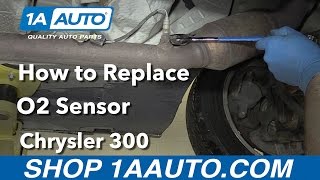
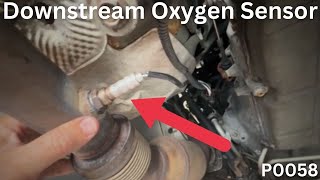
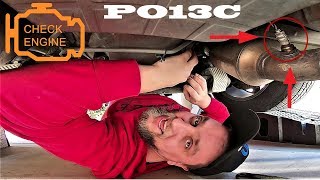

We Have This Part in Stock
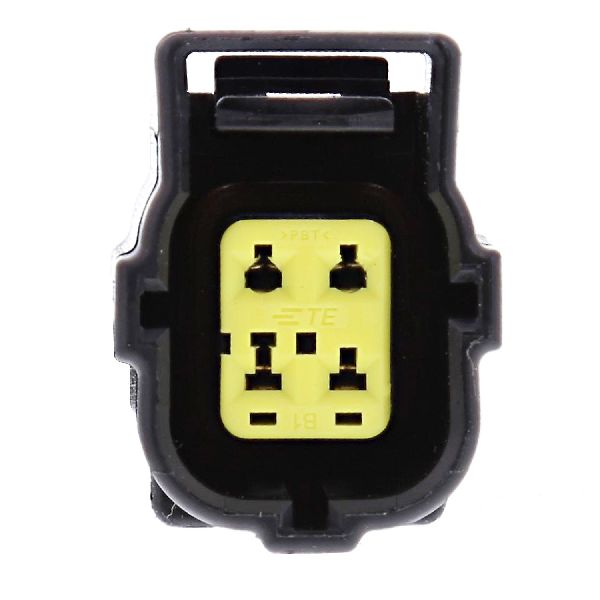


The information in this article is provided for general reference and educational purposes only. Vehicle specifications, procedures, and part compatibility can vary by production date, trim level, and region. Always consult your vehicle's factory service manual and verify part numbers before purchasing or performing repairs. Safety-critical components such as airbags, seat belts, and braking systems should be installed by a qualified professional.
- Chrysler 300:
- 🎬 Helpful Videos
- 🛍️ Shop This Part
- What's Unique About the 2005-2010 Chrysler 300
- Symptoms You May Notice
- Most Likely Causes
- Rare But Worth Checking
- Diagnosis Steps
- Parts You'll Likely Need
- Related Codes That Often Appear With This One
- Technical Service Bulletins (TSBs) & Recalls
- Platform-Specific Known Issues
- Mechanic-Grade Diagnostic Values
- Scan Tool Commands That Help
- Wiring & Ground Locations
- Real Owner Repair Stories
- "I Checked Everything" — The Actual Cause
- OEM Part Supersession History
- Diagnostic Flowchart
- Other Known Issues on This Vehicle
- Used vs. New Parts: Buying Guide for This Vehicle
- Real Owner Stories
- 2007 Chrysler 300 3.5L
- 2005-2010 Chrysler 300 3.5L — ~115000 miles
- Related OBD-II Codes
- Frequently Asked Questions
- 🎟️ Get 5% Off