

P0139 on 2018-2024 Chevrolet Equinox 1.5L: Slow O2 Sensor Causes and Fixes
This code almost always means the downstream oxygen sensor (Bank 1, Sensor 2) has failed due to age or contamination. Replacing it is the most common fix. Before replacing, perform a quick visual check for exhaust leaks or damaged wiring. Expect to pay $40-$80 for an aftermarket sensor or $90-$160 for an OEM part. It's a DIY-friendly repair with a difficulty of 2/5.
- P0139 means your downstream (post-catalytic converter) O2 sensor is getting old and lazy.
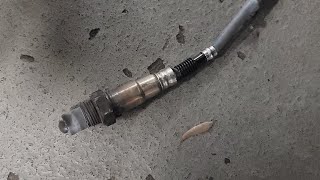
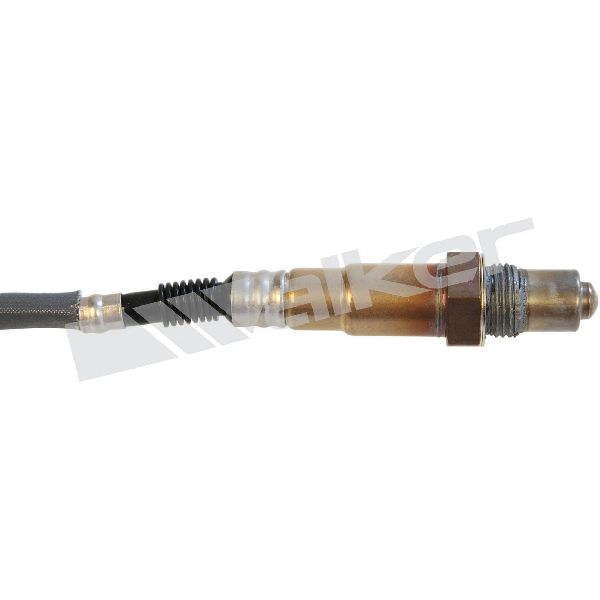
- The most common fix by far is to simply replace the Bank 1, Sensor 2 oxygen sensor (GM Part #12701634).
- Before buying a new sensor, take a moment to check for obvious exhaust leaks (ticking noises when cold) or damaged wires, as these can also trigger the code.
- You can continue driving your Equinox, but you won't be able to pass an emissions test until this is fixed.
- This is a good DIY project for a beginner; you'll need an O2 sensor socket and basic hand tools. Access is from underneath the vehicle.
What's Unique About the 2018-2024 Chevrolet Equinox
For the 1.5L Turbo engine in the third-generation Equinox, the P0139 code does not point to a unique platform-specific defect. It represents a common failure mode for a standard emissions component. The diagnostic and repair process is typical for most modern four-cylinder vehicles, with the downstream oxygen sensor being the most frequent culprit. However, owners should be aware of other platform issues like brake vacuum pump failures, which are unrelated but common on this vehicle. A notable tip for this platform is that the upstream and downstream oxygen sensors are identical parts, which can be useful for diagnostic swapping in some scenarios.
Symptoms You May Notice
- Check Engine Light is on
- Failing a state emissions/smog test
- Slightly reduced fuel economy (may not be noticeable)
- Rough or uneven idle in some cases
- Replacing the upstream (Bank 1, Sensor 1) oxygen sensor instead of the downstream (Bank 1, Sensor 2) sensor.
- Replacing the oxygen sensor without first checking for exhaust leaks, which can mimic a slow sensor reading.
- Replacing the O2 sensor when the actual problem is a wiring issue or a contaminated connector.
Most Likely Causes
- Failing Downstream (Bank 1, Sensor 2) Oxygen Sensor 🔴 High Probability Oxygen sensors are wear items that degrade over time from heat and contaminants in the exhaust stream. After 60,000-100,000 miles, the internal zirconia element and heater can become less effective, slowing its response time.
How to confirm: Using a scan tool with live data, observe the voltage graph 🎬 Watch: How to diagnose a slow responding oxygen sensor for Bank 1 Sensor 2. A healthy sensor after the catalyst should show a relatively stable voltage. If the sensor's voltage is stuck, drifts, or responds very slowly during tests like deceleration fuel cut-off, it needs replacement. A healthy sensor should drop below 0.2V quickly during fuel cut. The sensor's internal heater element can also be tested for resistance; a healthy sensor typically reads between 2 and 30 ohms.
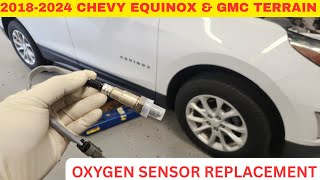
Typical fix: Replace the Bank 1, Sensor 2 oxygen sensor. Apply a small amount of anti-seize compound to the threads of the new sensor before installation, being careful not to get any on the sensor tip. Torque to specification, 🎬 See this step-by-step downstream sensor replacement walkthrough typically around 30-40 ft-lbs.
Est. part cost: $40-$160 - Exhaust Leak 🟡 Medium Probability Exhaust system components like gaskets and flex pipes can degrade from heat cycles and corrosion, allowing outside air to be drawn into the exhaust stream. This extra oxygen can fool the sensor and make it appear sluggish.
How to confirm: Visually inspect the exhaust system for cracks, rust, or black soot marks at flanges and welds between the catalytic converter and the downstream O2 sensor. A common symptom is a ticking noise when the engine is cold that disappears as the metal expands with heat. A smoke test is the most definitive way to find small leaks.
Typical fix: Repair or replace the leaking section of the exhaust system. This may involve replacing a gasket, tightening bolts, or welding a crack.
Est. part cost: $10-$300 - Damaged Wiring or Connector ⚪ Low Probability The wiring harness for the downstream sensor runs under the vehicle and is exposed to road debris, heat, and moisture, which can cause damage over time. The connector itself can also become corroded.
How to confirm: Visually inspect the O2 sensor's wiring harness from the sensor to the main loom. Look for any signs of melting, chafing, corrosion in the connector, or pinched wires. Check for continuity and resistance using a multimeter; circuit resistance from the sensor connector to the PCM pin should not exceed 5 ohms. In some Chevrolet models, TSB Bulletin #PIP5123B notes that technicians should specifically inspect for a bent terminal on the X131 connector when P0139 is present.
Typical fix: Repair the damaged section of the wiring harness or clean/replace the connector. Ensure the harness is properly secured away from hot exhaust components.
Est. part cost: $5-$50
Rare But Worth Checking
- Failing Powertrain Control Module (PCM): This is extremely rare. The PCM's internal circuits for processing the sensor signal can fail, but all other possibilities should be exhaustively ruled out before considering PCM replacement. Sometimes a PCM software update from the manufacturer can address overly sensitive monitoring parameters.
- Leaking Fuel Injectors: A leaking fuel injector can cause a rich condition that fouls the O2 sensor with soot, slowing its response. This is less common and would typically be accompanied by other codes like P0172 (Rich Trim) or misfire codes.
Diagnosis Steps
- Connect an OBD-II scanner to confirm P0139 is the only code present. Note any other codes, as they may point to a root cause (e.g., P0171, P0172, P030x).
- Perform a visual inspection of the downstream O2 sensor (Bank 1, Sensor 2), which is located on the exhaust pipe after the catalytic converter. 🎬 Watch: How to locate and replace the O2 sensor
- Carefully inspect the sensor's wiring harness and electrical connector for any signs of melting, fraying, corrosion, or being improperly secured.
- Start the engine when it is cold and listen for any hissing or ticking sounds that would indicate an exhaust leak between the engine and the sensor. Check for soot trails around exhaust flanges.
- Use a scan tool capable of graphing live data. Monitor the voltage for 'O2S B1S2' (Bank 1, Sensor 2).
- Warm the engine to operating temperature. A healthy downstream sensor should display a relatively steady voltage, typically between 0.5V and 0.8V, with minimal fluctuations.
- To test the response, safely raise the engine RPM to ~2500 and then release the throttle completely (deceleration fuel cut-off). The sensor's voltage should drop quickly towards 0.1V-0.2V. A 'slow' sensor will take several seconds to respond or may not drop fully.
- If the wiring is intact, there are no exhaust leaks, and the sensor's response is confirmed to be slow, replace the Bank 1 Sensor 2 oxygen sensor.
- After replacement, clear the code with the scan tool and perform a drive cycle to ensure the Check Engine Light does not return.
Parts You'll Likely Need
- Downstream Oxygen Sensor (Bank 1, Sensor 2)
(OEM #12663317, superseded by 12701634)— This is the sensor that the code directly identifies as having a slow response. It is a common wear-and-tear component that fails over time due to heat and contamination.
Trusted brands: ACDelco (GM Genuine), Denso, Bosch, NTK
OEM price range: $90-$160
Aftermarket price range: $40-$80
Mechanic-Grade Diagnostic Values
- O2 Sensor Heater Element Resistance — expected: 2-30 Ohms at room temperature. A common range is 5-10 Ohms.. Failure: A reading of 'OL' (Over Limit) or infinite resistance indicates a broken internal heater, requiring sensor replacement.
- O2 Sensor Signal Circuit Resistance — expected: Less than 5.0 Ohms from the sensor harness connector to the corresponding pin at the PCM.. Failure: Resistance values above 5.0 Ohms suggest corrosion in the connector or a damaged wire, which can slow the signal and trigger P0139.
- Downstream O2 Sensor (B1S2) Voltage Response during Deceleration Fuel Cut-Off (DFCO) — expected: Voltage should drop quickly to below 0.2 volts.. Failure: Taking more than a few seconds to drop, or not dropping below 0.2V, indicates a slow sensor.
Scan Tool Commands That Help
- GM GDS2 (Global Diagnostic System 2): Module Diagnostics -> ECM -> Data Display — This is the factory/dealer tool used to view live data parameters like 'HO2S Bank 1 Sensor 2' voltage. It provides the most reliable data for observing the sensor's response during idle, cruising, and DFCO tests.
- GM GDS2 (Global Diagnostic System 2): Clear DTCs — After completing the repair (e.g., replacing the sensor), this function is used to erase the P0139 code from the ECM's memory. A drive cycle is then required to confirm the fix.
OEM Part Supersession History
12663317→12701634— Standard part update by the manufacturer, likely for improved durability or minor design changes.
Diagnostic Flowchart
Other Known Issues on This Vehicle
Issues unrelated to this code that are worth knowing about as an owner of this generation:
- Brake Vacuum Pump Failure 🔴 High — A widely reported issue where the mechanically-driven vacuum pump fails, causing a sudden loss of power brake assist and a very hard brake pedal. Failure can sometimes cause further engine damage if parts of the pump drive enter the engine. (Ref: Multiple TSBs exist, including PIP5598A and 18-NA-303, which address related diagnostic procedures and potential camshaft damage from the failure.)
- 'Shift to Park' Message 🟡 Low — A very common electronic fault where the vehicle displays a 'Shift to Park' message even when the gear selector is in Park. This can prevent the vehicle from shutting off completely, leading to a drained battery. (Ref: TSB 19-NA-206 describes the issue, which is caused by a faulty switch in the shifter assembly, and provides a repair procedure involving installing a jumper harness or replacing the shifter.)
- Cracked Pistons / Piston Ring Land Failure 🔴 High — Some 1.5L Turbo engines, particularly in the 2018-2021 range, have experienced issues with cracked pistons or piston ring lands, leading to loss of compression and excessive oil consumption. This is a catastrophic engine failure requiring a rebuild or replacement.
- Moisture in Charge Air Cooler (CAC) 🟠 Medium — Moisture can accumulate in the charge air cooler, especially in humid or cold climates, which can freeze and cause a restriction. This typically triggers turbo underboost codes (P0299) and barometric pressure codes (P2227) and results in reduced engine power. (Ref: TSB 18-NA-020 addresses this issue and recommends replacing the charge air cooler with an updated part.)
Technical Service Bulletins (TSBs) & Recalls
Manufacturer service bulletins provide critical insight into known issues. For example, Bulletin #PIP5123B notes that vehicles setting DTC P0139, among others, should have the X131 connector inspected for a bent terminal.
Used vs. New Parts: Buying Guide for This Vehicle
When a used part is the smart pick: It is strongly NOT recommended to buy a used oxygen sensor. They are a wear-and-tear component with a finite lifespan determined by heat cycles and mileage. A used sensor from a junkyard has an unknown history and is likely to fail soon, if it works at all.
What to inspect on the donor part:
- Not applicable, as used O2 sensors are not a viable repair option.
OEM-only on this vehicle (don't cheap out):
- While not strictly OEM-only, using a reputable brand is critical. Cheap, unbranded sensors from online marketplaces are a common source of repeat failures.
Aftermarket brands forum-validated for this vehicle:
- Denso (often the original OE supplier for many manufacturers)
- NTK
- ACDelco (GM's official brand)
Brands owners have reported issues with on this vehicle:
- Bosch sensors have received mixed reviews in GM communities, with some users reporting premature failures or incompatibility issues, though others use them without problems. Given the availability of reliable alternatives like Denso and NTK, it may be wise to avoid Bosch for this specific application to minimize risk.
Real Owner Stories
Aggregated from forums and TSBs cited above. Mileages and costs reflect what owners reported in those sources.
2018-2024 Chevrolet Equinox 1.5L Turbo
Symptoms: A user reported that after installing a new sensor, the code persisted or behaved unexpectedly due to physical damage to the wiring.
What fixed it: Identifying and repairing a pinched wire that occurred during the installation process.
Source hint: Reddit r/MechanicAdvice
2018 Chevrolet Equinox 1.5L Turbo
Symptoms: The owner discussed engine issues including cracked piston ring lands and excessive oil consumption.
What fixed it: While the thread focuses on engine replacement/rebuild for the pistons, it notes that oil burning contaminates the emissions system, requiring oxygen sensor replacement.
Source hint: chevyequinoxforum.com
Related OBD-II Codes
Frequently Asked Questions
Can the 'Shift to Park' message on my 2018-2024 Equinox cause the P0139 code?
I have a 2018 Equinox 1.5L with high oil consumption; could this be related to my P0139 code?
Does TSB 18-NA-020 regarding moisture in the charge air cooler cause P0139?
Which replacement oxygen sensor brand should I use for my Chevrolet Equinox LYX engine?
Is there a TSB for the brake vacuum pump failure that might be related to my check engine light?
Helpful Videos
We Have This Part in Stock

The information in this article is provided for general reference and educational purposes only. Vehicle specifications, procedures, and part compatibility can vary by production date, trim level, and region. Always consult your vehicle's factory service manual and verify part numbers before purchasing or performing repairs. Safety-critical components such as airbags, seat belts, and braking systems should be installed by a qualified professional.
- Chevrolet Equinox:
- 🎬 Helpful Videos
- 🛍️ Shop This Part
- What's Unique About the 2018-2024 Chevrolet Equinox
- Symptoms You May Notice
- Most Likely Causes
- Rare But Worth Checking
- Diagnosis Steps
- Parts You'll Likely Need
- Mechanic-Grade Diagnostic Values
- Scan Tool Commands That Help
- OEM Part Supersession History
- Diagnostic Flowchart
- Other Known Issues on This Vehicle
- Technical Service Bulletins (TSBs) & Recalls
- Used vs. New Parts: Buying Guide for This Vehicle
- Real Owner Stories
- 2018-2024 Chevrolet Equinox 1.5L Turbo
- 2018 Chevrolet Equinox 1.5L Turbo
- Related OBD-II Codes
- Frequently Asked Questions
- 🎟️ Get 5% Off