

P0139 on 2008-2010 Chevrolet Cobalt 2.0L Turbo: Slow O2 Sensor Causes and Fixes
On a 2008-2010 Cobalt SS with the 2.0L LNF turbo engine, P0139 is almost always a worn-out downstream oxygen sensor. It's a common wear item, especially on this high-heat engine. Expect to pay ~$50 for an aftermarket sensor or ~$90 for an OEM ACDelco part. It's a straightforward DIY fix for many owners. Before replacing, do a quick check for exhaust leaks and damaged wiring.
- P0139 on your Cobalt SS means the downstream (post-catalytic converter) O2 sensor is responding too slowly.
- The most likely cause by far is an aged O2 sensor that needs to be replaced.
- Before replacing the sensor, do a quick check for obvious exhaust leaks or melted/damaged wiring near the sensor.
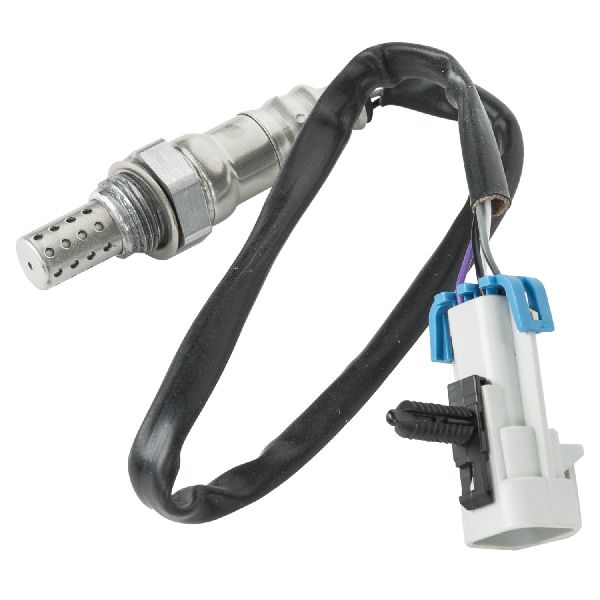
- For best results and to avoid having the code return, use a high-quality replacement sensor from ACDelco (OEM P/N: 12616506) or Denso.
- This is a DIY-friendly repair that requires an O2 sensor socket and basic hand tools.
What's Unique About the 2008-2010 Chevrolet Cobalt
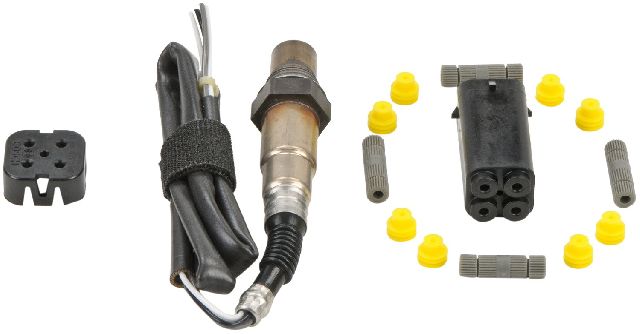
The 2.0L LNF Turbo engine in the Cobalt SS runs hotter than its naturally aspirated counterparts, which can accelerate the aging process of oxygen sensors. Enthusiast forums for the LNF platform (also found in the Pontiac Solstice GXP, HHR SS, and Saturn Sky Red Line) strongly recommend using an OEM ACDelco or a high-quality Denso or NTK replacement sensor. Some owners report that cheaper, universal, or off-brand sensors like Bosch can cause the code to return prematurely or not work correctly with the GM-specific engine management system, which is sensitive to the sensor's response time or 'cross-counts'.
Symptoms You May Notice
- Check Engine Light (CEL) is on.
- Failing an emissions or smog test.
- Slightly reduced fuel economy (may not be noticeable).
- Occasional engine hesitation in rare cases.
- Replacing the upstream (Bank 1 Sensor 1) O2 sensor. This code is specific to the downstream sensor (Sensor 2).
- Replacing the catalytic converter. While a failing converter can cause other codes like P0420, it is not the direct cause of a P0139 slow response code.
Most Likely Causes
- Failing Downstream O2 Sensor (Bank 1, Sensor 2) 🔴 High Probability Oxygen sensors are consumable parts that wear out over time, typically between 50,000 and 100,000 miles. The high exhaust heat from the LNF turbo engine accelerates their degradation, causing them to become 'lazy' or slow to respond.
How to confirm: Use an OBD-II scanner with live data capabilities to graph the voltage of Bank 1 Sensor 2. A healthy downstream sensor on a warm engine will show a relatively stable, slow-moving voltage, typically between 0.4V and 0.6V. A 'slow' sensor will have very lazy, delayed reactions to throttle changes or will fail to drop below 0.2V during a deceleration fuel cut-off event. An advanced test involves creating a rich/lean condition (e.g., with a quick throttle snap) and watching for a delayed reaction on the graph. A sensor stuck at a specific voltage is a strong indicator of failure.
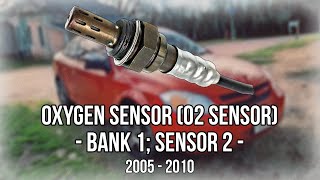
Typical fix: Replace the downstream (post-catalytic converter) oxygen sensor. 🎬 Watch: Step-by-step guide to replacing the downstream oxygen sensor. An O2 sensor socket (typically 22mm or 7/8") is required. Apply anti-seize compound to the threads of the new sensor before installation.
Est. part cost: $45-$95 - Exhaust Leak 🟡 Medium Probability Exhaust components, especially around the manifold, downpipe, and flex pipe, can develop small cracks or gasket leaks over time due to heat cycles and vibration. Aftermarket downpipes are a common source of leaks on these cars.
How to confirm: Visually inspect the exhaust system from the engine to the tailpipe for any black soot trails, which indicate a leak. Listen for any unusual ticking or hissing sounds, especially when the engine is cold, as the noise may disappear when the metal expands. A smoke test is the most definitive way to find small, hard-to-see leaks.
Typical fix: Repair the leak by replacing the faulty gasket or welding the cracked component. A common leak point is the downpipe-to-turbo gasket.
Est. part cost: $5-$150 - Damaged Wiring or Connector ⚪ Low Probability The O2 sensor wiring runs underneath the car and is exposed to road debris, water, and extreme heat from the exhaust, which can cause damage over time. The harness can melt if it comes into contact with the hot exhaust pipe.
How to confirm: Visually inspect the wiring harness and connector leading to the downstream O2 sensor. Look for any signs of melting, chafing, corrosion (green powder), or broken wires. Check for continuity using a multimeter if a physical inspection is inconclusive. Check for power at the heater circuit wires with the key on; a blown fuse for the O2 heater circuit can also cause issues.
Typical fix: Repair the damaged section of the wiring harness or replace the connector pigtail.
Est. part cost: $15-$40
Rare But Worth Checking
- Leaking Fuel Injectors: A leaking fuel injector can create a persistent rich condition, coating the O2 sensor in soot and making it respond slowly. This would likely be accompanied by other codes like P0172 (System Too Rich) or misfire codes.
- PCM (Powertrain Control Module) Fault: In very rare instances, the computer itself can have a processing delay or a faulty driver for the O2 sensor circuit. This should only be considered after all other possibilities have been exhaustively ruled out. A TSB for other vehicles mentions reprogramming the ECM to adjust the threshold for this code, indicating software sensitivity.
Diagnosis Steps
- Confirm the P0139 code is present using an OBD-II scanner.
- Check for any other stored codes that could indicate a related problem (e.g., P0171, P0172, P0420, P0300-P0304). Address these codes first, as they can cause a false P0139.
- Perform a thorough visual inspection of the exhaust system for any leaks, indicated by soot marks or audible hissing/ticking, particularly near the turbo, downpipe, and flex pipe.
- Inspect the wiring and connector for the downstream O2 sensor (Bank 1, Sensor 2) for any signs of melting, corrosion, or physical damage. Ensure the harness is properly secured away from the exhaust pipe.
- Using a scanner with live data, graph the voltage for Bank 1 Sensor 2. With the engine fully warmed up and at a steady 2500 RPM, the voltage should be relatively stable. Snap the throttle; the voltage should react. If it's a flat line, stuck, or responds very sluggishly, the sensor is likely faulty.
- If the wiring and exhaust are confirmed to be in good condition, and the live data points to a slow response, the most probable cause is the O2 sensor itself.
Parts You'll Likely Need
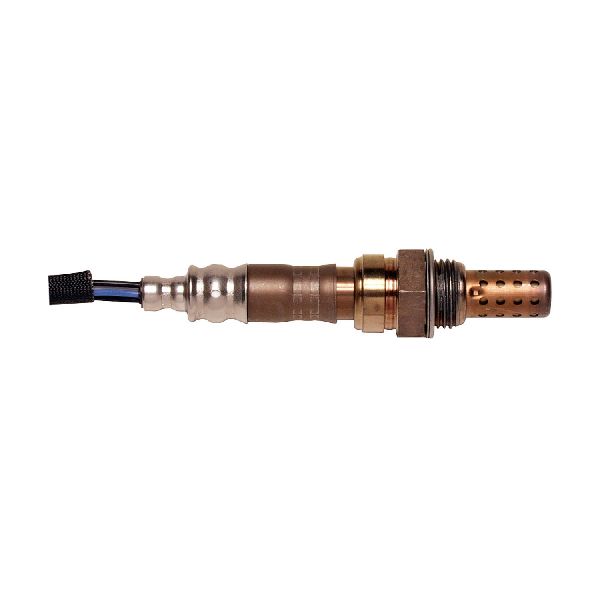
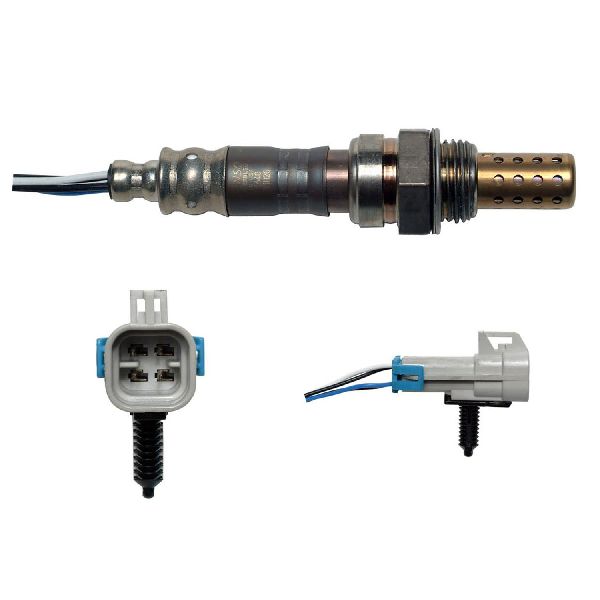
- Downstream Oxygen Sensor (Bank 1, Sensor 2)
(OEM #12616506 (ACDelco #213-4229))— This is the most common failure point for a P0139 code. The sensor is a wear item that degrades over time, especially on a turbocharged engine.
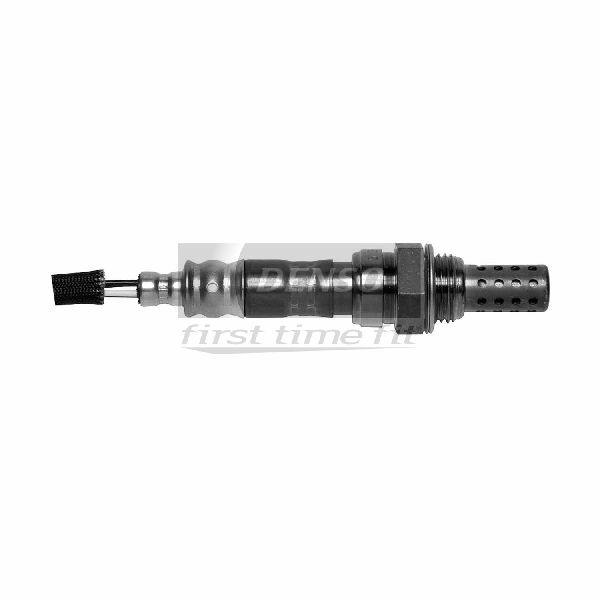
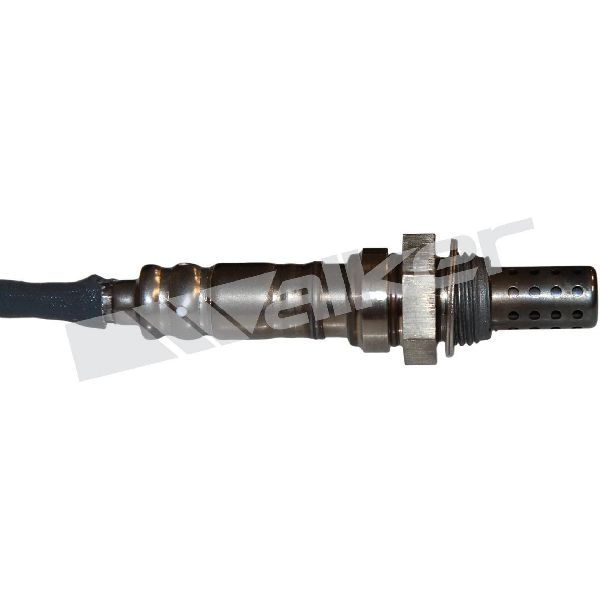
Trusted brands: ACDelco (OEM), Denso (High-Quality Aftermarket, e.g., #234-4669)
OEM price range: $80-$100
Aftermarket price range: $45-$70
Related Codes That Often Appear With This One
- P0420 — If the O2 sensor is not reading correctly, the ECM may incorrectly determine that the catalytic converter is inefficient, triggering a P0420 code. Often, a new downstream O2 sensor will resolve a P0420 that appears alongside a P0139.
- P0138 — This code indicates O2 Sensor Circuit High Voltage (Bank 1 Sensor 2). It can appear with P0139 if the sensor is failing electrically and sending erratic signals.
Technical Service Bulletins (TSBs) & Recalls
- While no specific TSB for the Cobalt LNF and P0139 was found, TSB 16-13-002 for a different manufacturer notes that ECM software can be updated to change the malfunction threshold for P0139, highlighting the sensitivity of the diagnostic.
- GM TSB 09-06-04-026 is a general bulletin for dealers on how to identify non-GM aftermarket engine calibrations, which can affect emissions system performance and potentially cause various codes.
Platform-Specific Known Issues
- A user on cobaltss.net with a 2008 LNF reported fixing a persistent misfire on cylinder 3 that was accompanied by O2 sensor codes by replacing the downstream sensor, suggesting it can sometimes be linked to perceived misfires.
- Forum consensus on cobaltss.net is nearly unanimous: do not use cheap or universal O2 sensors. Many owner stories detail chasing the P0139 code after installing a budget sensor, only to have it resolved by switching to an ACDelco or Denso part.
Mechanic-Grade Diagnostic Values
- Downstream O2 Sensor (B1S2) Voltage at Idle — expected: Relatively stable voltage between 0.4V and 0.6V on a warm engine.. Failure: Voltage is sluggish, flat-lined, or does not react to throttle changes. During a deceleration fuel cut-off, the voltage fails to drop below 0.2V for an extended period (e.g., 7 seconds).
- Downstream O2 Sensor Heater Circuit Resistance — expected: Approximately 3 to 25 ohms, with a forum member reporting a good sensor at around 10 ohms.. Failure: Infinite resistance (open circuit) or very low resistance (short).
- ECM Deceleration Fuel Cut-Off (DFCO) Test — expected: During DFCO, the B1S2 voltage should drop below 0.2 volts quickly.. Failure: The code sets if the voltage fails to drop below the threshold for more than a few seconds (a generic GM document specifies a 3-second threshold).
Wiring & Ground Locations
- G105 / G107 — Located on the lower left front of the transmission case. A wiring diagram for the 2009 LNF shows G107 on the right rear of the cylinder head. These grounds are often tied together or in the same harness branch.. These are primary engine and ECM ground points. A corroded or loose ground at G105 or G107 can cause erratic sensor readings and various engine control issues, including O2 sensor codes.
- Downstream O2 Sensor Connector — The harness follows the exhaust, and the connector is located above the steering tie rod area, making it difficult to access without reaching up from underneath the driver's side of the car.. This connector is in a location exposed to heat and road debris. The difficult access may lead to incomplete connections during replacement. The wiring consists of a signal wire (Gray), ground (Black), and two heater wires (often both White or Tan).
- O2 Sensor Heater Fuse — Located in the underhood fuse block. The specific fuse may be labeled 'EXH', 'O2 HTR', or similar.. The O2 sensor heater is required to bring the sensor to operating temperature quickly. If the fuse is blown, the sensor will heat up slowly from exhaust gases alone, causing it to respond sluggishly, which can trigger a P0139.
Real Owner Repair Stories
- Reddit user PhillyMemes (2017 Honda Accord 2.4L (different vehicle, but illustrates a common P0139 cause)) — Initially had a P0420 code. After replacing both O2 sensors and installing a cold air intake and cat-back exhaust, the P0420 was fixed but a new P0139 code appeared.
❌ Tried (didn't work) Disconnecting the battery to reset the ECU (only worked temporarily).
✅ What actually fixed it The aftermarket Bosch O2 sensor provided by the auto parts store was the incorrect part for the downstream location. Replacing it with the correct sensor resolved the P0139 code. - Cobalt SS Network user (2006 Chevrolet Cobalt SS/SC (LSJ engine, similar O2 sensor behavior)) — After driving through deep water, the car ran poorly. Replacing the catalytic converter and O2 sensors with Bosch units fixed the running issue, but the check engine light remained on for O2 sensor codes.
❌ Tried (didn't work) Replacing the O2 sensors with Bosch brand sensors.
✅ What actually fixed it A forum member advised that these cars have issues with Bosch sensors and recommended using OEM AC Delco parts. The user who switched to AC Delco reported the problem was solved.
OEM Part Supersession History
12609457→12616506 (ACDelco 213-4229)— Standard part number update and consolidation by GM.
Heads up: While Denso (234-4669) and NTK are cited as high-quality alternatives, some forum users have reported issues with Denso and especially Bosch sensors on the Cobalt SS platform, suggesting the OEM ACDelco part is the safest choice to avoid repeat failures.
Model Year Variations Within This Range
- 2008-early 2009: Some early LNF blocks had porosity issues leading to coolant leaks, which could potentially contaminate an O2 sensor if the leak is internal, though this is rare.
- 2009-2010: Later models had improved fuel injector seals. The 2010 model's ECU has a slightly different, more emissions-oriented OS. While not directly linked to P0139, these subtle changes can affect overall engine operation.
- 2009: The SS was available as a 4-door sedan for this year only. The RPD (Reconfigurable Performance Display) was optional in 2009 and became standard in 2010. This has no impact on the P0139 code itself.
Diagnostic Flowchart
Other Known Issues on This Vehicle
Issues unrelated to this code that are worth knowing about as an owner of this generation:
- High-Pressure Fuel Pump (HPFP) Failure 🔴 High — Very common, especially on higher mileage or tuned vehicles. Can occur anytime after 60,000 miles. Often triggers codes P0087 or P0088.
- Timing Chain Tensioner Wear / Chain Stretch 🔴 High — A known issue on Ecotec engines. A rattling noise on cold startup is the primary symptom. Failure can be catastrophic. Tensioners were revised, but failure is still possible.
- Intake Valve Carbon Buildup 🟠 Medium — A common problem inherent to all early direct-injection (GDI) engines, including the LNF. Causes misfires and poor performance over time (40,000+ miles). Requires manual cleaning (e.g., walnut blasting).
- Ignition Switch Failure / Key Gets Stuck 🟠 Medium — Part of a massive GM recall. The ignition switch can move out of the 'Run' position while driving, causing a loss of power. The key can also get stuck. (Ref: GM Recall #14299)
- Electric Power Steering (EPS) Motor Failure 🟠 Medium — A common failure point leading to a sudden loss of power steering assist. An indicator light usually appears on the dash. (Ref: GM Recall #10023)
Used vs. New Parts: Buying Guide for This Vehicle
When a used part is the smart pick: A used part is almost never a good choice for this repair. The only exception might be sourcing a connector pigtail from a junkyard harness if only the connector is damaged.
What to inspect on the donor part:
- For a connector pigtail: ensure the plastic is not brittle or melted, the locking tab is intact, and there is no visible corrosion on the pins.
OEM-only on this vehicle (don't cheap out):
- Oxygen Sensor: Due to the sensitivity of the LNF's engine management system, using an OEM ACDelco sensor is very strongly recommended to avoid compatibility issues that can cause the P0139 code to return.
Aftermarket brands forum-validated for this vehicle:
- Denso (e.g., #234-4669)
- NTK (often the original OE manufacturer)
Brands owners have reported issues with on this vehicle:
- Bosch: Multiple forum reports for the Cobalt SS platform indicate that aftermarket Bosch sensors can cause persistent or new O2 sensor codes.
- Unbranded/Universal sensors: These often lack the precise response characteristics required by the GM ECU.
Real Owner Stories
Aggregated from forums and TSBs cited above. Mileages and costs reflect what owners reported in those sources.
2008 Chevrolet Cobalt SS LNF
Symptoms: Persistent misfire on cylinder 3 accompanied by O2 sensor codes.
What fixed it: Replacing the downstream oxygen sensor.
Source hint: cobaltss.net vehicle_specific_issues
2008-2010 Chevrolet Cobalt SS LNF
Symptoms: Chasing the P0139 code repeatedly after installing a budget sensor.
What fixed it: Switching to an ACDelco or Denso part.
Source hint: cobaltss.net forum_citations
Related OBD-II Codes
Frequently Asked Questions
Can I use a universal O2 sensor to fix the P0139 code on my Cobalt SS?
Is there a TSB for the Cobalt LNF regarding P0139 software updates?
Could my aftermarket downpipe be causing the P0139 code?
Does GM have a bulletin about aftermarket tunes affecting the P0139 code?
Could a misfire on my LNF engine be related to this O2 sensor code?
How can I tell if my LNF's downstream O2 sensor is 'lazy' using a scanner?
Helpful Videos
We Have This Part in Stock

The information in this article is provided for general reference and educational purposes only. Vehicle specifications, procedures, and part compatibility can vary by production date, trim level, and region. Always consult your vehicle's factory service manual and verify part numbers before purchasing or performing repairs. Safety-critical components such as airbags, seat belts, and braking systems should be installed by a qualified professional.
- Chevrolet Cobalt:
- 🎬 Helpful Videos
- 🛍️ Shop This Part
- What's Unique About the 2008-2010 Chevrolet Cobalt
- Symptoms You May Notice
- Most Likely Causes
- Rare But Worth Checking
- Diagnosis Steps
- Parts You'll Likely Need
- Related Codes That Often Appear With This One
- Technical Service Bulletins (TSBs) & Recalls
- Platform-Specific Known Issues
- Mechanic-Grade Diagnostic Values
- Wiring & Ground Locations
- Real Owner Repair Stories
- OEM Part Supersession History
- Model Year Variations Within This Range
- Diagnostic Flowchart
- Other Known Issues on This Vehicle
- Used vs. New Parts: Buying Guide for This Vehicle
- Real Owner Stories
- 2008 Chevrolet Cobalt SS LNF
- 2008-2010 Chevrolet Cobalt SS LNF
- Related OBD-II Codes
- Frequently Asked Questions
- 🎟️ Get 5% Off