

P0138 on 2012-2013 Mazda 3 SkyActiv: Causes and Fixes for O2 Sensor High Voltage
On a 2012-2013 Mazda 3 with the SkyActiv engine, code P0138 almost always means the downstream oxygen sensor (after the catalytic converter) has failed. A quality aftermarket replacement from a brand like NGK/NTK or Denso costs about $80-$120, and the repair is DIY-friendly, with the main challenge being the removal of the old, often seized, sensor.
- P0138 on your 2012-2013 SkyActiv Mazda 3 points almost exclusively to a failed downstream O2 sensor (Sensor 2).
- Before buying parts, confirm the failure by checking the sensor's live voltage on a scan tool; a reading stuck above 0.9V means it's bad.
- Ensure you buy the correct sensor. The SkyActiv engine (2012-2013) uses a different part (OEM# PE08-18-86ZA) than the earlier MZR engine (2009-2011).
- The biggest challenge of the repair is often removing the old, seized sensor; use penetrating oil generously and the correct 22mm O2 sensor socket.
What's Unique About the 2009-2013 Mazda 3
The key detail for this vehicle is the engine change that occurred mid-generation. While the prompt covers 2009-2013, the SkyActiv-G engine was only available in the 2012-2013 Mazda 3. Earlier 2009-2011 models used the older MZR engine. This is critical because the two engines use different downstream O2 sensors that are not interchangeable. Unlike some other manufacturers where this code can be caused by complex software issues or rich running conditions, on the Mazda 3 Skyactiv platform, P0138 is overwhelmingly a straightforward component failure of the sensor itself.
Generation note: The 2009-2013 year range covers the second generation (BL) of the Mazda 3. However, a significant engine update occurred. The 2012-2013 models were the first to feature the 2.0L SkyActiv-G engine, which is the focus of this guide. The 2009-2011 models used the older 2.0L MZR engine. The cause of P0138 is the same (bad O2 sensor), but the part number for the sensor is different.
Symptoms You May Notice
- Check Engine Light is on
- Reduced fuel economy
- Vehicle will fail an emissions test.
- Louder than normal engine or exhaust sound may be noticed in some cases, which could indicate an exhaust leak contributing to the sensor issue.
- Replacing the upstream Air/Fuel Ratio Sensor (Sensor 1). The code P0138 is specific to Sensor 2, which is located after the catalytic converter.
- Replacing the catalytic converter. A high voltage code points to a sensor or circuit problem, not a failing converter. A bad converter is more commonly associated with a P0420 code.
Most Likely Causes
- Failed Downstream Oxygen Sensor (Bank 1, Sensor 2) 🔴 High Probability Oxygen sensors are wear-and-tear items exposed to extreme heat and exhaust gases. They have a finite lifespan and failure is common across all vehicles, including the Mazda 3.
How to confirm: Use an OBD-II scanner to view live data for the 'O2S B1S2' voltage with the engine fully warmed up. If the voltage is stuck high (consistently reading above 0.9V) and not fluctuating, the sensor has failed. You can also test the sensor's internal heater circuit with a multimeter; a reading outside the typical 2-50 Ohm range indicates a failed sensor.
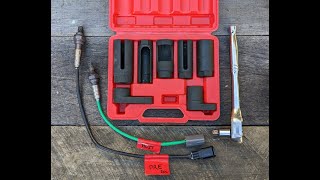
Typical fix: Replace the downstream oxygen sensor. The old sensor is often seized in the exhaust pipe; apply penetrating oil liberally before attempting removal with a 22mm (7/8") O2 sensor socket.
Est. part cost: $80-$220 - Damaged Wiring or Connector ⚪ Low Probability The sensor wiring runs under the vehicle and is exposed to road debris, moisture, and heat, which can cause it to chafe, melt, or corrode over time, potentially causing a short to power.
How to confirm: Visually inspect the entire wiring harness from the O2 sensor to its connection point near the firewall. Look for any signs of melting, chafing, breaks, or corrosion on the pins of the connector. Check for a short to power supply in the wiring harness between the HO2S and the PCM.
Typical fix: Repair the damaged section of the wire or replace the connector pigtail. If damage is extensive, a new sensor with an integrated harness is the best solution.
Est. part cost: $10-$50
Rare But Worth Checking
- Exhaust Leak: An exhaust leak before the downstream O2 sensor can introduce outside oxygen, but this typically causes a P0137 (Low Voltage) or P013A code. However, in some unusual cases, it could disrupt sensor readings. It's worth a quick check if a new sensor doesn't fix the issue.
- Faulty Powertrain Control Module (PCM): This is extremely rare. The internal driver circuit in the PCM that reads the O2 sensor voltage can fail. This should only be considered after a new sensor and verified good wiring do not resolve the code. One owner on Mazda3Club.com reported a shop incorrectly diagnosed a bad PCM when the actual issue was a faulty replacement O2 sensor.
Diagnosis Steps
- Connect an OBD-II scanner and confirm that P0138 is the primary code present.
- Start the engine and allow it to reach full operating temperature.
- Using the scanner's live data function, monitor the voltage for 'O2S B1S2' (Oxygen Sensor, Bank 1, Sensor 2).
- Observe the voltage. A healthy downstream sensor will show a relatively stable voltage, typically between 0.5V and 0.8V. If the voltage is stuck high, above 0.9V, the sensor is faulty and needs replacement.
- If the voltage is not stuck high, turn off the vehicle and allow the exhaust to cool completely.
- Visually inspect the O2 sensor's wiring harness and connector for any signs of damage, melting on the exhaust, or corrosion.
- If wiring is damaged, repair it. If the wiring is intact and the voltage was stuck high, the sensor is the confirmed cause.
- Replace the downstream O2 sensor. Be sure to use penetrating oil on the threads of the old sensor before removal, as they are often seized. Follow the procedure in TSB 01-003/15 for best results.
Parts You'll Likely Need
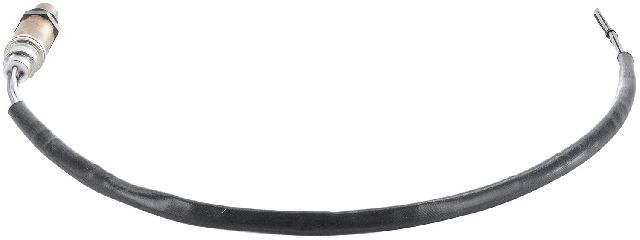
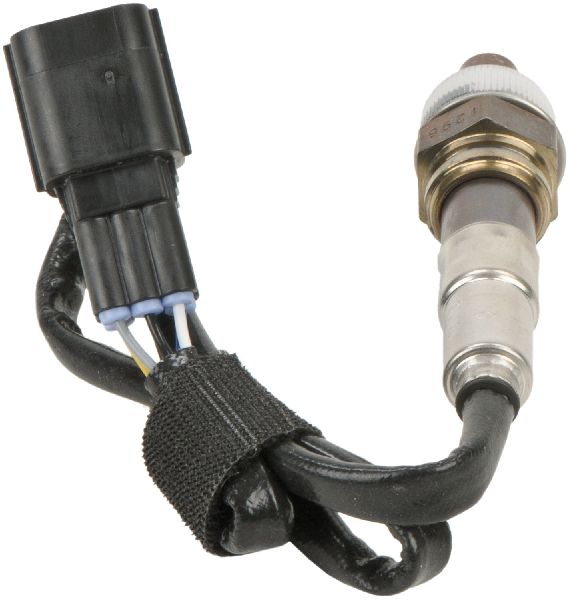
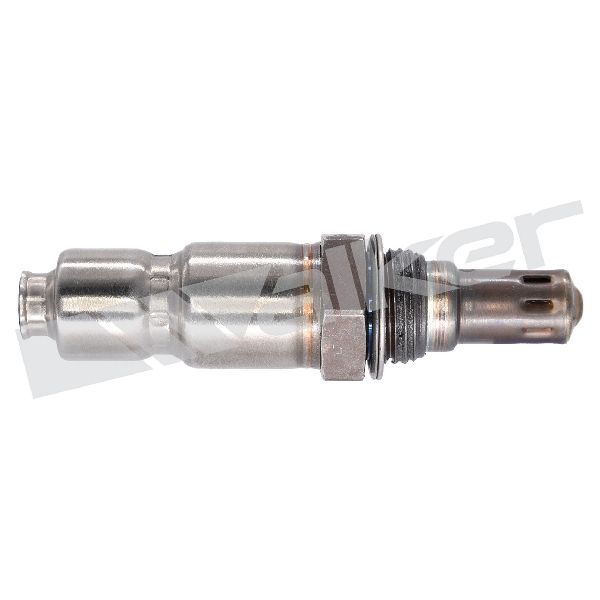
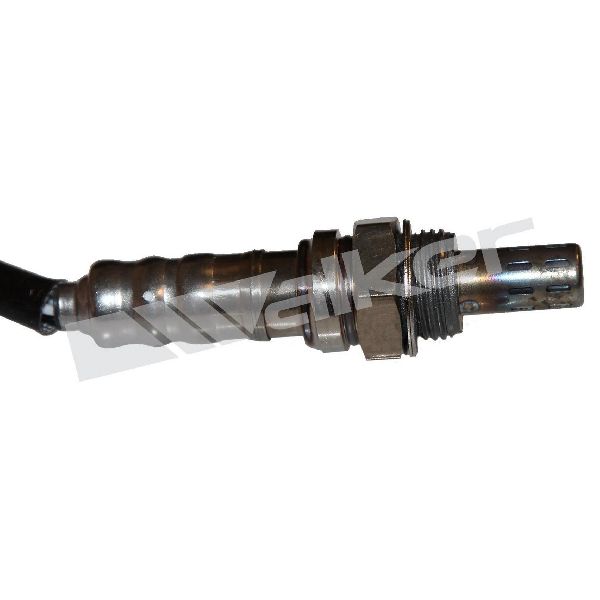
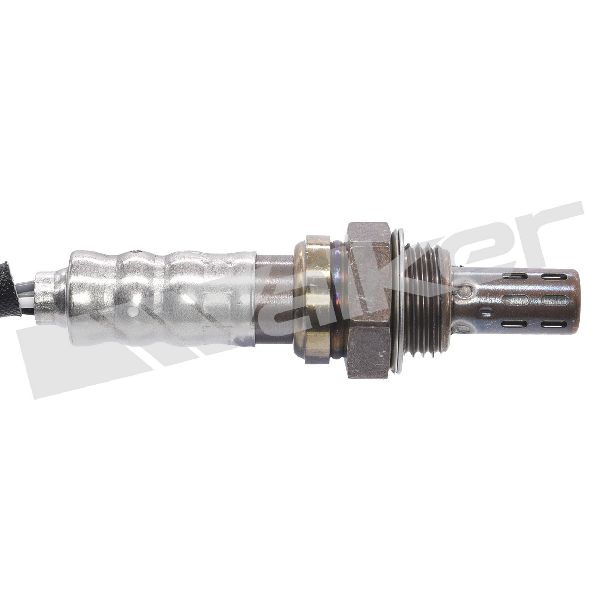
- Downstream Oxygen Sensor
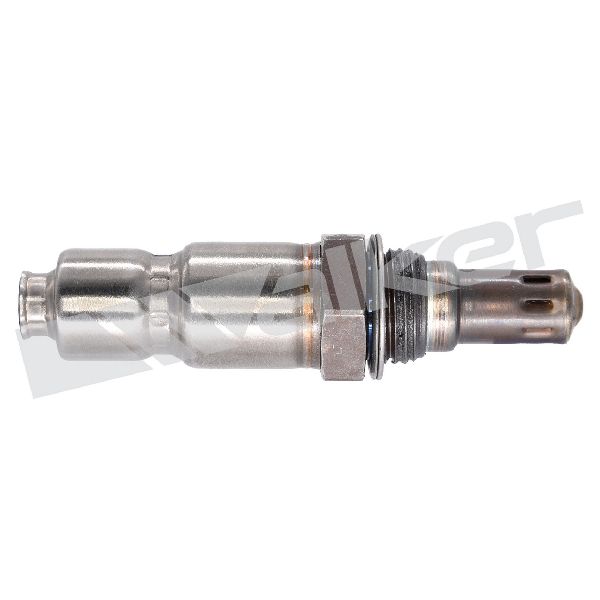
(OEM #PE08-18-86ZA)— This is the direct cause of code P0138 in the vast majority of cases for the 2012-2013 Mazda 3 SkyActiv.
Trusted brands: NGK/NTK, Denso, Bosch
OEM price range: $160-$220
Aftermarket price range: $65-$120
Related Codes That Often Appear With This One
- P0141 — This code indicates a failure in the heater circuit of the same downstream O2 sensor. Since the heater and sensor elements are part of the same physical component, they often fail together, requiring the replacement of the sensor assembly.
- P0137 — This is the opposite code for low voltage on the same sensor. Seeing both P0137 and P0138 intermittently could point to a severe wiring issue (shorting to ground and power) or a sensor that is completely failing.
Technical Service Bulletins (TSBs) & Recalls
- Mazda TSB 01-003/15: 'OXYGEN / AIR FUEL RATIO SENSOR REMOVAL CAUTION'. This TSB does not address the P0138 code directly but warns that O2 sensors can seize in the exhaust pipe. It recommends letting the exhaust cool completely, then spraying a penetrating catalyst like CRC Freeze-Off around the sensor flange before attempting removal to avoid damaging the threads in the pipe.
Platform-Specific Known Issues
- Owner Experience: Sensor Removal Tip: An owner on Mazdas247 forums shared a practical tip for removing a seized downstream O2 sensor when an O2 sensor socket isn't working. They recommend cutting the wires off the old sensor, which allows a 6-point box-end wrench to be fully seated on the hex head. This provides a better grip and more leverage to break the sensor free without stripping it.
Mechanic-Grade Diagnostic Values
- Downstream O2 Sensor (B1S2) Voltage (Live Data, Warm Engine) — expected: Relatively stable voltage between 0.5V and 0.8V.. Failure: Voltage is stuck high, consistently reading above 0.9V.
- Downstream O2 Sensor Heater Circuit Resistance (Cold) — expected: Between 2 and 50 ohms. Some sources cite a tighter range of 5-20 ohms.. Failure: Open circuit ('OL' or infinite resistance) on a multimeter.
- PCM Trigger Condition for P0138 — expected: PCM expects a fluctuating voltage signal from the sensor.. Failure: Code is set if the PCM detects an input voltage from the rear HO2S greater than 1.2 V for 0.8 seconds.
Scan Tool Commands That Help
- Generic OBD-II Scanner / M-MDS: Live Data Graphing (PID: O2S12) — This is the primary diagnostic step. Use this to visually confirm if the Bank 1 Sensor 2 voltage is flat-lined at a high value (e.g., >0.9V), which is a definitive sign of a failed sensor or a short-to-power in the circuit.
Wiring & Ground Locations
- PCM Pins 2AI and 2AJ — At the main Powertrain Control Module (PCM) connector in the engine bay.. Pin 2AJ is the signal wire and Pin 2AI is the signal ground for the downstream O2 sensor. A continuity test from the sensor connector to these pins can definitively rule out a wiring harness break if a new sensor doesn't fix the code.
- G06 Ground Point — Located on the left rear of the Skyactiv-G engine.. This is a main engine ground point. A loose or corroded connection here can cause floating voltages and erratic sensor readings across the engine management system, potentially contributing to incorrect O2 sensor voltage readings.
- Downstream HO2S Connector — The sensor is in the exhaust pipe after the catalytic converter, but the electrical connector is located in the engine bay, often clipped to the firewall for easier access.. This is the primary point for visual inspection of corrosion and for performing electrical tests (resistance, voltage) without having to access the PCM directly.
Real Owner Repair Stories
- Mazda3Club.com forum user (2005 Mazda 3 2.0L (MZR, but diagnostic principle is identical)) — Intermittent, then persistent, Check Engine Light with code P0138.
❌ Tried (didn't work) First replacement of the downstream O2 sensor by a local garage., Second replacement of the downstream O2 sensor (supposedly an OEM part) by the same garage., Shop recommended re-flashing and then replacing the PCM.
✅ What actually fixed it A Mazda dealer diagnosed the problem as a bad *replacement* O2 sensor. The issue was not the PCM. This highlights that even new parts can be faulty and proper diagnosis is key before replacing expensive modules.
OEM Part Supersession History
PE08-18-86Z→PE08-18-86ZA— Standard part revision by the manufacturer. No specific reason documented in public sources.
Model Year Variations Within This Range
- 2012-2013: The 2012-2013 models were available with the new 2.0L SkyActiv-G engine, which uses a different downstream O2 sensor (PE08-18-86ZA) than the 2.0L and 2.5L MZR engines used in 2009-2011 models.
Diagnostic Flowchart
Other Known Issues on This Vehicle
Issues unrelated to this code that are worth knowing about as an owner of this generation:
- Melting / Sticky / Warped Dashboard 🟠 Medium — Very common, especially in warmer climates. Can cause dangerous glare. Onset can be after a few years. (Ref: Mazda issued a warranty extension under Special Service Program (SSP 99) and TSB 09-038/12, but coverage may have expired for most vehicles.)
- Carbon Buildup on Intake Valves 🟠 Medium — A known issue for all direct-injection engines, including the SkyActiv-G. Becomes noticeable around 60,000-80,000 miles, causing misfires (P0300-P0304), rough idle, and power loss. (Ref: Mazda TSB 01-012/19 addresses misfire codes related to carbon buildup and outlines a cleaning procedure.)
- Automatic Transmission Shifting Issues 🟡 Low — Some owners report harsh shifts, hesitation from a stop, or a reluctance to downshift. Often linked to using incorrect (non-ATF-FZ) transmission fluid or needing a PCM software update on early models. (Ref: Mazda TSB SA-068-22 warns against using non-specified fluid. Early 2012 models had a TSB for a transmission reprogram.)
- Defective Engine Mounts 🟡 Low — The passenger-side hydraulic engine mount can fail, leading to excessive vibration and noise felt in the cabin, particularly at idle or upon acceleration.
- Cracked/Broken Driver's Seat Frame 🟠 Medium — A weld on the seat frame can fail, causing the seat to become loose and rock back and forth. (Ref: A recall was issued for this issue; owners should check with NHTSA for applicability.)
Used vs. New Parts: Buying Guide for This Vehicle
When a used part is the smart pick: For this repair, a used part is almost never a smart choice. Oxygen sensors are wear-and-tear items with a finite lifespan. Installing a used sensor is risky as its remaining life is unknown, and it could fail shortly after installation, forcing you to do the job twice.
Donor-vehicle mileage cap: roughly under 20000 miles for the part to have meaningful remaining life.
What to inspect on the donor part:
- Only consider a sensor from a very low-mileage (<20,000 miles) wrecked vehicle.
- Inspect the sensor tip for heavy white, black, or oily deposits, which indicate contamination or a poorly running engine in the donor car. A healthy sensor tip should be light gray.
- Ensure the wiring harness and connector are completely intact with no signs of melting, fraying, or corrosion on the pins.
Aftermarket brands forum-validated for this vehicle:
- Denso (often the OEM supplier)
- NGK / NTK
- Bosch
Brands owners have reported issues with on this vehicle:
- Unbranded 'no-name' parts from online marketplaces have a higher reported rate of being dead-on-arrival or failing prematurely, causing the same P0138 code to return.
Real Owner Stories
Aggregated from forums and TSBs cited above. Mileages and costs reflect what owners reported in those sources.
2012 Mazda 3 Skyactiv
Symptoms: Check engine light with code P013a (related to downstream sensor), engine/muffler sounds louder than normal.
What fixed it: It did end up being the O2 sensor, so I used some Liquid Wrench rust penetrant sprayed over a few days and a 22mm box wrench to get it out and replace it.
Source hint: Reddit: Mazda 3 Downstream O2 Sensor Location
2010-2013 Mazda 3
Symptoms: P0138 code present; a local garage replaced the sensor but the problem persisted, leading them to incorrectly suggest a PCM replacement.
What fixed it: A subsequent diagnosis at a Mazda dealer correctly identified the issue as a faulty replacement O2 sensor.
Source hint: Mazda3Club.com
2013-2016 Mazda CX-5 (2.0L SkyActiv-G)
Symptoms: Check engine light with P0138 code; shares the same engine and emissions setup as the Mazda 3 SkyActiv.
What fixed it: Replacing the downstream oxygen sensor (Bank 1, Sensor 2).
Source hint: 2013-2016 Mazda CX-5 (2.0L SkyActiv-G) platform mate description
Related OBD-II Codes
Frequently Asked Questions
Does Mazda TSB 01-003/15 apply to the P0138 code on my Mazda 3?
My 2012 Mazda 3 SkyActiv is making a louder exhaust noise along with the P0138 code; are these related?
Can I use a used oxygen sensor from a salvage yard to fix this?
Is there a specific tool I should use to remove the sensor on this vehicle?
Could a faulty PCM be causing my P0138 code?
Helpful Videos

We Have This Part in Stock

The information in this article is provided for general reference and educational purposes only. Vehicle specifications, procedures, and part compatibility can vary by production date, trim level, and region. Always consult your vehicle's factory service manual and verify part numbers before purchasing or performing repairs. Safety-critical components such as airbags, seat belts, and braking systems should be installed by a qualified professional.
- Mazda 3:
- 🎬 Helpful Videos
- 🛍️ Shop This Part
- What's Unique About the 2009-2013 Mazda 3
- Symptoms You May Notice
- Most Likely Causes
- Rare But Worth Checking
- Diagnosis Steps
- Parts You'll Likely Need
- Related Codes That Often Appear With This One
- Technical Service Bulletins (TSBs) & Recalls
- Platform-Specific Known Issues
- Mechanic-Grade Diagnostic Values
- Scan Tool Commands That Help
- Wiring & Ground Locations
- Real Owner Repair Stories
- OEM Part Supersession History
- Model Year Variations Within This Range
- Diagnostic Flowchart
- Other Known Issues on This Vehicle
- Used vs. New Parts: Buying Guide for This Vehicle
- Real Owner Stories
- 2012 Mazda 3 Skyactiv
- 2010-2013 Mazda 3
- 2013-2016 Mazda CX-5 (2.0L SkyActiv-G)
- Related OBD-II Codes
- Frequently Asked Questions
- 🎟️ Get 5% Off