

P0138 on 2006-2015 Honda Civic: O2 Sensor High Voltage Causes and Fixes
For a 2006-2015 Honda Civic, code P0138 almost always means the downstream (post-catalytic converter) oxygen sensor has failed. A DIY replacement with a recommended Denso or NTK sensor costs about $50-$90, while a shop repair can range from $200 to $500. The repair is very accessible for DIYers, especially on 8th generation models.
- P0138 on a 2006-2015 Civic almost always points to a bad downstream O2 sensor (Sensor 2).
- This is a very DIY-friendly repair, especially on 8th gen models, that can save several hundred dollars. A 7/8" O2 sensor socket is the main special tool needed.
- You can continue to drive the car, but you should fix it to ensure you can pass emissions, restore fuel economy, and prevent long-term catalytic converter damage.
- Always use a high-quality, direct-fit replacement sensor from an OEM supplier like Denso or NTK. Avoid universal, splice-in sensors.
- Before replacing the sensor, always perform a quick visual inspection of the wiring and connector for obvious damage.
What's Unique About the 2006-2015 Honda Civic

On the 8th and 9th generation Honda Civic, the P0138 code is a straightforward and very common issue. Unlike some other vehicles where this code might point to complex fuel system problems, on the Civic it almost invariably points to a failed downstream O2 sensor. The repair is highly accessible for DIYers, as the sensor on the popular 1.8L engine is located at the front of the engine bay, screwed into the catalytic converter, and can be replaced from the top. There are no widespread, unique platform issues like TSBs or recalls for this specific code on the 2006-2015 models, making diagnosis fairly simple.
Generation note: This range covers the 8th generation (2006-2011) and 9th generation (2012-2015) Civic. The cause and fix are generally the same, but part numbers for the downstream O2 sensor can differ. For the common 1.8L engine, models from 2006-2013 often use the same sensor (OEM 36532-RNA-A01), while 2014-2015 models may use a different part. The Si models with the 2.4L engine use a specific sensor (OEM 36532-RX0-A01). Always verify the part number for your specific year and engine. 🎬 See this walkthrough for replacing the sensor on 2012-2015 Civics. Owner forums strongly recommend using OEM-supplier brands like Denso or NTK for reliability.
Symptoms You May Notice
- Check Engine Light is on.
- Failure to pass an emissions test.
- Potential for increased fuel consumption; some owners report losing up to 100km (60 miles) per tank.
- Rough idling or poor engine performance (less common for a downstream sensor issue, but possible).
- Replacing the upstream (Bank 1, Sensor 1) oxygen sensor. The code P0138 specifically refers to Sensor 2, which is after the catalytic converter.
- Replacing the catalytic converter. While a failing converter can affect O2 sensor readings, a high voltage code is almost always a sensor or circuit problem, not the converter itself. A failing converter usually causes different codes, like P0420.
- Using a cheap, universal O2 sensor. Forum members repeatedly warn that universal sensors requiring wire splicing often fail quickly or don't work correctly on Hondas. Sticking to a direct-fit Denso or NTK sensor is highly recommended.
Most Likely Causes

- Faulty Downstream Oxygen Sensor 🔴 High Probability Oxygen sensors are wear-and-tear items that degrade over time from constant exposure to hot exhaust gases, leading to internal failure after 90,000-120,000 miles.
How to confirm: Using an OBD-II scanner, observe the live data for 'O2 Bank 1 Sensor 2'. If the voltage is stuck high (e.g., above 0.9V) and does not fluctuate even when revving the engine, the sensor has likely failed internally. A healthy sensor will show relatively stable voltage, while a failed one will be fixed at a high level. 🎬 Watch: How to diagnose and fix the P0138 high voltage code.
Typical fix: Replace the downstream (Bank 1, Sensor 2) oxygen sensor. A 7/8-inch or 22mm oxygen sensor socket is required. Using penetrating oil on the threads before removal is highly recommended as the sensor can be seized in the exhaust.
Est. part cost: $50-$150 - Damaged Wiring or Connector 🟡 Medium Probability The sensor wiring runs under the vehicle and is exposed to road debris, moisture, and heat, which can cause wires to fray, break, or short-circuit to power.
How to confirm: Visually inspect the wiring harness leading to the downstream O2 sensor for any signs of melting, chafing, or breaks. Unplug the connector and check the pins for corrosion (white or green deposits) or water intrusion. A multimeter can be used to check for a short to power in the signal wire, which would cause a constant high voltage reading.
Typical fix: Repair the damaged section of the wiring harness or clean the connector terminals with electrical contact cleaner. Replace the connector if it is damaged.
Est. part cost: $5-$50 - Exhaust Leak ⚪ Low Probability Rust or loose flange bolts can cause leaks in the exhaust system near the sensor, allowing outside air to enter. This can skew sensor readings.
How to confirm: Listen for hissing or ticking sounds from the exhaust, especially when the engine is cold. Visually inspect the exhaust pipes and gaskets around the sensor for black soot marks, which indicate a a leak. A spray bottle with soapy water can help pinpoint small leaks.
Typical fix: Replace the leaking exhaust gasket or tighten the flange bolts.
Est. part cost: $10-$40
Rare But Worth Checking
- Rich Running Condition: An excessively rich fuel mixture from other issues (like leaking fuel injectors) can foul the O2 sensor, causing it to read incorrectly. This would typically be accompanied by other trouble codes (e.g., fuel trim codes) and symptoms like black smoke from the exhaust.
- Faulty Powertrain Control Module (PCM): This is extremely rare. The PCM should only be considered after all other possibilities, including the sensor, wiring, and other potential engine issues, have been definitively ruled out.
Diagnosis Steps
- Connect an OBD-II scanner to confirm the P0138 code and check for any other codes. Note the freeze frame data.
- Access live data and monitor the voltage for 'O2 Bank 1 Sensor 2'. With the engine warm and at idle, observe the voltage. A reading stuck above 0.9V that does not change when the engine RPM is raised to 2500 RPM strongly indicates a faulty sensor.
- Perform a thorough visual inspection of the O2 sensor's wiring harness and connector. Look for melted plastic, chafed wires, and corrosion on the connector pins.
- If wiring looks good, the most likely cause is a faulty O2 sensor. Proceed with replacement.
- For advanced diagnosis, you can test the sensor circuit. Disconnect the sensor and use a multimeter to check for a short to power on the signal wire in the harness-side connector.
- If the sensor and wiring are confirmed to be good, investigate potential exhaust leaks between the catalytic converter and the sensor.
- In very rare cases, if all else is ruled out, the issue could lie with the PCM.
Parts You'll Likely Need

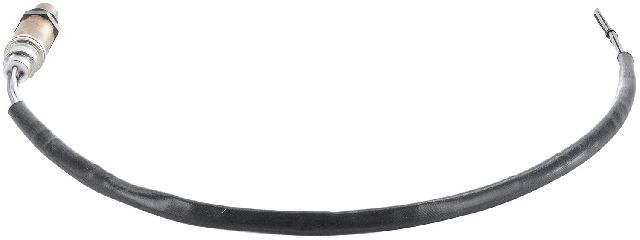
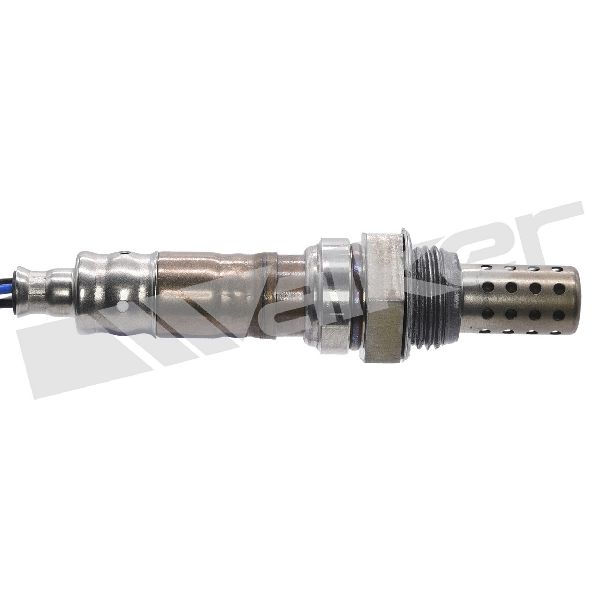
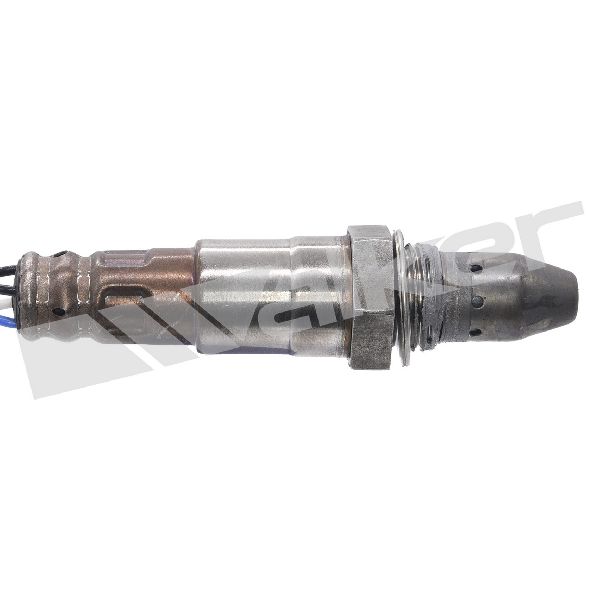
- Downstream Oxygen Sensor (Bank 1, Sensor 2)
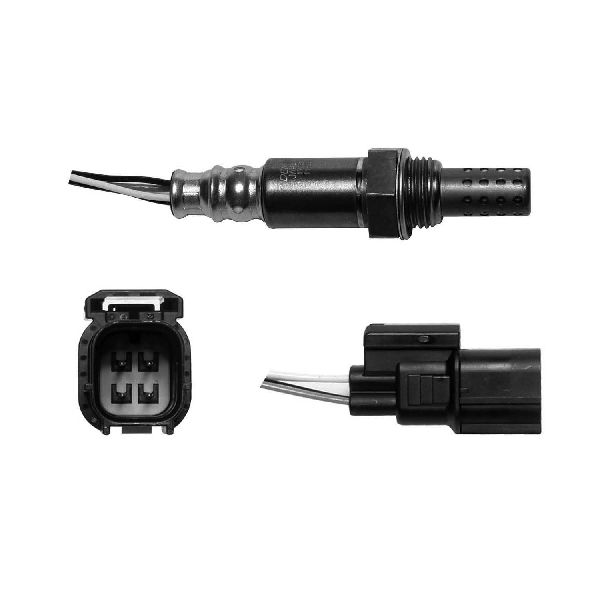
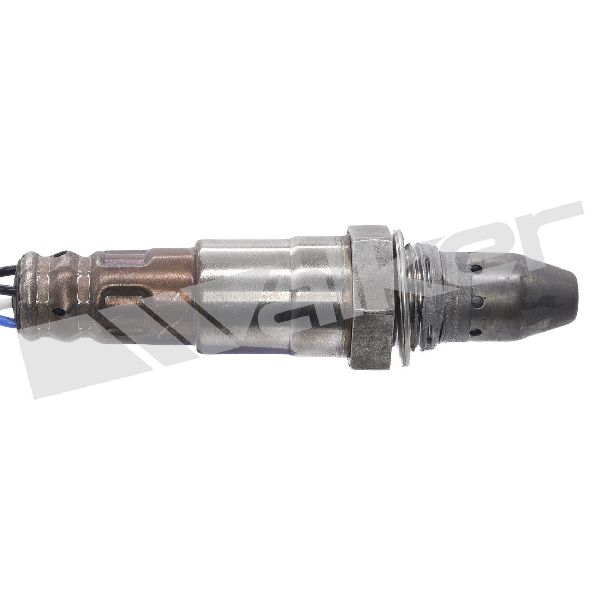
(OEM #36532-RNA-A01 (Common for 1.8L 2006-2013))— This is the component that fails in the vast majority of P0138 cases on this vehicle. It is a standard wear item.
Trusted brands: Denso (OEM Supplier), NGK/NTK (OEM Supplier), Bosch (Direct-Fit)
OEM price range: $135-$200
Aftermarket price range: $50-$90 - Oxygen Sensor Socket — A special 7/8" (22mm) socket with a slit for the wire is required to remove and install the oxygen sensor without damaging the wiring.
Trusted brands: Lisle, OEMTools, Generic
OEM price range: $10-$20
Aftermarket price range: $10-$20
Related Codes That Often Appear With This One
- P0139 — P0139 (O2 Sensor Circuit Slow Response Bank 1 Sensor 2) often appears with P0138 because a failing sensor can become both slow to respond and send incorrect voltage signals.
- P1298 — On some 2001-2005 Civics (and potentially early 8th gen), a failing Electronic Load Detector (ELD) in the fuse box can cause various voltage-related codes, including O2 sensor codes. One user on a forum reported P0138 appearing with a P1298 (ELD Circuit High Voltage), with the ELD being the root cause.
Technical Service Bulletins (TSBs) & Recalls
- No relevant TSBs were found for the 2006-2015 Honda Civic for code P0138. TSBs like 19-082 for wiring harness issues apply to the newer 2016+ 1.5L Turbo models and are not relevant to this platform.
Platform-Specific Known Issues
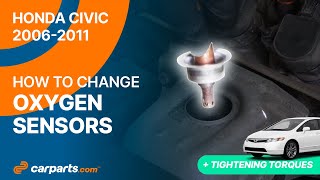
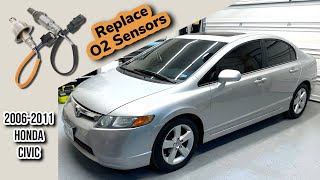
- Easy DIY Access on 8th Gen (2006-2011): For the 1.8L R18 engine used in most 8th generation Civics, the downstream O2 sensor (Sensor 2) is located directly on the catalytic converter at the front of the engine bay. It is visible and accessible from the top, making replacement a very straightforward DIY job that does not require lifting the car. 🎬 Watch: Step-by-step downstream sensor replacement for 2006-2011 models.
Mechanic-Grade Diagnostic Values

- Secondary O2 Sensor Heater Resistance — expected: 10-40 Ohms. Failure: A reading of infinite resistance (Open Loop) or very high resistance indicates a failed heater element within the sensor.
- Secondary O2 Sensor Voltage (Honda HDS) — expected: Should fluctuate lazily around 0.5V on a healthy system.. Failure: A value that remains above 1.27V triggers the P0138 DTC.
- Secondary O2 Sensor Signal Wire to Ground (at PCM) — expected: Should show fluctuating voltage between 0.1V and 0.9V.. Failure: A constant high voltage (above 0.9V) points to a short to power in the harness or a failed sensor.
Scan Tool Commands That Help
- Honda HDS (Honda Diagnostic System): HO2S S2 Data List — Use this to monitor the live voltage of the secondary O2 sensor. The official Honda diagnostic procedure for P0138 requires checking if the voltage is stuck above a specific threshold (e.g., 3.48V in some test scenarios, or 1.27V for the DTC trigger) to confirm the fault condition.
- Honda HDS (Honda Diagnostic System): Clear DTCs — After replacing the sensor or repairing the wiring, the DTC must be cleared. The HDS procedure involves clearing the code, running the engine at 3,000 RPM until the radiator fan turns on, then letting it idle to see if the Pending or Confirmed DTC returns.
Wiring & Ground Locations
- G101 — Bolted to the thermostat housing on the cylinder head, driver's side of the engine.. This is a primary engine and sensor ground point. Multiple sensors, including the O2 sensors, reference this ground. A loose or corroded G101 ground can cause erratic voltage readings and trigger various codes, including P0138. It is a known issue for causing mysterious electrical problems on this platform.
- Secondary O2 Sensor Connector (4-pin) — Located near the sensor on the catalytic converter, accessible from the top of the engine bay on 1.8L models.. This is the primary point for testing. Pin assignments can vary, but typically involve two same-colored wires for the heater (e.g., two black wires), a signal wire, and a ground wire. For OBD2a Civics (relevant for early models in this range), the secondary O2 sensor signal wire (WHT/RED) goes to pin D14 on the ECU, and the heater control (BLK/WHT) goes to pin A5.
- PCM Connector (for 2010 R18 engine) — Behind the dashboard, passenger side.. For advanced diagnostics, testing at the PCM is necessary. For the secondary O2 sensor: the signal wire (WHT/RED) goes to pin 27 on the 'C' (green) connector, and the sensor ground (GRN/YEL) goes to pin 33 on the 'B' (grey) connector.
Real Owner Repair Stories
- Honda-Tech Forum Member (2000 Honda Civic Si (similar grounding scheme to 8th gen)) — Crank no start, no CEL, no communication with ECU.
❌ Tried (didn't work) Replaced battery, Swapped main relay
✅ What actually fixed it The user found no continuity between the main relay and the G101 ground bolt on the thermostat housing. The wire was frayed/broken within the harness. Running a new ground wire from the main relay to a known good chassis ground would be a temporary fix, but the root cause was a break in the G101 ground circuit which affects multiple systems. - 8thCivic.com Forum (8th Gen Honda Civic) — P0138 and P0139 codes.
❌ Tried (didn't work) Initial diagnosis pointed only to the sensor.
✅ What actually fixed it The user replaced the downstream O2 sensor with a new Denso unit, which resolved both codes. This is the most common fix and confirms the Pass 2 assessment.
OEM Part Supersession History
Denso 234-4396→Denso 234-4521— Part consolidation and potential design updates by the manufacturer.
Heads up: While both are listed for the 2006-2011 Civic 1.8L, some suppliers now list 234-4521 as the primary replacement. Always verify fitment with your specific VIN, but be aware that the part number you find on forums might be superseded by a newer one. Both are direct-fit and should be compatible.
Model Year Variations Within This Range
- 2006-2011 (8th Gen) vs 2012-2015 (9th Gen): The primary engine for non-Si models changed from the R18A1 (8th gen) to the R18Z1 (9th gen). While architecturally similar, this led to different OEM part numbers for the downstream O2 sensor. The 2014-2015 models, in particular, often use a different sensor than the 2006-2013 models. The physical location and diagnostic principles remain the same.
- OBD2a vs OBD2b: Within the broader OBD2 standard, Honda used different ECU pinouts. For early models in this range (circa 2006), wiring diagrams for OBD2a ECUs are most relevant for deep diagnostics, showing specific pin locations like D14 for the secondary O2 sensor signal. Later models will have different pin assignments.
Diagnostic Flowchart
Real Owner Stories
Aggregated from forums and TSBs cited above. Mileages and costs reflect what owners reported in those sources.
2007 Honda Civic
Symptoms: Triggered a P0138 code with no other major drivability symptoms mentioned.
What fixed it: A simple sensor replacement of the rear O2 sensor located after the catalytic converter.
Source hint: Honda-Tech.com thread titled 'P0138 code ? what to replace'
2008 Honda Civic
Symptoms: Noticed a significant drop in fuel economy, going from about 600km per tank down to 500km per tank.
What fixed it: Replaced the downstream O2 sensor using a special O2 sensor socket for the DIY repair.
Source hint: HondaCivicForum.com thread titled 'Check engine light: P0138'
2006-2015 Honda Civic
Symptoms: Check engine light came on with code P0138 due to a bad O2 sensor.
What fixed it: Replaced the faulty sensor with an NTK or Denso brand sensor, specifically avoiding cheaper aftermarket brands.
Source hint: Reddit r/Honda thread titled 'What model sensor do I need for a O2 sensor going bad?'
Related OBD-II Codes
Frequently Asked Questions
Does TSB 19-082 apply to my 2006-2015 Civic for code P0138?
Is replacing the downstream O2 sensor hard to do myself on an 8th Gen Civic?
What brand of oxygen sensor should I buy for my Civic to fix P0138?
Can code P0138 cause my Civic to get worse gas mileage?
What tools do I need to replace the downstream O2 sensor on my Civic?
How long do the oxygen sensors typically last on this generation of Civic?
Helpful Videos
We Have This Part in Stock


The information in this article is provided for general reference and educational purposes only. Vehicle specifications, procedures, and part compatibility can vary by production date, trim level, and region. Always consult your vehicle's factory service manual and verify part numbers before purchasing or performing repairs. Safety-critical components such as airbags, seat belts, and braking systems should be installed by a qualified professional.
- Honda Civic:
- 🎬 Helpful Videos
- 🛍️ Shop This Part
- What's Unique About the 2006-2015 Honda Civic
- Symptoms You May Notice
- Most Likely Causes
- Rare But Worth Checking
- Diagnosis Steps
- Parts You'll Likely Need
- Related Codes That Often Appear With This One
- Technical Service Bulletins (TSBs) & Recalls
- Platform-Specific Known Issues
- Mechanic-Grade Diagnostic Values
- Scan Tool Commands That Help
- Wiring & Ground Locations
- Real Owner Repair Stories
- OEM Part Supersession History
- Model Year Variations Within This Range
- Diagnostic Flowchart
- Real Owner Stories
- 2007 Honda Civic
- 2008 Honda Civic
- 2006-2015 Honda Civic
- Related OBD-II Codes
- Frequently Asked Questions
- 🎟️ Get 5% Off