

P0137 on 2007-2011 Toyota Camry 3.5L V6: Causes, Fixes, and Part Numbers
This code almost always points to a failed downstream oxygen sensor on the rear exhaust manifold (Bank 1). Replacing the Bank 1, Sensor 2 O2 sensor is the most common fix. Expect to pay $60-$100 for an aftermarket sensor (like Denso or Bosch) and $150-$200 for an OEM part. It's a straightforward DIY job for most home mechanics.
- P0137 points to the downstream O2 sensor on the rear cylinder bank (Bank 1).
- The most likely fix is replacing the Bank 1, Sensor 2 oxygen sensor with a Denso part (OEM
What's Unique About the 2007-2011 Toyota Camry

On the 2GR-FE V6 engine, identifying the correct bank is key. Bank 1 is the rear bank, closer to the firewall, which can make accessing its sensors slightly more challenging than Bank 2 (front bank). The P0137 code specifically points to the downstream sensor on this rear bank. Owners consistently report that using OEM equivalent sensors, particularly from Denso (which is often the original equipment manufacturer), yields the best results and avoids compatibility issues that can arise with cheaper, no-name brands.
Symptoms You May Notice
- Check Engine Light is on.
- Vehicle will fail an emissions inspection.
- Potential for slightly reduced fuel economy.
- In most cases, no noticeable symptoms other than the Check Engine Light.
- Replacing the wrong oxygen sensor (e.g., replacing the upstream Air/Fuel Ratio sensor or the sensor on Bank 2).
- Replacing the catalytic converter when the actual issue is a simple sensor or exhaust leak.
- Assuming a cheap, universal oxygen sensor will work. These often cause compatibility issues; a direct-fit Denso or OEM sensor is highly recommended.
Most Likely Causes

- Failed Downstream Oxygen Sensor (Bank 1, Sensor 2) 🔴 High Probability Oxygen sensors are wear-and-tear items that degrade over time from heat and contaminants. After 100,000+ miles, failure is common. The sensor becomes 'lazy' or fails entirely, sending a fixed low voltage signal.
How to confirm: Use a scan tool to monitor live data for the B1S2 O2 sensor. On a warm engine, a healthy downstream sensor should show a relatively stable voltage, typically between 0.6V and 0.8V. If the voltage is stuck below 0.2V and does not respond to changes in engine RPM, the sensor is almost certainly bad.
Typical fix: Replace the Bank 1, Sensor 2 oxygen sensor. This sensor is located underneath the car, just after the rear catalytic converter.
Est. part cost: $60-$200 - Exhaust Leak 🟡 Medium Probability Rust and corrosion can cause leaks at exhaust manifold gaskets, flex pipes, or flange gaskets. A leak before the sensor can draw in outside air, causing the sensor to read low voltage (a false lean condition).
How to confirm: Visually inspect the exhaust system from the engine to the downstream O2 sensor for black soot marks, which indicate a leak. You can also listen for a ticking or hissing sound from the exhaust when the engine is cold. A shop can perform a smoke test to definitively pinpoint the leak.
Typical fix: Repair the leak. This may involve replacing a gasket, welding a crack, or replacing a section of the exhaust pipe.
Est. part cost: $10-$300 - Damaged Wiring or Connector ⚪ Low Probability The wiring harness for the downstream sensor is located under the vehicle, making it susceptible to damage from road debris, heat, and corrosion. Rodents can also chew through the wires.
How to confirm: Visually inspect the wiring harness and connector leading to the Bank 1, Sensor 2 O2 sensor. Look for any signs of melting, chafing, corrosion, or broken wires. Check for a blown A/F sensor fuse in the engine bay fuse box. A multimeter can be used to check for continuity from the sensor connector back to the ECM.
Typical fix: Repair the damaged section of wiring or clean/replace the connector. If a fuse is blown, replace it and diagnose the underlying short circuit.
Est. part cost: $5-$50
Rare But Worth Checking
- Faulty Engine Control Module (ECM): This is extremely rare. One owner on Reddit reported being told they needed a new ECM, only for the problem to persist after replacement, indicating a misdiagnosis. The ECM should only be considered after all other possibilities (sensor, wiring, exhaust leaks) have been definitively ruled out by a professional.
Diagnosis Steps

- Confirm the code P0137 is present using an OBD-II scanner.
- Use the scanner's live data feature to observe the voltage of 'O2S B1S2'. On a fully warmed-up engine at idle, a reading stuck below 0.2V strongly suggests a problem with the sensor or its circuit. A healthy sensor should show a stable voltage around 0.6-0.8V.
- Perform a thorough visual inspection of the exhaust system between the rear cylinder head and the B1S2 sensor. Look and listen for any signs of an exhaust leak, particularly at flange gaskets.
- Inspect the wiring and connector for the Bank 1, Sensor 2 O2 sensor. It is located under the car, downstream of the rear catalytic converter. Check for any physical damage, melting, or corrosion.
- Check the 'A/F Heater' or similarly named fuse in the engine compartment fuse box to ensure it is not blown.
- If the wiring is intact, there are no exhaust leaks, and the fuse is good, the oxygen sensor itself is the most probable cause of failure.
- Replace the Bank 1, Sensor 2 oxygen sensor. After replacement, clear the codes and perform a drive cycle to ensure the Check Engine Light does not return.
Parts You'll Likely Need

- Oxygen Sensor (Bank 1, Sensor 2)
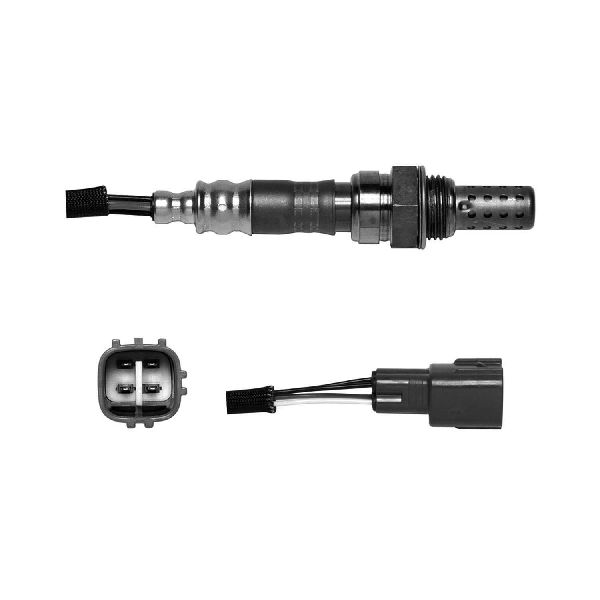
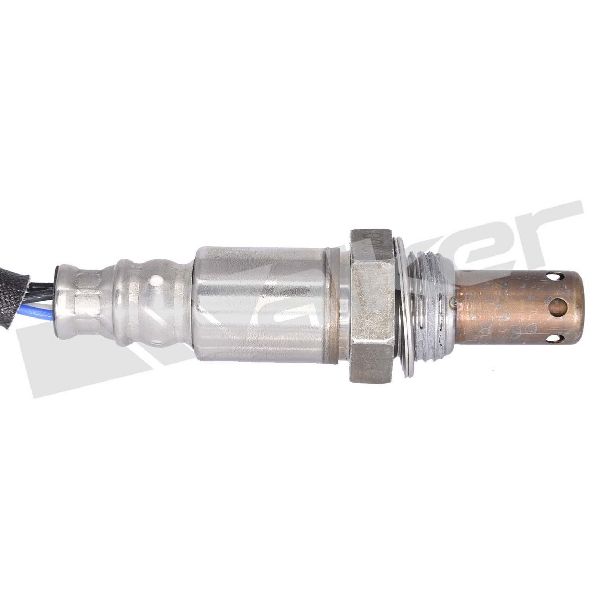
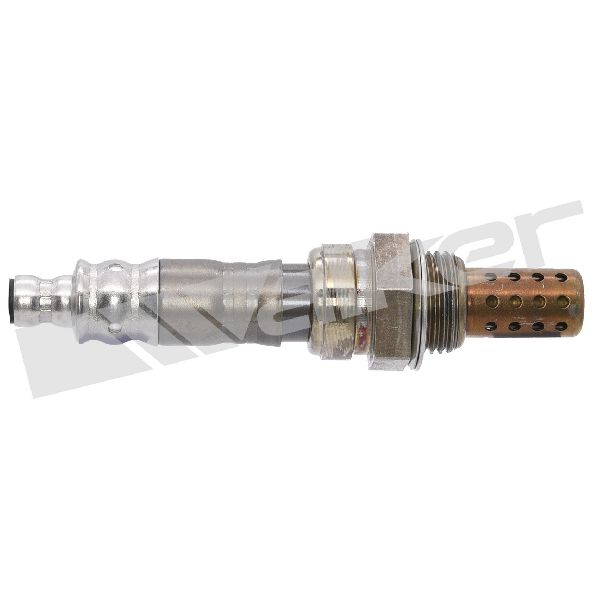
(OEM #89465-06150)— This is the downstream oxygen sensor for the rear bank (Bank 1) and is the most common failure point for code P0137.
Trusted brands: Denso (OEM Manufacturer), Bosch, NGK/NTK
OEM price range: $150-$200
Aftermarket price range: $60-$120
Related Codes That Often Appear With This One
- P0136 — P0136 indicates a general fault in the same sensor circuit, and the two codes often appear together pointing to a failure of the Bank 1, Sensor 2 oxygen sensor.
- P0420 — While P0137 is a sensor circuit code, it can sometimes be a precursor to or appear with P0420 (Catalyst System Efficiency Below Threshold). A failing sensor can sometimes lead to an inaccurate reading of the catalyst's performance.
- P0157 — This is the equivalent code for Bank 2, Sensor 2. Seeing P0137 and P0157 together suggests both downstream sensors may be failing simultaneously due to age and mileage.
Platform-Specific Known Issues
- Access to Bank 1 Sensor: The Bank 1 (rear) downstream sensor is accessible from under the vehicle. However, the sensor can be very tight due to heat cycles and rust. It is highly recommended to spray the old sensor with penetrating oil (like PB Blaster) and let it soak before attempting removal. A 22mm (or 7/8") oxygen sensor socket with a slit for the wire is the required tool.
Mechanic-Grade Diagnostic Values
- Heated Oxygen Sensor (B1S2) Heater Resistance — expected: 11 to 16 Ω at 20°C (68°F). Failure: Resistance is outside the specified range, indicating a faulty internal heater element.
- Heated Oxygen Sensor (B1S2) Heater Current — expected: Greater than 0.3 A but less than 2.0 A. Failure: Current below 0.3 A triggers a low circuit code (e.g., P0037); current above 2.0 A triggers a high circuit code (e.g., P0038). This helps diagnose shorts or opens in the heater circuit.
- Oxygen Sensor (B1S2) Signal Voltage at ECM — expected: Relatively stable between 0.6V - 0.8V on a warm, healthy engine.. Failure: Voltage is stuck below 0.1V - 0.2V and does not respond when the air/fuel mixture is manually enriched using a scan tool. This confirms a sensor or circuit fault.
Scan Tool Commands That Help
- Toyota Techstream: Active Test: 'Control the Injection Volume' — This function allows a technician to manually command a richer or leaner fuel mixture. When commanding a rich mixture, a healthy B1S2 sensor's voltage should rise towards 0.9V. If the voltage remains stuck low despite the command, it strongly indicates a faulty sensor or an open signal wire, rather than a true lean condition.
Wiring & Ground Locations
- ECM Connector (e.g., C40 on some diagrams) — The ECM is located behind the right side of the dashboard / glove box area.. Allows for testing the sensor signal and heater circuit directly at the computer. Key pins include HT1B (Heater control for Bank 1 Sensor 2) and OX1B (Signal from Bank 1 Sensor 2). Testing here can differentiate a wiring problem from a failed ECM.
- Engine Ground Point (e.g., EG) — The 2GR-FE has several critical grounds, including a harness ground on the side of the cylinder head. Bank 1 is the rear bank, so checking the ground connection on the rear cylinder head is most relevant.. A poor or corroded ground connection for the engine harness can introduce electrical noise or voltage offsets, potentially causing false low voltage readings from sensors like the O2 sensor.
Real Owner Repair Stories
- TacomaWorld forum user (Toyota V6 (similar 2GR-FE logic), 85,000 miles) — Rough idle and check engine light. Codes indicated O2 sensor issues.
❌ Tried (didn't work) Debating using expensive OEM sensors.
✅ What actually fixed it Replaced all four oxygen/AF sensors with Denso parts from RockAuto. The user reported the truck regained 'a lot of pep and the idle is now smooth,' confirming the fix.
OEM Part Supersession History
89465-33440→89465-06150— Standard part revision and consolidation by the manufacturer.
Model Year Variations Within This Range
- 2007-2009: Early 2GR-FE engines used a variable valve timing oil supply line that contained a rubber section. This line was prone to rupturing, causing a catastrophic oil leak. A recall and updated part (an all-metal line) was issued. While not directly related to P0137, it is a critical reliability difference to be aware of on earlier models in this range.
Diagnostic Flowchart
Other Known Issues on This Vehicle
Issues unrelated to this code that are worth knowing about as an owner of this generation:
- VVT-i Oil Line Rupture 🔴 High — Common on 2007-early 2010 models with the original rubber hose. Can fail without warning at any mileage, leading to catastrophic oil loss and engine seizure. (Ref: LSC 90K (Limited Service Campaign). Toyota replaced the original rubber/metal line with an all-metal line (Part No. 15772-31030) to prevent failure.)
- Melting / Sticky Dashboard 🟡 Low — Very common in regions with high heat and humidity. The dashboard surface degrades, becomes shiny, sticky, and can cause dangerous glare on the windshield. (Ref: Warranty Enhancement Program ZE6. Toyota offered extended warranty coverage to replace affected dashboards, though the program has since expired.)
- Water Pump Failure 🟠 Medium — Can occur as the vehicle ages, typically over 100,000 miles. Often presents as a slow coolant leak with pink crusty residue near the pump.
- Transmission Shift Flare/Hesitation 🟠 Medium — Some owners report a hesitation or 'flare' in RPMs during the 2-3 shift on the U660E transmission, especially when cold. A software update or fluid change can sometimes mitigate it.
Used vs. New Parts: Buying Guide for This Vehicle
When a used part is the smart pick: Almost never for the oxygen sensor itself, as it is a wear-and-tear item with a finite lifespan. A used part is a gamble with unknown remaining life. A used part may be a cost-effective choice for a replacement wiring connector pigtail or a section of exhaust pipe if a leak is the root cause.
Donor-vehicle mileage cap: roughly under 80000 miles for the part to have meaningful remaining life.
What to inspect on the donor part:
- For wiring: Check for flexible, non-brittle wire insulation and clean, corrosion-free connector pins.
- For exhaust components: Inspect for deep, flaky rust, cracks near welds, and intact mounting flanges.
OEM-only on this vehicle (don't cheap out):
- While not strictly 'OEM-only', using non-OEM or non-Denso oxygen sensors is highly discouraged. Cheap, unbranded sensors are notorious for being faulty out of the box or failing prematurely on this platform.
Aftermarket brands forum-validated for this vehicle:
- Denso (Confirmed OEM manufacturer for Toyota)
Brands owners have reported issues with on this vehicle:
- Generic, unbranded sensors (often found on eBay or Amazon), which have a high failure rate.
Real Owner Stories
Aggregated from forums and TSBs cited above. Mileages and costs reflect what owners reported in those sources.
2007 Toyota Camry V6 — ~100000 miles
Symptoms: Check Engine Light with codes P0137 and P0157.
What fixed it: Replaced both downstream sensors with Denso parts after soaking the old sensors in penetrating oil overnight to ease removal.
Source hint: ToyotaNation thread titled 'p0137-and-p0157-on-my-07-camry-v6.373199/'
2011 Toyota Camry
Symptoms: Persistent P0137 code and frustration after initial repairs did not work.
What fixed it: The owner highlighted the importance of using correct OEM parts and diagnosing wiring after a non-OEM sensor and an ECM replacement failed to resolve the issue.
Source hint: Reddit r/MechanicAdvice thread 'p0137_code_2011_toyota_camry_beyond_frustrated/'
Related OBD-II Codes
Frequently Asked Questions
Where is the Bank 1 Sensor 2 oxygen sensor located on my 3.5L V6 Camry?
What specific tool do I need to remove the P0137 sensor on my 2007-2011 Camry?
Is there a specific brand of sensor recommended for the 2GR-FE engine to avoid persistent codes?
Should I check any fuses before replacing the sensor?
Are there any other major issues I should look out for on my 2007-2011 Camry V6 while I'm under the car?
How can I make removing the old sensor easier on my high-mileage Camry?
Helpful Videos
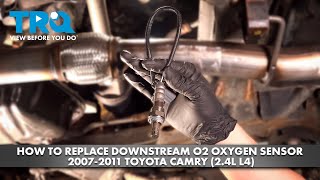

We Have This Part in Stock
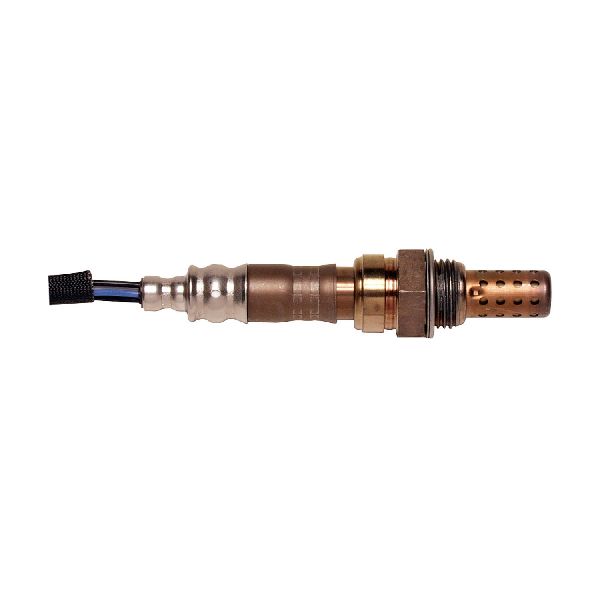
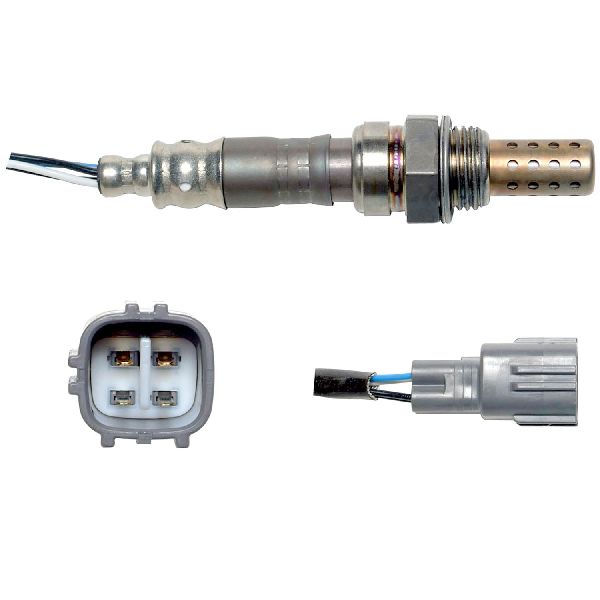


The information in this article is provided for general reference and educational purposes only. Vehicle specifications, procedures, and part compatibility can vary by production date, trim level, and region. Always consult your vehicle's factory service manual and verify part numbers before purchasing or performing repairs. Safety-critical components such as airbags, seat belts, and braking systems should be installed by a qualified professional.
- Toyota Camry:
- 🎬 Helpful Videos
- 🛍️ Shop This Part
- What's Unique About the 2007-2011 Toyota Camry
- Symptoms You May Notice
- Most Likely Causes
- Rare But Worth Checking
- Diagnosis Steps
- Parts You'll Likely Need
- Related Codes That Often Appear With This One
- Platform-Specific Known Issues
- Mechanic-Grade Diagnostic Values
- Scan Tool Commands That Help
- Wiring & Ground Locations
- Real Owner Repair Stories
- OEM Part Supersession History
- Model Year Variations Within This Range
- Diagnostic Flowchart
- Other Known Issues on This Vehicle
- Used vs. New Parts: Buying Guide for This Vehicle
- Real Owner Stories
- 2007 Toyota Camry V6 — ~100000 miles
- 2011 Toyota Camry
- Related OBD-II Codes
- Frequently Asked Questions
- 🎟️ Get 5% Off