

P0137 on 2014-2018 Mazda 3: Causes and Fixes for O2 Sensor Circuit Low Voltage
On a 2014-2018 Mazda 3, code P0137 is most often a failed downstream oxygen sensor (Sensor 2). Before replacing it, inspect the wiring harness for damage, a known issue on related platforms. A DIY replacement with a quality aftermarket sensor (Denso/NGK) costs about $80-$120. The OEM part number varies by engine and build location, so verify before purchasing.
- P0137 on your Mazda 3 points to the downstream O2 sensor (Sensor 2) circuit reading low voltage.
- Before buying a new sensor, always inspect the wiring harness for damage, as this is a known issue on related Mazda models, especially under the passenger floor trim.
- Also check for exhaust leaks between the catalytic converter and the sensor.
- If wiring and exhaust are good, the most likely fix is replacing the downstream O2 sensor, which is a manageable DIY task for many owners.
- Use a quality aftermarket brand like Denso or NGK/NTK for the best results. Be sure to verify the correct part number for your vehicle's specific build (Japan vs. Mexico) using your VIN.
What's Unique About the 2014-2018 Mazda 3
While a failed sensor is common on any car, Mazda platforms from this era, including the closely related Mazda 6 and CX-5, have a known issue with wiring harness damage that can trigger a P0137 code. A Technical Service Bulletin for the Mazda 6 specifically notes that damage to the main harness under the passenger-side floor trim, often from improper aftermarket accessory installations, can cause this code. Therefore, checking the wiring under the car and inside the cabin is a critical first step before assuming the sensor itself is bad.
Symptoms You May Notice
- Check Engine Light is on
- Vehicle may fail an emissions inspection
- Potential for slightly reduced fuel economy
- In rare cases with modified exhausts, misfiring or rich running conditions may be present.
- Replacing the catalytic converter. A P0137 code points to a sensor circuit fault, not necessarily a bad converter. 🎬 Watch: Understanding the common causes and fixes for P0137. A failing converter would typically set a P0420 code.
- Replacing the upstream Air/Fuel Ratio sensor (Sensor 1). This code is specific to the downstream sensor (Sensor 2).
Most Likely Causes
- Failed Downstream Oxygen Sensor (Bank 1, Sensor 2) 🔴 High Probability Oxygen sensors are wear items that degrade over time from heat and contaminants in the exhaust, typically lasting 80,000-150,000 miles.
How to confirm: Using a scan tool with live data, monitor the B1S2 voltage with the engine warm and at a steady 2,000-2,500 RPM. If the voltage is stuck below 0.2V and does not respond, and the wiring is confirmed to be good, the sensor has failed.
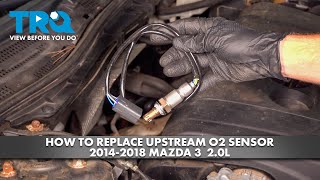
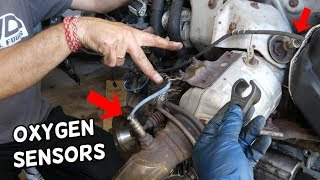
Typical fix: Replace the downstream oxygen sensor. The sensor is located underneath the car, screwed into the exhaust pipe after the catalytic converter. 🎬 See this step-by-step guide to replacing the downstream sensor.
Est. part cost: $80-$180 - Damaged Wiring Harness or Connector 🟡 Medium Probability The sensor wiring runs under the vehicle and is susceptible to damage from road debris, heat, and corrosion. A TSB on the related Mazda 6 platform points to harness damage under the passenger floor trim as a specific cause for this code, often related to aftermarket alarm installs. A user on Mazda Talk Forums also traced a P0137 to pinched or damaged extension wires after an exhaust install.
How to confirm: Visually inspect the entire length of the O2 sensor's wiring harness from the sensor to where it connects inside the vehicle. Look for any signs of melting, chafing, corrosion, or breaks. Pay close attention to the connector for bent or corroded pins. If an aftermarket accessory has been installed, inspect the main harness under the passenger side carpet/trim for damage.
Typical fix: Repair the damaged section of wire or replace the connector pigtail. Secure the harness away from heat sources or moving parts.
Est. part cost: $5-$50 - Exhaust Leak ⚪ Low Probability Gaskets and flange connections in the exhaust can degrade over time, allowing outside air to be pulled into the exhaust stream before the sensor, which causes a false low voltage reading.
How to confirm: Listen for hissing or ticking sounds from the exhaust system, especially when the engine is cold. Visually inspect the pipes and flanges between the catalytic converter and the rear O2 sensor for black soot marks, which indicate a leak. A smoke test is the most definitive way to find small leaks.
Typical fix: Tighten loose bolts or replace the leaking gasket or section of pipe.
Est. part cost: $10-$100
Rare But Worth Checking
- Powertrain Control Module (PCM) Fault: This is extremely rare. The PCM should only be considered after all other possibilities, including the sensor, wiring, and exhaust leaks, have been definitively ruled out by a professional.
Diagnosis Steps
- Read the code from the PCM using an OBD-II scanner to confirm P0137 is present.
- Visually inspect the downstream O2 sensor's wiring harness and connector for any obvious damage, such as melting, chafing, or corrosion. Trace it as far back as possible.
- Inspect the exhaust system for leaks between the catalytic converter and the downstream O2 sensor. Look for soot trails or listen for audible leaks.
- Use a scan tool to observe live data for the 'B1S2' voltage. With the engine fully warmed up, the voltage should be relatively stable, typically fluctuating between 0.5V and 0.9V. If it is stuck below 0.2V, it confirms the fault condition.
- If the wiring and exhaust are confirmed to be intact, the oxygen sensor is the most likely culprit.
- To be certain, you can test the sensor's heater circuit resistance with a multimeter (should be within manufacturer specs, typically 5-15 ohms) and check for 12V power and ground at the sensor connector with the key on.
- If the sensor and wiring are good, the problem may be a rare PCM issue, which typically requires professional diagnosis.
Parts You'll Likely Need
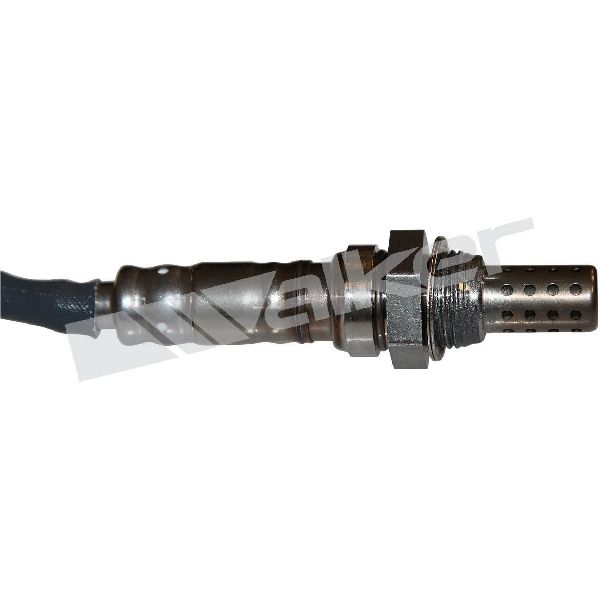
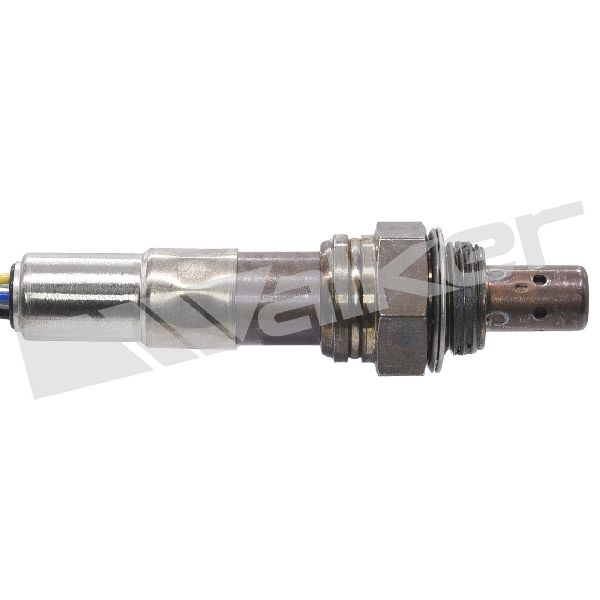
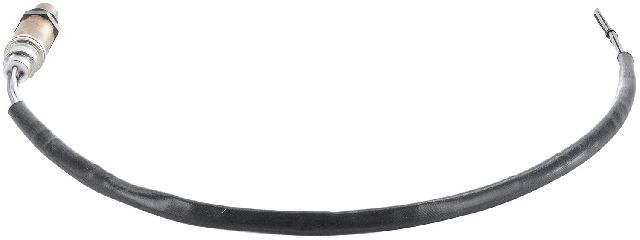
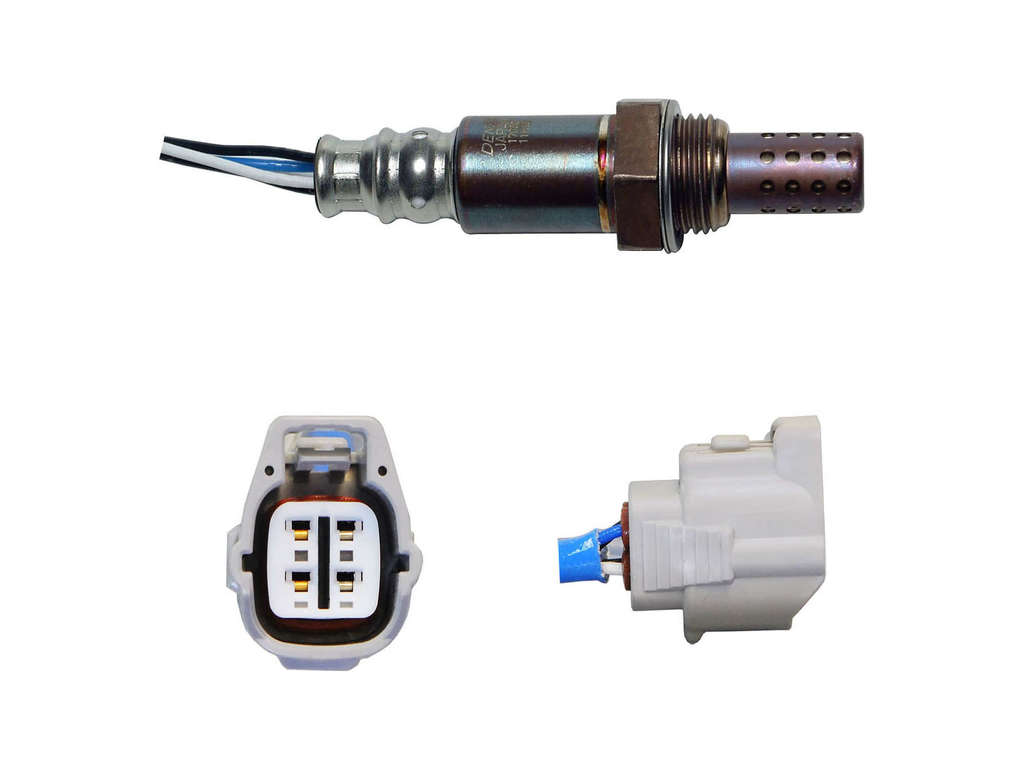
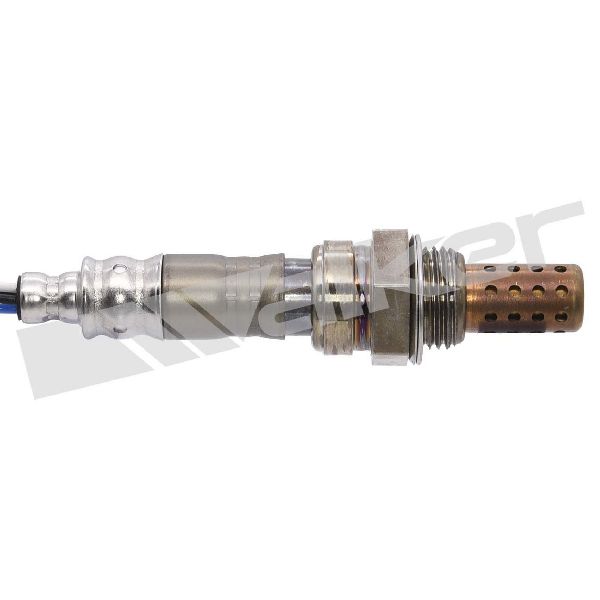
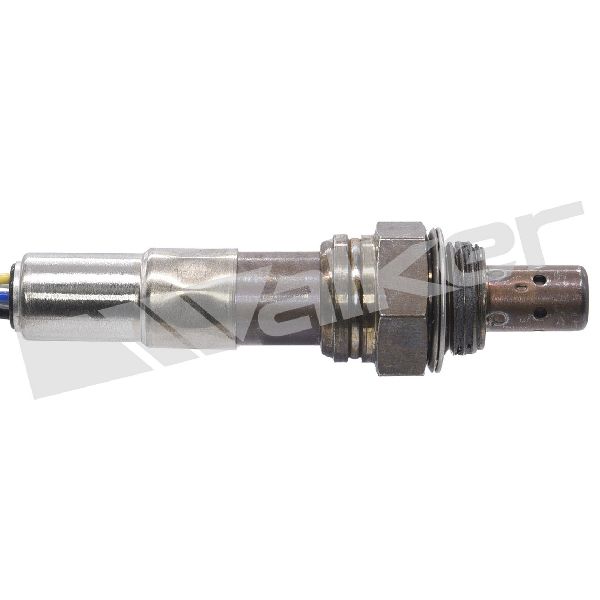
- Downstream Oxygen Sensor (Bank 1, Sensor 2)
(OEM #PE02-18-86Z (or PE02-18-86ZA) for 2.0L/2.5L Japan-built models; PEDE-18-86Z for 2.0L Mexico-built models. PE12-18-86Z for some 2.5L applications. Always verify with VIN.)— This is the most common component to fail and cause a P0137 code after it has reached the end of its service life.
Trusted brands: Denso (e.g., 234-4939), NGK/NTK (e.g., 24792), Bosch (e.g., 18188)
OEM price range: $150-$220
Aftermarket price range: $80-$120
Related Codes That Often Appear With This One
- P0037 - O2 Sensor Heater Control Circuit Low (Bank 1 Sensor 2): This code often appears with P0137 and points more specifically to a failure in the sensor's internal heating element or its circuit, which is integral to the sensor itself.
Technical Service Bulletins (TSBs) & Recalls
- Pattern of harness damage noted in TSBs for platform-mate Mazda 6 (e.g., related to aftermarket alarm installs) is highly relevant for diagnosing P0137 on the Mazda 3.
- Bulletin #1011M notes that a P0137 (HO2S Circuit Low Input) may be caused by rear harness damage resulting from an aftermarket alarm system installation.
- Bulletin #SA288 advises technicians to check the rear harness for damage if they encounter a vehicle with DTC P0137, specifically if an aftermarket alarm system is present.
- Recall 23V487000: Addresses flickering rearview cameras, highlighting general wiring harness vulnerability.
- Recall 1217F: Addresses sticking rear brake calipers on 2014-2016 models.
Platform-Specific Known Issues
- Part Number Varies by Build Location: For 2017-2018 models in particular, the correct downstream O2 sensor part number may depend on whether the vehicle was built in Japan or Mexico. It is critical to verify the correct part number using the vehicle's VIN before purchasing a replacement.
Mechanic-Grade Diagnostic Values
- Downstream O2 Sensor (B1S2) Voltage at Idle (Warm Engine) — expected: Relatively stable voltage between 0.6V and 0.9V.. Failure: Voltage is stuck low, consistently below 0.2V - 0.4V.
- O2 Sensor Heater Circuit Resistance — expected: Between 3 and 25 ohms when tested across the two same-colored wires on the sensor connector.. Failure: No reading (OL - open circuit) or infinite resistance, indicating a burned-out heater element.
- Heater Circuit Power Supply — expected: 12V at one of the heater circuit wires on the harness-side connector with the key on, engine off.. Failure: No voltage, indicating a blown fuse or wiring issue upstream.
Scan Tool Commands That Help
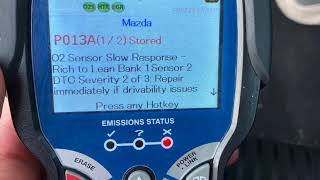
- Mazda M-MDS (Mazda Modular Diagnostic System): Access PID: O2S12 — This is the specific PID (Parameter ID) to monitor the live voltage output of the downstream oxygen sensor (Bank 1, Sensor 2) to confirm if it is reading low as the code suggests. 🎬 Watch: A professional diagnostic walkthrough for the P0137 code.
Wiring & Ground Locations
- G01 — Near the radiator support / front of the engine bay.. This is a primary engine ground. While not directly for the O2 sensor, a poor connection here can cause widespread electrical issues and erratic sensor behavior.
- G10 — Behind the left side of the dashboard.. This is a key interior ground point. On related Mazda platforms, wiring damage for the O2 sensor can occur inside the cabin under the floor trim, making nearby grounds relevant to diagnosis.
- Exhaust Ground Strap — A braided metal strap connecting a section of the exhaust pipe to the vehicle's chassis or subframe.. The O2 sensor circuit relies on a solid ground path through the exhaust system. If this strap is corroded, broken, or missing (especially after exhaust work), it can cause an open circuit or high resistance, leading to a P0137 voltage code even with a new sensor.
Real Owner Repair Stories
- Reddit user on r/WRX (Subaru WRX (similar diagnostic principle)) — Persistent P0137 code even after replacing the downstream O2 sensor.
❌ Tried (didn't work) Replacing the downstream O2 sensor.
✅ What actually fixed it The user was advised that the code is specifically for circuit voltage and to check the ground strap attached to that section of exhaust pipe, as corrosion can cause it to break and trigger voltage codes. - Reddit user on r/Acura_RSX (Acura RSX) — P0137 code appeared.
❌ Tried (didn't work) Replacing the Oxygen sensor., Confirming there were no exhaust leaks.
✅ What actually fixed it The thread concluded with the user still diagnosing, but other posters strongly suggested a wiring issue or a rare PCM fault, highlighting that the sensor and leaks are not the only causes.
Model Year Variations Within This Range
- 2017-2018: The 2017 model year marked the 'BN' facelift for the 3rd generation Mazda 3. While core engine components are similar, there can be variations in part numbers for sensors based on whether the vehicle was assembled in Japan or Mexico. It is crucial to verify the correct O2 sensor part number with the VIN for these later models.
Diagnostic Flowchart
Other Known Issues on This Vehicle
Issues unrelated to this code that are worth knowing about as an owner of this generation:
- Infotainment System Glitches ('Ghost Touch') 🟠 Medium — Very common, especially on 2014-2016 models. The touchscreen may register phantom inputs, freeze, or reboot. Often worsens with heat. (Ref: Mazda issued a Customer Service Program (CSP13) extending the warranty for the Connectivity Master Unit (CMU) on affected vehicles, but not the touchscreen itself. A simple DIY fix is to disconnect the touchscreen ribbon, forcing reliance on the console controller.)
- Premature Rear Brake Wear / Sticking Calipers 🟠 Medium — Commonly reported issue where rear brake pads and rotors wear out faster than the fronts. Sticking parking brake actuator shafts are a known cause. (Ref: Recall 1217F was issued for 2014-2016 models because water ingress could cause the parking brake actuator shaft to corrode and bind.)
- Broken Rear Coil Springs 🟡 Low — Some owners have experienced rear coil springs breaking, leading to a knocking noise or the rear of the car sitting lower than normal. (Ref: TSB #02-015-18-3499a addresses this specific issue.)
- SKYACTIV-G Carbon Buildup on Intake Valves 🟡 Low — As a direct-injection engine, carbon can accumulate on the intake valves over high mileage (typically 100k+ miles), potentially causing rough idle or misfires. It is not considered a widespread, premature failure point on Skyactiv engines compared to some other GDI engines.
- Automatic Transmission Shifting Issues 🟡 Low — Some owners report occasional harsh shifts, delayed engagement from Park to Drive, or slipping. This is not a widespread, critical failure but can be caused by fluid issues, solenoids, or the valve body.
- Flickering or Distorted Rearview Camera 🟡 Low — Common enough to warrant a recall, the rearview camera image may flicker or fail to display. (Ref: Recall 23V487000 (Mazda recall 6023G) was issued to inspect the camera and harness, and replace parts if necessary.)
Used vs. New Parts: Buying Guide for This Vehicle
When a used part is the smart pick: A used wiring harness pigtail or a section of the main harness from a junkyard is a viable option if your original harness is damaged by heat, corrosion, or physical impact. This can be more cost-effective than attempting complex wire repairs in tight spaces.
Donor-vehicle mileage cap: roughly under 100000 miles for the part to have meaningful remaining life.
What to inspect on the donor part:
- For a wiring harness, inspect for any signs of melting, brittleness, or previous repairs (e.g., splices, tape).
- Ensure the connector locks are intact and the pins are straight and free of corrosion.
- Verify the donor vehicle was not in a fire or flood.
- Check that the donor vehicle has similar or lower mileage than your own.
OEM-only on this vehicle (don't cheap out):
- While not strictly 'OEM-only', it is highly recommended to use either genuine Mazda O2 sensors or sensors from the original equipment manufacturers like Denso or NTK. The engine's computer is calibrated for the specific performance of these sensors.
Aftermarket brands forum-validated for this vehicle:
- Denso
- NGK / NTK
Brands owners have reported issues with on this vehicle:
- Generic, unbranded, or 'white-box' oxygen sensors from online marketplaces are frequently reported on forums to have high failure rates, incorrect voltage readings, or short service lives, often causing the code to return.
Real Owner Stories
Aggregated from forums and TSBs cited above. Mileages and costs reflect what owners reported in those sources.
2014-2018 Mazda 3 Skyactiv-G
Symptoms: The user experienced a P0137 code immediately following the installation of an aftermarket header and mid-pipe.
What fixed it: The issue was resolved by inspecting and repairing the O2 sensor extension wiring, which had been pinched or suffered from a bad connection during the exhaust install.
Source hint: Mazda Talk Forums (mazdatalkforum.com) thread titled 'p0137'
2014-2018 Mazda 3 Skyactiv-G
Symptoms: Check engine light with P0137; the sensor was reading raw exhaust due to the removal of the catalytic converter.
What fixed it: The code was noted as expected behavior for the specific modification (installing a catless downpipe).
Source hint: mazdaspeed3.org / Reddit r/mazdaspeed3
Related OBD-II Codes
Frequently Asked Questions
Does the build location of my 2017-2018 Mazda 3 affect which O2 sensor I need to buy?
I have an aftermarket alarm installed on my Mazda 3; could this be causing my P0137 code?
Could a recent exhaust modification be the reason for my Check Engine Light?
Is there a recall for the wiring issues that might cause this code?
How long should the downstream O2 sensor typically last on a Skyactiv-G engine?
Can I just clean the intake valves to fix a P0137 code?
Helpful Videos

We Have This Part in Stock

The information in this article is provided for general reference and educational purposes only. Vehicle specifications, procedures, and part compatibility can vary by production date, trim level, and region. Always consult your vehicle's factory service manual and verify part numbers before purchasing or performing repairs. Safety-critical components such as airbags, seat belts, and braking systems should be installed by a qualified professional.
- Mazda 3:
- 🎬 Helpful Videos
- 🛍️ Shop This Part
- What's Unique About the 2014-2018 Mazda 3
- Symptoms You May Notice
- Most Likely Causes
- Rare But Worth Checking
- Diagnosis Steps
- Parts You'll Likely Need
- Related Codes That Often Appear With This One
- Technical Service Bulletins (TSBs) & Recalls
- Platform-Specific Known Issues
- Mechanic-Grade Diagnostic Values
- Scan Tool Commands That Help
- Wiring & Ground Locations
- Real Owner Repair Stories
- Model Year Variations Within This Range
- Diagnostic Flowchart
- Other Known Issues on This Vehicle
- Used vs. New Parts: Buying Guide for This Vehicle
- Real Owner Stories
- 2014-2018 Mazda 3 Skyactiv-G
- 2014-2018 Mazda 3 Skyactiv-G
- Related OBD-II Codes
- Frequently Asked Questions
- 🎟️ Get 5% Off