

P0137 on 2015-2021 Jeep Wrangler: O2 Sensor Low Voltage Causes & Fixes
On 2015-2021 Jeep Wranglers with the 3.6L engine, code P0137 is most often caused by a failing downstream oxygen sensor on Bank 1 (passenger side). However, a very common underlying issue is an oil leak from the valve cover gasket that contaminates the sensor's wiring connector. Always inspect for oil on the passenger side of the engine and exhaust before replacing the sensor, as this is a well-documented issue confirmed by manufacturer TSBs.
- For a P0137 code on a 2015-2021 Wrangler 3.6L, your first step should always be to check for an oil leak from the passenger side valve cover.
- Simply replacing the O2 sensor without addressing a potential oil leak will likely result in the code returning.
- The correct sensor is Bank 1, Sensor 2, which is located on the passenger side of the vehicle, after the catalytic converter.
- This issue is well-documented by both the manufacturer (via TSBs) and the owner community.
- If no oil leak is present, the cause is most likely a failed O2 sensor or a wiring issue.
What's Unique About the 2015-2021 Jeep WRANGLER

For this generation of Jeep Wrangler with the 3.6L Pentastar engine, the P0137 code is uniquely and frequently linked to oil leaks. Manufacturer Technical Service Bulletins (TSBs) confirm that oil leaking from the Bank 1 (passenger side) valve cover can drip down and saturate the O2 sensor's electrical connector, causing a short and triggering this code. Many owners have replaced the O2 sensor only to have the code return, because the root cause was the oil leak 🎬 Watch: How to fix P0137 caused by oil contamination contaminating the new part's connection. Forum discussions on JLWranglerForums.com and JeepGladiatorForum.com are filled with owner experiences confirming this exact failure pattern.
Diagnostic Flowchart

Tap your situation to follow the diagnostic path that matches what you're seeing on this vehicle.
Generation note: This guide covers the later Jeep Wrangler JK generation (2015-2018) and the start of the JL generation (2018-2021), both of which heavily feature the 3.6L Pentastar V6 engine where this issue is prevalent. The same issue is also common on the Jeep Gladiator (JT), which shares the same powertrain.
Symptoms You May Notice
- Check Engine Light is on
- Increased fuel consumption
- Rough or unstable idle
- Hesitation during acceleration
- Failure to pass an emissions test
- Burning oil smell from the passenger side of the engine bay
- A strong sulfur or "rotten egg" smell from the exhaust
- Replacing the O2 sensor without checking for an oil leak. The new sensor's connector will become contaminated and the code will return.
- Confusing a valve cover gasket leak with a leak from the oil filter housing, which is another common issue on the 3.6L Pentastar engine.
Most Likely Causes

- Leaking Bank 1 (Passenger Side) Valve Cover Gasket 🔴 High Probability As documented in TSB S1918000008RevC and countless owner forums, the valve cover gasket on the 3.6L engine is prone to leaking oil directly onto the Bank 1 Sensor 2 oxygen sensor connector, causing a short circuit.
How to confirm: Visually inspect the passenger side of the engine, near the back of the valve cover and below it. Look for fresh or caked-on oil on the engine block, exhaust manifold, and specifically on the wiring and connector for the downstream O2 sensor. A burning oil smell is a strong indicator.
Typical fix: Replace the Bank 1 valve cover gasket and spark plug tube seals. 🎬 See this walkthrough for replacing the valve cover gasket Thoroughly clean the oil from the O2 sensor connector and harness with electrical contact cleaner. If the connector is heavily saturated, the O2 sensor itself may also need replacement. Torque the new valve cover bolts to 12 N·m (105 in. lbs.).
Est. part cost: $20-$60 for the gasket set. - Failed Downstream Oxygen Sensor (Bank 1, Sensor 2) 🔴 High Probability O2 sensors are wear items. Failure can be from normal aging or, more commonly on this platform, from oil contamination from the valve cover leak mentioned above.
How to confirm: After confirming no oil leak or wiring damage, this is the next likely failure. A diagnostic scanner showing a flat, low voltage reading (stuck near 0V) from 'O2S B1S2' points to a bad sensor or wiring issue. A healthy downstream sensor should have a relatively stable voltage on a warm engine.
Typical fix: Replace the Bank 1, Sensor 2 oxygen sensor. This is located on the passenger side, after the catalytic converter. 🎬 Watch: Step-by-step Bank 1 Sensor 2 replacement guide Using an OEM Mopar or NTK sensor is highly recommended to avoid compatibility issues.
Est. part cost: $40-$100 - Damaged Wiring or Connector 🟡 Medium Probability Besides oil contamination, the sensor wiring is routed near hot exhaust components and can be damaged from heat, road debris, or physical contact during off-roading. The connector pins can also short internally from oil saturation.
How to confirm: Inspect the wiring harness leading to the sensor for any signs of melting, chafing, or broken wires. Unplug the connector and check for corrosion, backed-out pins, or residual oil inside. A user on JLWranglerForums noted they found a bad signal wire after getting a P0137 code even with a new OEM sensor.
Typical fix: Repair the damaged section of the wiring harness or replace the connector pigtail. If oil-soaked, spray liberally with electrical contact cleaner and allow to dry completely.
Est. part cost: $15-$40 - Exhaust Leak ⚪ Low Probability Exhaust manifold bolts can break or gaskets can fail, especially with age and heat cycles. An exhaust leak before the O2 sensor can allow outside air to be pulled in, causing a false lean (low voltage) reading.
How to confirm: Listen for ticking or hissing noises from the exhaust system, especially when the engine is cold. Look for black soot marks around exhaust flanges or manifold gaskets.
Typical fix: Replace the leaking gasket or tighten loose bolts. In severe cases, the leaking exhaust component (e.g., a cracked manifold) may need replacement.
Est. part cost: $10-$200
Rare But Worth Checking
- Failing Catalytic Converter: While less common, a clogged or inefficient catalytic converter can sometimes cause erratic O2 sensor readings. This is usually accompanied by other codes like P0420.
- PCM (Powertrain Control Module) Issue: In very rare cases, the fault can be with the PCM itself. This should only be considered after all other possibilities have been exhaustively ruled out by a professional.
- Leaking Oil Filter Housing: The 3.6L Pentastar is also known for a leaking oil filter housing located in the engine valley. While less likely to drip directly on the B1S2 sensor, a significant leak can spread oil widely and should be checked as a potential source if the valve cover appears clean.
Diagnosis Steps
- Read the code with an OBD-II scanner to confirm P0137 is present. Check for companion codes like P2096 or P0171.
- Crucial Step: Thoroughly inspect the passenger side valve cover for any signs of an oil leak. A burning oil smell is a key symptom. Follow the path down to the exhaust and locate the downstream (post-catalytic converter) O2 sensor. Check its electrical connector and wiring for oil saturation.
- If oil is present, the valve cover gasket is the root cause. The gasket must be replaced. The O2 sensor connector and harness plug must be cleaned thoroughly with electrical contact cleaner and dried before reassembly.
- If no oil is found, inspect the O2 sensor's wiring and connector for any physical damage, melting, or corrosion.
- Use a scan tool with live data to monitor the voltage of 'O2 Sensor B1S2'. A healthy downstream sensor on a warm, running engine should show a relatively stable voltage (typically fluctuating slowly between 0.5V and 0.8V). If the voltage is stuck very low (e.g., below 0.2V), the sensor has likely failed or there is a wiring fault.
- Check for exhaust leaks between the engine and the downstream O2 sensor. Listen for unusual ticking noises and look for soot trails near gaskets and flanges.
- If steps 2-6 do not reveal the issue, the most probable cause is a failed O2 sensor. Proceed with replacement, preferably with an OEM Mopar or NTK part.
- After the repair, clear the codes with the scanner and perform a complete drive cycle to ensure the Check Engine Light does not return.
Parts You'll Likely Need
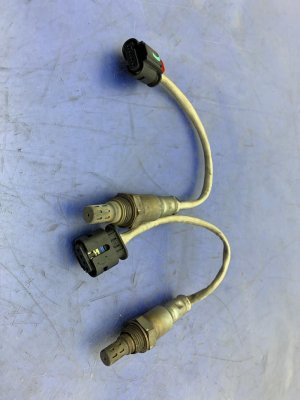
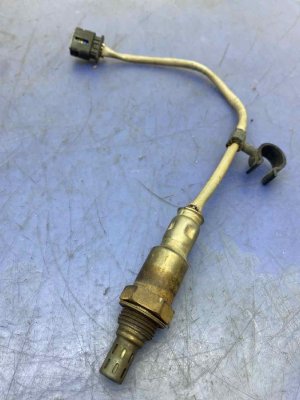
- Bank 1 Sensor 2 Oxygen Sensor
(OEM #68224424AA)— This is the sensor that reports the low voltage condition. It often fails due to age or contamination from a valve cover oil leak.
Trusted brands: Mopar (OEM), NTK/NGK (OEM Supplier), Denso
OEM price range: $70-$120
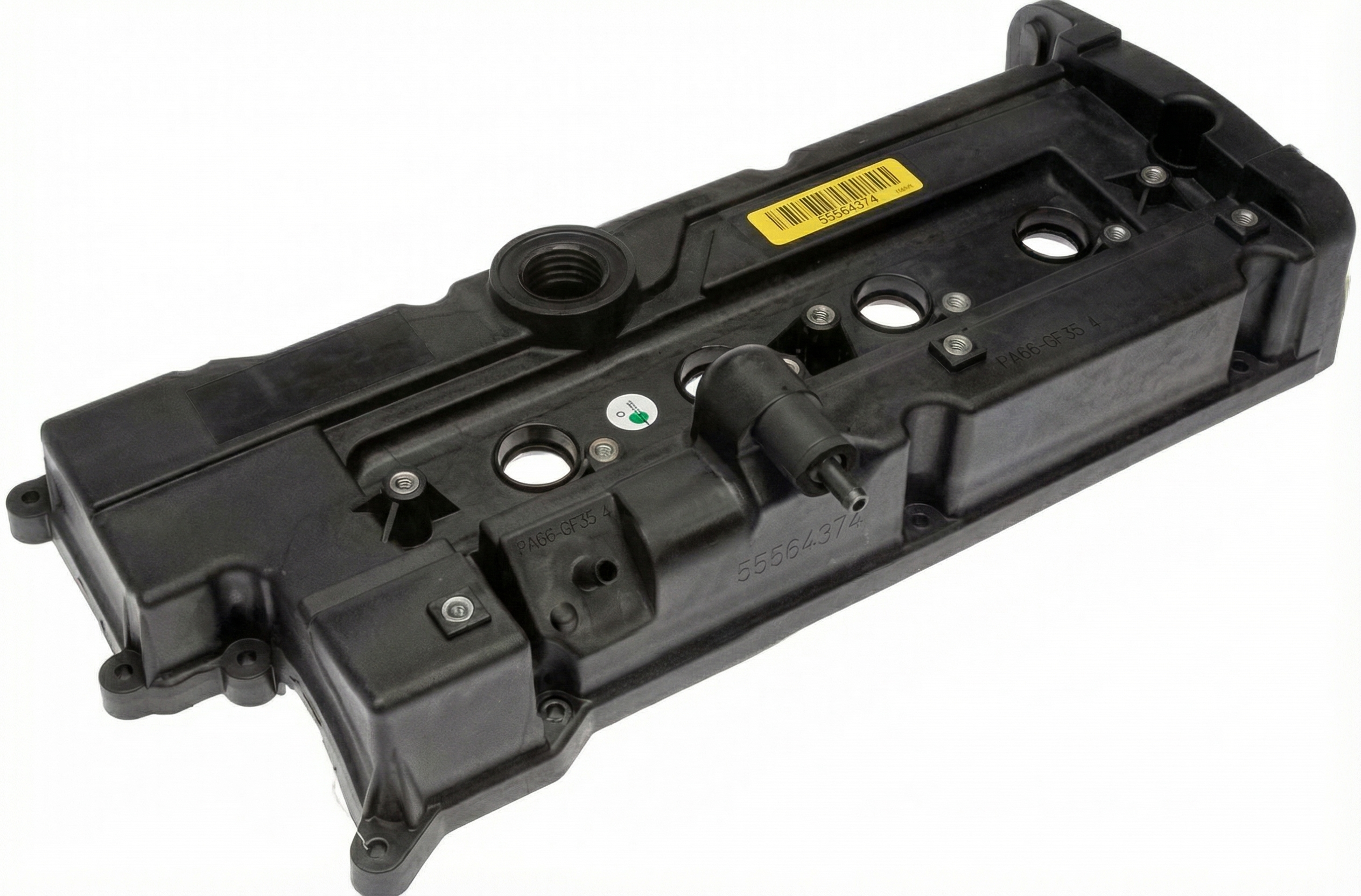
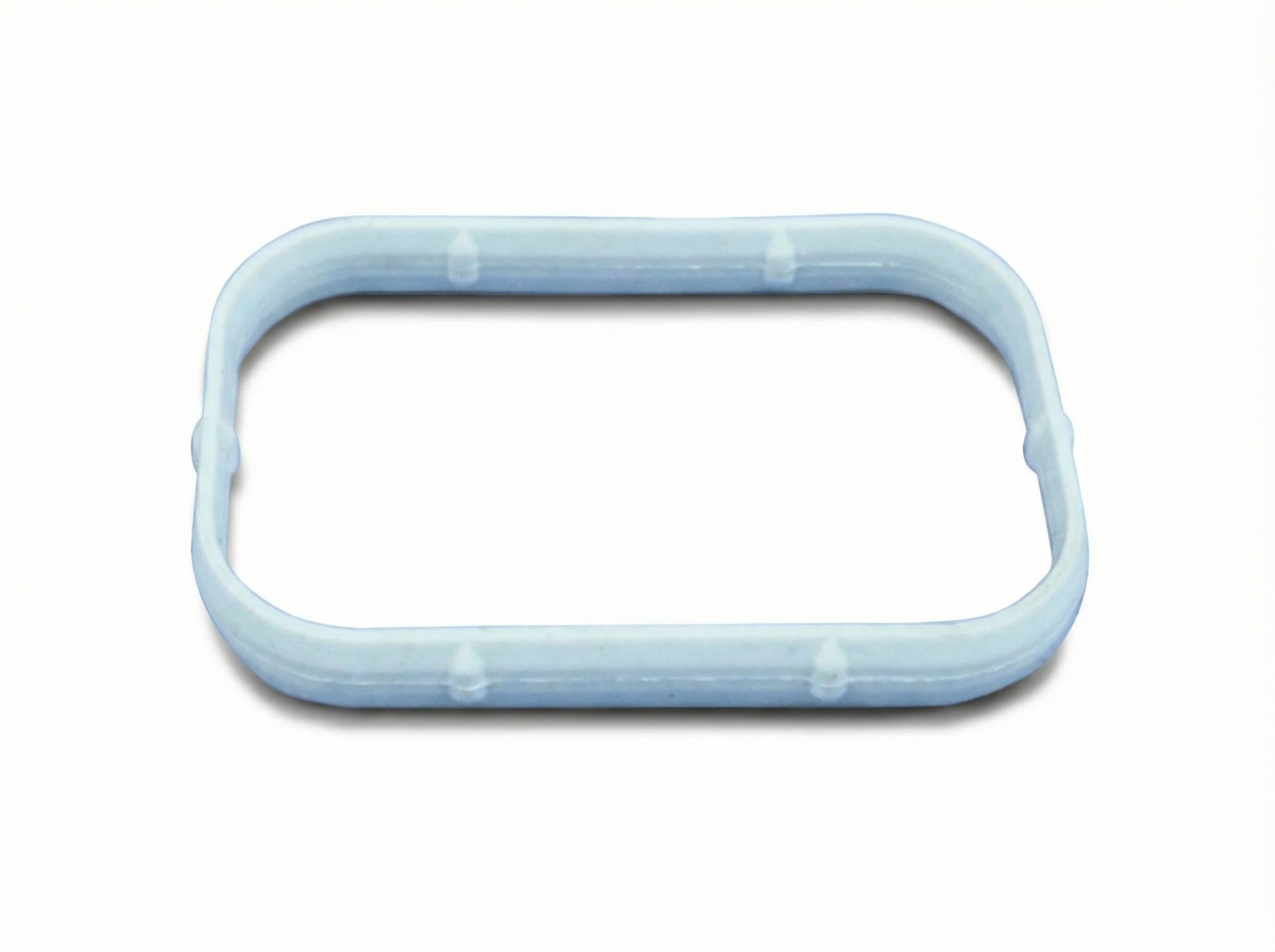
Aftermarket price range: $40-$80 - Bank 1 (Right/Passenger) Valve Cover Gasket Set
(OEM #4893804AB)— A frequent root cause of P0137 on the 3.6L engine. Oil leaks from a failed gasket and contaminates the O2 sensor connector below it.
Trusted brands: Mopar (OEM), Fel-Pro (e.g., VS 50778 R)
OEM price range: $30-$50
Aftermarket price range: $20-$40 - Electrical Contact Cleaner — Essential for cleaning oil out of the O2 sensor's electrical connector to prevent the code from returning after fixing the leak.
Trusted brands: CRC, WD-40 Specialist
OEM price range: $8-$15
Related Codes That Often Appear With This One
- P2096 — Post Catalyst Fuel Trim System Too Lean Bank 1. This code is very frequently triggered along with P0137 because the low voltage signal from the O2 sensor is interpreted by the PCM as a lean condition.
- P0171 — System Too Lean (Bank 1). Similar to P2096, the faulty low voltage signal can make the PCM believe the engine is running lean.
- P0300 — Random/Multiple Cylinder Misfire Detected. An incorrect O2 sensor reading can lead to improper fueling, which may cause misfires. The TSB S1918000008RevC explicitly lists this as a possible companion code.
Technical Service Bulletins (TSBs) & Recalls
- S1918000008RevC: Links P0137 to an oil leak from the Bank 1 valve cover onto the O2 sensor.
- S1918000008 Rev.: An earlier revision of the same bulletin with the same findings.
- 05149180A$: Notes an engineering investigation into P0137 on the 3.6L JK.
Platform-Specific Known Issues
- TSB S1918000008RevC: Explicitly states that codes P0137, P2096, P0171, P0133, and P0300 can be caused by an oil leak from the Bank 1 valve cover seal onto the Bank 1 downstream (1/2) O2 sensor.
- TSB 05149180A$: Notes that for a P0137 code on a 3.6L JK, engineering was investigating the issue, suggesting a pattern of misdiagnosis or a non-obvious root cause even back in 2016.
- Real-World Repair Story: A 2021 Jeep Gladiator owner on JeepGladiatorForum.com reported a burning oil smell around 40,000 miles. The dealer replaced the passenger side valve cover under warranty. Two weeks later, the check engine light came on with code P0137. The dealer then found the O2 sensor was covered in oil residue and needed replacement, which was initially denied as 'consequential damage' until the owner escalated the issue.
Mechanic-Grade Diagnostic Values
- O2 Sensor Heater Element Resistance — expected: 2.0 to 30.0 Ohms at 70°F (21.1°C). Failure: A reading outside this range indicates a faulty heater element in the sensor.
- Downstream O2 Sensor (B1S2) Live Voltage — expected: Relatively stable between 0.4V and 0.6V on a warm, running engine.. Failure: Voltage stuck consistently below 0.4V (or especially below 0.2V) points to a fault.
- O2 Return Downstream Circuit Voltage — expected: 2.5 volts. Failure: A reading other than 2.5V suggests a short or open in the return circuit.
- O2 1/2 Signal Circuit to Ground Resistance (PCM connector disconnected) — expected: Above 100 ohms. Failure: Resistance below 100 ohms indicates a short to ground in the signal wire.
Scan Tool Commands That Help
- wiTECH or equivalent professional scan tool: O2 Heater Test — This function allows a technician to manually activate the O2 sensor's internal heater. While monitoring sensor voltage with the scan tool, if the voltage doesn't respond as expected (e.g., stays low), it helps isolate a problem with the heater circuit or the sensor itself without having to physically test resistance when hot.
Wiring & Ground Locations
- Bank 1 Sensor 2 PCM Pins (JK) — On the Powertrain Control Module (PCM) connectors. Signal is on Connector C1, Pin 31. Heater Control is on Connector C3, Pin 9.. If you suspect a wiring break between the sensor and the PCM, you can perform a continuity test from the sensor connector directly to these pins to confirm the integrity of the harness.
- G101 / G104 (JK) — Under the heat shield near the catalytic converter on the passenger side of the engine.. These are primary engine ground points. Corrosion or a loose connection here can cause various sensor reading issues, including erratic or low voltage signals from the O2 sensors which are grounded to the engine/exhaust.
- G901C / G903A (JL) — On the transmission and engine block, part of the main powertrain grounding scheme.. Similar to the JK, these main ground points for the JL's powertrain are critical. A poor ground can create a voltage offset, potentially making the PCM see a lower-than-actual voltage from the O2 sensor, which could trigger P0137.
Real Owner Repair Stories
- YouTube channel KT Garage (2017 Jeep Wrangler JK) — Check Engine Light with codes P0137 and P2096.
❌ Tried (didn't work) The owner went straight to the final fix, but acknowledged the possibility of the catalytic converter being old and a potential cause.
✅ What actually fixed it Replaced the Bank 1, Sensor 2 (passenger side, downstream) O2 sensor and also installed an O2 sensor extender (spacer) as a preventive measure in case the catalytic converter was becoming inefficient. This cleared the codes and the Check Engine Light did not return after a test drive. The owner also noted their valve cover gasket was leaking and planned to fix it separately.
OEM Part Supersession History
N/A→68224424AA— This is the current Mopar part number for the standard downstream O2 sensor on the Bank 1 side for many 3.6L JL Wranglers.
Heads up: On the 3.6L, three of the four O2 sensors (including B1S2) use this part number. However, the driver's side upstream sensor (Bank 2, Sensor 1) uses a different part number (68291423AB) due to a much longer integrated wiring harness. Do not use 68224424AA in that specific position.
Model Year Variations Within This Range
- 2015-2018 (JK) vs 2018-2021 (JL): While the 3.6L engine and P0137 causes are very similar, the physical access to the sensor can differ. On the JK, removing the inner fender liner is the standard method. On the JL, access may vary slightly due to changes in the frame and body. Additionally, specific ground point identifiers change from the JK (e.g., G101, G104) to the JL (e.g., G901C, G903A).
Helpful Videos


We Have This Part in Stock


The information in this article is provided for general reference and educational purposes only. Vehicle specifications, procedures, and part compatibility can vary by production date, trim level, and region. Always consult your vehicle's factory service manual and verify part numbers before purchasing or performing repairs. Safety-critical components such as airbags, seat belts, and braking systems should be installed by a qualified professional.
- Jeep WRANGLER:
- 🎬 Helpful Videos
- 🛍️ Shop This Part
- What's Unique About the 2015-2021 Jeep WRANGLER
- Diagnostic Flowchart
- Symptoms You May Notice
- Most Likely Causes
- Rare But Worth Checking
- Diagnosis Steps
- Parts You'll Likely Need
- Related Codes That Often Appear With This One
- Technical Service Bulletins (TSBs) & Recalls
- Platform-Specific Known Issues
- Mechanic-Grade Diagnostic Values
- Scan Tool Commands That Help
- Wiring & Ground Locations
- Real Owner Repair Stories
- OEM Part Supersession History
- Model Year Variations Within This Range
- 🎟️ Get 5% Off