

P0137 on 2014-2016 Hyundai Elantra 2.0L: Downstream O2 Sensor Causes and Fixes
On a 2014-2016 Elantra, code P0137 almost always means the downstream (post-catalytic converter) oxygen sensor has failed. The fix is replacing the sensor, which costs about $60-$120 for an aftermarket part. The electrical connector is uniquely located inside the car, under the passenger's carpet, requiring interior trim removal for access.
- P0137 on your Elantra almost certainly means the downstream O2 sensor (Bank 1, Sensor 2) has failed.
- Before buying parts, check the 'SENSOR 1' fuse and inspect the wiring for damage. Locate the electrical connector under the passenger's carpet to check for corrosion.
- The correct fix is almost always replacing the sensor with a quality part from brands like OEM, Denso, or NTK. A 22mm O2 sensor socket is recommended.
- While addressing this code, be aware of the more serious platform issues like oil consumption and engine knock, and ensure your vehicle has the KSDS software update.
What's Unique About the 2014-2016 Hyundai Elantra
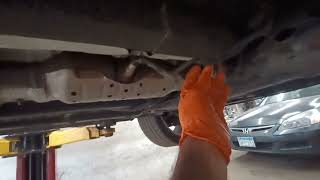
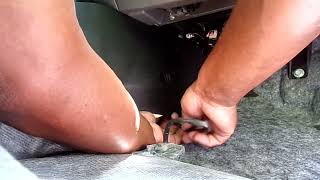
For this generation of Elantra (2011-2016), the P0137 code is a very common and straightforward issue, typically caused by the O2 sensor reaching the end of its service life. The most notable platform-specific quirk is the location of the sensor's electrical connector. Unlike most vehicles where the connector is under the car, Hyundai routed the wire through a grommet in the floor, and the connector is located inside the cabin, under the passenger-side carpet and kick panel. 🎬 See this walkthrough for locating and removing the sensor This protects the connection from the elements but adds a few steps to the replacement process.
Symptoms You May Notice
- Check Engine Light is on
- Failing an emissions test
- Slightly decreased fuel economy
- Rough or unstable idle in some cases.
- In rare instances, a rotten egg smell from the exhaust if the sensor failure leads to an overly rich condition, though this is not common with a low voltage fault.
- Replacing the upstream (Bank 1, Sensor 1) oxygen sensor. P0137 specifically refers to Sensor 2, which is after the catalytic converter.
- Replacing the catalytic converter. A bad converter typically causes a P0420 (Catalyst Efficiency Below Threshold) code, not a P0137 low voltage code. A P0137 fault is almost always an issue with the sensor or its circuit. 🎬 Watch: Three DIY methods to fix the P0137 code
Most Likely Causes
- Failed Downstream Oxygen (O2) Sensor 🔴 High Probability Oxygen sensors are consumable parts that have a finite lifespan, often failing between 60,000-100,000 miles due to age and contamination from exhaust gases. This is the most frequent cause for P0137 on this Elantra.
How to confirm: Use an OBD-II scanner to monitor the live data for 'O2S B1S2'. A healthy downstream sensor on a fully warmed engine will show a relatively stable voltage, typically fluctuating gently between 0.6V and 0.8V. A faulty sensor will often be stuck at a very low voltage, typically below 0.2V and often near 0V.
Typical fix: Replace the downstream (Bank 1, Sensor 2) oxygen sensor. A 22mm (or 7/8") oxygen sensor socket is req 🎬 Watch: How to install the new sensor on your Elantrauired for removal and installation.
Est. part cost: $60-$120 - Damaged Wiring or Connector ⚪ Low Probability The wiring runs under the vehicle and is exposed to road debris and heat from the exhaust, which can cause it to melt, chafe, or break. The in-cabin connector can also become corroded if water leaks into the passenger footwell, a known issue on some Elantras.
How to confirm: Visually inspect the wiring harness from the sensor to where it enters the cabin floor for any signs of melting, fraying, or breaks. Pull back the passenger-side carpet and kick panel to inspect the electrical connector for corrosion (green or white powder), moisture, or pushed-out pins.
Typical fix: Repair the damaged section of wire or clean/replace the corroded connector.
Est. part cost: $5-$50 - Exhaust Leak ⚪ Low Probability In regions that use road salt, rust can create leaks at exhaust pipe flanges or welds located *before* the downstream O2 sensor. This allows outside oxygen to enter the exhaust stream, which the sensor reads as a lean condition (low voltage).
How to confirm: Listen for hissing or ticking sounds from the exhaust when the engine is running, especially when cold. A visual inspection may reveal black soot marks around a flange or a crack in the pipe. A shop can perform a smoke test to definitively pinpoint small leaks.
Typical fix: Replace the leaking gasket or repair the damaged section of the exhaust pipe.
Est. part cost: $20-$150
Rare But Worth Checking
- Blown Fuse: The O2 sensor's internal heater has a dedicated fuse. On this Elantra, it is often a 10A fuse in the engine compartment fuse box labeled 'SENSOR 1'. If this fuse blows, the sensor may not heat up properly and can provide an incorrect low voltage reading, triggering P0137.
- Faulty Engine Control Module (ECM): In very rare cases, the ECM itself may be unable to correctly read the voltage from the sensor. This should only be considered after all other possibilities (sensor, wiring, fuse, exhaust leaks) have been definitively ruled out by a professional.
Diagnosis Steps
- Connect an OBD-II scanner and confirm that P0137 is the primary code. Note any other codes present, especially P0141 or P2096.
- With the engine fully warmed up and at a steady idle, use the scanner's live data function to observe the voltage for 'O2S B1S2' (Bank 1, Sensor 2).
- If the voltage is stuck below 0.2V (often near 0V), it strongly suggests a faulty sensor or circuit issue. A healthy sensor should read a relatively steady voltage between 0.6V and 0.8V.
- Visually inspect the O2 sensor wiring under the car for any signs of melting on the exhaust, chafing against the chassis, or physical breaks.
- Pull up the passenger-side front door sill trim, then the passenger-side kick panel. Pull back the carpet and insulation near the firewall to locate the O2 sensor's electrical connector. It is a grey, 4-pin connector.
- Disconnect the sensor and inspect the connector terminals (both male and female sides) for any green or white corrosion, moisture, or bent/pushed-out pins.
- Check the 10A fuse for the O2 sensor heater circuit in the engine bay fuse box (often labeled 'SENSOR 1').
- If the sensor voltage was stuck low and the wiring, connector, and fuse are all confirmed to be in good condition, the sensor itself has failed and should be replaced.
Parts You'll Likely Need
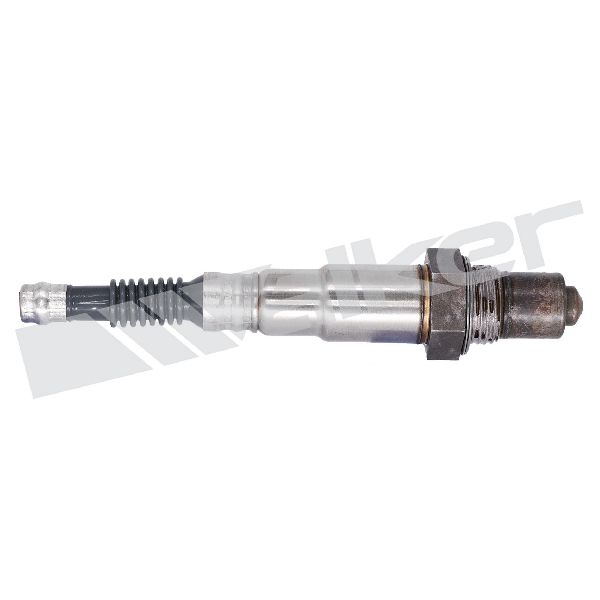
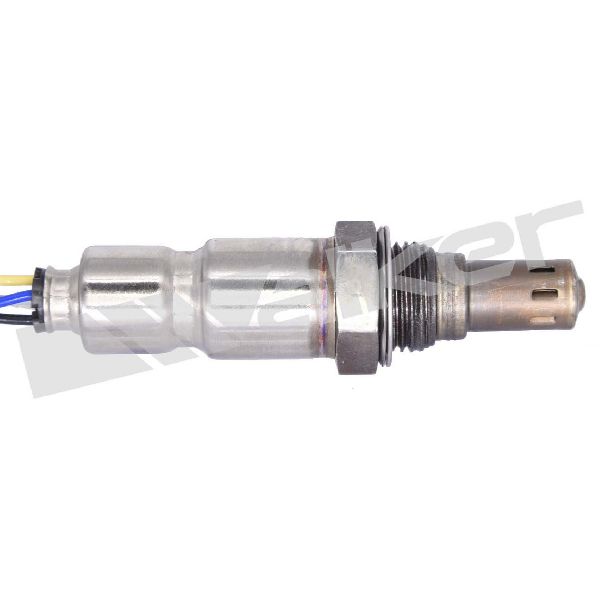
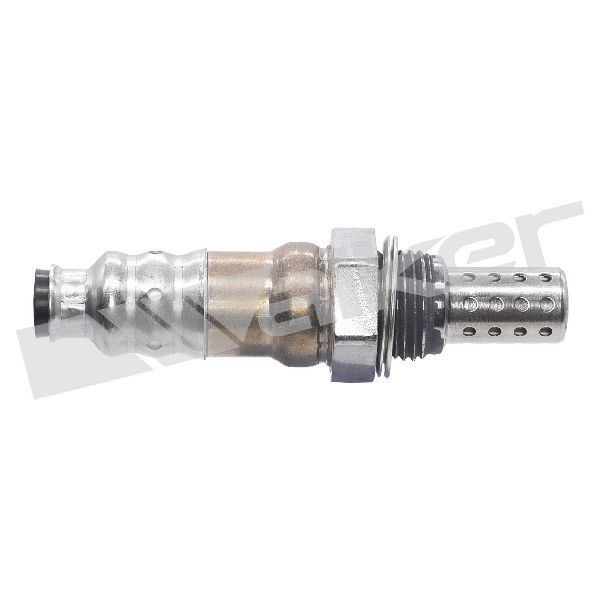
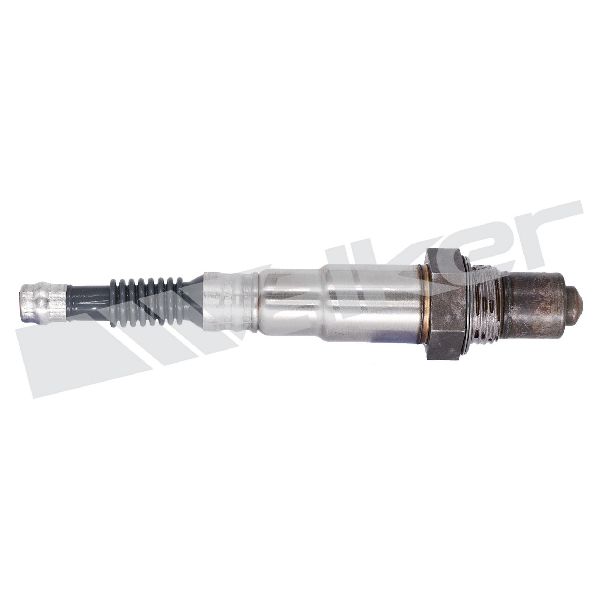
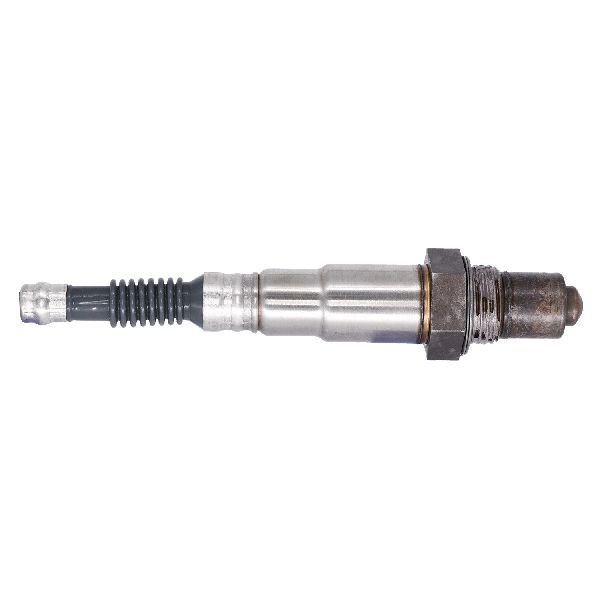
- Downstream Oxygen Sensor
(OEM #39210-2E400)— This is the direct cause of the P0137 code in the vast majority of cases for this vehicle.
Trusted brands: Hyundai (OEM), Denso (e.g., 234-4578), NGK/NTK (e.g., 24371), Bosch
OEM price range: $150-$200
Aftermarket price range: $60-$120
Related Codes That Often Appear With This One
- P0136 — This is a general fault code for the same O2 sensor circuit (Bank 1, Sensor 2) and can appear alongside P0137, indicating a malfunction.
- P0141 — This code indicates a fault in the heater circuit of the same downstream sensor. A failed heater can prevent the sensor from reaching operating temperature, causing it to output an incorrect low voltage and triggering P0137.
- P2096 — This code, 'Post Catalyst Fuel Trim System Too Lean Bank 1', can sometimes accompany P0137. An exhaust leak before the sensor or a failing sensor can cause both codes to appear.
Technical Service Bulletins (TSBs) & Recalls
- 21-01-023H-4 (Service Campaign 966): ECM software update to improve knock sensor detection. Relevant for all 2014-2016 Elantras with the 2.0L Nu GDI engine.
- 21-EM-003H: Provides official dealer procedure for diagnosing and repairing excessive engine oil consumption concerns.
- 21-EM-002H / 22-EM-007H: Pertains to a warranty extension for the engine short/long block due to piston slap noise, primarily in 'Cold Weather States'.
Platform-Specific Known Issues
- Service Campaign 966 (TSB 21-01-023H-4) was issued to update the ECM software for knock sensor logic. While not directly for P0137, ensuring your vehicle's ECM software is up-to-date is a critical practice for this engine to prevent catastrophic failure.
Mechanic-Grade Diagnostic Values
- DTC Set Condition (PCM Logic) — expected: Signal voltage must remain above 0.05V - 0.09V.. Failure: PCM detects a signal voltage below 0.05V for more than 12.5 seconds, or below 0.09V for 40 seconds on some models.
- Live Data - Downstream O2 Sensor (B1S2) Voltage — expected: Relatively stable voltage between 0.4V and 0.9V at warm idle.. Failure: Voltage is stuck consistently below 0.2V.
- O2 Sensor Heater Circuit Resistance — expected: A typical sensor heater circuit has a resistance between 2 and 30 Ohms when cold.. Failure: A multimeter reading of infinity (Open Loop/OL) or near-zero ohms indicates a failed heater.
- O2 Sensor Signal Wire at ECM — expected: Fluctuating voltage between ~0.1V and ~0.9V (when testing a known good sensor).. Failure: Voltage stuck low (near 0V) even when testing at the ECM pin rules out wiring issues and points to a bad sensor or ECM.
Hidden / Shadow Codes Worth Checking
- Mode $06, TID $05, CID $20: This specific Test ID and Component ID in OBD-II Mode $06 often corresponds to the Bank 1 Sensor 2 (B1S2) switching time or voltage threshold monitoring. A 'FAIL' status for this monitor can corroborate a P0137 fault, especially if the Check Engine Light is intermittent. (see via An advanced OBD-II scan tool capable of displaying Mode $06 test results.)
Scan Tool Commands That Help
- Hyundai GDS (Global Diagnostic System) or equivalent advanced scanner: Live Data Graphing for O2 Sensor B1S2 — This is the primary diagnostic function. It allows a technician to visually confirm if the sensor's voltage is flatlined near zero, as opposed to showing the expected stable voltage of a healthy downstream sensor, confirming the low voltage condition reported by the P0137 code.
- Hyundai GDS (Global Diagnostic System) or equivalent advanced scanner: Readiness Monitor Status — After replacing the sensor and clearing the code, this function is used to verify that the 'Oxygen Sensor' and 'Catalyst' monitors have completed their self-tests during a drive cycle, confirming the repair was successful and the car is ready for an emissions test.
Wiring & Ground Locations
- ECM Connector C600-MA, Pin 19 — At the Engine Control Module (ECM).. This is the O2 Sensor (Down) Signal wire. Testing for voltage here can determine if a low signal is reaching the ECM, helping to differentiate between a wiring problem and an internal ECM fault.
- ECM Connector C600-MA, Pin 18 — At the Engine Control Module (ECM).. This is the O2 Sensor (Down) Ground wire. A bad ground connection here can cause incorrect voltage readings.
- ECM Connector C600-MA, Pin 16 — At the Engine Control Module (ECM).. This is the O2 Sensor (Down) Heater control wire. While more related to P0141, a fault in the heater circuit can prevent the sensor from warming up and producing a correct voltage, indirectly causing P0137.
- In-cabin Sensor Connector — Inside the passenger compartment, under the carpet and kick panel near the firewall.. This is the main connection point between the sensor and the vehicle harness. It is a common point to check for corrosion or damage, especially if there are signs of water leaks into the passenger footwell.
Real Owner Repair Stories
- AliExpress Blog / Owner Story (2014 Hyundai Elantra GLS) — Persistent Check Engine Light that would return every few weeks after being cleared.
❌ Tried (didn't work) Clearing the code at an auto parts store without replacing any parts., Initial speculation about needing a new catalytic converter.
✅ What actually fixed it The owner identified that P0137 specifically points to the downstream sensor (Bank 1, Sensor 2) and replaced it themselves, which permanently resolved the code.
Model Year Variations Within This Range
- 2014-2016: The 2.0L Nu GDI engine, producing 173 horsepower, was introduced as part of the 2014 model year facelift, primarily for the Elantra Sport, Coupe, and GT models. Base sedans often retained the 1.8L engine. This is a significant distinction from the 2011-2013 models which did not feature the GDI version of the 2.0L engine. The repair procedure for P0137 is identical for all 2014-2016 models with the 2.0L engine.
Diagnostic Flowchart
Other Known Issues on This Vehicle
Issues unrelated to this code that are worth knowing about as an owner of this generation:
- Excessive Oil Consumption 🔴 High — Commonly reported, especially at higher mileage (over 60,000 miles). May consume over 1 quart per 1,000 miles. (Ref: Hyundai TSB 21-EM-003H provides guidelines for inspection and repair. Subject of multiple class-action lawsuits.)
- Engine Knock / Piston Slap 🔴 High — A knocking or ticking noise, most prominent when the engine is cold. Can lead to engine failure. (Ref: Related to class-action lawsuits and warranty extensions for connecting rod bearing failure and piston issues. Requires KSDS (Knock Sensor Detection System) software update (Campaign 966 / TSB 21-01-023H-4).)
- Steering Column Click/Noise 🟡 Low — A common issue where a clicking or ticking noise is heard when turning the steering wheel. (Ref: Often caused by a failing flexible steering coupler (part # 56315-2K000-FFF), a cheap part but requires some labor to replace.)
Used vs. New Parts: Buying Guide for This Vehicle
When a used part is the smart pick: Almost never for the oxygen sensor itself. O2 sensors are wear items with a finite lifespan of 60,000-100,000 miles. A used sensor from a junkyard has unknown remaining life and is very likely to fail soon, if it works at all. A used wiring pigtail or connector could be a viable option if only the connector is damaged.
Donor-vehicle mileage cap: roughly under 30000 miles for the part to have meaningful remaining life.
What to inspect on the donor part:
- For a connector/pigtail: Ensure the plastic is not brittle or cracked.
- Check for any signs of corrosion (green or white powder) on the pins.
- Verify the locking tab is intact and functional.
- Ensure there is at least 6-8 inches of wire attached to the connector for splicing.
Aftermarket brands forum-validated for this vehicle:
- Denso and NGK/NTK are widely regarded as the original equipment suppliers for Hyundai and are the most recommended aftermarket choices for reliability and fit.
- Bosch is also a reputable and reliable choice, having invented the automotive oxygen sensor.
Brands owners have reported issues with on this vehicle:
- Avoid unbranded, no-name sensors from online marketplaces. While extremely cheap, they have a very high failure rate, often being dead-on-arrival or failing within a few months, leading you to do the repair twice.
Real Owner Stories
Aggregated from forums and TSBs cited above. Mileages and costs reflect what owners reported in those sources.
2014 Hyundai Elantra GLS 2.0L
Symptoms: The check engine light came back every few weeks despite clearing codes. A mechanic suggested it might be the catalytic converter.
What fixed it: Replacing the downstream rear bank 1 oxygen sensor with an exact-fit unit.
Cost: $800-$800
Source hint: AliExpress Blog Post / Owner Story
2014-2016 Hyundai Elantra 2.0L
Symptoms: Check engine light on; P0137 code present. Some owners noted the sensor was difficult to remove due to being seized.
What fixed it: Replacing the downstream O2 sensor using penetrating oil and a 22mm (7/8") oxygen sensor socket.
Source hint: Reddit r/MechanicAdvice & r/Hyundai
Related OBD-II Codes
Frequently Asked Questions
Does Service Campaign 966 (TSB 21-01-023H-4) fix the P0137 code on my 2014 Elantra?
Where is the downstream O2 sensor connector located on the 2014-2016 Elantra?
Could my Elantra's high oil consumption be related to the P0137 code?
Is there a specific fuse I should check for the O2 sensor on this vehicle?
What is the OEM part number for the downstream O2 sensor for a 2015 Elantra 2.0L?
My mechanic says I need a new catalytic converter for P0137; is this common for the Elantra?
Helpful Videos

![How to Fix P0137 Engine Code in 4 Minutes [3 DIY Methods / Only $9.42]](https://img.youtube.com/vi/D7iaXnsbzWQ/mqdefault.jpg)
We Have This Part in Stock


The information in this article is provided for general reference and educational purposes only. Vehicle specifications, procedures, and part compatibility can vary by production date, trim level, and region. Always consult your vehicle's factory service manual and verify part numbers before purchasing or performing repairs. Safety-critical components such as airbags, seat belts, and braking systems should be installed by a qualified professional.
- Hyundai Elantra:
- 🎬 Helpful Videos
- 🛍️ Shop This Part
- What's Unique About the 2014-2016 Hyundai Elantra
- Symptoms You May Notice
- Most Likely Causes
- Rare But Worth Checking
- Diagnosis Steps
- Parts You'll Likely Need
- Related Codes That Often Appear With This One
- Technical Service Bulletins (TSBs) & Recalls
- Platform-Specific Known Issues
- Mechanic-Grade Diagnostic Values
- Hidden / Shadow Codes Worth Checking
- Scan Tool Commands That Help
- Wiring & Ground Locations
- Real Owner Repair Stories
- Model Year Variations Within This Range
- Diagnostic Flowchart
- Other Known Issues on This Vehicle
- Used vs. New Parts: Buying Guide for This Vehicle
- Real Owner Stories
- 2014 Hyundai Elantra GLS 2.0L
- 2014-2016 Hyundai Elantra 2.0L
- Related OBD-II Codes
- Frequently Asked Questions
- 🎟️ Get 5% Off