

P0137 on 2015-2018 Ford Edge: O2 Sensor Low Voltage Causes and Fixes
P0137 on a 2015-2018 Ford Edge most often means the downstream oxygen sensor (Bank 1, Sensor 2) has failed. Replacing the sensor is the most common fix. Expect to pay $30-$80 for an aftermarket part or $50-$90 for an OEM Motorcraft sensor. It's a DIY-friendly job for many owners, but access on V6 models is tight. Before replacing, check for exhaust leaks or wiring damage.
- P0137 on your Edge points to the downstream O2 sensor on Bank 1. On V6 engines, this is the bank near the firewall.
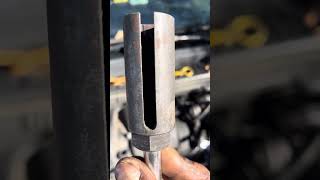
- The most common fix is to replace the sensor itself, which is a DIY-friendly job with the right O2 sensor socket.
- Before buying parts, always perform a visual inspection of the sensor's wiring for melting or damage, and check for exhaust leaks.
- If replacing the sensor doesn't fix the code, the problem is likely a damaged wire or a hard-to-see exhaust leak.
- Use a quality direct-fit replacement sensor from brands like Motorcraft, Bosch, or Denso to avoid compatibility issues.
What's Unique About the 2015-2018 Ford Edge
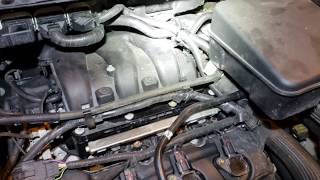
For the 2015-2018 Ford Edge, this code is fairly straightforward across all available engines (2.0L I-4, 3.5L V6, 2.7L V6). The most frequent cause is simply a worn-out oxygen sensor. However, access to the Bank 1 Sensor 2 on the V6 models is more difficult as it is on the rear of the engine, near the firewall, 🎬 See these helpful tips for accessing the rear oxygen sensors. requiring more time and patience to replace. It's also worth noting that Ford has issued Technical Service Bulletins (TSBs) for similar engines/vehicles that link P0137 to a need for a PCM software update in addition to sensor replacement, suggesting the fault may not always be just the sensor itself.
Symptoms You May Notice
- Check Engine Light is on
- Decreased fuel efficiency
- Rough or unstable idle
- Vehicle may fail an emissions test
- Noticeable odor of exhaust fumes
- Replacing the catalytic converter. P0137 by itself indicates a problem with the sensor or its circuit, not necessarily the converter. The downstream O2 sensor's job is to report on the converter, and a fault in the sensor can make it seem like the converter is bad when it isn't.
- Replacing the wrong O2 sensor. This code is for Bank 1, Sensor 2. On V6 models, Bank 1 is the rear bank (by the firewall), and Sensor 2 is the downstream sensor (after the catalytic converter). Replacing the upstream sensor (Sensor 1) or a sensor on Bank 2 will not fix this code.
Most Likely Causes
- Faulty Bank 1, Sensor 2 Oxygen Sensor 🔴 High Probability Oxygen sensors are wear-and-tear items that operate in a harsh exhaust environment. The internal heating element can fail, or the sensing element can become contaminated over time, typically after 80,000+ miles. They are a very common replacement item.
How to confirm: Using a scan tool, observe the live data for the B1S2 sensor (often labeled 'O2S12'). A healthy downstream sensor should show a relatively stable voltage, typically between 0.5V and 0.8V, after the engine is warm. If the voltage is stuck low (e.g., below 0.2V) and doesn't respond when the engine RPM is changed, the sensor is likely faulty.
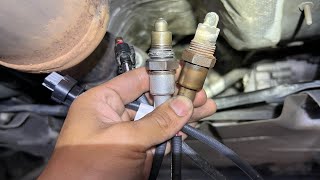
Typical fix: Replace the Bank 1, Sensor 2 oxygen sensor. This sensor is located after the catalytic converter. A 22mm or 7/8" oxygen sensor socket is required. Applying anti-seize compound to the 🎬 Watch a 2015 Ford Edge 3.5L sensor replacement step-by-step. threads of the new sensor is recommended.
Est. part cost: $30 - $90 - Exhaust Leak 🟡 Medium Probability Exhaust components can develop leaks at gaskets or weld seams due to corrosion and thermal cycles. A leak before the B1S2 sensor allows outside oxygen to enter the exhaust stream, which the sensor reads as a lean condition (low voltage).
How to confirm: Visually inspect the exhaust system between the engine and the downstream O2 sensor for cracks, holes, or black soot trails indicating a leak. A common method is to have an assistant block the tailpipe with a rag while the engine is running and listen for hissing sounds. A professional can use a smoke machine to pressurize the exhaust and pinpoint the exact location of any leaks.
Typical fix: Repair the leak. This may involve replacing a gasket, tightening flange bolts, or welding a cracked pipe. For small pinholes, exhaust putty or wrap can be a temporary fix.
Est. part cost: $10 - $200 - Damaged Wiring or Connector 🟡 Medium Probability The O2 sensor wiring harness runs underneath the vehicle, where it is exposed to heat from the exhaust, moisture, and road debris. Wires can melt on the exhaust pipe, chafe against the chassis, or the connector pins can corrode, causing a short or open circuit.
How to confirm: Visually inspect the entire wiring harness from the O2 sensor to where it connects to the main loom. Look for melted plastic, frayed wires, or green/white corrosion inside the connector. Use a multimeter to check for continuity on the signal wire and verify proper voltage and ground at the connector with the key on.
Typical fix: Repair the damaged section of the harness or replace the connector pigtail. Ensure the harness is properly secured away from hot exhaust components or sharp edges using zip ties.
Est. part cost: $15 - $60
Rare But Worth Checking
- Powertrain Control Module (PCM) Software Issue: A TSB for the related 2.0L engine in the EcoSport (TSB 19-2005) indicates that a PCM reflash may be required to correct logic that falsely triggers P0137. This is a known possibility if a new sensor and verified wiring do not resolve the code, though it is rare for the Edge itself.
- Engine Running Lean: A lean running condition (caused by a vacuum leak, low fuel pressure, etc.) can cause this code, but it will almost always be accompanied by other codes like P0171 (System Too Lean Bank 1). P0137 alone rarely points to a lean condition.
- Faulty Powertrain Control Module (PCM): In very rare cases, the PCM itself can fail. This should only be considered after all other possibilities (sensor, wiring, exhaust leaks) have been exhaustively ruled out by a professional. One owner on a forum reported multiple dealers being unable to solve the code, with a faulty PCM being the final suspicion.
Diagnosis Steps
- Read the code with an OBD-II scanner to confirm P0137 is present and note any other codes.
- Visually inspect the Bank 1, Sensor 2 oxygen sensor. It is located after the catalytic converter on the firewall side for V6 engines. Check for obvious damage or contamination.
- Inspect the sensor's wiring harness for any signs of melting, chafing, or corrosion. Check the connector for bent or corroded pins. Follow the harness as far as you can.
- Check for exhaust leaks. With the engine cold, start it and listen/feel for any puffs of air from the exhaust manifold, flex pipe, or flange gaskets located before the sensor. A shop can perform a smoke test for a more definitive check.
- Using a scan tool with live data, monitor the voltage for 'O2S12' (Bank 1, Sensor 2). It should show a fairly steady voltage, typically above 0.5V when the engine is warm and running in closed loop. If it's stuck below 0.3V, the sensor is either bad, there's an exhaust leak, or a wiring issue exists.
- If the sensor voltage is stuck low, try creating a vacuum leak to see if the sensor responds (voltage should rise). This helps confirm if the sensor is completely dead.
- If a new sensor does not fix the code, as reported by some owners, meticulously re-check the wiring for intermittent shorts or opens. At this point, consider a professional diagnosis for a hard-to-find exhaust leak or a rare PCM issue.
Parts You'll Likely Need
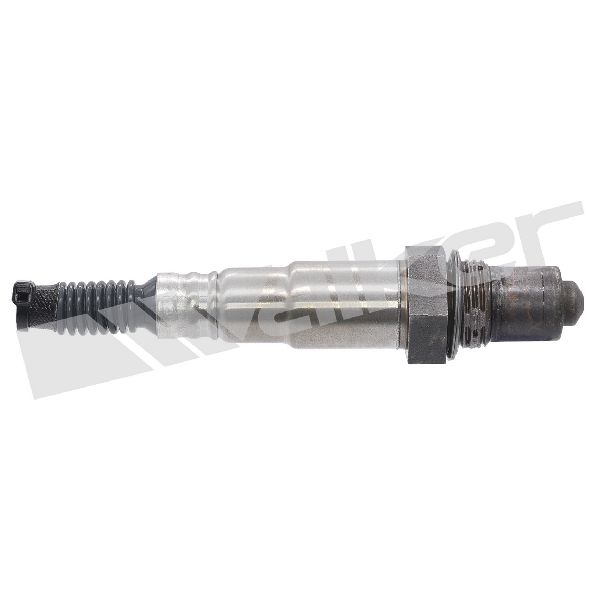
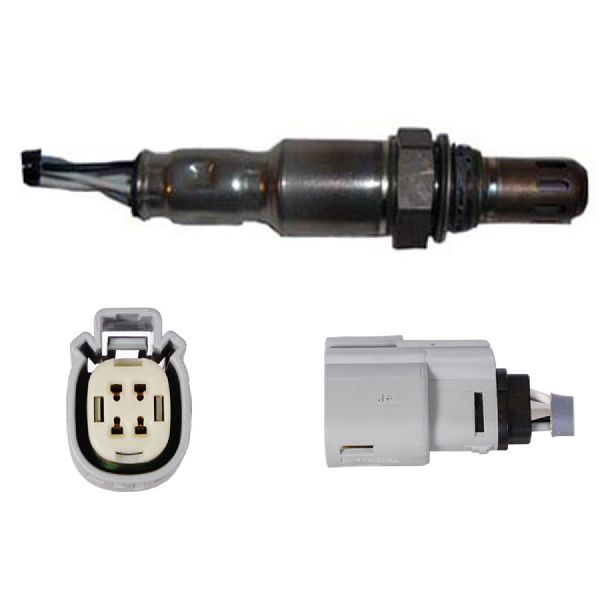
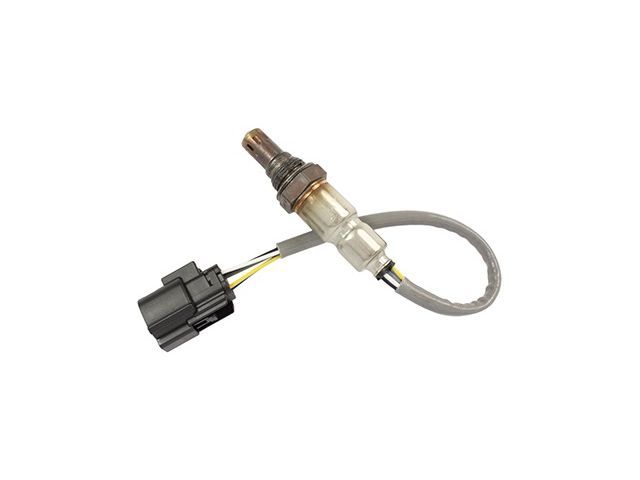
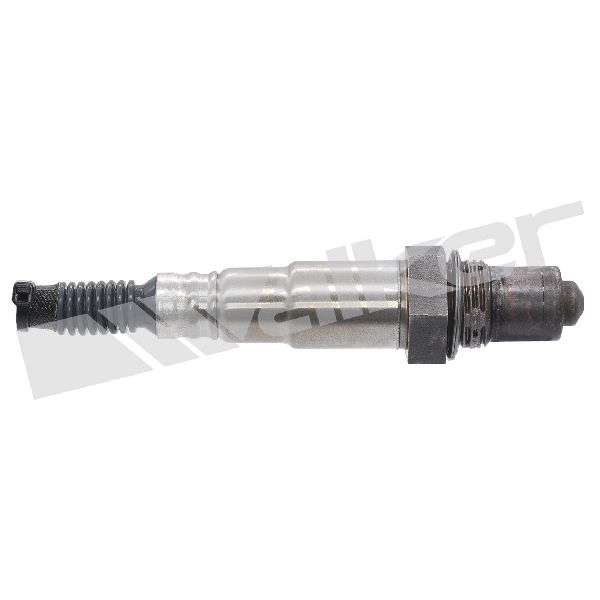
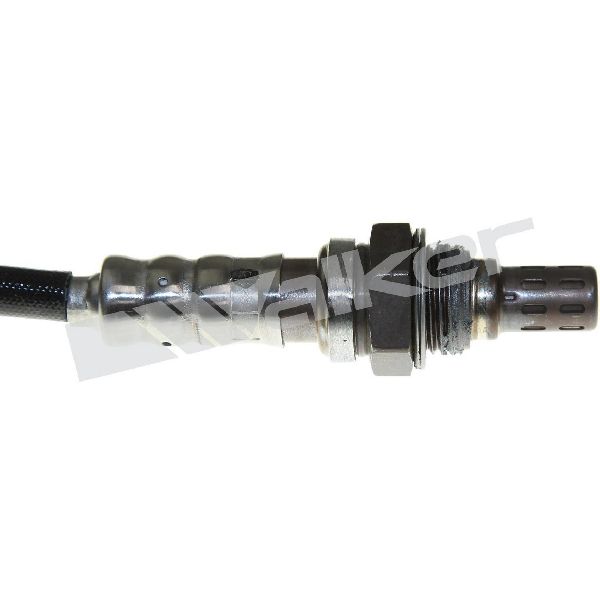
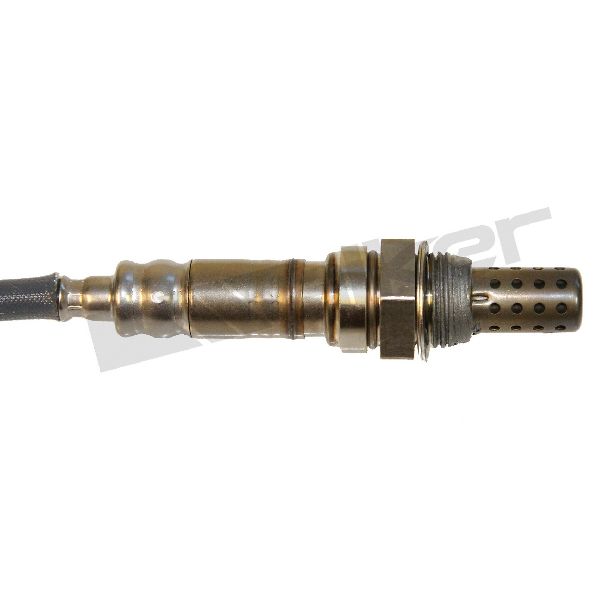
- Downstream Oxygen Sensor (Bank 1, Sensor 2)
(OEM #DY-1290 (for 3.5L V6), DY-1326 (for 2.7L V6), DY-1306 (for 2.0L I-4))— This is the most common failure point for code P0137. The sensor wears out over time.
Trusted brands: Motorcraft, Bosch, Denso, NGK
OEM price range: $50 - $90
Aftermarket price range: $30 - $70
Related Codes That Often Appear With This One
- P0141 — P0141 indicates a fault in the heater circuit of the same sensor (Bank 1, Sensor 2). They often appear together when the sensor fails internally, as the heater element and sensor element are housed in the same unit. 🎬 Watch this walkthrough for replacing the Bank 1 Sensor 2.
- P0171 — If the engine is truly running lean due to a vacuum leak or fuel delivery issue, you may see P0171 (System Too Lean Bank 1) along with P0137.
- P0138 — This code indicates O2 Sensor Circuit High Voltage for the same sensor. Seeing P0137 and P0138 appear intermittently or after a replacement can point to a tricky wiring issue or an incompatible aftermarket sensor. A Reddit user reported this exact scenario.
Technical Service Bulletins (TSBs) & Recalls
- TSB 19-2005 (for 2018-2019 EcoSport 2.0L): While not for the Edge directly, it notes that DTCs P0137 and/or P0141 may be due to a faulty catalyst monitor sensor and outdated PCM software, indicating a known issue pattern for similar Ford engines. The fix involves replacing the sensor and reprogramming the PCM.
Platform-Specific Known Issues
- On V6 models (3.5L, 2.7L), remember that Bank 1 is the rear bank, closer to the firewall. Access to the downstream sensor can be challenging and may require reaching from both above and below the engine.
- A TSB for the related 2.0L EcoSport engine (19-2005) suggests that a combination of a faulty catalyst monitor sensor and outdated PCM software can cause P0137, requiring both a replacement part and a software update.
Mechanic-Grade Diagnostic Values
- Downstream O2 Sensor (B1S2) Live Data Voltage — expected: Relatively steady 0.6V - 0.9V on a warm engine with a healthy catalytic converter.. Failure: Voltage is consistently stuck below 0.4V for more than 20 seconds.
- O2 Sensor Heater Circuit Resistance — expected: Between 3 and 30 Ohms, with many Ford sensors falling in the 5-16 Ohm range.. Failure: Infinite resistance (open circuit) or near-zero resistance (short circuit) when measured across the two heater pins (often same-colored wires).
- O2 Sensor Signal Wire Forced Test — expected: When back-probing the signal wire and introducing propane to the intake (forcing rich), voltage should rise towards 1.0V. When creating a vacuum leak (forcing lean), it should drop towards 0.1V.. Failure: Voltage does not respond, or responds very slowly, to a forced rich/lean condition, confirming a dead or lazy sensor.
Hidden / Shadow Codes Worth Checking
- Mode $06, TID $81: Represents the test results for 'O2 Sensor Monitor Bank 1 - Sensor 2 (Catalyst Monitor)'. This non-continuous monitor checks the sensor's switching time and response. (see via Use a scan tool capable of displaying Mode $06 data, such as FORScan or a professional-grade scanner. A failing value here can indicate a lazy sensor before it sets a hard code.)
- Mode $06, TID $82: Represents the test results for 'O2 Sensor Heater Monitor Bank 1 - Sensor 2'. This checks the performance of the sensor's internal heater circuit. (see via Use a scan tool capable of displaying Mode $06 data. A failure here often precedes or accompanies heater circuit codes like P0141.)
Scan Tool Commands That Help
- Ford IDS or FORScan: Datalogger > PID: O2S12 — This is the primary function for viewing the live voltage data from the Bank 1 Sensor 2. It is used to confirm if the voltage is stuck low, which is the main condition for P0137.
- Ford IDS or FORScan: Retrieve Continuous Memory DTCs & Freeze Frame Data — This provides more detailed information than a generic scanner, showing the exact engine conditions (RPM, load, temperature) when the P0137 code was stored. This data is critical for recreating the fault during diagnosis.
- Ford IDS: Powertrain > Power Balance Test — If a lean condition is suspected (e.g., if P0171 is also present), the Power Balance test can help identify if a specific cylinder is misfiring or underperforming, which could be the root cause of excess oxygen triggering P0137.
Wiring & Ground Locations
- Main Chassis Grounds — There are two primary grounding points located behind the front bumper cover, one on the driver's side and one on the passenger's side.. These grounds serve the main wiring harness, which includes circuits for the PCM and engine sensors. A corroded or loose connection here can create a floating ground, causing incorrect low voltage readings from the O2 sensor.
- O2 Sensor Connector (2.0L Engine) — For the 2.0L engine, the B1S2 connector is located behind the mechanical fuel pump. It is one of two similar connectors side-by-side.. This is the direct connection point for the sensor. It is susceptible to heat damage, and the pins can corrode, leading to a poor signal. It's critical to inspect for bent pins or corrosion inside the connector.
- Typical Ford 4-Wire O2 Sensor Pinout — On the sensor-side connector.. For testing, knowing the wire functions is crucial. A common Ford color code is: White (Signal), Black (Ground), Gray (Heater Power), and Purple (Heater Ground). This allows for accurate back-probing and testing of the signal, ground, and heater circuits.
Diagnostic Flowchart
Other Known Issues on This Vehicle
Issues unrelated to this code that are worth knowing about as an owner of this generation:
- 2.0L EcoBoost Coolant Intrusion 🔴 High — Common on 2015-2018 models, often appearing after 60,000 miles. A design flaw in the engine block can cause a crack between cylinders, leading to coolant leaking into the combustion chamber. (Ref: Ford TSB 19-2346 addresses the issue, recommending a redesigned short block as the permanent fix.)
- Power Transfer Unit (PTU) Failure (AWD Models) 🔴 High — Widespread across many Ford AWD models. The PTU fluid is considered 'lifetime' by Ford, but it gets cooked by the adjacent exhaust, turning to sludge and causing bearing failure. Symptoms include a burning/propane smell, grinding noises, and eventual loss of AWD or total lockup. (Ref: No recall, but it is a widely known issue. The fix is a costly PTU replacement ($1600+). Preventative maintenance (changing the fluid every 20-30k miles) is highly recommended.)
- Transmission Issues (6F35/6F55) 🟠 Medium — Owners report harsh shifting, slipping, or complete failure, sometimes following an engine replacement for coolant intrusion. Problems can appear at various mileages.
- Cracked Flex Plate (3.5L V6) 🟠 Medium — Less common, but can occur. Produces a rhythmic ticking or knocking sound from the transmission bellhousing area that changes with engine RPM. Often misdiagnosed as engine knock.
Used vs. New Parts: Buying Guide for This Vehicle
When a used part is the smart pick: For this repair, using a used oxygen sensor is almost never a smart choice. O2 sensors are wear items with a finite lifespan, and their remaining life is impossible to determine from a visual inspection. The labor to install the part is significant enough that saving a small amount on a used sensor is not worth the risk of premature failure.
Donor-vehicle mileage cap: roughly under 20000 miles for the part to have meaningful remaining life.
What to inspect on the donor part:
- Verify the part number is an exact match for an OEM Motorcraft sensor.
- Inspect the connector for any signs of corrosion, melted plastic, or bent pins.
- Check the wiring for any brittleness, cuts, or heat damage.
- Avoid sensors from vehicles with known engine issues (e.g., burning oil, coolant leaks) as contaminants can poison the sensor element.
OEM-only on this vehicle (don't cheap out):
- Oxygen Sensor
Aftermarket brands forum-validated for this vehicle:
- Motorcraft (OEM)
- NTK
- Denso
- Bosch
Brands owners have reported issues with on this vehicle:
- Generic, unbranded, or 'no-name' sensors. Owners have reported issues with non-OEM parts that have mismatched connectors requiring wire splicing, which can introduce new points of failure and diagnostic confusion.
Real Owner Stories
Aggregated from forums and TSBs cited above. Mileages and costs reflect what owners reported in those sources.
2015 Ford Edge
Symptoms: P0137 code returning immediately after the sensor was replaced.
What fixed it: The source suggests a need for professional diagnosis of the wiring harness for intermittent shorts or a potential PCM issue when a new sensor fails to clear the code.
Source hint: Reddit r/MechanicAdvice
2018 Ford EcoSport 2.0L
Symptoms: DTCs P0137 and/or P0141 present.
What fixed it: Replacing the catalyst monitor sensor and reprogramming the PCM with updated software.
Source hint: TSB 19-2005
Ford Edge V6
Symptoms: Recurring Check Engine Light (CEL) and frustration after multiple dealer visits.
What fixed it: Investigation into complex wiring issues or PCM faults after standard sensor replacements failed.
Source hint: fordedgeforum.com
Related OBD-II Codes
Frequently Asked Questions
Where is the Bank 1, Sensor 2 oxygen sensor located on my V6 Ford Edge?
Does TSB 19-2005 apply to my 2018 Ford Edge?
I replaced the sensor on my 2015 Edge but P0137 returned. What should I check next?
Can an exhaust leak cause a P0137 code on my Ford Edge?
What size socket do I need to replace the O2 sensor on my Edge?
Is the P0137 code related to the coolant intrusion issue on the 2.0L EcoBoost?
Helpful Videos
We Have This Part in Stock

The information in this article is provided for general reference and educational purposes only. Vehicle specifications, procedures, and part compatibility can vary by production date, trim level, and region. Always consult your vehicle's factory service manual and verify part numbers before purchasing or performing repairs. Safety-critical components such as airbags, seat belts, and braking systems should be installed by a qualified professional.
- Ford Edge:
- 🎬 Helpful Videos
- 🛍️ Shop This Part
- What's Unique About the 2015-2018 Ford Edge
- Symptoms You May Notice
- Most Likely Causes
- Rare But Worth Checking
- Diagnosis Steps
- Parts You'll Likely Need
- Related Codes That Often Appear With This One
- Technical Service Bulletins (TSBs) & Recalls
- Platform-Specific Known Issues
- Mechanic-Grade Diagnostic Values
- Hidden / Shadow Codes Worth Checking
- Scan Tool Commands That Help
- Wiring & Ground Locations
- Diagnostic Flowchart
- Other Known Issues on This Vehicle
- Used vs. New Parts: Buying Guide for This Vehicle
- Real Owner Stories
- 2015 Ford Edge
- 2018 Ford EcoSport 2.0L
- Ford Edge V6
- Related OBD-II Codes
- Frequently Asked Questions
- 🎟️ Get 5% Off