

P0136 on 2005-2010 Volkswagen Jetta 2.5L: Causes and Fixes for O2 Sensor Circuit Malfunction
For a 2005-2010 VW Jetta 2.5L, code P0136 almost always points to a failed downstream oxygen sensor (Bank 1, Sensor 2). Replacing the sensor is the most common fix. Expect to pay $60-$120 for a quality aftermarket part (like Bosch or NTK) and consider it a straightforward DIY job.
- P0136 on your Jetta 2.5L points to the downstream O2 sensor (after the catalytic converter).
- The most likely cause is simply a failed sensor, which is a common wear item.
- Before buying a new sensor, perform a quick visual inspection of the wiring for obvious damage, as this is the second most likely cause.
- Replacing the sensor is a DIY-friendly job for most home mechanics with the correct O2 sensor socket.
- You can safely drive the car with this code, but you won't pass an emissions test until it's fixed.
What's Unique About the 2005-2010 Volkswagen Jetta
The 2.5L engine in the Mk5 Jetta is generally robust, but like many vehicles of this era, its oxygen sensors are considered a wear-and-tear item. The downstream O2 sensor (B1S2) is particularly prone to failure over time due to constant exposure to high heat and exhaust gases. While the cause is often the sensor itself, it's worth noting that the wiring harness can be susceptible to damage from road debris or, more specifically for this platform, rodents making nests near the cowl panel/firewall where the harness runs. This can cause chewed wires leading to an open or short in the O2 sensor circuit.
Symptoms You May Notice
- Check Engine Light is illuminated
- Failure to pass an emissions inspection
- Slightly reduced fuel economy over time
- Replacing the catalytic converter when the actual fault is a much cheaper O2 sensor or an exhaust leak.
- Replacing the upstream (Sensor 1) oxygen sensor instead of the downstream (Sensor 2) sensor.
Most Likely Causes
- Failed Downstream Oxygen Sensor (Bank 1, Sensor 2) 🔴 High Probability Oxygen sensors are wear items that degrade from heat and contamination after 80,000-100,000 miles. The internal heater element is a common failure point, which is required for the sensor to provide a fast, accurate signal, often triggering related codes like P0141 or P0036.
How to confirm: Use a scan tool to observe live data for the B1S2 O2 sensor. A healthy sensor will show a relatively stable voltage (usually 0.6-0.8V) on a warm engine at steady RPM. If the voltage is stuck low (near 0V), high (near 1.0V), or is not changing, the sensor has likely failed. You can also test the internal heater circuit's resistance with a multimeter; an open circuit (infinite resistance) confirms failure.
Typical fix: Replace the Bank 1, Sensor 2 oxygen sensor. It is recommended to use a quality OEM-equivalent brand like Bosch, NTK, or Denso.
Est. part cost: $60-$150 - Damaged Wiring or Connector 🟡 Medium Probability The wiring harness runs underneath the vehicle, making it susceptible to damage from road debris, corrosion, or improper servicing. There are also well-documented cases of rodents chewing through the O2 sensor wiring in the engine bay, near the cowl/ECM area where the harness is exposed.
How to confirm: Visually inspect the entire wiring harness from the O2 sensor connector to the ECM. Look for any breaks, chafing, melting, or corrosion on the wires and pins of the connector. Pay close attention to the area near the firewall. Perform a continuity test on each wire in the circuit if no visual damage is found.
Typical fix: Repair the broken or shorted section of wire. If the connector is damaged, it may need to be replaced with a pigtail connector.
Est. part cost: $10-$50 - Exhaust Leak ⚪ Low Probability The factory flex pipe located before the catalytic converter is a known failure point that rusts and breaks over time, allowing outside air to enter the exhaust stream and skewing O2 sensor readings.
How to confirm: Listen for an audible ticking or hissing sound from the exhaust system, especially when the engine is cold. A visual inspection may reveal black soot marks around the leak, particularly on the braided flex pipe section. A smoke test is the most definitive way to find small leaks.
Typical fix: Replace the leaking gasket or repair/replace the leaking section of the exhaust pipe, such as the flex pipe.
Est. part cost: $20-$200 - Blown Fuse for O2 Sensor Heater ⚪ Low Probability
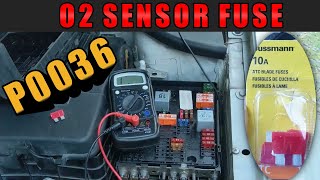
How to confirm: Consult your owner's manual or a fuse diagram for your specific year. For the Mk5 Jetta, check the fuse box in the engine compartment (E-box). The O2 sensor heater fuse is often F13 or SB13, a 15A fuse. Visually inspect the fuse or use a multimeter to test for continuity.
Typical fix: Replace the blown fuse. If the fuse blows again, it indicates a short circuit in the wiring or within the O2 sensor's heater element that must be diagnosed.
Est. part cost: $1-$5
Rare But Worth Checking
- Failing Catalytic Converter: While a failing converter typically sets a P0420 'Catalyst Efficiency' code, it can sometimes cause erratic readings on the downstream O2 sensor, leading to a P0136. This should be considered only after the sensor and its circuit have been ruled out.
- Faulty Engine Control Module (ECM): This is extremely rare. The ECM's internal driver for the O2 sensor circuit can fail. All other possibilities (sensor, wiring, leaks) must be exhaustively tested and ruled out before condemning the ECM.
Diagnosis Steps
- Scan for Codes: Use an OBD-II scanner to confirm P0136 is the only code present. If other codes exist (e.g., P0141, P0036, P0420), address them as part of the diagnosis.
- Visual Inspection: Carefully inspect the downstream O2 sensor, its electrical connector, and the wiring harness leading away from it. Look for any signs of physical damage, melting on the exhaust, corrosion in the connector, or frayed wires. Pay special attention to the harness near the firewall/cowl area for signs of rodent damage.
- Check for Exhaust Leaks: Start the engine when it's cold and listen for any hissing or ticking sounds from the exhaust manifold to the catalytic converter. A common failure point is the flex pipe before the converter.
- Analyze Live Data: With a scan tool, monitor the live voltage data for 'O2S B1S2' (Bank 1, Sensor 2). With the engine fully warmed up and at a steady 2,500 RPM, the voltage should be relatively stable, typically between 0.6V and 0.8V. If it's stuck near 0V, near 1V, or fluctuating wildly like the upstream sensor, the sensor is likely bad.
- Test the Heater Circuit: Disconnect the sensor. Using a multimeter set to Ohms, measure the resistance between the two heater wires on the sensor side (they are often the same color, e.g., two white wires). A good sensor will have a low resistance (typically 5-15 Ohms for a Bosch sensor). An infinite resistance reading (OL) means the heater is broken and the sensor must be replaced.
- Test the Wiring: If the sensor tests good, check the vehicle's wiring harness. Check for battery voltage at the heater power wire (with key on, engine off) and check for continuity to ground on the ground wire. Check the signal and signal ground wires for continuity back to the ECM, ensuring there are no shorts to power or ground.
- Replace the Component: Based on your findings, replace the faulty oxygen sensor or repair the damaged wiring.
Parts You'll Likely Need
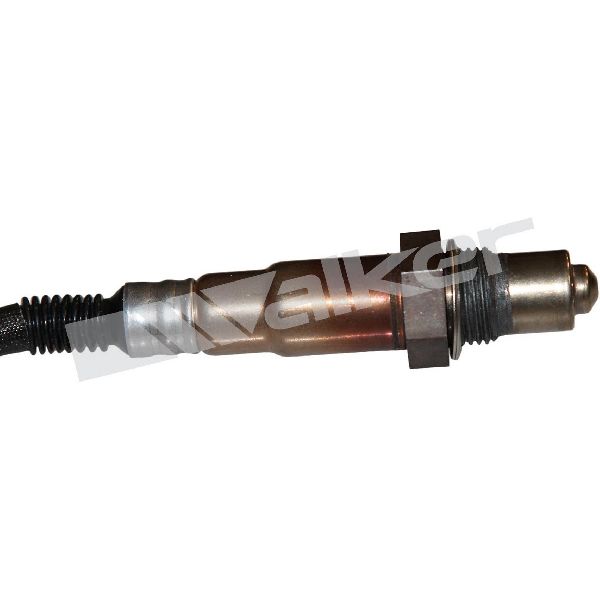
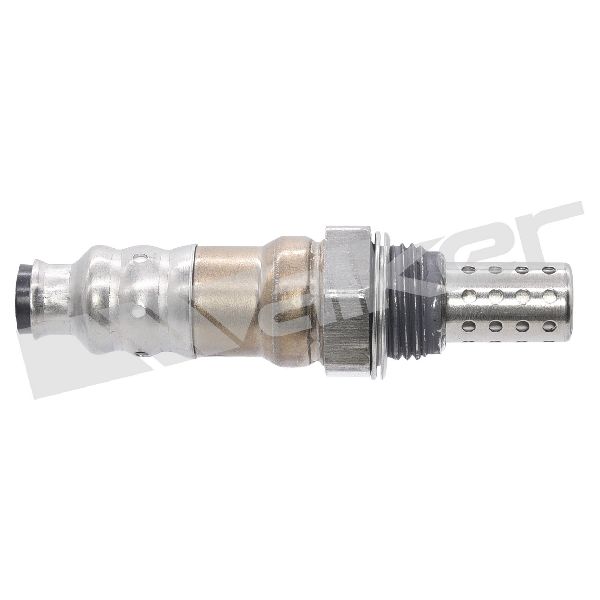
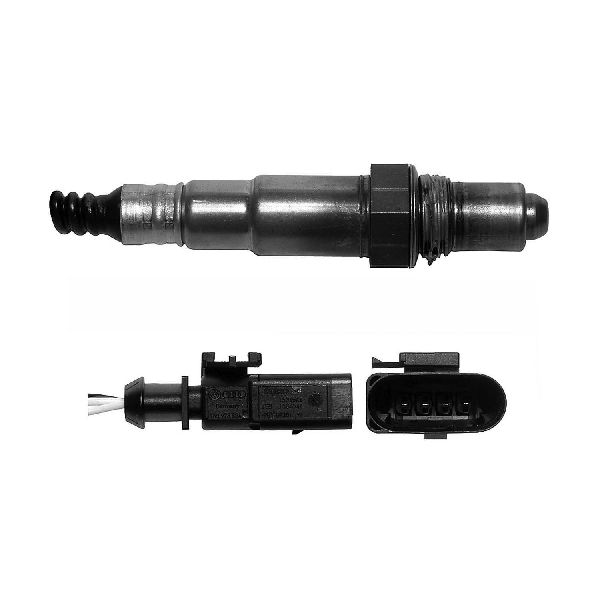
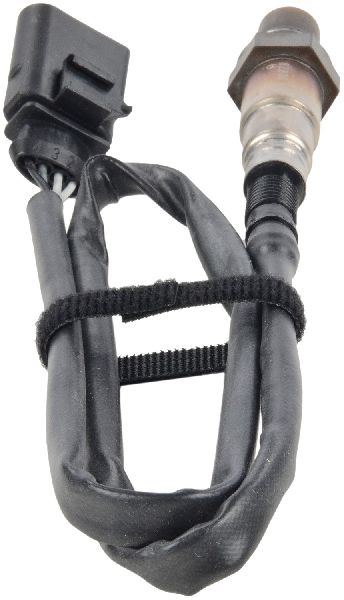
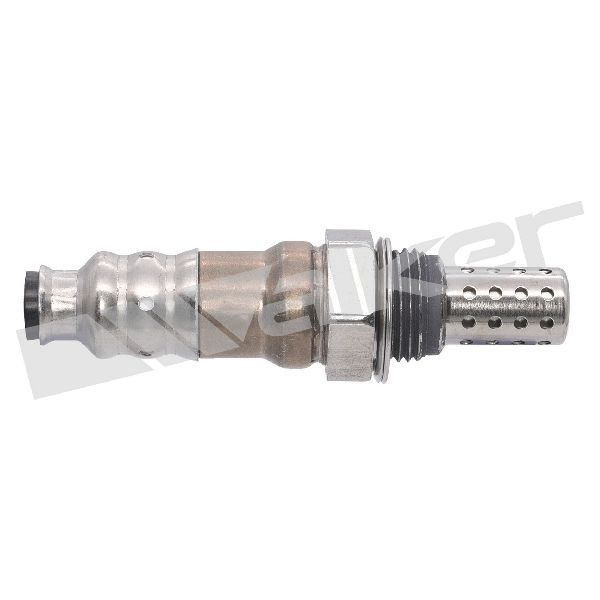
- Downstream Oxygen Sensor (Bank 1, Sensor 2)
(OEM #1K0998262T)— This is the most common component to fail, triggering the P0136 code. It is a standard wear item. The OEM part number 1K0998262T is often a kit or a superseded number that replaces previous versions.
Trusted brands: Bosch (Part #17080 is a common direct-fit replacement), NTK (Part #24654 is a common direct-fit replacement), Denso
OEM price range: $150-$220
Aftermarket price range: $60-$120
Related Codes That Often Appear With This One
- P0141 — This code indicates a malfunction in the heater circuit of the same sensor (Bank 1, Sensor 2). They often appear together because a failed sensor or damaged wiring can affect both the signal and heater circuits.
- P0036 — This is another code for the heater control circuit of Bank 1, Sensor 2. If the wiring harness is damaged, it can trigger faults for both the signal circuit (P0136) and the heater circuit (P0036).
- P0137 — This code for 'O2 Sensor Circuit Low Voltage' on the same sensor can appear if the sensor fails in a way that causes a persistent low voltage signal.
- P0138 — This code for 'O2 Sensor Circuit High Voltage' on the same sensor can appear if there is a short to power in the circuit or the sensor fails in a high-voltage state.
Technical Service Bulletins (TSBs) & Recalls
- NHTSA Item Number 10035164 (VW TSB TB-01-10-11): Released June 1, 2010, this TSB addresses the O2 sensor diagnosis being too sensitive and potential contamination causing MIL-on with DTCs including P0136. It suggests a software update for the ECM may be available to address this sensitivity.
Platform-Specific Known Issues
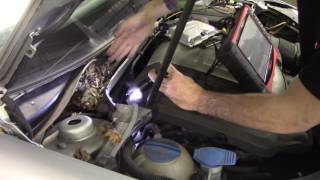
- Rodent Damage to Harness: There are multiple owner accounts of mice or other rodents building nests near the firewall/cowl area, chewing through the O2 sensor wiring harness that runs in that location. This can cause P0136 and related heater circuit codes (P0036, P0141). A repair story from 'Positive Lead Diagnostics' on YouTube documented this exact failure on a 2007 Jetta 2.5L, where a chewed ground wire was the root cause after a new sensor failed to fix the issue.
- Broken Wires at Connector: The wires for the downstream O2 sensor can become brittle from heat and vibration, leading to a break inside the insulation right at the point where they enter the plastic connector. A visual inspection might not reveal the break. A 'wiggle test' of the connector while monitoring live data, or a continuity test, is often required to find this fault.
Mechanic-Grade Diagnostic Values
- Downstream O2 Sensor (B1S2) Heater Circuit Resistance — expected: 5 to 15 Ohms when measured across the two heater pins on a cold sensor.. Failure: A reading of 0 Ohms (short circuit) or infinite/OL (open circuit) indicates a failed heater element inside the sensor.
- Downstream O2 Sensor (B1S2) Signal Voltage (Live Data) — expected: Relatively stable between 0.6V and 0.8V on a fully warm engine at a steady 2,500 RPM.. Failure: Voltage stuck near 0V, near 1.0V, or fluctuating rapidly like the upstream sensor.
- ECM Malfunction Criteria for P0136 — expected: The ECM performs a diagnostic check on the sensor's signal.. Failure: The code is set if the 'Delta O2S rear signal > 2.00 V' during a test cycle, which is checked up to 6 times.
- Heater Circuit Ground Control (Oscilloscope) — expected: Pulsing ground signal from the ECM, with pulses around 4 volts.. Failure: A steady 12V+ reading on the ground control wire indicates an open circuit between the sensor and the ECM, or a failed ECM driver.
Scan Tool Commands That Help
- VCDS (VAG-COM): Engine -> Measuring Blocks -> Groups 030-049 — To simultaneously graph the upstream and downstream O2 sensor voltages, lambda values, and heater status. This is the primary method to visually confirm if the downstream sensor (B1S2) is lazy, dead, or behaving erratically.
- VCDS (or equivalent VW-specific tool): Engine -> Basic Settings -> Resetting of learned values for oxygen sensors — After replacing an oxygen sensor, this function should be used to clear the old adaptation values from the ECM. This ensures the ECM learns the characteristics of the new sensor from a clean slate, preventing potential performance issues.
Wiring & Ground Locations
- B1S2 Heater Ground Control Wire — Pin 63 on the large T121 connector at the Engine Control Module (ECM), located in the plenum chamber under the windshield cowl. The wire color is typically Brown/Green.. This is the specific wire the ECM uses to control the downstream O2 sensor's heater. It is a known failure point due to rodent damage in the cowl area. A break in this wire will cause heater circuit codes (P0036/P0141) and can lead to signal circuit codes like P0136.
- B1S2 Signal Wires (2009-2010) — The sensor's signal wires connect to Pin 71 and Pin 62 of the ECM harness connector.. When diagnosing a suspected wiring break, these are the specific pins at the ECM that must be tested for continuity back to the O2 sensor connector.
- Ground Point 15 — A primary ground connection located directly on the cylinder head.. A poor engine ground can affect the reference for multiple sensors, including the oxygen sensors, potentially causing erratic readings and fault codes.
- Ground Point 607 — A ground connection in the plenum chamber on the left side, near the ECM.. This is a critical ground point for the ECM and its associated harnesses. Corrosion or a loose connection here can interrupt sensor signals and cause a variety of hard-to-diagnose electrical faults.
- B1S2 Connector — A 4-pin black square connector (often part # 6Q0 973 704) on a bracket on the vehicle's underbody, near the transmission mount.. This is the most common location for wiring issues like corrosion within the pins or wires breaking internally right at the back of the connector due to heat and vibration.
Real Owner Repair Stories
- Positive Lead Diagnostics, YouTube (2007 Volkswagen Jetta 2.5L) — Check Engine Light with code P0036 (O2 Sensor Heater Malfunction), which is directly related to P0136 as it involves the same sensor and wiring.
❌ Tried (didn't work) Replacing the downstream oxygen sensor (B1S2).
✅ What actually fixed it A large mouse nest was found in the cowl area near the ECM. A mouse had chewed through the Brown/Green ground control wire for the O2 sensor heater (at Pin 63 of the ECM connector). Repairing the broken wire resolved the fault. - Ross-Tech Forums User 'peter11742' (2005 Volkswagen Jetta 2.5L) — Persistent Check Engine Light with oxygen sensor codes that returned instantly after clearing, even after replacing one of the sensors.
❌ Tried (didn't work) Replacing one oxygen sensor., Clearing codes with multiple scan tools.
✅ What actually fixed it The user documented a long diagnostic process involving oscilloscope measurements at the ECM pins (T121/6 and T121/63), suspecting a wiring or ECM issue rather than a simple sensor failure. The final resolution was not posted in the thread, but the detailed diagnostic path highlights that when a new sensor doesn't fix the issue, the fault is almost certainly in the wiring between the sensor and the ECM, requiring pin-level testing.
When the Usual Fixes Don't Work
- In a well-documented case on a 2007 Jetta 2.5L, the P0036 code (heater circuit fault for the same sensor) persisted after the downstream O2 sensor was replaced. The common, high-probability fix did not work. The actual root cause was a single chewed wire in the engine harness near the ECM, which was only found after removing the cowl panel and inspecting the harness section that is normally hidden. This demonstrates that while the sensor is the most likely failure, a persistent code after replacement strongly points to a wiring issue that requires more in-depth diagnosis than a simple visual check under the car.
Model Year Variations Within This Range
- 2009-2010: The specific pins for the B1S2 signal wires at the ECM are documented as Pin 71 and Pin 62. Earlier models may have a different pinout, requiring verification with a model-year-specific wiring diagram.
- 2005-2010: The fuse number for the O2 sensor heater circuit in the engine bay fuse box (E-Box) can vary. It is commonly cited as F13, SB13, or SB5 depending on the specific model year and production date. Always verify with the vehicle's fuse diagram.
Diagnostic Flowchart
Other Known Issues on This Vehicle
Issues unrelated to this code that are worth knowing about as an owner of this generation:
- Leaking Brake Vacuum Pump 🔴 High — Extremely common. The seal on the pump, located on the driver's side of the cylinder head, fails and leaks oil onto the top of the transmission, often being misdiagnosed as a rear main seal leak.
- Intake Manifold Runner Flap Fault (P2015) 🟠 Medium — Common issue where the plastic actuator lever on the intake manifold breaks or the position sensor fails, causing a P2015 trouble code and potential performance loss. (Ref: VW offered an extended warranty for this issue on some models. Owners should check with a dealer.)
- Timing Chain Tensioner Wear 🟠 Medium — Primarily affects early 2005-2006 models. At high mileage (120k+ miles), the tensioners can wear, leading to a rattling noise on startup. While not as prone to catastrophic failure as other engines, it is a known high-mileage concern.
- PCV/Valve Cover Failure 🟠 Medium — The PCV diaphragm, which is integrated into the valve cover, can tear, causing a vacuum leak, rough idle, and sometimes a whistling noise. The official fix is to replace the entire valve cover.
- Cracked Coolant Housings 🟡 Low — The plastic thermostat housing and other coolant flanges can become brittle with age and heat cycles, leading to coolant leaks. This is a common issue on many VW/Audi products of this era.
- Flex Pipe Failure 🟡 Low — The flexible joint in the exhaust pipe just before the catalytic converter can rust and break, causing a loud exhaust leak.
Used vs. New Parts: Buying Guide for This Vehicle
When a used part is the smart pick: For this repair, it is almost never a smart choice to buy a used oxygen sensor. They are a wear-and-tear item with a finite lifespan, and a used sensor may fail shortly after installation. A used wiring harness pigtail or connector from a junkyard can be a cost-effective choice if only the connector is damaged.
Donor-vehicle mileage cap: roughly under 30000 miles for the part to have meaningful remaining life.
What to inspect on the donor part:
- If sourcing a connector pigtail, ensure the donor vehicle is from a dry climate to minimize corrosion.
- Inspect the pigtail for any signs of brittleness, cracking, or previous repairs.
- Ensure at least 6-8 inches of wire is left on the pigtail to allow for a proper splice.
- Verify the locking tabs on the plastic connector are intact and not broken.
Aftermarket brands forum-validated for this vehicle:
- Bosch
- NTK / NGK
- Denso
Brands owners have reported issues with on this vehicle:
- No-name, unbranded sensors sold on online marketplaces. These often use lower-quality heating elements and sensor materials, leading to premature failure or incorrect voltage readings that can cause other issues.
Real Owner Stories
Aggregated from forums and TSBs cited above. Mileages and costs reflect what owners reported in those sources.
2007 Jetta 2.5L
Symptoms: The owner had a P0036 heater circuit code. A new sensor was installed, but the code remained.
What fixed it: Repairing a chewed ground wire caused by a mouse nest near the ECM/firewall area.
Source hint: Positive Lead Diagnostics - '2007 Volkswagen Jetta 2.5L- P0036 Oxygen Sensor...'
2007 Jetta 2.5L
Symptoms: The Check Engine Light was on with codes P0136 and P0141.
What fixed it: Replacing the downstream (post-cat) O2 sensor with a Bosch unit.
Source hint: VWVortex Forums - Thread 'P0136 and P0141 on my 2.5L'
2007 Volkswagen Rabbit 2.5L
Symptoms: P0136 code appeared along with several other codes during a misfire condition and 90 PSI fuel issue.
What fixed it: The source notes P0136 can appear as a secondary code when other major engine problems (like misfires) are occurring.
Source hint: Reddit r/Volkswagen - '2007 Volkswagen Rabbit 2.5L Auto. ... DTC: P0136'
Related OBD-II Codes
Frequently Asked Questions
Is there a technical service bulletin for the P0136 code on my 2005-2010 Jetta?
Which specific fuse should I check for the O2 sensor heater on my Mk5 Jetta?
Where is the Bank 1, Sensor 2 oxygen sensor located on the 2.5L engine?
What brand of replacement oxygen sensor is recommended for the Jetta 2.5L?
Can a leak in the flex pipe cause a P0136 code on my Jetta?
I replaced the sensor but the code won't go away. What else should I look for?
Helpful Videos
We Have This Part in Stock


The information in this article is provided for general reference and educational purposes only. Vehicle specifications, procedures, and part compatibility can vary by production date, trim level, and region. Always consult your vehicle's factory service manual and verify part numbers before purchasing or performing repairs. Safety-critical components such as airbags, seat belts, and braking systems should be installed by a qualified professional.
- Volkswagen Jetta:
- 🎬 Helpful Videos
- 🛍️ Shop This Part
- What's Unique About the 2005-2010 Volkswagen Jetta
- Symptoms You May Notice
- Most Likely Causes
- Rare But Worth Checking
- Diagnosis Steps
- Parts You'll Likely Need
- Related Codes That Often Appear With This One
- Technical Service Bulletins (TSBs) & Recalls
- Platform-Specific Known Issues
- Mechanic-Grade Diagnostic Values
- Scan Tool Commands That Help
- Wiring & Ground Locations
- Real Owner Repair Stories
- When the Usual Fixes Don't Work
- Model Year Variations Within This Range
- Diagnostic Flowchart
- Other Known Issues on This Vehicle
- Used vs. New Parts: Buying Guide for This Vehicle
- Real Owner Stories
- 2007 Jetta 2.5L
- 2007 Jetta 2.5L
- 2007 Volkswagen Rabbit 2.5L
- Related OBD-II Codes
- Frequently Asked Questions
- 🎟️ Get 5% Off