

P0136 on 2002-2009 Mercedes-Benz E-Class: M271 O2 Sensor Causes and Fixes
On the M271 engine, P0136 is almost always a faulty downstream (post-catalytic converter) oxygen sensor or an exhaust leak near the sensor. A very common underlying cause is oil leaking from the camshaft adjuster magnets and contaminating the O2 sensor wiring harness. Inspect the cam magnet connectors for oil before replacing any parts. If oil is present, replace the magnets and install preventative pigtail harnesses (Part No. A2711502733). Expect to pay $70-$150 for a new sensor.
- Before buying any parts for a P0136 code on an M271 engine, you MUST check the camshaft magnet connectors for oil.
- If oil is found, the correct repair is to replace the cam magnets, install pigtail harnesses, clean the connectors, AND replace the downstream O2 sensor.
- Simply replacing the O2 sensor without addressing a potential oil leak will likely result in the code returning.
- If no oil is present, the most likely cause is either a failed O2 sensor or an exhaust leak near the sensor.
What's Unique About the 2002-2009 Mercedes-Benz E-Class
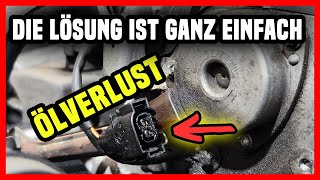
The M271 Kompressor engine, used in models like the E200 within the W211 E-Class generation, has a well-documented and widespread issue with oil leaking from the camshaft adjuster magnets. This oil is notorious for traveling through the engine's wiring harness—a process called wicking—and contaminating various sensors. 🎬 Watch: How oil leaks ruin Mercedes O2 sensors The downstream oxygen sensor is a common victim due to its location in the harness, making oil contamination a frequent root cause for P0136 on this specific engine. It is crucial to inspect for oil before simply replacing the sensor, as the new sensor will quickly be ruined if the underlying leak is not addressed.
Symptoms You May Notice
- Check Engine Light is on
- Reduced fuel efficiency
- Failed emissions test
- Rough or hesitant idling
- Possible rotten egg (sulfur) smell from the exhaust
- Poor throttle response
- Replacing the upstream (pre-catalytic converter) O2 sensor instead of the downstream one.
- Replacing the O2 sensor without checking for and addressing the root cause of oil contamination from the camshaft magnets. The new sensor will fail again if the oil leak is not stopped.
Most Likely Causes
- Failed Downstream Oxygen (O2) Sensor 🔴 High Probability Sensors fail over time from heat and contamination. On the M271, this is often accelerated by oil contamination from leaking camshaft magnets, which fouls the sensor's internal components.
How to confirm: Inspect the O2 sensor's electrical connector for oil. If oil is present, this is the likely cause. If not, test the sensor's voltage output with a multimeter or an OBD-II scanner with live data. A healthy downstream sensor should show a relatively steady voltage, typically between 0.5V and 0.8V. If it's fluctuating wildly like the upstream sensor, or is stuck at 0V or 1V, the sensor is faulty.
Typical fix: Replace the downstream (Bank 1, Sensor 2) oxygen sensor. If oil contamination is found, the cam magnet seals must also be replaced and a pigtail harness (Part No. A2711502733) should be installed to prevent recurrence. The new sensor is typically a Bosch or NTK unit. 🎬 Watch: E-Class downstream O2 sensor replacement guide
Est. part cost: $70-$150 - Oil in Wiring Harness from Leaking Camshaft Magnets 🔴 High Probability This is a very common and well-documented failure point on the M271 engine. The internal seals of the camshaft adjuster magnets degrade, allowing oil to seep into the electrical connector and then wick through the entire engine wiring harness.
How to confirm: Unplug the electrical connectors at the two camshaft adjuster magnets at the front of the engine. Look for any sign of engine oil inside the connectors. If oil is present, it has almost certainly traveled down the harness to the O2 sensor connector.
Typical fix: Replace both camshaft adjuster magnets (Part No. A2710510177) and their seals. Install two adapter pigtail harnesses (Part No. A2711502733), often called 'oil blockers,' to stop oil from migrating in the future. Thoroughly clean the oil from all affected connectors down to the O2 sensor and ECU using an electronics-safe contact cleaner. The O2 sensor itself will likely need replacement if it has been heavily contaminated.
Est. part cost: $50-$100 for magnets and pigtails - Exhaust Leak 🟡 Medium Probability Exhaust components can develop leaks at gaskets or welds due to age, corrosion, and vibration. A leak between the catalytic converter and the downstream O2 sensor can allow outside air in, skewing the sensor's readings.
How to confirm: Visually inspect the exhaust system near the downstream O2 sensor for cracks, holes, or black soot trails indicating a leak. Listen for hissing or ticking sounds from the exhaust while the engine is running, especially when cold. A smoke test is the most effective way to pinpoint the exact location of a small leak.
Typical fix: Repair the leak. Small holes can sometimes be patched with exhaust putty, but larger cracks or rusted sections will require welding or replacement of the affected pipe section or gasket.
Est. part cost: $10-$200 depending on severity - Damaged Wiring or Corroded Connector ⚪ Low Probability The wiring for the downstream O2 sensor is routed under the vehicle, exposing it to heat, moisture, and road debris, which can cause physical damage or corrosion over time.
How to confirm: Visually inspect the wiring harness leading to the downstream O2 sensor for any signs of melting, chafing, or breaks. Unplug the connector and check the pins for corrosion (green or white powder) or damage.
Typical fix: Repair the damaged section of wiring using solder and heat-shrink tubing. If the connector itself is damaged or heavily corroded, replace it with a new pigtail connector.
Est. part cost: $15-$50
Rare But Worth Checking
- Failing Catalytic Converter: While less common, a failing or inefficient catalytic converter can cause the downstream O2 sensor to read incorrectly, triggering a P0136. This is usually accompanied by other codes like P0420 (Catalyst System Efficiency Below Threshold).
- Engine Control Module (ECM) Fault: In very rare cases, the ECM itself can be the source of the problem, but all other possibilities, especially the common oil-in-harness issue, should be exhausted before considering this expensive repair.
Diagnosis Steps
- Retrieve all stored fault codes with an OBD-II scanner. Note any other codes that accompany P0136.
- CRITICAL: Open the hood and unplug the two electrical connectors on the camshaft adjuster magnets at the front of the engine. Inspect thoroughly for any signs of engine oil. This is the most important step for the M271 engine.
- If oil is present in the magnet connectors, trace the harness down to the downstream O2 sensor (located under the car, after the catalytic converter) and inspect its connector for oil contamination. Also check the main ECU connectors.
- If no oil is found, visually inspect the O2 sensor's wiring and connector for any physical damage, melting, or corrosion. Ensure the connector is securely plugged in.
- With the engine running, inspect the exhaust system for any audible leaks (hissing/ticking sounds) or visible cracks/holes between the catalytic converter and the downstream O2 sensor.
- Using an OBD-II scanner with live data capabilities, monitor the voltage of 'O2S B1S2' (Bank 1, Sensor 2). A healthy sensor on a warm engine should show a relatively stable voltage, typically between 0.5V and 0.8V. If the voltage is stuck low (near 0V), stuck high (near 1V), or fluctuating rapidly like the upstream sensor (B1S1), the sensor is likely faulty.
- If the sensor, wiring, and exhaust system appear to be in good condition, and there is no oil contamination, the oxygen sensor itself is the most likely component to have failed due to age.
Parts You'll Likely Need
- Downstream Oxygen Sensor (Bank 1, Sensor 2)
(OEM #A0015400517)— This is the component directly identified by the fault code and is the most common part to fail, often due to age or oil contamination.
Trusted brands: Bosch (OEM supplier), NTK, Denso
OEM price range: $120-$180
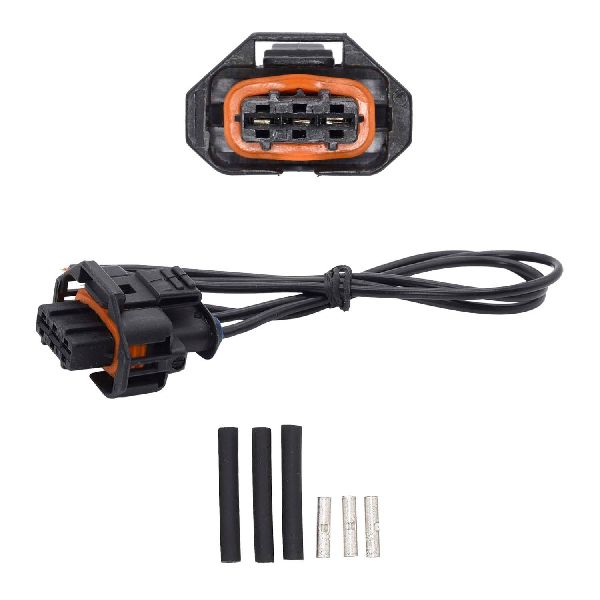
Aftermarket price range: $70-$150 - Camshaft Adjuster Magnet Pigtail Harness
(OEM #A2711502733)— If the root cause is the common oil leak, this 'oil-stop' harness is essential to prevent the new O2 sensor and engine harness from being contaminated again. Two are required.
Trusted brands: Genuine Mercedes-Benz
OEM price range: $25-$40
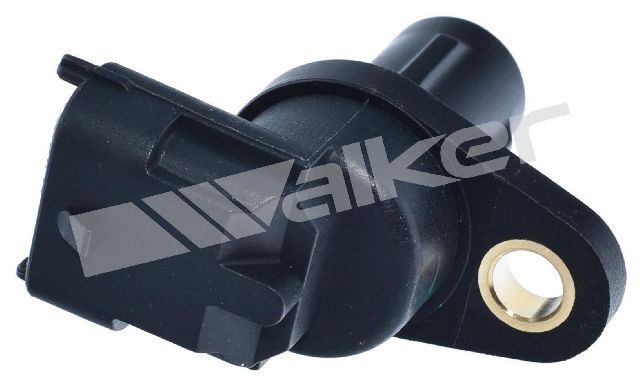
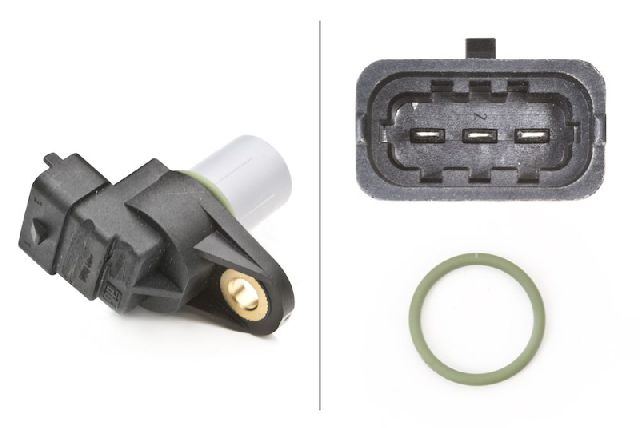
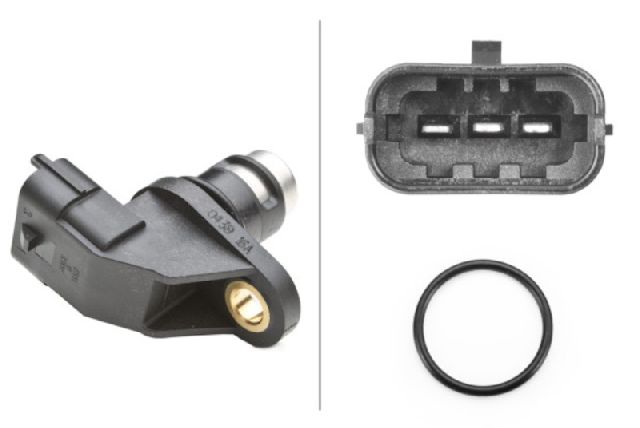
Aftermarket price range: $15-$30 - Camshaft Adjuster Magnet
(OEM #A2710510177)— The source of the oil leak. If leaking internally through the connector, it must be replaced along with its seal to provide a permanent fix. Two are on the engine.
Trusted brands: Genuine Mercedes-Benz, Pierburg
OEM price range: $40-$60
Aftermarket price range: $25-$50
Related Codes That Often Appear With This One
- P0141 — This code indicates a fault in the heater circuit of the same O2 sensor (Bank 1, Sensor 2). They often appear together because a failure of the sensor, especially due to oil contamination, can affect both its signal and heater circuits.
- P0036 — This code is also for the O2 sensor heater circuit malfunction for Bank 1, Sensor 2, and serves a similar purpose to P0141. It's common to see it alongside P0136.
- P0170 / P0171 / P0172 — Fuel trim codes can sometimes appear if the oil-in-harness issue has migrated further, affecting other critical sensors like the Mass Airflow (MAF) sensor or the upstream O2 sensor, which directly impact the engine's fuel mixture calculations.
Technical Service Bulletins (TSBs) & Recalls
- LI05.20-P-067123: A Mercedes-Benz TSB that specifically addresses the issue of finding oil in the engine wiring harness, which is the primary underlying cause of P0136 on the M271 engine.
Platform-Specific Known Issues
- The M271 engine is widely known for oil leaks at the camshaft adjuster magnets, which allows oil to wick through the main engine wiring harness, contaminating multiple sensors, most commonly the downstream oxygen sensor. This is often referred to as the 'oil in harness' or 'oil in loom' problem by the Mercedes-Benz community.
Mechanic-Grade Diagnostic Values
- Downstream O2 Sensor (B1S2) Voltage — expected: Relatively stable reading between 0.5V and 0.8V on a fully warmed engine at steady RPM.. Failure: Voltage is stuck low (below 0.2V), stuck high (near 1.0V), or fluctuating rapidly like the upstream sensor.
- Downstream O2 Sensor (B1S2) Heater Circuit Resistance — expected: Approximately 10 to 25 Ohms when the sensor is cold.. Failure: Infinite resistance (open circuit) or near-zero resistance (short circuit) indicates a failed internal heater element.
- Downstream O2 Sensor (B1S2) Heater Circuit Voltage Supply — expected: Battery voltage (12V-14V) with the key on.. Failure: No voltage indicates a problem with the fuse, relay, or wiring supplying power to the heater circuit.
Wiring & Ground Locations
- G3/5 — Designator for the downstream O2 sensor (Bank 1, Sensor 2) in Mercedes-Benz wiring diagrams.. This is the component that the P0136 code directly refers to, located in the exhaust pipe after the catalytic converter.
- W11 — Combustion engine ground point for the M271 engine.. A poor engine ground can cause erratic sensor readings and communication issues with the Engine Control Module (N3/10), potentially triggering false sensor codes. Ensuring this ground is clean and tight is a crucial diagnostic step for any electrical fault.
Real Owner Repair Stories
- MBWorld.org Forums user (2005 C230K (M271 engine) with 70,000 miles) — Check Engine Light on, reduced gas mileage by ~25%.
❌ Tried (didn't work) Initially, the dealer only suggested resetting the code, which would immediately return.
✅ What actually fixed it The user identified oil leaking from the camshaft sensors into the wiring harness. The oil had migrated down to the downstream O2 sensor connector, causing codes P0136 and P0141. The fix involved replacing the leaking cam sensors, installing the preventative pigtail harnesses, and replacing the oil-contaminated downstream O2 sensor.
OEM Part Supersession History
2711502733→A2711502733, 271150273364, 271150273365— Standard part number evolution and supplier changes. Functionality remains the same.
Heads up: These part numbers are generally interchangeable for the M271 engine's camshaft magnet pigtail harness.
Diagnostic Flowchart
Other Known Issues on This Vehicle
Issues unrelated to this code that are worth knowing about as an owner of this generation:
- M271 Timing Chain Stretch 🔴 High — Common on earlier models, especially those with extended oil change intervals. Often becomes noticeable between 60,000 and 100,000 miles. Symptoms include a rattling noise on cold starts.
- Sensotronic Brake Control (SBC) Pump Failure 🔴 High — Affects W211 models up to the 2006 model year. The SBC pump has a predefined service life based on brake applications (actuation count) and will trigger a 'Brake Defective Stop Vehicle' warning when it reaches its limit. (Ref: Mercedes-Benz extended the warranty on the SBC unit to 25 years with unlimited mileage in many markets, often covering replacement at no cost even for subsequent owners.)
- Valeo Radiator Glycol Contamination (Pre-facelift models) 🔴 High — On models built before September 2003 with Valeo radiators, a failure in the integrated transmission cooler can allow engine coolant (glycol) to mix with the automatic transmission fluid, causing harsh shifting and eventual transmission failure.
Used vs. New Parts: Buying Guide for This Vehicle
When a used part is the smart pick: Used camshaft adjuster magnets can be a cost-effective option if they are confirmed to be the newer, revised design and show no signs of leaking from the connector pins. A used section of exhaust pipe to fix a leak is also a viable option.
Donor-vehicle mileage cap: roughly under 80000 miles for the part to have meaningful remaining life.
What to inspect on the donor part:
- For cam magnets, inspect the electrical connector port for any sign of oil residue. If any oil is present, reject the part.
- For exhaust components, check for heavy rust, cracks at the welds, or thinning pipe walls.
- Ensure any used wiring connectors have intact locking tabs and no corrosion on the pins.
OEM-only on this vehicle (don't cheap out):
- Oxygen Sensor: While top-tier aftermarket brands are reliable, cheap, unbranded sensors often have incorrect heater resistances or slow response times, causing persistent codes. It is safest to stick with the OEM supplier or a known equivalent.
- Camshaft Magnet Pigtail Harness (Oil-Stop Cable): This is a preventative part designed to fix a known flaw. Given its low cost and critical function, using a new, genuine Mercedes-Benz part (A2711502733) is highly recommended to ensure a permanent fix.
Aftermarket brands forum-validated for this vehicle:
- Oxygen Sensors: Bosch (often the OEM supplier), NTK, and Denso are highly regarded for quality and reliability.
- Camshaft Adjuster Magnets: Pierburg is a reputable OEM supplier for these magnets and is a reliable alternative to Genuine Mercedes-Benz parts.
Brands owners have reported issues with on this vehicle:
- Unbranded or no-name oxygen sensors from online marketplaces should be avoided. They are a frequent cause of repeat failures and incorrect readings that can complicate diagnosis.
Real Owner Stories
Aggregated from forums and TSBs cited above. Mileages and costs reflect what owners reported in those sources.
2003 Mercedes-Benz C230 M271
Symptoms: Check engine light with codes P0136 and P0141; found oil in the O2 sensor connector.
What fixed it: Found oil leaking from the cam sensors into the harness; replaced the O2 sensor and addressed the leaking cam sensors.
Source hint: MBWorld.org - Thread 'Oil in Harness, Cam Sensor Leak'
Mercedes-Benz C180 M271
Symptoms: Chasing O2 sensor codes and found oil in the intake and wiring harness.
What fixed it: Replaced the cam magnets and installed blocker pigtails to stop oil migration.
Source hint: MBClub.co.uk - Thread 'M271 c180 oil in intake'
Mercedes-Benz M271 Kompressor (General)
Symptoms: Oil leaking from magnetic cam adjusters and wicking through the wiring to the O2 sensor and ECU.
What fixed it: Installation of 'wire blockers' (pigtail harnesses) as a preventative and corrective fix.
Source hint: MBClub.co.uk - Thread 'leaking magnetic cam adjusters sensors'
Related OBD-II Codes
Frequently Asked Questions
Is there an official Mercedes-Benz technical service bulletin for oil in the wiring harness on the M271 engine?
How can I prevent oil from the camshaft magnets from reaching my O2 sensor again?
What is the 'oil in loom' problem I keep hearing about regarding my E-Class?
Where is the Bank 1, Sensor 2 oxygen sensor located on my M271 E-Class?
What voltage should I see on a healthy downstream O2 sensor for this Mercedes?
Can I just clean the oil out of the connectors, or do I have to replace the O2 sensor?
Helpful Videos

Used OEM Parts in Stock

New Aftermarket Parts Available


The information in this article is provided for general reference and educational purposes only. Vehicle specifications, procedures, and part compatibility can vary by production date, trim level, and region. Always consult your vehicle's factory service manual and verify part numbers before purchasing or performing repairs. Safety-critical components such as airbags, seat belts, and braking systems should be installed by a qualified professional.
- Mercedes-Benz E-Class:
- 🎬 Helpful Videos
- 🛍️ Shop This Part
- What's Unique About the 2002-2009 Mercedes-Benz E-Class
- Symptoms You May Notice
- Most Likely Causes
- Rare But Worth Checking
- Diagnosis Steps
- Parts You'll Likely Need
- Related Codes That Often Appear With This One
- Technical Service Bulletins (TSBs) & Recalls
- Platform-Specific Known Issues
- Mechanic-Grade Diagnostic Values
- Wiring & Ground Locations
- Real Owner Repair Stories
- OEM Part Supersession History
- Diagnostic Flowchart
- Other Known Issues on This Vehicle
- Used vs. New Parts: Buying Guide for This Vehicle
- Real Owner Stories
- 2003 Mercedes-Benz C230 M271
- Mercedes-Benz C180 M271
- Mercedes-Benz M271 Kompressor (General)
- Related OBD-II Codes
- Frequently Asked Questions
- 🎟️ Get 5% Off