

P0135 on 2000-2007 Mercedes-Benz C-Class (M271): O2 Heater Fixes & Oil Leak Warning
This code is for the upstream oxygen sensor's heater circuit. The most likely fix is replacing the sensor itself (around $100-$200 for a Bosch part). However, you MUST first check the sensor's electrical connector for oil contamination, a common issue on the M271 engine that requires a more involved repair originating at the camshaft adjuster magnets.
- P0135 on this car points to the upstream O2 sensor heater.
- Before buying any parts, you MUST inspect the O2 sensor's electrical plug for engine oil.
- If oil is present, you must fix the source: the leaking camshaft adjuster magnets at the front of the engine. This requires replacing the magnets AND installing special 'pigtail' harnesses (part A2711502733) to prevent recurrence.
- Simply replacing the O2 sensor without addressing the oil leak will lead to repeat failures.
What's Unique About the 2000-2007 Mercedes-Benz C-Class

For the M271 Kompressor engine, P0135 isn't always a simple sensor failure. These engines are well-known for a specific problem where oil leaks from the camshaft adjuster magnets at the front of the engine. Due to capillary action, this oil can travel ('wick') through the entire engine wiring harness, eventually contaminating the oxygen sensor connectors and even the main ECU. This means that simply replacing the O2 sensor without checking for and fixing the source of the oil leak will result in the new sensor failing shortly after. This issue is so prevalent that Mercedes created special 'pigtail' harnesses to act as an oil-stop.
Symptoms You May Notice
- Check Engine Light is on
- Reduced fuel economy (a common complaint is losing 3-5 MPG).
- Slightly rough or unstable idle for about 30 seconds after a cold start.
- Failure to pass an emissions inspection.
- In cases of severe oil contamination, other seemingly unrelated error codes may appear as the oil reaches other sensors or the ECU.
- Replacing the oxygen sensor without checking for oil contamination. If the camshaft magnets are leaking, the new sensor will soon be damaged by the oil that has wicked through the harness, and the P0135 code will return.
- Attempting to repair the leaking camshaft magnets by only replacing the O-rings. Forum users have reported this is ineffective; the oil leaks internally through the magnet's plastic connector, not just from the main seal. Complete replacement of the magnet assembly is required. 🎬 Watch: Step-by-step guide to replacing the camshaft adjuster magnets.
Most Likely Causes

- Failed Upstream Oxygen Sensor 🔴 High Probability The internal heater element of the sensor is a common failure point over time and mileage due to constant thermal cycling.
How to confirm: After confirming no oil is in the connector, test the resistance of the heater circuit pins on the sensor itself with a multimeter. A good heater should have a resistance between 2 and 20 ohms when cold. An open circuit (infinite resistance) or a dead short (zero resistance) confirms the heater has failed. If no multimeter is available, and the fuse/wiring are good, the sensor is the most likely culprit.
Typical fix: Replace the upstream (Bank 1, Sensor 1) oxygen sensor. It is a 5-wire or 6-wire wideband sensor.
Est. part cost: $100-$200 - Oil Contamination from Leaking Camshaft Adjuster Magnets 🟡 Medium Probability The seals on the camshaft adjuster magnets on the front of the M271 engine degrade over time from heat, allowing oil to seep into the wiring harness. This is a widely documented design flaw.
How to confirm: Unplug the electrical connector for the upstream O2 sensor and inspect the pins and wires for any sign of engine oil. Also, inspect the connectors on the camshaft adjuster magnets themselves (at the front of the engine cover). If they are wet with oil, the harness is compromised. The oil can travel as far as the main ECU connector, which should also be checked.
Typical fix: This is a multi-step repair: 1. Replace both camshaft adjuster magnets. 2. Install Mercedes' special adapter 'pigtail' harnesses (Part No. 2711502733), which act as an oil stop. 3. Thoroughly clean the oil from the O2 sensor connector, ECU connector, and any other affected connectors with a quality electronics/contact cleaner. 4. Replace the oil-fouled oxygen sensor.
Est. part cost: $150-$250 for magnets, pigtails, and a new sensor. - Blown Fuse or Wiring Issue ⚪ Low Probability
How to confirm: Check the vehicle's fuse diagram for the O2 sensor heater fuse and inspect it. Visually inspect the wiring and connector leading to the sensor for any signs of melting, chafing, or breaks, especially where it might contact the hot exhaust.
Typical fix: Replace the blown fuse or repair the damaged section of the wiring harness.
Est. part cost: $1-$20
Rare But Worth Checking
- Faulty Engine Control Unit (ECU):
Diagnosis Steps

- Read the code with an OBD-II scanner to confirm P0135 is present.
- CRITICAL STEP for M271: Locate the two camshaft adjuster magnets on the front of the engine. Unplug their electrical connectors and inspect for oil. If oil is present, this is your root cause.
- Regardless of the magnet inspection, locate the upstream oxygen sensor connector. Unplug it and carefully inspect both the sensor side and the harness side for any trace of engine oil.
- If oil is found in either location, the full repair is required: Replace both camshaft adjuster magnets, install the isolation pigtail harnesses, thoroughly clean all contaminated connectors with electronics cleaner, and replace the oxygen sensor.
- If no oil is present, proceed with a standard P0135 diagnosis.
- Locate and check the fuse for the oxygen sensor heater circuit. If it's blown, replace it and see if the code returns. If it blows again, there is a short circuit in the harness that needs to be traced.
- Using a multimeter set to Ohms (Ω), test the resistance between the two heater pins on the oxygen sensor's connector (usually the two wires of the same color). A good sensor will read between 2-20 Ohms. A reading of 'OL' (Open Loop) or infinite resistance means the internal heater is broken. A reading near zero indicates a short. In either failure case, the sensor must be replaced.
- If the sensor tests good, check for 12V at the heater circuit power wire on the harness side of the connector when the engine is first started (cold). If no voltage is present, the problem is upstream in the wiring or ECU.
- If the fuse, wiring, and sensor's heater circuit all test good, the issue could be in the vehicle's ECU, but this is extremely rare unless significant oil contamination is found at the ECU plugs.
Parts You'll Likely Need

- Upstream Oxygen Sensor (Bank 1, Sensor 1)
(OEM #A0035427018)— This is the primary part indicated by the P0135 code. The internal heater element fails. Use of a quality OEM-spec part is highly recommended.
Trusted brands: Bosch (OEM supplier, part #17016 is a common direct fit), Denso
OEM price range: $180-$250
Aftermarket price range: $100-$180 - Camshaft Adjuster Magnet
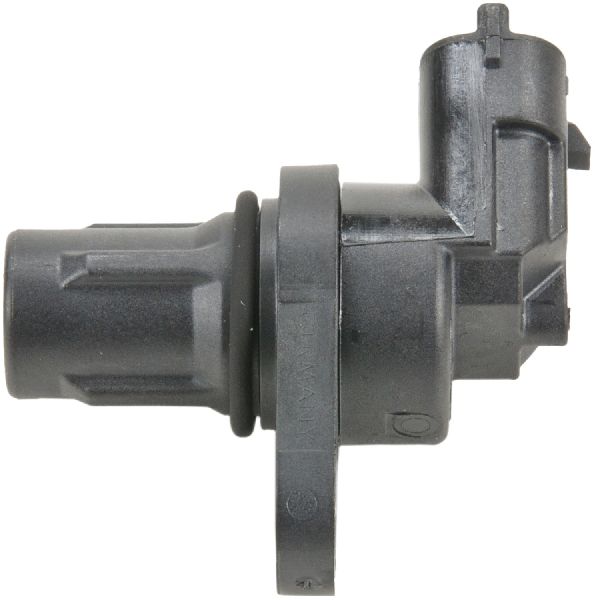
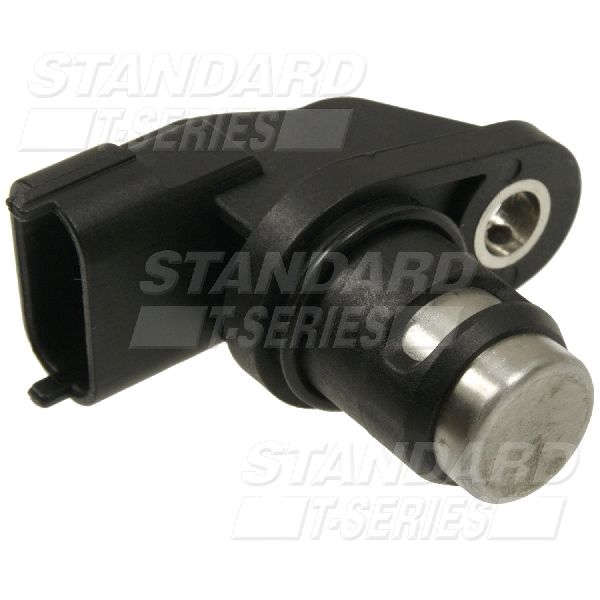
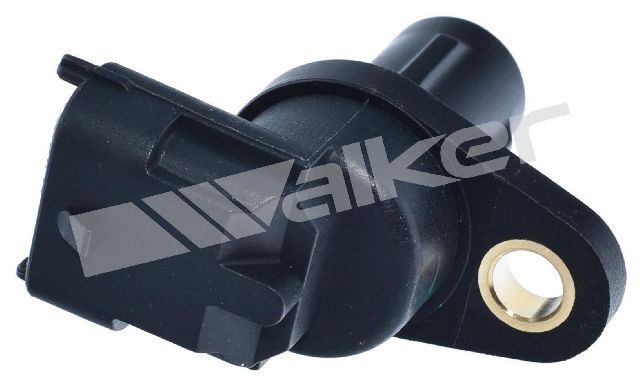
(OEM #A2710510177)— This is the source of the oil leak that can cause the P0135 code on the M271 engine. It's recommended to replace them in pairs if one is leaking.
Trusted brands: OE Mercedes-Benz, Febi Bilstein
OEM price range: $45-$60 each
Aftermarket price range: $30-$50 each - Camshaft Magnet Adapter Harness (Pigtail)
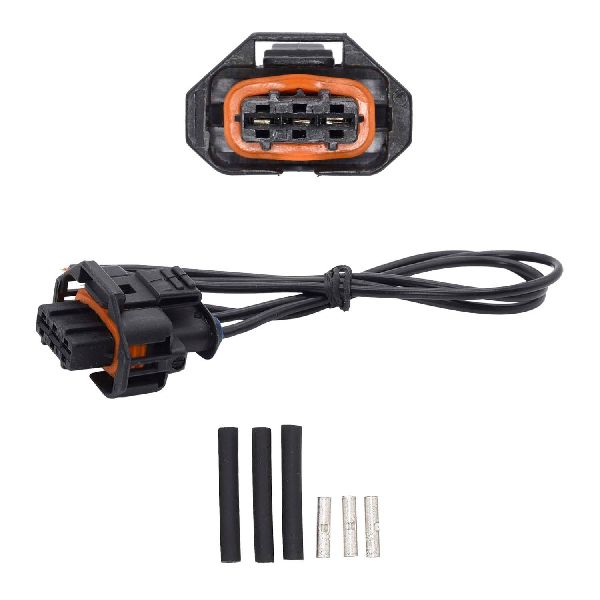
(OEM #A2711502733)— This is a revised part from Mercedes designed to be an 'oil stop' to prevent oil from leaking magnets from wicking into the main engine harness. It is essential for a permanent fix.
Trusted brands: OE Mercedes-Benz
OEM price range: $30-$40 each
Related Codes That Often Appear With This One
- P0136 (O2 Sensor Circuit Malfunction Bank 1, Sensor 2)
- P0141 (O2 Sensor Heater Circuit Malfunction Bank 1, Sensor 2)
Technical Service Bulletins (TSBs) & Recalls
- While a specific TSB number for the W203/M271 is not consistently cited, the existence of the pigtail harness (part no. A2711502733) is a direct result of Mercedes acknowledging this oil-wicking problem. It was originally developed for the M271 and later adapted for other engines. This part serves as a de-facto TSB acknowledgement.
Platform-Specific Known Issues
- Camshaft Magnet Oil Leaks: The most significant issue related to this code on the M271 engine. Oil leaks from the cam magnets, travels through the wiring harness via capillary action, and contaminates sensor connectors, including the O2 sensor, causing various electrical faults. A preventative fix involves installing the updated pigtail harnesses before a leak occurs. The issue was so common that Mercedes issued a recall for some 2003-2004 models, but not for 2005 and later, despite using the same parts.
Mechanic-Grade Diagnostic Values
- O2 Sensor Heater Element Resistance — expected: 9 Ohms (on a W203 example). Generally between 2 and 20 Ohms is considered acceptable.. Failure: A reading of 0 Ohms (dead short) or infinite/OL (open circuit).
- Upstream O2 Sensor (Wideband) Live Data Voltage at Idle — expected: Around 1.5V - 2.2V. Unlike narrow-band sensors that cycle between 0.1V and 0.9V, the M271's wideband sensor operates at a higher voltage.. Failure: While not a direct test of the heater, a sensor that is stuck or not reading correctly after warm-up can point to a failure, which may be caused by oil contamination or an internal fault.
- Harness-Side Heater Circuit Voltage (Key On, Engine Off/Start) — expected: Battery voltage (~12V) should be present on the power supply pin of the harness connector when the engine is first started. The ECU then pulses the ground-side to control the heater.. Failure: 0V on the power pin indicates a blown fuse or an open in the power wire. Constant battery voltage on both pins (with sensor connected) can indicate an open on the ground side or a failed ECU driver.
Scan Tool Commands That Help
- Mercedes STAR/XENTRY: O2 Sensor Adaptation Reset — After replacing an O2 sensor, especially if fuel trims are skewed or the vehicle has been running rich for a long time. A forum post mentions that a software update and adaptation of O2 sensors, requiring long road tests, may be necessary to resolve severe emission failures.
- Mercedes STAR/XENTRY: Guided Test for P0135 — When initial checks (visual, fuse, resistance) do not reveal the cause. The guided test will walk the technician through specific voltage and resistance checks at the ECU pins, confirming wiring integrity and ECU driver function.
Wiring & Ground Locations
- Engine Block to Chassis Ground — A braided ground cable is typically located from the bell housing area of the transmission to the vehicle's chassis/frame.. A corroded or loose main engine ground can cause a host of intermittent electrical issues and incorrect sensor readings. While not a direct cause of P0135, it can create confusing symptoms and should be checked in any electrical diagnosis.
- ECU Connector (for pin-out testing) — The Engine Control Unit (ECU) on the W203 is located in the fuse/module box in the engine bay, typically on the driver's side near the firewall.. For advanced diagnosis, a technician may need to back-probe the ECU connector to verify that voltage for the heater circuit is being sent and that the ground is being properly controlled. This is the final step to confirm if the ECU driver has failed.
- O2 Sensor Heater Fuse/Relay — Fuse location can vary by year and model. On a W204 (the successor to the W203), fuses for the O2 heater are in the engine bay fuse box. On the W203, owners should check the fuse map located in the tool kit in the trunk for the specific fuse number, often designated 'Engine electronics' or with an O2 sensor symbol.. This is the primary power source for the heater circuit. A blown fuse is a simple fix but often indicates an underlying problem, such as a shorted sensor or wire.
Real Owner Repair Stories
- MBWorld.org user story (2005 C230K (M271), 70,000 miles) — Check Engine Light with codes P0136 and P0141 (downstream O2 sensor codes), but the root cause is identical to the P0135 issue.
❌ Tried (didn't work) A Mercedes dealership quoted a $4,000 repair to replace the full engine harness and the ECU, which they claimed was contaminated with oil.
✅ What actually fixed it The owner declined the dealer repair. The fix involved: 1. Replacing the leaking camshaft adjuster magnets. 2. Thoroughly cleaning the oil out of the O2 sensor connectors and the main ECU connector using electronics cleaner. 3. Replacing the oil-fouled O2 sensors. 4. Planning to install the isolation pigtails as a final preventative measure. The Check Engine Light was resolved, and fuel economy improved significantly.
OEM Part Supersession History
N/A→A2711502733— This part, the 'sacrificial pigtail' or adapter harness, was created by Mercedes specifically to solve the oil-wicking issue from the camshaft adjuster magnets. It was not a supersession of an old part but a newly created solution.
Heads up: This is a required part for a permanent fix if the camshaft magnets are found to be leaking oil. Simply replacing the magnets with new ones of the same design (A2710510177) without these pigtails will eventually lead to the same oil leak problem.
Model Year Variations Within This Range
- 2005-2007: While the M271 engine was used from ~2002, the W203 had a significant facelift for the 2005 model year. This included changes to interior electronics and some wiring. While the fundamental P0135 causes remain the same (sensor failure, oil leak), technicians should be aware that fuse locations and wiring colors/pinouts at junction boxes could differ between pre-facelift (2002-2004) and post-facelift (2005-2007) models. Always verify with the specific model year's wiring diagram.
Diagnostic Flowchart
Real Owner Stories
Aggregated from forums and TSBs cited above. Mileages and costs reflect what owners reported in those sources.
Mercedes-Benz C-Class (W203) M271
Symptoms: Oil leaked from the cam sensors into the wiring harness, causing electrical faults and triggering the check engine light.
What fixed it: Replaced the camshaft adjuster magnets, installed the Mercedes special adapter 'pigtail' harnesses to stop the oil wicking, cleaned the contaminated connectors, and replaced the oil-fouled oxygen sensor.
Source hint: MBWorld.org thread titled 'Oil in Harness, Cam Sensor Leak - A Detailed Owner Repair Story'
Related OBD-II Codes
Frequently Asked Questions
Is there a recall for the camshaft magnet oil leak on my M271 engine?
What is the special adapter harness mentioned for the M271, and do I need it?
Why am I getting other seemingly unrelated error codes along with P0135 on my C-Class?
How do I test the upstream oxygen sensor heater on my C-Class Kompressor?
Can I just replace the oxygen sensor to fix P0135 on my M271?
What kind of oxygen sensor does the upstream Bank 1 Sensor 1 use on this car?
Helpful Videos

Used OEM Parts in Stock

New Aftermarket Parts Available


The information in this article is provided for general reference and educational purposes only. Vehicle specifications, procedures, and part compatibility can vary by production date, trim level, and region. Always consult your vehicle's factory service manual and verify part numbers before purchasing or performing repairs. Safety-critical components such as airbags, seat belts, and braking systems should be installed by a qualified professional.
- Mercedes-Benz C-Class:
- 🎬 Helpful Videos
- 🛍️ Shop This Part
- What's Unique About the 2000-2007 Mercedes-Benz C-Class
- Symptoms You May Notice
- Most Likely Causes
- Rare But Worth Checking
- Diagnosis Steps
- Parts You'll Likely Need
- Related Codes That Often Appear With This One
- Technical Service Bulletins (TSBs) & Recalls
- Platform-Specific Known Issues
- Mechanic-Grade Diagnostic Values
- Scan Tool Commands That Help
- Wiring & Ground Locations
- Real Owner Repair Stories
- OEM Part Supersession History
- Model Year Variations Within This Range
- Diagnostic Flowchart
- Real Owner Stories
- Mercedes-Benz C-Class (W203) M271
- Related OBD-II Codes
- Frequently Asked Questions
- 🎟️ Get 5% Off