

P0135 on 2015-2017 Chrysler 200 3.6L: O2 Sensor Heater Circuit Causes and Fixes
This code almost always means the Bank 1, Sensor 1 oxygen sensor has failed. This is the upstream sensor on the firewall side of the engine. Replacing the sensor is the typical fix, costing around $40-$85 for a quality aftermarket part (like NTK) or $120-$190 for an OEM Mopar part. Access is tight, making it a moderately difficult DIY job that requires a special O2 sensor socket.
- P0135 points directly to a failure in the heater circuit of the upstream oxygen sensor on the firewall side of the engine.
- The most probable fix is to replace the Bank 1, Sensor 1 oxygen sensor, but it is critical to use a quality OEM or OEM-equivalent part (Mopar, NTK, Denso) to avoid compatibility problems.
- Access to this specific sensor is very tight, making the repair challenging for a DIYer without the proper tools, such as a 7/8" (22mm) crow's foot or slotted O2 sensor socket.
- While driving is possible, ignoring the code will lead to poor fuel economy and can cause expensive damage to the catalytic converter over time.
What's Unique About the 2015-2017 Chrysler 200
On the Chrysler 200 with the transverse-mounted 3.6L Pentastar V6, the P0135 code refers to the oxygen sensor on the rear cylinder bank (Bank 1), which is positioned against the firewall. This location makes the sensor notoriously difficult to access compared to the front (Bank 2) sensor. While the failure is almost always the sensor itself, Chrysler electronics can be sensitive, so using an OEM (Mopar) or OEM-supplier (like NTK or Denso) part is highly recommended to prevent compatibility issues that can cause the code to return.
Symptoms You May Notice
- Check Engine Light is on
- Reduced fuel economy
- Failing an emissions test
- Rough idling or poor engine performance, especially when cold.
- Replacing the wrong oxygen sensor (e.g., replacing the easily accessible Bank 2 sensor instead of the difficult-to-reach Bank 1 sensor).
- Replacing the sensor without first checking the fuse and wiring, leading to the new sensor not fixing the problem.
- Using a cheap, universal, or incompatible brand of O2 sensor (like some Bosch models on Chrysler platforms) which can cause the code to return.
Most Likely Causes
- Failed Bank 1, Sensor 1 Oxygen Sensor 🔴 High Probability The internal heater element is a common wear-and-tear component that eventually burns out from repeated heat cycles. This is the most frequent cause of a P0135 code.
How to confirm: With the engine cold, disconnect the sensor and measure the resistance between the two heater circuit pins on the sensor side (often the two same-colored wires). A healthy sensor for this platform should have a resistance between approximately 3 and 15 ohms. An open circuit (infinite resistance/OL) or a short circuit (near-zero ohms) confirms the heater element has failed.
Typical fix: Replace the Bank 1, Sensor 1 oxygen sensor. This sensor is located on the exhaust manifold on the firewall (rear) side of the engine, before the catalytic converter.
Est. part cost: $40-$190 - Damaged Wiring or Connector ⚪ Low Probability The wiring harness for the rear O2 sensor is routed in a high-heat area near the firewall and exhaust components. Over time, the protective loom can become brittle, allowing wires to melt or chafe against the engine block or heat shields.
How to confirm: Visually inspect the wiring harness and connector leading to the Bank 1, Sensor 1 O2 sensor for any signs of melting, fraying, corrosion, or loose pins. If the sensor's heater resistance tests good, check for battery voltage (approx. 12V) at the heater power pin on the vehicle-side connector with the key on, engine off. On this platform, the PCM provides a pulse-width modulated 12V power signal to control the heater.
Typical fix: Repair the damaged section of the wiring harness or replace the connector pigtail.
Est. part cost: $15-$50 - Blown O2 Sensor Heater Fuse ⚪ Low Probability
How to confirm: Locate the fuse for the O2 sensor heater circuit in the vehicle's fuse box (often in the Totally Integrated Power Module or TIPM) and check for continuity. A blown fuse often indicates a short circuit in the wiring or the sensor itself, which must be found before replacing the fuse.
Typical fix: Replace the blown fuse after diagnosing and fixing the underlying short circuit that caused it to blow.
Est. part cost: $1-$5
Rare But Worth Checking
- Powertrain Control Module (PCM) Fault: This is very uncommon. Before suspecting the PCM, all other possibilities (sensor, wiring, fuses) must be exhaustively ruled out. On some older Chrysler models, a PCM software update was available to fix logic that could falsely trigger heater codes, but this is less likely for the 2015-2017 model years.
Diagnosis Steps
- Read the trouble codes with an OBD-II scanner to confirm P0135 is the primary code.
- Locate the Bank 1, Sensor 1 oxygen sensor on the rear (firewall side) exhaust manifold.
- Visually inspect the sensor's wiring harness and connector for obvious damage like melting, chafing, or corrosion.
- Check the fuse for the O2 sensor heater circuit in the main fuse box (TIPM). Replace if blown, but investigate the cause of the short.
- If no visual issues are found, disconnect the sensor connector. Measure the resistance across the two heater pins of the O2 sensor itself (typically the two wires of the same color). A reading of infinite resistance (OL) or near zero ohms indicates a failed heater element, and the sensor must be replaced.
- If the sensor resistance is within specification (approx. 3-15 ohms), check the vehicle-side harness. With the key on and engine off, test for battery voltage (around 12V) on the heater power supply pin.
- If voltage is present and the sensor's resistance is good, there may be an issue with the ground or control side of the circuit, or a rare PCM fault.
Parts You'll Likely Need
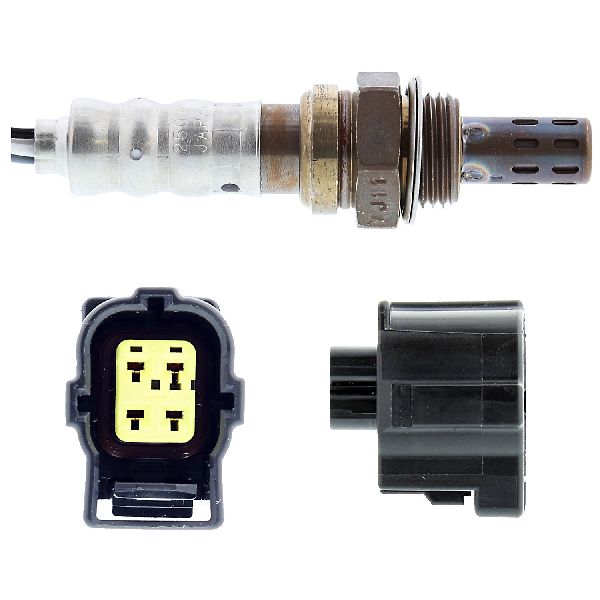
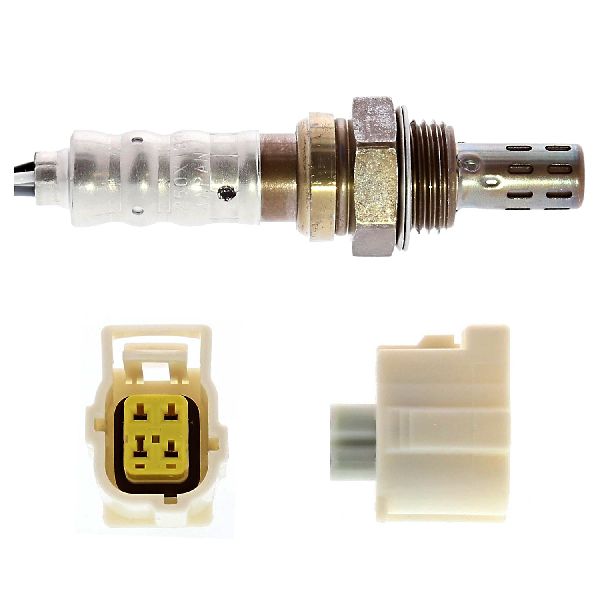
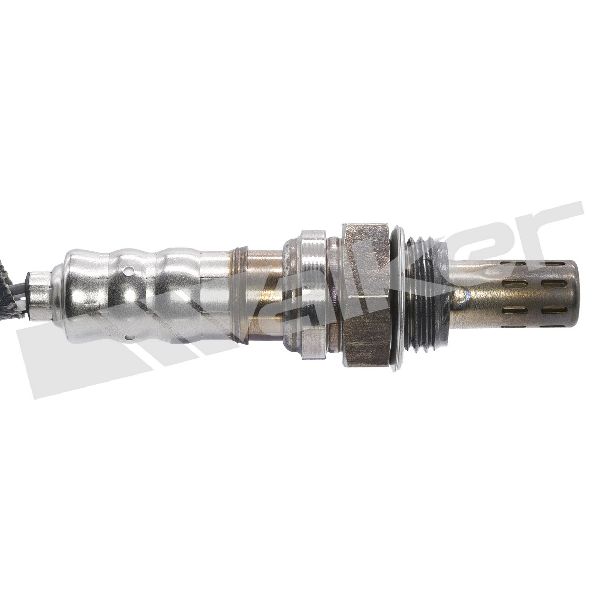
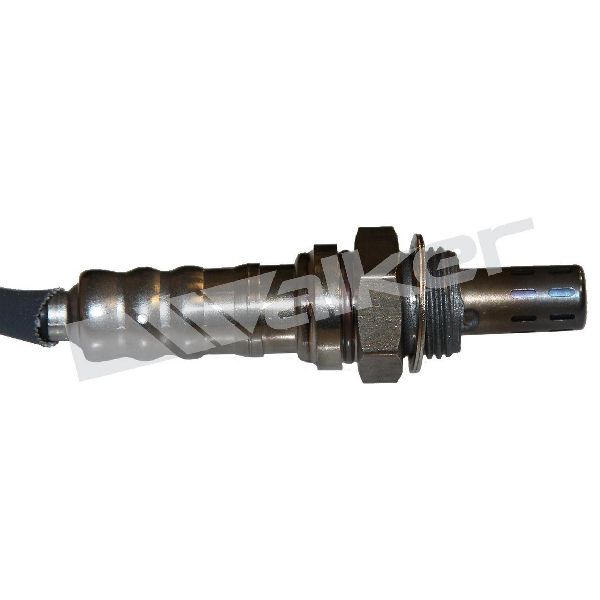
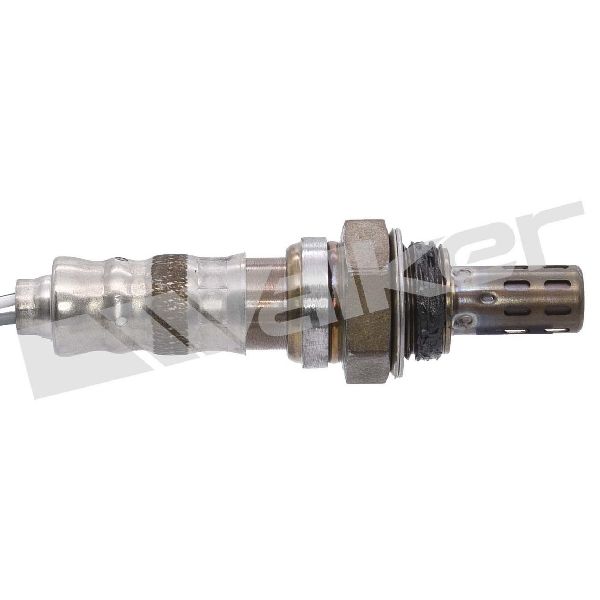
- Oxygen Sensor (Bank 1, Sensor 1)
(OEM #5149171AB)— This is the upstream sensor for the rear cylinder bank. Its internal heater element is the most common failure point for code P0135. This part number supersedes previous versions 5149171AA and 68066160AA.
Trusted brands: Mopar, NTK, Denso
OEM price range: $120-$190
Aftermarket price range: $40-$85 - Oxygen Sensor Socket Set — A specialized 7/8" (22mm) socket with a slot for the wire is highly recommended, and often required, to remove and install the sensor without damage, especially given the tight access on the firewall side. A crow's foot style O2 sensor wrench can also be very helpful.
Trusted brands: Lisle, OEMTOOLS, GearWrench
Aftermarket price range: $10-$40
Technical Service Bulletins (TSBs) & Recalls
- TSB 21-021-15 Rev. E: Involves reprogramming the Transmission Control Module (TCM) for diagnostic and shift enhancements on 2015 Chrysler 200 models.
- TSB 18-022-17 Rev. A: Involves reprogramming the Powertrain Control Module (PCM) for general diagnostic and system improvements.
- NHTSA Recall 16V-529: Addresses an issue where the ZF 9-speed transmission can unexpectedly shift into neutral due to a wiring harness crimping problem.
Platform-Specific Known Issues
- Difficult Access: The primary challenge for this repair is the location of the Bank 1, Sensor 1 O2 sensor. It is on the rear of the engine against the firewall, requiring mechanics to work in a tight space, often by feel. This may require removing other components for access and using specialized tools like a crow's foot O2 sensor socket.
- Real-World Experience: A forum user on 'CarKiller' with a 2015 Chrysler 200 3.6L AWD described having 'nonstop issues' after 80,000 miles, including many of the platform's known problems, highlighting potential reliability concerns as the vehicle ages.
Mechanic-Grade Diagnostic Values
- O2 Sensor Heater Element Resistance — expected: 3-15 Ohms at ambient temperature. Failure: A reading of infinite resistance (OL - open circuit) or near-zero Ohms (short circuit) indicates a failed heater element.
- Heater Circuit Power Supply Voltage (at harness connector) — expected: Approximately 12V (Battery Voltage) with Key On, Engine Off (KOEO). Failure: Little to no voltage suggests an issue upstream of the sensor, such as a blown fuse, faulty relay, or problem with the TIPM.
- Heater Circuit Control Signal (at harness connector) — expected: The PCM supplies a pulse-width modulated 12V signal to ground the circuit. A test light connected to the control pin should pulse when the engine is running and the heater is commanded on.. Failure: No pulse, or a constantly on/off signal, points to a wiring fault or a rare PCM driver failure.
Scan Tool Commands That Help
- wiTECH (or equivalent high-level scanner): O2 Heater Test — A bidirectional O2 heater test can command the heater circuit on/off manually. This allows a technician to verify if the PCM driver is capable of controlling the circuit and to monitor voltage and current draw in real-time, confirming if the fault lies with the sensor, wiring, or PCM itself.
Wiring & Ground Locations
- Bank 1 Sensor 1 O2 Sensor Connector — On the rear (firewall side) of the engine, connected to the upstream O2 sensor in the exhaust manifold.. This is the primary connection to test. The two same-colored wires (often black or white on aftermarket sensors) are for the heater circuit. One pin receives 12V power from the ASD/TIPM, and the other is the ground-side control from the PCM.
- PCM Connector C2 — At the Powertrain Control Module (PCM), which is typically located in the engine bay near the battery or firewall.. The O2 sensor heater control wire terminates here. For example, on some 3.6L applications, the Bank 1 Sensor 1 heater control wire is a Brown/Dark Green wire at pin 57 of the C2 connector. Verifying continuity from the sensor to this pin can rule out a wire break.
- Engine/Chassis Grounds (e.g., G301, G304) — Various points on the engine block, cylinder heads, and chassis frame rails.. While not exclusive to the O2 sensor, a corroded or loose main engine ground can cause unstable voltages and intermittent sensor faults across the entire engine management system, including heater circuit codes.
Real Owner Repair Stories
- Chrysler Forum (chryslerforum.com) (Chrysler vehicle with P0135) — Check Engine Light with code P0135.
❌ Tried (didn't work) Initially suspecting a complex wiring issue.
✅ What actually fixed it The problem was resolved by replacing the Bank 1, Sensor 1 oxygen sensor. The owner confirmed the heater element in the original sensor had failed, which is the most common cause for this code.
OEM Part Supersession History
68066160AA→5149171AA— Part revision and consolidation by manufacturer.5149171AA→5149171AB— Part revision and consolidation by manufacturer.
Heads up: 5149171AB is the current, correct OEM part number for this application.
Diagnostic Flowchart
Other Known Issues on This Vehicle
Issues unrelated to this code that are worth knowing about as an owner of this generation:
- Leaking Oil Filter Housing/Cooler Assembly 🔴 High — Very common across all 3.6L Pentastar engines. The plastic housing is prone to cracking/warping from heat cycles, causing significant oil and/or coolant leaks into the engine valley. (Ref: No recall, but it is a widely documented design flaw. Aftermarket aluminum housings are a popular and permanent fix.)
- ZF 9-Speed Automatic Transmission Problems 🔴 High — Common on 2015-2017 models. Symptoms include harsh shifting (especially 2-3 gear), lurching, sudden shifts to neutral, and hesitation. (Ref: Multiple TSBs (e.g., 21-021-15 Rev. E, 21-019-17 Rev. A) were issued for software updates to improve shift quality. A recall (NHTSA 16V-529) was issued for some 2015 models for unexpectedly shifting into neutral due to a wiring harness issue.)
- Rocker Arm / Lifter Failure ('Pentastar Tick') 🟠 Medium — A known issue on some 3.6L Pentastar engines, often appearing after 50,000 miles. A failed rocker arm bearing causes a distinct ticking/tapping noise from the upper engine. (Ref: TSB 9100229 notes not to replace MDS lifters for a misaligned pin, indicating it's a known area of concern.)
- Various Electrical Issues 🟠 Medium — Owners report a range of electrical gremlins, sometimes attributed to the PCM's location in a high-heat area under the hood or loose battery/ground connections.
Used vs. New Parts: Buying Guide for This Vehicle
When a used part is the smart pick: For an electronic wear item like an oxygen sensor, buying a used part is NEVER recommended. The heater element has a finite lifespan, and a used sensor has an unknown number of heat cycles on it. The labor involved, especially for the hard-to-reach Bank 1 sensor, makes it financially unwise to risk installing a part that could fail shortly after installation.
What to inspect on the donor part:
- Not applicable; do not buy used oxygen sensors.
OEM-only on this vehicle (don't cheap out):
- While not strictly 'OEM-only', Chrysler platforms are notoriously sensitive to the brand of oxygen sensor used. Using a non-OEM part that isn't from a primary OEM supplier is a significant risk for this repair.
Aftermarket brands forum-validated for this vehicle:
- NTK (also known as NGK)
- Denso
Brands owners have reported issues with on this vehicle:
- Bosch (while a quality brand, some of their universal or non-specific sensors have been reported by forum users to cause compatibility issues with Chrysler electronics).
- Unbranded or 'white-box' parts from online marketplaces.
Real Owner Stories
Aggregated from forums and TSBs cited above. Mileages and costs reflect what owners reported in those sources.
2015 Chrysler 200 3.6L AWD — 80000 miles
Symptoms: Nonstop issues including limp mode and AWD unavailability; owner noted underlying electrical sensitivities.
What fixed it: Symptoms were temporarily solved by a battery disconnect, though the platform is noted for heater element failures and difficult-to-access rear sensors.
Source hint: CarKiller Forum (carkiller.com)
2014-2023 Dodge Durango 3.6L Pentastar
Symptoms: Check engine light with codes P0135 and P0155.
What fixed it: Replacement of both upstream O2 sensors.
Source hint: YouTube - WrenchTheory501
Related OBD-II Codes
Frequently Asked Questions
Where is the Bank 1, Sensor 1 oxygen sensor located on my 2015 Chrysler 200 3.6L?
Does TSB 18-022-17 Rev. A apply to my P0135 code?
Can I use a Bosch oxygen sensor to fix the P0135 code on my Chrysler 200?
Is there a specific fuse I should check for the O2 sensor heater circuit?
Could my 9-speed transmission issues be related to the same wiring problems as my O2 sensor?
What is the correct resistance for a healthy O2 sensor heater on the 3.6L Pentastar?
Helpful Videos

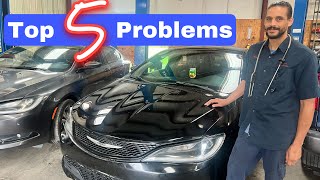

We Have This Part in Stock


The information in this article is provided for general reference and educational purposes only. Vehicle specifications, procedures, and part compatibility can vary by production date, trim level, and region. Always consult your vehicle's factory service manual and verify part numbers before purchasing or performing repairs. Safety-critical components such as airbags, seat belts, and braking systems should be installed by a qualified professional.
- Chrysler 200:
- 🎬 Helpful Videos
- 🛍️ Shop This Part
- What's Unique About the 2015-2017 Chrysler 200
- Symptoms You May Notice
- Most Likely Causes
- Rare But Worth Checking
- Diagnosis Steps
- Parts You'll Likely Need
- Technical Service Bulletins (TSBs) & Recalls
- Platform-Specific Known Issues
- Mechanic-Grade Diagnostic Values
- Scan Tool Commands That Help
- Wiring & Ground Locations
- Real Owner Repair Stories
- OEM Part Supersession History
- Diagnostic Flowchart
- Other Known Issues on This Vehicle
- Used vs. New Parts: Buying Guide for This Vehicle
- Real Owner Stories
- 2015 Chrysler 200 3.6L AWD — 80000 miles
- 2014-2023 Dodge Durango 3.6L Pentastar
- Related OBD-II Codes
- Frequently Asked Questions
- 🎟️ Get 5% Off