

P0134 on 2016-2021 Hyundai Tucson 2.0L: Causes and Fixes for O2 Sensor No Activity
This code almost always means the upstream oxygen sensor (Bank 1, Sensor 1) has failed. On the 2.0L Tucson, this is a straightforward replacement. Expect to pay around $50-$100 for an aftermarket sensor and $150-$250 for an OEM part. It's a DIY-friendly job with the right O2 sensor socket. Before replacing, check the wiring for heat damage and ensure the fuse for the heater circuit isn't blown.
- P0134 on your Tucson almost certainly means you need a new upstream oxygen sensor (Bank 1, Sensor 1).
- This is a DIY-friendly repair that requires basic tools and a special O2 sensor socket.
- Before buying a new sensor, always perform a quick visual inspection of the wiring and connector for obvious damage like melting or breaks, and check the related fuse.
- Using an OBD-II scanner to watch the sensor's live voltage data is the fastest way to confirm the failure.
- Do not ignore this code. Driving for extended periods can lead to poor performance, bad fuel economy, and expensive damage to the catalytic converter.
What's Unique About the 2016-2021 Hyundai Tucson
For the third-generation (TL) Hyundai Tucson with the Nu 2.0L GDi engine, the P0134 code is a common and typically straightforward issue. There are no widespread factory defects or technical service bulletins (TSBs) specifically for this code, which indicates the cause is usually a standard part failure rather than a complex design flaw. While some Hyundai engines have been subject to recalls for internal issues, those problems (like bearing wear) do not directly cause a 'no activity' code from the O2 sensor. The fix is almost always replacing the sensor itself after checking for simple wiring or fuse issues.
Symptoms You May Notice
- Check Engine Light is on
- Decreased fuel economy
- Rough or hesitant idling
- Engine performance issues or hesitation during acceleration
- Failing an emissions test
- Black smoke from the exhaust in some cases
- Replacing the downstream (Bank 1, Sensor 2) oxygen sensor. P0134 specifically refers to Sensor 1, the upstream sensor before the catalytic converter.
- Replacing the Mass Airflow (MAF) sensor. While a faulty MAF can cause fuel trim issues, it will not cause a 'no activity' code for the O2 sensor. Some generic repair videos suggest cleaning the MAF, but this is not a primary diagnostic step for P0134.
Most Likely Causes
- Failed Upstream Oxygen Sensor (Bank 1, Sensor 1) 🔴 High Probability Oxygen sensors are wear-and-tear items that operate in a harsh exhaust environment. The internal heating element can fail, or the sensing element can become contaminated over time, leading to a lack of signal. This is the most common reason for P0134.
How to confirm: Use an OBD-II scanner with live data capabilities. Observe the voltage for 'O2S11' (or B1S1). A healthy sensor's voltage will fluctuate rapidly between approximately 0.1V and 0.9V. If the voltage is stuck at a constant value (e.g., ~0.45V), shows a flat line, or has no signal at all, the sensor has failed.
Typical fix: Replace the upstream oxygen sensor. On the 2.0L engine, it is located on the front of the exhaust manifold and is accessible from the engine bay. An O2 sensor socket is recommended for removal.
Est. part cost: $50-$250 - Damaged Wiring or Connector 🟡 Medium Probability The sensor wiring is routed close to the hot exhaust manifold. The plastic loom can become brittle and break, exposing wires to heat damage. Wires can melt on the exhaust heat shield, causing a short. The connector can also be damaged during other engine service.
How to confirm: Visually inspect the entire wiring harness from the O2 sensor to where it connects to the main engine harness. Look for melted plastic, chafed or broken wires, and check that the connector is securely plugged in with no corrosion on the pins.
Typical fix: Repair the damaged section of wiring with new wire and heat-shrink tubing. If the connector is damaged, replace it with a pigtail connector.
Est. part cost: $10-$30 - Exhaust Leak ⚪ Low Probability While not exceptionally common, a crack in the exhaust manifold or a failed gasket before the O2 sensor can allow outside air into the exhaust stream. This can disrupt the sensor's ability to get an accurate reading, sometimes leading the ECU to interpret it as 'no activity'.
How to confirm: Listen for a ticking or tapping noise from the engine bay, especially when the engine is cold. You can also use a smoke machine to pressurize the exhaust system and look for leaks before the sensor.
Typical fix: Replace the exhaust manifold gasket or repair/replace the cracked exhaust manifold.
Est. part cost: $20-$400
Rare But Worth Checking
- Blown Fuse for Heater Circuit: The oxygen sensor has an internal heater that helps it get to operating temperature quickly. This heater is on a fused circuit, often labeled 'SENSOR 1' in the fuse box. While rare for the fuse to blow without a direct short in the wiring, it's a quick and easy check before replacing parts.
- Failed Engine Control Module (ECM): This is extremely rare. The ECM is the last thing to suspect. All other possibilities, especially the sensor and its wiring, must be exhaustively ruled out before considering the ECM is the problem.
Diagnosis Steps
- Connect an OBD-II scanner and confirm that P0134 is the only code present. If other codes exist, address them first.
- Check Fuses: Before inspecting the sensor, check the fuse for the O2 sensor heater circuit in the engine bay fuse box. It is often labeled 'SENSOR 1'.
- Visually inspect the Bank 1 Sensor 1 oxygen sensor. It is located on the exhaust manifold, easily visible at the front of the engine. Check the wiring harness and connector for any signs of melting, chafing, or physical damage.
- Check for any significant exhaust leaks between the cylinder head and the sensor. Listen for any loud ticking noises when the engine is running.
- Use the live data function on your OBD-II scanner to monitor the 'B1S1 O2 Sensor Voltage'. Start the engine and let it warm up.
- A healthy sensor will show voltage rapidly fluctuating between ~0.1V and ~0.9V. If the voltage is flat, stuck near 0.45V, or shows no signal at all, the sensor is defective.
- If the sensor appears to be the issue, replace the Bank 1 Sensor 1 oxygen sensor. Using penetrating oil on the threads before removal is recommended. An O2 sensor socket will be required.
- After replacement, clear the trouble code with the scanner and take the vehicle for a test drive to ensure the code does not return.
Parts You'll Likely Need
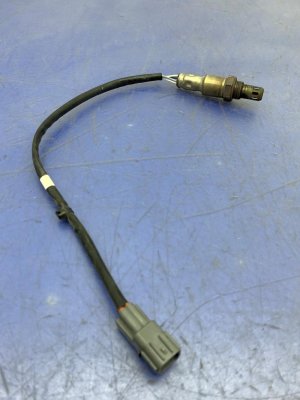
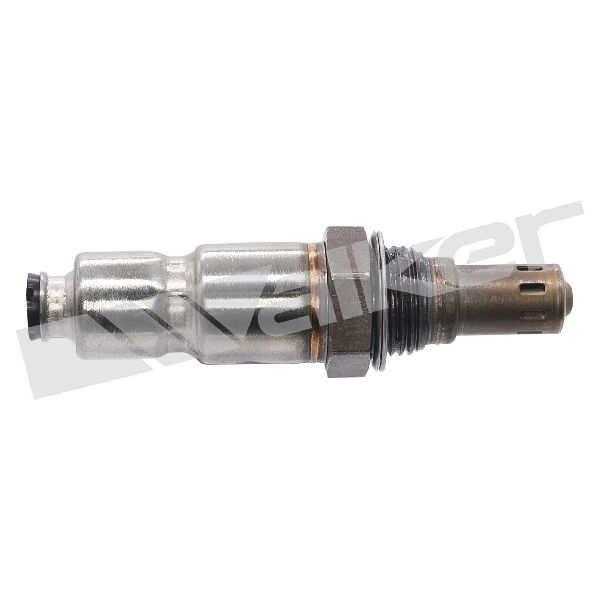
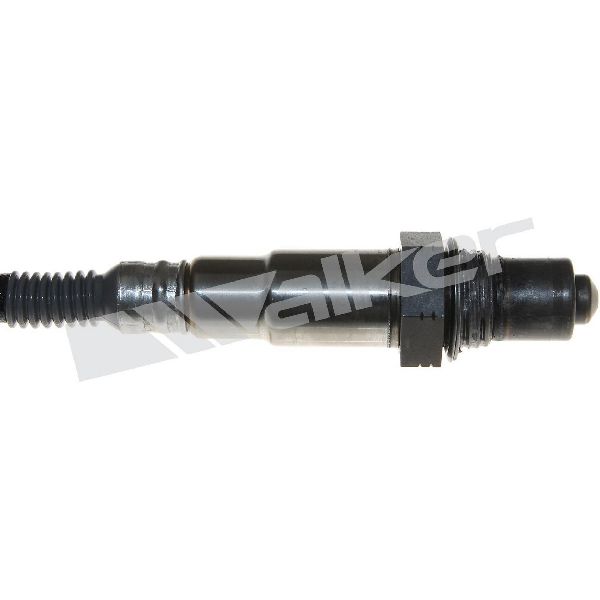
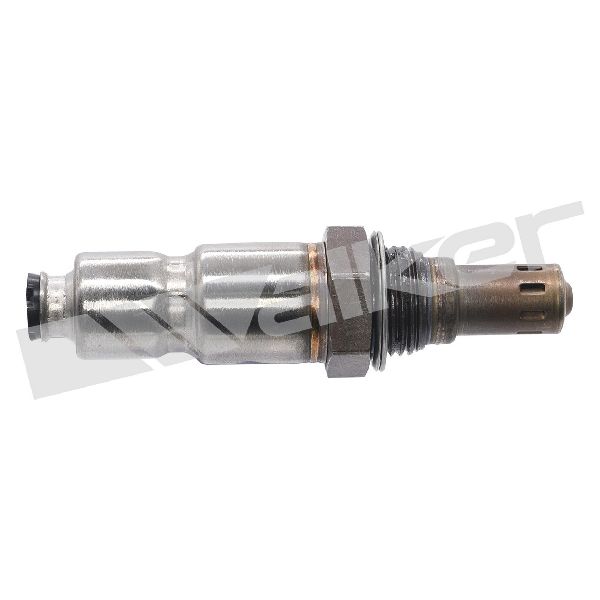
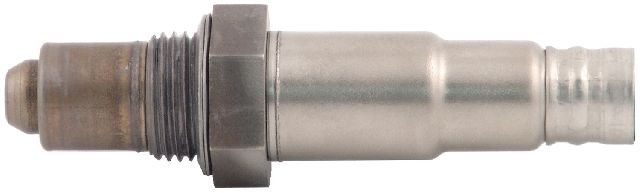
- Upstream Oxygen Sensor (Air/Fuel Ratio Sensor)
(OEM #39210-2ECA0)— This is the primary component that fails and causes the P0134 code. It is a wear item that eventually fails from heat and contamination.
Trusted brands: Denso, NGK, Bosch, Walker Products
OEM price range: $150-$250
Aftermarket price range: $50-$120
Technical Service Bulletins (TSBs) & Recalls
- TSB 21-01-023H (Campaign 966) - A software update for the knock sensor detection system (KSDS) on 2016-2021 models. This is not directly related to P0134, but is a critical update for the Nu 2.0L GDi engine. It is designed to detect abnormal engine bearing noise (a known issue) and put the vehicle into a protection mode to prevent catastrophic failure. Completing this campaign is a prerequisite for an extended powertrain warranty on these engines.
Platform-Specific Known Issues
- Recall 209 (NHTSA Campaign 21V750000) was issued for some 2017 Tucson models with the 2.0L engine for premature connecting rod bearing wear. A worn bearing can cause engine knocking and eventual failure, potentially leading to a fire if the connecting rod punctures the block. While this is a serious engine issue, it does not directly cause the P0134 code but is important context for owners of this specific model year.
- A Reddit user with a similar Hyundai Elantra reported the P0134 code returning intermittently even after replacing the sensor, which eventually caused hesitation issues. This points to the importance of thoroughly checking the wiring harness for hidden damage or shorts that can cause recurring problems.
Mechanic-Grade Diagnostic Values
- B1S1 O2 Sensor Heater Circuit Resistance — expected: Typically 2.4 - 12 Ohms at 68°F (20°C).. Failure: A reading of infinity (open circuit) or significantly outside the expected range indicates a failed heater element.
- B1S1 O2 Sensor Signal Voltage (Live Data) — expected: Rapidly fluctuating between approximately 0.1V (lean) and 0.9V (rich) once the engine is in closed loop.. Failure: A flat-line voltage, often stuck around 0.45V, or no voltage at all, indicates a non-responsive sensor.
- ECM Code Setting Threshold — expected: N/A. Failure: The ECM will set P0134 if the B1S1 voltage remains at a steady ~0.45V for a predetermined amount of time (e.g., more than 15 seconds) when it expects to see switching.
Scan Tool Commands That Help
- Hyundai GDS (Global Diagnostic System) or KDS: DTC Analysis and Data Analysis (Live Data) — Use Data Analysis to view the live O2 sensor voltage graph (O2S B1S1) to confirm lack of activity. The GDS tool provides the most reliable, OEM-level data stream for Hyundai vehicles.
Wiring & Ground Locations
- B1S1 Connector — On the front of the engine, connected directly to the upstream O2 sensor which is screwed into the exhaust manifold.. This is the primary connection point to inspect for damage, corrosion, or looseness. The wiring harness near the connector is prone to melting from contact with the exhaust manifold or heat shield.
- Fuse 'SENSOR 1' — Located in the engine compartment fuse box.. This fuse provides power to the O2 sensor's internal heater circuit. A blown fuse will cause the sensor to warm up too slowly or not at all, leading to a 'no activity' code.
OEM Part Supersession History
39210-2ECA0→No official supersession found.— N/A
Heads up: This part is listed for 2015-2018 Hyundai Tucson models. Some parts catalogs confusingly label it 'Sensor Assembly-Oxygen, Rear' but diagrams and position descriptions confirm it is the upstream (front, pre-catalyst) sensor for the 2.0L engine. Always verify fitment with VIN.
Model Year Variations Within This Range
- 2016-2021: While the same Nu 2.0L GDi engine was used, minor wiring harness routing or connector changes could exist. A 2017 wiring diagram was located, but may not be identical for all years in the range. The OEM part number 39210-2ECA0 is primarily associated with the 2015-2018 model years. Later models (2019-2021) may use a different part number, so VIN verification is critical.
Diagnostic Flowchart
Other Known Issues on This Vehicle
Issues unrelated to this code that are worth knowing about as an owner of this generation:
- Premature Connecting Rod Bearing Failure 🔴 High — Common enough to trigger multiple recalls, a class-action lawsuit, and a warranty extension. Affects 2017 models most directly via recall, but is a known risk for the Nu 2.0L GDi engine family. (Ref: NHTSA Campaign 21V750000 (Recall 209); Campaign 966 (KSDS Update))
- Excessive Oil Consumption 🟠 Medium — Widely reported by owners, often starting after 60,000 miles. Caused by carbon buildup on piston oil control rings. Hyundai considers up to 1 quart per 1,000 miles acceptable, but it can lead to spark plug fouling and engine damage if not monitored. (Ref: TSB 23-EM-008H (Inspection Guidelines), TSB 23-EM-007H (Combustion Chamber Cleaning))
- Hesitation/Stalling from Dual-Clutch Transmission (DCT) 🟠 Medium — Primarily affects the 1.6L Turbo models, not the 2.0L GDI, but is a very common and well-documented complaint for the Tucson (TL) platform. Owners report dangerous hesitation when accelerating from a stop. (Ref: TSB 19-AT-013H (DCT Logic Update))
- Engine Fire Risk (ABS Module) 🔴 High — Subject of a major recall. The ABS module can malfunction and cause an electrical short, potentially leading to a fire in the engine compartment, even when the vehicle is parked and turned off. (Ref: NHTSA Campaign 20V543000)
Used vs. New Parts: Buying Guide for This Vehicle
When a used part is the smart pick: It is almost never a good idea to buy a used oxygen sensor. They are wear-and-tear items with a finite lifespan, and their exposure to extreme heat and exhaust gases makes their remaining life unpredictable. A used part could fail shortly after installation, wasting time and money.
What to inspect on the donor part:
- Not applicable for this part.
OEM-only on this vehicle (don't cheap out):
- While not strictly 'OEM-only', using a high-quality, known-good aftermarket brand is essential. Cheap, unbranded sensors are a common source of recurring issues.
Aftermarket brands forum-validated for this vehicle:
- Denso
- NTK (part of NGK)
Brands owners have reported issues with on this vehicle:
- Unbranded, 'no-name' sensors from online marketplaces. Forum discussions frequently mention that while brands like Bosch are generally high quality, some vehicle makes can be sensitive, and sticking with the OEM supplier (often Denso or NTK for Hyundai) is the safest bet.
Real Owner Stories
Aggregated from forums and TSBs cited above. Mileages and costs reflect what owners reported in those sources.
2014-2020 Hyundai Elantra (Nu 2.0L GDi)
Symptoms: The P0134 code was coming off and on intermittently after the sensor was replaced, eventually leading to drivability issues and engine hesitation.
What fixed it: Thoroughly checking the wiring harness for hidden damage or shorts, as the problem persisted after sensor replacement.
Source hint: r/AskMechanics - P0134 code coming off and on after replacement
2012-2019 Kia Soul (Nu 2.0L GDi)
Symptoms: Check engine light for P0134 persisted even after replacing both oxygen sensors.
What fixed it: Checking for vacuum leaks, exhaust leaks, or faulty wiring/connectors.
Source hint: r/KiaSoulClub - P0134 after replacing both sensors
Related OBD-II Codes
Frequently Asked Questions
Does TSB 21-01-023H (Campaign 966) fix the P0134 code on my 2016-2021 Tucson?
Where is the Bank 1 Sensor 1 oxygen sensor located on the 2.0L GDi engine?
Could the P0134 code be related to the Recall 209 for connecting rod bearings?
I replaced the O2 sensor but the P0134 code keeps coming back. What should I check next?
Is there a specific fuse I should check for the P0134 code?
Can an exhaust leak cause a P0134 code on the Tucson?
Helpful Videos
![How to Fix P0134 Engine Code in 3 Minutes [2 DIY Method / Only $9.88]](https://img.youtube.com/vi/epgyX5iNjLs/mqdefault.jpg)
Used OEM Parts in Stock
New Aftermarket Parts Available

The information in this article is provided for general reference and educational purposes only. Vehicle specifications, procedures, and part compatibility can vary by production date, trim level, and region. Always consult your vehicle's factory service manual and verify part numbers before purchasing or performing repairs. Safety-critical components such as airbags, seat belts, and braking systems should be installed by a qualified professional.
- Hyundai Tucson:
- 🎬 Helpful Videos
- 🛍️ Shop This Part
- What's Unique About the 2016-2021 Hyundai Tucson
- Symptoms You May Notice
- Most Likely Causes
- Rare But Worth Checking
- Diagnosis Steps
- Parts You'll Likely Need
- Technical Service Bulletins (TSBs) & Recalls
- Platform-Specific Known Issues
- Mechanic-Grade Diagnostic Values
- Scan Tool Commands That Help
- Wiring & Ground Locations
- OEM Part Supersession History
- Model Year Variations Within This Range
- Diagnostic Flowchart
- Other Known Issues on This Vehicle
- Used vs. New Parts: Buying Guide for This Vehicle
- Real Owner Stories
- 2014-2020 Hyundai Elantra (Nu 2.0L GDi)
- 2012-2019 Kia Soul (Nu 2.0L GDi)
- Related OBD-II Codes
- Frequently Asked Questions
- 🎟️ Get 5% Off